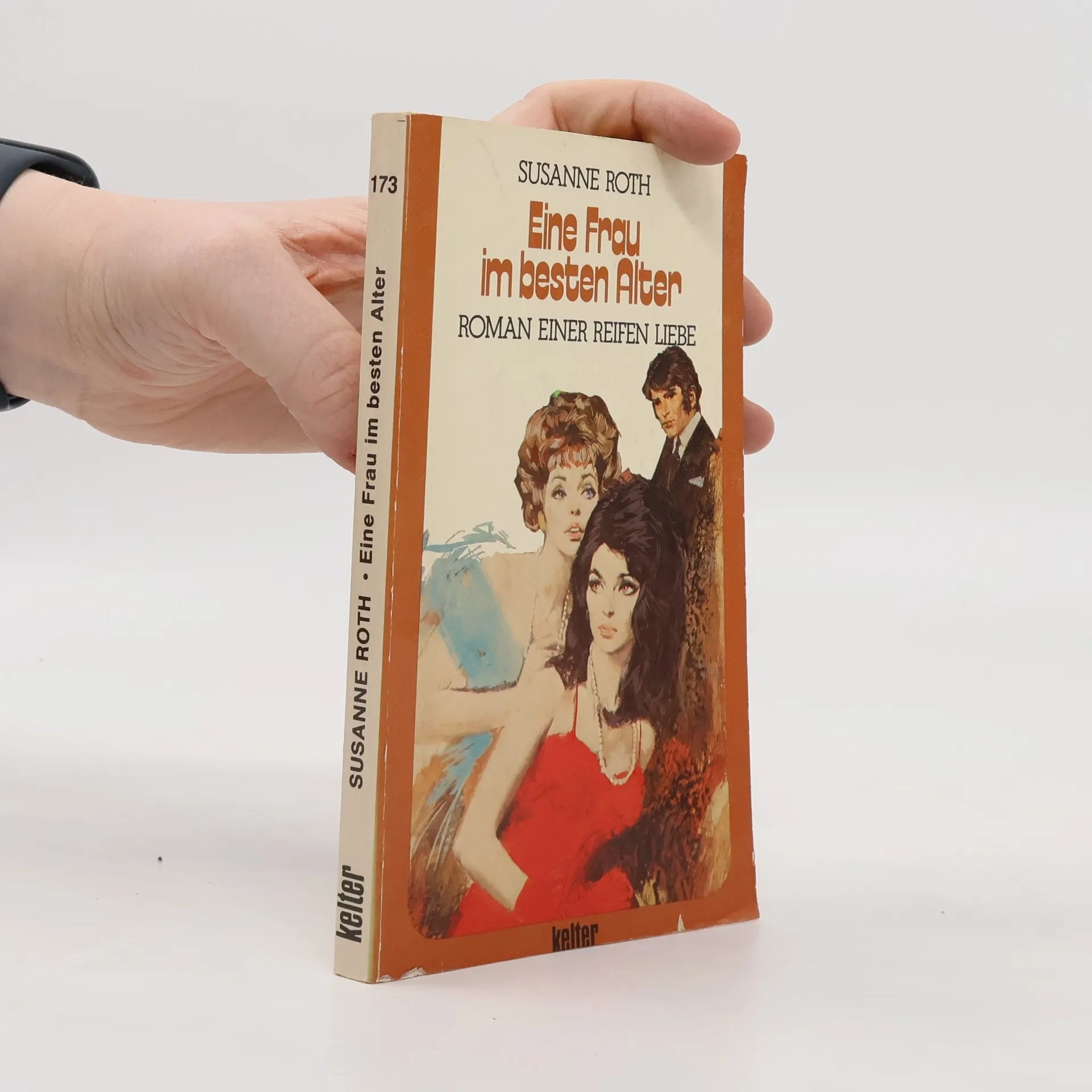
Susanne Roth Book order (chronological)

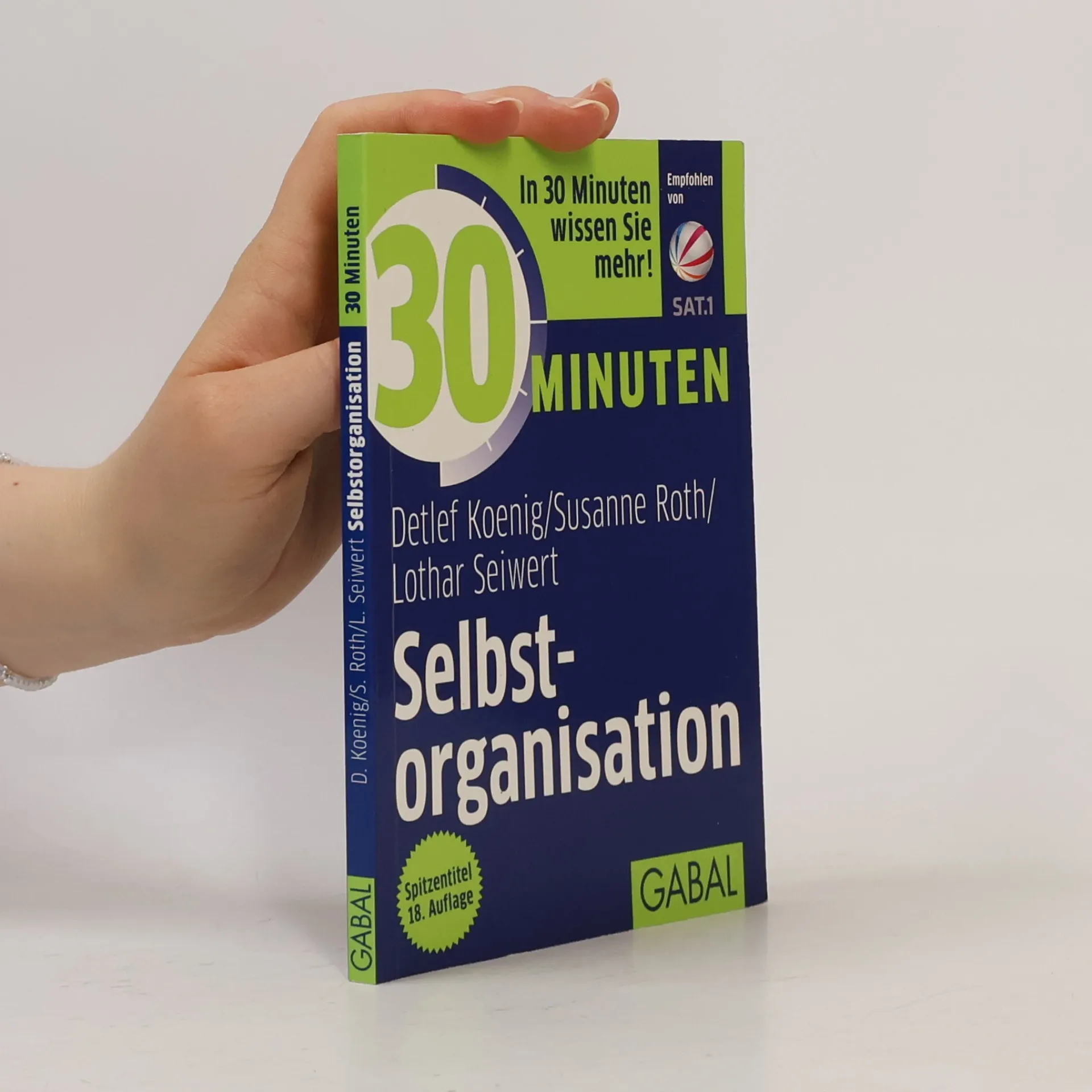
Kennen Sie das: Sie kommen abends mit dem Gefühl nach Hause, nichts von dem erledigt zu haben, was Sie geplant hatten? Möchten Sie wissen, wie Sie Ihre Arbeit besser organisieren können und das ohne großen Aufwand? Dieses Buch zeigt Ihnen fünf in der Praxis bewährte Prinzipien der Selbstorganisation, mit denen Sie Ihre Arbeit garantiert erfolgreicher bewältigen können. Innerhalb von nur 30 Minuten erfahren Sie hier: wie Sie wenig Zeit einSetzen und viel Zeit gewinnen wie Sie die „Erfolgsbremse“ Perfektionismus ausschalten wie Sie zwischen wichtig und dringend differenzieren wie Sie Besprechungen professionell organisieren wie Sie einen übersichtlichen Zeitplan gestalten
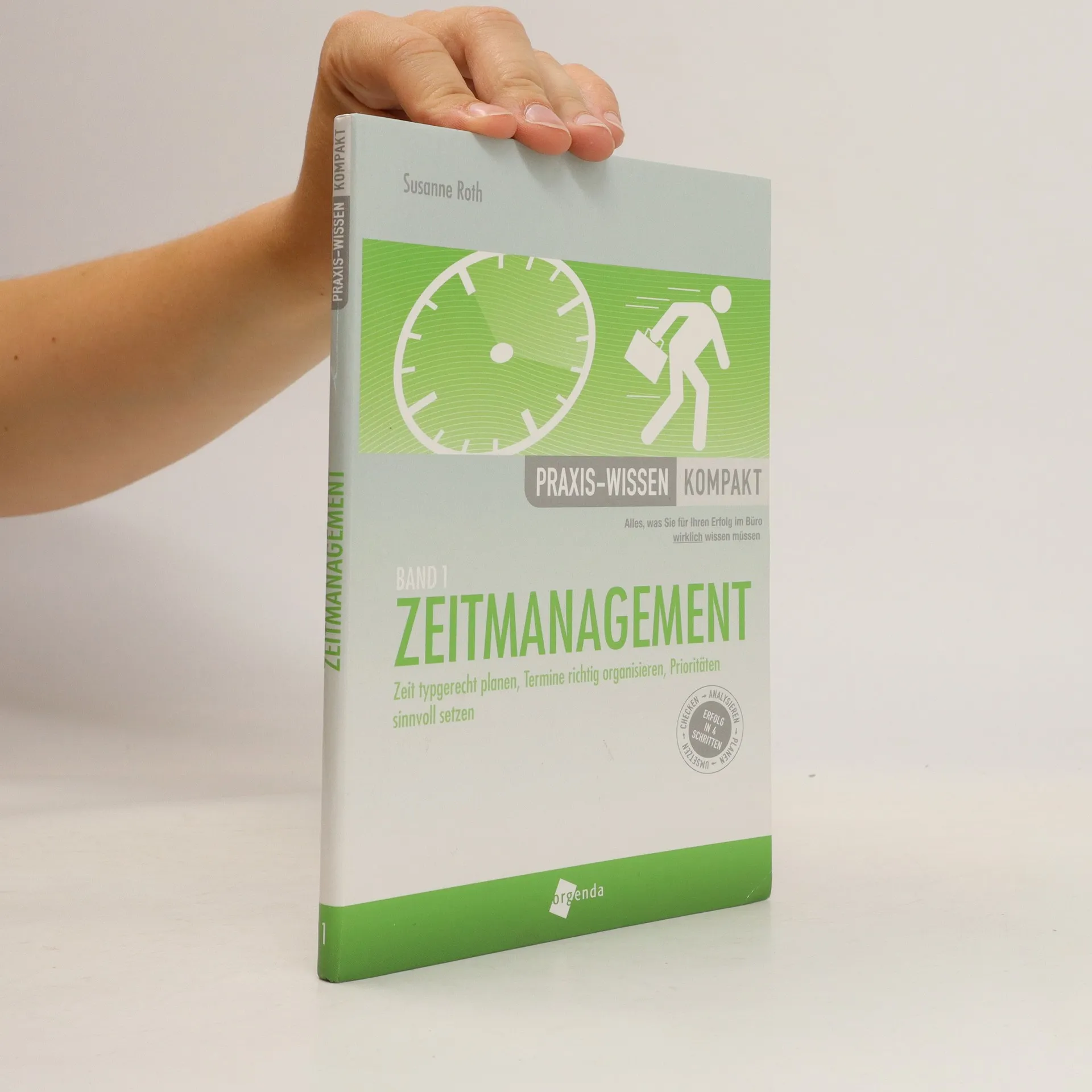
Zeitmanagement
Zeit typgerecht planen, Termine richtig organisieren, Prioritäten sinnvoll setzen
- 112 pages
- 4 hours of reading
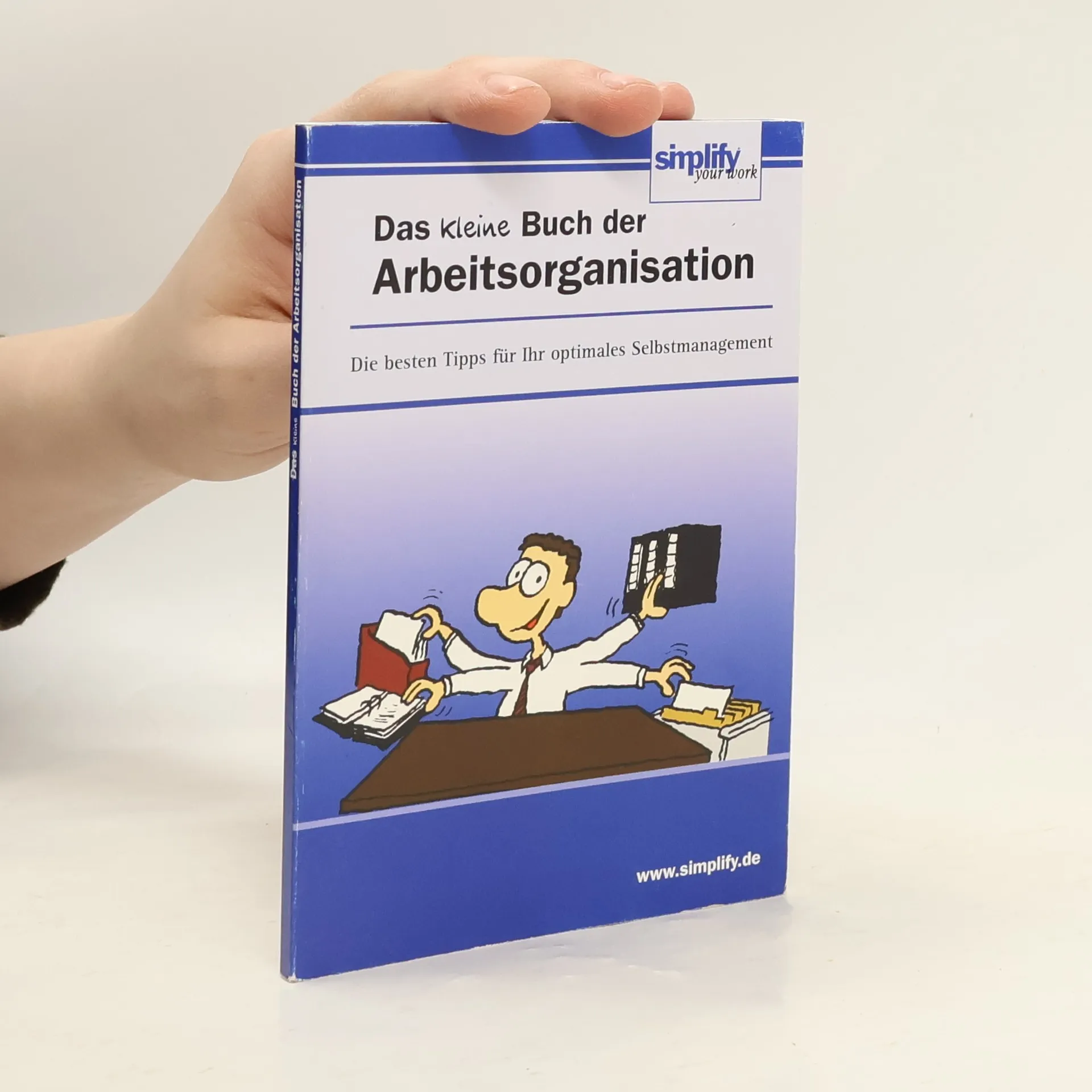
Das kleine Buch der Arbeitsorganisation
Die besten Tipps für Ihr optimales Selbstmanagement
- 80 pages
- 3 hours of reading
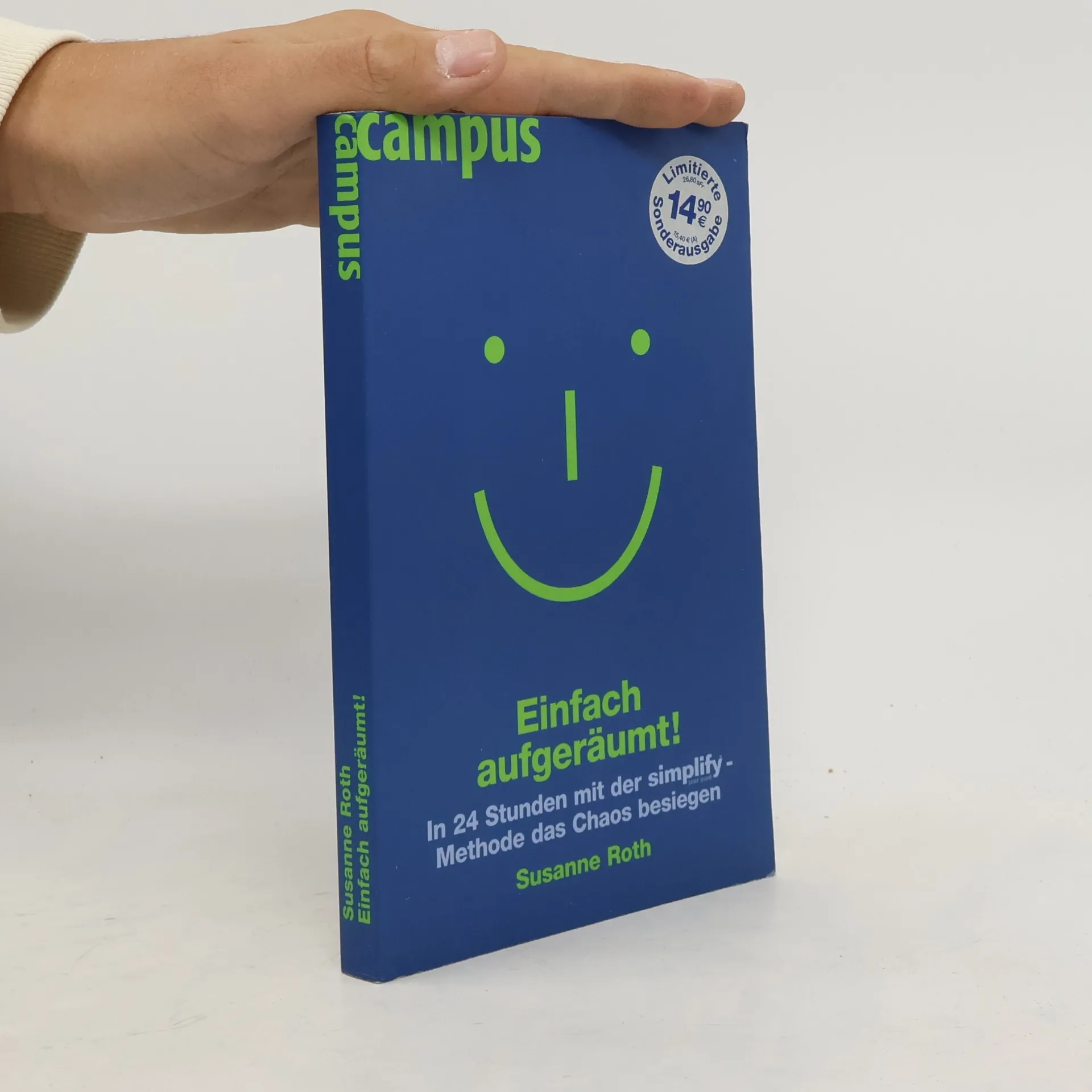
Einfach aufgeräumt!
- 181 pages
- 7 hours of reading
Die Stapel mit unerledigten Projekten auf dem Schreibtisch wachsen, auf dem Boden türmen sich Protokolle und Info-Material und die Suche nach wichtigen Unterlagen dauert immer länger. Bis irgendwann schon beim morgendlichen Betreten dieses chaotischen Büros die Motivation sinkt …
The Unbearable Lightness of Being
- 328 pages
- 12 hours of reading
In this novel - a story of irreconcilable loves and infidelities - Milan Kundera addresses himself to the nature of twentieth-century 'Being' In a world in which lives are shaped by irrevocable choices and by fortuitous events, a world in which everything occurs but once, existence seems to lose its substance, its weight. We feel, says the novelist, 'the unbearable lightness of being' - not only as the consequence of our private acts but also in the public sphere, and the two inevitably intertwine. Juxtaposing Prague, Geneva, Thailand and the United States, this masterly novel encompasses the extremes of comedy and tragedy, and embraces, it seems, all aspects of human existence. It offers a wide range of brilliant and amusing philosophical speculations and it descants on a variety of styles
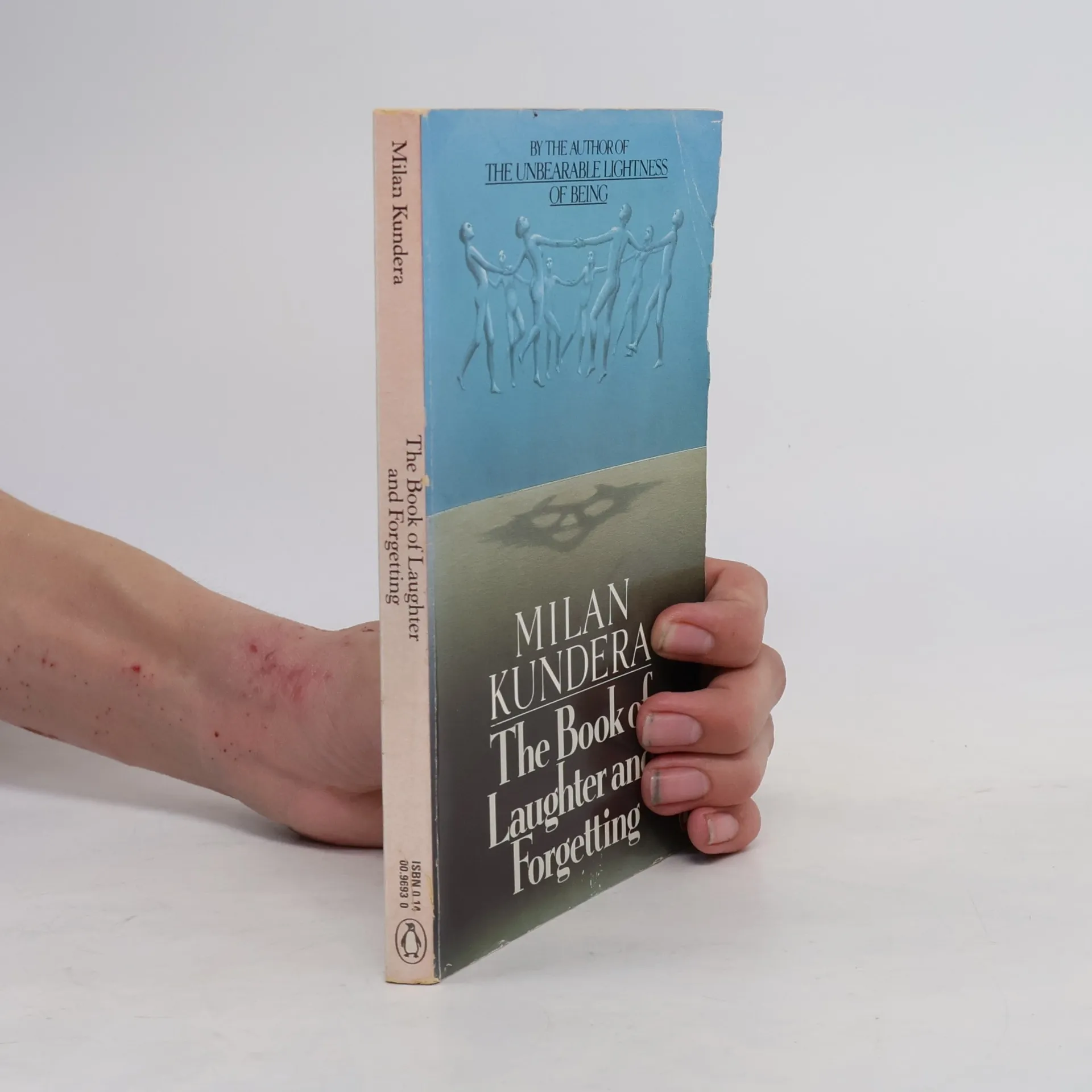
The Book of Laughter and Forgetting
- 228 pages
- 8 hours of reading
Offers a blend of stories, anecdotes, political history, and autobiography to create variations on several themes, including the power of laughter and the danger of forgetting
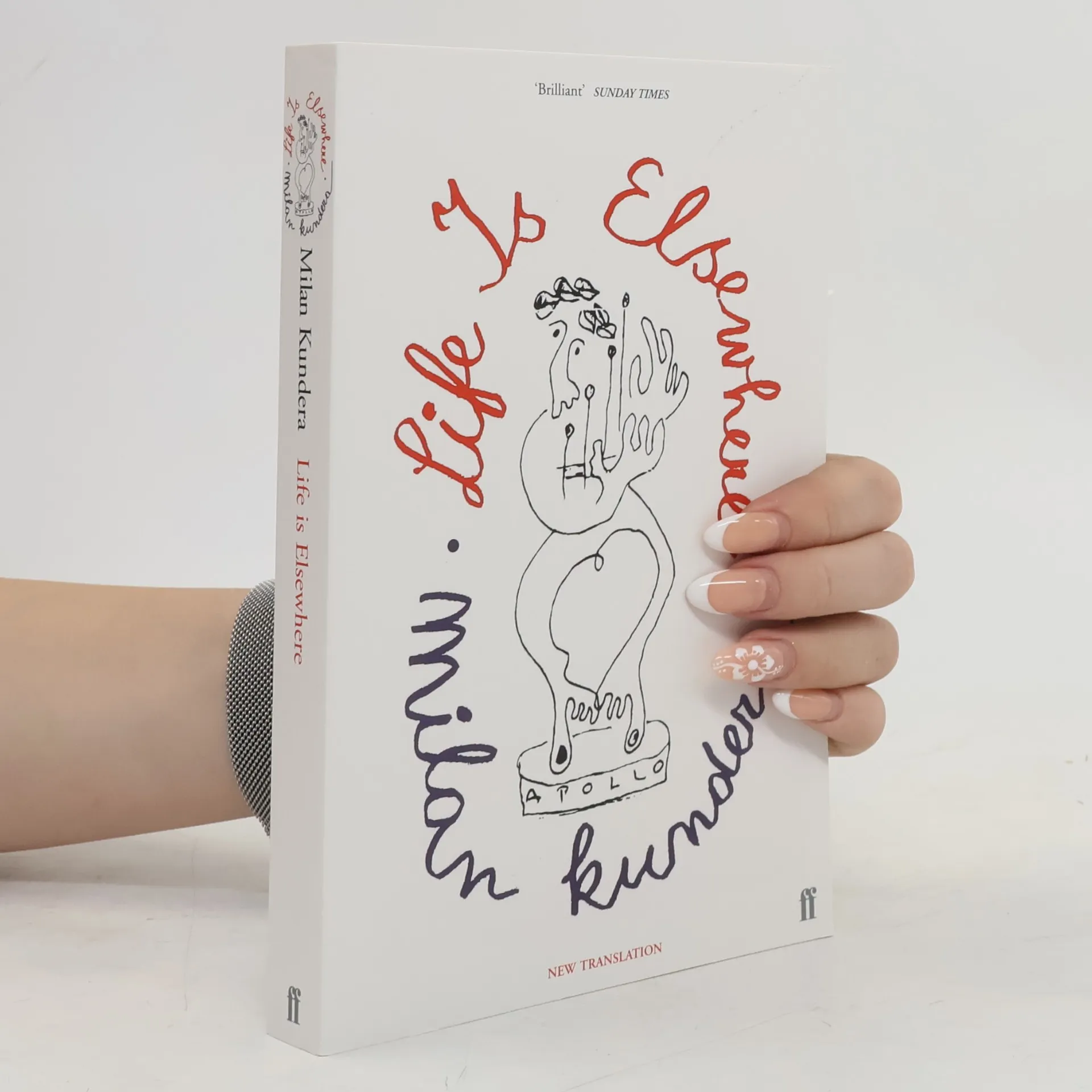
Life is Elsewhere
- 311 pages
- 11 hours of reading
Out of print since 1987, "Life Is Elsewhere" is available again in an outstanding new translation. Kundera's epic of adolescence tenderly erodes such sacrosanct values as childhood, motherhood, revolution, and even poetry, in a "remarkable portrait of an artist as a young man" ("Newsweek").
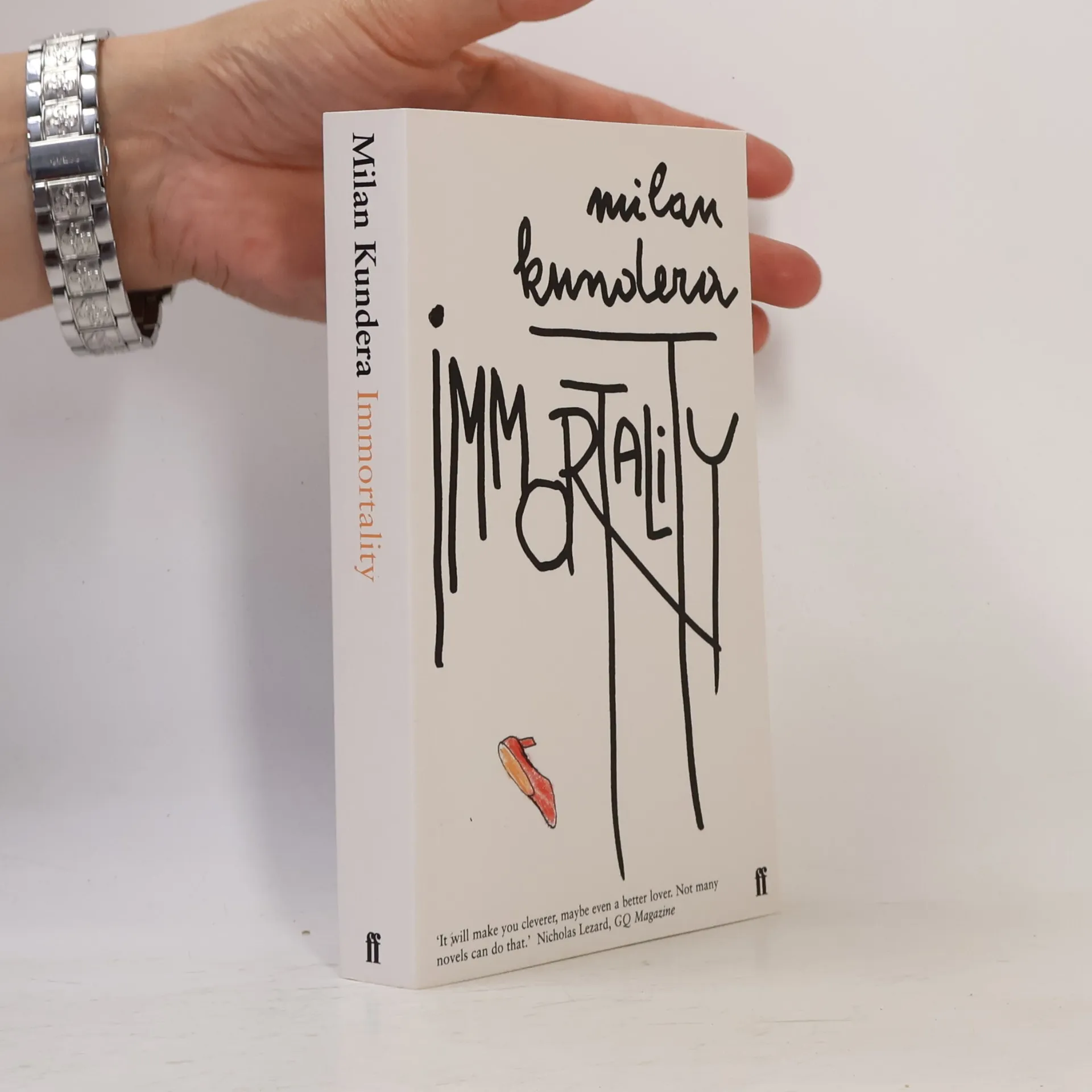
A modern classic, "Immortality" is "ingenious, witty, provocative, and formidably intelligent, both a pleasure and a challenge to the reader" ("Washington Post Book World").
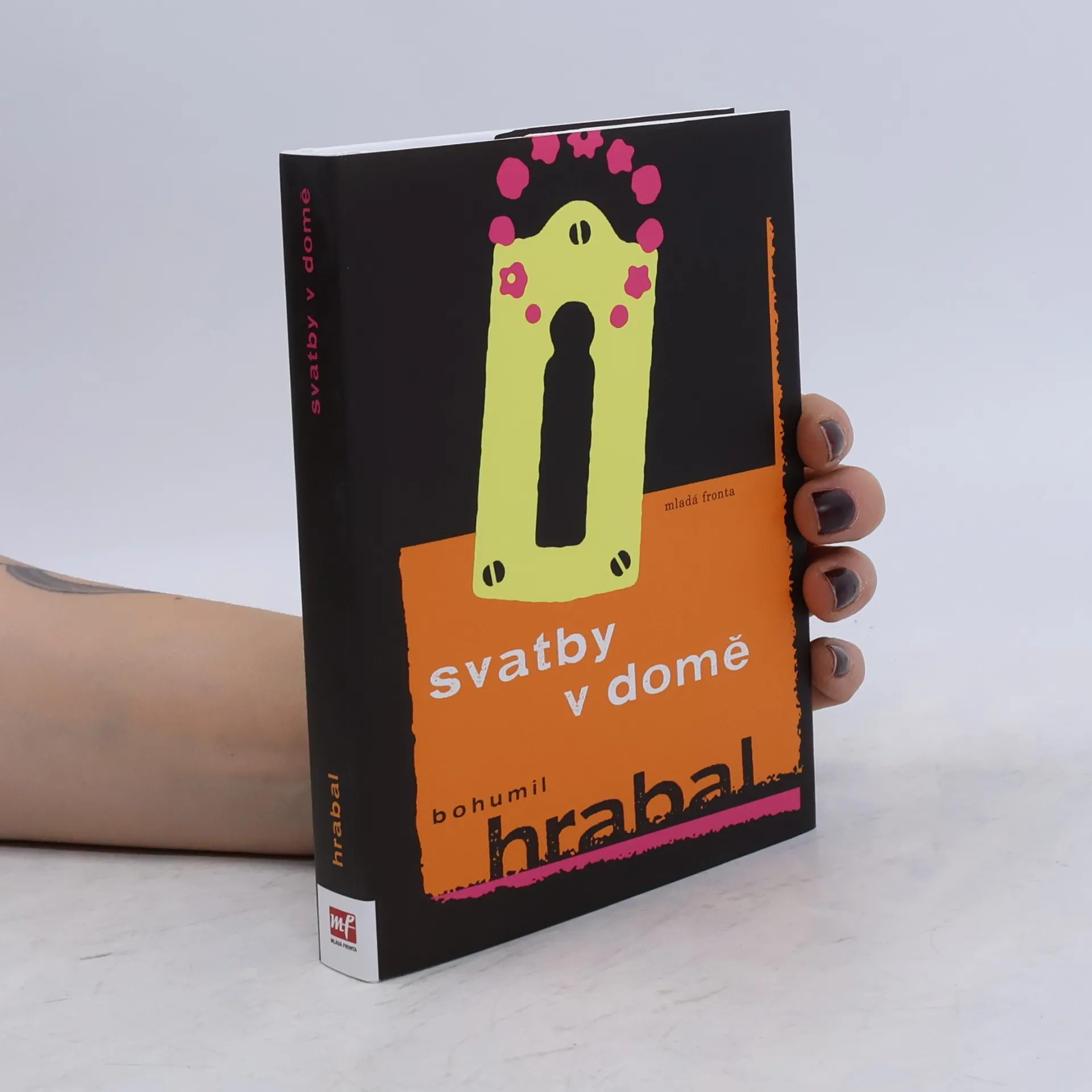
První stránky Hrabalovy autobiografické trilogie Svatby v domě, Vita nuova a Proluky spatřily světlo světa koncem sedmdesátých let dvacátého století, tedy v době, kdy spisovatel až na výjimky nesměl ve své vlasti oficiálně publikovat (ve stejné době mimochodem vznikala další Hrabalova vrcholná díla Něžný barbar a Příliš hlučná samota). Prvního vydání se tedy všechny tři knihy dočkaly v zahraničí. Přesto se jedná o jedny z nejlepších Hrabalových próz. Celá trilogie obsahuje sumu spisovatelových životních zkušeností a vydává jasné svědectví o jeho originálním umění.
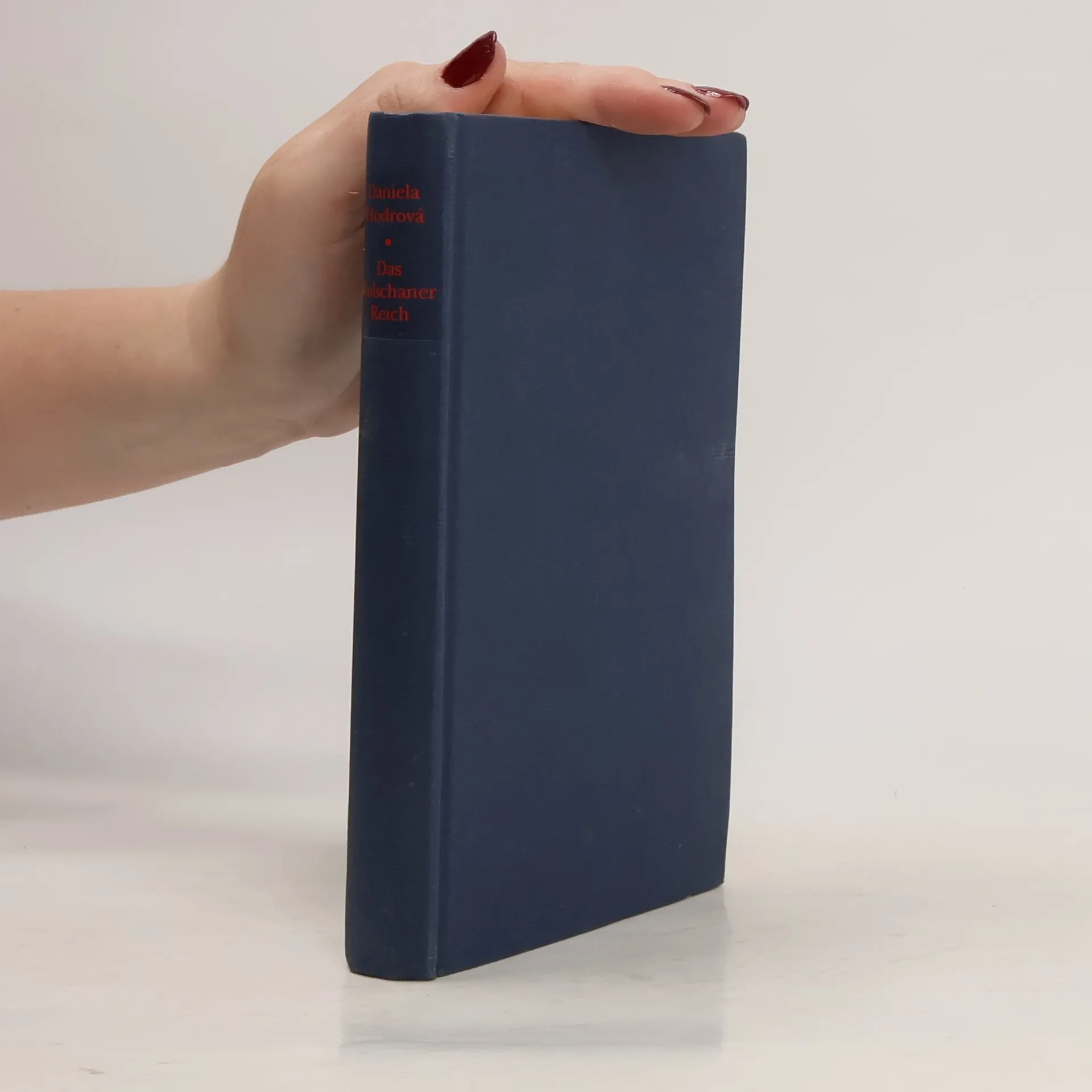
Das Wolschaner Reich. Roman
- 262 pages
- 10 hours of reading
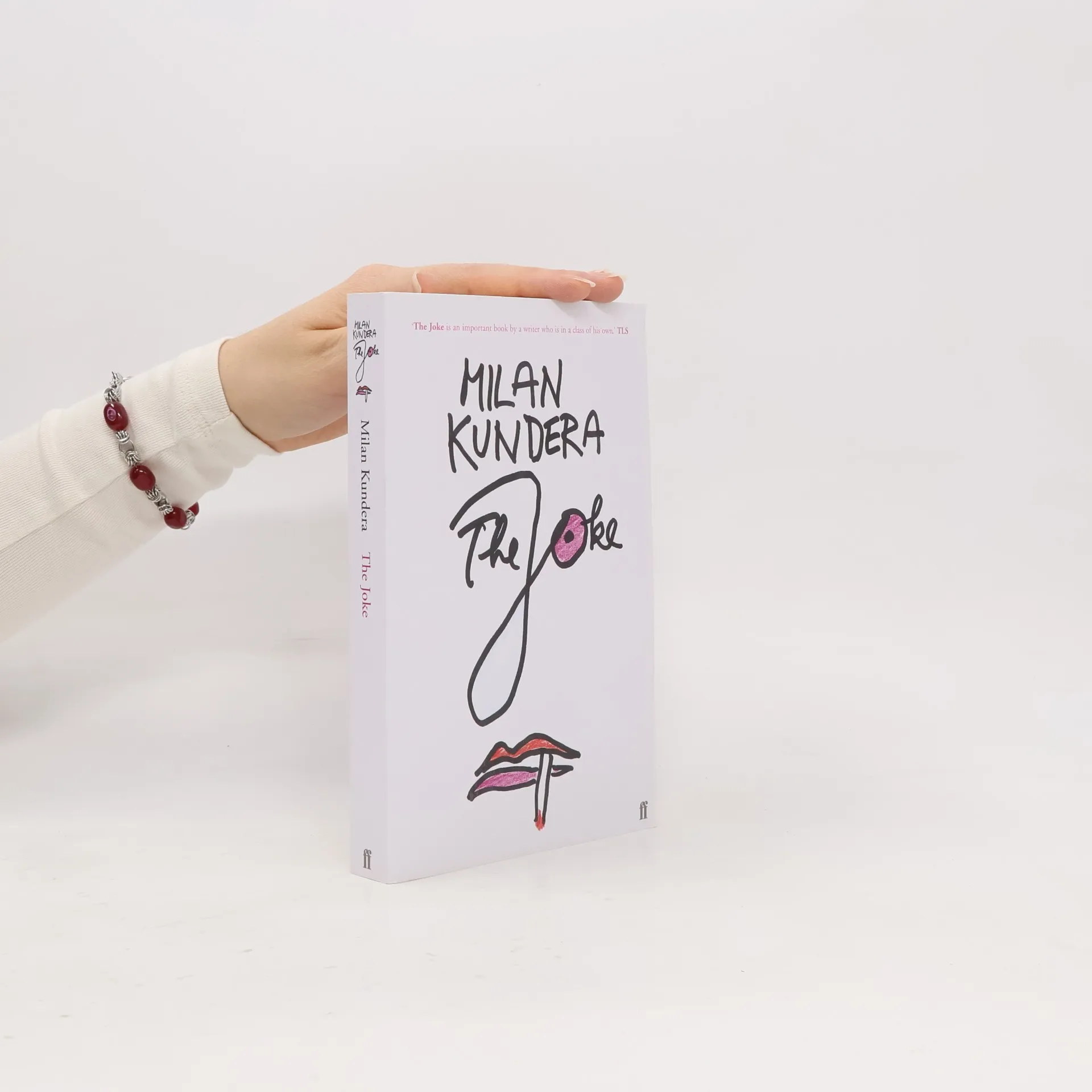
The joke
- 272 pages
- 10 hours of reading
This is the first novel by the author of "Immortality", which won "The Independent" Award for Foreign Fiction in 1991. Milan Kundera is also the author of "The Book of Laughter and Fogetting".
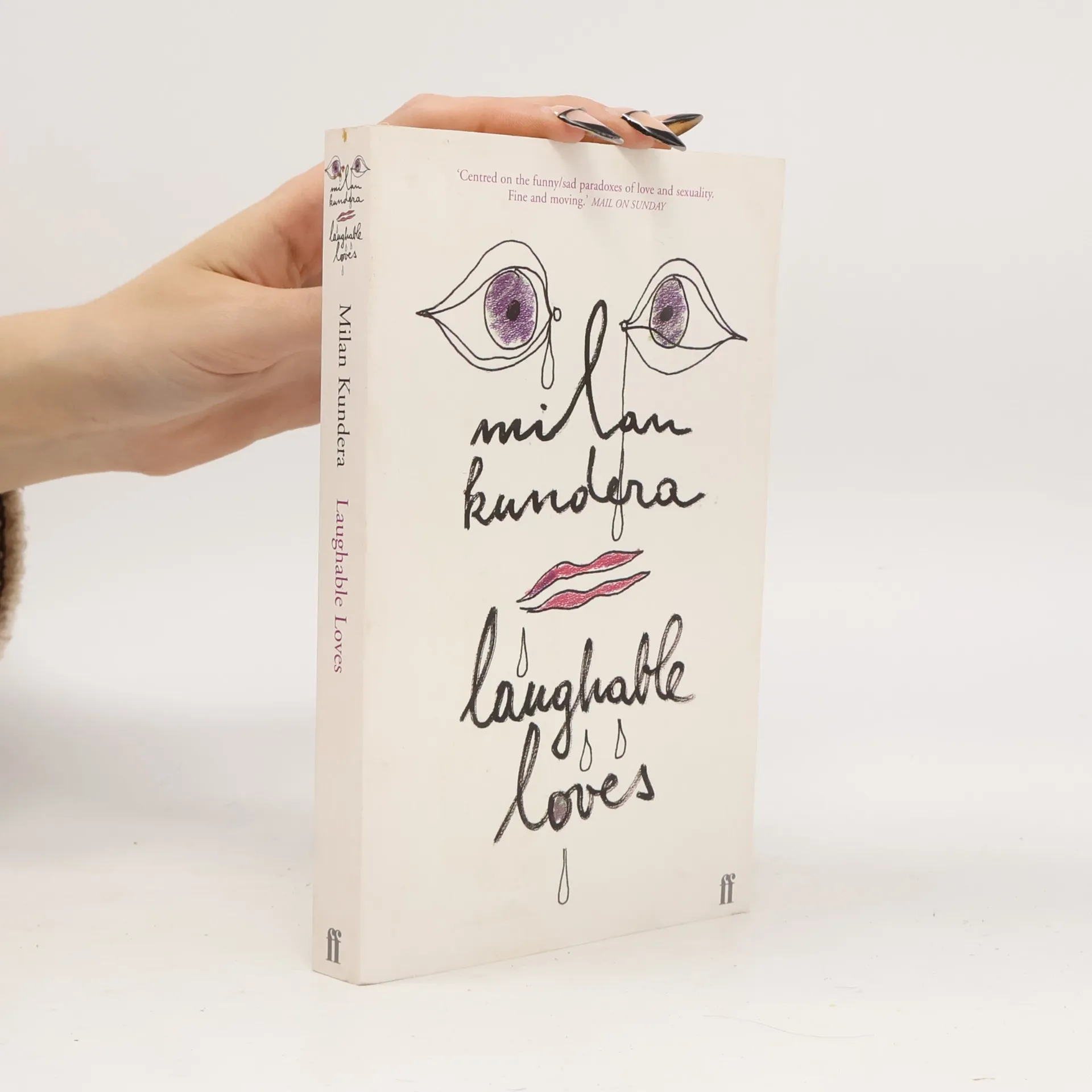
Laughable loves
- 287 pages
- 11 hours of reading
Laughable loves is a collection of stories that first appeared in print in Prague before 1968, but then was banned. The seven stories are all concerned with love, or rather with the complex erotic games and strategems employed by women and especially men as they try to come to terms with needs ad impulses that can start a terrifying train of events. Sexual attraction is shown as a game that often turns sour, an experience that brings with it painful insisghts and releases uncertainty, panic, vanity and a constant need for reassurance.
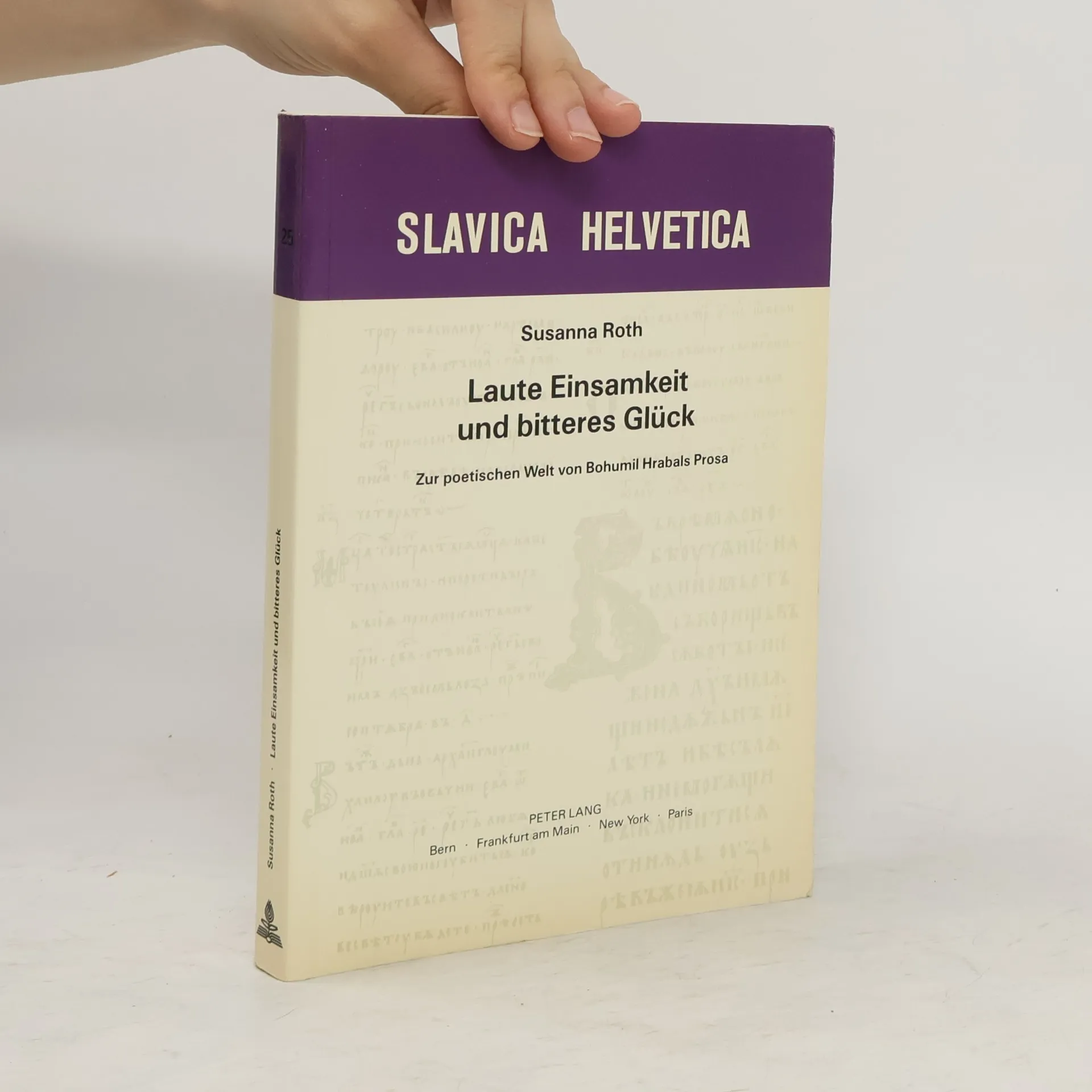
Laute Einsamkeit und bitteres Glück
- 276 pages
- 10 hours of reading
Diese Arbeit beschäftigt sich mit dem Erzählwerk des in Prag lebenden Schriftstellers Bohumil Hrabal (geb. 1914), der zu den bedeutendsten tschechischen Autoren der Gegenwart gehört. Es handelt sich um die erste umfassende Untersuchung von Hrabals Poetik sowie seiner Stellung innerhalb der Literatur seines Landes. Einen Schwerpunkt bildet die Problematik der siebziger Jahre, während denen das Schaffen des Dichters klar in einen inoffiziell verbreiteten und einen veröffentlichten Teil zerfällt. Am Beispiel einer Interpretation der verschiedenen Varianten von Allzu laute Einsamkeit (Prílis hlucná samota, 1976) versucht die Verfasserin, die Rolle von Zensur und Selbstzensur aufzuzeigen. Das Schicksal Bohumil Hrabals und die Geschichte seines Werks illustrieren auf exemplarische Weise eine kohärente künstlerische Entwicklung unter den sich ständig wandelnden kulturpolitischen Verhältnissen der Tschechoslowakei.