


Explore the latest books of this year!
Bookbot

David George Haskell

    David George Haskell is a British-born American biologist and author. His work explores the intersection of science and spirituality, examining how we can find meaning and beauty in the natural world. Haskell writes with a deep understanding of ecosystems and a poetic sensibility, inviting readers to appreciate the hidden wonders of life. Through his writings, he aims to foster a greater awareness of nature and deepen our connection to the planet.

    Die schöpferische Kraft der Blumen
    Kings County Distillery
    Sounds Wild and Broken
    The Songs of Trees
    Thirteen Ways to Smell a Tree
    The Forest Unseen
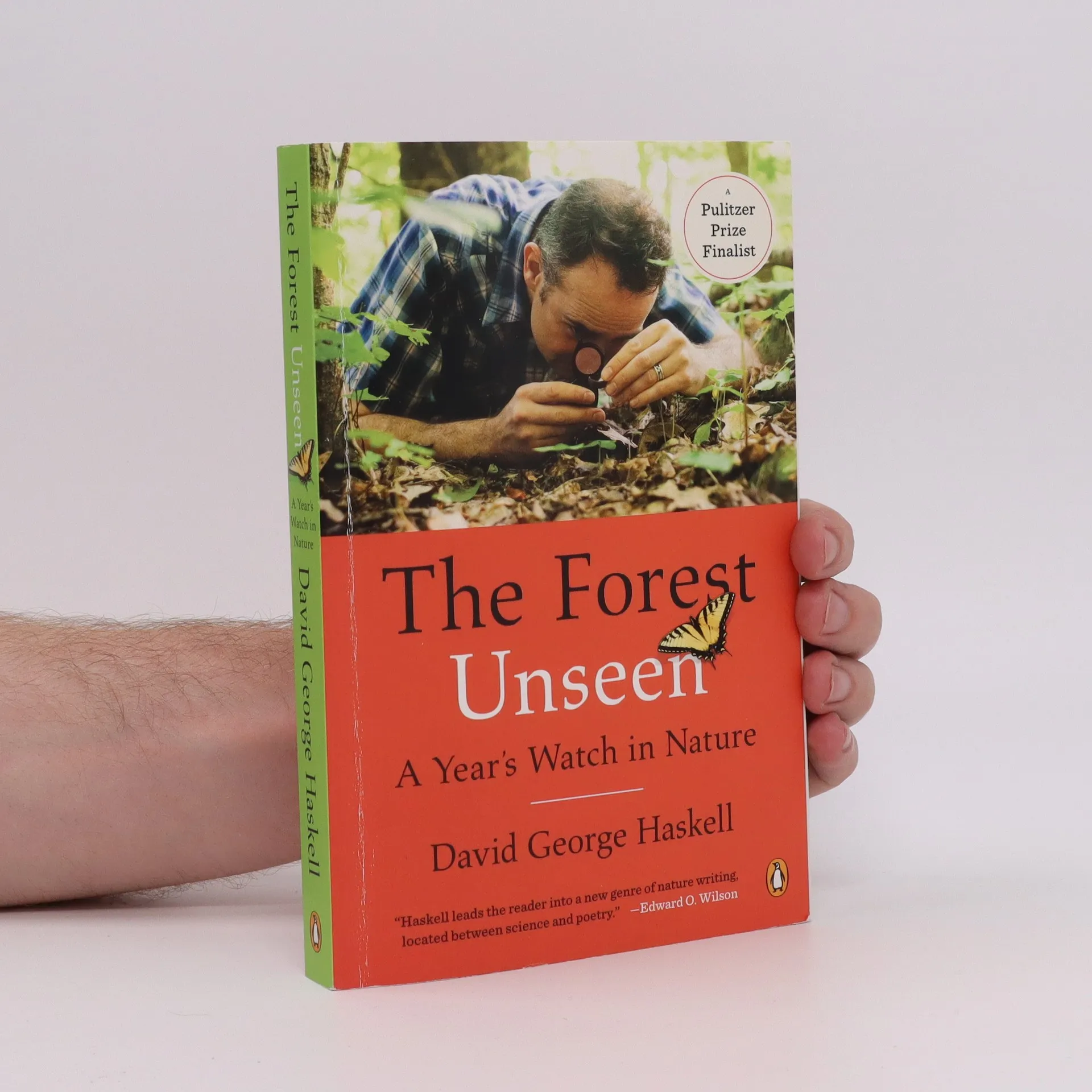
    • The Forest Unseen

      • 288 pages
      • 11 hours of reading

      "Written with remarkable grace and empathy, The Forest Unseen is a grand tour of nature in all its profundity. Biologist David George Haskell uses a one-square-meter patch of old-growth Tennessee forest as a window onto the entire natural world. Visiting it almost daily for one year to trace nature's path through the seasons, he brings the forest and its inhabitants to vivid life. Beginning with simple observations--a salamander scuttling across the leaf litter, the first blossom of spring wildflowers--Haskell spins a brilliant web of biology, ecology, and poetry, explaining the science binding together ecosystems that have cycled for thousands--sometimes millions--of years."--Publisher's website

      The Forest Unseen
      4.4
    • Thirteen Ways to Smell a Tree

      • 192 pages
      • 7 hours of reading

      Eclectic, brilliant, and beautifully written, this book reboots our aromatic memory, highlighting our connection to trees. It offers a transportive olfactory journey through the forest, with each chapter summoning a new aroma: leaf litter, woodsmoke, pine resin, and more. The author serves as a knowledgeable and witty companion, guiding readers to breathe in the world around them. The narrative connects deeply with trees through scents tied to emotions and memories. Thirteen essays explore evocative aromas, from the smell of freshly printed pages to the calming scent of Linden blossom, and even the ingredients of a perfect gin & tonic. Imagine holding a highball glass beaded with cool moisture, inhaling the herbal odour of European juniper berries, and tasting the convergence of three continents with each sip. Each essay invites readers to engage in practices, such as taking a tree inventory of their surroundings to appreciate the many ways trees enrich our lives. For those who’ve ever hugged a tree in secret, the book encourages you to breathe in the scents of nearby trees, from the refreshing aroma of eucalyptus leaves to the earthy smell of pine after rain. This work is a celebration of nature's complexity and an invitation to reconnect with the world.

      Thirteen Ways to Smell a Tree
      4.3
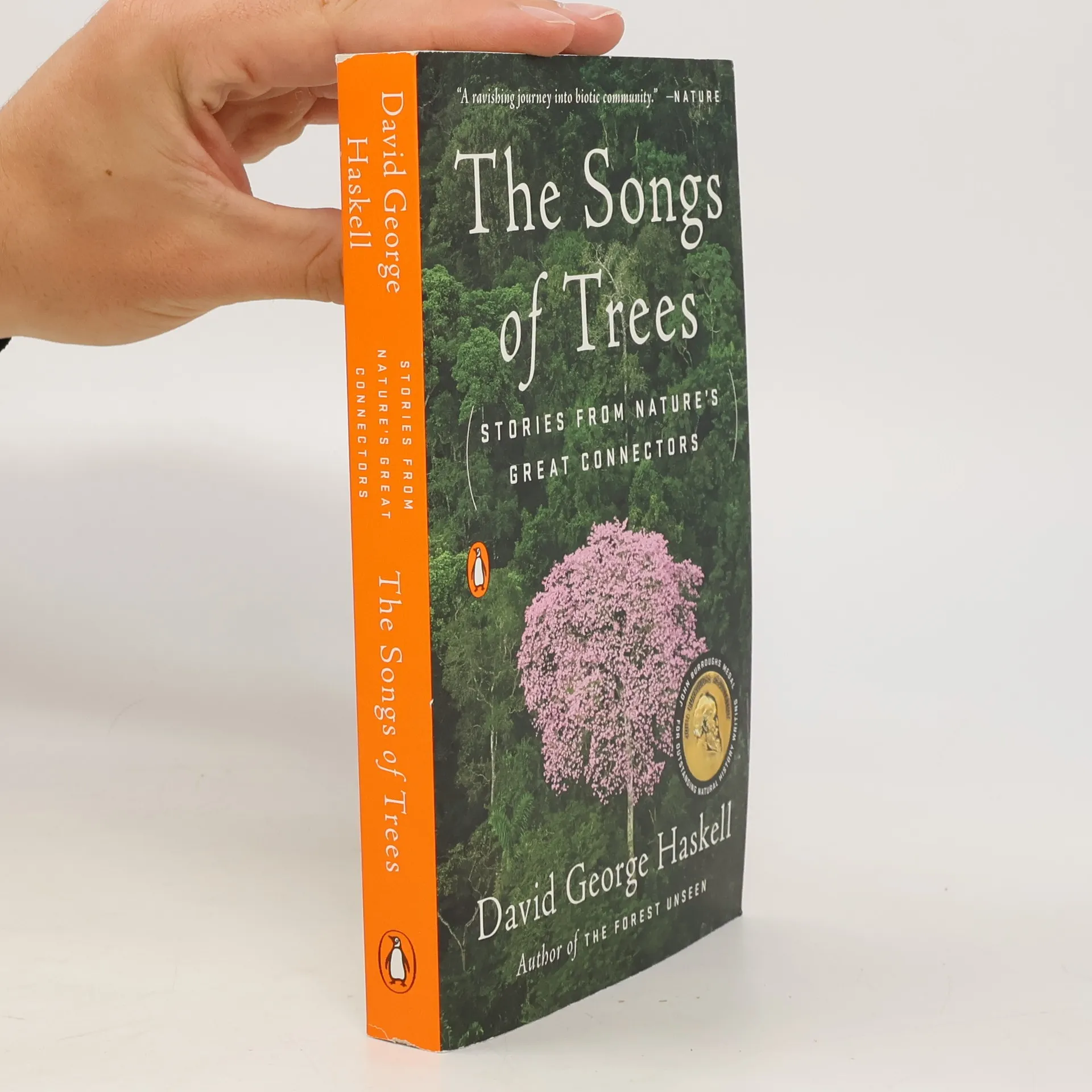
    • The Songs of Trees

      • 304 pages
      • 11 hours of reading

      In this compelling exploration, Haskell champions an 'ecological aesthetics' that highlights the beauty of connectivity, portraying trees as 'nature's great connectors' and symbols of life's relational essence. Through ten graceful studies of various tree species, he reveals the profound relationship humans share with trees, presenting a vibrant tapestry of nature. Haskell's lyrical prose evokes a spiritual reverence for trees, reminiscent of Rachel Carson's pioneering work in poetic science writing. This book serves as both a love song to trees and a philosophical analysis of their significance in human history and culture. Haskell meticulously documents the fate of twelve trees across the globe, creating a journey into biotic community. His intention is to explore interconnection in nature and how humans can contribute to more intelligent, resilient networks of life. The narrative unveils fascinating arboreal secrets, showcasing Haskell's scientific knowledge and literary prowess. Readers are invited to appreciate the impact of a single tree while reflecting on the interconnectedness of all things. Ultimately, this work is a powerful reminder of humanity's role in severing biological networks and a call to reconnect with nature's wisdom. Haskell's writing is both lyrical and informative, nourishing the spirit and encouraging deeper understanding of our place in the world.

      The Songs of Trees
      4.1
    • This work delves into how the evolution of natural and manmade sounds has shaped our world and highlights the current threats to its acoustic diversity. Our planet is enveloped in a rich tapestry of song and speech, yet this diversity faces unprecedented danger. The author, combining his insights as a listener and ecologist with recent scientific findings, investigates the acoustic marvels of Earth. He traces the origins of animal song and the historical journey of sound, celebrating the creative processes behind our diverse auditory landscape. Sounds are not only products of vibrant ecosystems but also catalysts for them, influenced by animal behavior, environmental shifts, and cultural changes. Currently, four interconnected sensory crises are diminishing our sonic environment: deforestation is erasing complex soundscapes; ocean noise pollution is harming acoustically sensitive marine life; urban noise is exacerbating social inequities; and a disconnection from the Earth's living voices diminishes our sense of joy and ethical responsibility. As wild sounds fade and human noise prevails, the world risks becoming less dynamic and creative. This narrative invites readers to listen, reflect, connect, and take action to preserve our acoustic heritage.

      Sounds Wild and Broken
      3.9
    • Kings County Distillery

      Whiskey Notes - Tasting and Distilling Logbook

      • 144 pages
      • 6 hours of reading

      Boxed set designed to encourage readers to explore and analyze different whiskeys. Includes whiskey tasting journal, home distilling register, and poster.

      Kings County Distillery
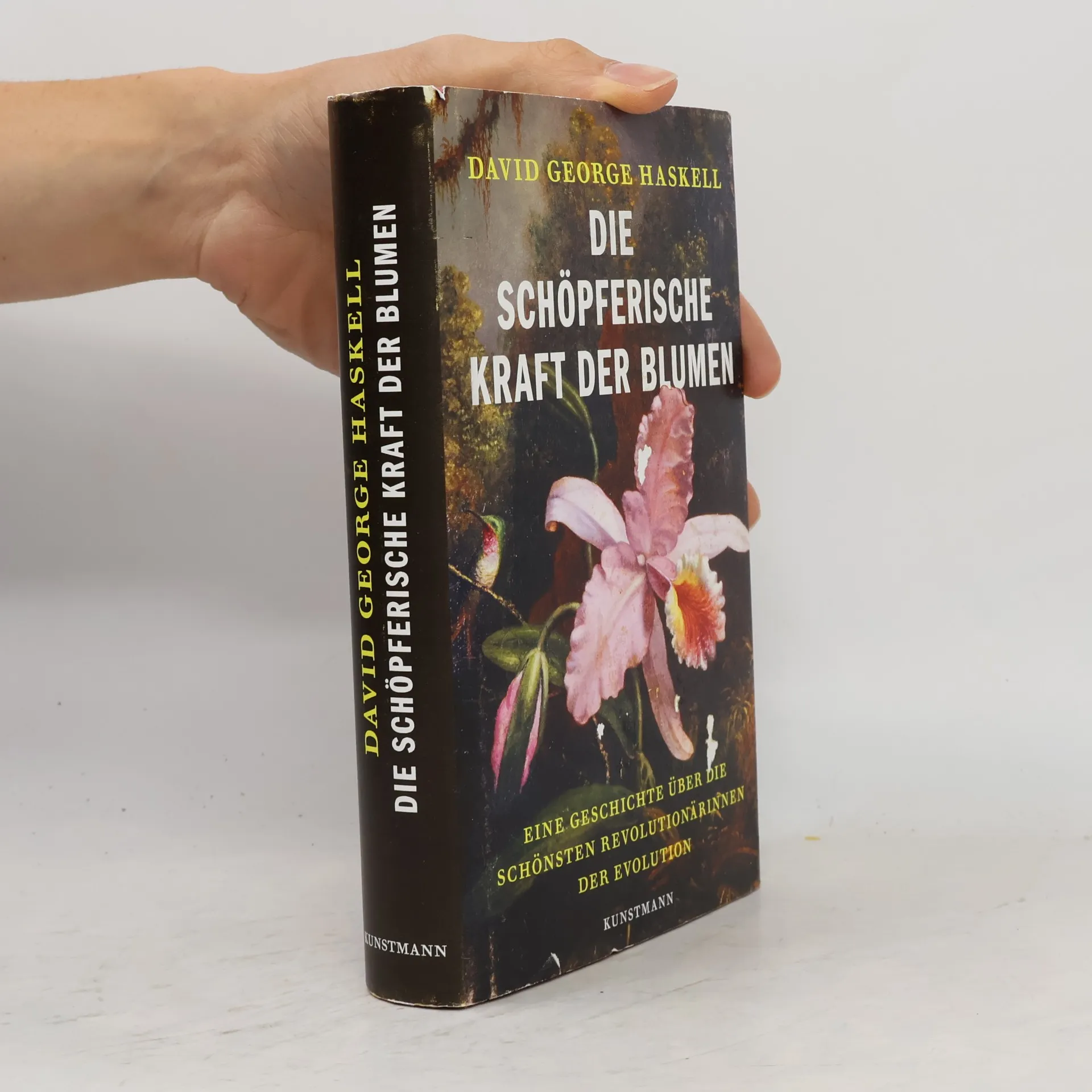
    • Die schöpferische Kraft der Blumen

      Eine Geschichte über die schönsten Revolutionärinnen der Evolution

      • 320 pages
      • 12 hours of reading

      In "Die schöpferische Kraft der Blumen" definiert der Biologe David Haskell unser Verständnis von Blumen neu und stellt sie ins Zentrum der Evolution. Denn Blumen sind weit mehr als nur Zierde, sie haben das Leben auf unserem Planeten grundlegend geprägt. Als sie sich zum ersten Mal entwickelten, lösten sie eine Kaskade der Artenvielfalt aus, verwandelten Ozeane, schufen neue Lebensräume und veränderten sogar das Klima. Ihre Schönheit verwandelte Gegner in Verbündete, und ihre Anpassungsfähigkeit machte Umweltveränderungen zu Chancen für Erneuerung. Haskell zeigt, wie Blumen Ökosysteme von Regenwäldern bis zu Prärien aufgebaut und erhalten haben und welche Bedeutung sie für die Evolution von Arten wie Schmetterlingen, Bienen und Vögeln haben. Auch in der Geschichte der Menschheit spielten Blumen eine wichtige Rolle: Blühende Gräser veranlassten unsere Vorfahren, die Bäume zu verlassen, und legten damit den Grundstein für die Landwirtschaft und die moderne Zivilisation. Mit lebhaften Erzählungen und tiefgründigen Einsichten beleuchtet Haskell Blumen als Portale in die Tiefen der Zeit und als wesentliche Akteure unserer ökologischen Zukunft. Die schöpferische Kraft der Blumen lädt die Leser dazu ein, diese zarten Blüten in einem neuen Licht zu sehen – als die dynamischen und einflussreichen Kräfte, die sie tatsächlich sind.

      Die schöpferische Kraft der Blumen