


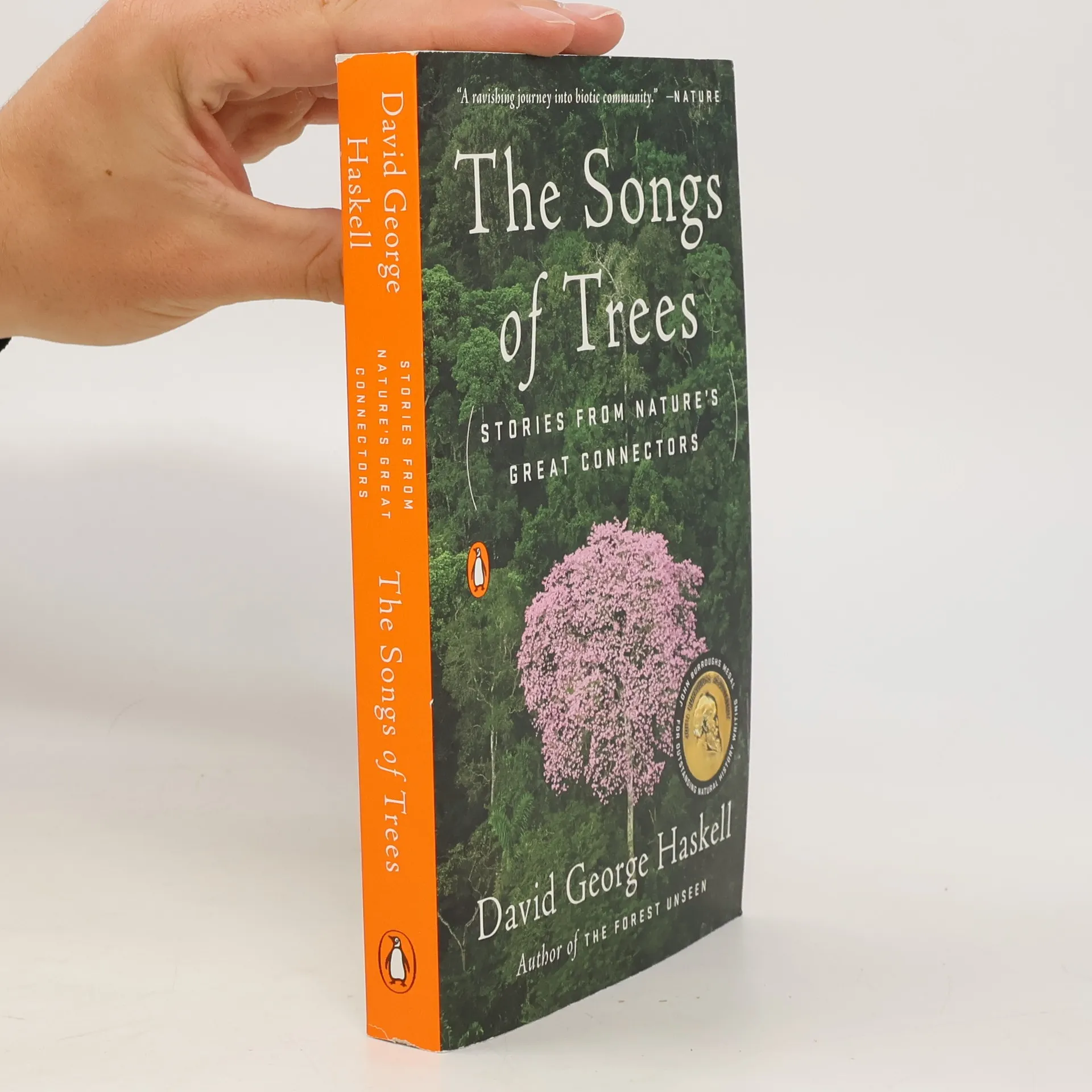
The author repeatedly visits a dozen trees around the world to stop, listen, and look, exploring each tree's connections with webs of fungi, bacterial communities, cooperative and destructive animals, and other plants, and demonstrating how the lives of trees and people are deeply interwoven. Several trees, including a balsam fir in Ontario and an Amazonian ceibo, are located in areas that seem mostly natural, but which are affected by industrial development and climate change. Haskell also turns to trees in places where humans seem to have subdued "nature"--A pear tree on a Manhattan sidewalk, an olive tree in Jerusalem -- demonstrating that wildness permeates every location
David George Haskell Book order (chronological)
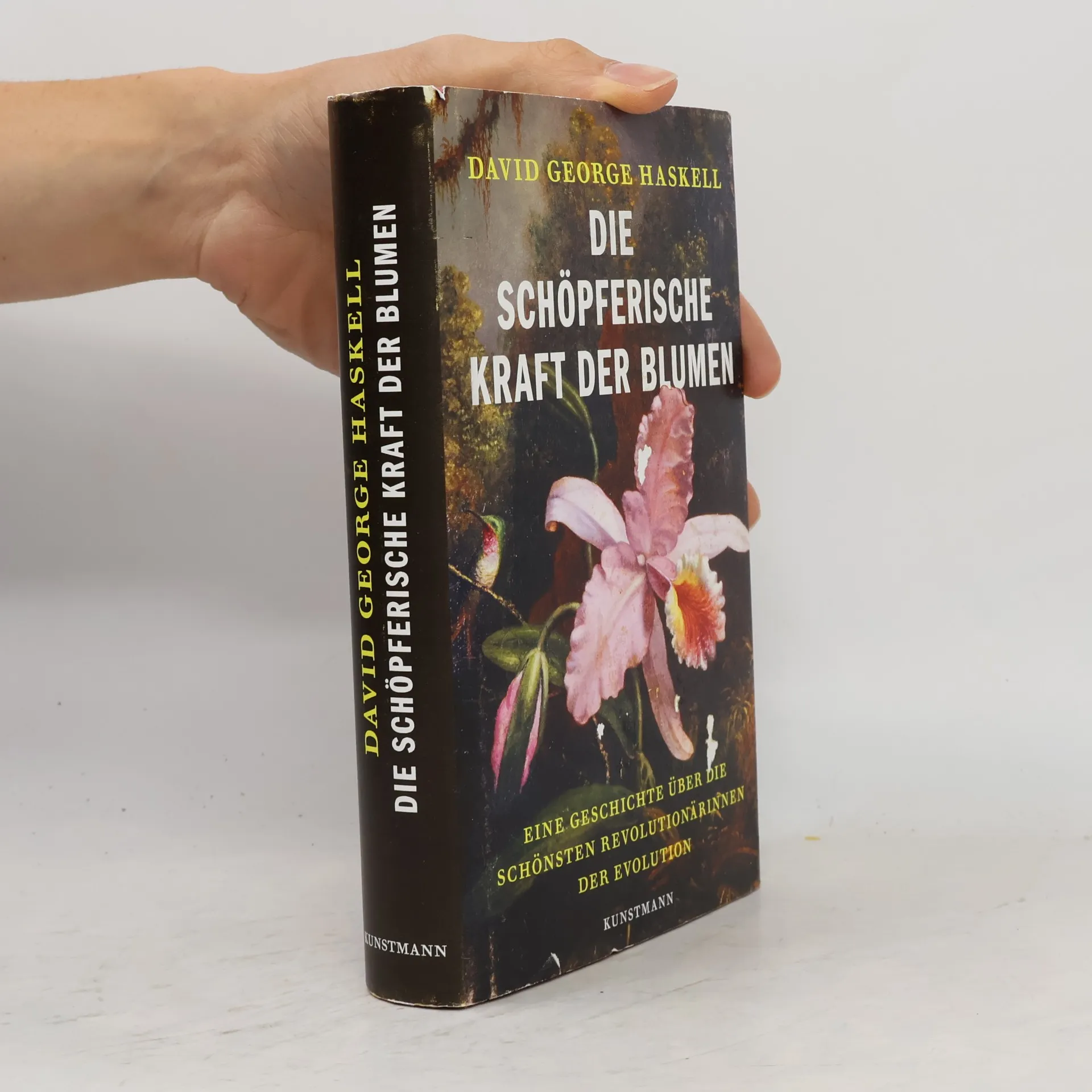
David George Haskell is a British-born American biologist and author. His work explores the intersection of science and spirituality, examining how we can find meaning and beauty in the natural world. Haskell writes with a deep understanding of ecosystems and a poetic sensibility, inviting readers to appreciate the hidden wonders of life. Through his writings, he aims to foster a greater awareness of nature and deepen our connection to the planet.


Der Gesang der Bäume
- 320 pages
- 12 hours of reading
Der Gesang der Bäume, ihr lebendiges Gedächtnis, erzählt von einer Lebensgemeinschaft, einem Beziehungsnetzwerk. Als Menschen sind wir Teil der Gemeinschaft und der Erzählung. David G. Haskell hat ein Dutzend Bäume in verschiedenen Weltgegenden und ihre Verbindungen mit Pilzen, Bakterien, Tieren und anderen Pflanzen erforscht. Ein Kapokbaum im Amazonasgebiet macht das reiche Ökosystem in einem tropischen Urwald, aber auch die Gefahren, die von nahe gelegenen Ölfeldern ausgehen, sichtbar. Tausende von Kilometern davon entfernt, in Kanada, überleben die Wurzeln einer Balsamtanne in kargem Boden nur in Partnerschaft mit Pilzen. An fossiler Holzkohle, die von Eiszeitmenschen hinterlassen wurde, und versteinerten Redwoods in den Rocky Mountains zeigt Haskell, wie sich das Klima durch das Netzwerk der Bäume, der Bodenorganismen und der Atmosphäre entwickelt hat. Haskell erforscht aber auch Bäume in von Menschen dominierten Räumen – einen Pfirsichbaum in Manhattan, einen Olivenbaum in Jerusalem, einen Bonsai in Japan – und macht klar, dass kein Geschöpf ohne die wilden biologischen Verflechtungen leben kann. Diese vernetzte Sicht auf das Leben bereichert unser Verständnis von Biologie, menschlicher Natur und Ethik. Wenn wir Bäumen, den großen Netzwerkern der Natur, zuhören, lernen wir, wie wir Beziehungen leben können, die dem Leben Substanz und Schönheit verleihen.
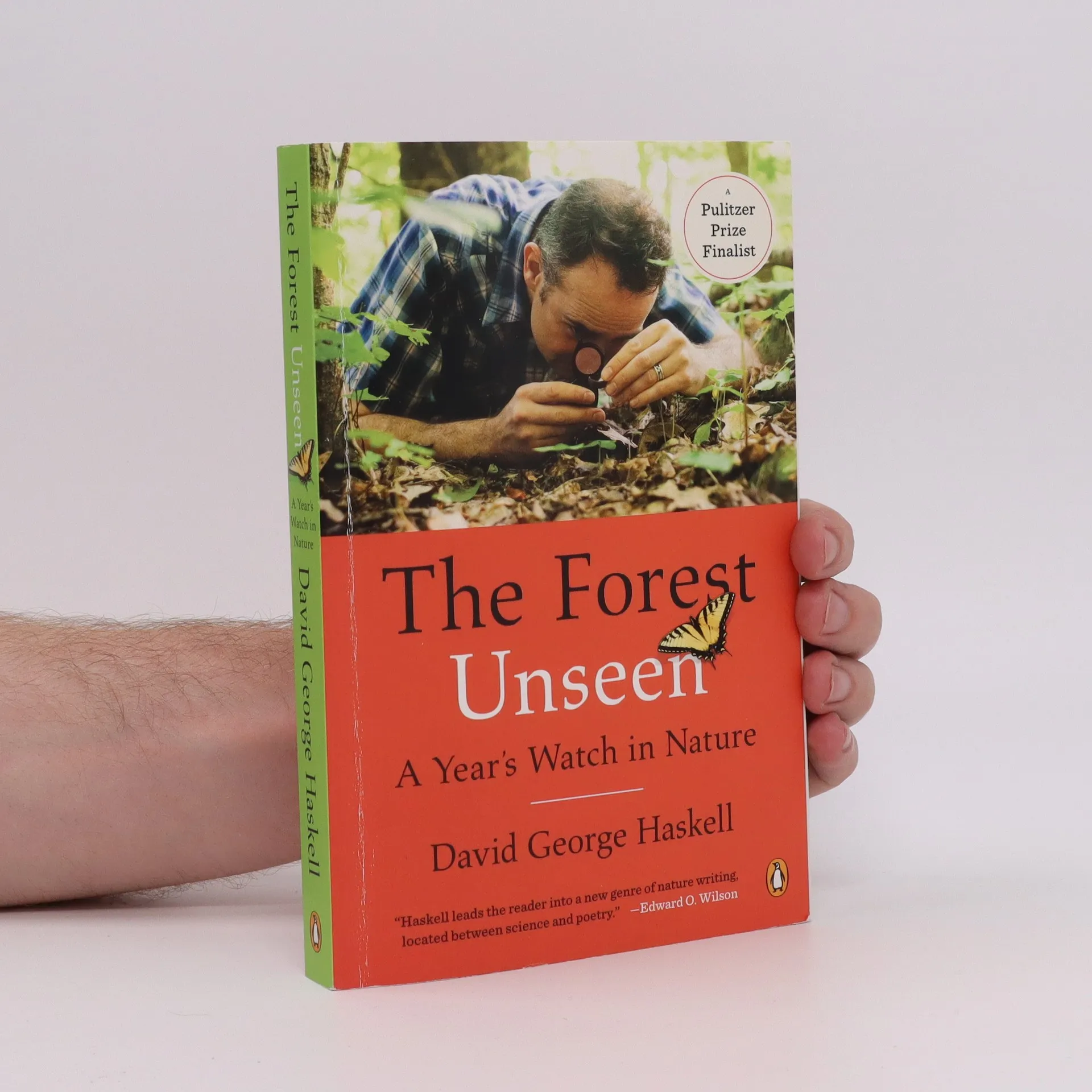
The Forest Unseen
- 288 pages
- 11 hours of reading
"Written with remarkable grace and empathy, The Forest Unseen is a grand tour of nature in all its profundity. Biologist David George Haskell uses a one-square-meter patch of old-growth Tennessee forest as a window onto the entire natural world. Visiting it almost daily for one year to trace nature's path through the seasons, he brings the forest and its inhabitants to vivid life. Beginning with simple observations--a salamander scuttling across the leaf litter, the first blossom of spring wildflowers--Haskell spins a brilliant web of biology, ecology, and poetry, explaining the science binding together ecosystems that have cycled for thousands--sometimes millions--of years."--Publisher's website