
J. D. Salinger Books
January 1, 1919 – January 27, 2010
Jerome David Salinger captured the complex inner lives of adolescents with unparalleled depth, exploring themes of alienation and the loss of innocence. His distinctive narrative voice and keen observation of the teenage psyche have resonated with readers across generations. Though he retreated from public life following the immense success of his most famous work, his literary impact endures. Salinger's writing is characterized by its profound exploration of human connection and the search for authenticity.


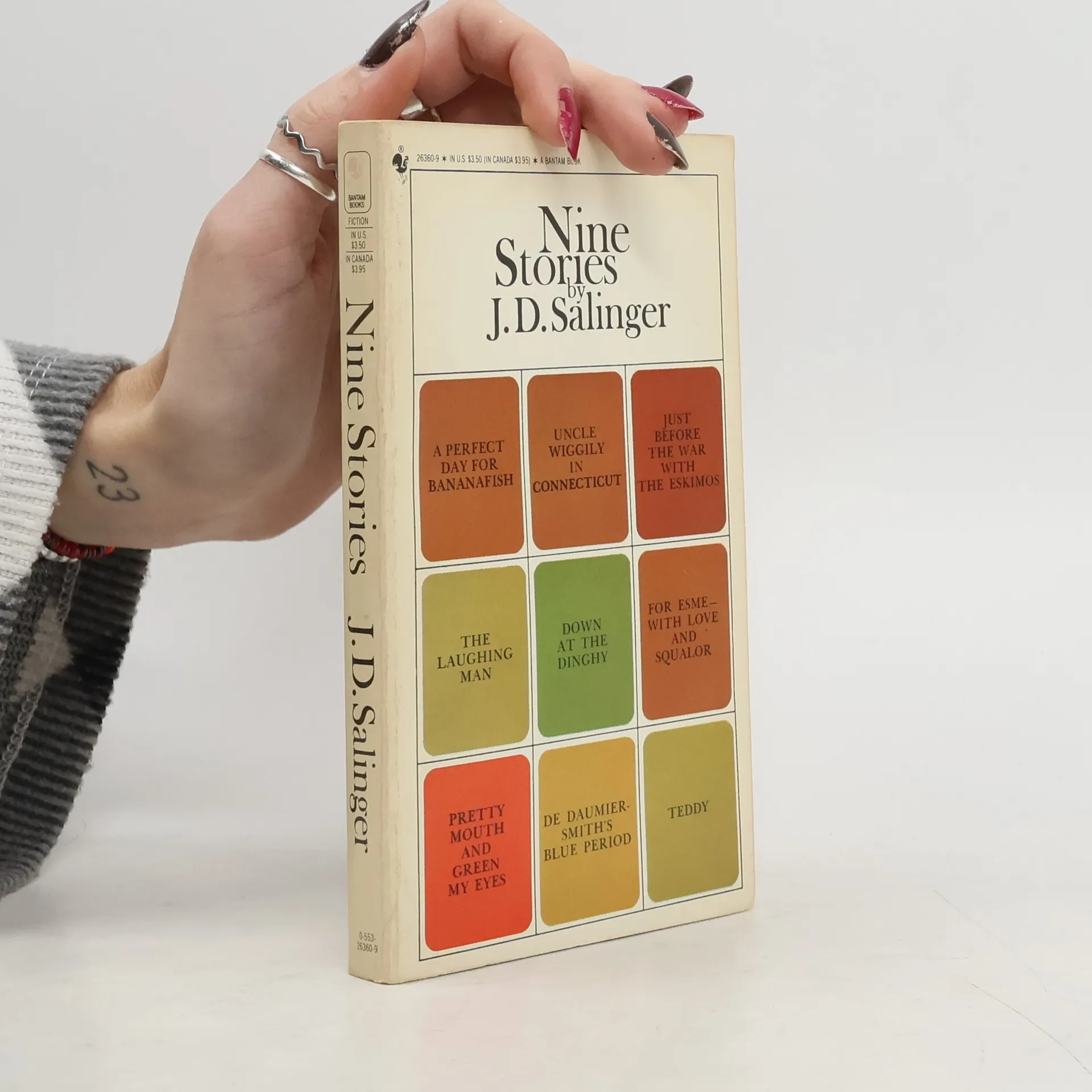
Indhold: A perfect day for bananafish ; Uncle Wiggily in Connecticut ; The laughing man ; Down at the Dinghy ; Just before the war with the Eskimos ; For Esmé - with love and squalor ; Pretty mouth and green my eyes ; De Daumier-Smith's blue period ; Teddy.

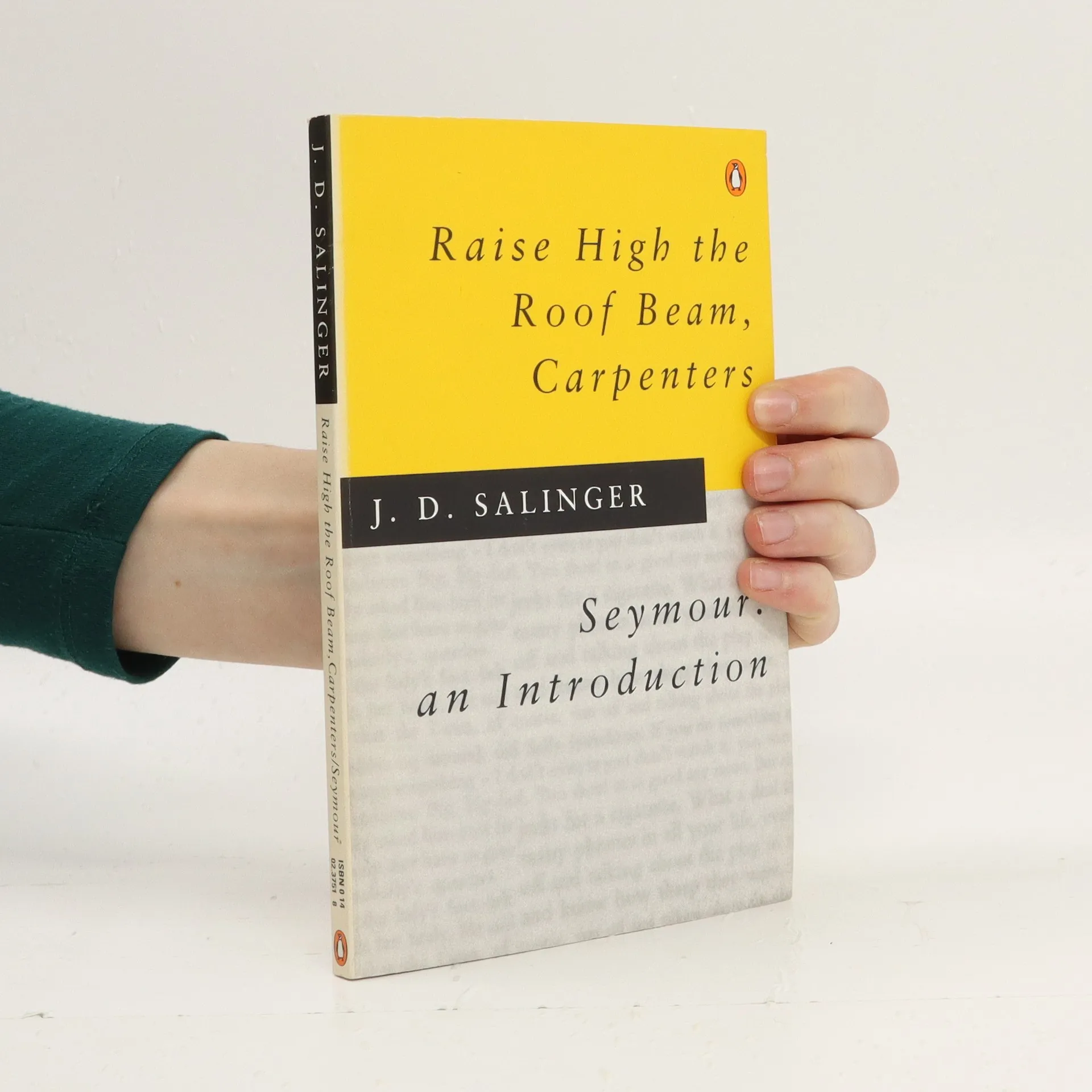
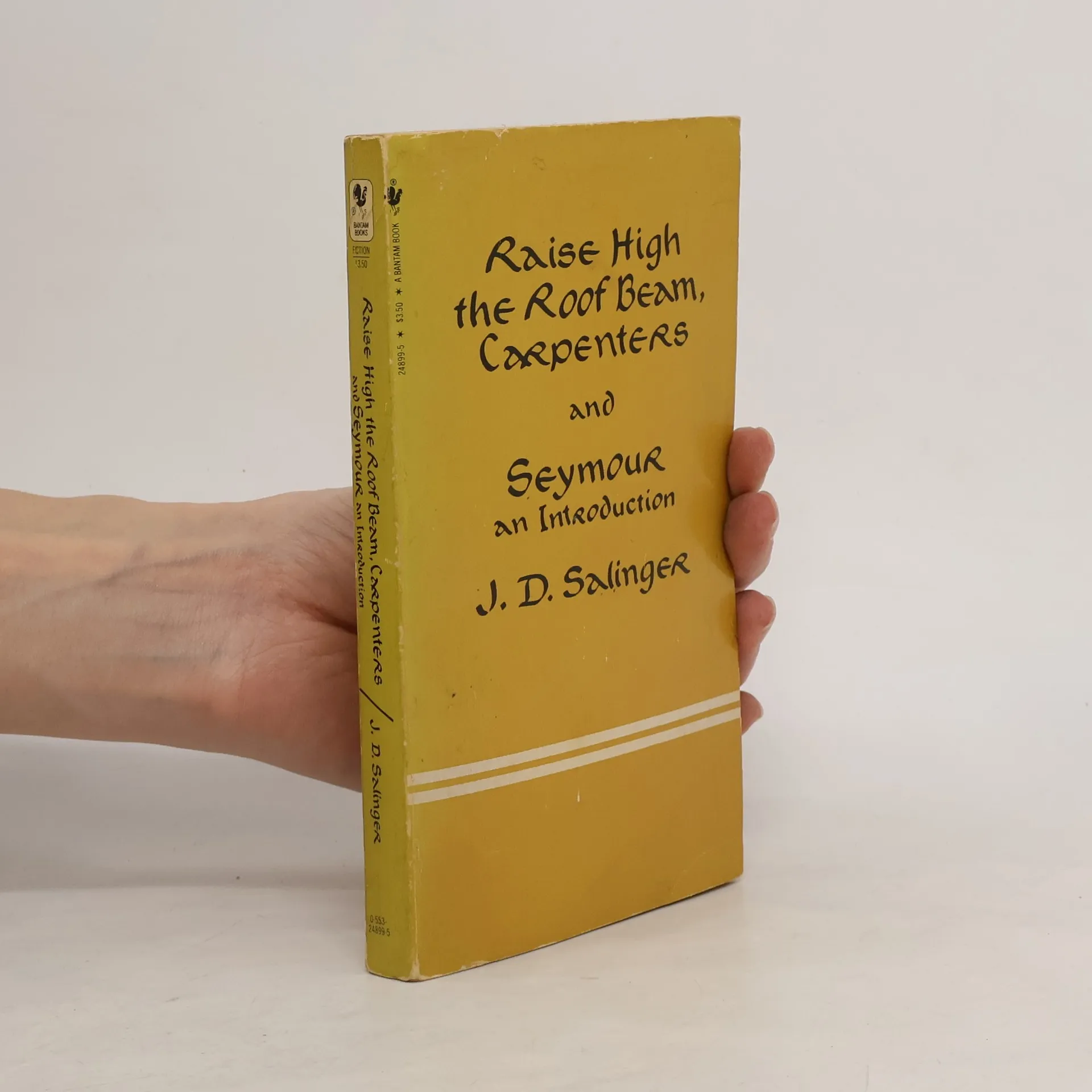
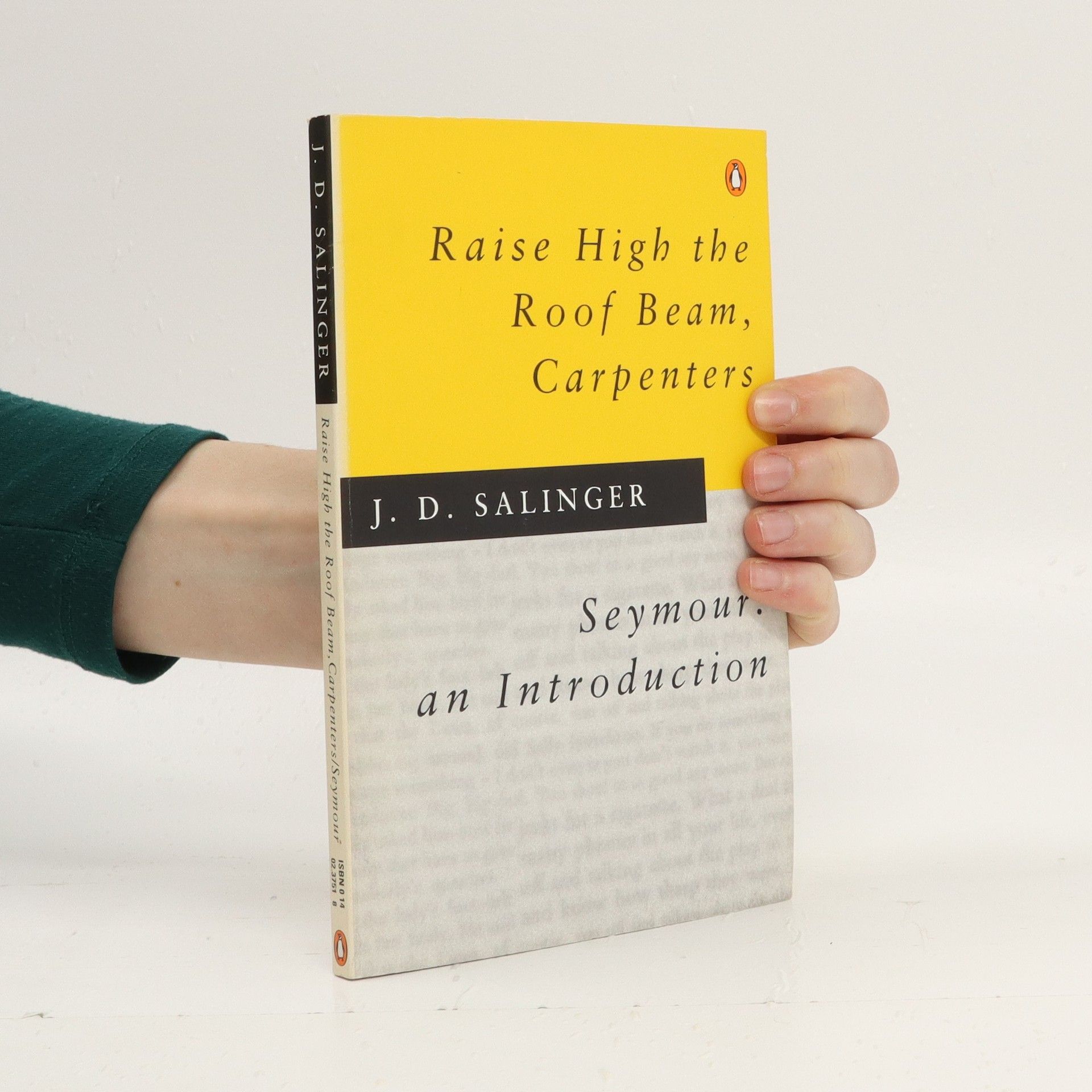
Buddy Glass introduces his older brother and describes the events of Seymour's wedding day

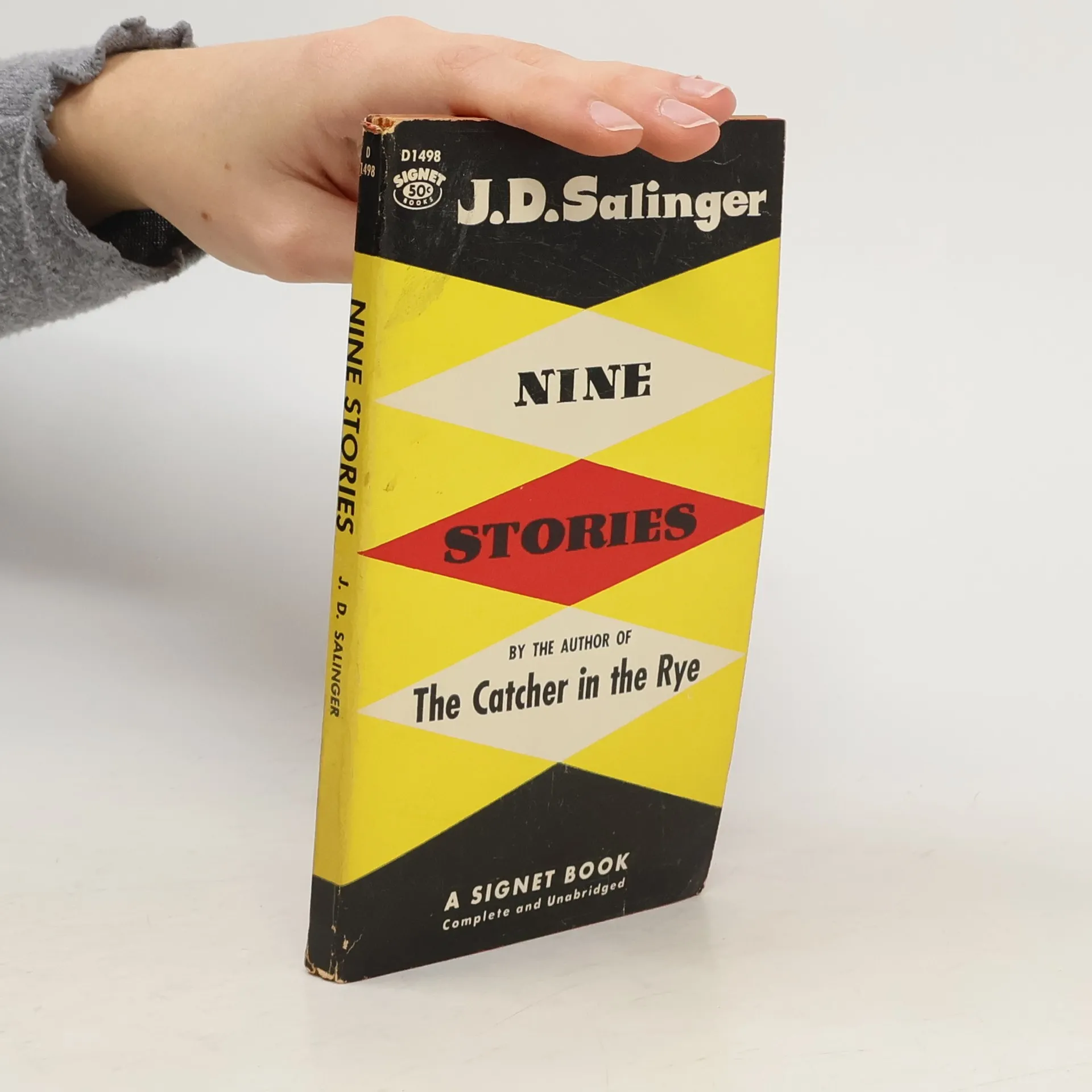
Nine Stories. Salinger
- 198 pages
- 7 hours of reading

A haunting and deeply personal portrait of family tragedy from the much-loved author of The Catcher in the Rye Buddy Glass is the second-eldest son in the eccentric and enchanting Glass family. He is on leave from the army during World War II, attending the wedding of his eldest brother, Seymour. But the wedding is not a happy one: it is overcast by a sense of strange suspense. Perhaps everyone is aware, on some level, of what is to come. And in the years after the tragedy, Buddy is haunted by memories of Seymour, turning over in his mind everything that came to pass with his deeply complex and unhappy older brother. With painful tenderness and great subtlety, Salinger unfolds a story of family tragedy from the point of view of a character - Buddy - who has long been suspected to be a portrait of the author himself.

"First published in the New Yorker in the 1950s, Raise High the Roof Beam, Carpenters and Seymour: an Introduction are two novellas narrated by Buddy Glass, a character often said to be a portrait of Salinger himself. In the first, Buddy has taken leave from the army during World War II to attend the wedding of the eldest Glass brother, Seymour, and an atmosphere of portentous suspense sets the scene for the tragedy that will follow. In the second, Buddy reminisces about Seymour and the novella unfolds into a deep and far-reaching exploration of a complex and sad character which displays all the tenderness and subtlety which distinguish the best of Salinger's writing"--Publisher's website
J.D. Salinger, author of the classic Catcher in the Rye (1951), wrote the stories Franny and Zooey for publication in the New Yorker magazine in 1955 and 1957 respectively. Both stories were part of a series centred around a family of settlers in New York, the Glasses, particularly the children of Les and Bessie Glass, a Jewish-Irish theatrical act. All are brilliant former radio actors. Their eldest child, Seymour, a genius, commits suicide in his thirties. The repercussions to the family of this act provide the unifying theme to the stories. In Franny and Zooey the youngest member of the family, Franny, has a religious and nervous breakdown. She attempts to ward off the meaninglessness of college life by the obsessive repetition of a Jesus prayer. Her brother Zachary (Zooey) rests at nothing in his attempts to restore her sanity. J.D. Salinger wrote the Glass stories, 'It is a long-term project, patently an ambitious one, and there is a real-enough danger, I suppose, that sooner or later I'll bog down, perhaps disappear entirely, in ly own methods, locutions and mannerisms. On the whole, though, I'm very hopeful.I love working on these Glass stories, I've been waiting for them most of my life, and I think I have fairly decent, monomaniacal plans to finish them with due care and all-available skill.'

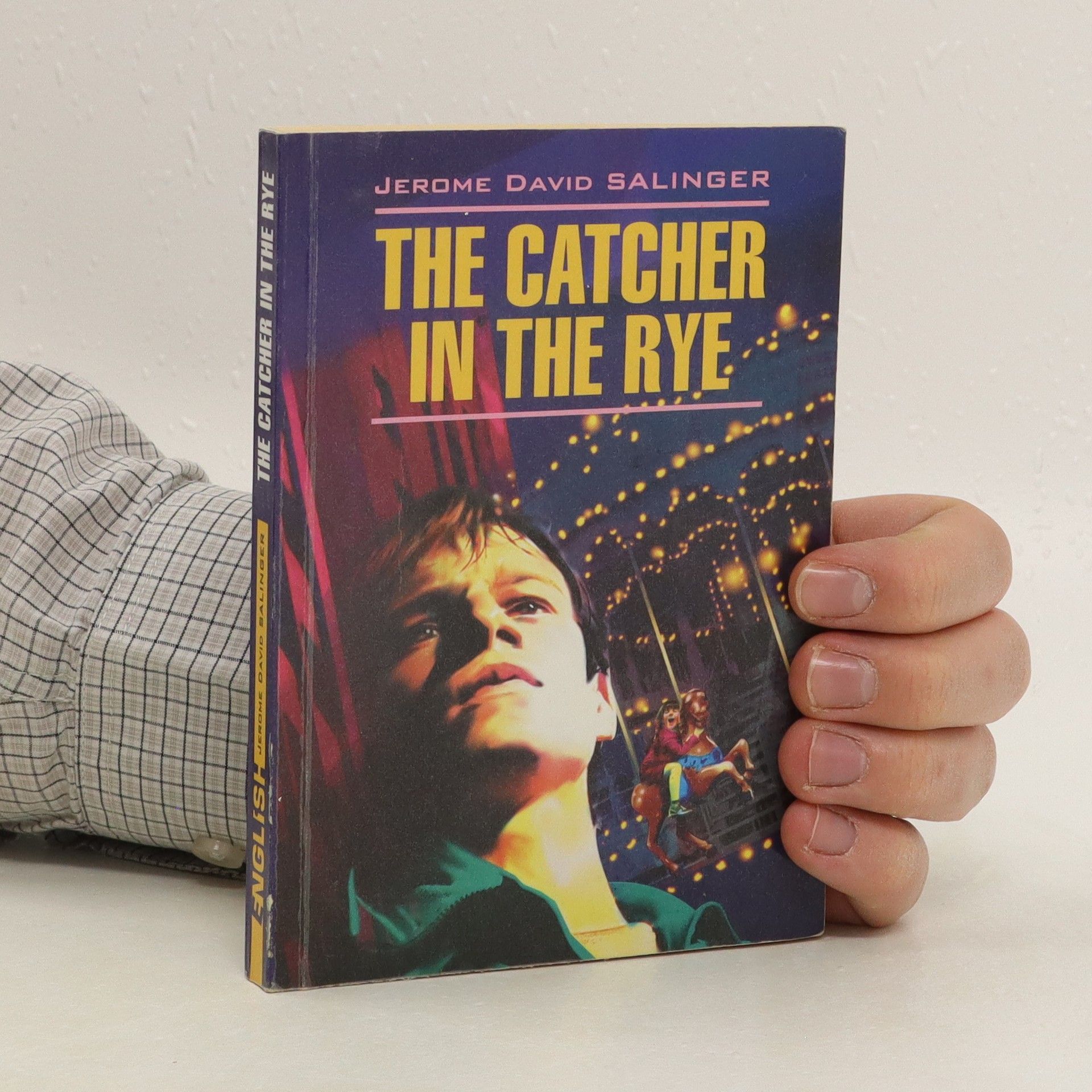
A 16-year old American boy relates in his own words the experiences he goes through at school and after, and reveals with unusual candour the workings of his own mind. What does a boy in his teens think and feel about his teachers, parents, friends and acquaintances?
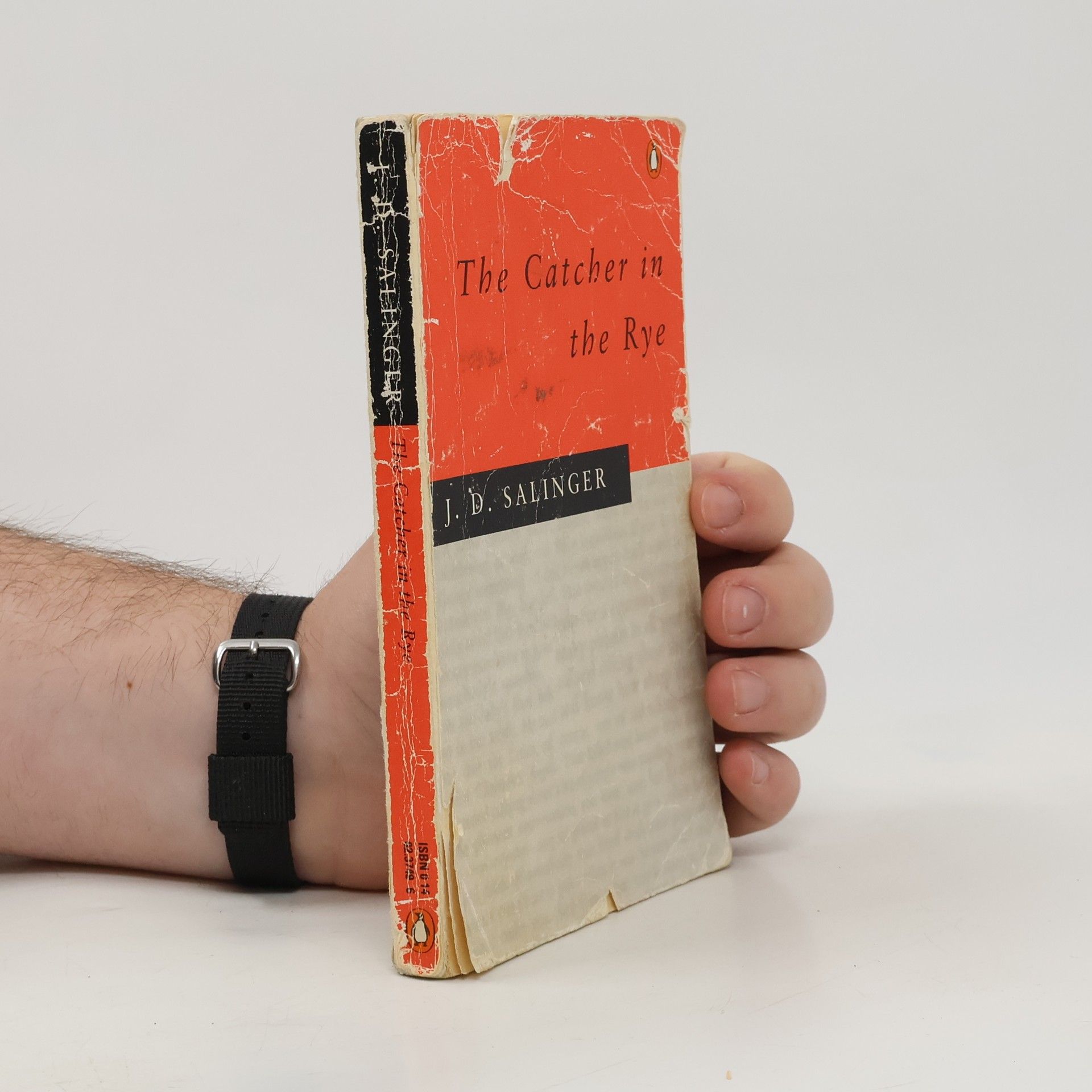

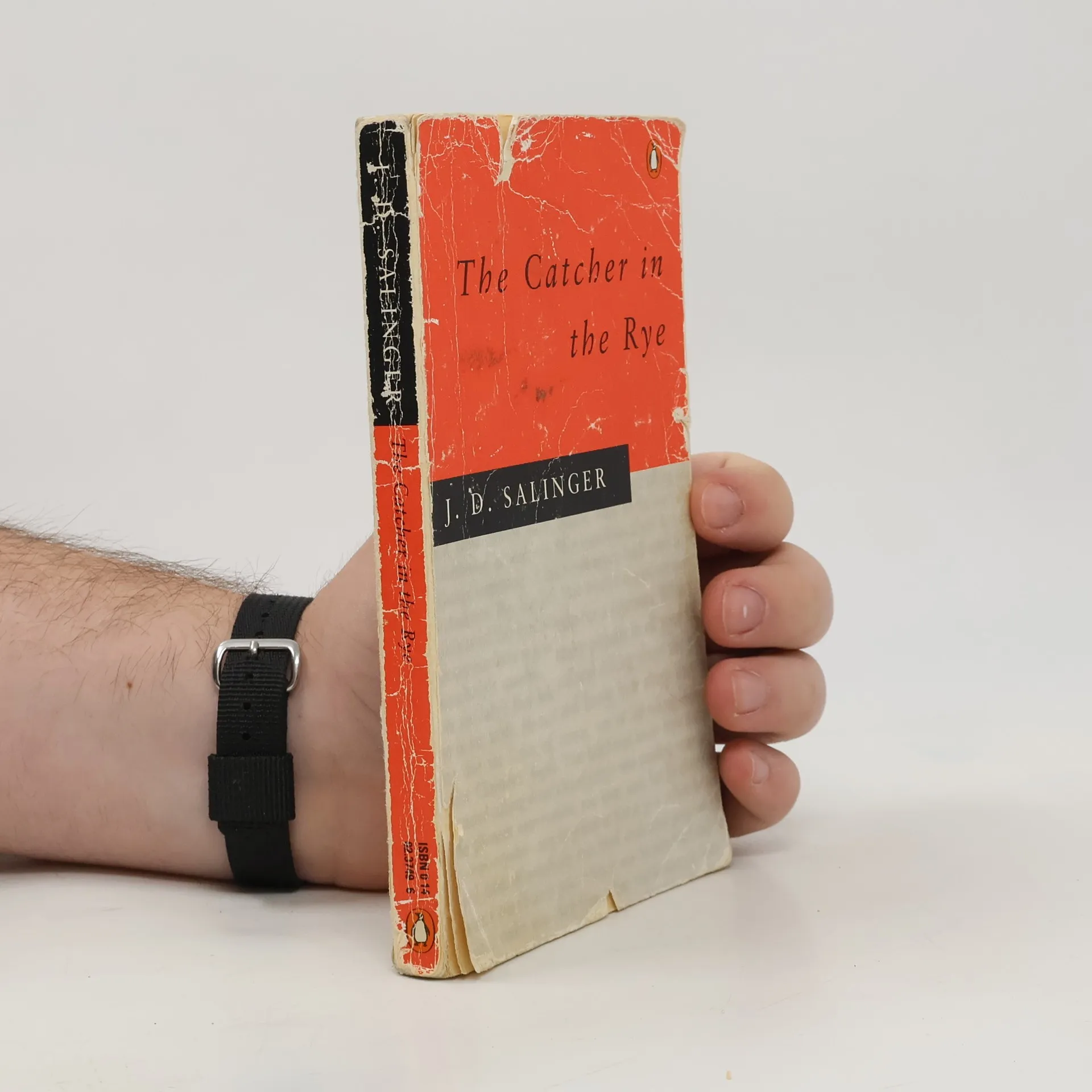
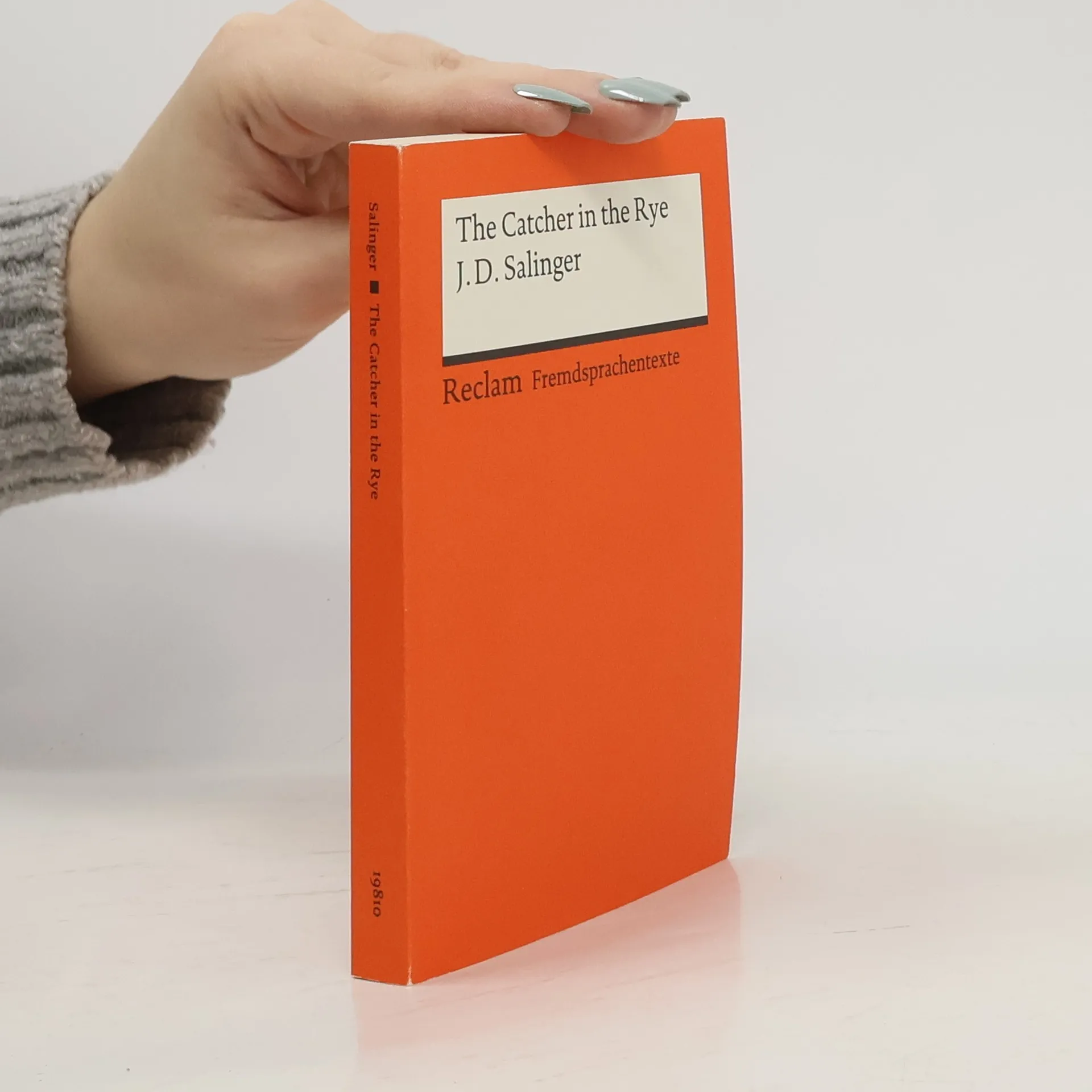
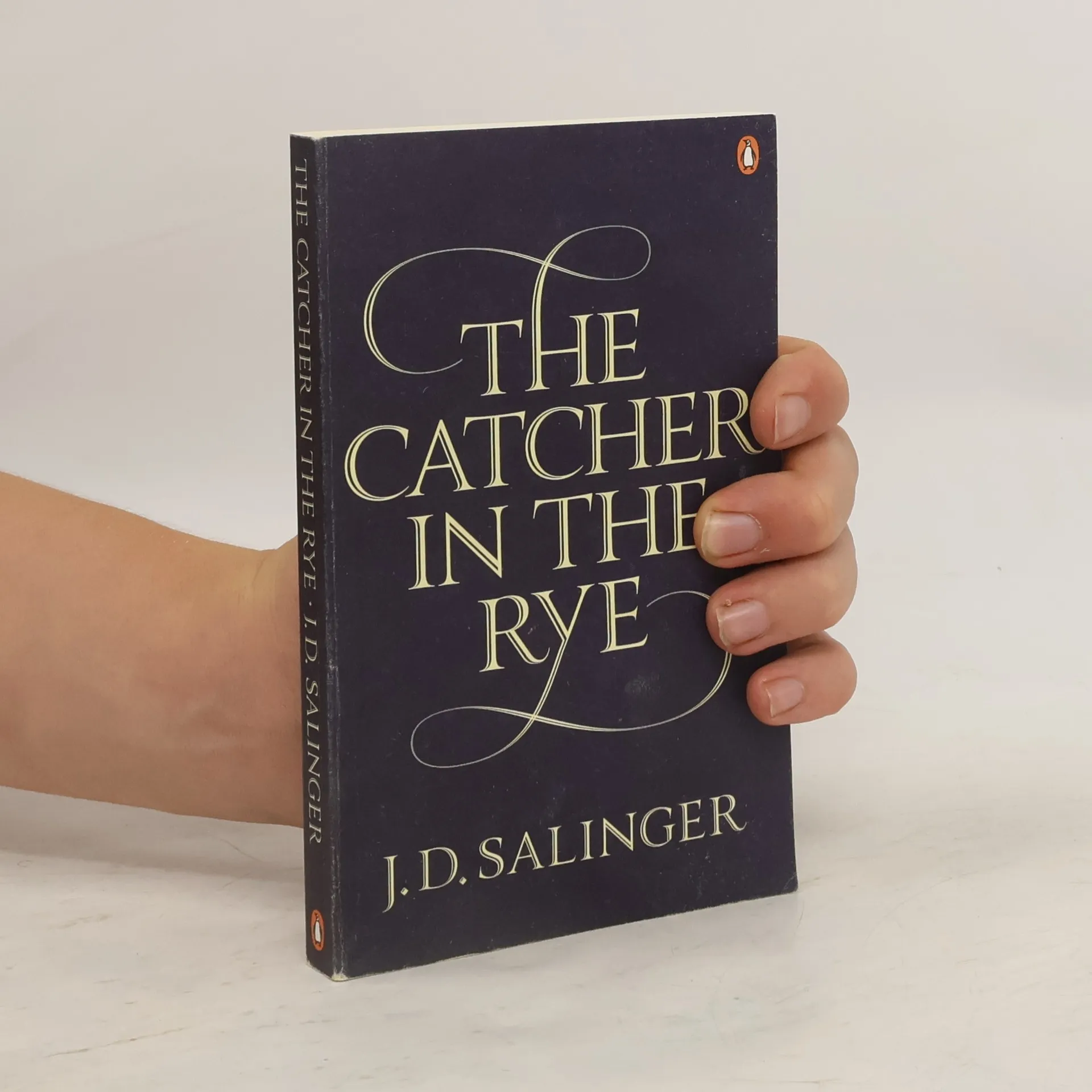
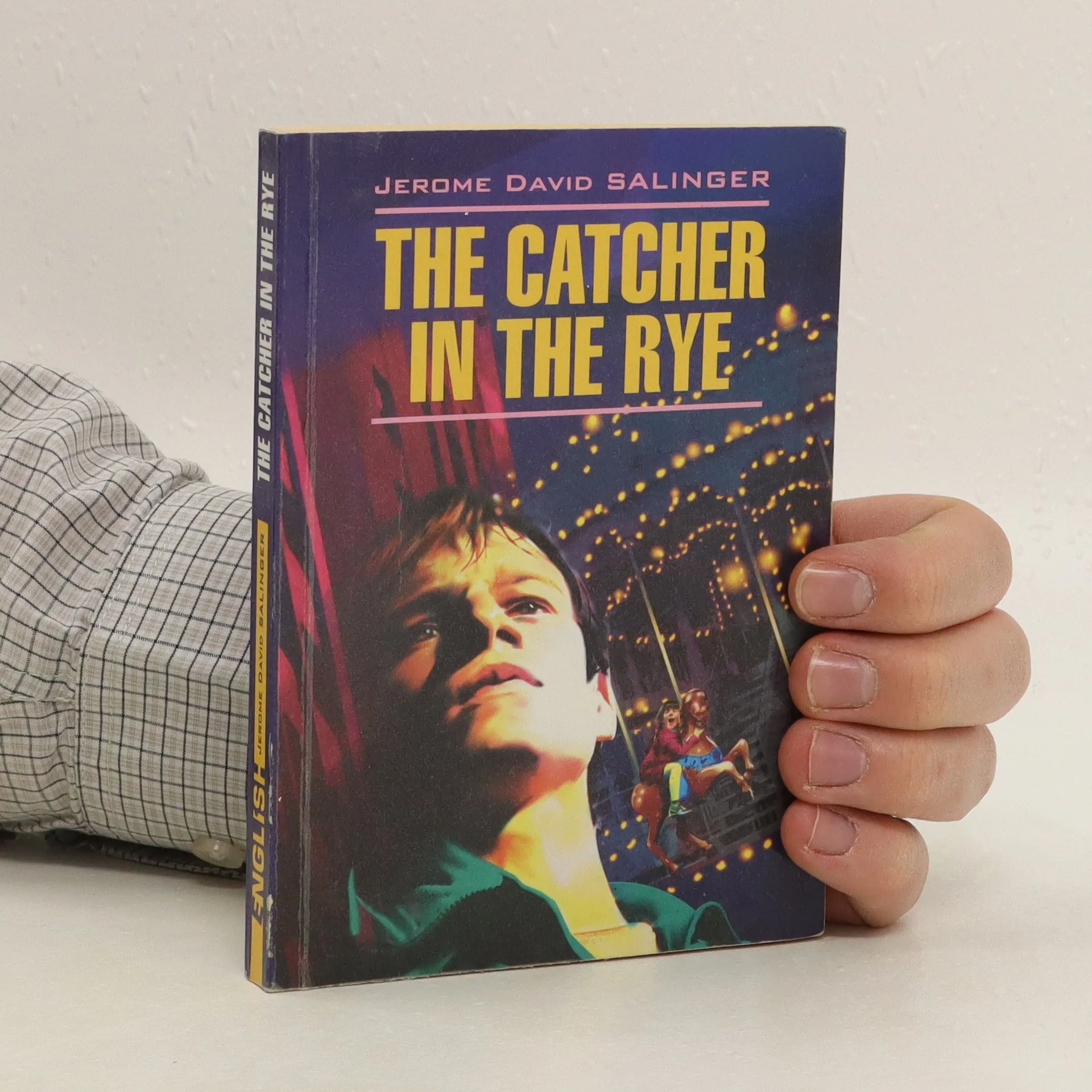
The Catcher in the Rye is J . D. Salinger's world-famous novel of disaffected youth. Holden Caulfield is a seventeen- year-old dropout who has just been kicked out of his fourth school. Navigating his way through the challenges of growing up, Holden dissects the 'phony' aspects of society, and the 'phonies' themselves: the headmaster whose affability depends on the wealth of the parents, his roommate who scores with girls using sickly-sweet affection.Written with the clarity of a boy leaving childhood behind, The Catcher in the Rye explores the world with disarming frankness and a warm, affecting charisma which has made this novel a universally loved classic of twentieth-century literature.J. D. Salinger was born in 1919 and died in January 2010. He grew up in New York City, and wrote short stories from an early age, but his breakthrough came in 1948 with the publication in The New Yorker of 'A Perfect Day for Bananafish'. The Catcher in the Rye was his first and only novel, published in 1951. It remains one of the most translated, taught and reprinted texts, and has sold some 65 million copies. His other works include the novellas Franny and Zooey, For Esme with Love and Squalor, and Raise High the Roof Beam, Carpenters, published with Seymour - An Introduction.