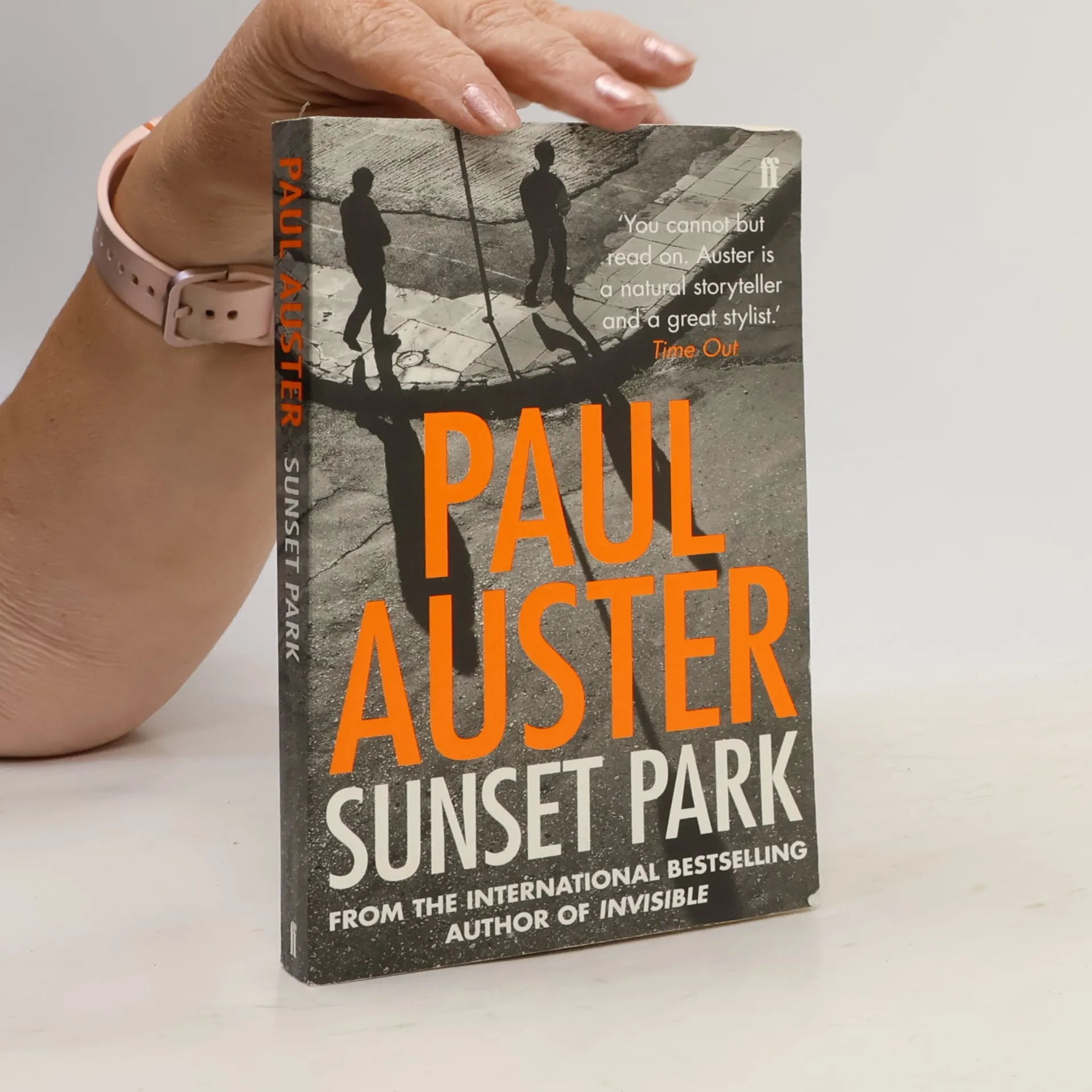
Sunset Park
- 309 pages
- 11 hours of reading
A compelling story of love and forgiveness, from the bestselling author of Invisible and The Brooklyn Follies.


A compelling story of love and forgiveness, from the bestselling author of Invisible and The Brooklyn Follies.
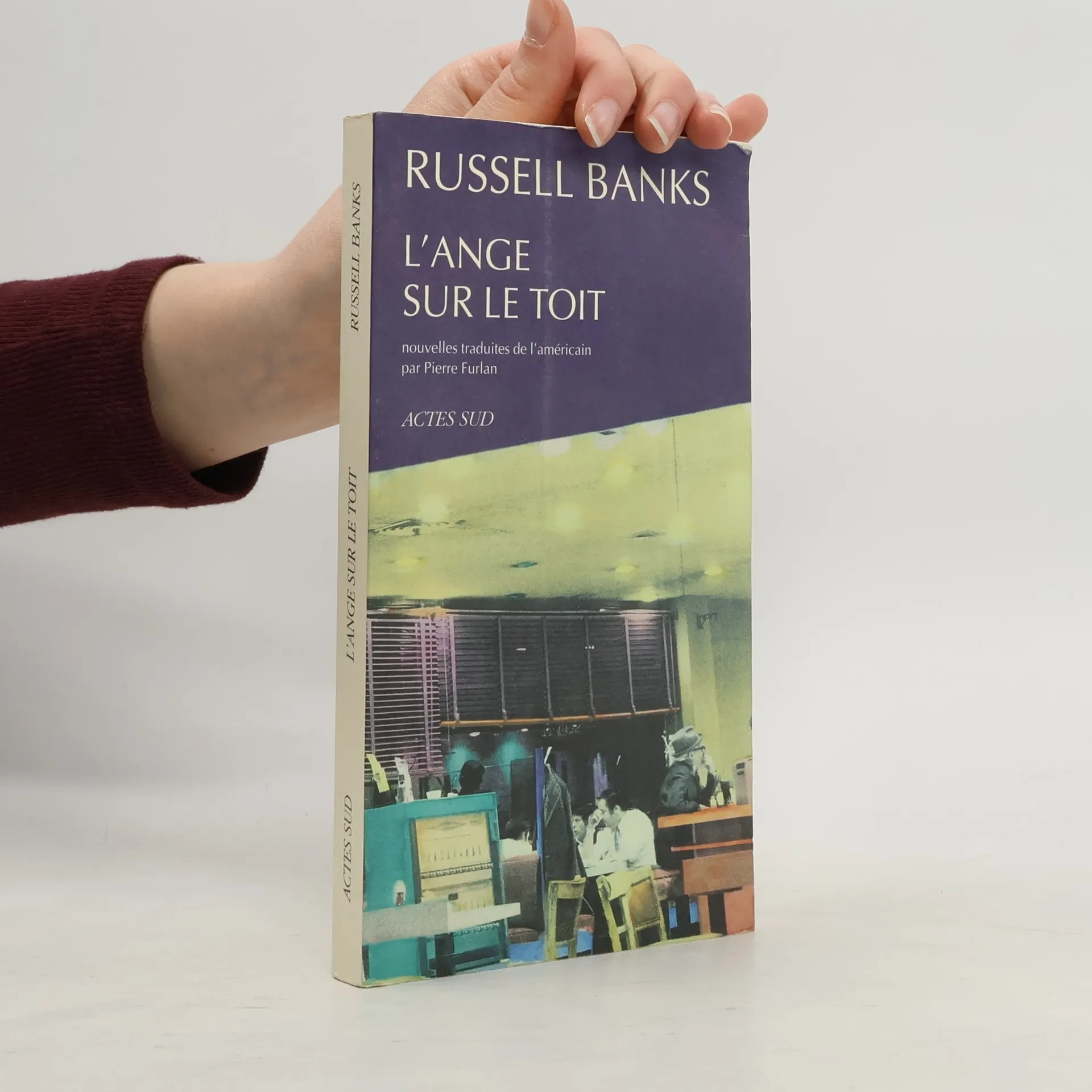
Douze nouvelles placées sous le signe d’une sobriété stylistique digne de Raymond Carver au fil desquelles des couples divorcent, des femmes noires sont traquées par des pit-bulls sur des parkings, où la liste des courses à effectuer au supermarché finit par se confondre avec un programme de vie, où des mythomanes prennent leurs semblables en otage, où la mort frappe les hommes comme les animaux, où l’on écoute battre sous la poitrine d’un autre le cœur transplanté d’un amour décédé. Au sommet de son art et avec une superbe économie de moyens, Russell Banks propose ici un recueil de textes dont l’intensité transmue le réel et le quotidien en authentiques paraboles métaphysiques.
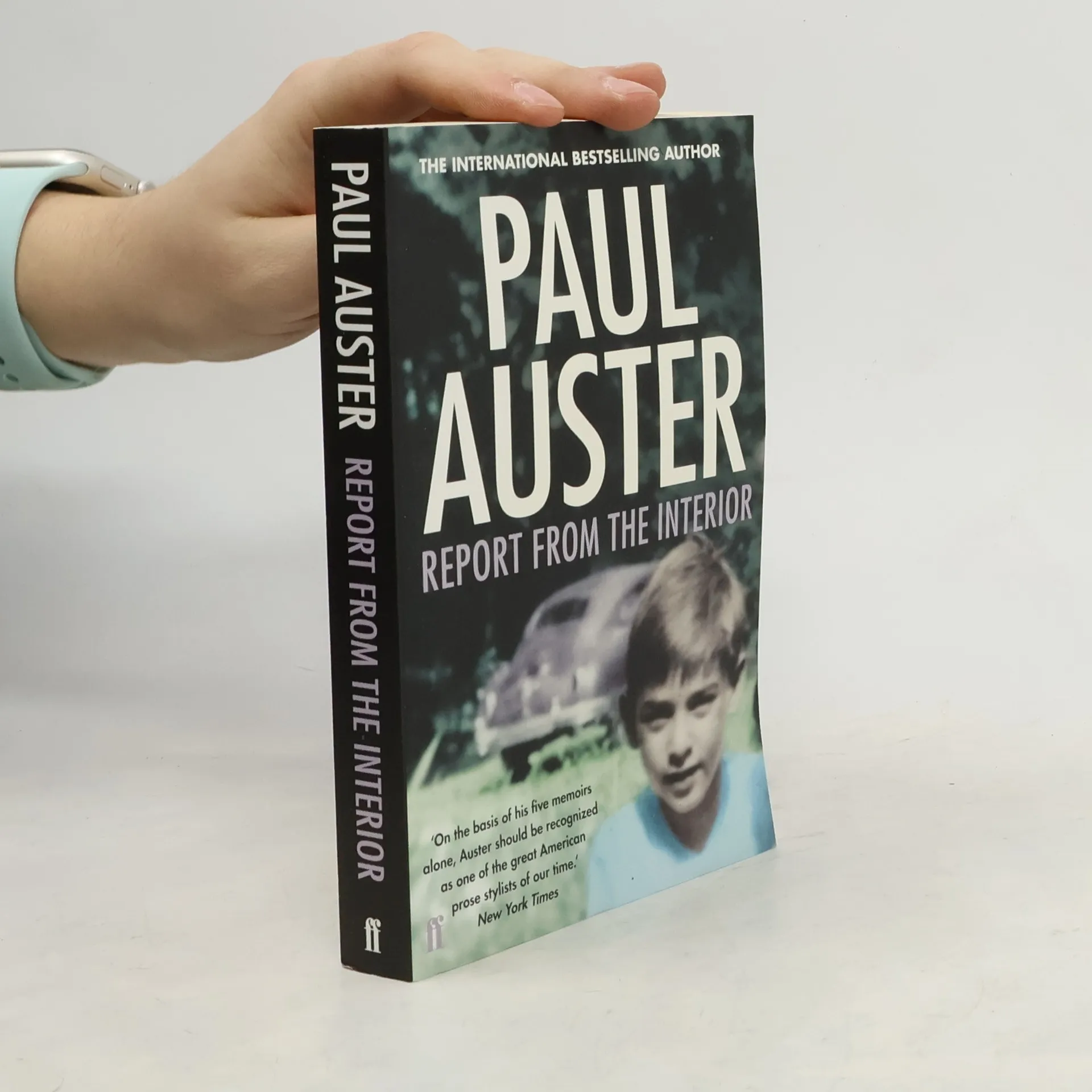
In the beginning, everything was alive. The smallest objects were endowed with beating hearts. Paul Auster recalls his life through the story of his physical self in Winter Journal, now reflecting on his inner development and experiences with the outer world, alongside revealing letters to his first wife, Lydia Davis. This impressionistic portrait of a writer coming of age captures Auster's journey from a baby's-eye view of the moon to his childhood admiration for movie cowboy Buster Crabbe, the composition of his first poem at nine, and his growing awareness of American injustices. It charts his moral, political, and intellectual evolution as he navigates the post-war fifties and the turbulent sixties. Auster evokes the sounds, smells, and sensations of his early life, filled with moving images and his love for cartoons and films. The book culminates uniquely, breaking from prose into pure imagery, with the final section recapitulating the earlier parts through an album of pictures. This four-part work not only tells the story of Auster's times but also of the emerging consciousness of a renowned literary artist, addressing the challenge of autobiography in an unprecedented manner.
Quand en juillet 1936 le peintre Jordan Groves rencontre Vanessa Cole dans son luxueux chalet en bordure d’un lac des Adirondacks, il ignore qu’il vient de franchir la ligne qui sépare les séductions de la comédie sociale et les ténèbres d’une histoire familiale pleine de bruit et de fureur. Si attaché qu’il soit à sa femme et à ses deux enfants, ou aux impératifs d’une carrière artistique déjà brillamment entamée, Jordan ne peut longtemps se soustraire à l’irrésistible attraction qu’exerce sur lui la sulfureuse Vanessa… Très loin de là, en Europe, l’Histoire est en train de prendre un tour qui va bientôt mettre en péril l’équilibre du monde. Déjà, certains écrivains, tels Ernest Hemingway ou John Dos Passos, ami de Jordan Groves, ont rejoint l’Espagne pour combattre aux côtés des républicains. Sur les rives du lac, Jordan Groves et Vanessa Cole s’approchent l’un de l’autre, l’avenir du premier déjà confisqué par le passé de la seconde, pour explorer leurs nuits personnelles dont l’ombre s’étend sur chacun de ceux qui les côtoient…
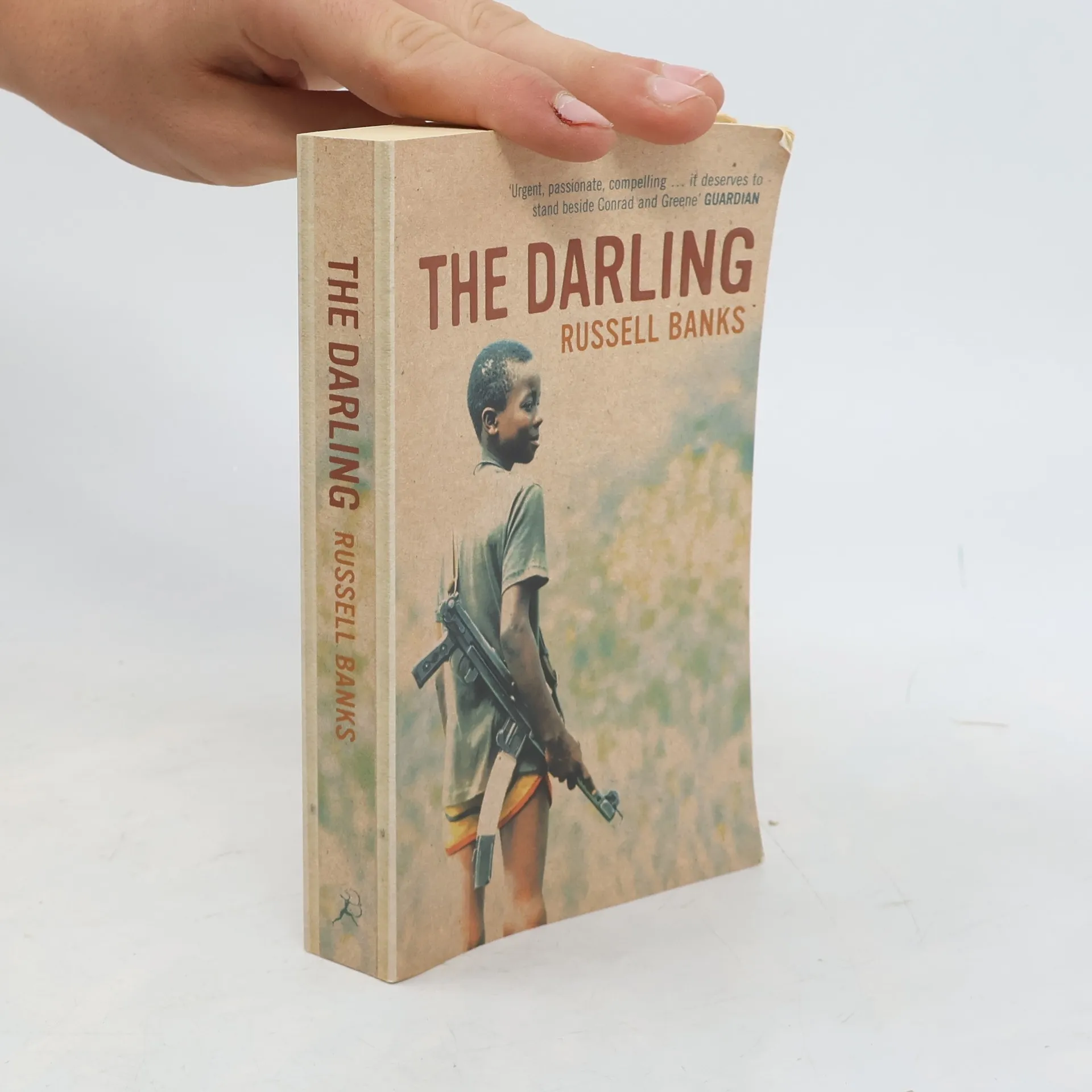
Hannah Musgrave is on the run: from her adoring parents, her many lovers, even from herself. As a young woman she worked for a Boston terrorist group which has put her on the FBI's most wanted list, forcing her to flee to Liberia in West Africa. There she marries an ambitious young politician and settles down. But Hannah can never quite bridge the differences between herself and her African husband. Liberia is a country on the verge of explosion and the threat of civil war is ever present. The violent events that follow touch everyone close to Hannah and, once again, she has to flee. This time, though, the past won't disappear.
Originally published in hardcover: Boston: Little, Brown, 1967.
L’une des choses les plus difficiles à dire à quelqu’un est celle-ci : j’espère que vous m’aimerez sans raison particulière. C’est pourtant ce que nous voulons tous dire les uns aux autres — à nos enfants, à nos parents, à nos compagnons, à nos amis et à des inconnus — en ne l’osant que rarement. Peut-être même surtout à des inconnus qui n’ont ni de bonnes, ni de mauvaises raisons de nous aimer. C’est pour cela que nous échangeons des histoires en priant que cet ange sur le toit les transforme au cours de la narration, qu’elles deviennent crédibles et parlent de nous tous, qui que nous soyons les uns pour les autres.
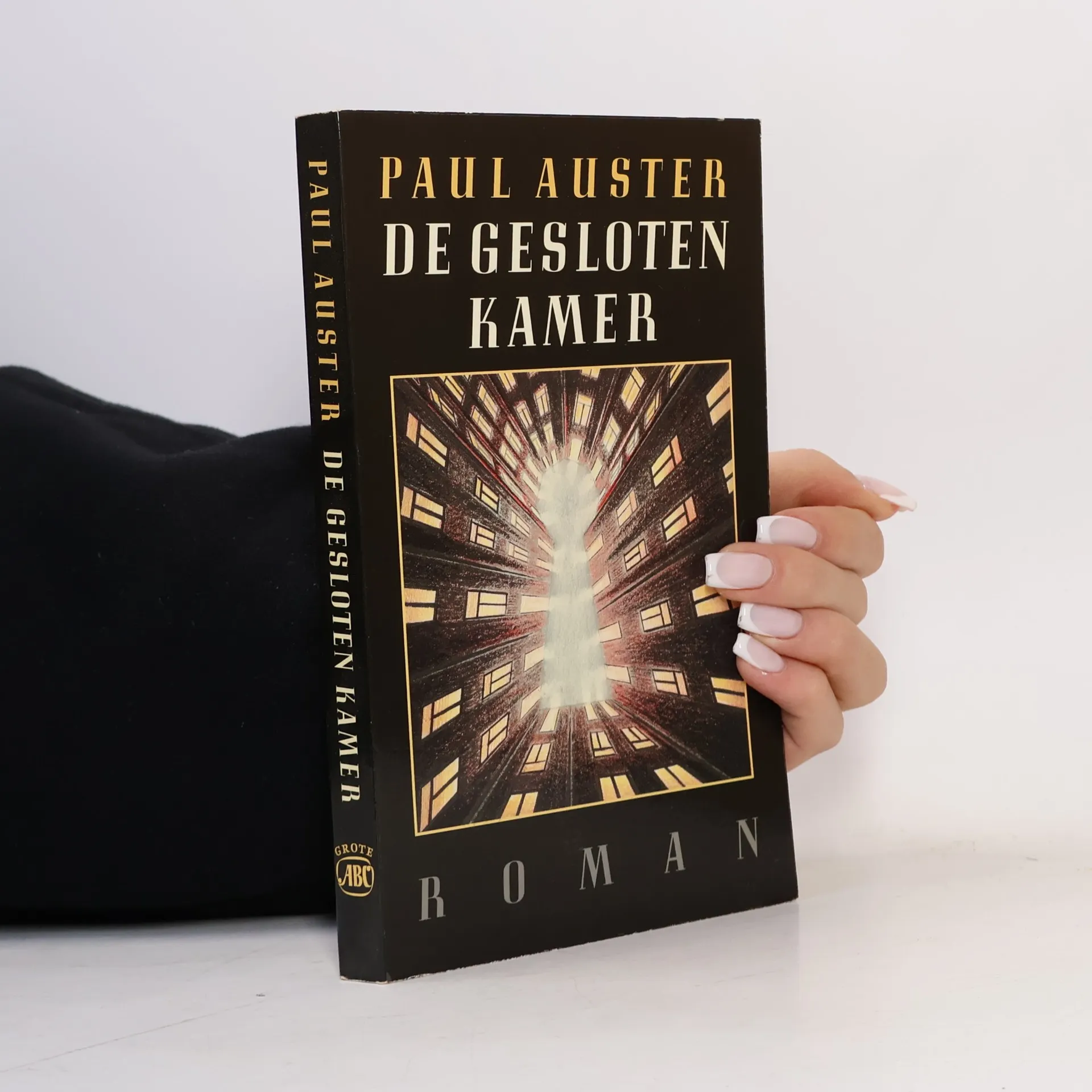
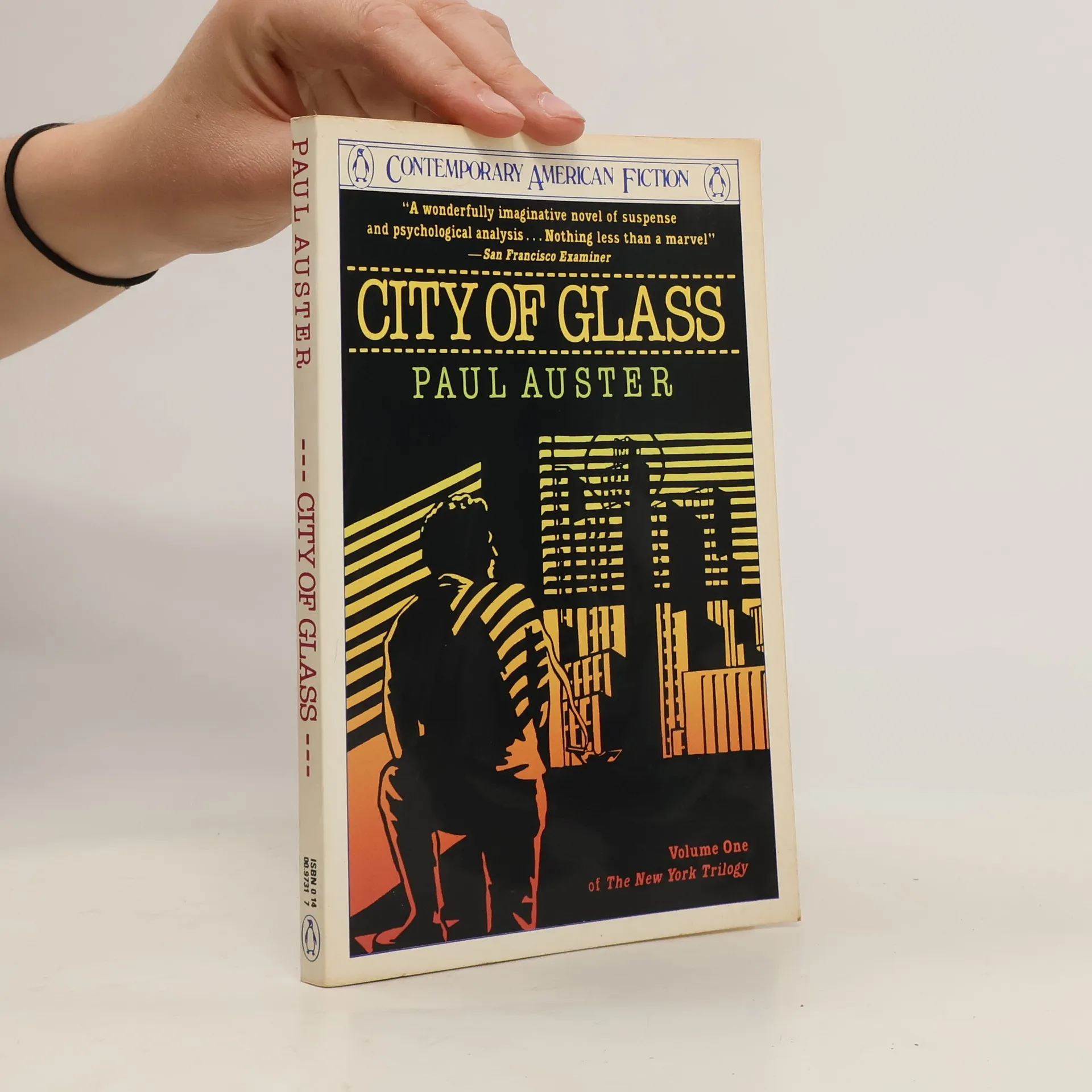
Nominated for an Edgar award for best mystery of the year, City of Glass inaugurates an intriguing New York Trilogy of novels that The Washington Post Book World has classified as "post-existentialist private eye... It's as if Kafka has gotten hooked on the gumshoe game and penned his own ever-spiraling version." As a result of a strange phone call in the middle of the night, Quinn, a writer of detective stories, becomes enmeshed in a case more puzzling than any he might have written. Written with hallucinatory clarity, City of Glass combines dark humor with Hitchcock-like suspense. Ghosts and The Locked Room are the next two brilliant installments in Paul Auster's The New York Trilogy.
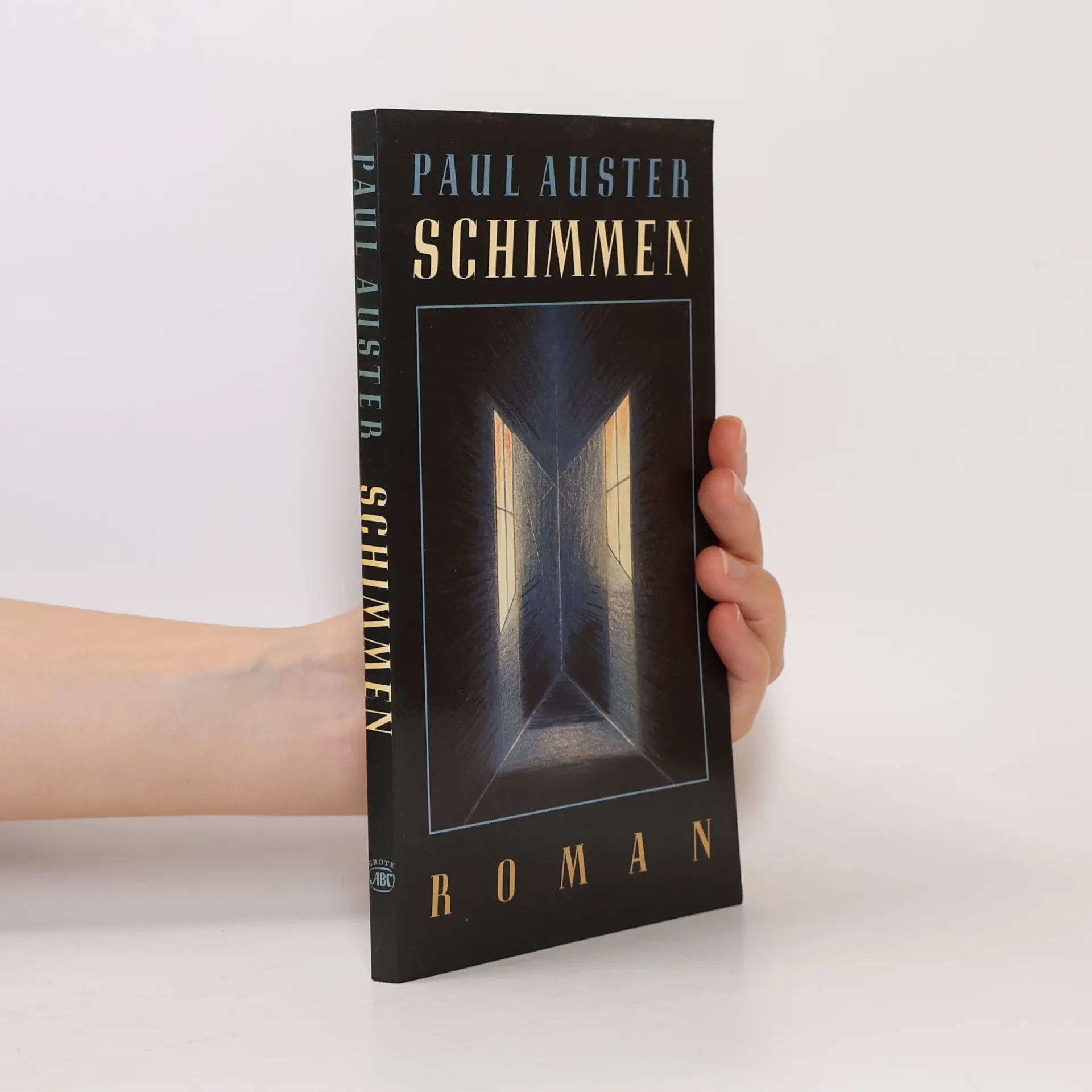
Pour ce deuxième livre de sa Trilogie new-yorkaise, Paul Auster met en scène d'autres personnages que ceux de Cité de verre. Les protagonistes ici se nomment Blanc, Bleu et Noir. Mais deux d'entre eux sont à nouveau des détectives privés et leurs tribulations à New York mettent une fois encore en évidence la précarité de l'identité en même temps que les très pervers effets de miroir du destin. De telle sorte que l'impitoyable filature, à laquelle on demeure suspendu comme dans les meilleurs thrillers, nous ramène aux interrogations du premier livre. Avec, cette fois, une intensité croissante dans le tragique. On comprend après cela que l'ascension de Paul Auster, parmi les écrivains de sa génération, ait été aussi irrésistible que la métaphysique angoisse où il nous plonge.
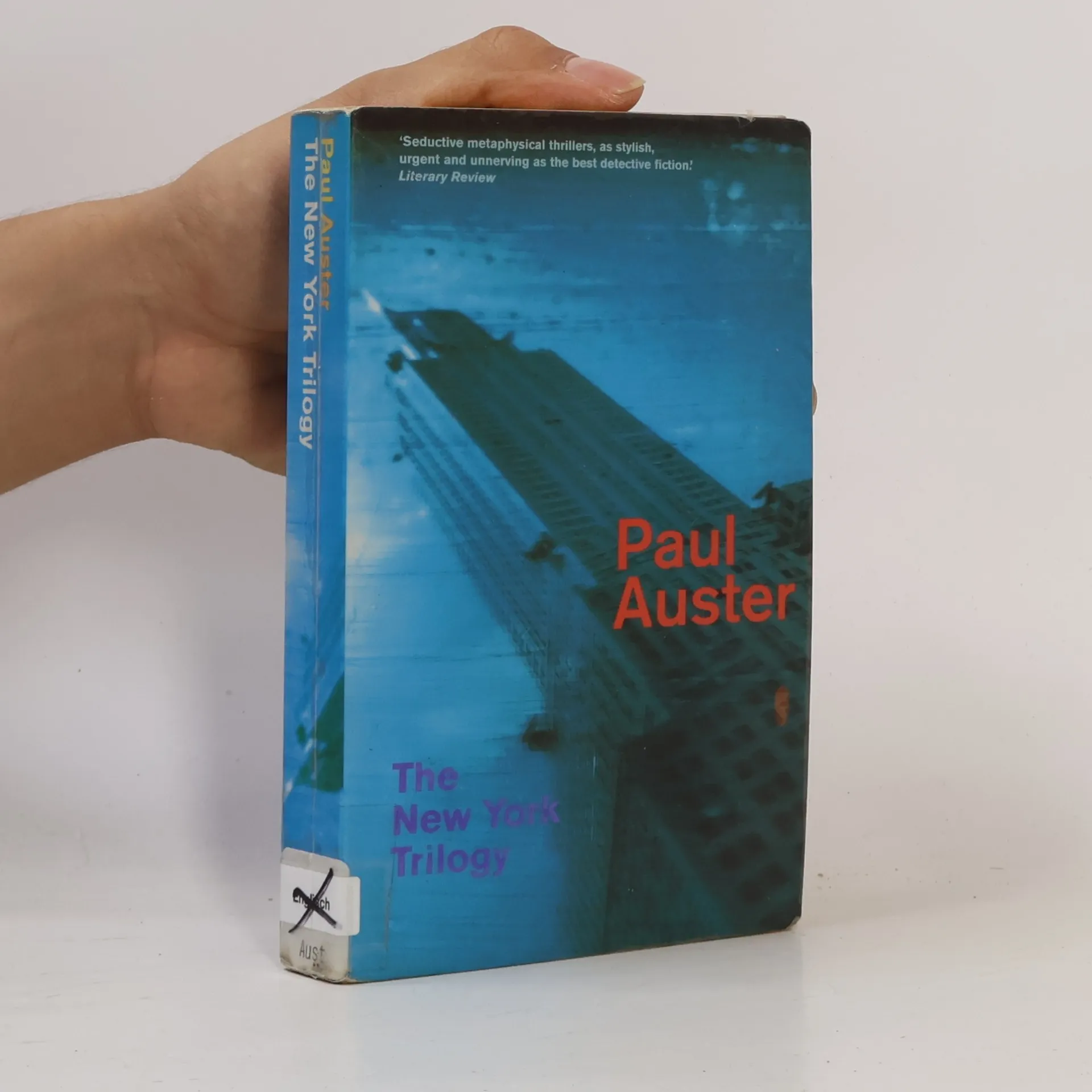
The contemporary classic from 'our supreme post-modernist' (Ian McEwan) - expanding the possibilities of the noir detective novel - whose writing 'shines with intelligence and originality' (Don DeLillo) The New York Trilogy is the most astonishing work by America's most consistently astonishing writer: three interconnected novels that exploit the riveting elements of classic detective fiction to achieve a radical new genre - a profound and unsettling existentialist enquiry in the tradition of Kafka or Borges. In each story the search for clues leads to remarkable coincidences in the universe as the simple act of trailing a man ultimately becomes a startling investigation of what it means to be human. The result is the modern novel at its finest which will shock, transfix and astound every reader. 'Marks a new departure for the American novel.' Observer 'A shatteringly clever piece of work . . . Utterly gripping, written with an acid sharpness that leaves an indelible dent in the back of the mind.' Sunday Telegraph 'One of the great American prose stylists of our time.' New York Times 'Auster really does possess the wand of the enchanter.' New York Review of Books