

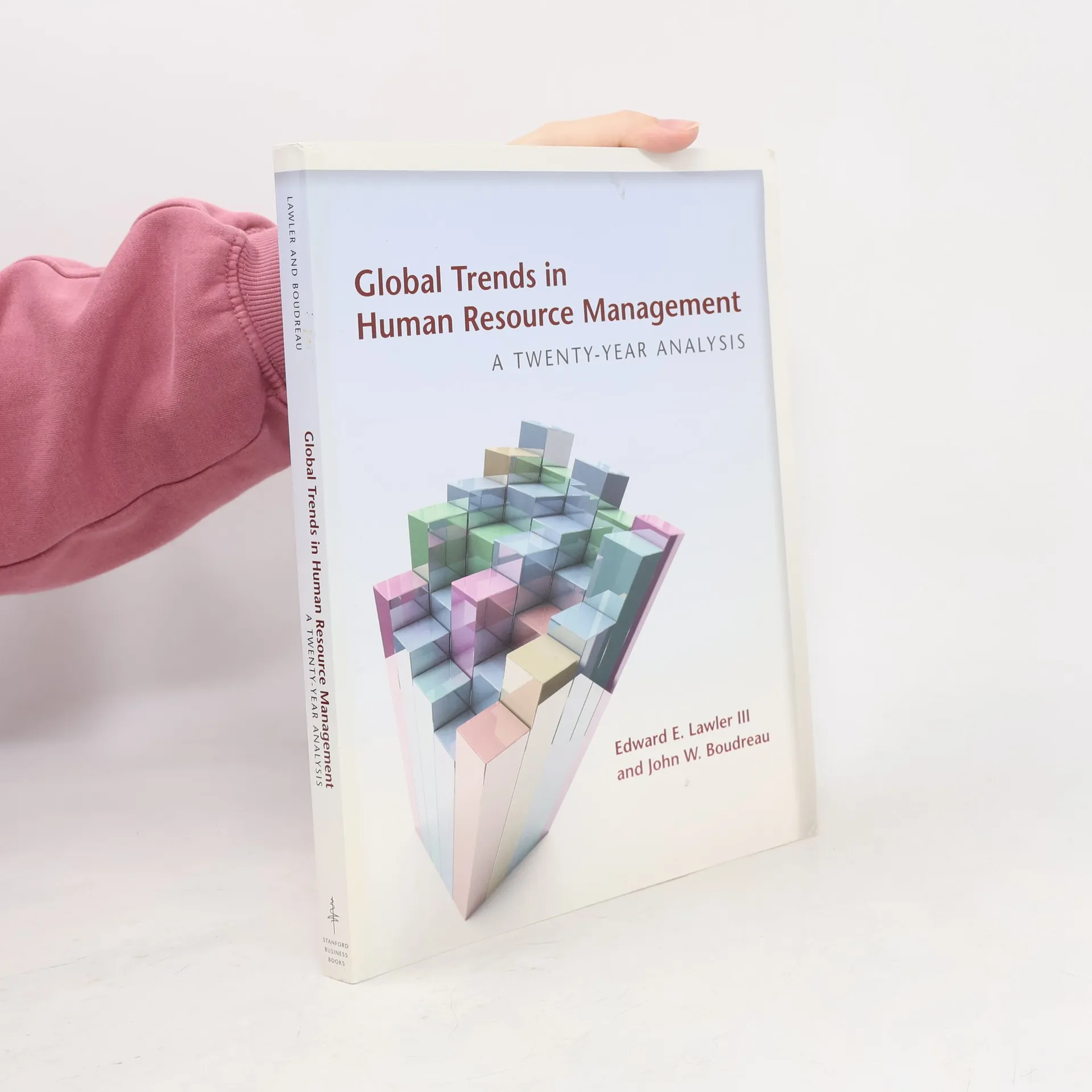
Since 1995, USC's Center for Effective Organizations (CEO) has conducted the definitive longitudinal study of the human resource management function in organizations. By analyzing new data every three years since then, the Center has been able to consistently chart changes in how HR is organized and managed, while at the same time providing guidance on how professionals in the field can drive firm performance. Global Trends in Human Resource Management , the seventh report from CEO, provides the newest findings about what makes HR successful and how it can add value to organizations today. Edward E. Lawler III and John W. Boudreau conclude that HR is most powerful when it plays a strategic role, makes use of information technology, has tangible metrics and analytics, and integrates talent and business strategies. To adapt to the demands of a changing global marketplace, HR is increasingly required to span the boundaries between its function, the organization as a whole, and the dynamic environment within which it operates. This report tracks changes in a global sample of firms that shows how HR differs across Europe, the U.S., and Asia, providing an international benchmark against which to measure a company's practice and shows how HR can adapt in a rapidly changing landscape.
Edward E. Lawler III Book order (chronological)



Human Resources Business Process Outsourcing
Transforming How HR Gets Its Work Done
- 272 pages
- 10 hours of reading
In Human Resources Business Process Outsourcing , Edward E. Lawler III, Dave Ulrich, Jac Fitz-enz (the foremost experts in the human resource field) and James C. Madden V (the CEO of the top HR outsourcing firm), clearly show how outsourcing offers an effective, low-cost alternative to traditional administration and provides HR managers with new opportunities to contribute directly to their companies' overall strategy and business performance. Step by step, the authors explore how the HR function in corporations is structured and include a template for analyzing a HR department’s value, value added, and cost-to-serve. In this important resource, the authors explain new approaches organizations can take to improve HR administration and demonstrate how HR functions can be best organized.
Jossey Bass Business and Management Series: The Leader's Change Handbook
An Essential Guide to Setting Direction and Taking Action
- 375 pages
- 14 hours of reading
A Stunning Achievement in Change ManagementIn October of 1997, the nation's top business theorists and practitioners met at a conference cosponsored by USC's Leadership Institute and the Center for Effective Organizations. The group was challenged to present their most advanced ideas regarding leadership and change management. This guide is the stunning result of their collective efforts. Charged with fascinating case studies, action strategies, and unbeatable advice, The Leader's Change Handbook features fresh works by Christopher Bartlett, Michael Beer, John Kotter, David Nadler, Ron Heifetz, Susan Mohrman, Bob Quinn and other distinguished contributors. What it offers is a uniquely coherent, cutting-edge approach to leading today's organizations -- an approach only this elite group, working together toward a common vision, could offer.
Make Your Pay System Pay OffA comprehensive look at not only the choices surrounding the development of a pay system but also the pros and cons associated with each choice....Thorough.--HR MagazineIn this seminal work, acclaimed compensation expert Edward Lawler III shows companies that the way they pay can be an important source of competitive advantage. He reveals how pay strategies that draw a clear connection between pay and performance can support an organization's strategic objectives by communicating unmistakably what that organization values most. Moreover, he examines a wide range of performance-based pay practices--from piecework incentive systems to merit pay and skill-based pay--to demonstrate how compensation systems can be tailored to fit a variety of business strategies and management styles. Both traditional and nontraditional pay strategies are examined, with special emphasis given to designing pay systems that support participatory management and other innovative practices.
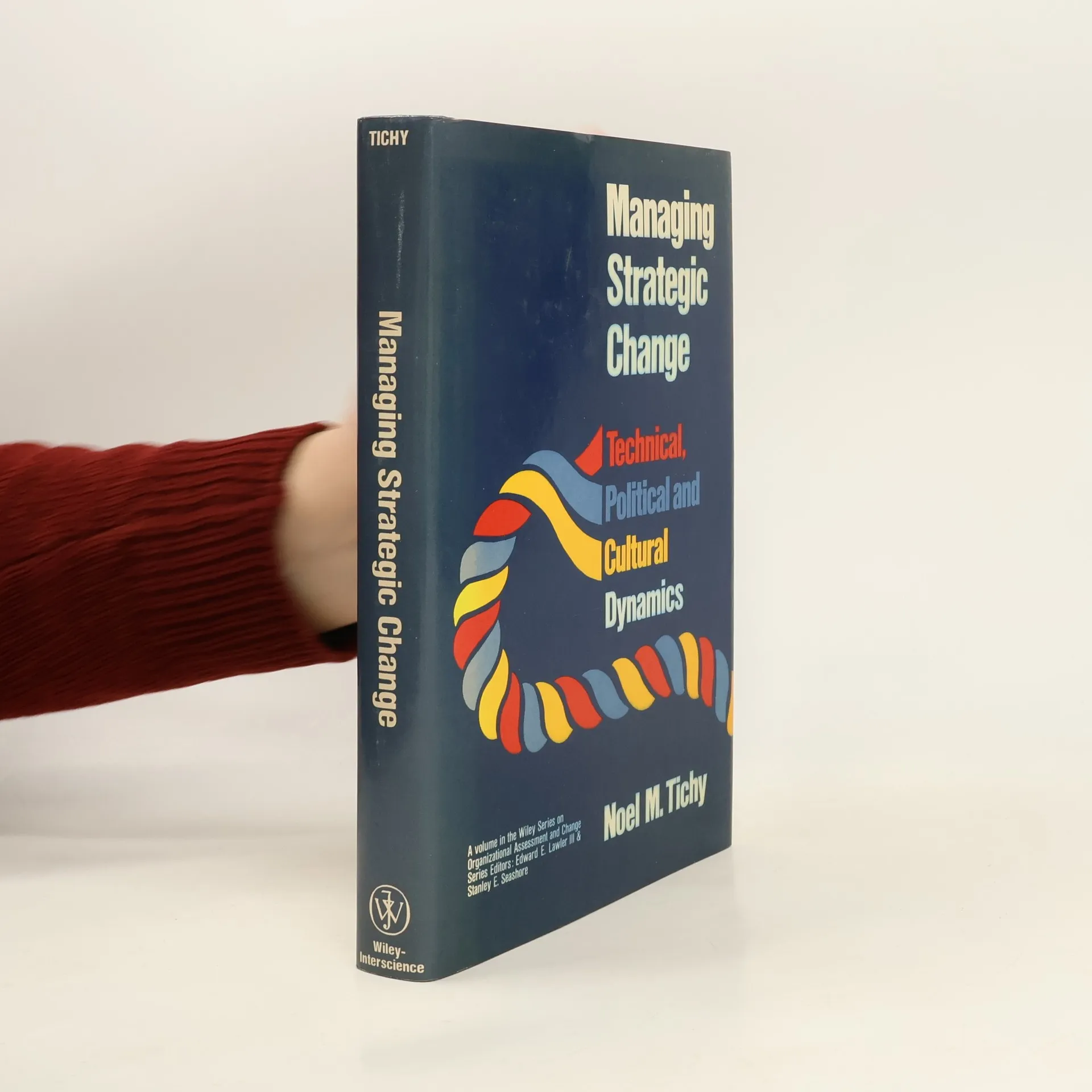
Wiley Series on Organizational Assessment and Change: Managing Strategic Change
Technical, Political, and Cultural Dynamics
- 434 pages
- 16 hours of reading
Shows how managers can use the conceptual framework of TPC theory (technical, political, and cultural dynamics) to cope with major strategic reorientation. Raises such fundamental questions about the nature of organizations. What business(es) should we be in? Who should reap what benefits from the organization? What are the values and norms of organizational members? Provides concepts and workable technologies for dealing with these questions and preparing for future change. Includes extensive examples.