

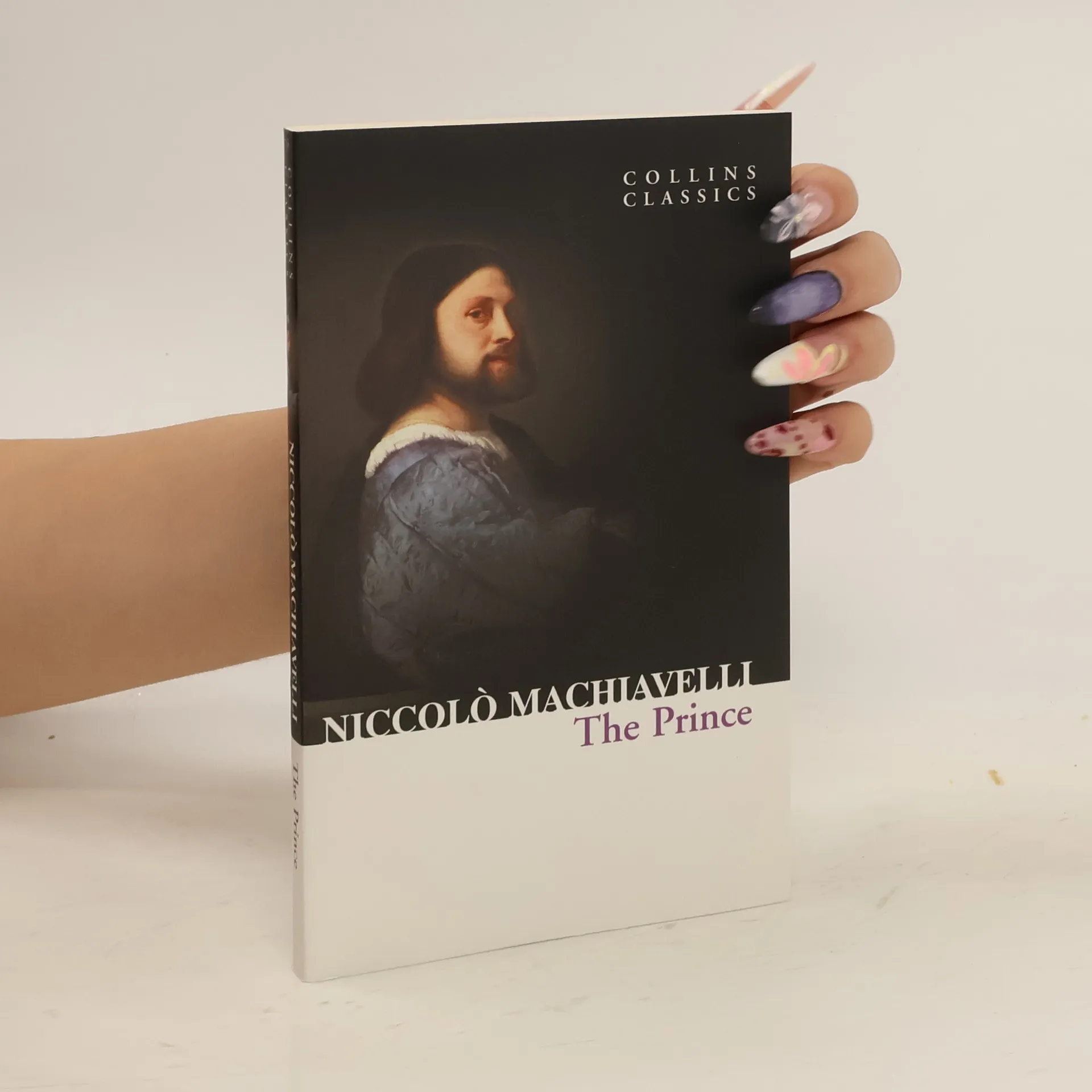
Based on Machiavelli's own first-hand experience as an emissary of the Florentine Republic to the courts of Europe, 'The Prince' analyses the usually violent ways by which men seize, retain and lose political power.
Peter Bondanella Book order (chronological)
Peter Bondanella was a distinguished professor specializing in Italian literature, comparative literature, and film studies. His work delved into a profound understanding of Italian culture and arts, with a particular emphasis on cinema. He left a significant legacy in academia.

Naughty, bawdy and newly repackaged, this medieval masterpiece is set against the background of the Black Death of 1348. The hundred linked tales in Boccaccio's masterpiece are peopled by nobles, knights, nuns, pilgrims, thieves and lovers - both faithful and faithless.
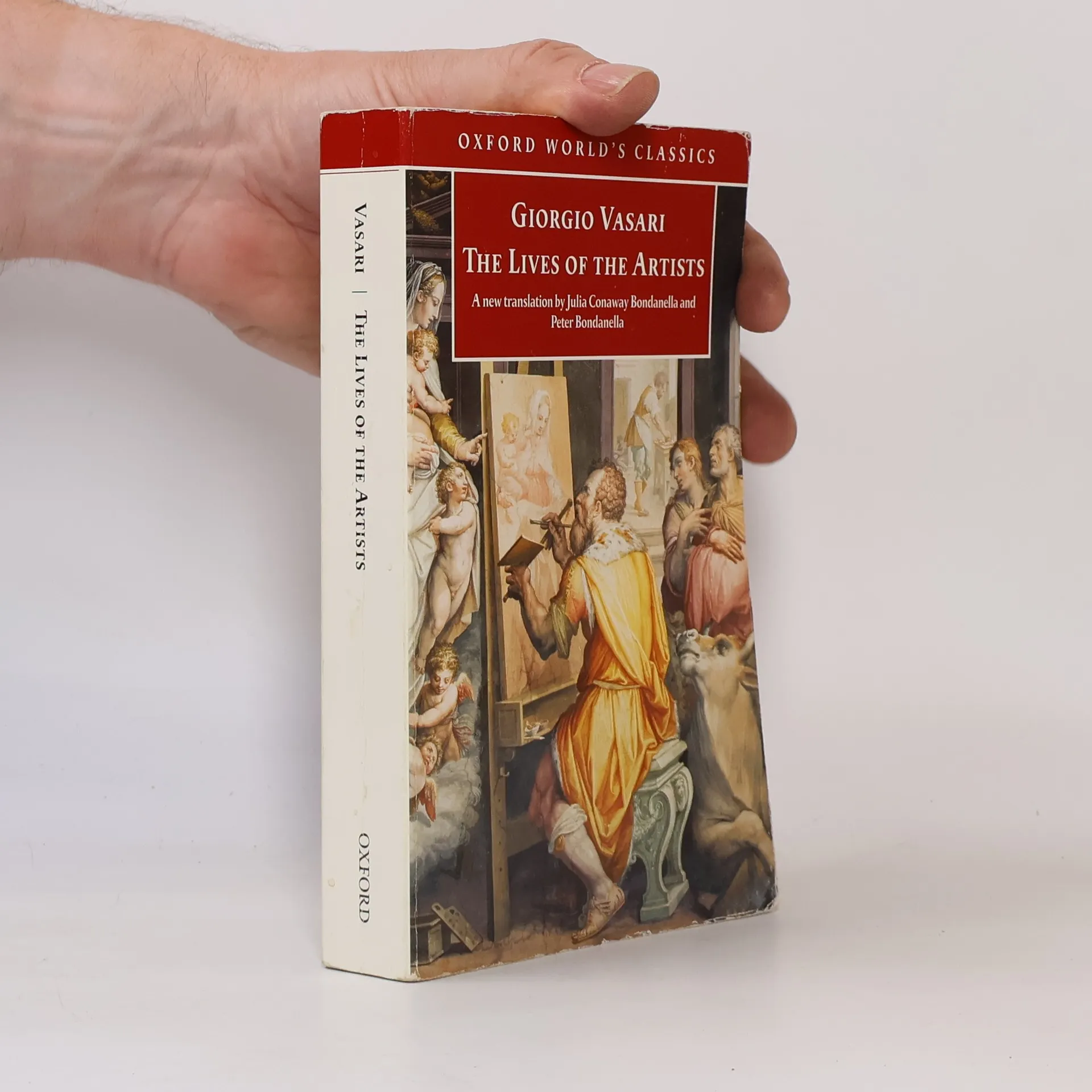
Oxford World's Classics: The Lives of the Artists
A New Translation by Julia Conaway Bondanella and Peter Bondanella
- 586 pages
- 21 hours of reading
Packed with facts, attributions, and entertaining anecdotes about his contemporaries, Giorgio Vasari's collection of biographical accounts also presents a highly influential theory of the development of Renaissance art.Beginning with Cimabue and Giotto, who represent the infancy of art, Vasari considers the period of youthful vigour, shaped by Donatello, Brunelleschi, Ghiberti, and Masaccio, before discussing the mature period of perfection, dominated by the titanic figures of Leonardo, Raphael, and Michelangelo.This specially commissioned translation contains thirty-six of the most important lives as well as an introduction and explanatory notes.About the Series:For over 100 years Oxford World's Classics has made available the widest range of literature from around the globe. Each affordable volume reflects Oxford's commitment to scholarship, providing the most accurate text plus a wealth of other valuable features, including expert introductions by leading authorities, helpful notes to clarify the text, up-to-date bibliographies for further study, and much more.
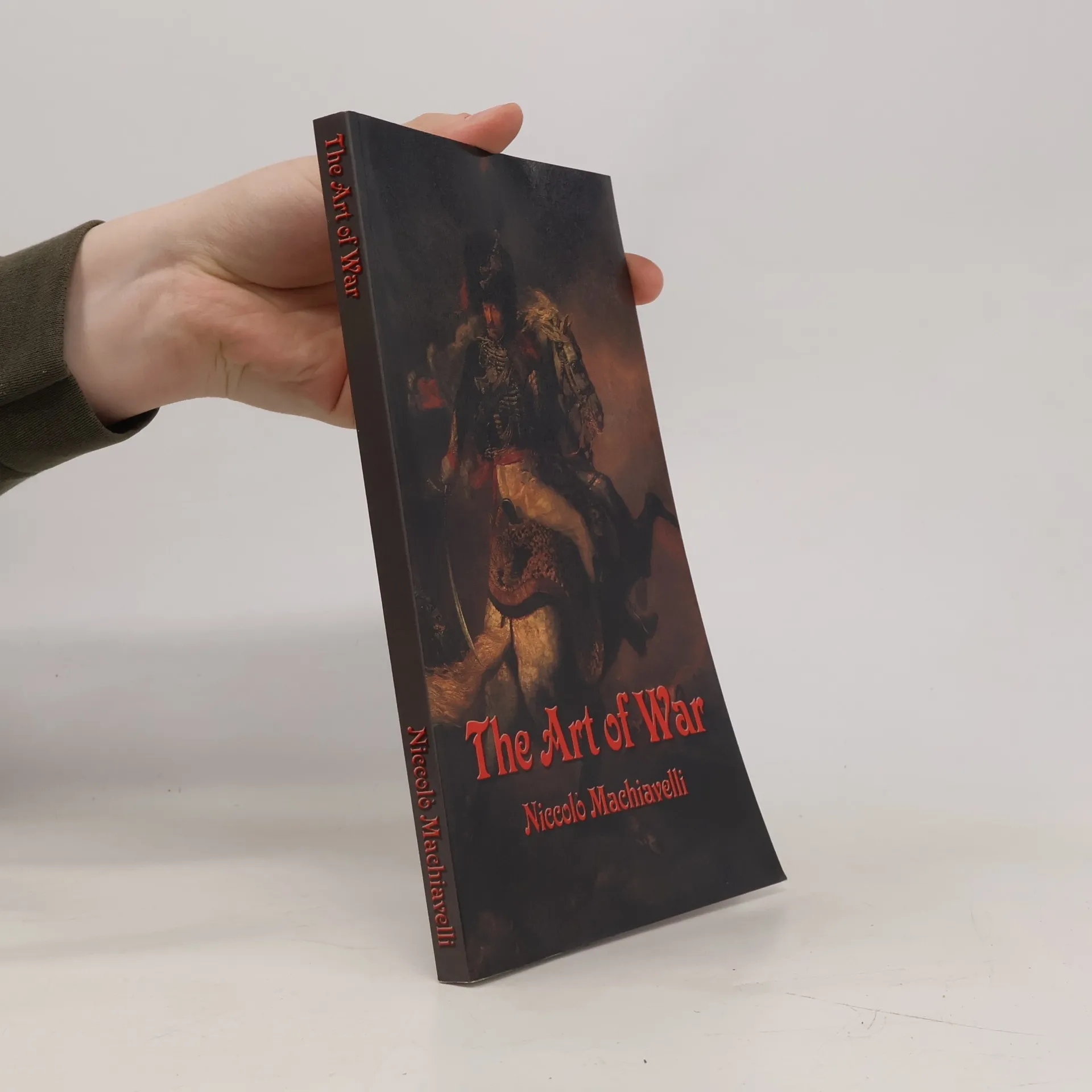
The Art of War
- 200 pages
- 7 hours of reading
Niccolo Machiavelli considered this book his greatest achievement. Here you will learn how to recruit, train, motivate, and discipline an army. You will learn the difference between strategy and tactics. Machiavelli does a masterful job of breaking down and analyzing historic battles. This book of military knowledge belongs alongside Sun-Tzu on every book shelf.
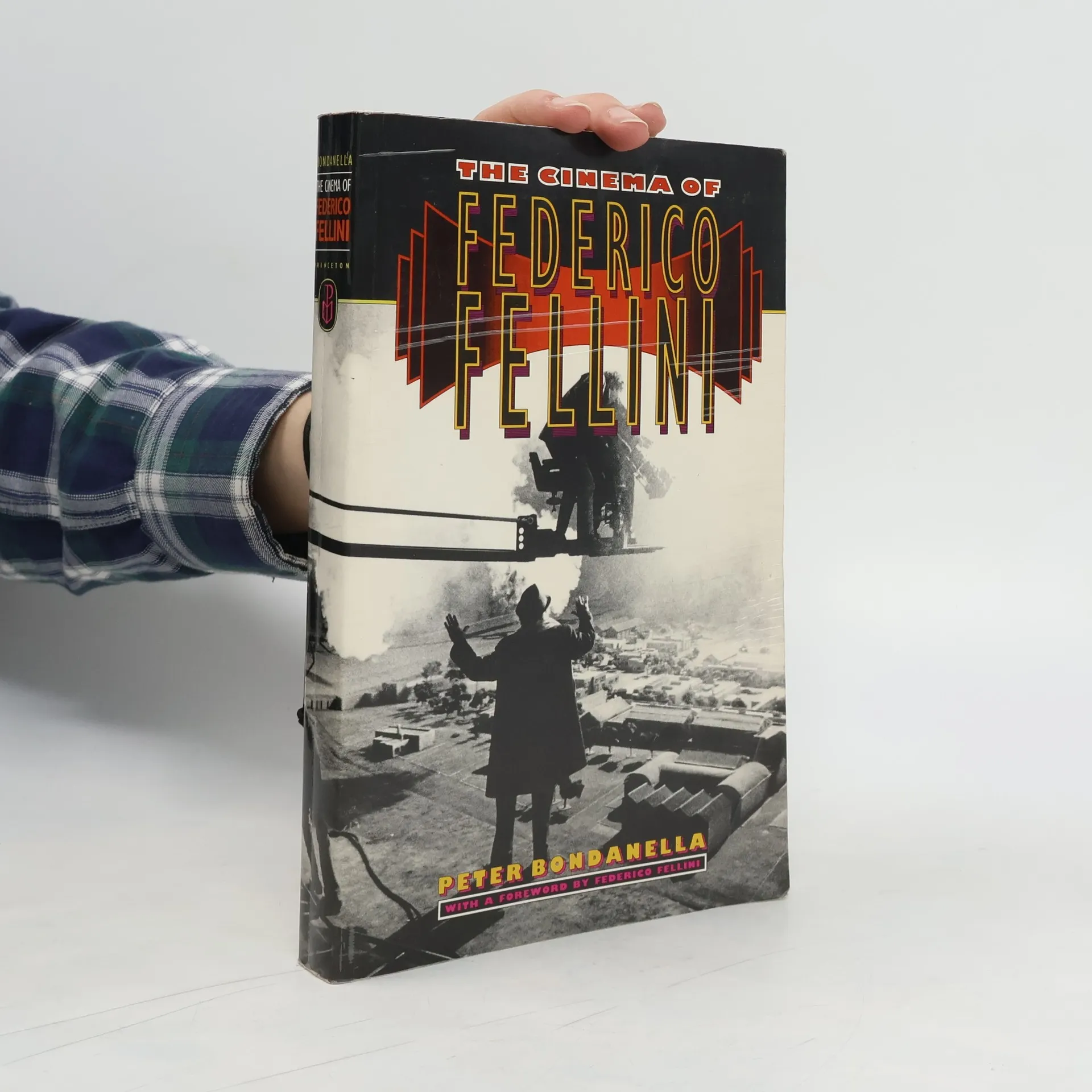
A biography of Federico Fellini that shows how his exuberant imagination has been shaped by popular culture, literature, and his encounter with the ideas of C G Jung, especially Jungian dream interpretation. It links his mature accomplishments to his first employment as a cartoonist, gagman, and sketch-artist during the Fascist era.
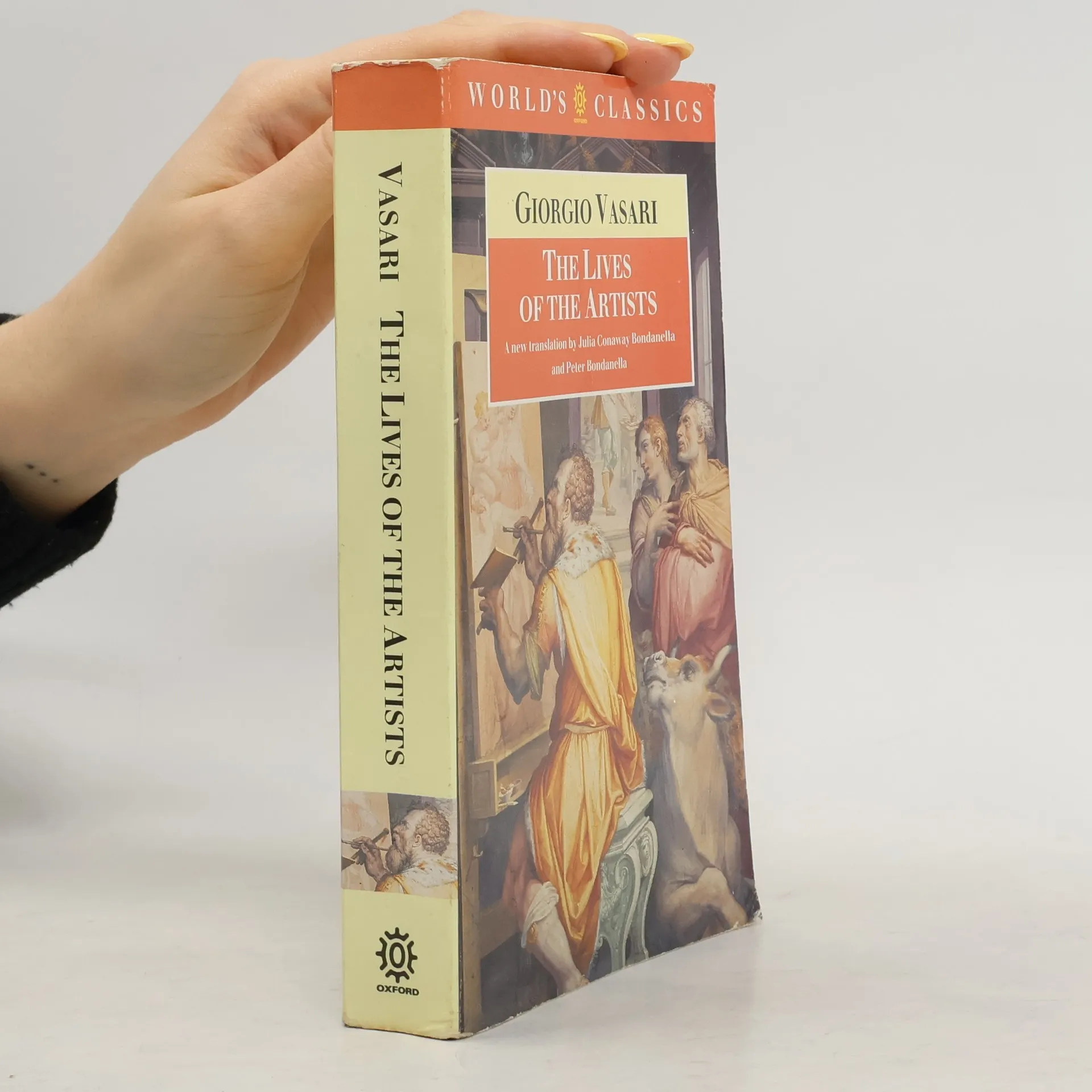
World's Classics: The Lives of the Artists
A New Translation by Julia Conaway Bondanella and Peter Bondanella
- 612 pages
- 22 hours of reading
These biographies of the great quattrocento artists have long been considered among the most important of contemporary sources on Italian Renaissance art. Vasari, who invented the term "Renaissance," was the first to outline the influential theory of Renaissance art that traces a progression through Giotto, Brunelleschi, and finally the titanic figures of Michaelangelo, Da Vinci, and Raphael. This new translation, specially commisioned for the World's Classics series, contains thirty-six of the most important lives and is fully annotated.