

The diary of Italy's greatest modern writer, who won the prestigious Strega Award shortly before his tragic suicide in 1950, offers a poignant glimpse into his thoughts and struggles. As he meticulously destroyed his private papers, this diary became a vital testament to his life and artistry, providing contemporary readers with profound insights into his mind and the circumstances surrounding his untimely death.
Anton Haakman Books

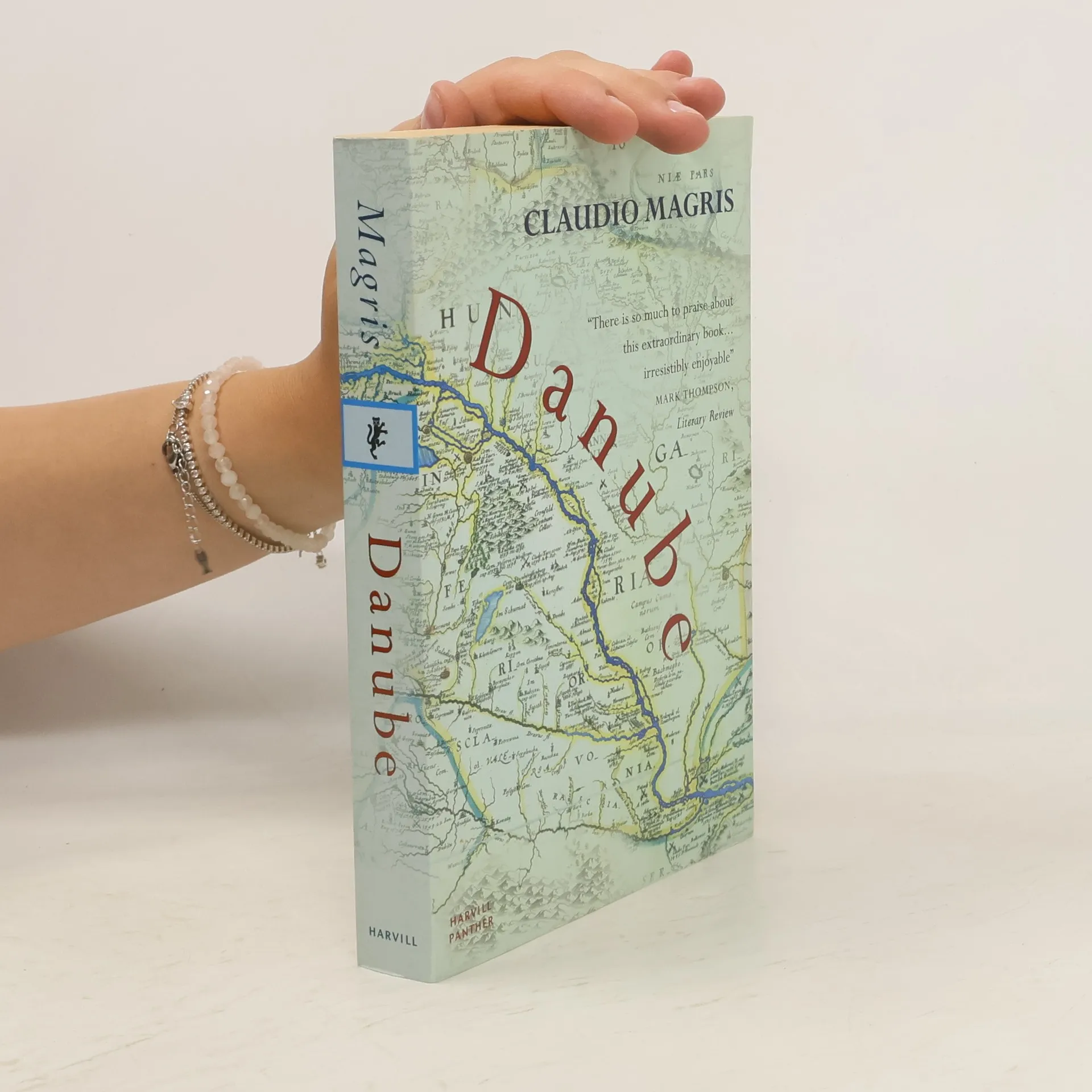
Danube
- 416 pages
- 15 hours of reading
A triumphant celebration of a river that has forever been at the center of the great movements of history.In this fascinating journey through the history and culture of the Danube, Claudio Magris, whose knowledge is encyclopedic and curiosity limitless, invites the reader to accompany him along the whole course of the river, from the Bavarian hills through Austro-Hungary and the Balkans to the Black Sea. In each town he raises the ghosts that inhabit the houses and monuments: Kafka and Freud; Wittgenstein and Marcus Aurelius; Lukcs, Heidegger, and Cline; Canetti and Ovid. He also encounters a host of more obscure but no less intriguing personalities--philosophers, novelists, diplomats, and patriots--on an odyssey that brings middle-European culture to life in its most picturesque and evocative forms.Danube is among the first of a new list of nonfiction paperbacks published as Harvill Press Editions.
Langs grenzen
- 365 pages
- 13 hours of reading
Van de Italiaanse literatuurwetenschapper Claudio Magris (1939) is sinds zijn veelgeprezen boek 'Donau' uit 1986 vrij veel vertaald. Deze rijke bundel is een bloemlezing uit alle genres die hij beoefent: literaire en cultuurhistorische essays, novellen en toneel. Het boek bevat ook fragmenten uit niet eerder vertaald werk. In de door Magris zelf gemaakte selectie staat de 'grens' centraal, waar hij ook biografisch als bewoner van Triest al vroeg mee te maken had. De rivier van de Geschiedenis sleurt individuele geschiedenissen met zich mee. Magris gaat als schrijver stroomopwaarts om de overblijfselen op te sporen. In boeken als 'Donau' en 'Microcosmi' heeft hij zijn bevindingen vastgelegd. Zeldzaam is het gemak waarmee Magris zijn veelzijdige kennis demonstreert. Met de auteurs die hij bespreekt, onder wie Musil, Svevo en Kafka, gaat hij als een gelijke om, zoals hij ook thuis is in de verschillende landen van Midden-Europa. Het boek, dat gelezen kan worden als een intellectuele autobiografie, is voorzien van een uitstekende introductie door Willem Otterspeer. Kleine druk.(Biblion recensie, J.F. Vogelaar)