Explore the latest books of this year!
Bookbot

David Hulme

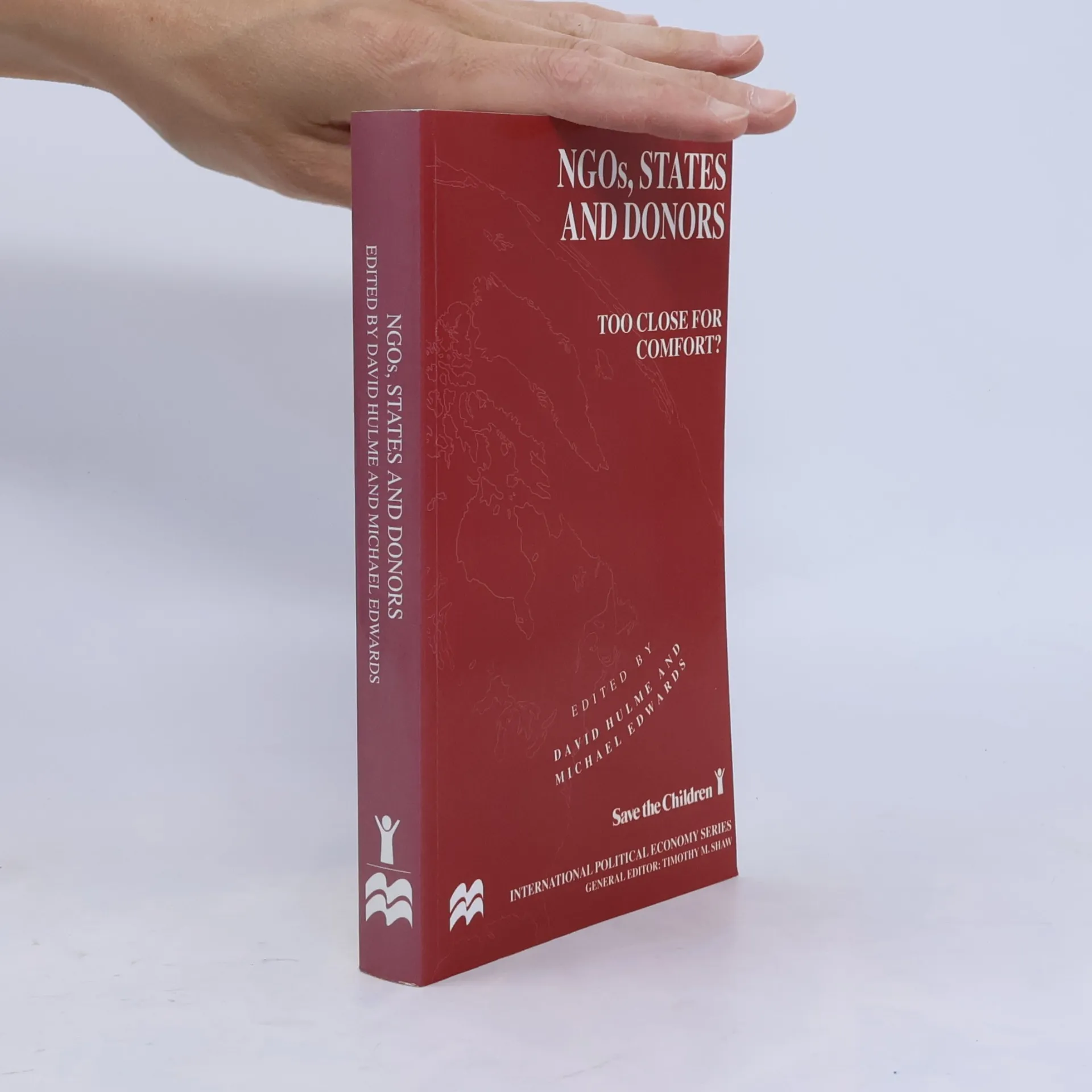
    International Political Economy Series: NGOs, States and Donors
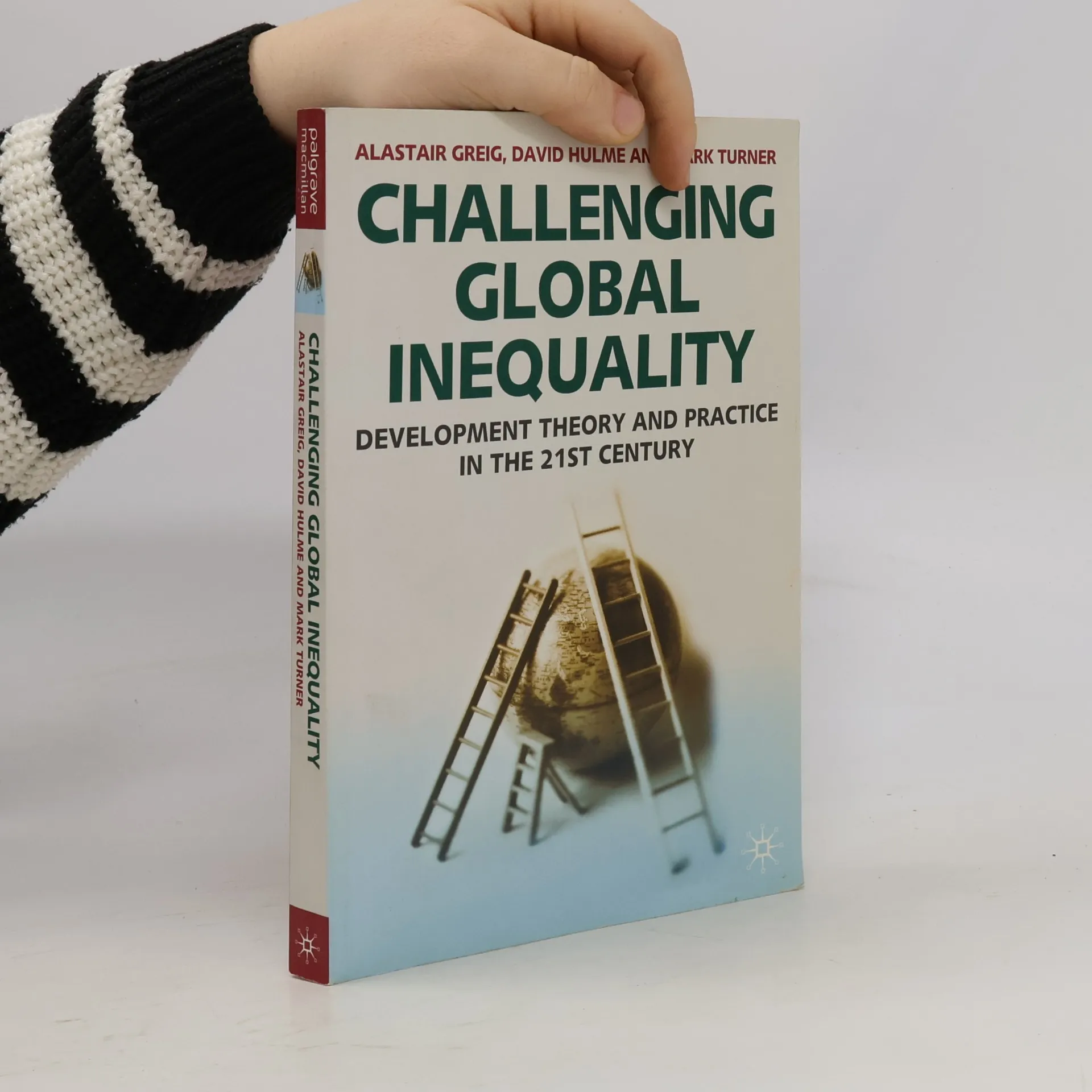
    Challenging Global Inequality
    • Challenging Global Inequality

      Development Theory and Practice in the 21st Century

      • 272 pages
      • 10 hours of reading

      This major introductory text written by 3 leading names in the field provides an accessible overview of the challenges faced in overcoming global poverty and inequality in the 21st century. Through an in-depth assessment of development theory and practice, the authors set out to advance two key the first being the importance of historically contextualizing contemporary developmental problems in order to assess policy proposals; and the second that inequality matters, and how this notion has continually remained a central feature of development debates from colonial times to present day.Ideal for undergraduate students taking development modules as part of political science and international relations degrees, this engaging text proves to be essential reading when exploring the impacts of development on today's international political economy. With each chapter covering inequalities from all different angles, the authors clearly outline the impact of models such as globalization and neoliberalism, as well as offering alternative views on the challenges posed by the UN's Millennium Development Goals.Also available is a companion website with extra features to accompany the text, please take a look by clicking below -
      Challenging Global Inequality
    • International Political Economy Series: NGOs, States and Donors

      Too Close for Comfort?

      • 328 pages
      • 12 hours of reading

      In the last decade the use of non-governmental agencies (NGOs) to promote development and reduce poverty and hunger has become a major feature of development policy. Donors have poured funds into NGOs, governments have allocated them major responsibilities and their number and size has grown. Has this popularity helped them to solve the problems of poverty or has it changed them so that they are now part of the 'development industry' that they used to criticize? This book provides the most detailed study available of the ways in which NGO-State-Donor relationships have changed the role that NGOs play in development. Its papers are introduced by two international experts on the topic and the contributors are leading academics and senior practitioners. The picture that emerges from the general reviews and detailed case studies of African, Asian and Latin American NGOs, is a complex one. However, the authors conclude that there is much evidence that NGOs are 'losing their roots' - getting closer to donors and governments and more distant to the poor and disempowered who they seek to assist.

      International Political Economy Series: NGOs, States and Donors