



Parameters
- 328 pages
- 12 hours of reading
More about the book
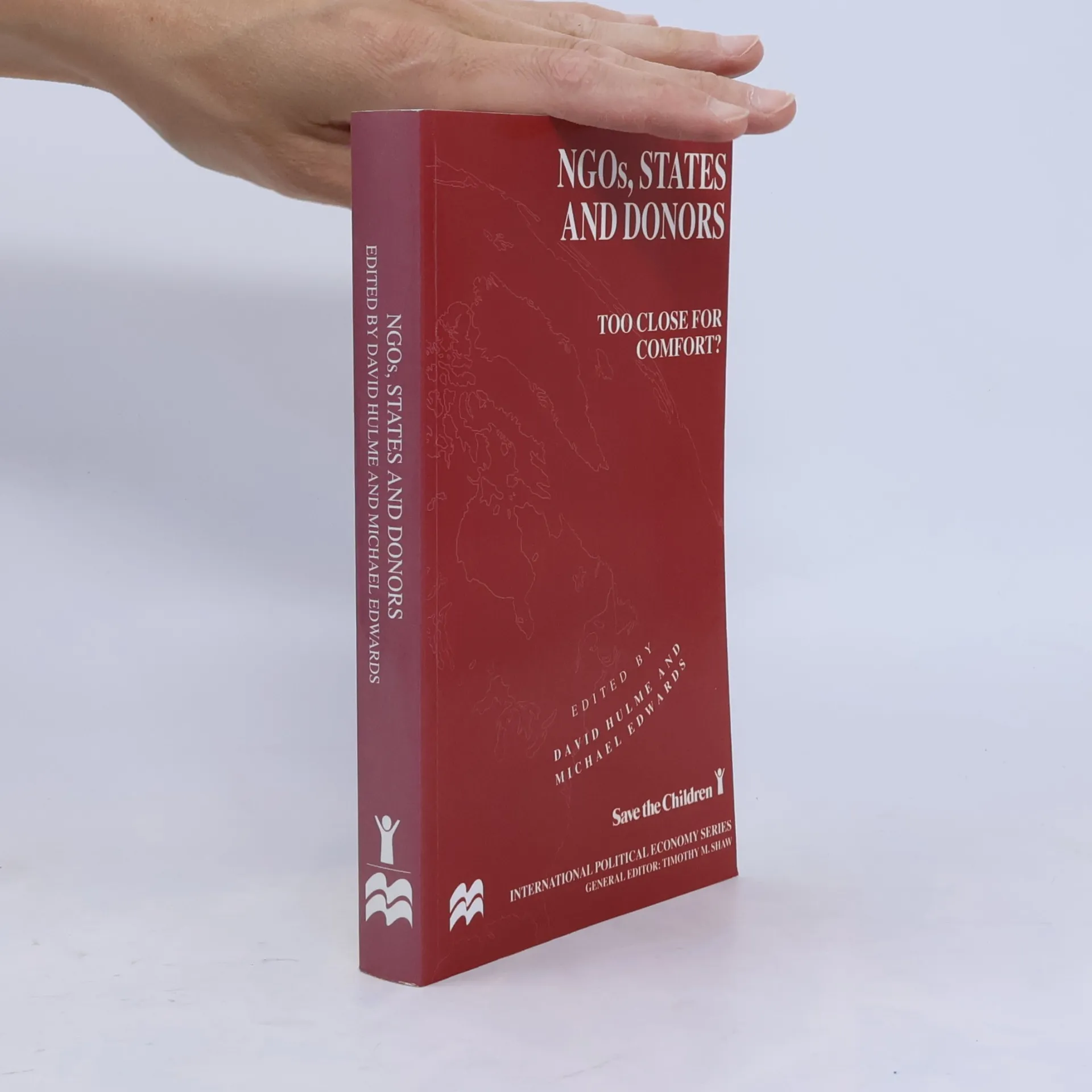
In the last decade the use of non-governmental agencies (NGOs) to promote development and reduce poverty and hunger has become a major feature of development policy. Donors have poured funds into NGOs, governments have allocated them major responsibilities and their number and size has grown. Has this popularity helped them to solve the problems of poverty or has it changed them so that they are now part of the 'development industry' that they used to criticize? This book provides the most detailed study available of the ways in which NGO-State-Donor relationships have changed the role that NGOs play in development. Its papers are introduced by two international experts on the topic and the contributors are leading academics and senior practitioners. The picture that emerges from the general reviews and detailed case studies of African, Asian and Latin American NGOs, is a complex one. However, the authors conclude that there is much evidence that NGOs are 'losing their roots' - getting closer to donors and governments and more distant to the poor and disempowered who they seek to assist.
Book purchase
International Political Economy Series: NGOs, States and Donors, Michael Edwards, David Hulme, Timothy M. Shaw
- Language

- Released
- 1996
- Binding
- (Paperback)
Payment methods
No one has rated yet.
- Title
- International Political Economy Series: NGOs, States and Donors
- Subtitle
- Too Close for Comfort?
- Language
- English
- Authors
- Michael Edwards, David Hulme, Timothy M. Shaw
- Publisher
- Palgrave Macmillan
- Released
- 1996
- Format
- Paperback
- Pages
- 328
- ISBN10
- 0333665821
- ISBN13
- 9780333665824
- Series
- Categories
- Tags
- Business, Politics, Political Theories, International Relations, Poverty, Development, Social Work, Morality, Political Economy, Developing Countries
- Description
- In the last decade the use of non-governmental agencies (NGOs) to promote development and reduce poverty and hunger has become a major feature of development policy. Donors have poured funds into NGOs, governments have allocated them major responsibilities and their number and size has grown. Has this popularity helped them to solve the problems of poverty or has it changed them so that they are now part of the 'development industry' that they used to criticize? This book provides the most detailed study available of the ways in which NGO-State-Donor relationships have changed the role that NGOs play in development. Its papers are introduced by two international experts on the topic and the contributors are leading academics and senior practitioners. The picture that emerges from the general reviews and detailed case studies of African, Asian and Latin American NGOs, is a complex one. However, the authors conclude that there is much evidence that NGOs are 'losing their roots' - getting closer to donors and governments and more distant to the poor and disempowered who they seek to assist.