

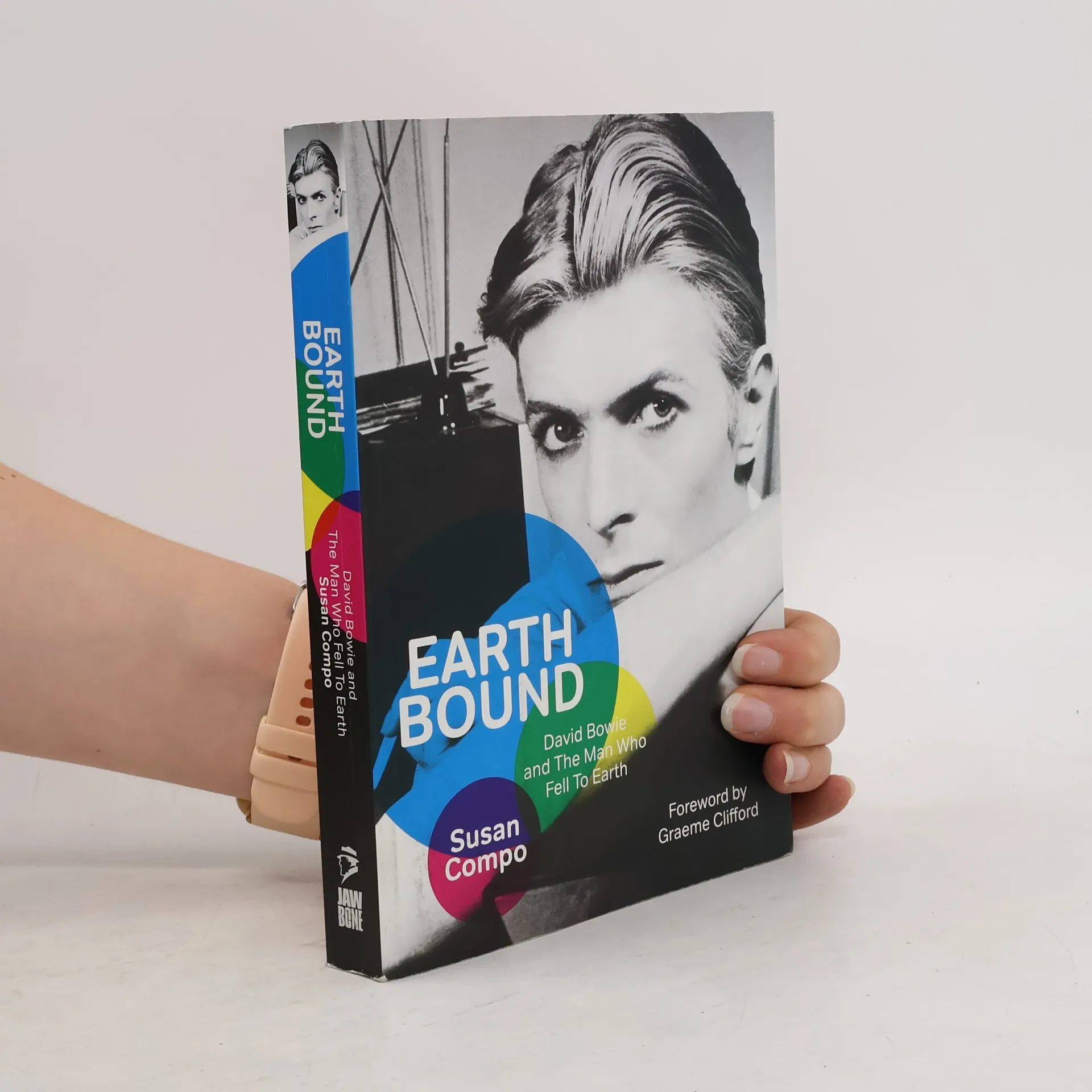
A revealing exploration of The Man Who Fell To Earth, Nicolas Roeg's classic 1976 film starring David Bowie as an alien who comes to our planet in search of water. It also seeks to uncover the mysteries surrounding Bowie's rejected soundtrack to the film (elements of which later ended up his groundbreaking 1977 album Low) and closes with a look at his return to the themes and characters of The Man Who Fell To Earth in one of his final works, the acclaimed musical production Lazarus. The first book-length exploration of a landmark of otherworldly big-screen science fiction, and a key work by Nicolas Roeg, one of the greatest British film directors of all time. Offers a thorough examination of David Bowie's first (and best) leading role as Thomas Jerome Newton, and explores the legend of his rejected soundtrack to the film. Bowie's final project was the musical Lazarus, a continuation of the story and themes of the film, which is due to transfer to London in 2017 following a successful Off-Broadway run.
Susan Compo Books
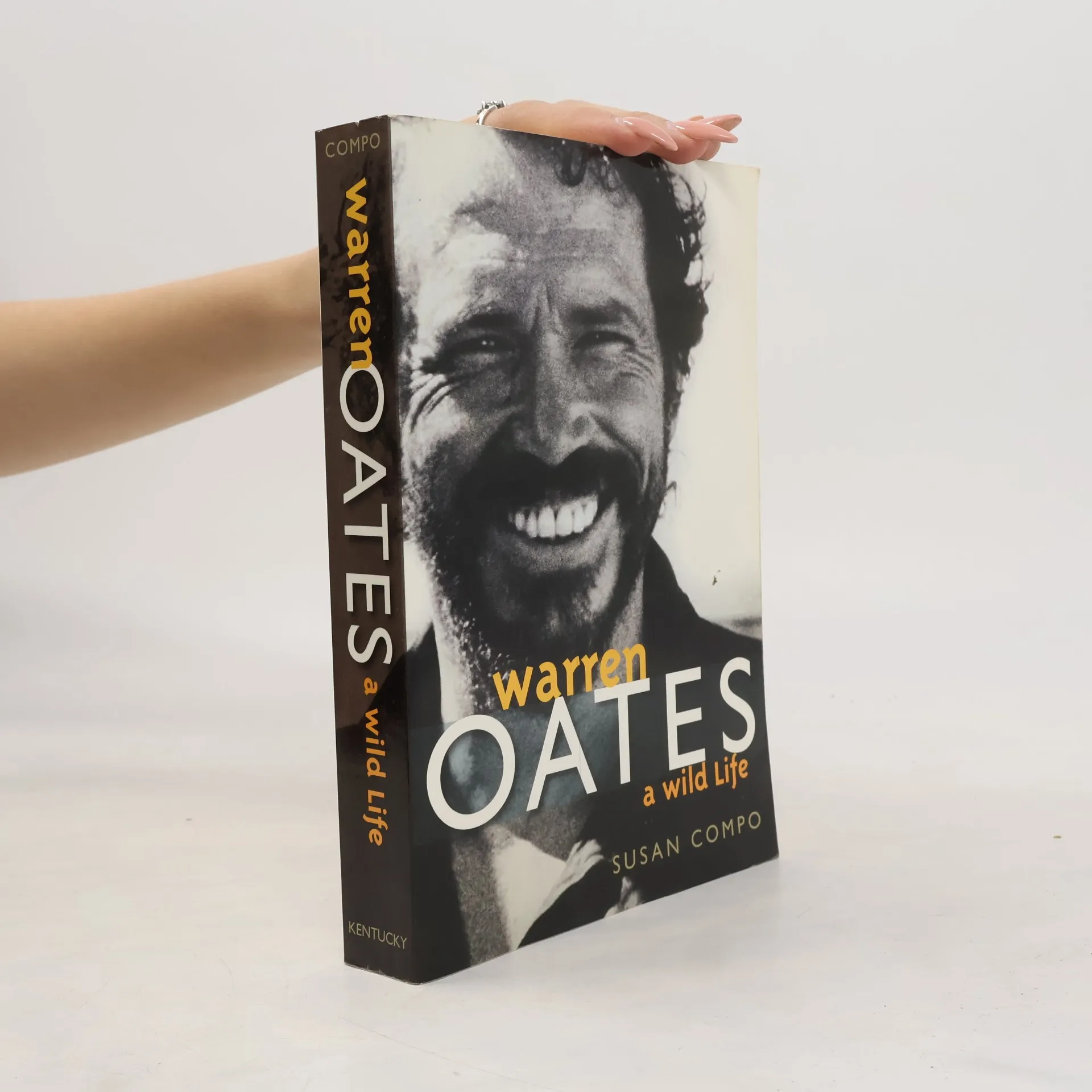
Though he never reached the lead actor status he labored so relentlessly to achieve, Warren Oates (1928--1982) is one of the most memorable and skilled character actors of the 1970s. With his rugged looks and measured demeanor, Oates crafted complex characters who were at once brazen and thoughtful, wild and subdued. Friends remember the hard-living, hard-drinking actor as kind and caring, but also sometimes as mean as a blue-eyed devil. Married four times, partial to road trips in his RV affectionately known as the "Roach Coach," and famous for performances for directors ranging from Sam Peckinpah to Steven Spielberg, Warren Oates remained a Hollywood outsider perfectly suited to the 1960s and 1970s counterculture. Born in the small town of Depoy in rural western Kentucky and reared in Louisville, Oates began his career in the late 1950s with bit parts in television westerns. Though hardly lucrative work, it was during this time Oates met renegade director Sam Peckinpah, establishing the creative relationship and destructive friendship that produced some of Oates's most unforgettable roles in Ride the High Country (1962), Major Dundee (1965), and The Wild Bunch (1969), as well as a leading part in Bring Me the Head of Alfredo Garcia (1974). Though Oates maintained a close association with Peckinpah, he had a penchant for working with a variety of visionary directors who understood his approach and were eager to enlist the subtle talents of the consummate character actor. With supporting roles in In the Heat of the Night (1967), The Hired Hand (1971), Badlands (1973), 1941 (1979), and Stripes (1981), Oates delivered solid performances for filmmakers as diverse and talented as Norman Jewison, Peter Fonda, Terrence Malick, Steven Spielberg, and Ivan Reitman. Oates's offscreen personality was just as complex as his on-screen persona. Notorious for being a nightlife reveler, he was as sensitive and introspective as he was outgoing and prone to periods of exuberant, and at times illegal, excess. Though he never became a marquee name, Warren Oates continues to influence actors like Billy Bob Thornton and Benicio Del Toro, as well as directors such as Quentin Tarantino and Richard Linklater, all of whom have cited Oates as a major inspiration. In Warren Oates: A Wild Life , author Susan Compo skillfully captures the story of Oates's eventful life, indulgent lifestyle, and influential career.