
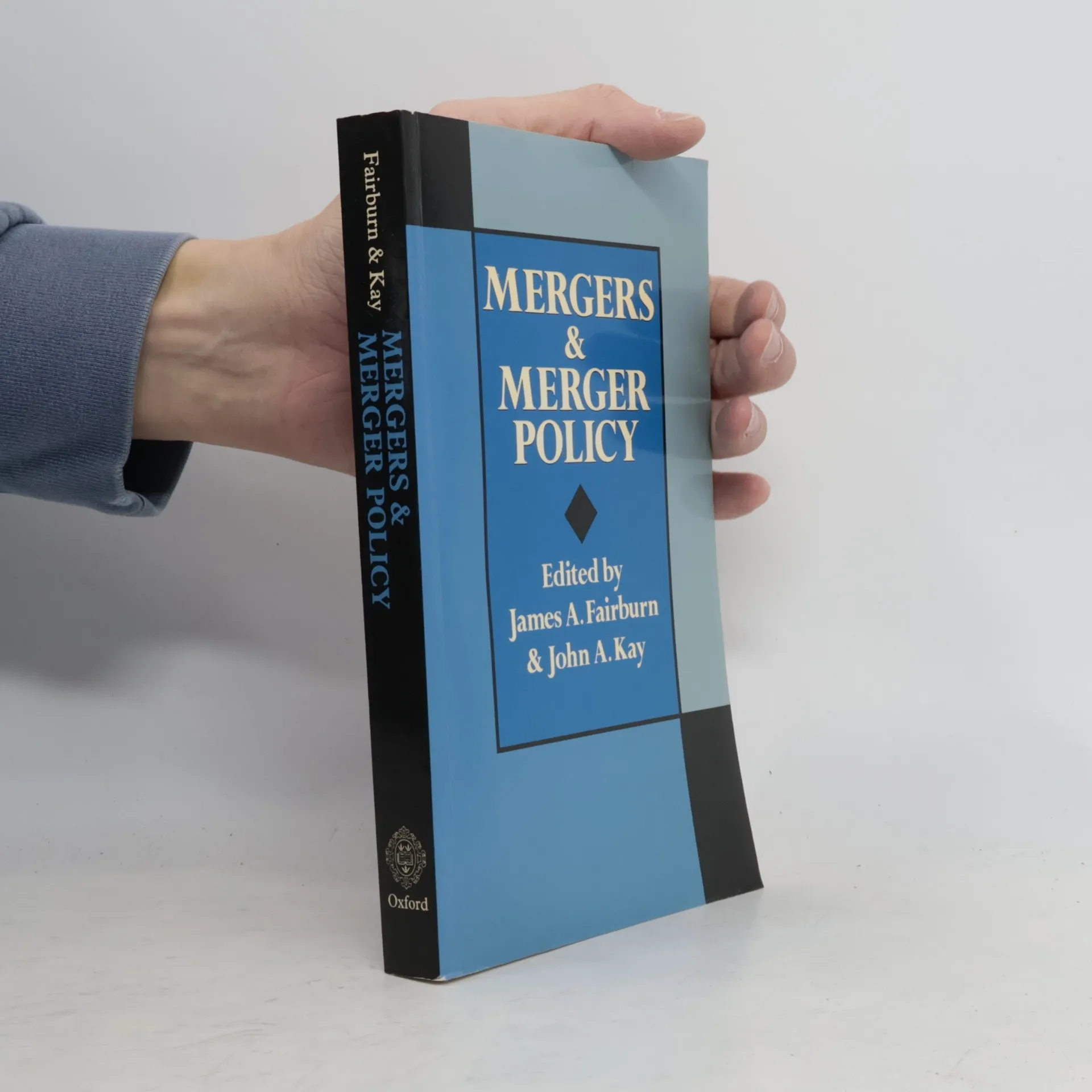



Explore the latest books of this year!
Bookbot

J. A. John Anderson Kay

    This author employs rigorous and logical analysis to better understand society, focusing on the application of economic concepts. Their work emphasizes popularizing and clearly explaining complex ideas to a broader audience. Through their writing, they explore public finance and industrial organization, extending their interest into business policy and broader societal issues. The author strives to connect academic rigor with practical impact, offering readers an engaging and accessible perspective on economic principles and their real-world applications.

    Financial Institutions Management
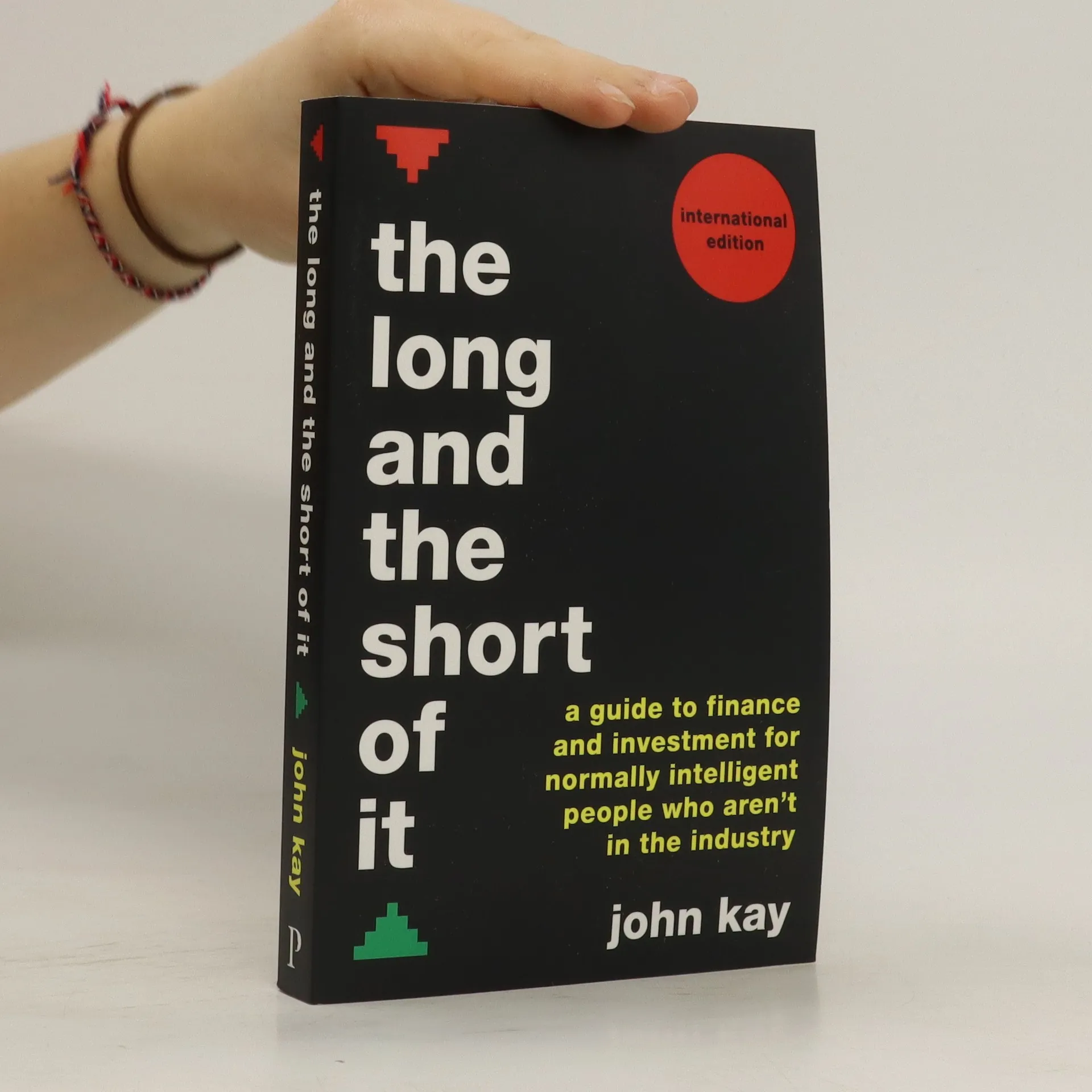
    The long and the short of it : a global guide to finance and investment for those not in the industry
    The Truth About Markets. Why Some Nations are Rich but Most Remain Poor
    • Capitalism faltered at the end of the 1990s as corporations were rocked by fraud, the stock-market bubble burst and the American business model � unfettered self-interest, privatization and low tax � faced a storm of protest. But what are the alternatives to the mantras of market fundamentalism? Leading economist John Kay unravels the truth about markets, from Wall Street to Switzerland, from Russia to Mumbai, examining why some nations are rich and some poor, why �one-size-fits-all� globalization hurts developing countries and why markets can work � but only in a humane social and cultural context. His answers offer a radical new blueprint for the future.

      The Truth About Markets. Why Some Nations are Rich but Most Remain Poor
      3.9
    • Financial Institutions Management

      • 668 pages
      • 24 hours of reading

      Financial Institutions Management 2E takes an innovative approach to managing risk and return in modern financial institutions. The authors provide an authoritative overview of the Australian financial industry, as well as a unique mix of practical global and Australian insights. The text provides students with a perfect blend of practical and theoretical content. Students are equipped with the tools they need for a successful career in the financial services industry. New industry developments such as BASEL II capital adequacy regulations are also included. Alternative and emerging banking practices such as microcredit, Islamic banking and community banks are also covered.

      Financial Institutions Management
      3.5