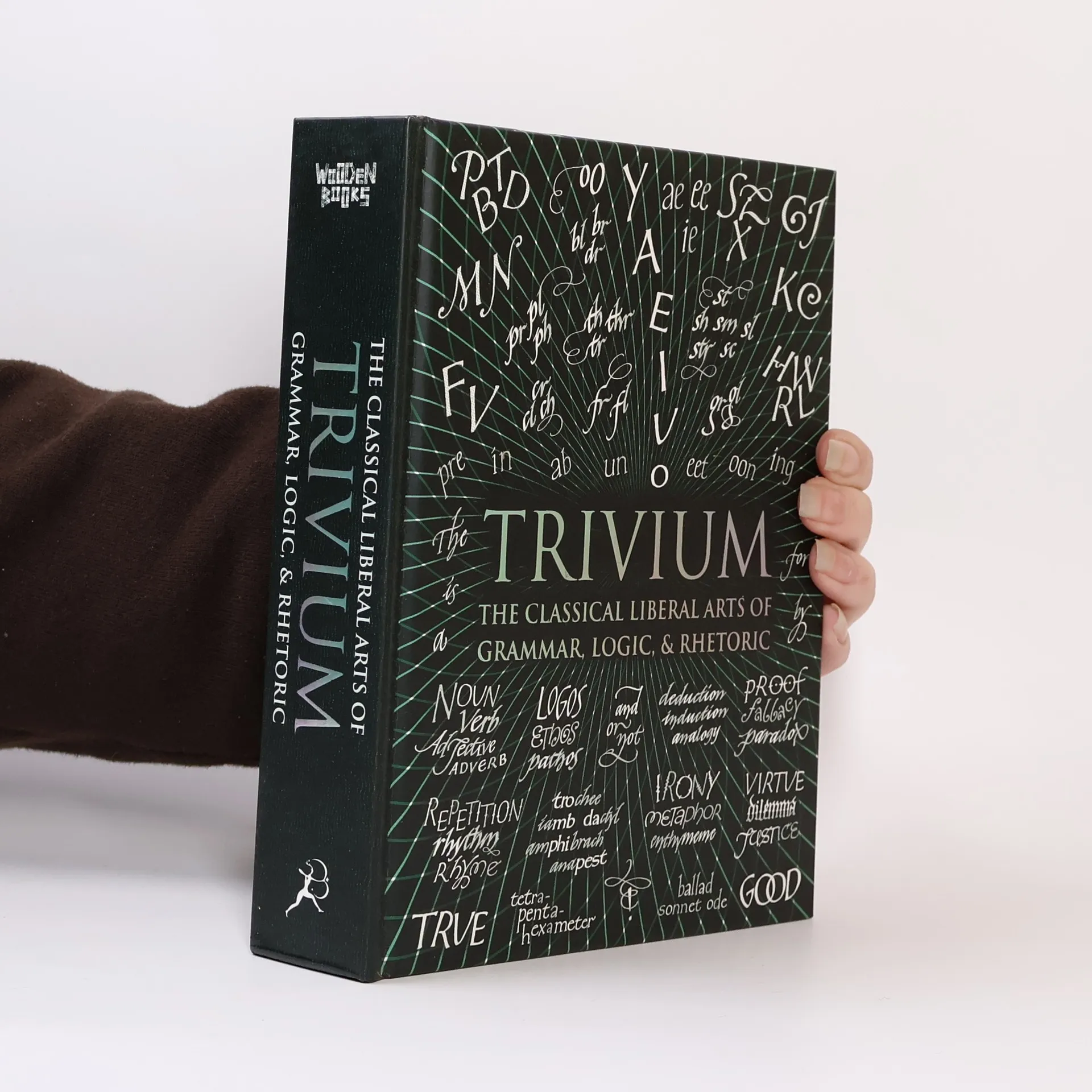
The Trivium are the three Liberal Arts pertaining to language: Grammar, Logic, and Rhetoric, studied from antiquity to the Renaissance as a way of perfecting a speaker and their speech. Also included in this compendium of seven Wooden Books are studies of Euphonics, Poetic Meter and Form, Ethics, and Proverbs.
John Michell Books
John Michell was an English writer whose work delved into profound mysteries, drawing inspiration from thinkers like Plato and Charles Fort. Over a prolific career, he pioneered explorations into sacred geometry, earth mysteries, geomancy, and archaeoastronomy, often examining phenomena that defied conventional explanation. A persistent fascination for Michell was the Shakespearean authorship question, which he approached with a keen analytical style. His influential writings helped to re-enchant landscapes and place the study of strange phenomena, particularly ley lines, firmly on the map.


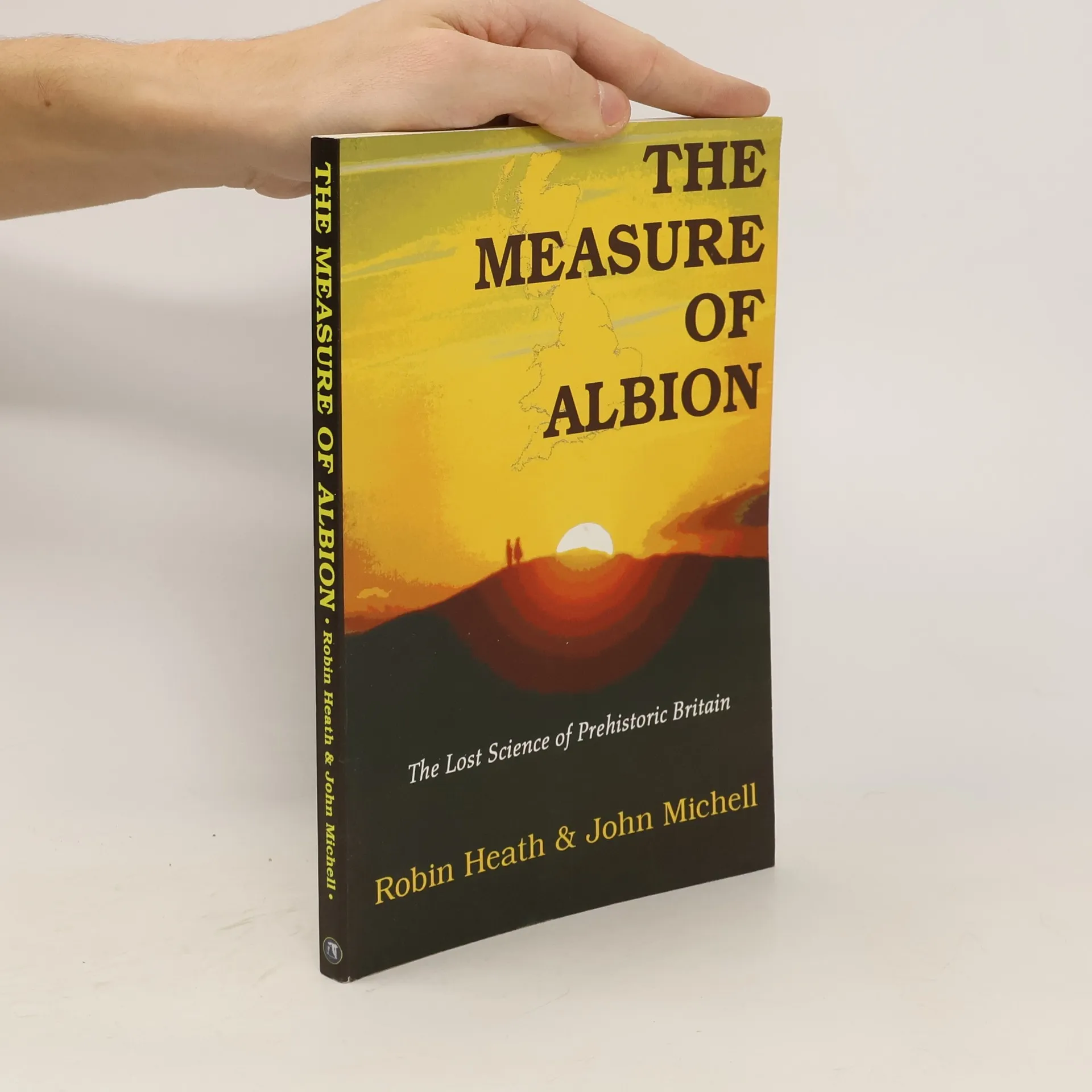
The Measure of Albion
- 144 pages
- 6 hours of reading
Shipped from UK, please allow 10 to 21 business days for arrival. The Measure of The Lost Science of Prehistoric Britain, paperback, x+143pp; b&w frontis; illustrated in b&w; foreword by paul Broadhurst; introduction by john michell; main text arranged into 2 books,( eleven chapters); 6 appendices; index; in pictorial soft card covers; the text contains a small amount of ink and pencil work involving a number of marginal calculations and other markings ( sections of text and calculations being encicled; light to medium shelf wear to covers.
Weather Over Mendoza
- 248 pages
- 9 hours of reading
Adrian Ashton confronts a pivotal moment in his life, where he must navigate personal challenges and revelations that could change everything. As he faces this critical juncture, the story delves into themes of self-discovery and the impact of choices, highlighting Adrian's journey toward understanding his identity and the relationships that shape him. The narrative promises to explore the emotional depth of his experiences as he seeks clarity and direction in a complex world.
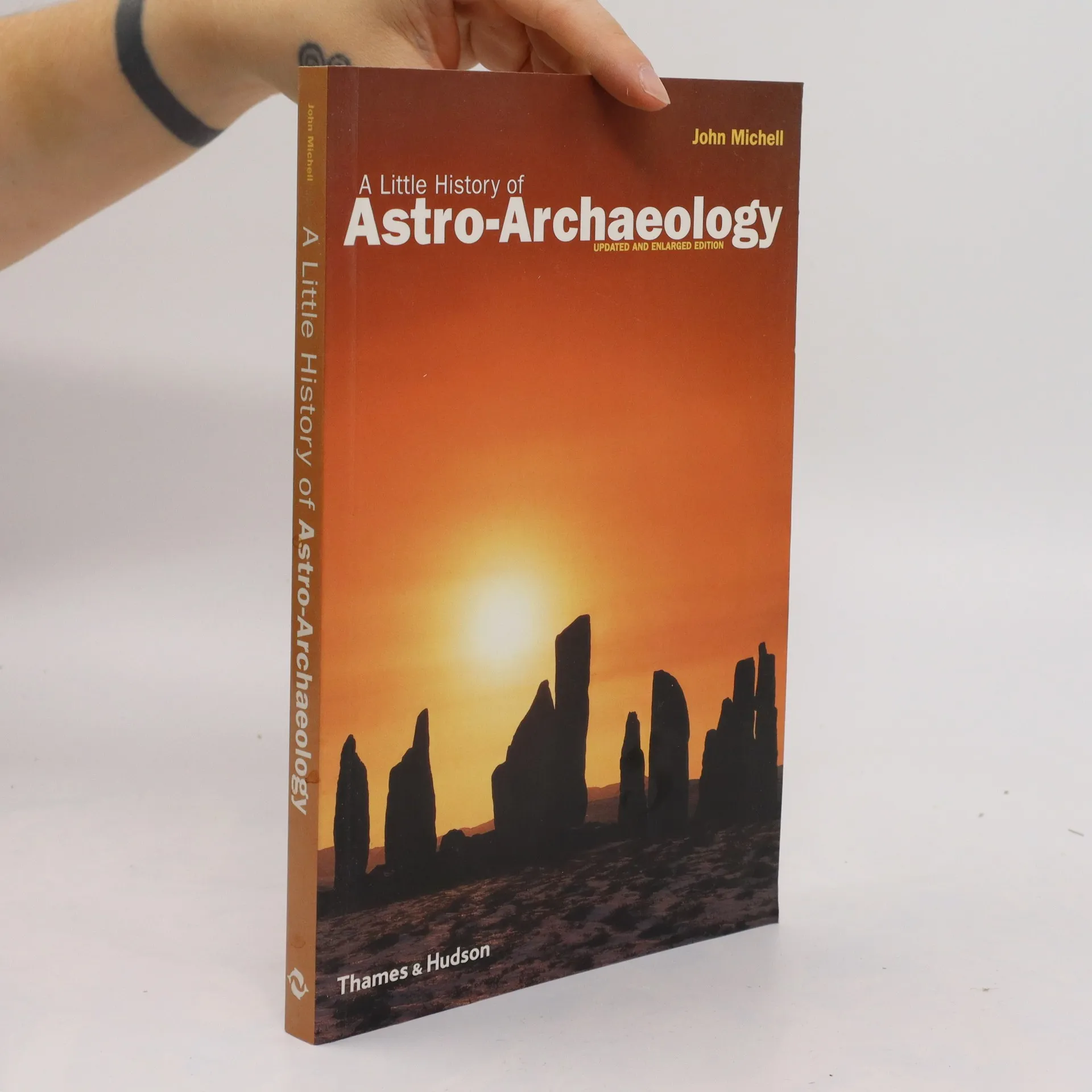
A little history of astro-archaeology : stages in the transformation of a heresy
A little history of astro-archaeology
- 128 pages
- 5 hours of reading
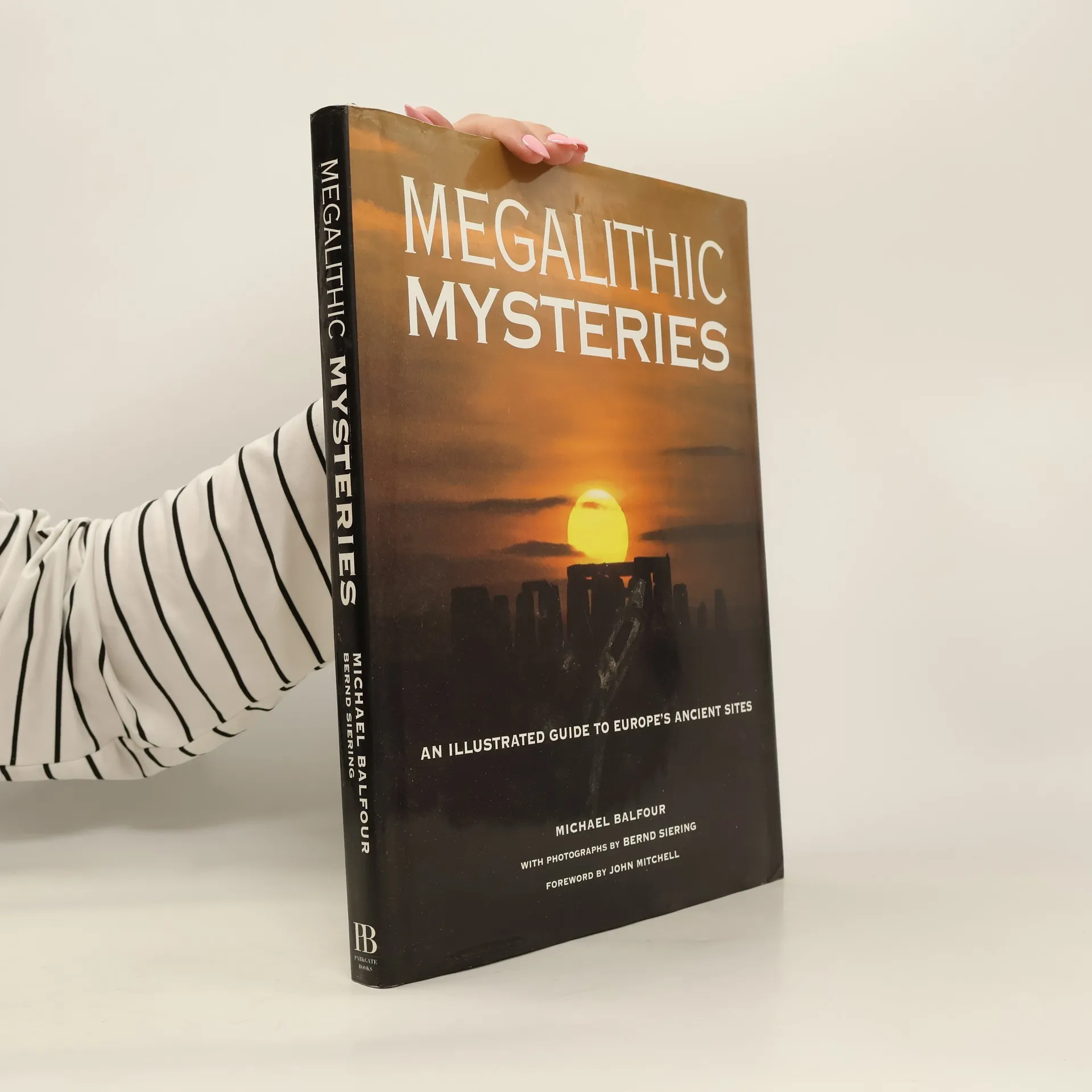
Stonehenge today is a battlefield, not only for police and festivalgoers at midsummer but also for rival camps of archaeologists, astronomers, and other researchers into the mysteries of prehistoric religion and science. Controversy flared up in 1963, when Gerald Hawkins made early use of the computer to identify Stonehenge as an observatory for the sun and moon and an instrument for predicting eclipses. Further studies of megalithic sites by Alexander Thom proved that many of them were also related to the seasonal positions of the heavenly bodies. The study of astro-archaeology has now expanded worldwide, bringing new revelations about the mystical sciences of antiquity. This "little history" summarizes the issues involved in astro-archaeology, and illustrates its principal sites and personalities. Included are recent findings of British scientists, whose records of anomalous levels of natural energies at stone circles are in accordance with the magical reputations of such places in local folklore. The present state of research and the exciting prospects for astro-archaeology in the future are summed up in the final chapter. 97 b/w illustrations. Previously published under the title Secrets of the Stones.
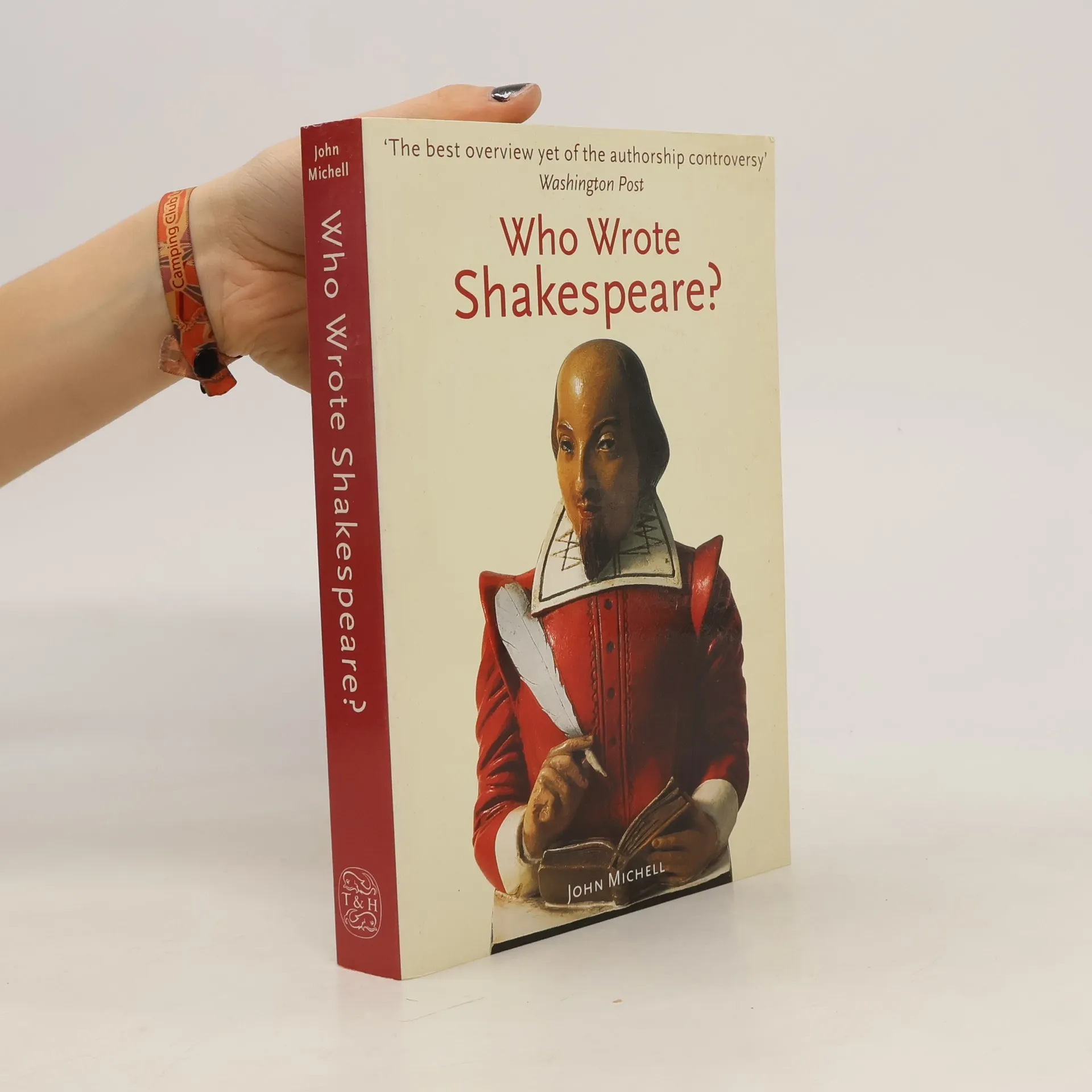
Who Wrote Shakespeare?
- 272 pages
- 10 hours of reading
Was the famous poet and writer really a fraud and plagarist? Was his name really a pseudonym for a well-known contemporary figure?
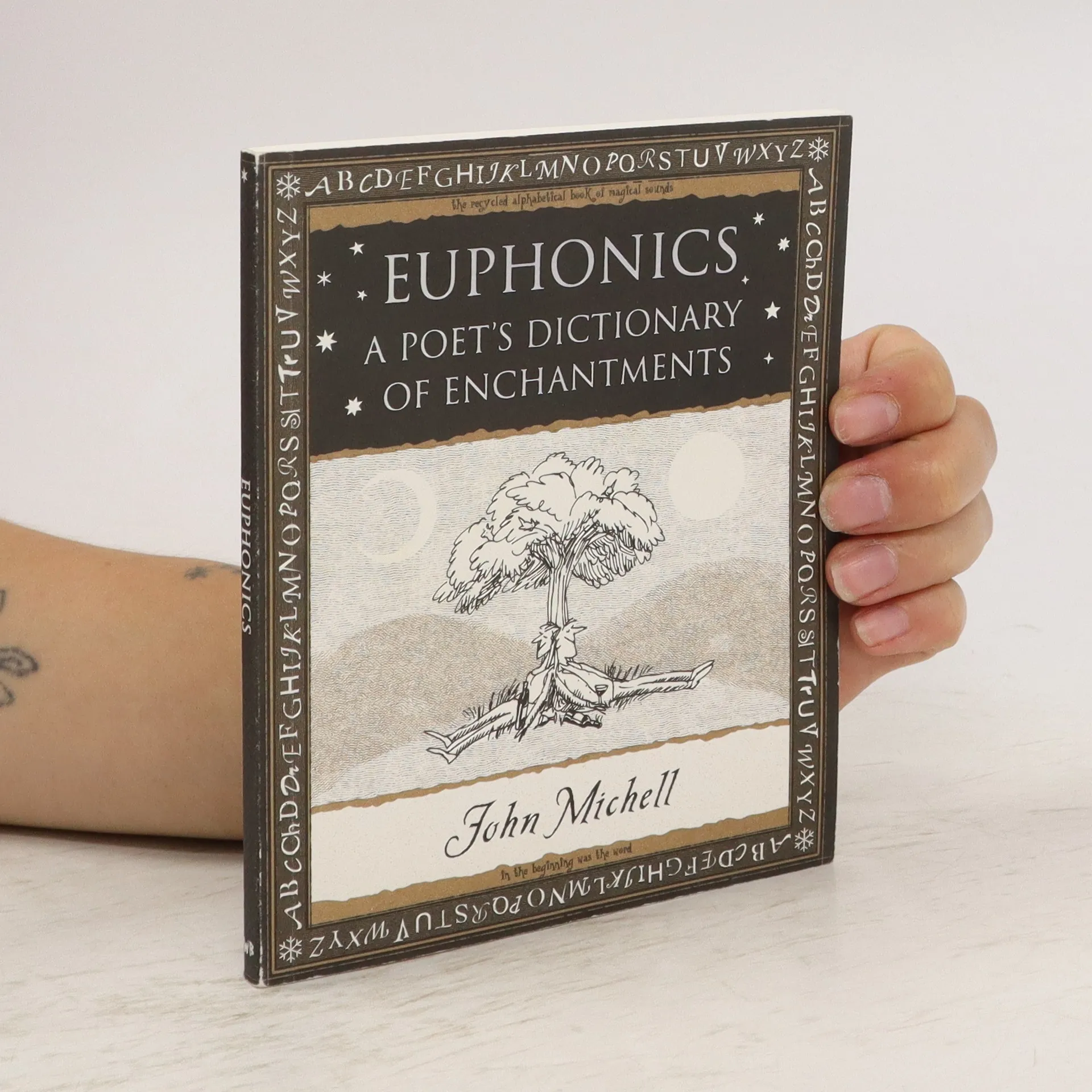
Euphonics
- 64 pages
- 3 hours of reading
Do particular sounds have particular magical effects? Discussing this question, this book talks about the deadly daggers of D, the trivialising teasing taunts of T and the nagging nasal negatives associated with N. It is useful for orators, poets and sorcerers, and is humorously illustrated by Guardian cartoonist, Merrily Harpur.
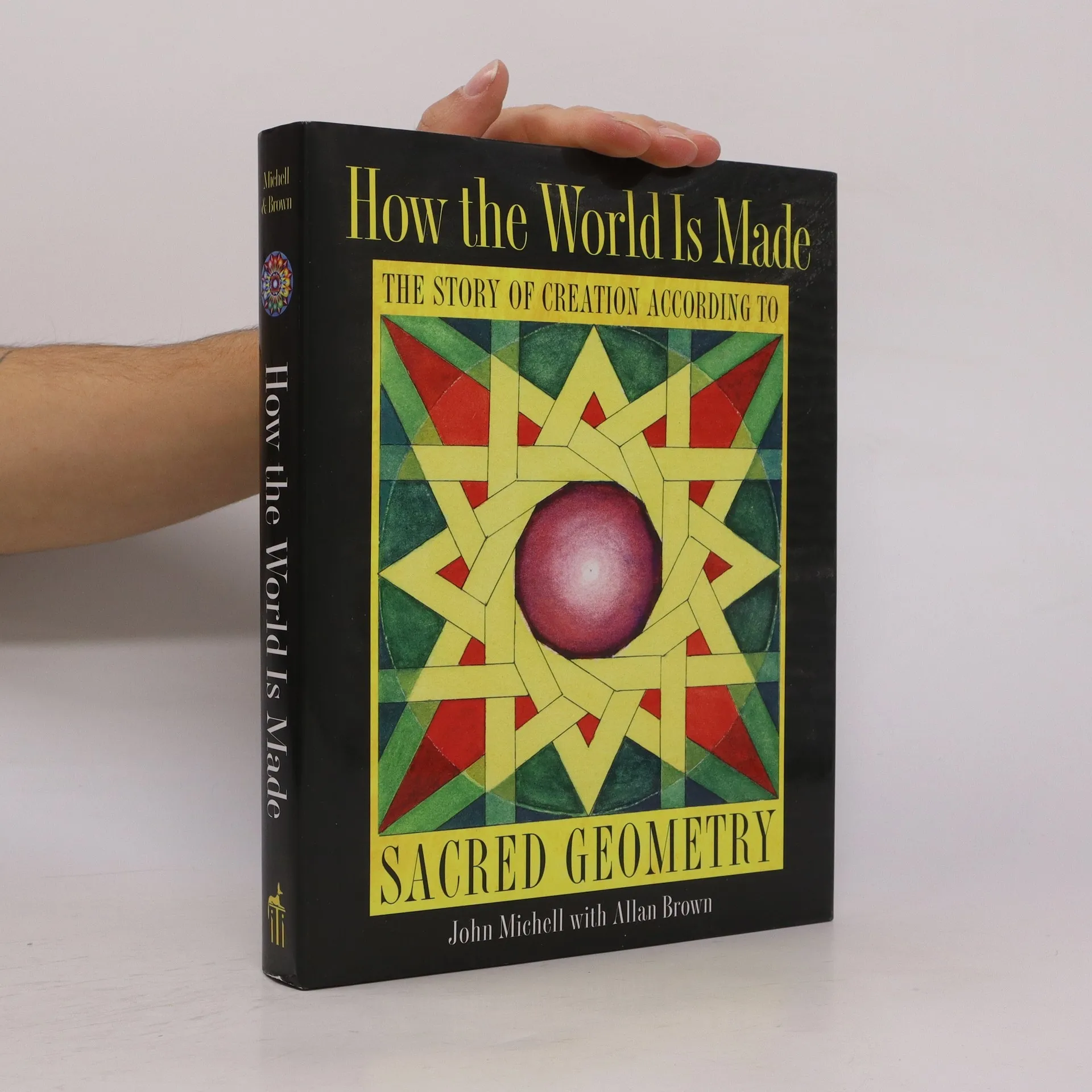
How the World Is Made
- 272 pages
- 10 hours of reading
"Understanding the role of sacred geometry in cosmology and human affairs"--Provided by publisher.
Dublin Zoo
- 406 pages
- 15 hours of reading
The narrative follows Harold Bradshaw's tumultuous journey, highlighting the dramatic rise and fall of his father, Harold's own imprisonment, and a thrilling secretive meeting with the French Resistance during World War II. With a blend of energy and suspense, the story captures the complexities of Harold's life against a backdrop of historical turmoil, making for an engaging and captivating read.
The Far Grass
- 292 pages
- 11 hours of reading
Focusing on the life of Joe Lambert, a British spy, this narrative delves into the psychological complexities of his character during the Cold War era. Rather than a conventional spy thriller, it presents an introspective exploration of his motivations and personality, offering readers a unique perspective on the intricacies of espionage and the personal toll it takes. The first-person storytelling immerses readers in Lambert's experiences and internal struggles, making it a compelling character study set against a tense historical backdrop.