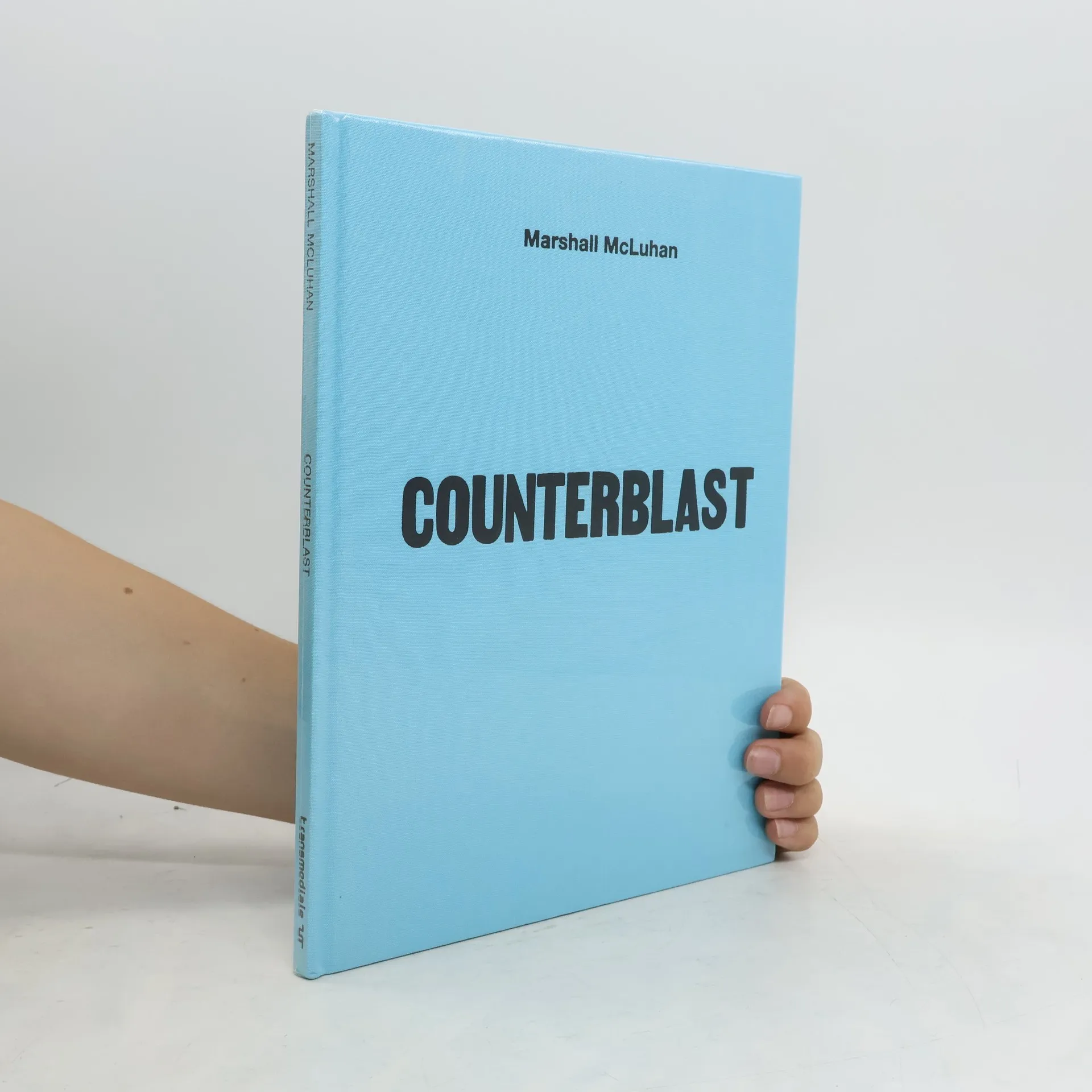
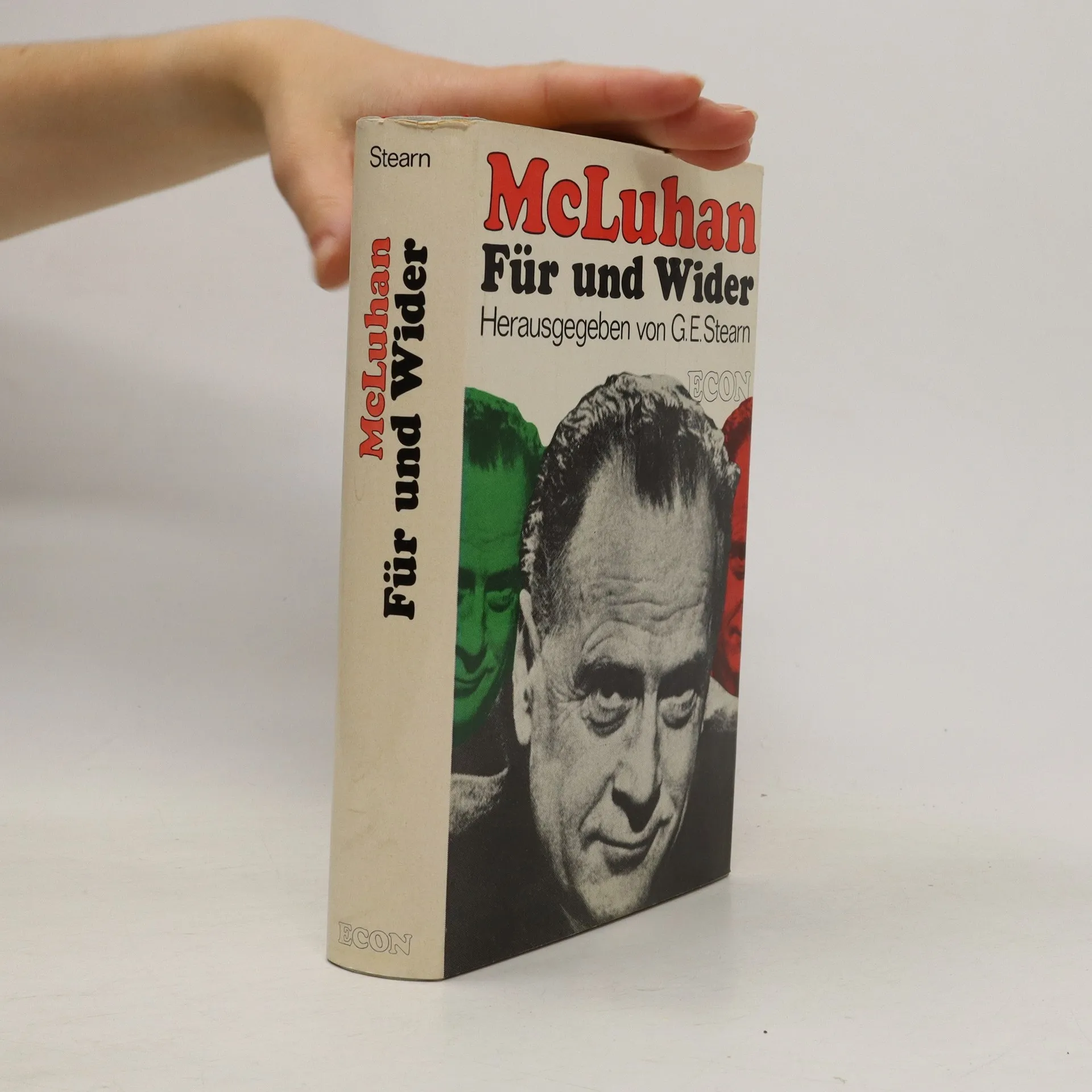
Die »Verlorenen Tetraden«, die nun erstmals in deutscher Übersetzung vorliegen, dokumentieren den verschlungenen Entstehungsprozess der »Laws of Media«. Zwei Jahre vor seinem Tod gibt Eric McLuhan hier die Typoskripte originalgetreu wieder und ermöglicht so einen bemerkenswerten Einblick in die Denk- und Arbeitsweise seines Vaters
Marshall McLuhan Book order (chronological)
July 21, 1911 – December 31, 1980
Canadian thinker Herbert Marshall McLuhan is a foundational figure in media theory. His work, rooted in philosophy and literary criticism, explores the impact of communication technologies on society. McLuhan is renowned for coining seminal concepts like "the medium is the message" and the "global village," which continue to shape our understanding of the modern world.




Eric McLuhan and the Media Ecology in the XXI Century
- 132 pages
- 5 hours of reading
Im letzten Vortrag vor seinem plötzlichen Tod im Jahr 2018 gelang es Eric McLuhan, Sohn Marshall McLuhans, auf eindrückliche Weise sowohl die Positionen als auch Perspektiven einer bereits mehrere Jahrzehnte umfassenden interdisziplinären und internationalen ›Media Ecology‹ miteinander zu verknüpfen. Dieses Forschungsfeld thematisiert Medien nicht primär in einer eher traditionellen beziehungsweise konservativen Funktion als Vermittler von Informationen, sondern fokussiert bewusst die materielle und technologische Anwesenheit und Form von Medien innerhalb einer Kultur und betrachtet deren Einfluss auf Psyche und Verhalten von Individuen innerhalb mediatisierter Gesellschaften. Der Band möchte einen Raum schaffen für die Fortschreibung des McLuhan'sches Denkens im Kontext einer (post-)modernen ›Media Ecology‹. Inhaltlich flankiert wird Eric McLuhans hier erstmals im deutschsprachigen Diskurs publizierter Vortrag durch Beiträge von Oliver Ruf und Tobias Held sowie durch ein von Lars C. Grabbe geführtes Interview mit Eric McLuhans Sohn Andrew McLuhan.
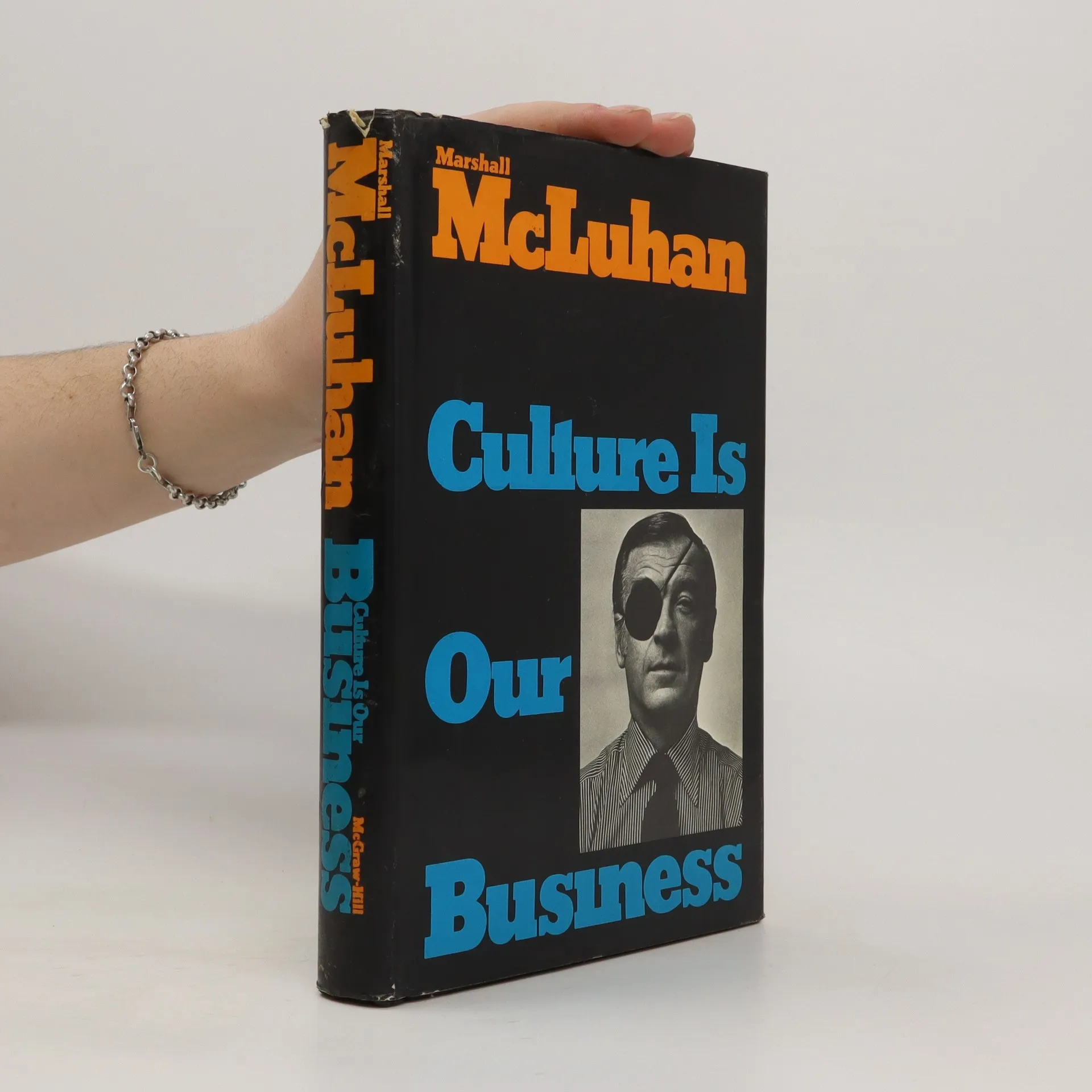
Culture Is Our Business
- 336 pages
- 12 hours of reading
Culture Is Our Business is Marshall McLuhan's sequel to The Mechanical Bride: Folklore of Industrial Man. Returning to the subject of advertising newly armed with the electric sensibility that informed The Gutenberg Galaxy, Understanding Media, and The Medium Is the Massage, McLuhan takes on the mad men (a play on the ad men of Madison Avenue) of the sixties. Approaching commercial messages as unacknowledged art forms and cultural artifacts, McLuhan delivers a series of probes that pick apart their meanings and underlying values, their paradoxes and paralogisms, and their overt function as persuasion and propaganda. Through humor, satire, and a poetic sensibility, he provides us with a serious exploration of the consumer culture that emerged out of the electronic media environment. In keeping with the participatory ethos of the Internet that McLuhan so clearly anticipated, this is a book that is meant to open the door to further study, reflection, and discussion, and to encourage the development of critical reception on the part of the reader.
"Medien Verstehen" von McLuhan ist ein wegweisendes Werk des 20. Jahrhunderts, das die Rolle der Kommunikationsmedien in der Geschichte neu interpretiert. Es kritisiert die westliche Sichtweise, die Medien ignoriert, und fordert zur Auseinandersetzung mit den Auswirkungen von Technologien auf den "kreativen Wissensprozess" auf.
Vergessen Sie alles, was Sie je über Medien gehört haben und machen Sie sich auf ein Abenteuer gefasst. Marshall McLuhan wird Ihr Denken so durcheinanderwirbeln, dass es in keine Schublade mehr passt. Wagen Sie eine Reise mit ihm durch die 'Gutenberg-Galaxis' und das 'globale Dorf' und entscheiden Sie selbst, welches Ihr bevorzugter McLuhan ist – der eklektisch-elektrische Historiker? Der häretisch-anarchistische Philosoph? Oder einfach der unangefochtene Gott der Medienforschung? absolute Marshall McLuhan präsentiert seine wichtigsten Texte in deutscher Übersetzung. Zusätzlich enthält der Band einen Essay von seinem Biografen Philip Marchand, der erklärt, wie McLuhan zum Star der Postmoderne wurde, der sogar einen Auftritt in Woody Allens Stadtneurotiker hat, sowie das legendäre Playboy-Interview mit McLuhan aus dem Jahr 1969. Absolut exzentrisch. Absolut unterhaltsam. Absolut aktuell.
The Classical Trivium: The Place of Thomas Nashe in the Learning of His Time
- 276 pages
- 10 hours of reading
Exploring the intricacies of the classical trivium, this unpublished work by a young Marshall McLuhan serves as a cultural history that delves into literary education. It offers a detailed examination of grammar, dialectic, and rhetoric, revealing their vital roles in classical learning. Through a close reading of Elizabethan writer Thomas Nashe, McLuhan uncovers the connections between various literary traditions from Cicero to the sixteenth century, laying the groundwork for his later media theories.
Themes and Movements: Pop
- 304 pages
- 11 hours of reading
Exploring the evolution of Pop culture from the late 1950s to the late 1960s, this comprehensive survey examines its impact on art, film, photography, and architecture, highlighting the interplay between mass production and mass media. Unlike other works that focus solely on Pop art, it offers a holistic view of the movement's influence across America, Britain, and Europe, showcasing its diverse manifestations and cultural significance during this transformative era.
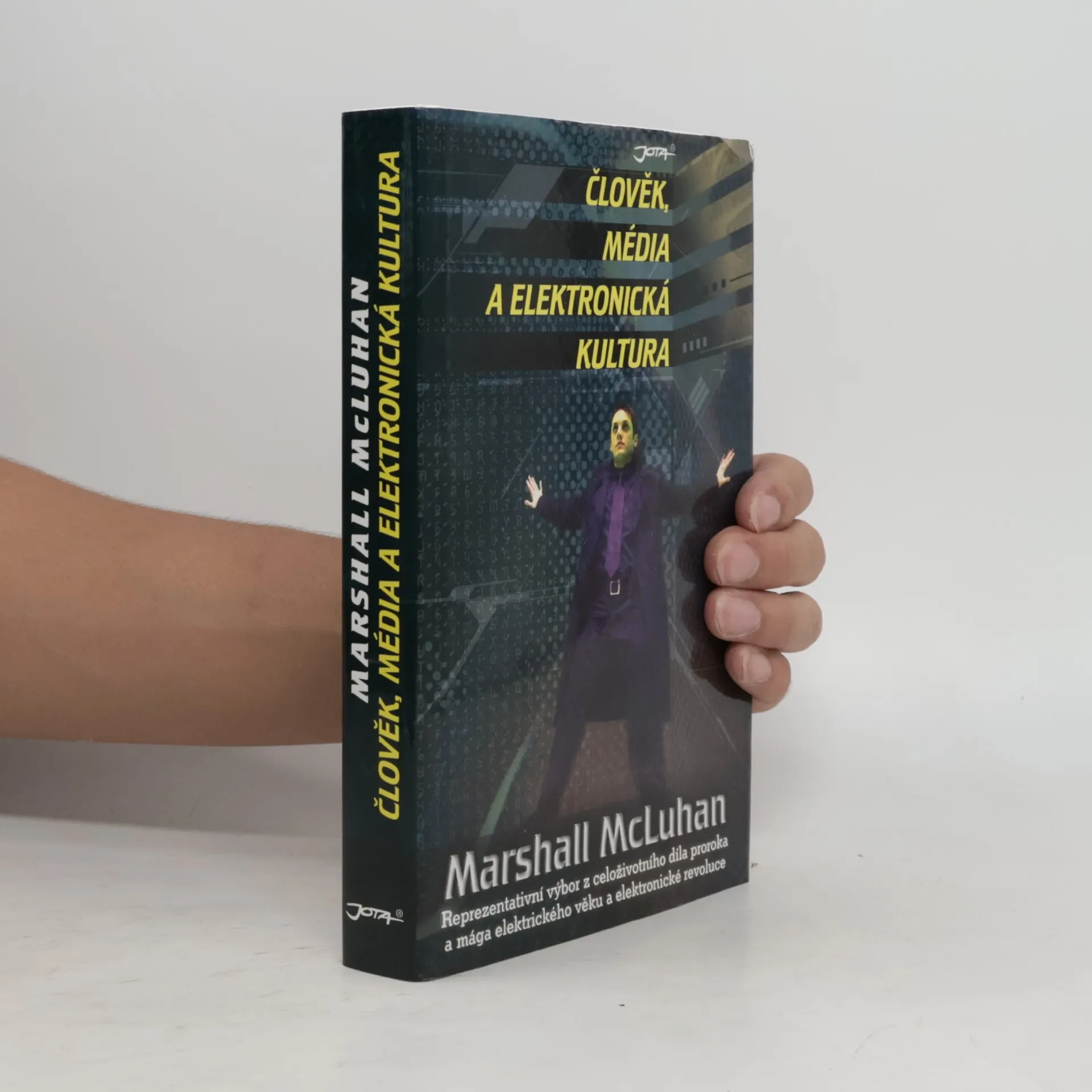
Člověk, média a elektronická kultura. Výbor z díla
- 415 pages
- 15 hours of reading
Kniha proslulého kanadského teoretika médií a sociologa kultury Marshalla McLuhana (1911-1980) přináší reprezentativní výbor z jeho celoživotního díla, zaměřeného na analýzu masové elektronické kultury a komunikačních médií. McLuhan, obdivně i hanlivě nazývaný „apologetem elektronické kultury", převratně definoval povahu i funkci médií a zvláště sledoval, jak nástup a rozvoj elektronické technologie radikálně proměňuje psychosociální podmínky života a vůbec způsob lidského myšlení.
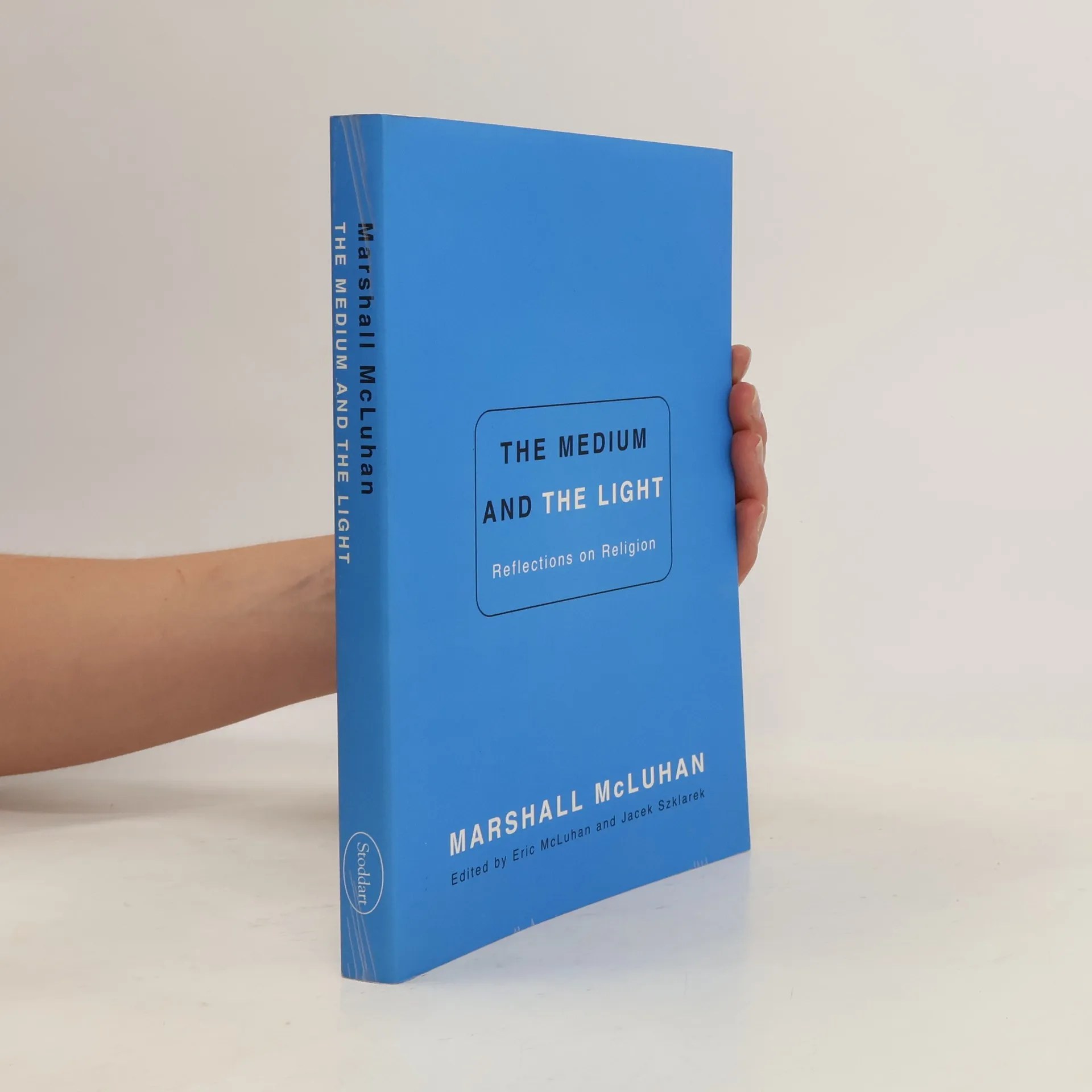
The Medium and the Light
Reflections on Religion
Marshall McLuhan was a Roman Catholic with a profound understanding of the traditions of the Church and of Catholic doctrine. This book is a collection of material extracted from McLuhan's many scattered remarks, essays and various writings on religion. It is a powerful expose of his brilliant insights into theology, the Church and the Global Village and shows the deeply Christian side of a man considered by many to be one of the most important thinkers of our time.
Die mechanische Braut
- 360 pages
- 13 hours of reading
Dies ist eines von Marshall McLuhans klassischen Büchern über die Auswirkungen industrieller Produkte und Ideen auf die Allgemeinheit.
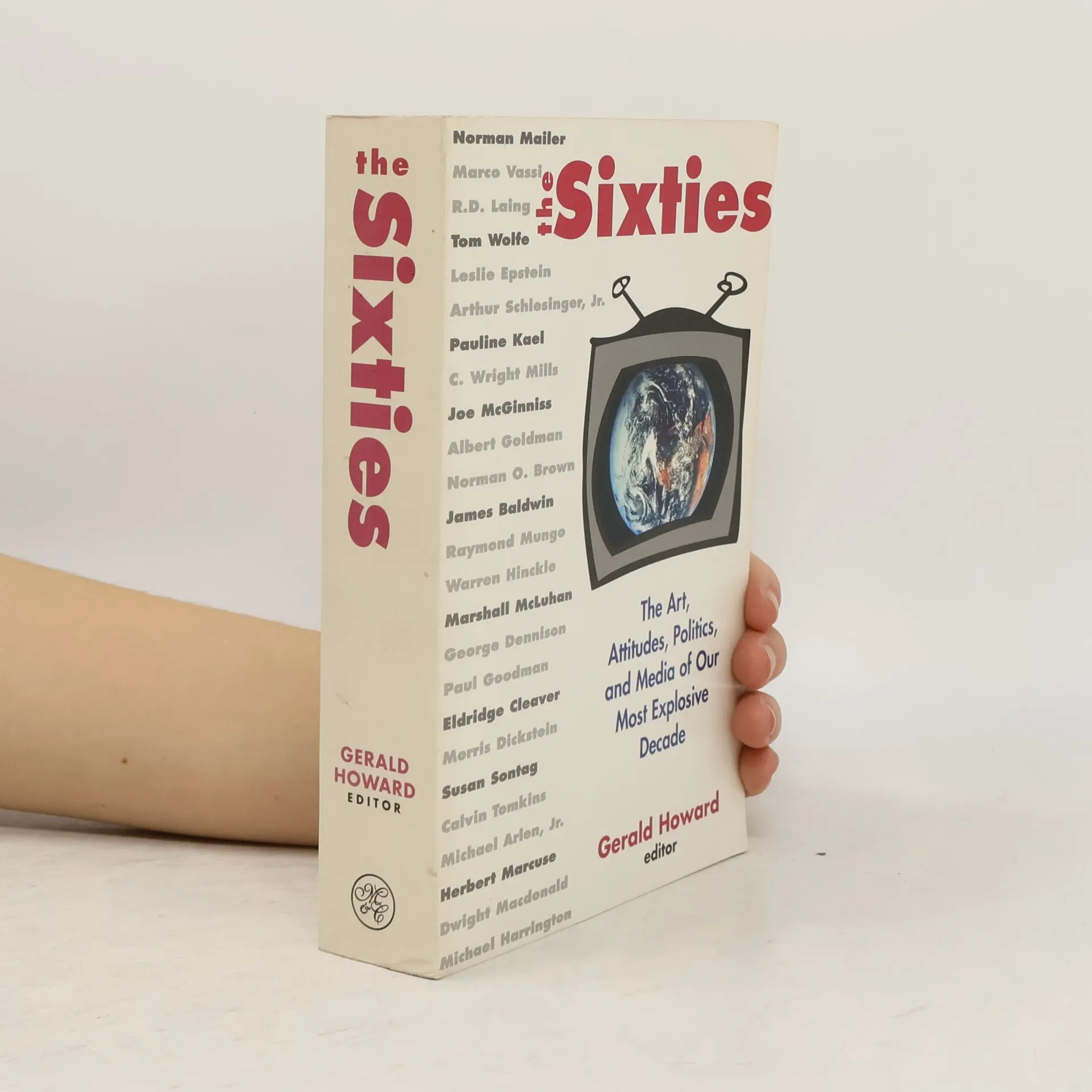
Gathers essays written during the sixties by such people as Norman Mailer, Marshall McLuhan, Tom Wolfe, Eldridge Cleaver, and others about the changes in art, politics, and the media during that decade
The Global Village
Transformations in World Life and Media in the 21st Century
- 240 pages
- 9 hours of reading
Presents a model for studying the structural impact of video-related technologies on global society.
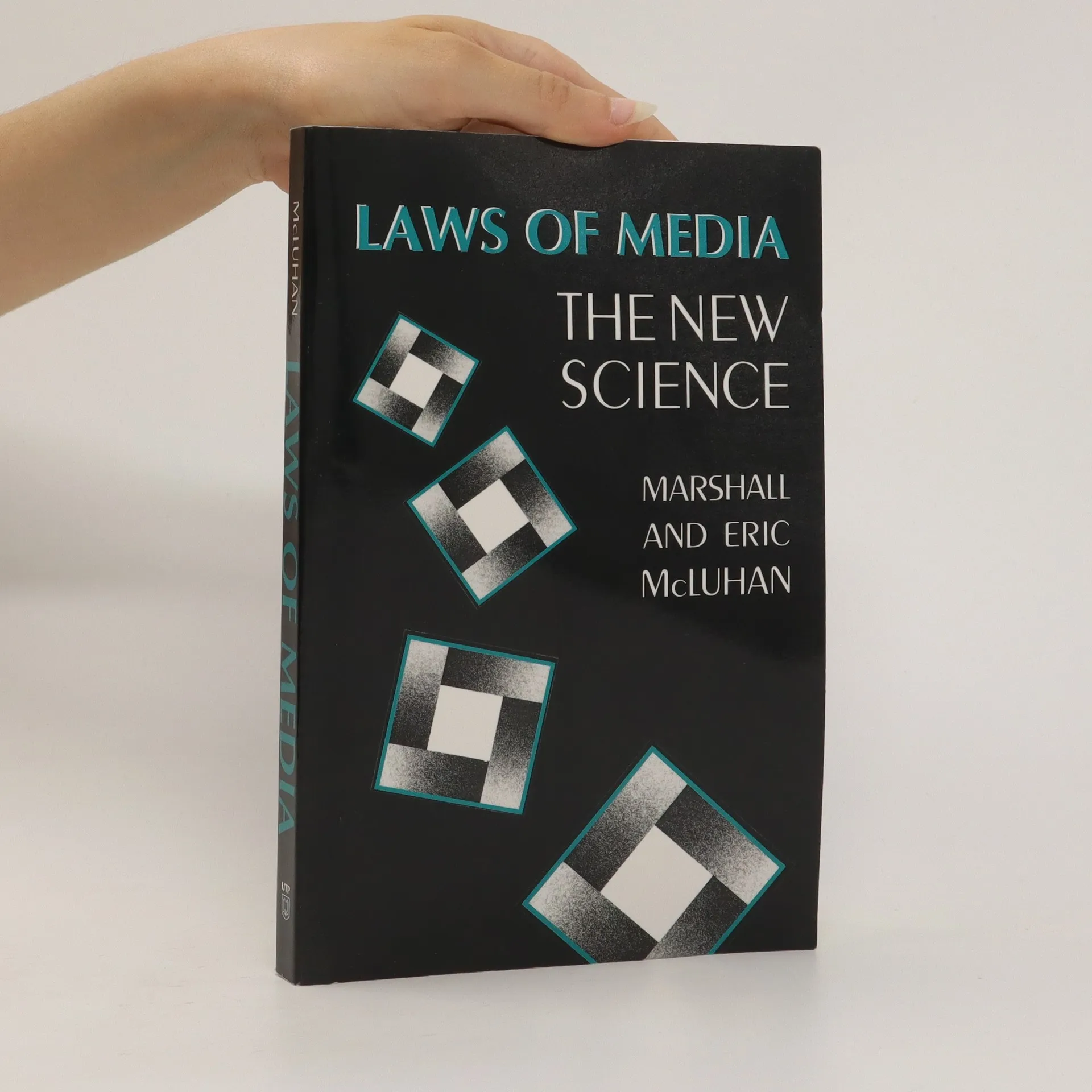
Laws of media: the new science
- 252 pages
- 9 hours of reading
Marshall McLuhan is celebrated as one of Canada's most original thinkers, with works like The Gutenberg Galaxy and Understanding Media establishing his global reputation and influencing our grasp of modern communication. In his later years, he collaborated with his son, Eric McLuhan, on a 'unified field' theory of human culture. This collaboration aims to retrieve an ancient understanding of the world, rooted in the power of 'logos' and its role in shaping culture and media. They argue that the invention of the alphabet led to a preference for visual conceptualizations over acoustic ones, exploring the differences between the brain's hemispheres and employing Gestalt theories to define media. The term 'media,' central to McLuhan's thought, is examined broadly, encompassing all human creations—artefacts, ideas, and innovations, from computer programs to everyday objects. The McLuhans introduce a tetrad of four questions applicable to any artefact or idea: What does it enhance? What does it render obsolete? What does it retrieve? What does it produce when pushed to extremes? Each human innovation answers these questions, and those that do not are not considered products of human creativity. Their laws provide a new scientific foundation for media studies, enabling prediction and encompassing all human activities. This New Science redefines our understanding of human creation and offers a vision for reshaping the future.
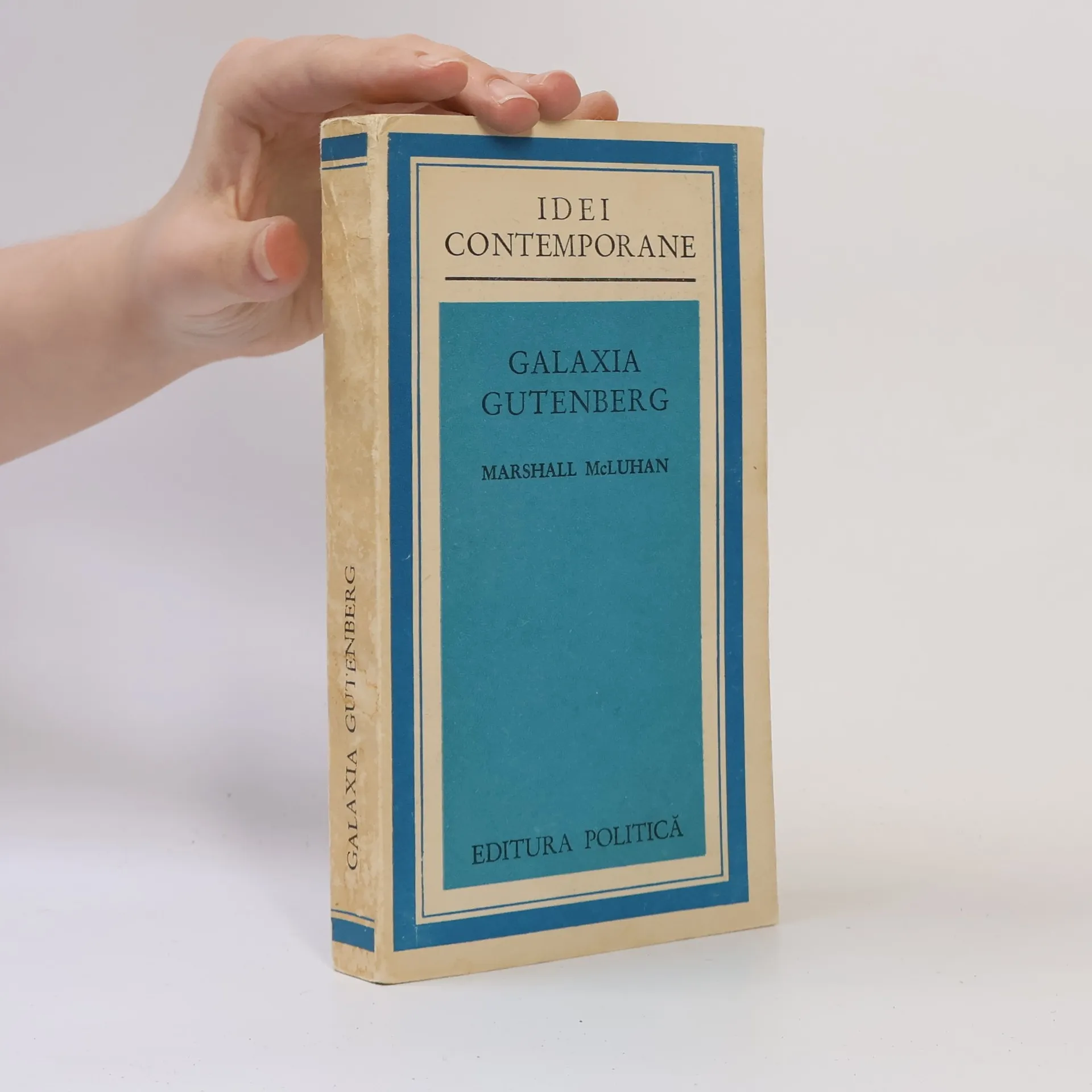
The Gutenberg Galaxy
- 331 pages
- 12 hours of reading
Presents McLuhan's predictions of dramatic technological innovations that have changed how we communicate.
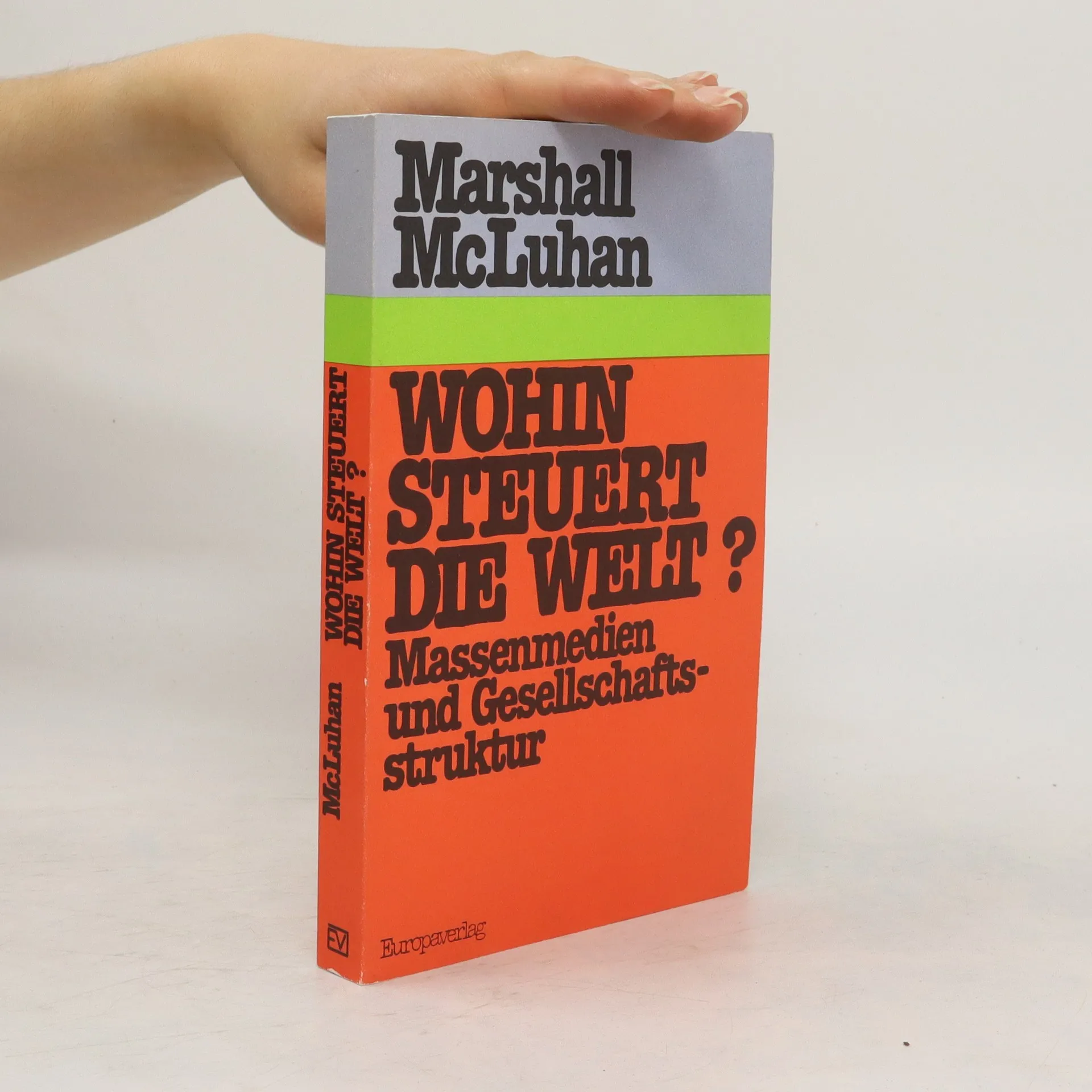
Wohin steuert die Welt?
- 258 pages
- 10 hours of reading
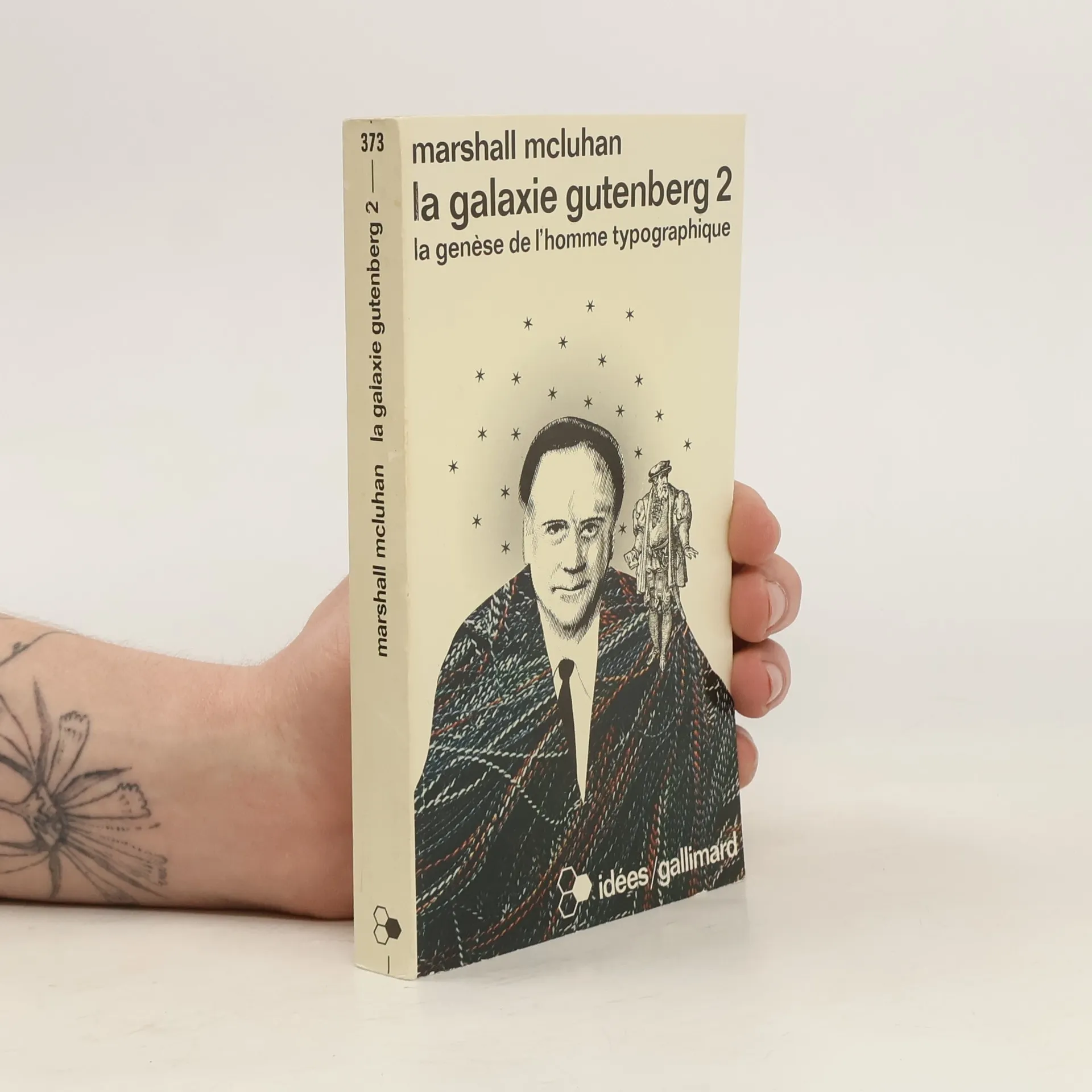
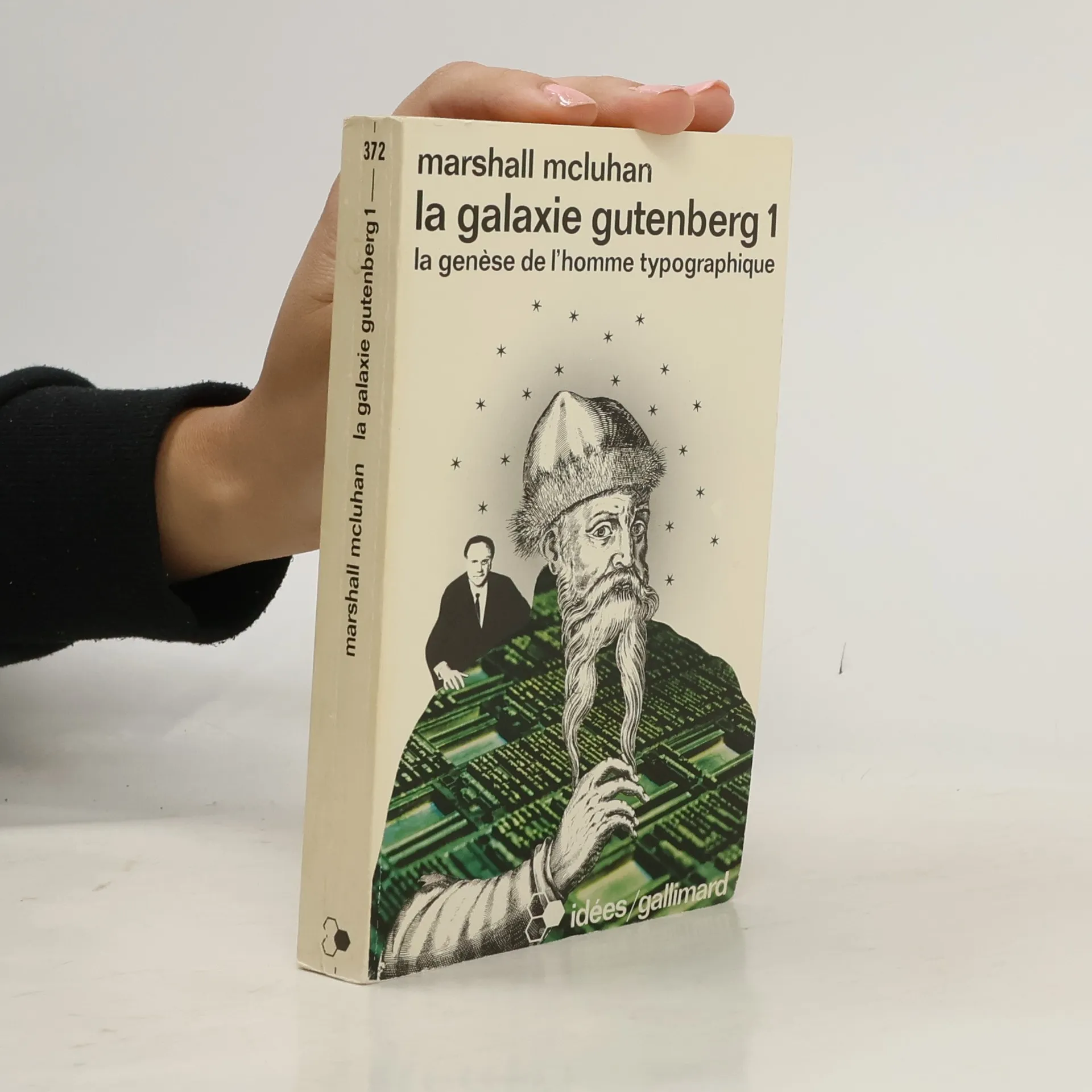
La Galaxie Gutenberg 1
- 282 pages
- 10 hours of reading
Since its first appearance in 1962, the impact of The Gutenberg Galaxy has been felt around the world. It gave us the concept of the global village; that phrase has now been translated, along with the rest of the book, into twelve languages, from Japanese to Serbo-Croat. It helped establish Marshall McLuhan as the original 'media guru.' More than 200,000 copies are in print. The reissue of this landmark book reflects the continuing importance of McLuhan's work for contemporary readers.
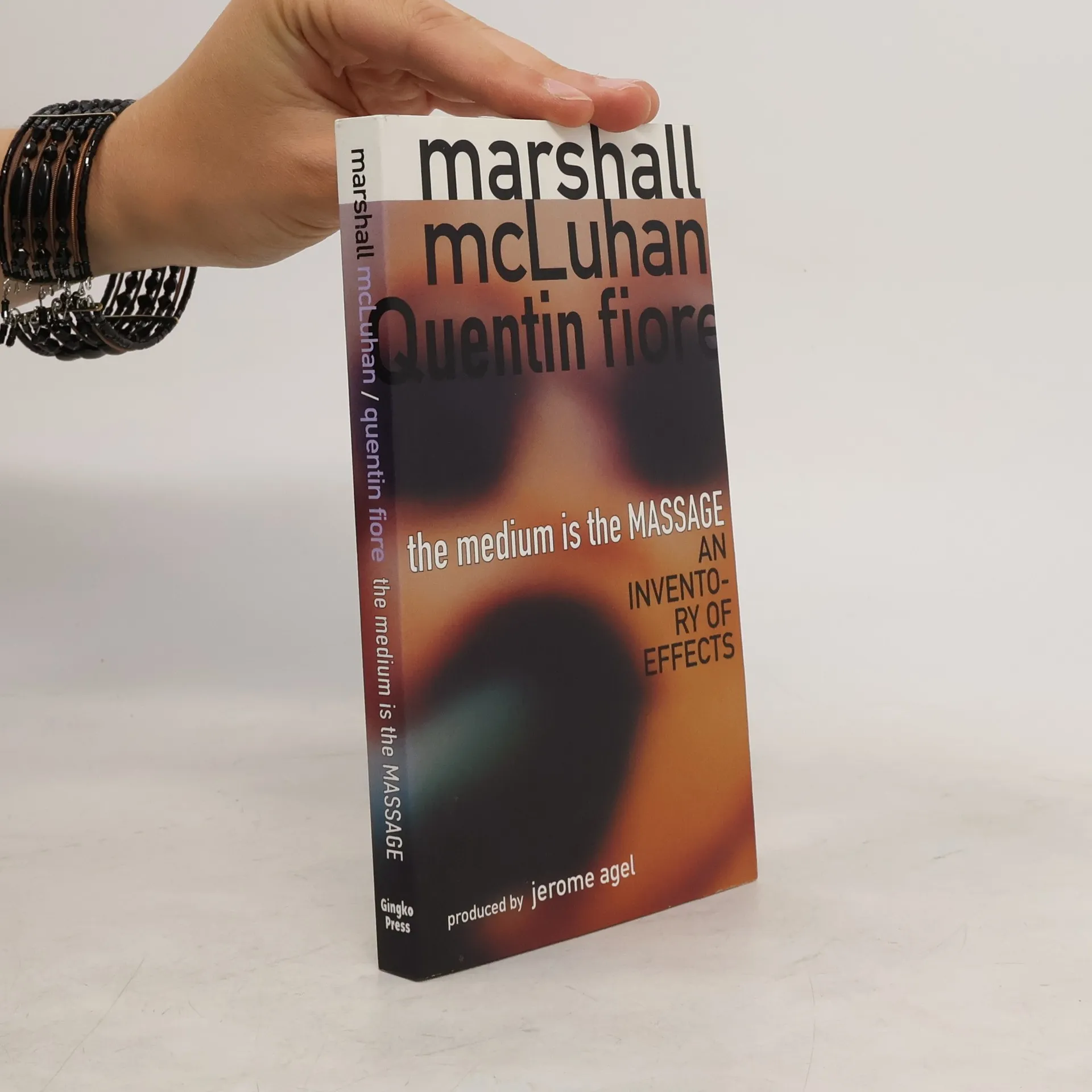
The Medium is the Massage
- 160 pages
- 6 hours of reading
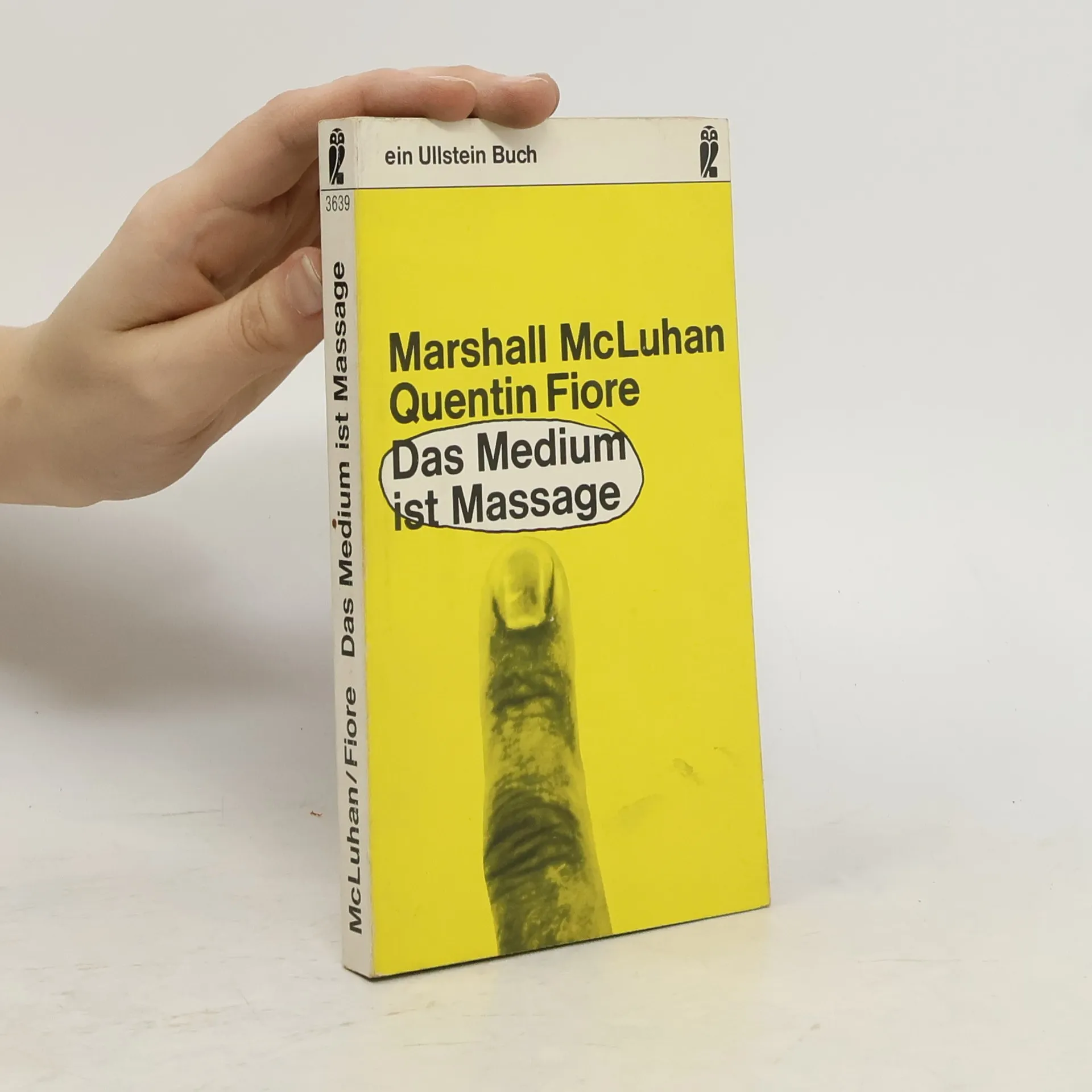
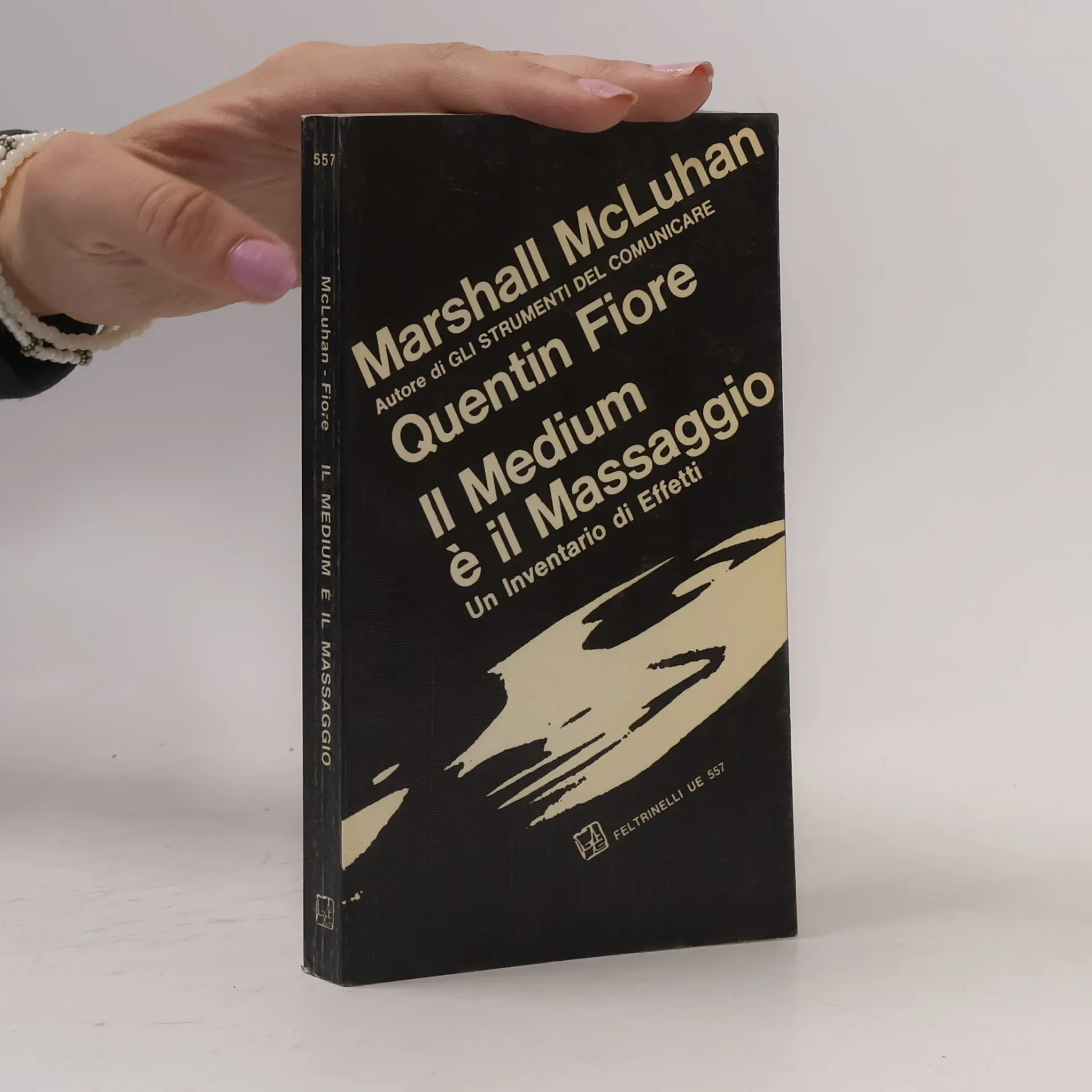
The Medium is the Massage is Marshall McLuhan's most condensed, and perhaps most effective, presentation of his ideas. Using a layout style that was later copied by Wired, McLuhan and coauthor/designer Quentin Fiore combine word and image to illustrate and enact the ideas that were first put forward in the dense and poorly organized Understanding Media. McLuhan's ideas about the nature of media, the increasing speed of communication, and the technological basis for our understanding of who we are come to life in this slender volume. Although originally printed in 1967, the art and style in The Medium is the Massage seem as fresh today as in the summer of love, and the ideas are even more resonant now that computer interfaces are becoming gateways to the global village.
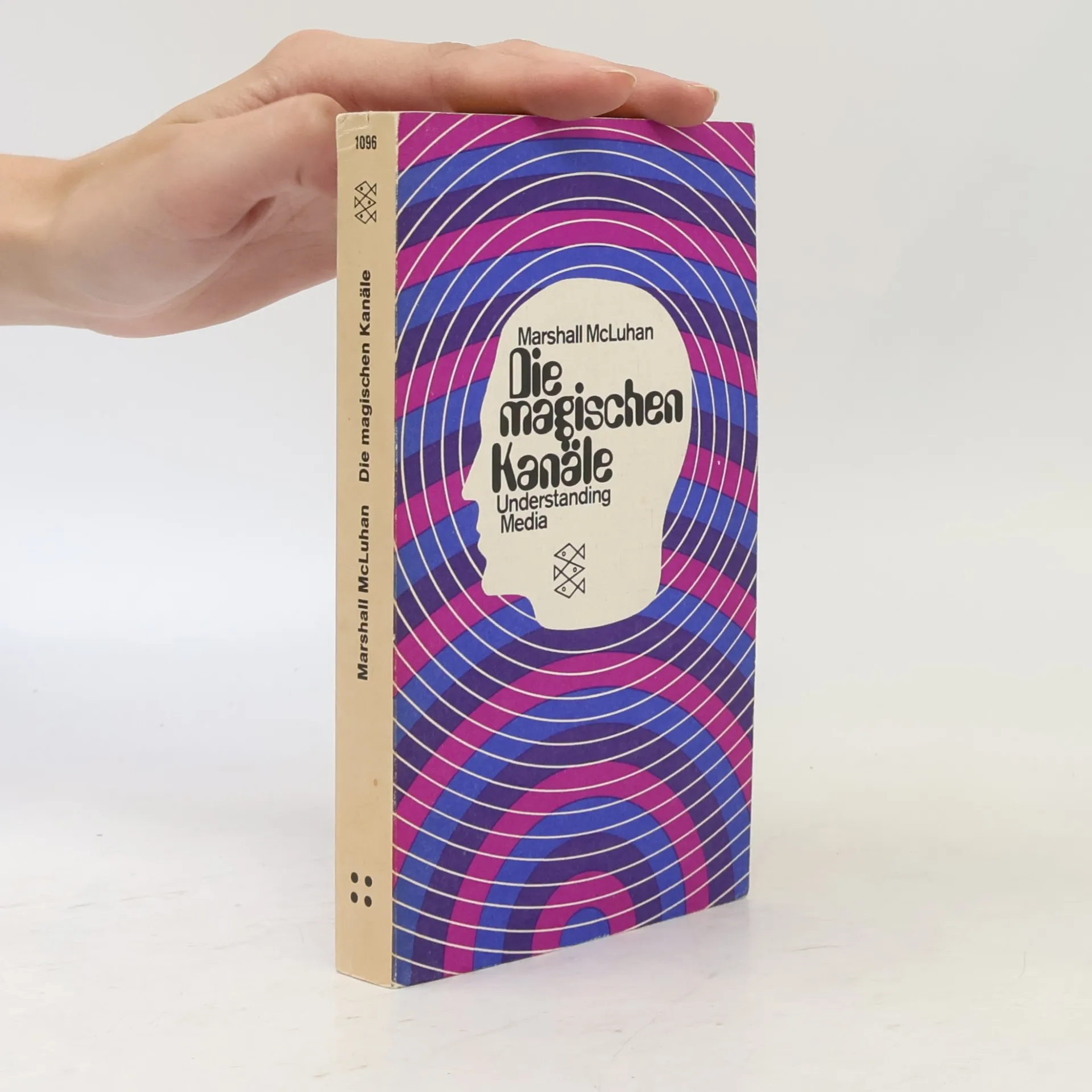
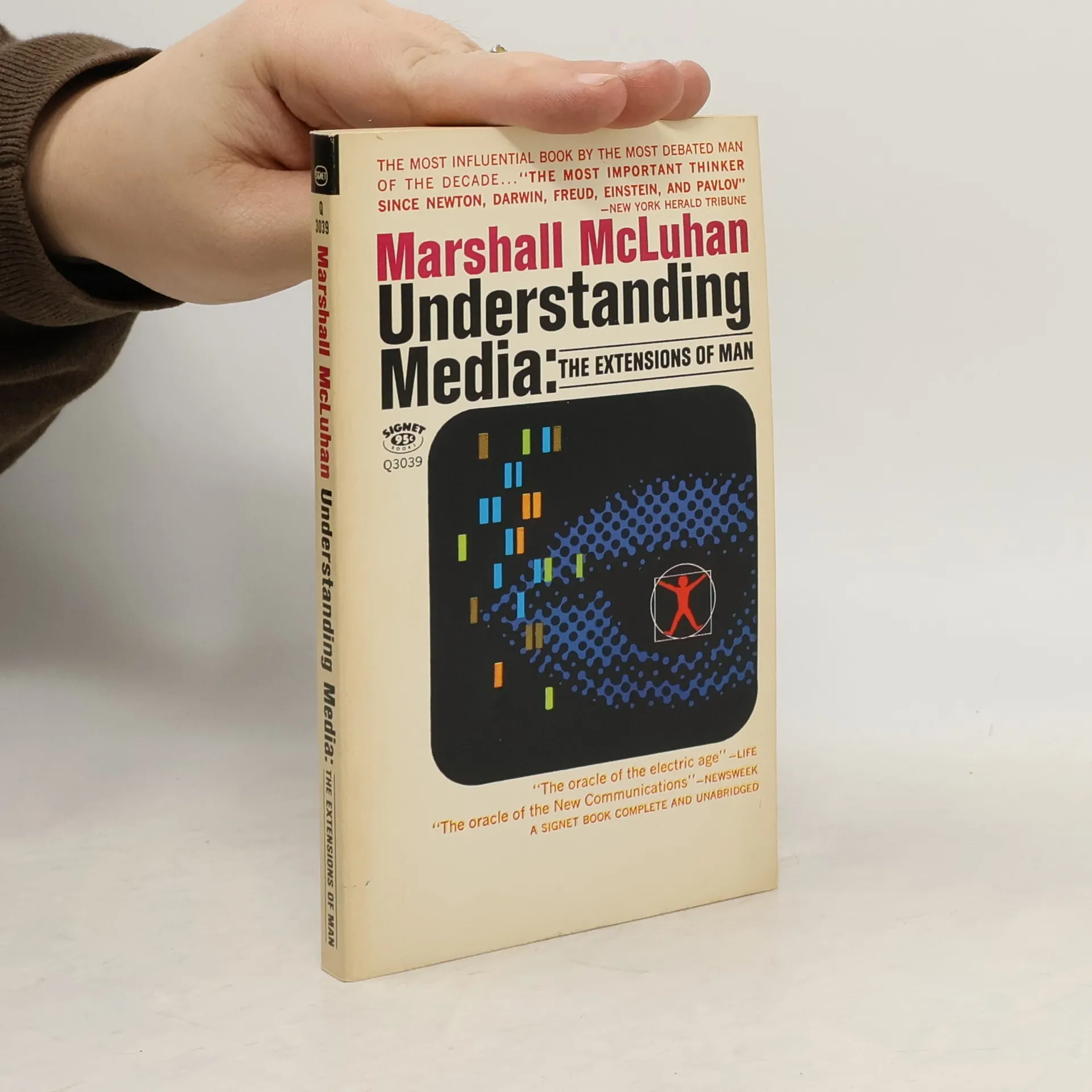
Understanding Media
The extensions of man
This reissue of Understanding Media marks the thirtieth anniversary (1964-1994) of Marshall McLuhan's classic expose on the state of the then emerging phenomenon of mass media. Terms and phrases such as "the global village" and "the medium is the message" are now part of the lexicon, and McLuhan's theories continue to challenge our sensibilities and our assumptions about how and what we communicate.