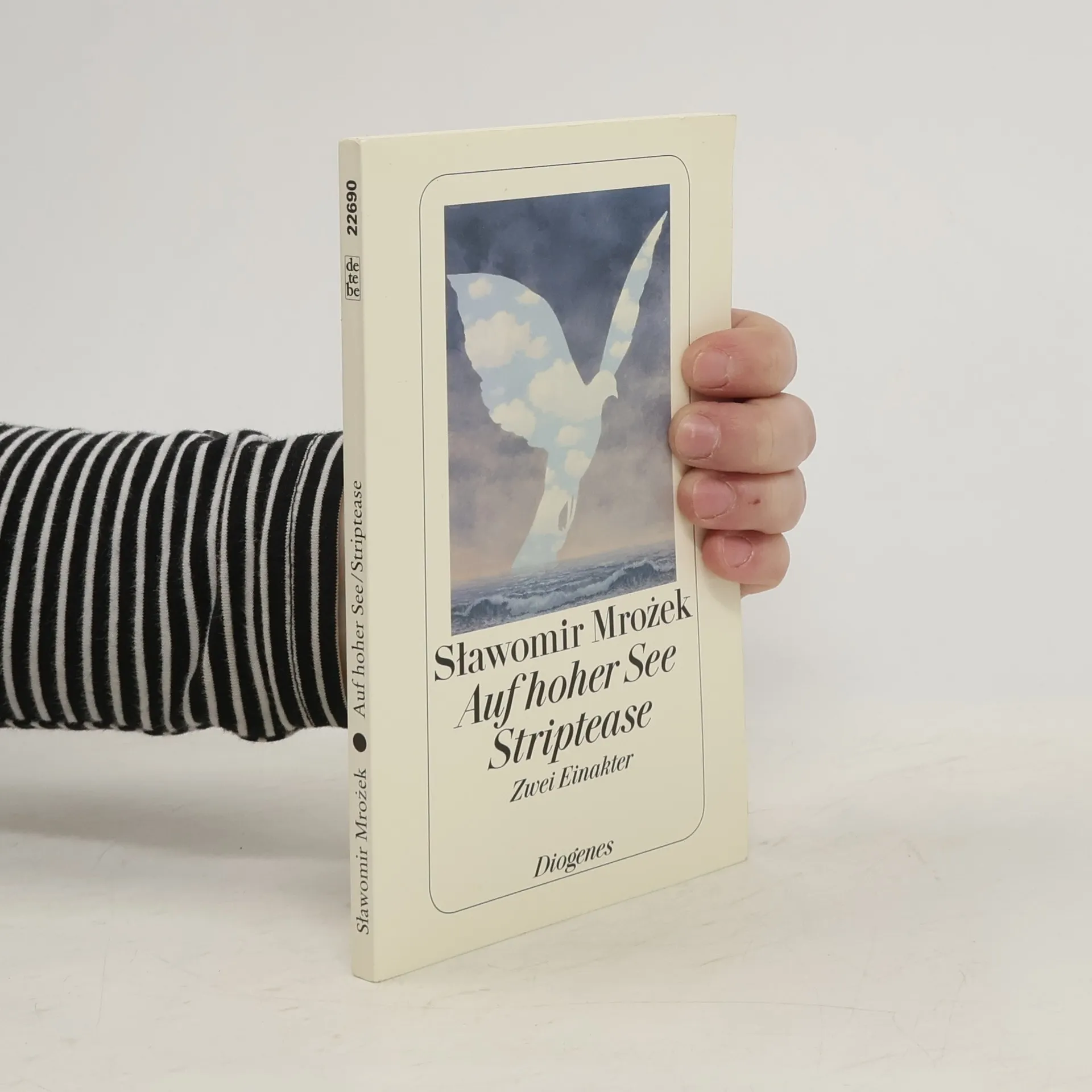
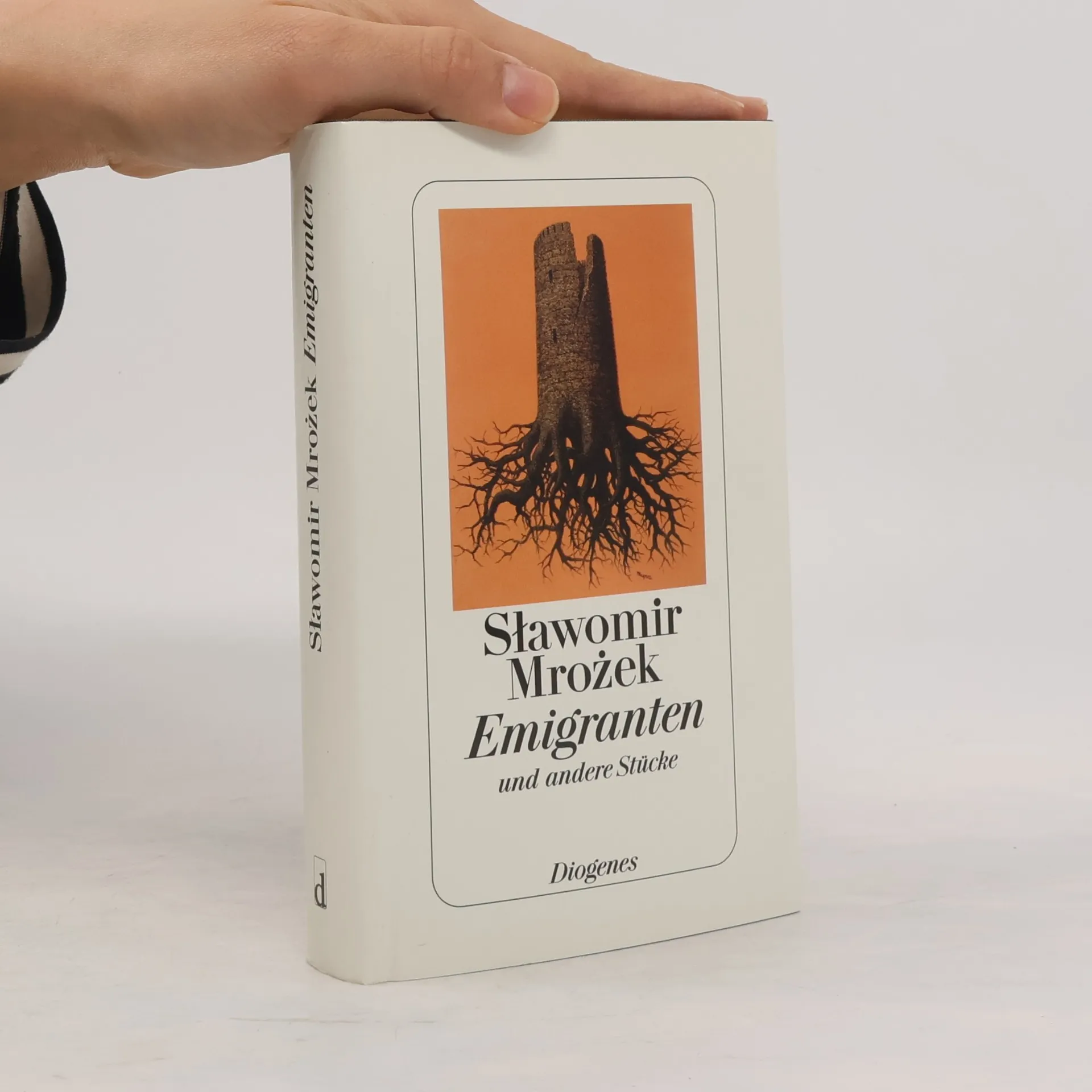
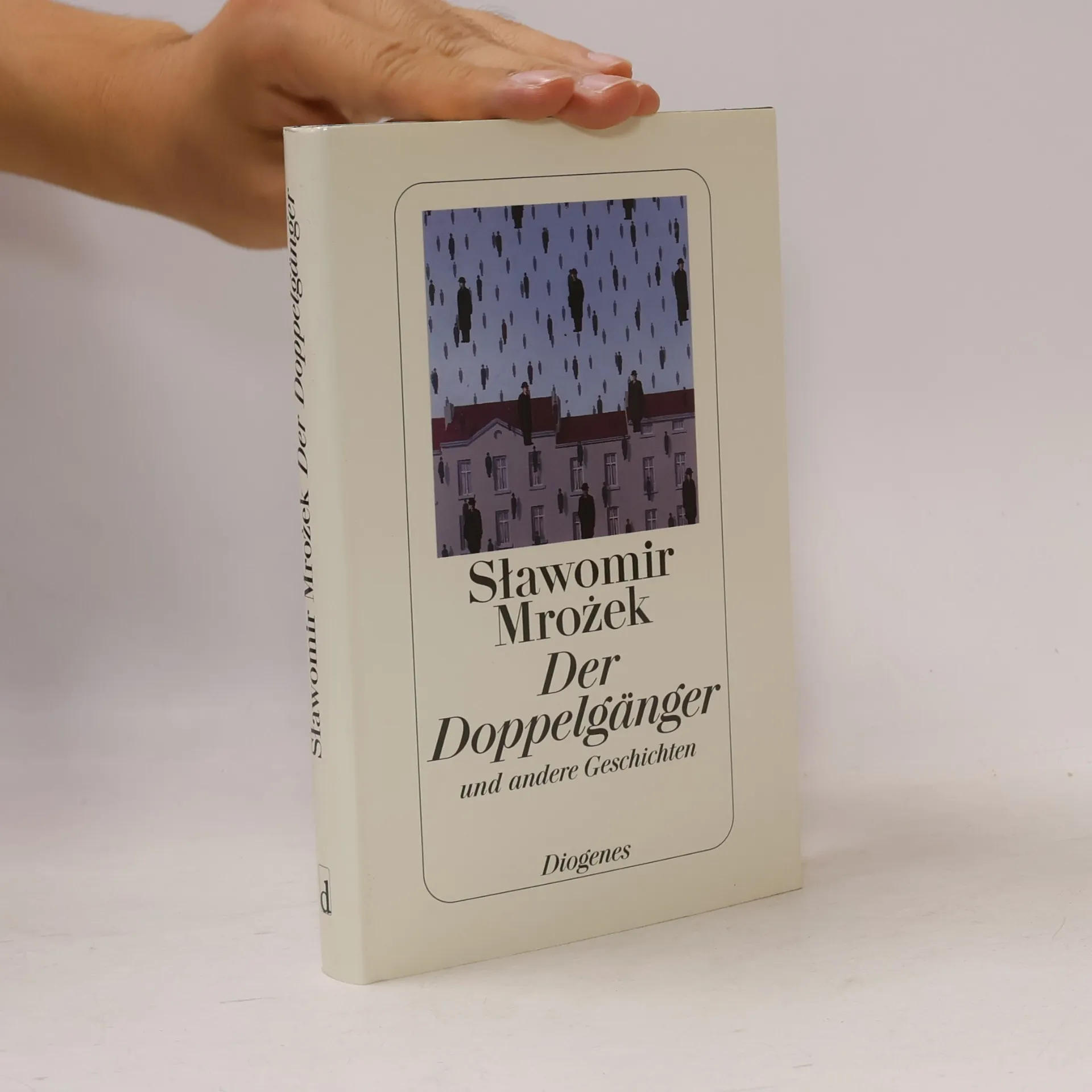
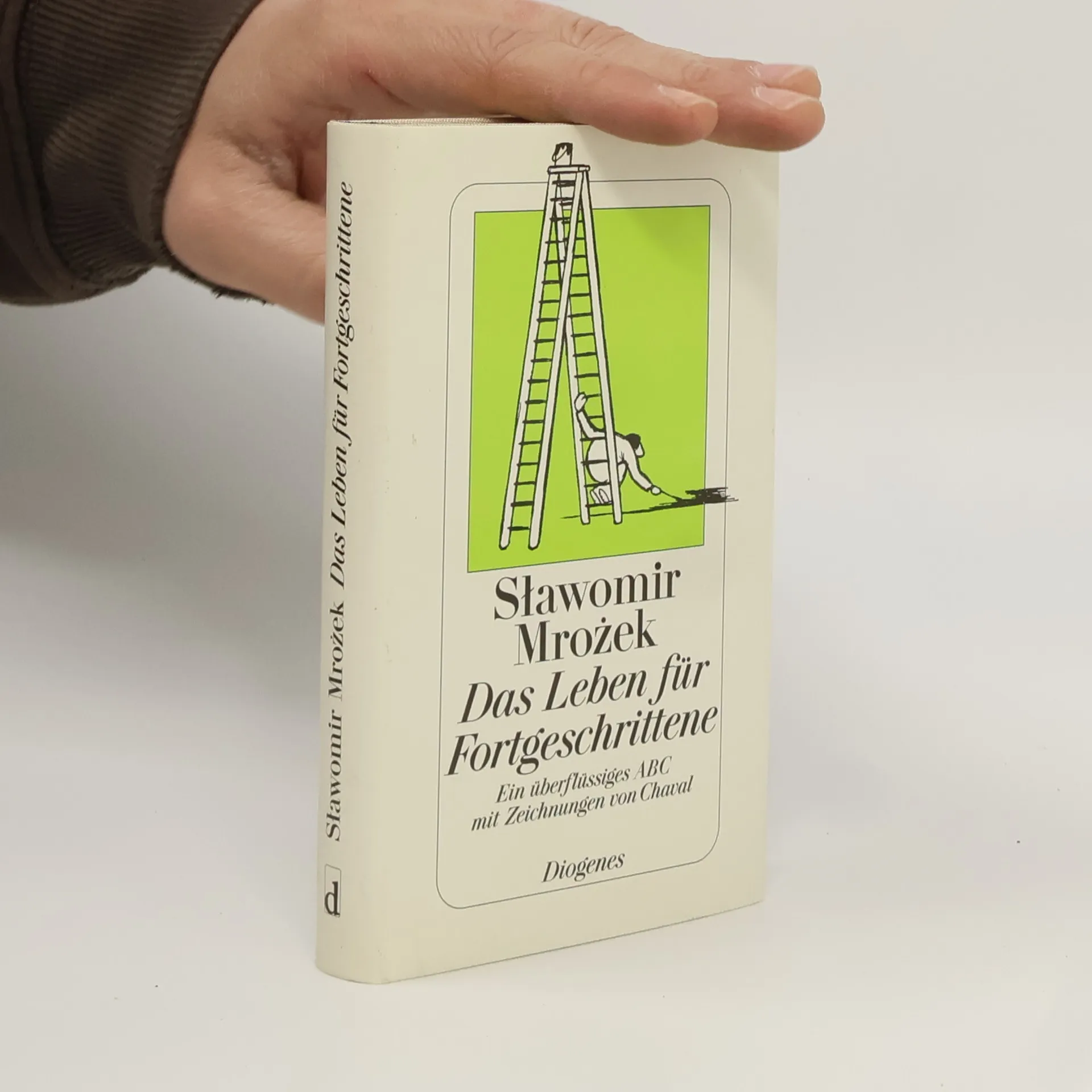
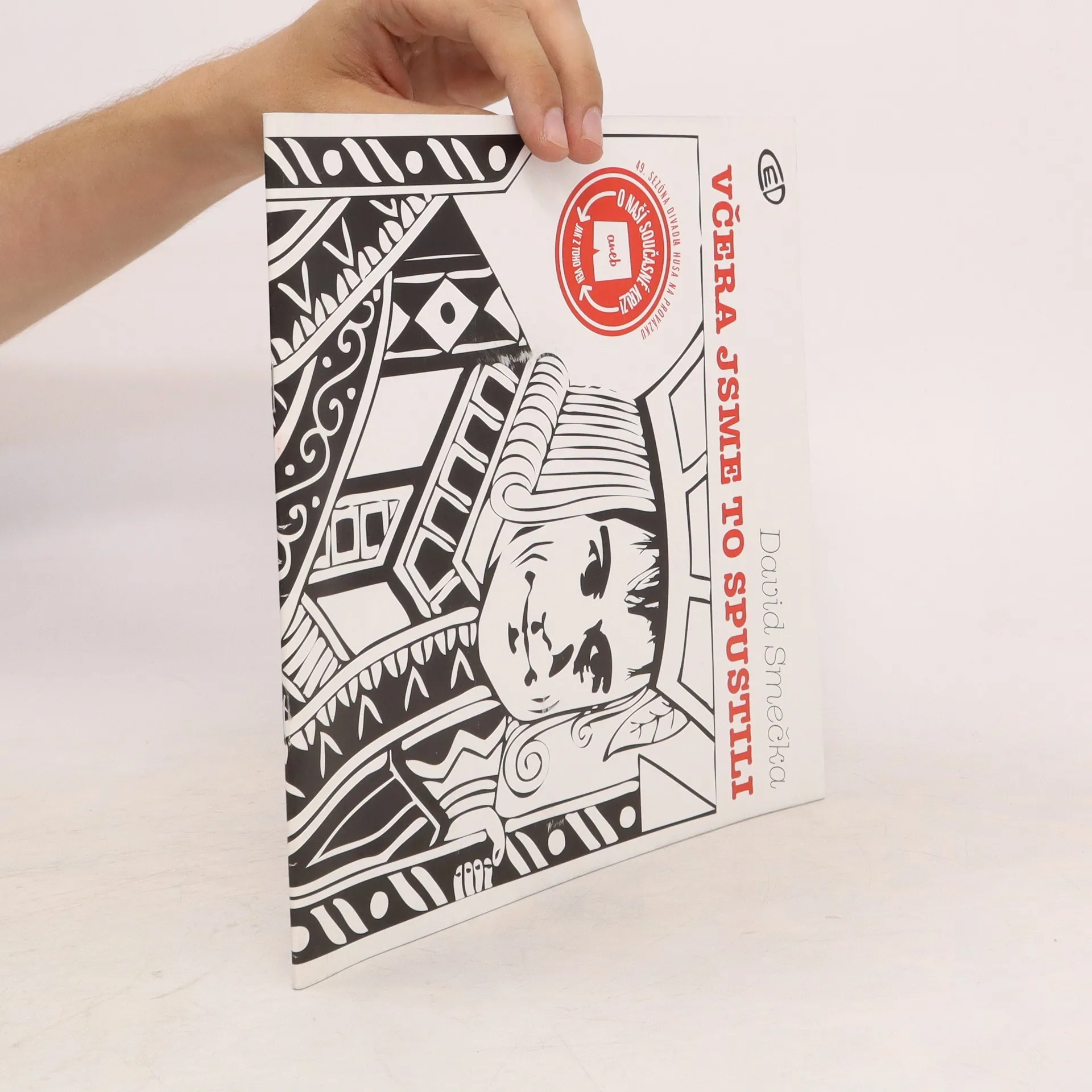
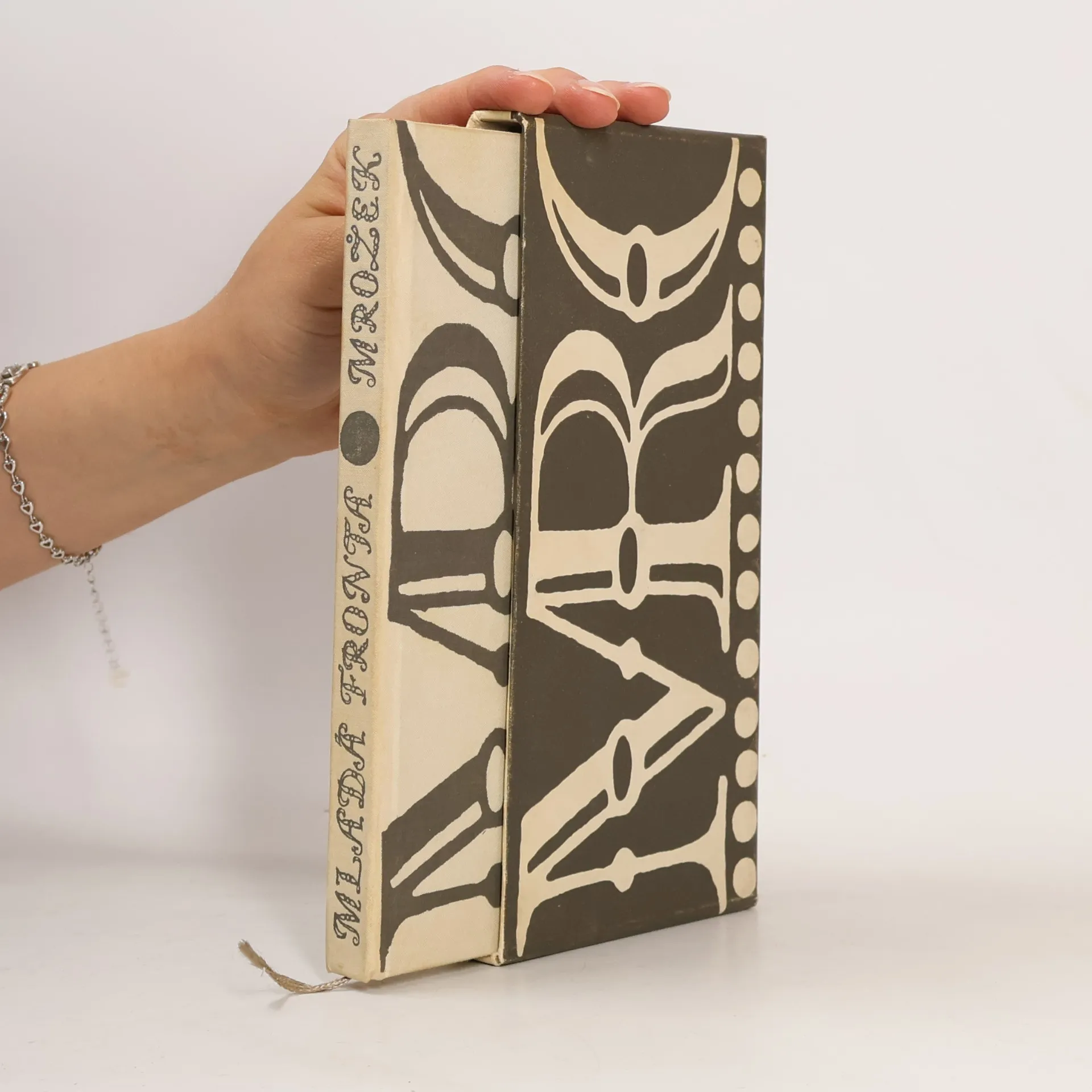
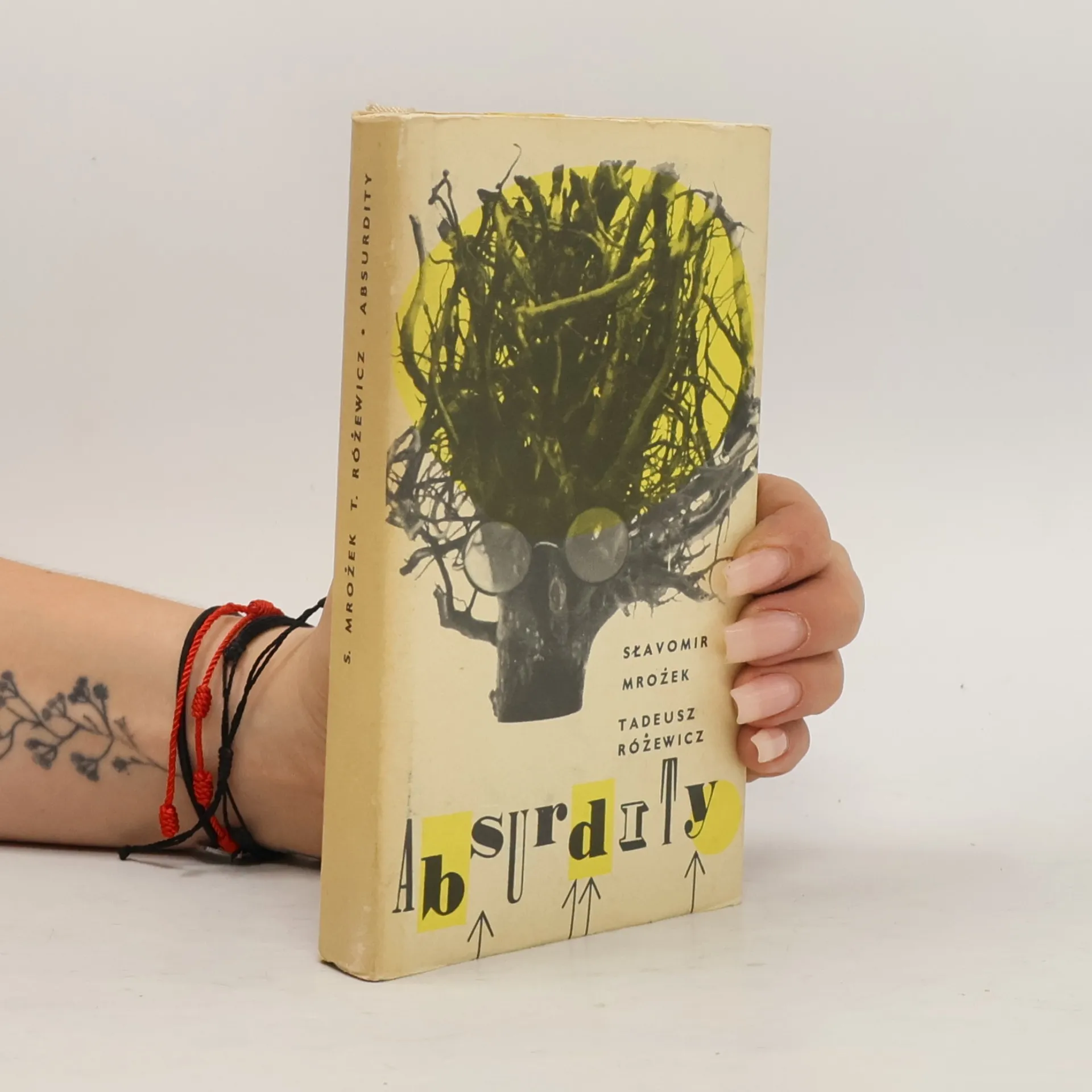
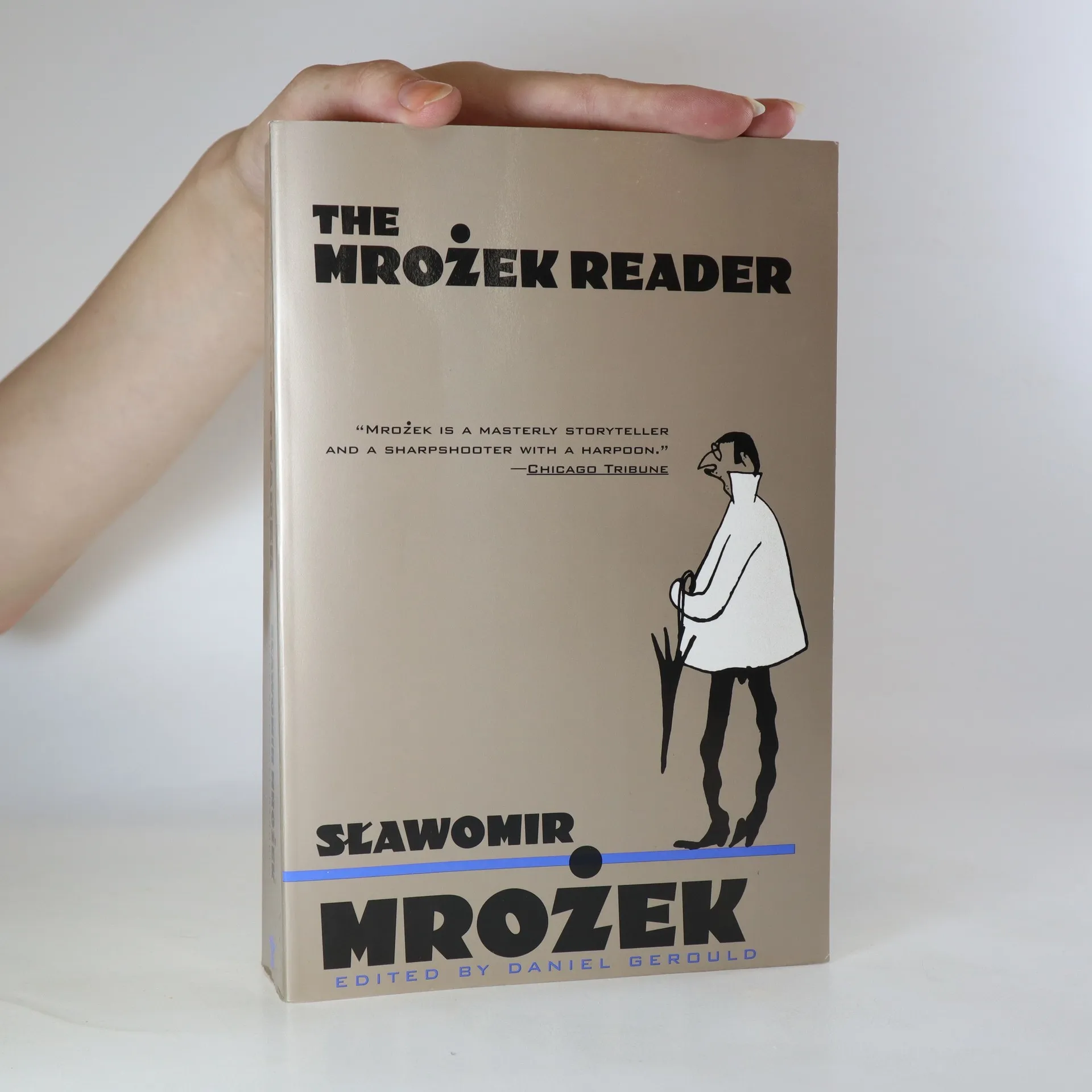
S3awomir Mro¿ek has reigned as the pre-eminent playwright and satirist of Eastern Europe for the past half-century. A sharp critic of all oppressive systems during the Cold War, he began his career as a young enthusiast for the new Communist regime in the early 1950s. It didn't take long, however, until he was deemed such a threat that his work was banned not only in his native Poland, but also in all Eastern bloc countries. After the fall of Communism, he returned home from self imposed exile in the West and was recognized as a major literary figure. This reissue of fourteen plays and ten short stories, along with a sampling of his capricious cartoons, affirms Mro¿ek's mastery of a wide spectrum of styles, and illustrates the development of his talent over the decades. From the vantage point of the twenty-first century, Mro¿ek's questioning of authority, his razor-sharp sense of the comic, and his spirit of contradiction seem as fresh, and as relevant, as ever.
Sławomir Mrożek Books
Sławomir Mrożek was a Polish dramatist and writer whose works belong to the Theatre of the Absurd. His plays often employ non-realistic elements, political and historical references, distortion, and parody to shock audiences and provoke thought. He became known for influential pieces that, despite their bitterness and irony, offer profound insights into the human condition. Mrożek's distinctive style explores the absurdities of the world, seeking deeper truths within them.

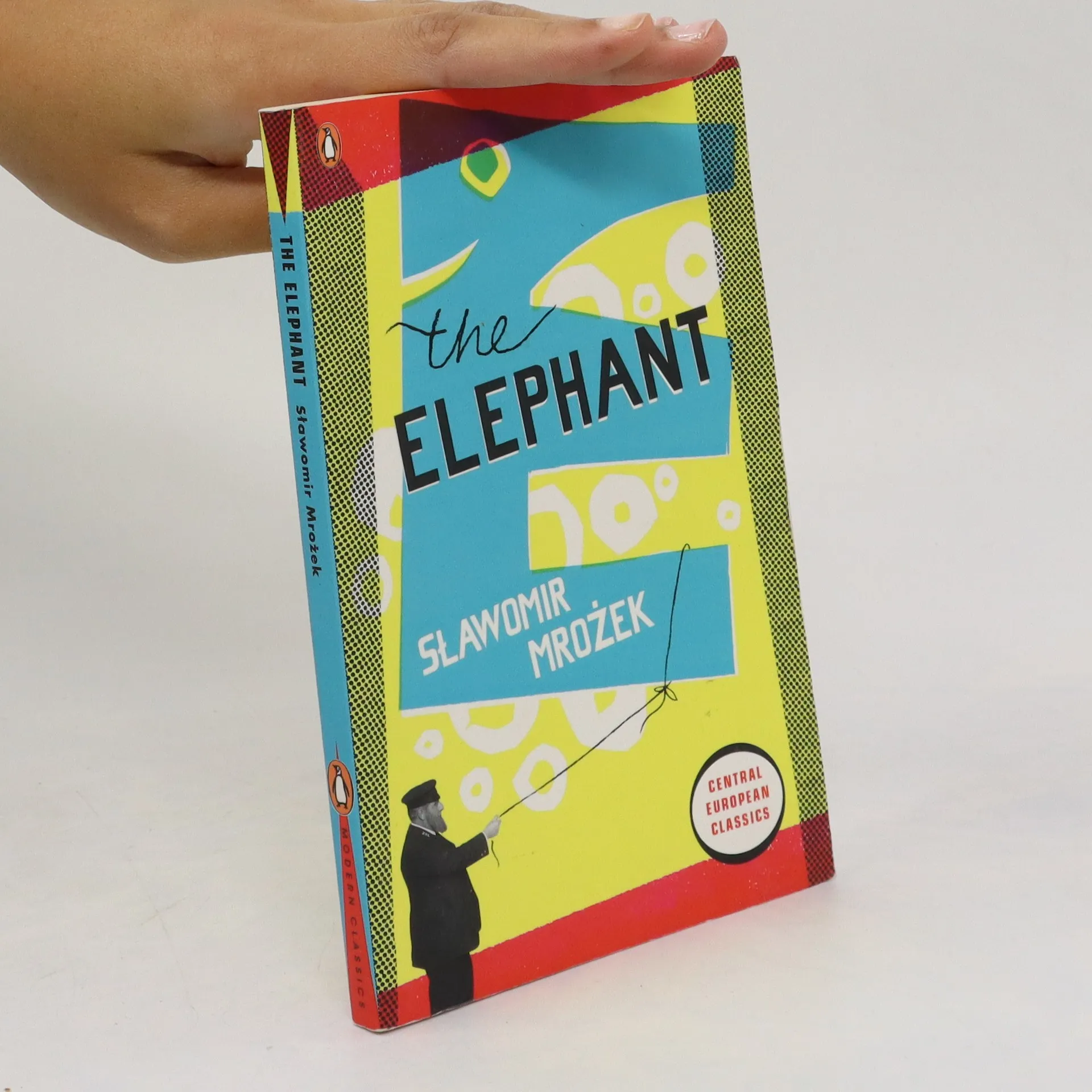
The Elephant
- 176 pages
- 7 hours of reading
The Elephant (1957) is Slawomir Mrozek's award-winning collection of hilarious and unnerving short stories, satirising life in Poland under a totalitarian regime. The family of a wealthy lawyer keep a �tamed progressive� as a pet; a zoo saves money for the workers by fashioning their elephant from rubber; a swan is dismissed from the municipal park for public drunkenness; and under the Writers� Association, literary critics are banished to the salt mines. In these tales of bureaucrats, officials and artists, Mrozek conjures perfectly a life of imagined crimes and absurd authority.
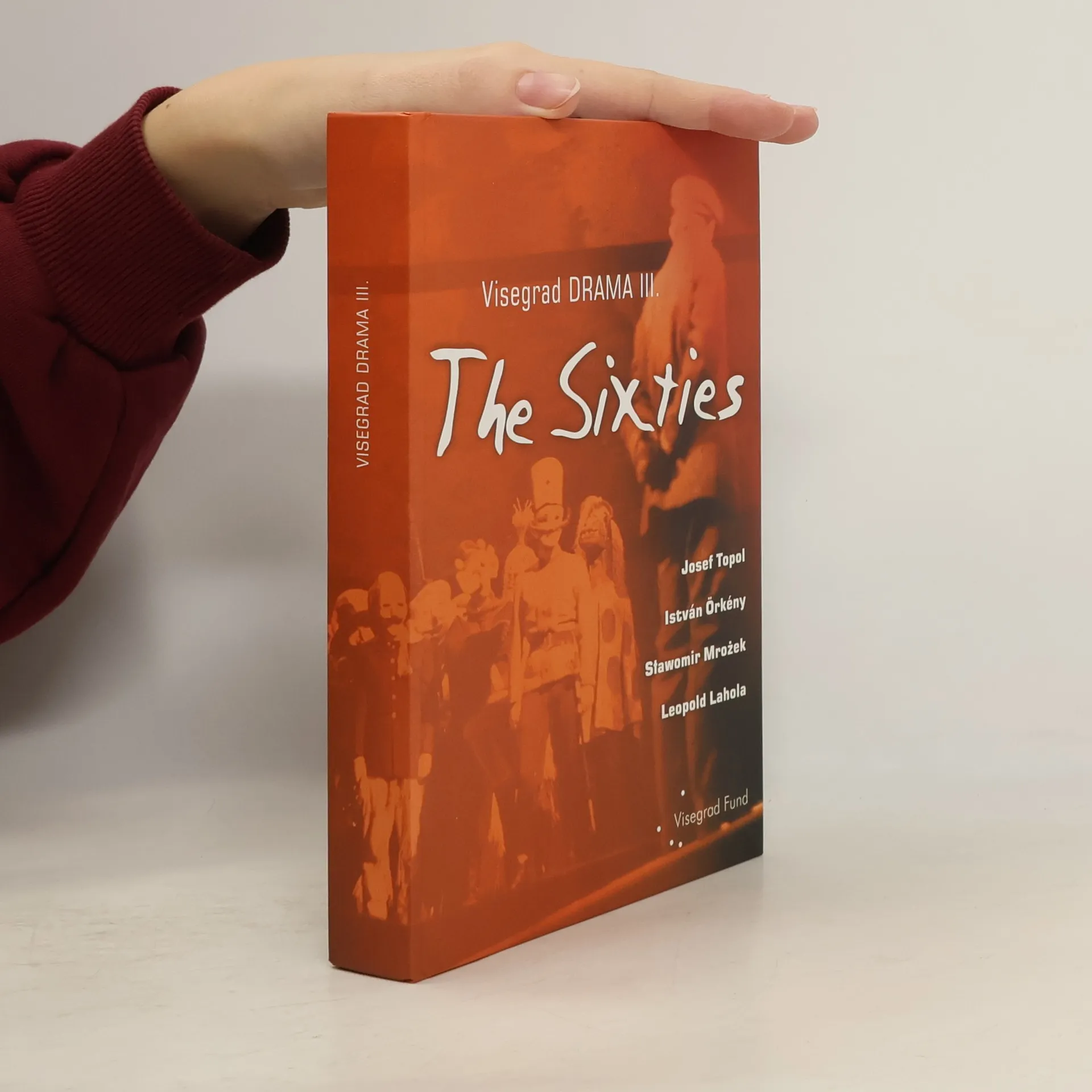
Visegrad Drama III., The Sixties
- 415 pages
- 15 hours of reading
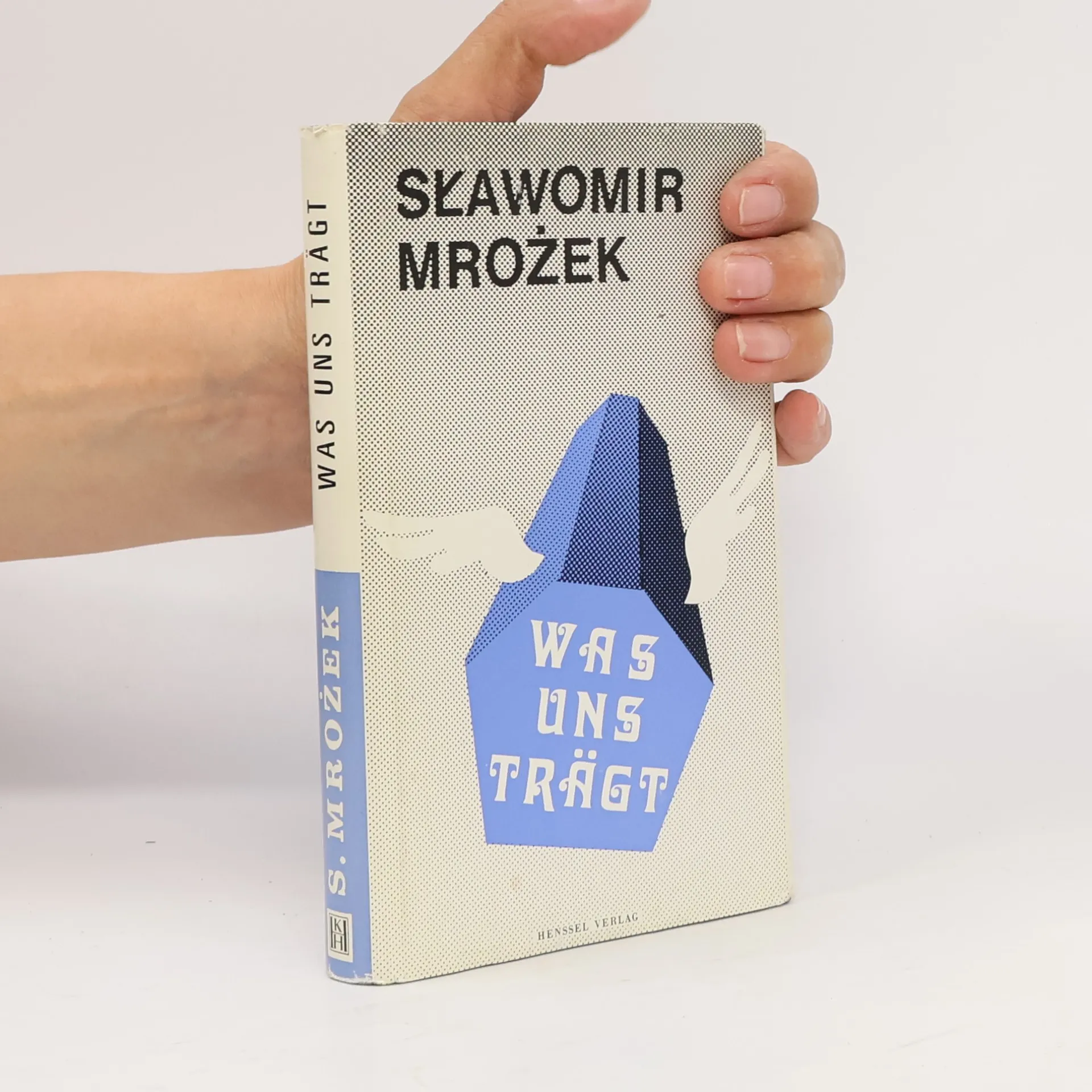
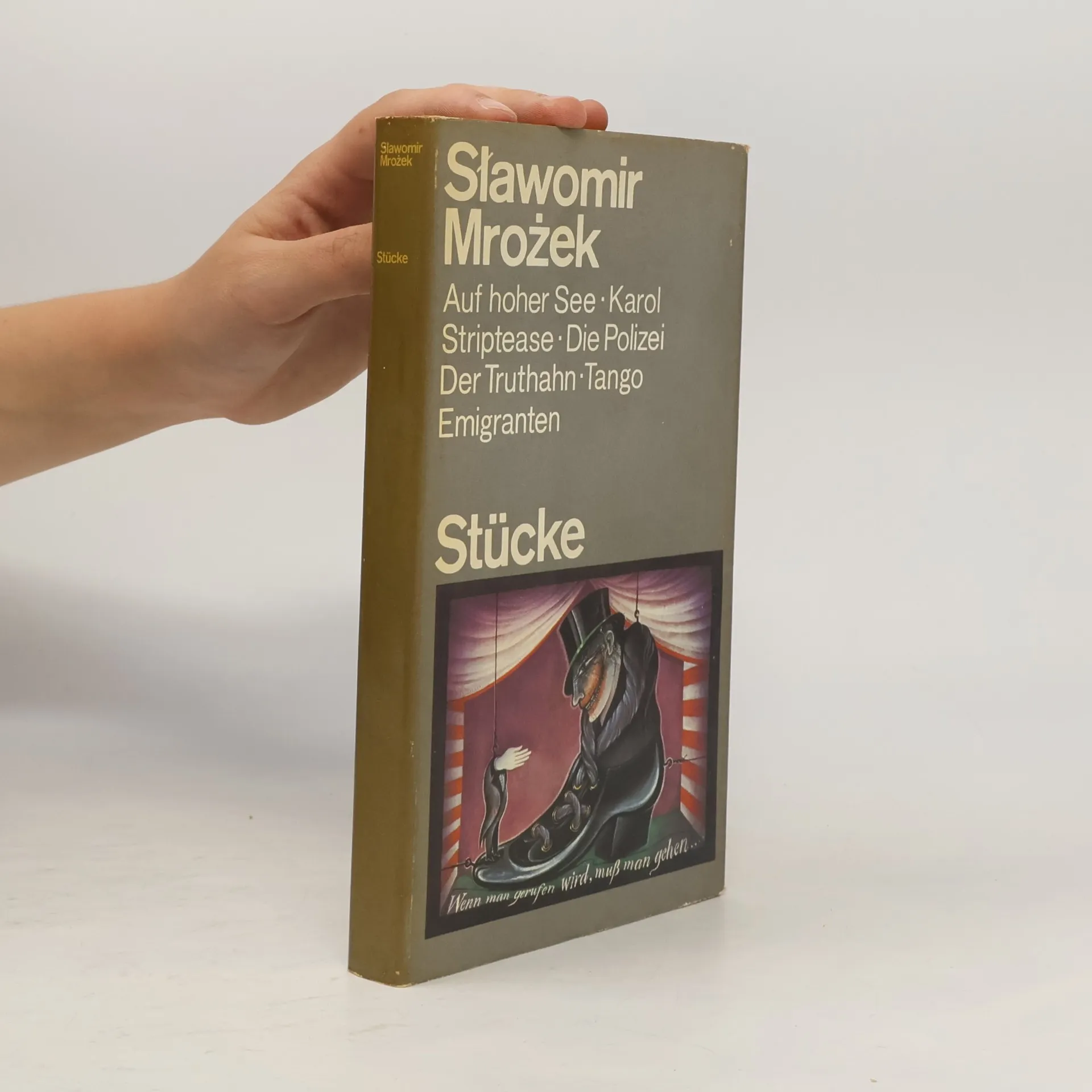
Von der düsteren Parabel über die condition humaine, über verspielte, scheinbar naive Geschichten bis hin zu slapstickartigen Fabeln reicht Mrozeks Erfindungsgabe. Bei aller Unterschiedlichkeit der Themen ist den Texten eins der hintersinnige Humor und das Vergnügen am Skurrilen, das Mrozeks ganzes Werk auszeichnet.
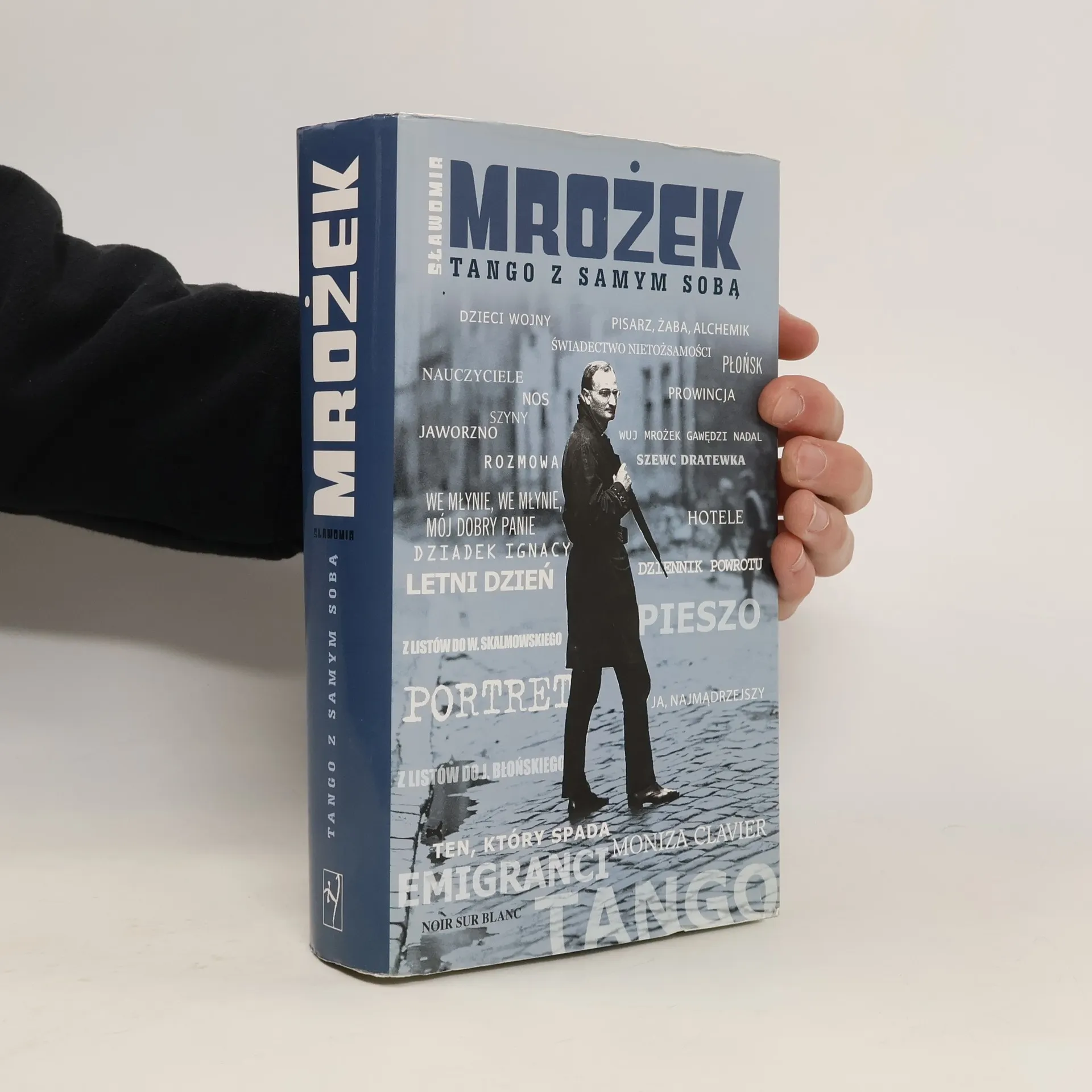
Tango z samym sobą
- 686 pages
- 25 hours of reading
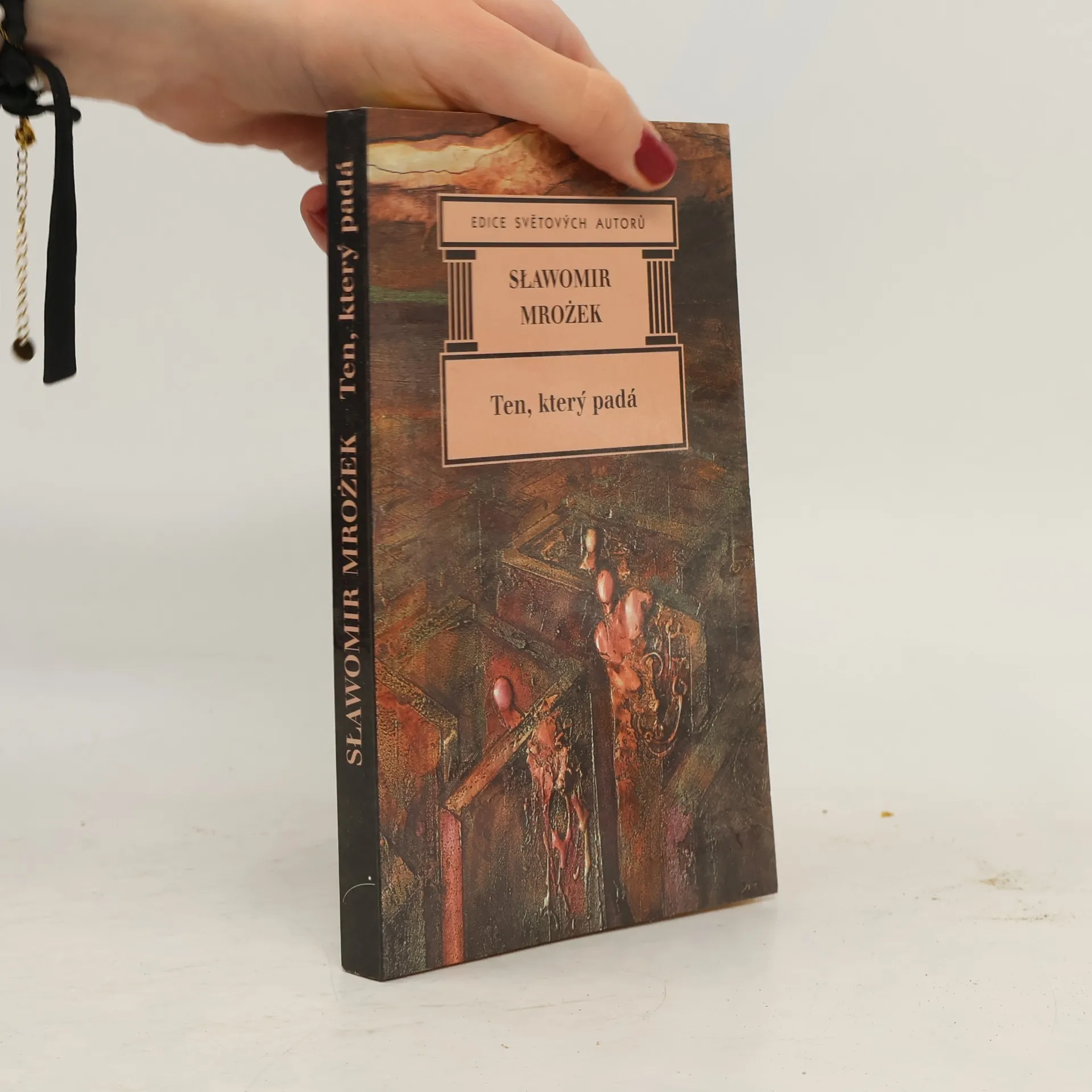
Pieszo; We młynie, we młynie, mój dobry panie; Portret; Tango; Moniza Clavier; Emigranci; Letni dzień; Ten, który spada
Lolo drückt immer die richtigen Tasten, die, die den Herrn mit dem Bart zufriedenstellen und dann gibt's Speck. Aber nur für Lolo. Doch eines Tages hat Lolos Freund, die andere Laborratte, die immer hungriger wird, weil sie nicht die richtigen Tasten zu drücken versteht, eine Methode gefunden, um auch was abzukriegen... In Monisa Clavier lauert ein polnischer Tourist einem westlichen Filmstar auf. Nun kommt es darauf an, ihre Aufmerksamkeit auf sich zu lenken. Da dem komplexbehafteten polnischen Jüngling dies nicht gelingen will, gibt er sich auf einer Party gläserschmetternd als Russe aus, denn Russen scheinen im Westen den Exotik-Bonus zu genießen. Zwar erreicht der junge Pole so sein primäres Ziel, doch fangen die Probleme nun erst an. "
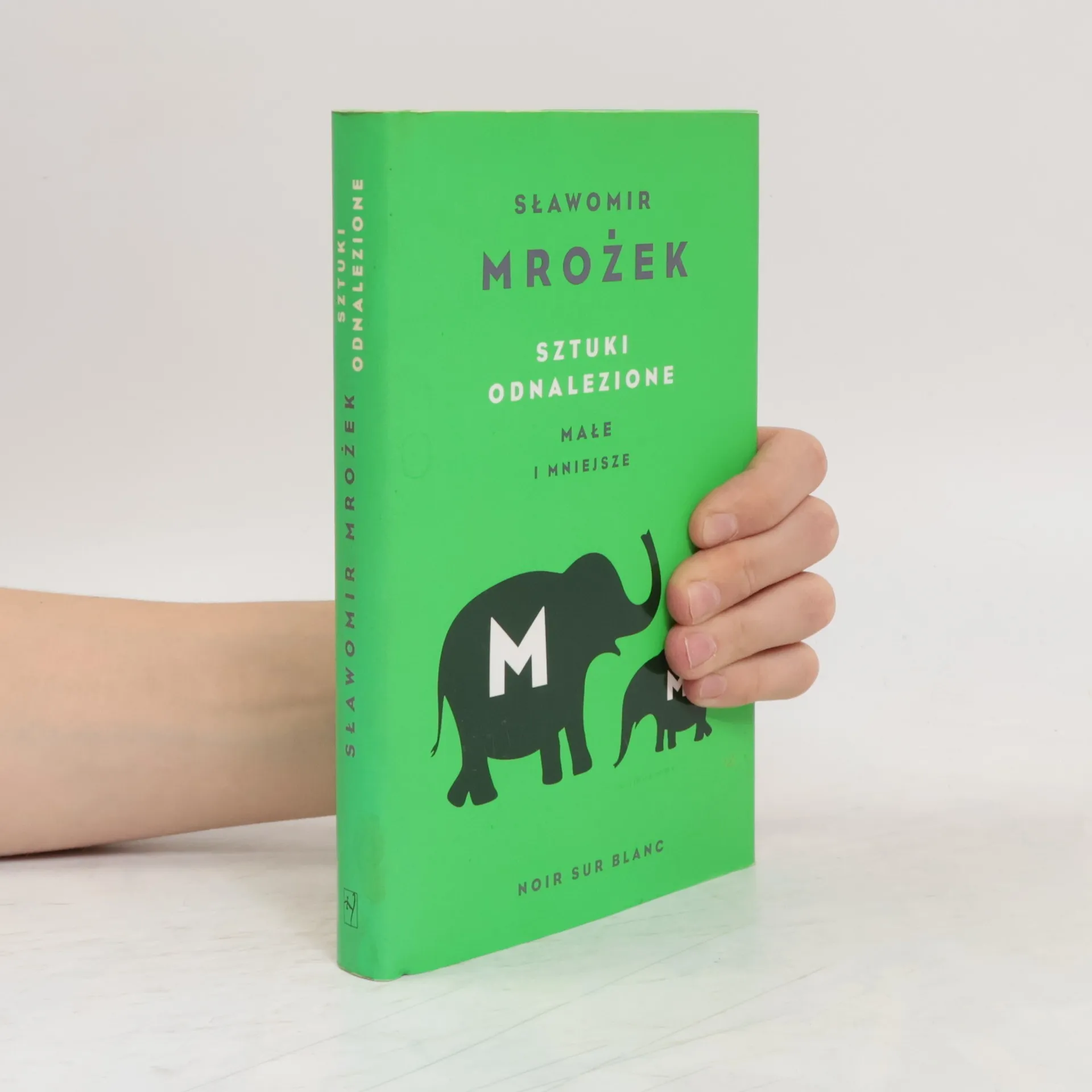
Sztuki odnalezione małe i mniejsze
- 229 pages
- 9 hours of reading
Każdy nowy utwór Sławomira Mrożka to prawdziwa gratka nie tylko dla wielbicieli jego talentu, ale dla wszystkich miłośników dobrej literatury. Do rąk czytelników trafia tom Sztuki odnalezione, na który złożyły się utwory Imieniny, Plomba hrabiego, Racket Baby, Jeleń, Tercet, Bruno Sznajder – pisane blisko pół wieku temu! Ale nigdy dotychczas nie publikowane i nie wystawiane. Zatem stare, a nowe… I jak zawsze w przypadku Mrożka – przenikliwe i ponadczasowe.
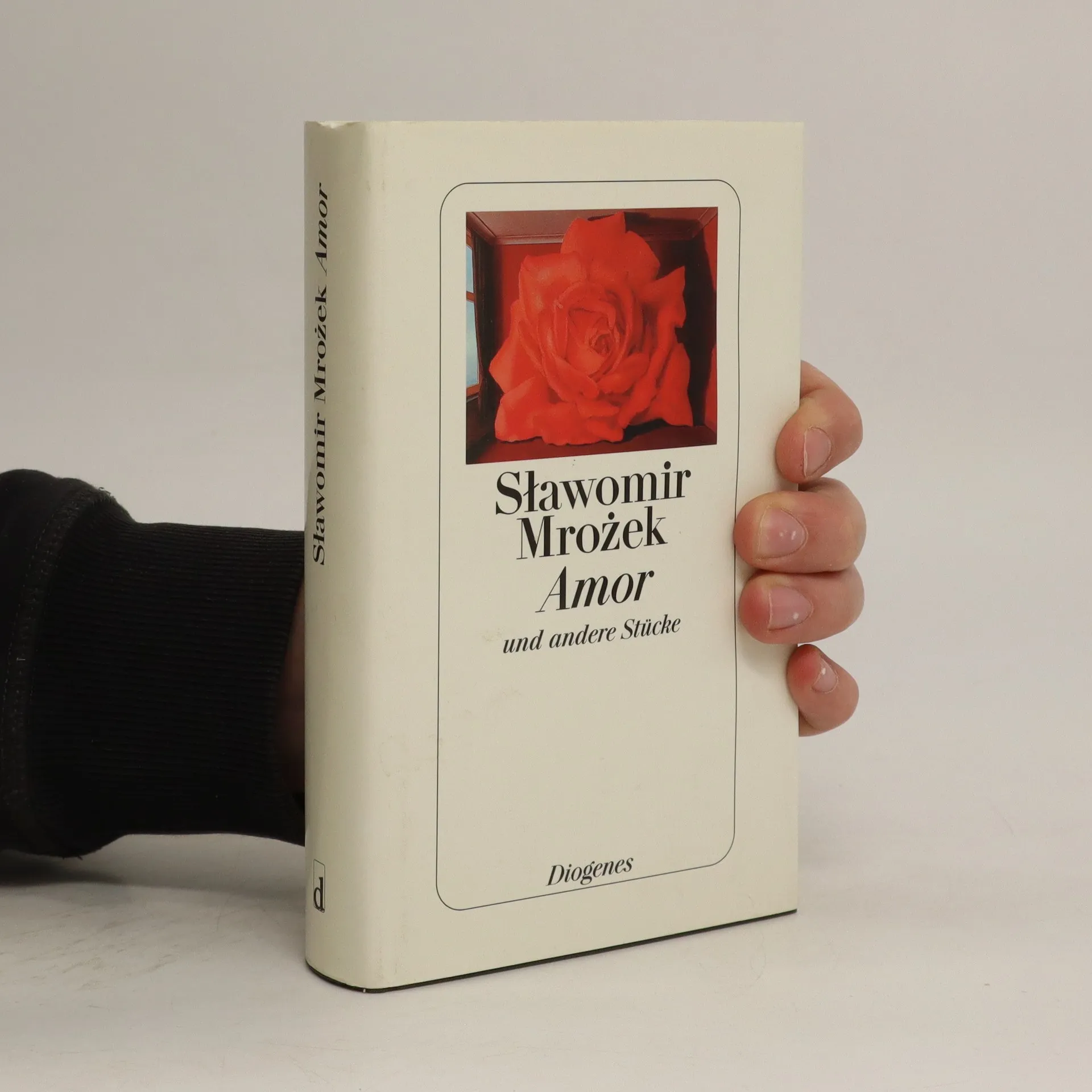
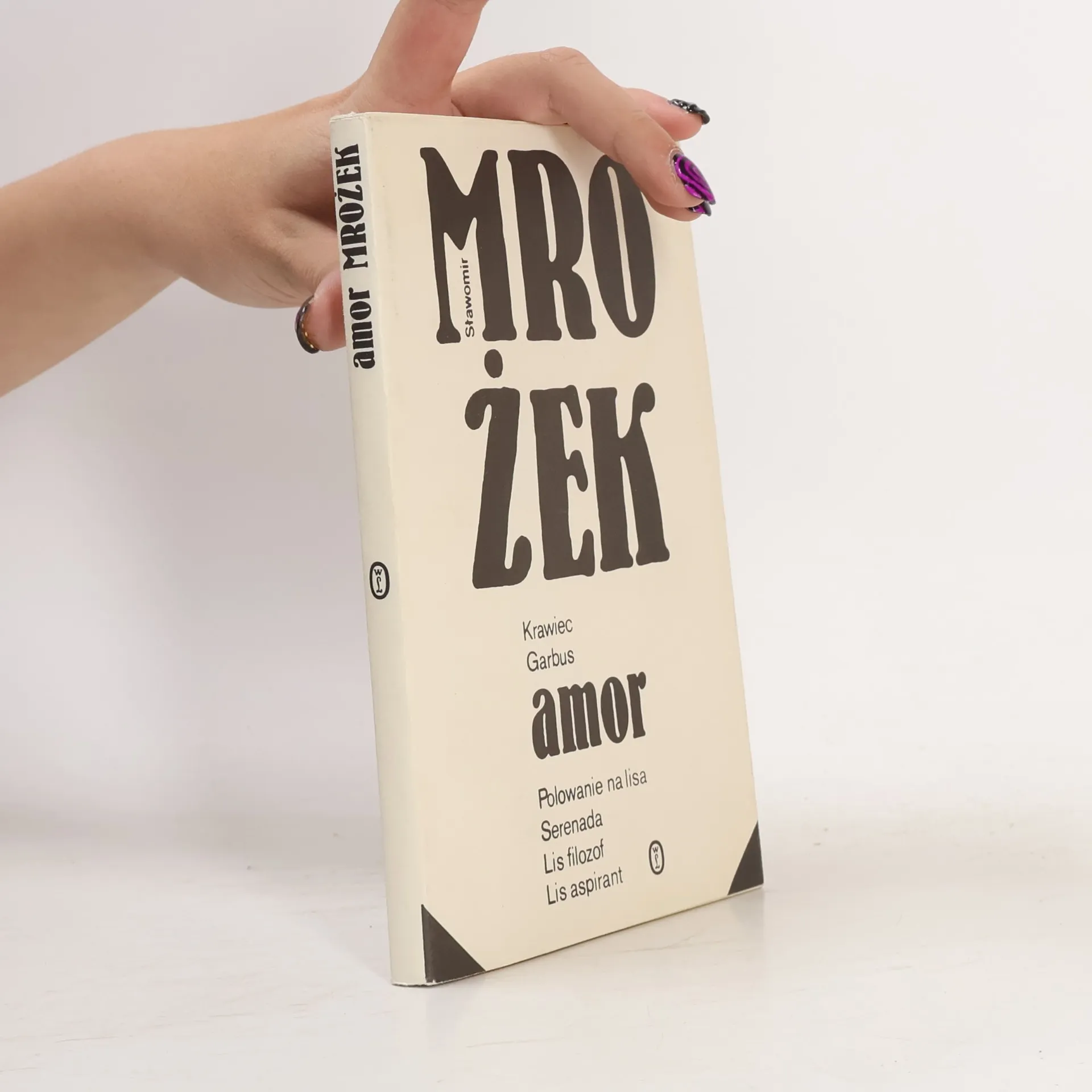
Während der Besetzung Polens durch die Nazis wird ein Hauptmann der Wehrmacht in einem polnischen Haus einquartiert, in dem ein Junge mit seiner Tante lebt. Der Junge ist völlig fasziniert von Rosemarie, der Geliebten des Hauptmanns. Als der kleine Amor , wie Rosemarie ihn lachend nennt, von den Partisanen angeworben wird, auf den Nazi ein Attentat zu verüben, stürzt ihn das in einen tiefen Konflikt ...
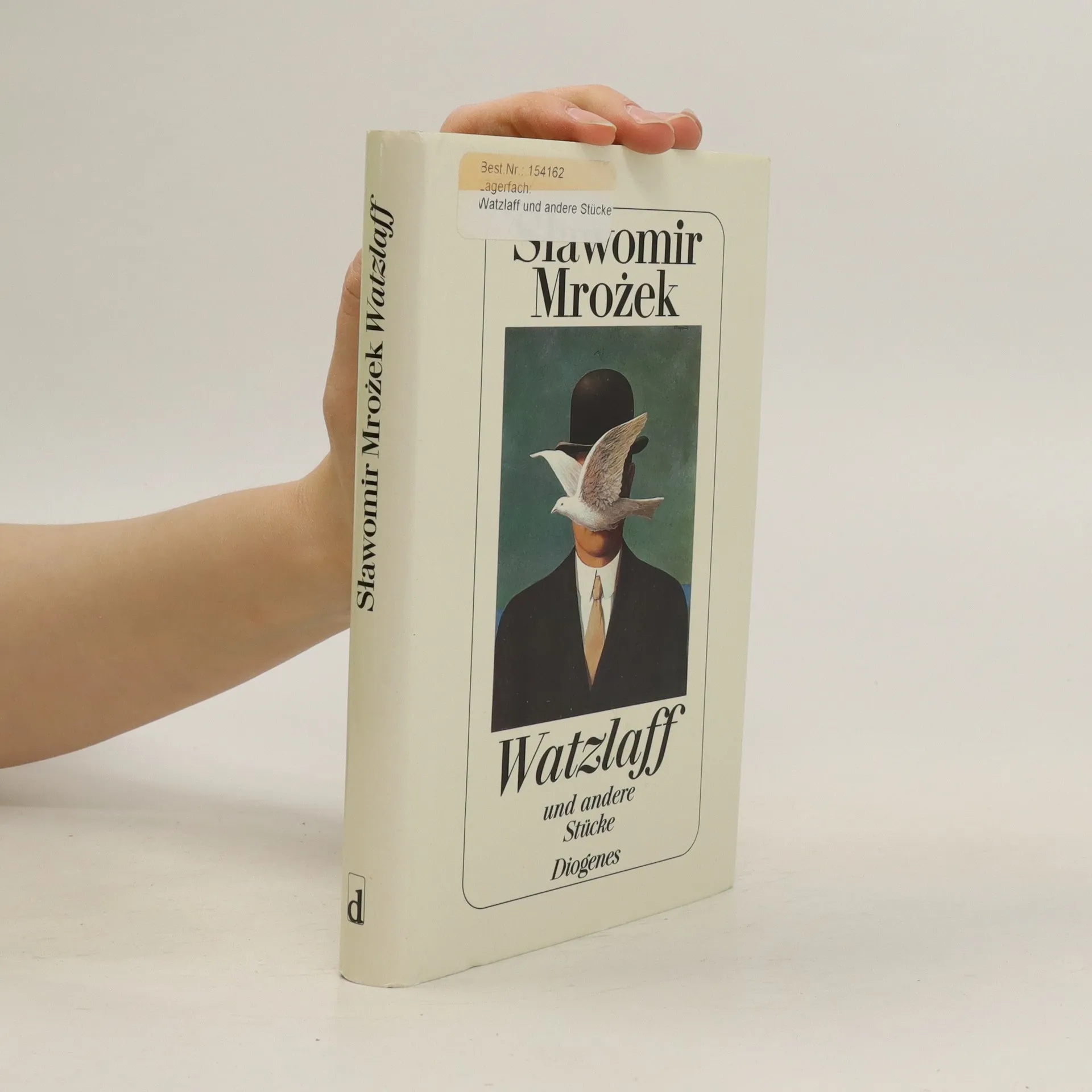
›Watzlaff‹ lebt im ›Land der Unfreiheit‹. Bei einer Fahrt übers Meer erleidet er Schiffbruch. Eine gute Gelegenheit für Watzlaff, ins ›Land der Freiheit‹ zu fliehen. Sein Alter ego, in Form eines Doppelgängers, meldet letzte Zweifel an – doch Watzlaff läßt es ungerührt im Meer ertrinken. Nun hindert ihn nichts mehr, reich, mächtig und glücklich zu werden. Auß ›Nochmals von vorn‹, ›Propheten‹.
Emigranci (1974) to najwybitniejszy utwór Sławomira Mrożka od ukazania się Tanga, a zarazem jeden z najważniejszych polskich dramatów okresu powojennego.nn nnDwaj cudzoziemcy z bliżej nieokreślonego kraju zamieszkują wspólnie suterenę w nieznanym mieście Europy Zachodniej. Wyobcowany intelektualista, AA, wybrał emigrację z powodów politycznych, jego towarzysz zaś,
Manchmal ein Staatsbeamter auf dem Land, manchmal ein Wildling, der jahrelang in einem Baumstamm gelebt hat, manchmal ein Mann, der in der Hoffnung auf Geld in andere Länder ausgewandert ist... In Mrożeks Buch gibt es komische Menschen und komische Geschichten aus einem sich westlich entwickelnden osteuropäischen Land. Diese absurden Geschichten eines Meisters der Kurzgeschichte führen die Leser in eine sehr vertraute Welt. Sławomir Mrożek zeigt uns, dass er ein scharfer Beobachter und ein großer Erzähler ist.
Ein Karneval mit illustren Gä Adam und seine Gattin Eva. Goethe, begleitet von Gretchen. Ein Jedermann namens Joe, ein Bischof und der Satan. Und eine geheimnisvolle Dame. Mrozeks letztes Stück ist ein erotischer Reigen quer durch Zeiten und Realitätsebenen, federleicht und philosophisch.
Auf hoher See gibt es kein Einer der drei schiffbrüchigen Männer auf dem Floß soll aufgefressen werden, damit wenigstens die beiden anderen überleben können. Jeder versucht den anderen davon zu überzeugen, dass gerade er gefressen werden müsse. – In pointierten Dialogen werden die Lügen und Phrasen erkennbar, mit denen Menschen dazu gebracht werden, ihr Leben zu opfern.
Seine Stücke Tango und Striptease kennen nicht nur Theaterfans. Seine Stücke werden rund um den Globus gespielt, kein anderer Theaterautor nach Samuel Beckett wurde so berühmt. Nun schrieb der Dramatiker von Weltrang seine Autobiographie.
AA, der Intellektuelle, und XX, der Gastarbeiter, teilen sich einen Kellerraum als Unterkunft und gehen sich nach Kräften auf die Nerven. Zwar sind sie beide Emigranten desselben Landes, doch sind die Verbindungen zwischen dem politischen Flüchtling und dem sich für materiellen Wohlstand abschuftenden bäuerlichen Gastarbeiter nur allzu brüchig. Am Silvesterabend kommt es zum Showdown.
'Der Doppelgänger' des Tyrannen hatte diesen lange Jahre bei Paraden und anderen langweiligen Anlässen vertreten, und wenn er dienstfrei hatte, bestellte er sein Land wie alle anderen Bauern auch. Doch nun war der Tyrann gestorben. Jetzt gebe es keine Ausbeutung und Ungerechtigkeit mehr, sagten die Leibwächter des toten Tyrannen, als sie den Doppelgänger aufsuchten, und auch keine mysteriösen Unfälle mehr. Nur eins sei noch zu Das Volk dürfe auf keinen Fall durch ein Gesicht an vergangene Zeiten erinnert werden.
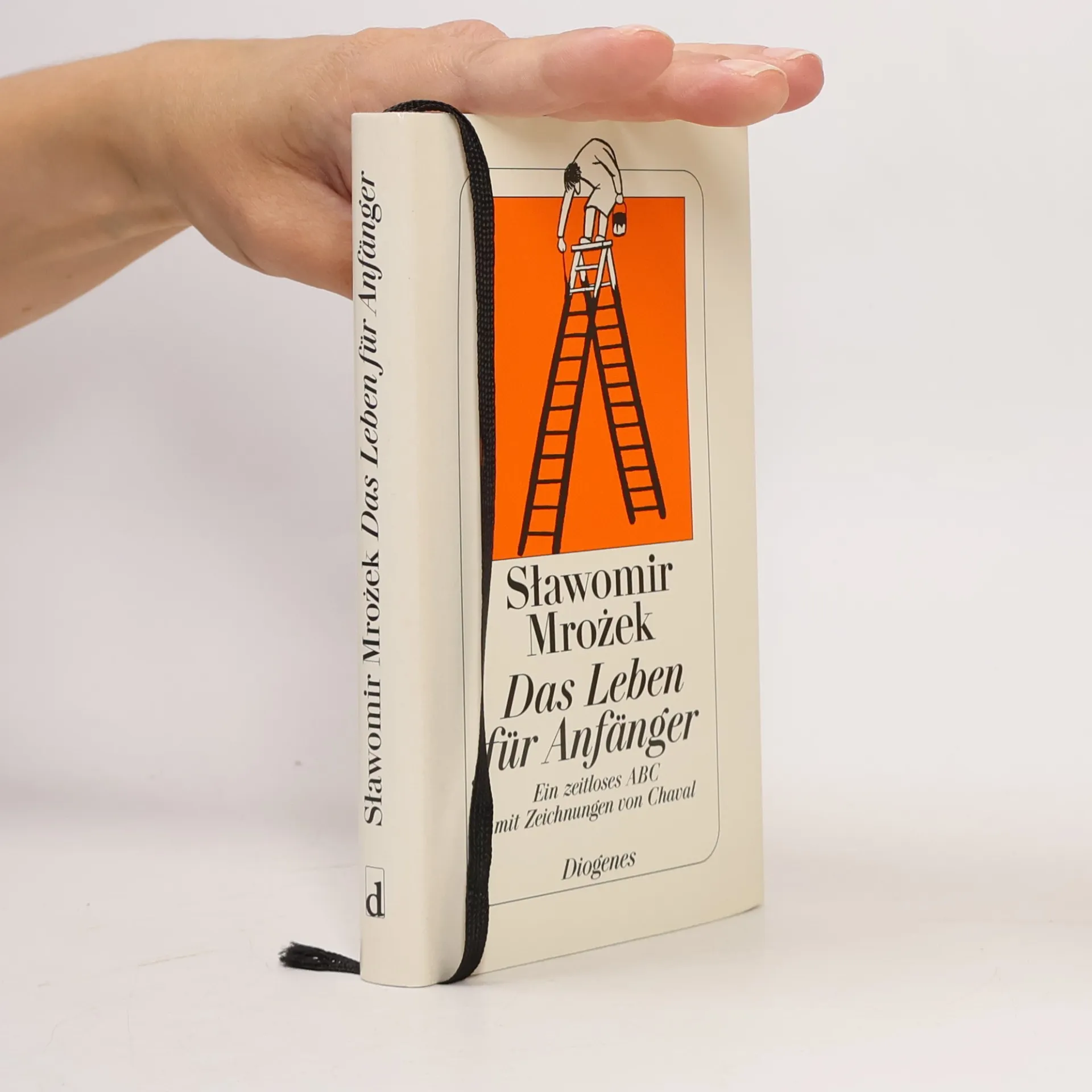
Ein zeitloses Geschenkbuch für alle Lebenslagen: Noch nie war leben so einfach! Von A wie Arbeit über Beziehung, Bildung, Glaube, Haustiere, Karriere, Konkurrenz und Nervosität, Sadismus, Sicherheit, Verantwortung bis Z wie Zivilisation.
»Der Zweck des Lebens ist das Leben selbst«, so Goethe – wirklich hilfreich ist das jedoch nicht. Mrozek lässt uns dagegen nicht im Stich. In diesem Buch werden alle lebenswichtigen Themen abgehandelt, von A wie Abwechslung, Anarchie und Angst über Fortschritt, Frauen, Freiheit, Rente und Revolution bis Tod, Tourismus, Ungerechtigkeit und Wahrheit. Mrozek weiß immer Rat.
Tango
- 206 pages
- 8 hours of reading
Wydając Tango w nowej szacie graficznej chcieliśmy przypomnieć, że ten dramat to nie tylko bardziej lub mniej lubiana lektura szkolna, ale najbardziej znany i najważniejszy utwór Sławomira Mrożka o społecznych zagrożeniach. Warto go poznać, warto do niego wracać – mamy nadzieję, że to nowe wydanie będzie do tego zachęcać. W 2009 r. w Teatrze Narodowym Jerzy Jarocki po raz kolejny wystawił Tango. Okazało się, że choć od napisania tego tekstu minęło ponad 40 lat, wciąż mówi on o nas.
Das Leben ist schwer
- 155 pages
- 6 hours of reading
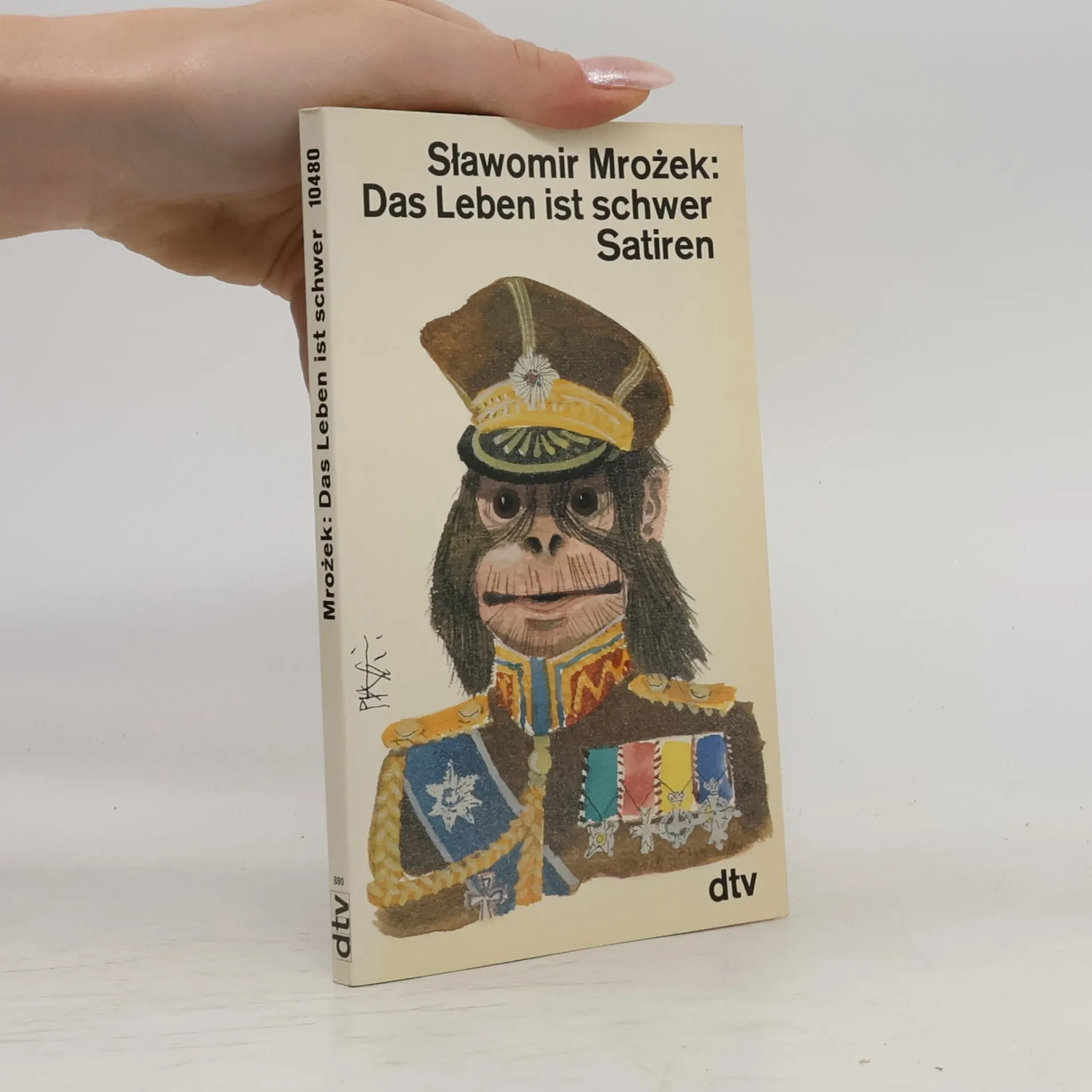
Siebenunddreißig groteske, witzige, das Absurde im politischen und menschlichen Alltag aufspürende Kurzgeschichten des bekanntesten zeitgenössischen polnischen Schriftstellers.
Teatr 2
- 240 pages
- 9 hours of reading
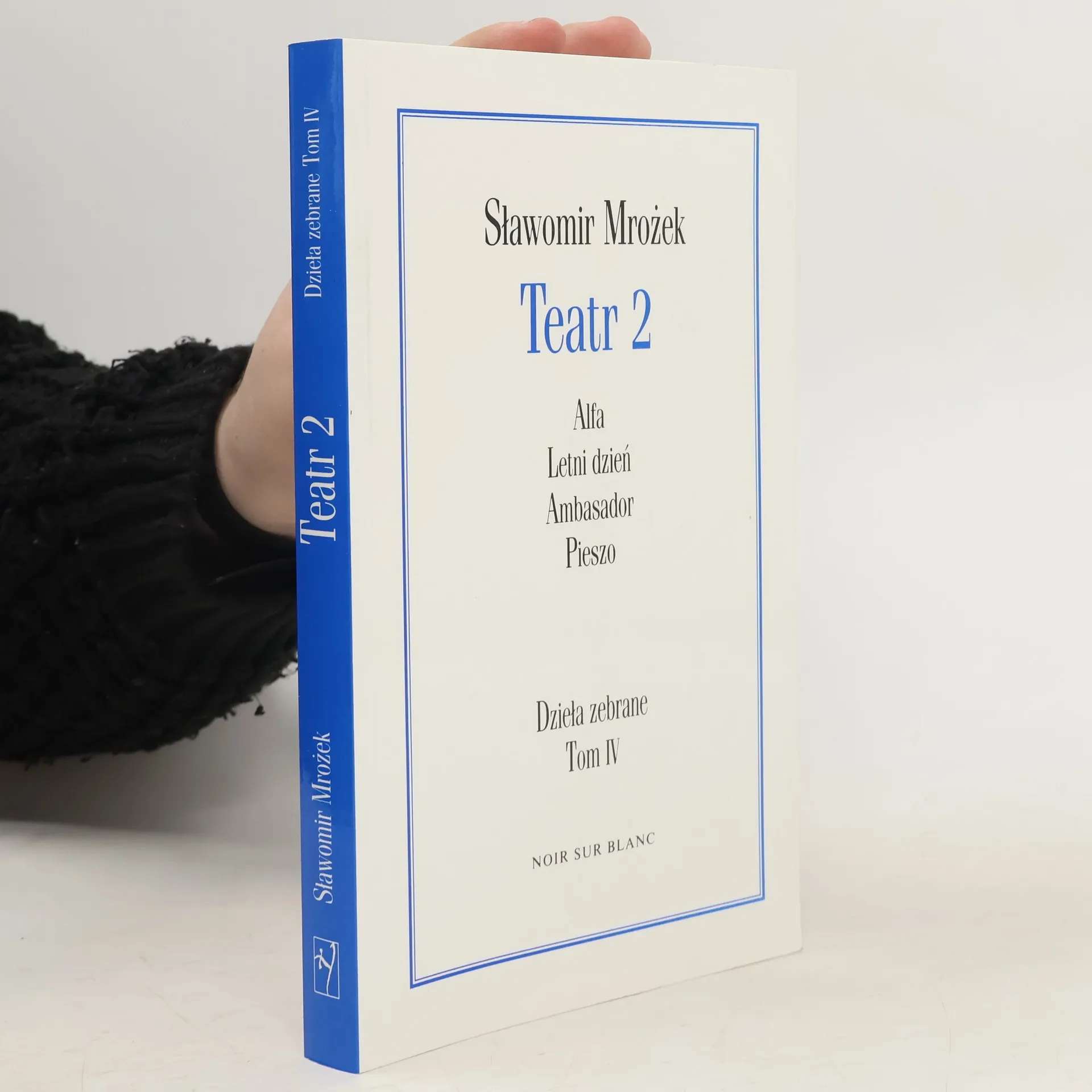
Tom enthält die Stücke: Alfa (1984), Letni dzień (1983), Ambasador (1983), Pieszo (1980). Die in diesem Band enthaltenen Dramen haben zweifellos Bezüge zu tatsächlichen historischen Ereignissen. Sie entstanden in der Zeit des legalen und unterirdischen Wirkens von "Solidarność" und während des Kriegszustands, sind jedoch keine historischen Stücke. Tragische Ereignisse der frühen achtziger Jahre oder der Zeitraum des Zweiten Weltkriegs, in dem das Drama Pieszo spielt, dienen lediglich als Hintergrund für die Situationen, in denen sich die Protagonisten befinden. Das Hauptmotiv ist das Problem der zwischenmenschlichen Beziehungen, die Abhängigkeit von historischen Umständen oder anderen Menschen, heimtückischer Kampf und Einsamkeit.
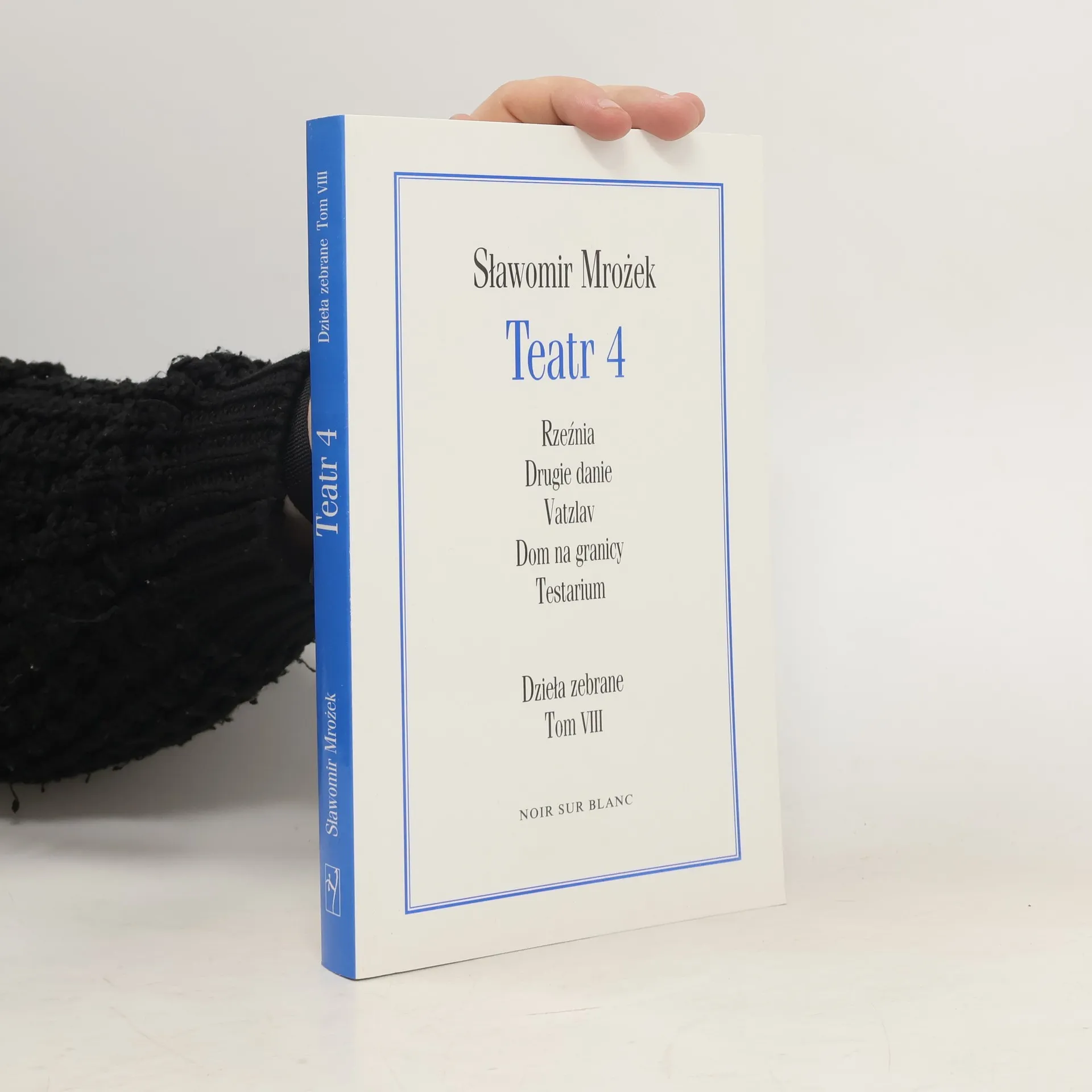
Teatr 4 - Rzeźnia, Drugie danie, Vatzlav, Dom na granicy, Testarium
Dzieła zebrane, Tom VIII
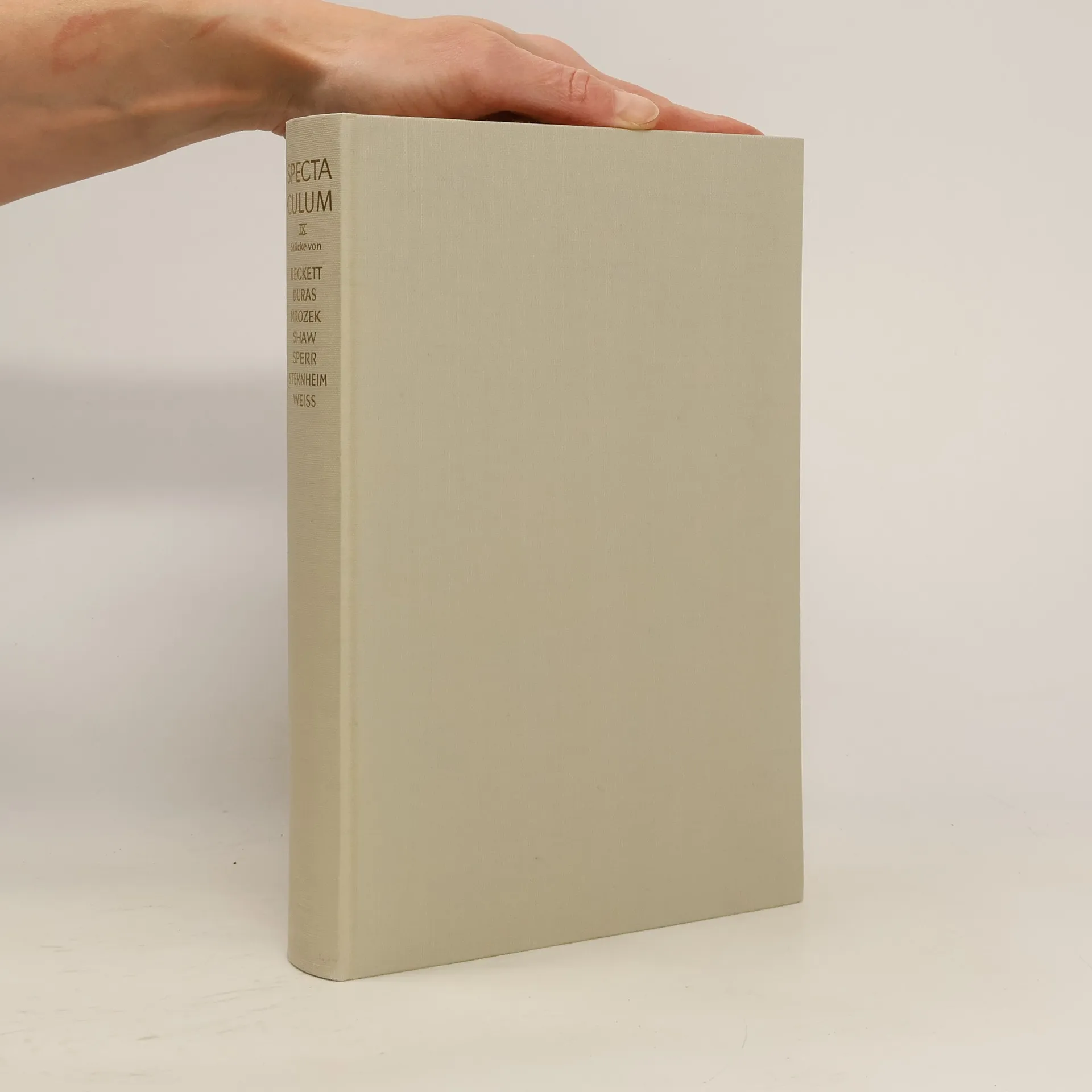
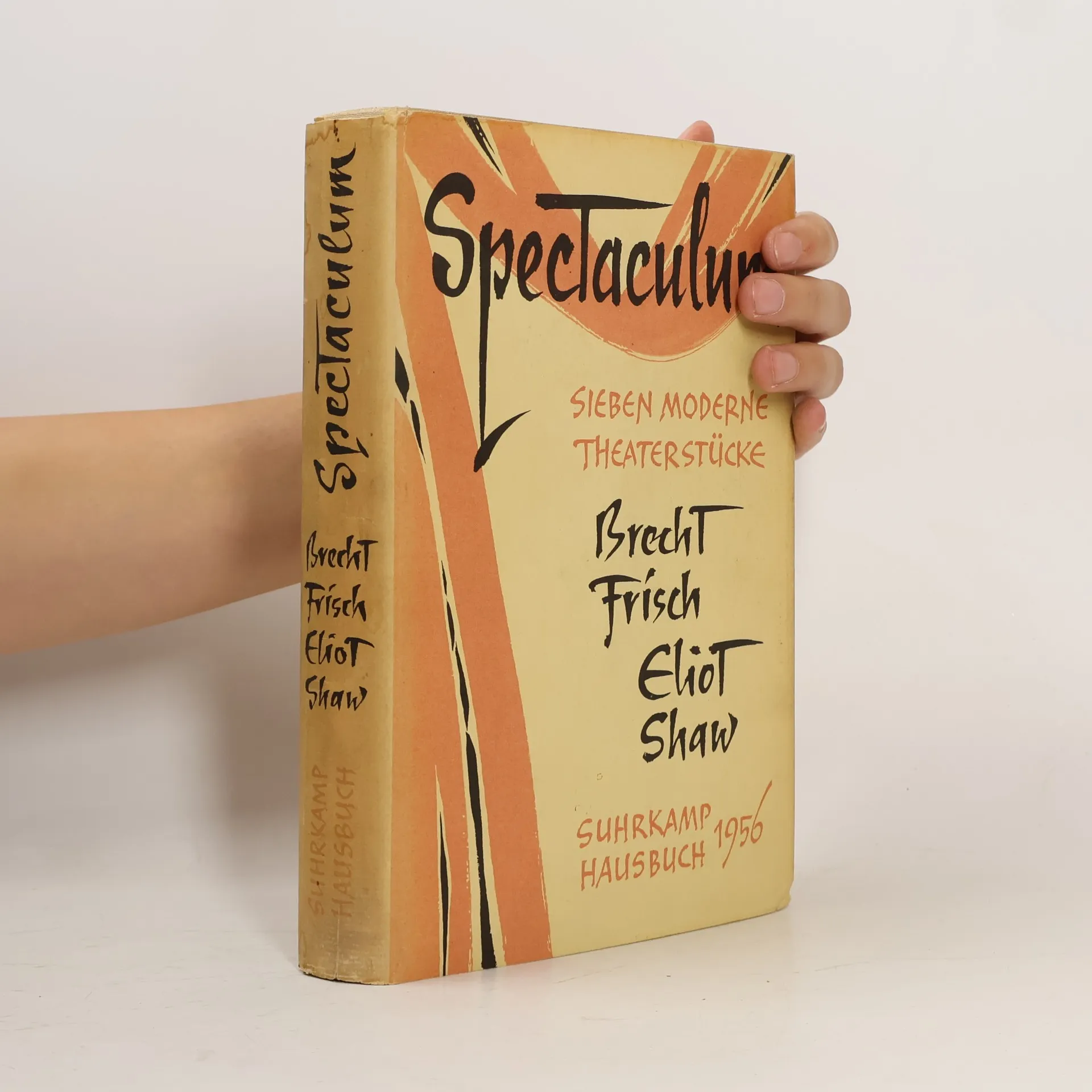
Spectaculum IX
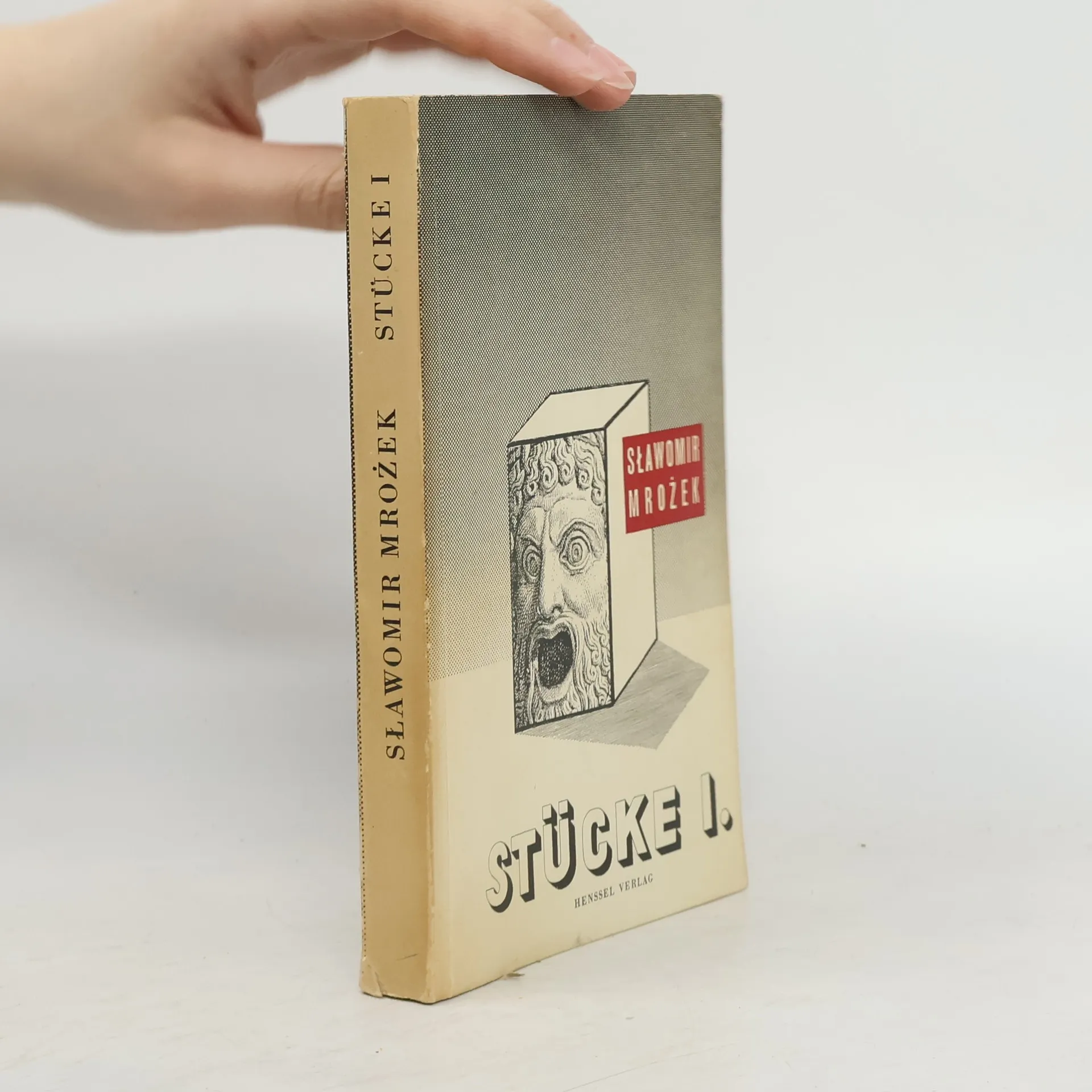
Sieben moderne Theaterstücke. Kommen und Gehen. Ganze Tage in den Bäumen. Tango. O'Flaherty. Ein Aufruf zum Wehrdienst. Jagdszenen aus Niederbayern. Bürger Schippel. Die Verfolgung und Ermordung Jean Paul Marats dargestellt durch die Schauspielgruppe des Hospizes zu Charenton unter Anleitung des Herrn de Sade
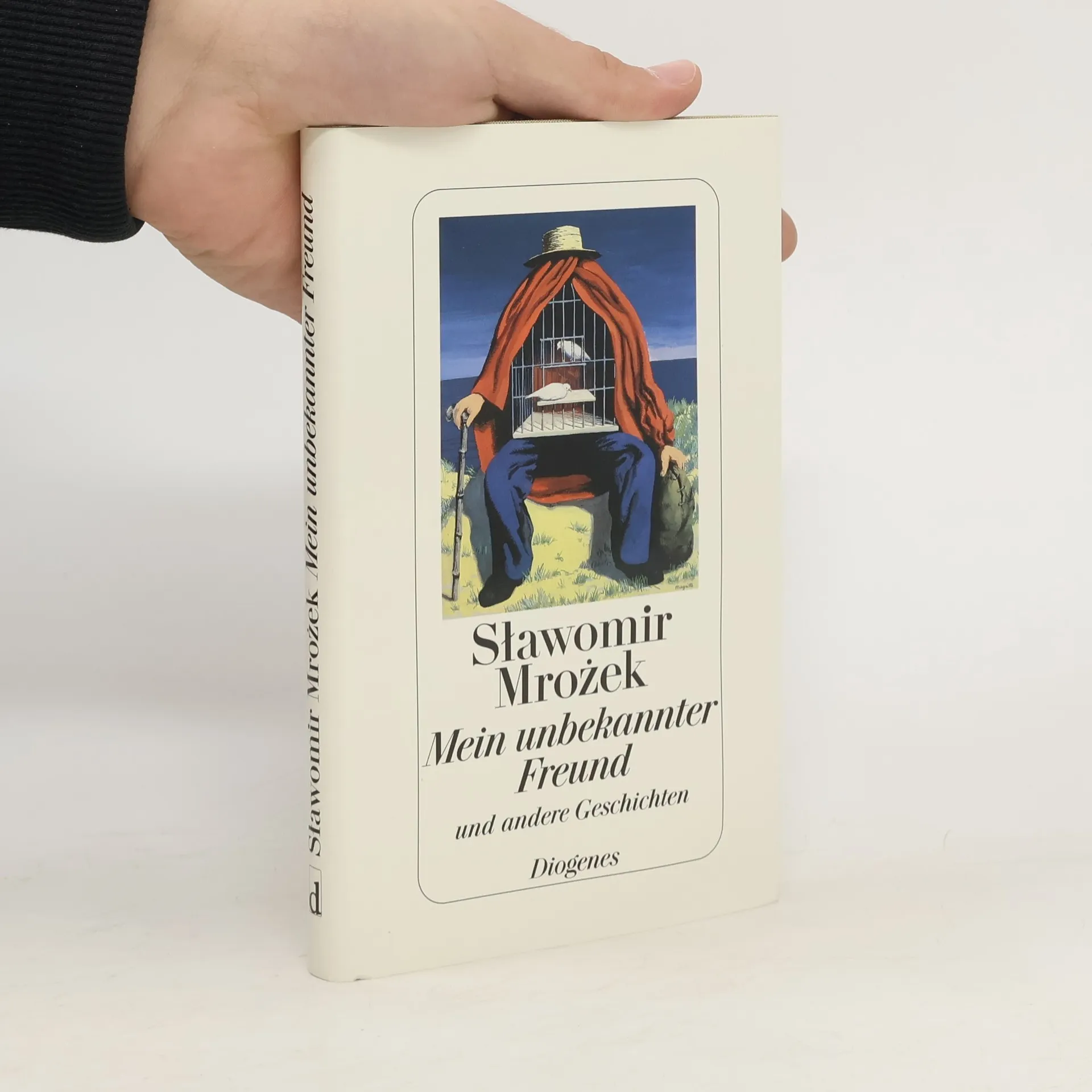
Mein Unbekannter Freund
- 178 pages
- 7 hours of reading
Nicht jedes in bester Absicht überreichte Geschenk löst ungetrübte Freude beim Empfänger aus. Ein leibhaftiger Affe zum Beispiel kann ungeheure Probleme aufwerfen, vor allem dann, wenn er ein diplomatisches Geschenk ist und nicht einfach in den Zoo abgeschoben werden kann ... Plauderei über die neueste Geschichte ist eine von siebenunddreißig witzigen, das Absurde im Alltag aufspürenden Kurzgeschichten. Da agieren Fuchs und Hahn als Fabelwesen, Pfarrer und Teufel paktieren miteinander, Märchenfiguren werden in die rauhe Wirklichkeit geschubst. Und immer garantieren Einfallsreichtum und hintersinniger Humor ein amüsantes, aber auch nachdenklich stimmendes Lesevergnügen.
Die Geheimnisse des Jenseits und andere Geschichten
- 248 pages
- 9 hours of reading
»Mrozek verzerrt, verfremdet, steigert Szenerie, Handlung, Figuren ins Absurde. Doch ist solche Absurdität keinesfalls nur auf das Politische beschränkt, reicht vielmehr ins Existentielle hinein. Dabei gewinnt sie, wie seine Erzählanthologie aus den Jahren 19861990 ( Die Geheimnisse des Jenseits) beweist, geradezu beckettsche Qualität.«
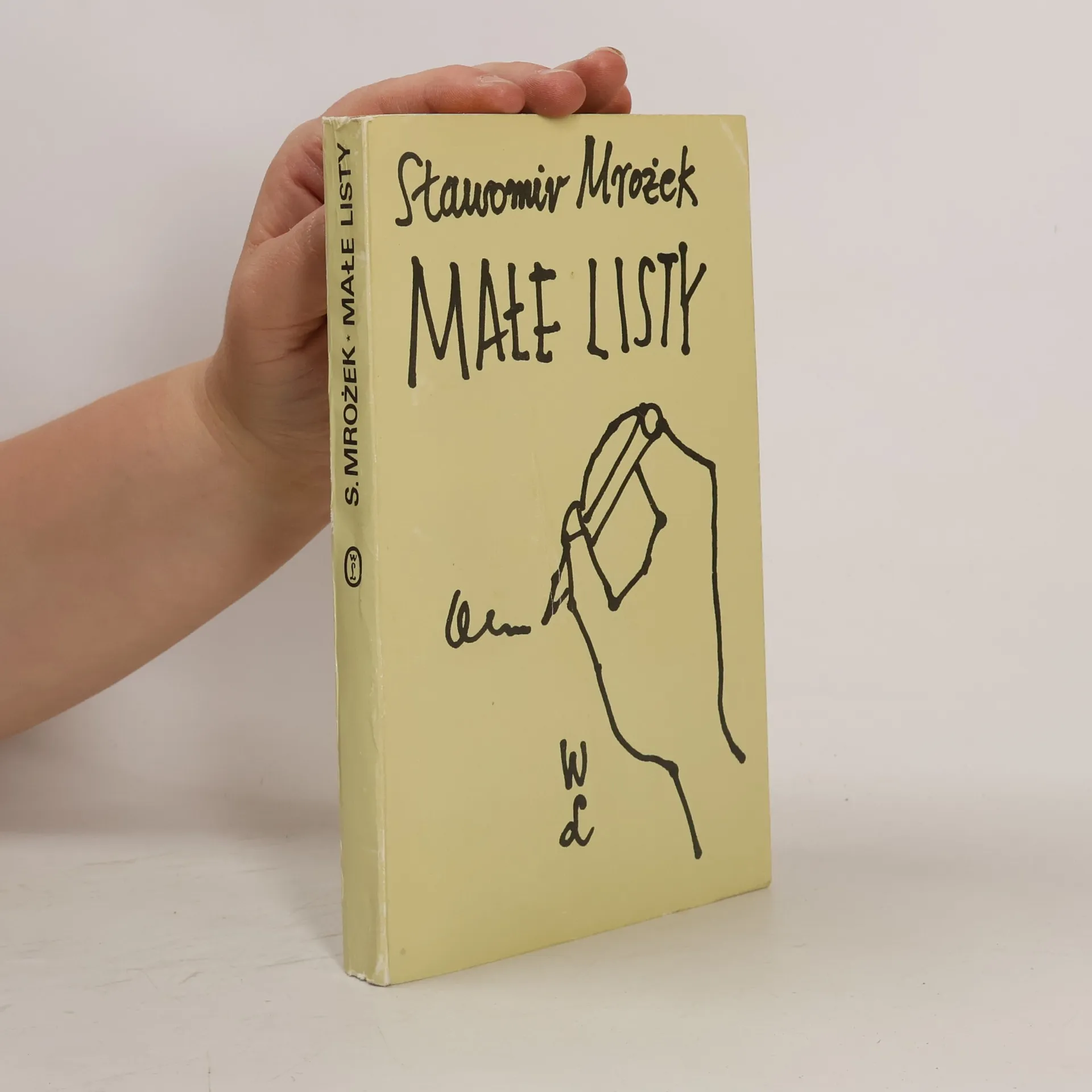
Małe listy
- 251 pages
- 9 hours of reading
„Zamysł autora wydaje się jasny: we właściwy sobie, groteskowo-ironiczny sposób pokazać w wielkim skrócie i swoiście podsumować jeden z największych koszmarów XX wieku, jakim był rosyjski ekspansjonistyczny komunizm, i spróbować odpowiedzieć na pytanie, co było jego źródłem i siłą napędową, i co ostatecznie przyczyniło się do jego upadku. […] Na dramat można więc spojrzeć jako na próbę rozliczenia się – w imieniu całego XX wieku – ze zbrodnią i traumą, jaką przyniósł ów «najbardziej postępowy i sprawiedliwy ustrój w dziejach ludzkości».Diagnoza Mrożka nie jest oczywista, a tym bardziej jednoznaczna, niemniej podstawowe intuicje i przekonania są wyraźne”.Fragment wstępu Antoniego Libery Dziś, gdy widmo tych imperialnych ambicji ponownie zawisło nad Europą, obserwacje Mrożka – dotyczące zarówno Rosji, jak i Rosjan – są wyjątkowo aktualne. Dlatego też, oddajemy w ręce Czytelników nowe wydanie dramatu opatrzone przedmową Antoniego Libery, mając nadzieję, że w mrożkowskich oparach absurdu znajdą zarówno ucieczkę od rzeczywistości, jak też pomoc w jej oswojeniu.
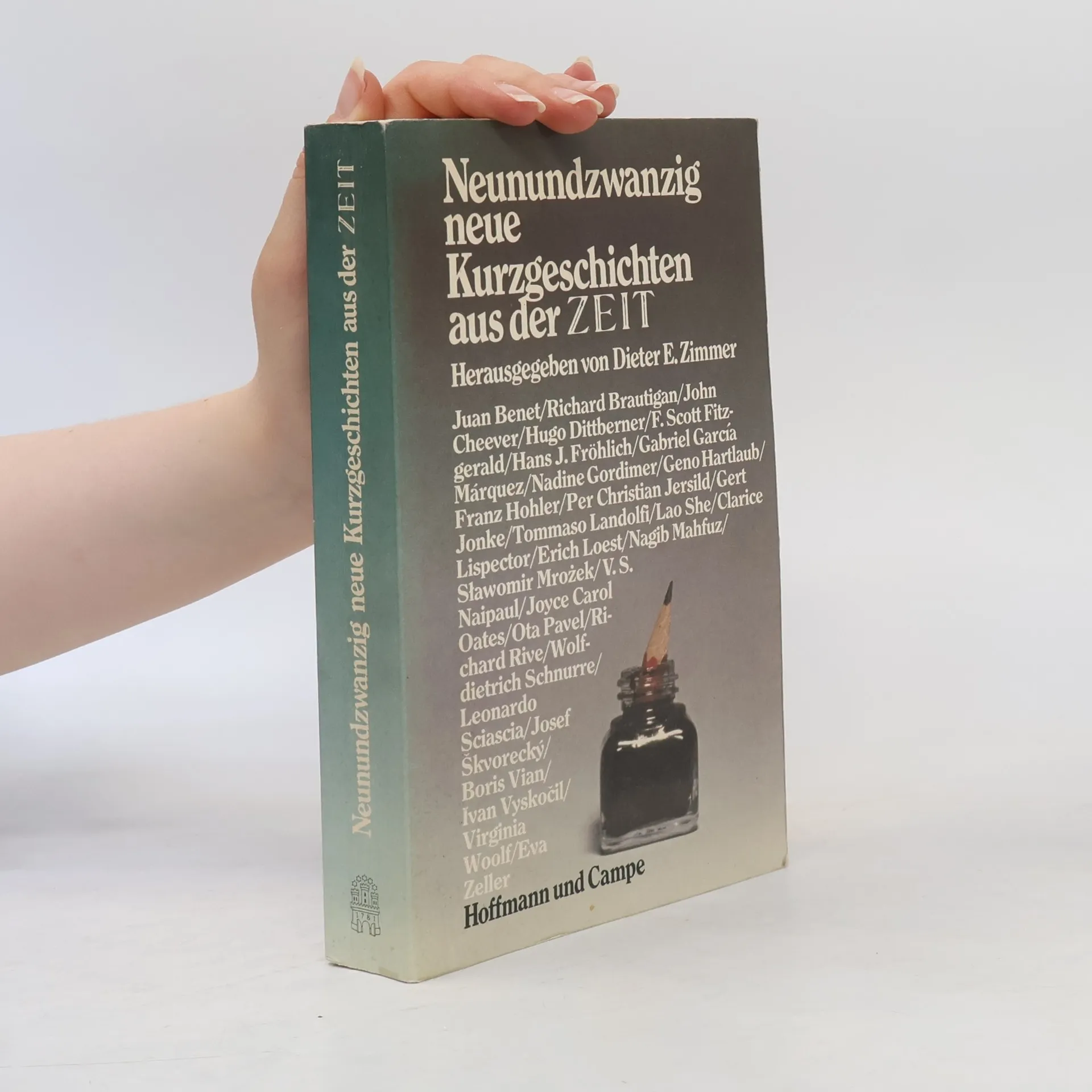
Neunundzwanzig neue Kurzgeschichten aus der ZEIT
- 356 pages
- 13 hours of reading
German (translation)
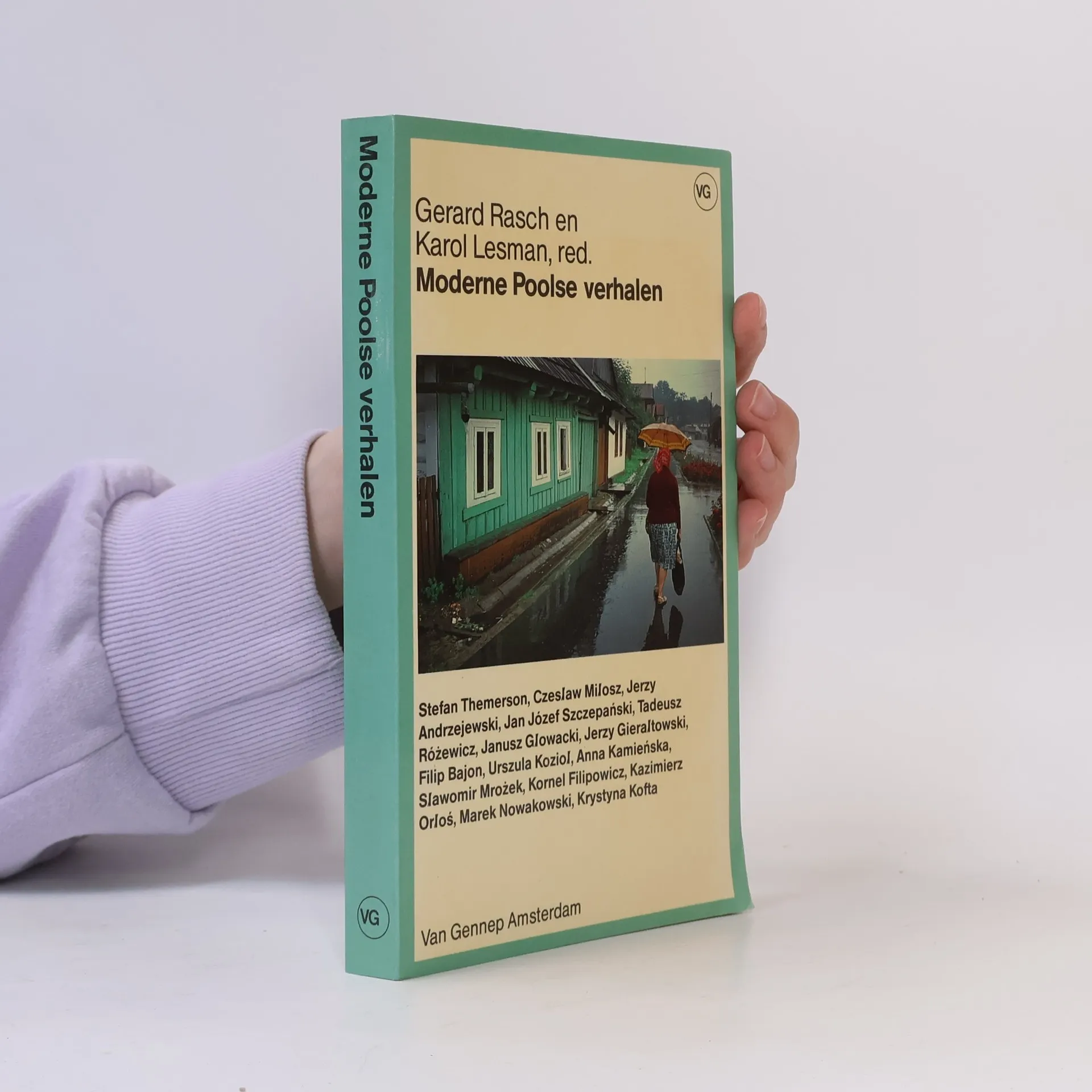
Moderne Poolse verhalen
- 169 pages
- 6 hours of reading
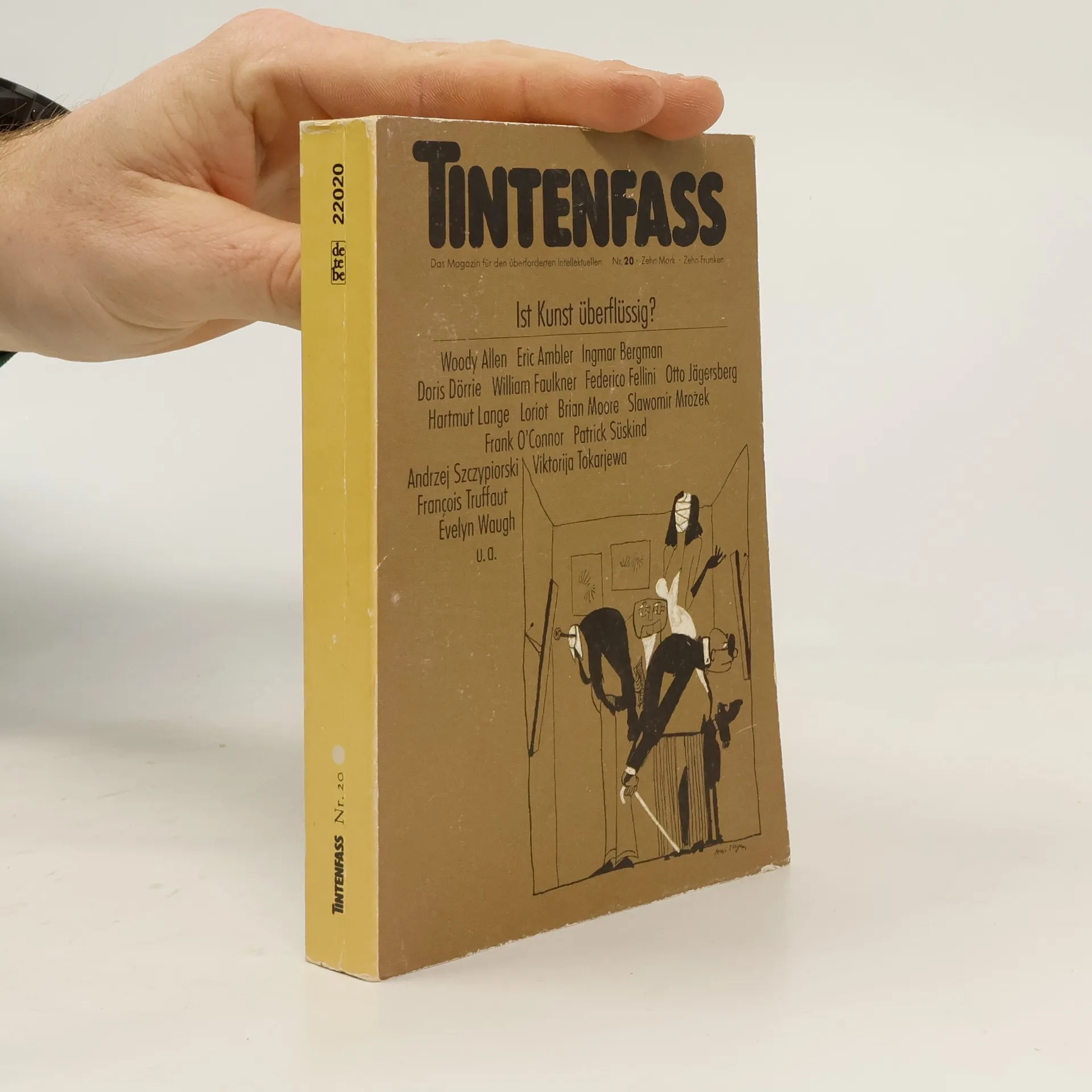
Tintenfass
Das Magazin für den überforderten Intellektuellen - Ist Kunst überflüssig?
- 353 pages
- 13 hours of reading
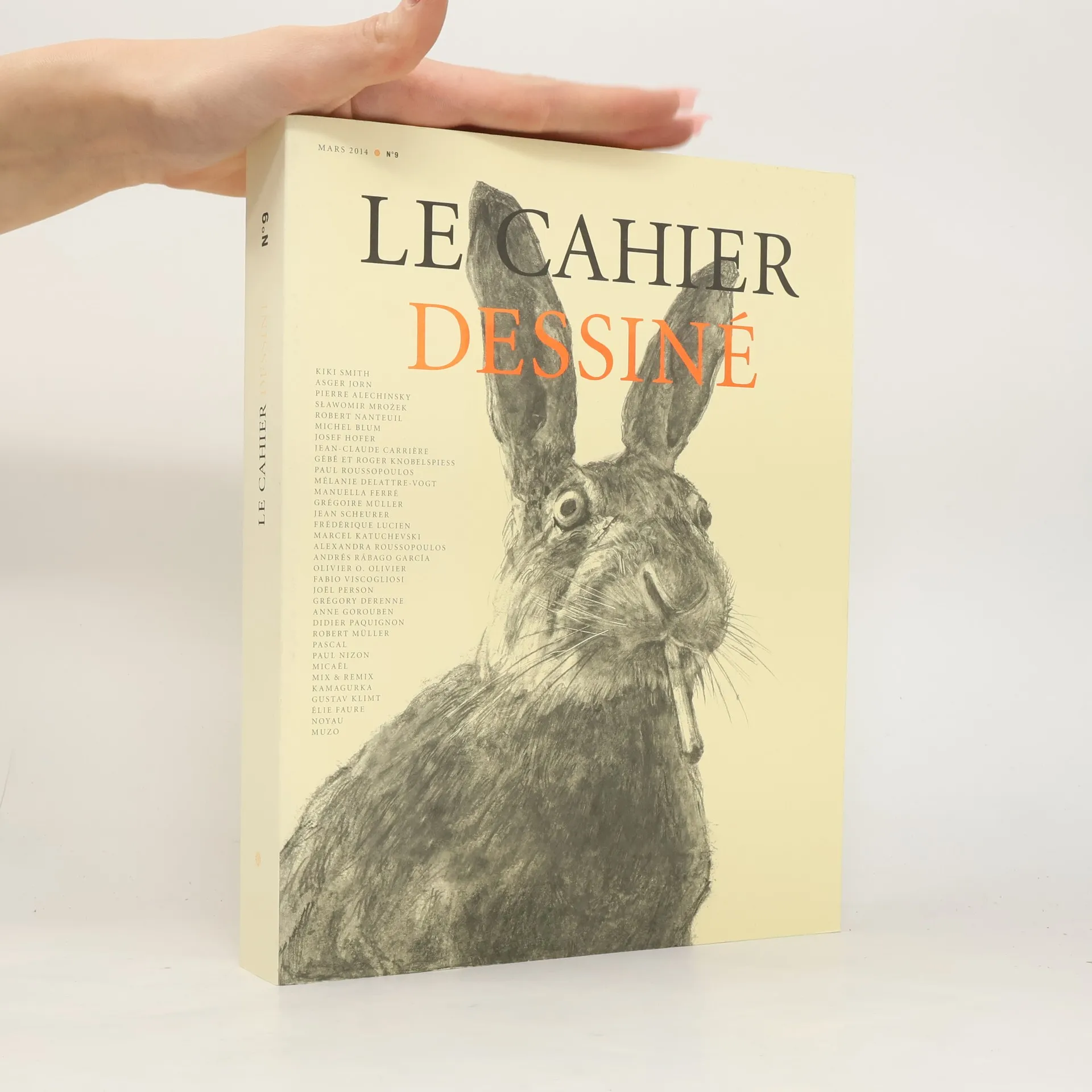
Le cahier dessiné N° 9, mars 2014
- 330 pages
- 12 hours of reading
Le loup de Kiki Smith tient un gant rouge entre les dents ; Pierre Alechinsky repense les images du penseur qu'Asger Jorn avait collectées ; Paul Roussopoulos, mathématicien et physicien, dessine ses peintures à l'aide d'un clou ; des gens anonymes se reconnaissent dans des portraits imaginaires et troublants peints par Kamagurka... La peinture se mêle au dessin qui se mêle et se heurte à la sculpture ou à l'installation, dans un jeu de hasard et de rigueur, de gravité et d'humour. Paul Nizon, Delfeil de Ton, Rainer Michael Mason, Roger Knobelspiess, Caroline Lamarche, Hector Obalk, chacun dans son art, participent à ce joyeux éclectisme où se devine un ordre secret. Plus que le talent et la virtuosité, ce Cahier propose un vaste état des lieux de la surprise.
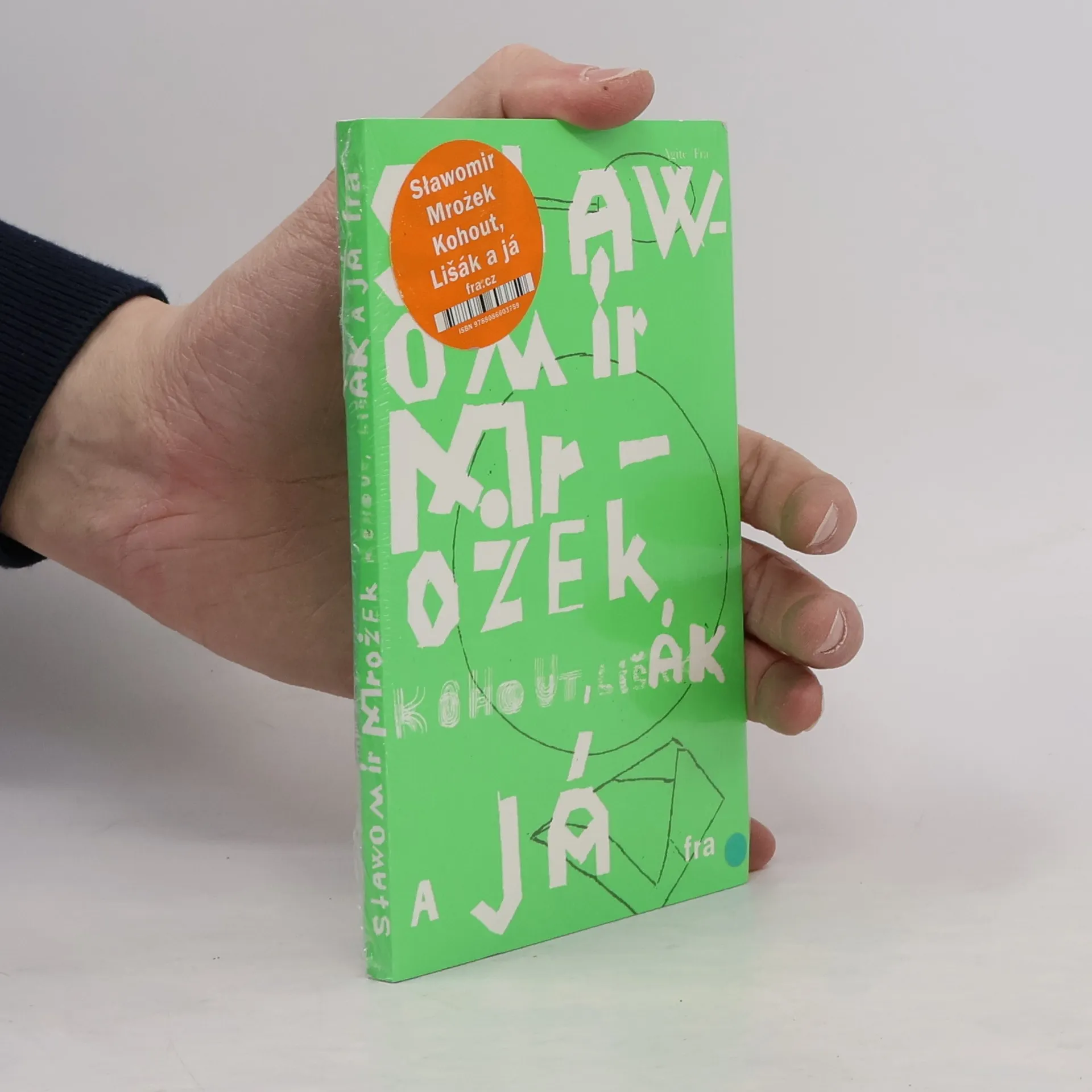
Kohout, Lišák a já
- 154 pages
- 6 hours of reading
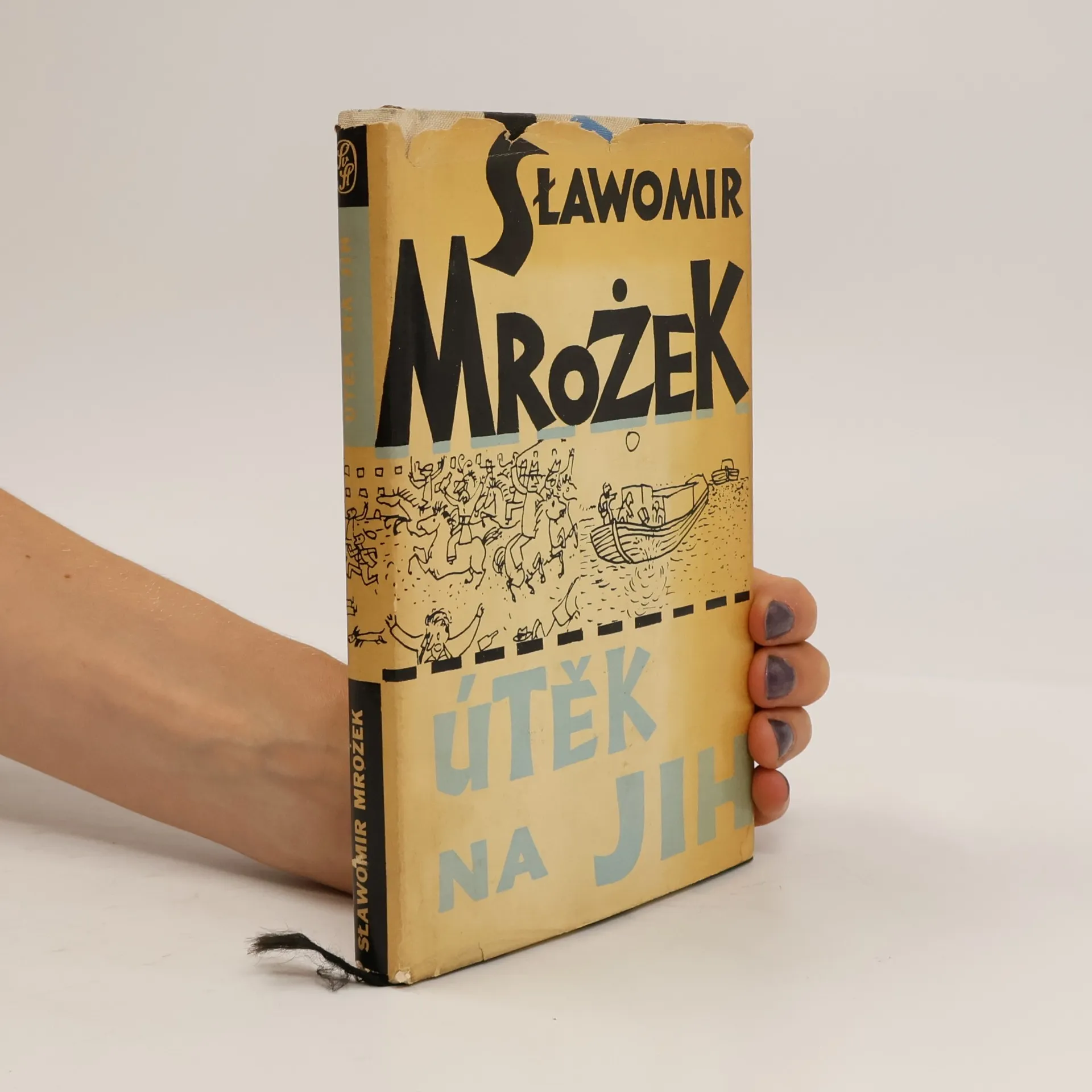
Soubor dosud do češtiny nepřeložených povídek od jednoho z nejznámějších polských spisovatelů a dramatiků. Stát se světoobčanem (včetně světového úspěchu dramatické tvorby, např. hry Tango a Emigranti) a přitom zůstat nevyléčitelně polský. Umět vlastní rukou ilustrovat parodický on the road román na každé stránce brilantní kresbou (román Útěk na jih). Odhalit ve svém časopise Hlasatel pokroku, že v polské vesnici Dolnoluhy navštěvuje základní školu Adolf Hitler, který se tam rafinovaně ukryl po svém útěku z dobytého Berlína. Vymyslet svépomocné družstvo, které posílá zákazníkům alkoholiky, aby lidé nepili sami. Vymyslet kočičku, která na sebe bere majitelovy hříchy. Nechat důchodce štrikovat transparenty na Prvního máje.
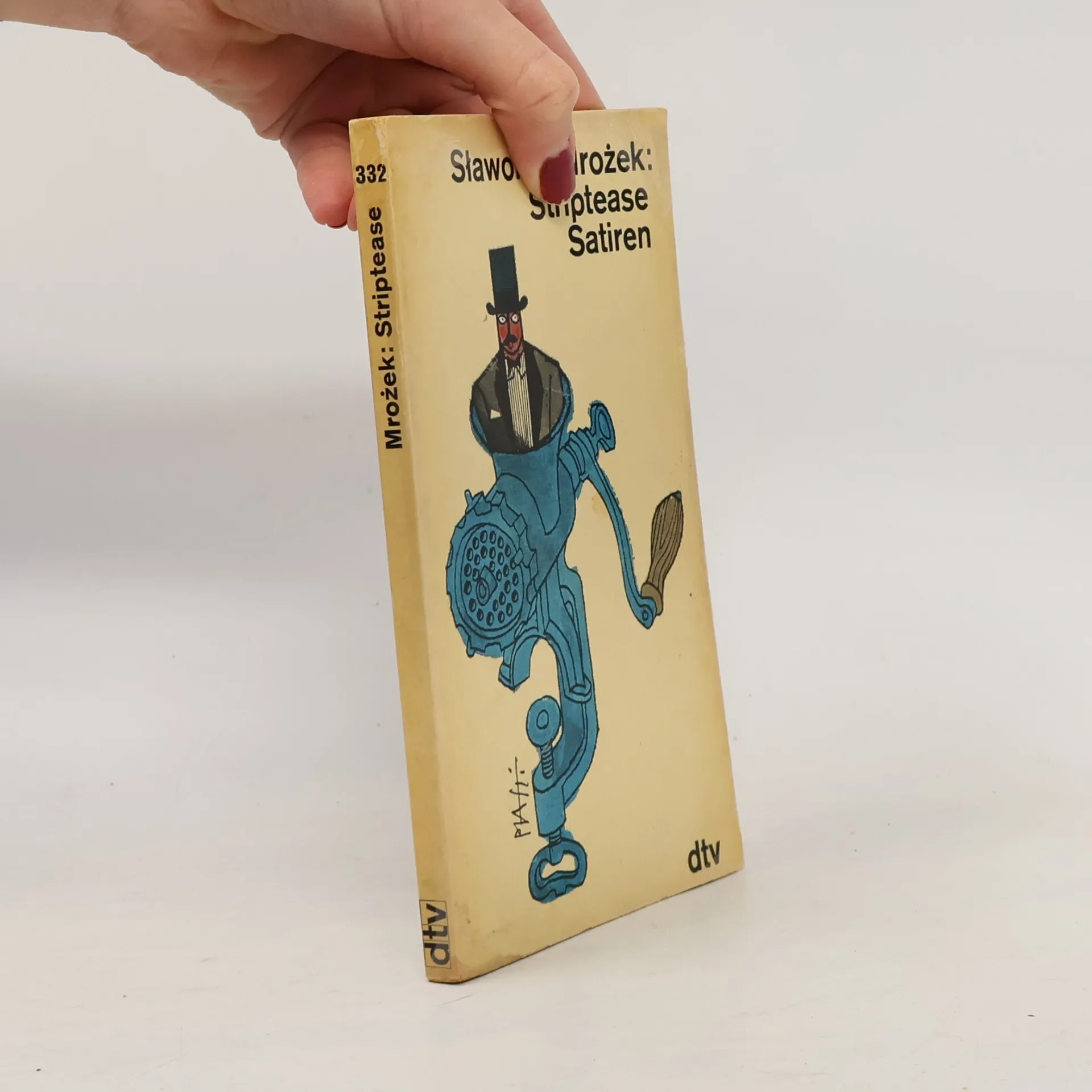
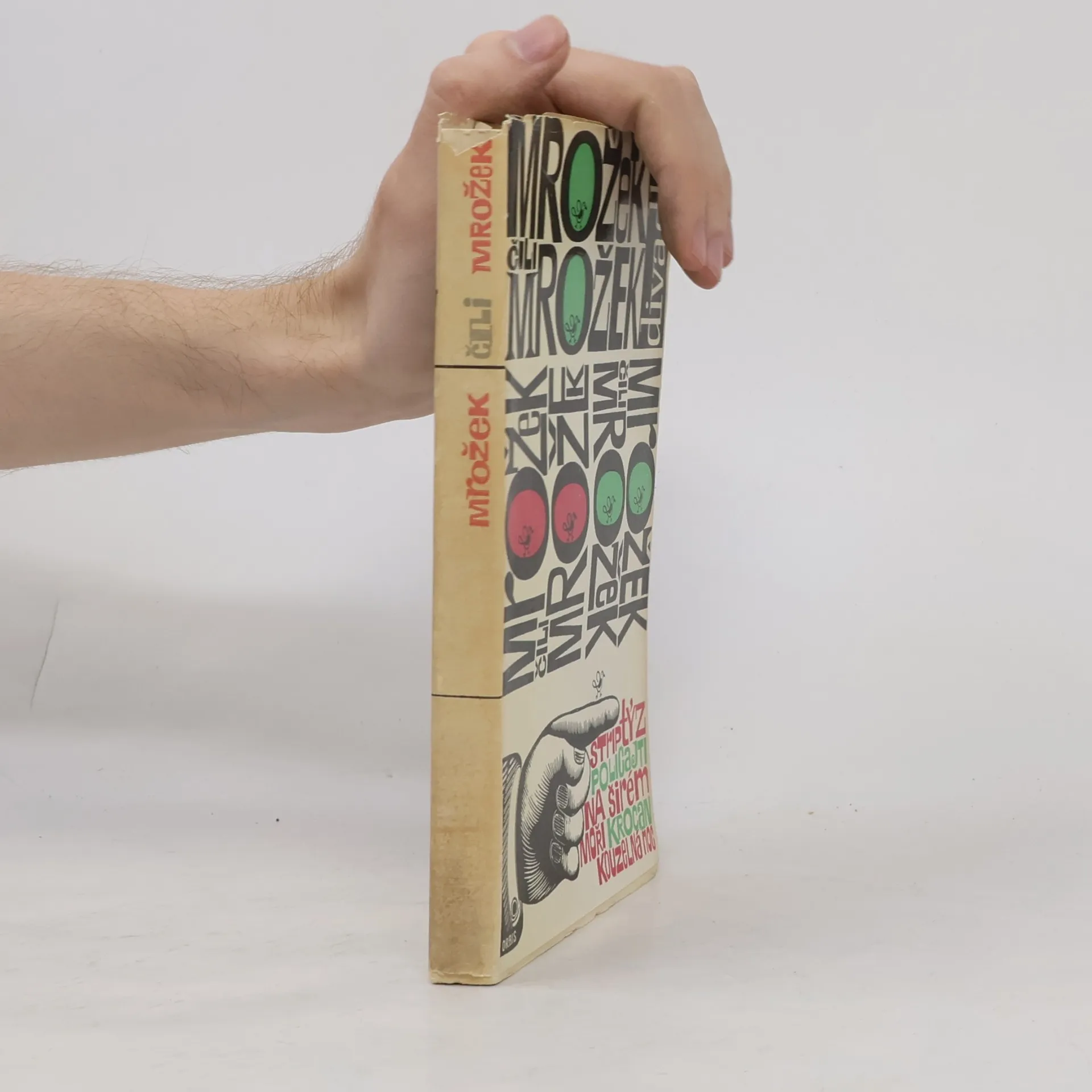
Sborník pěti her Sławomira Mrożka: Policajti (1958) — Krocan (1960) — Striptýz (1961) — Kouzelná noc (1963) — Na širém moři (1961). Sborník sestavil a doslov napsal Aleš Fuchs.
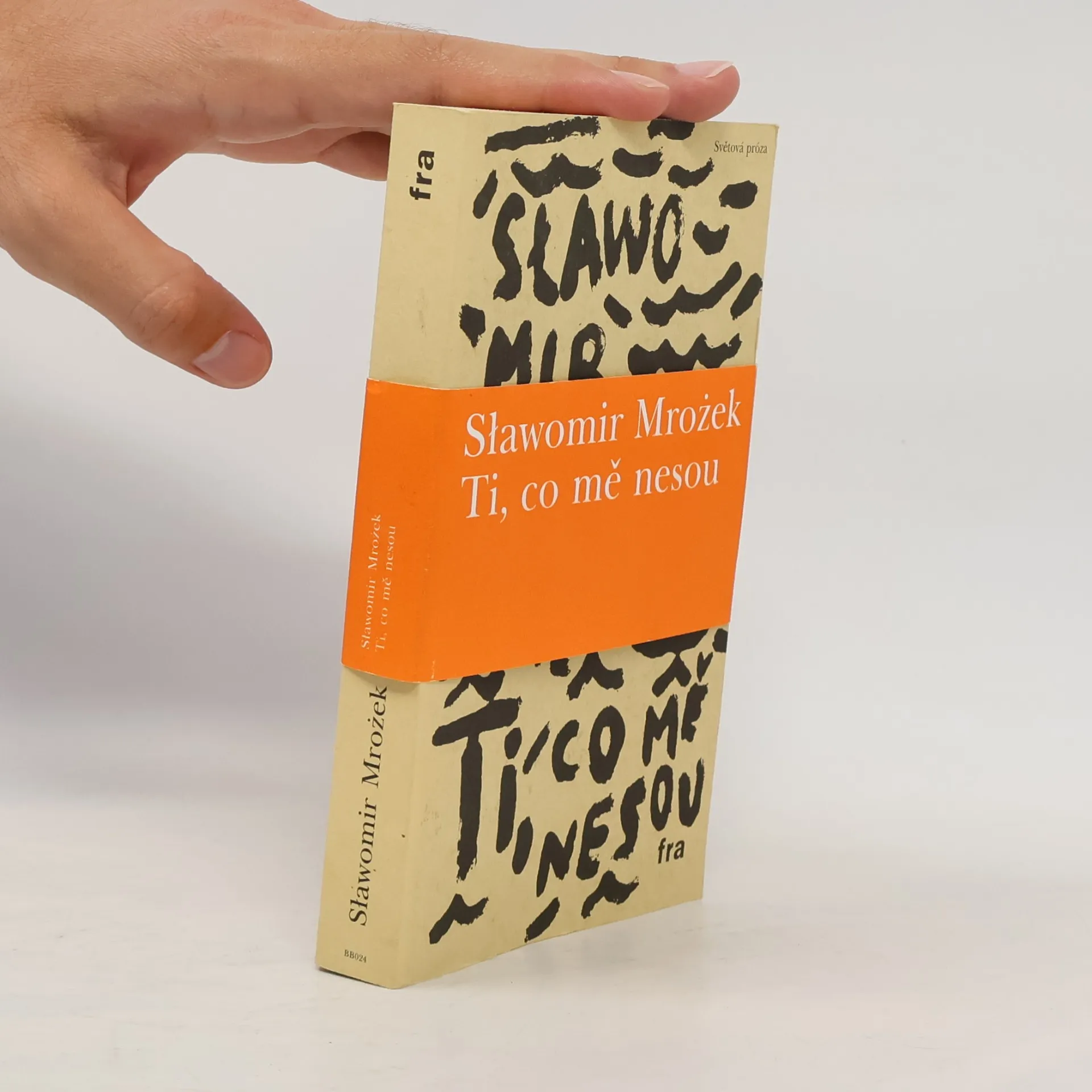
Ti, co mě nesou
- 308 pages
- 11 hours of reading
Výbor povídek od jednoho z nejznámějších polských spisovatelů a dramatiků.
Průřez prozaickou tvorbou polského spisovatele a dramatika od počátků 50. do 90. let. Jeho groteskně satirické povídky se vysmívají literárním konvencím a stereotypům, varují před hloupostí, násilím a totalitou.
Šťastná událost
- 60 pages
- 3 hours of reading
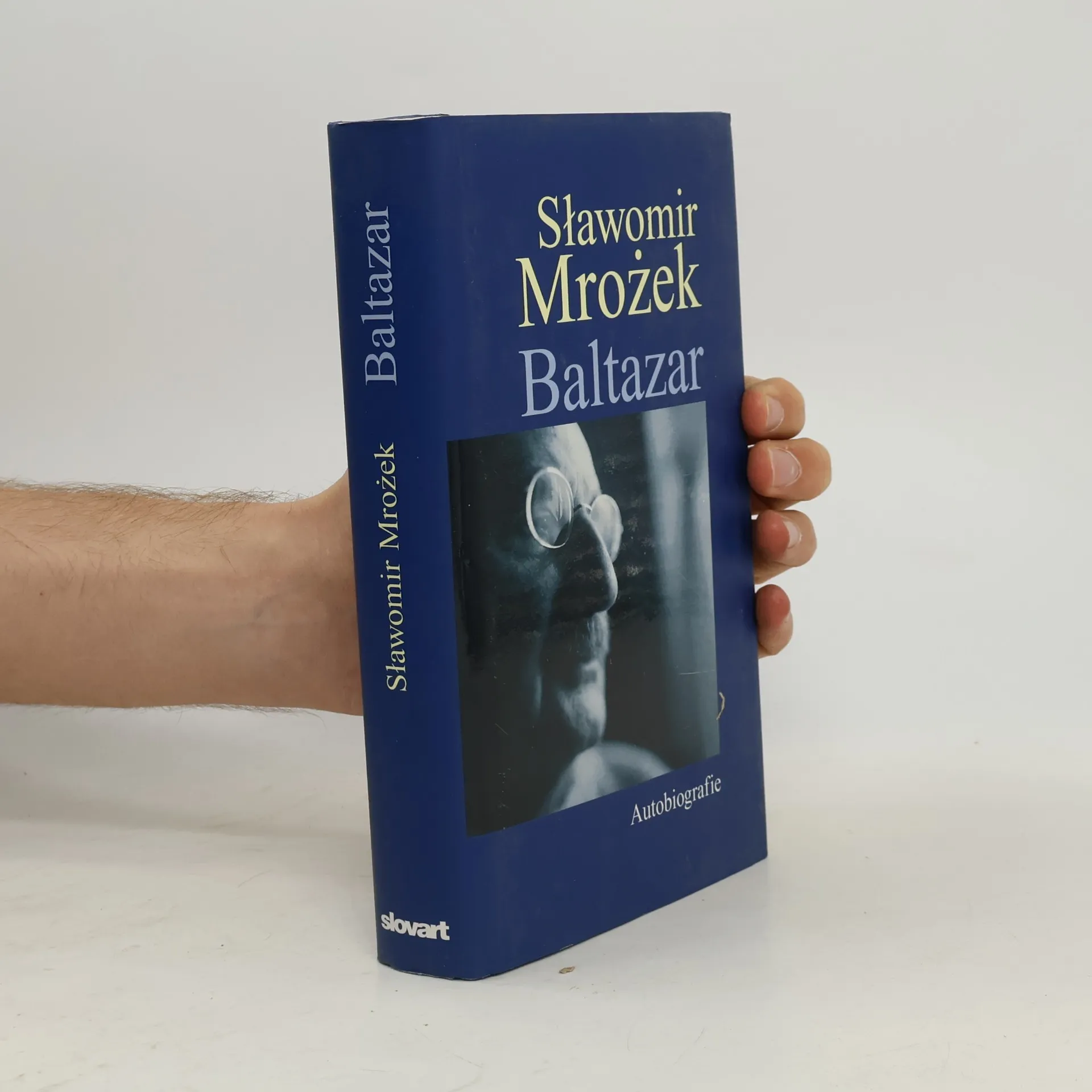
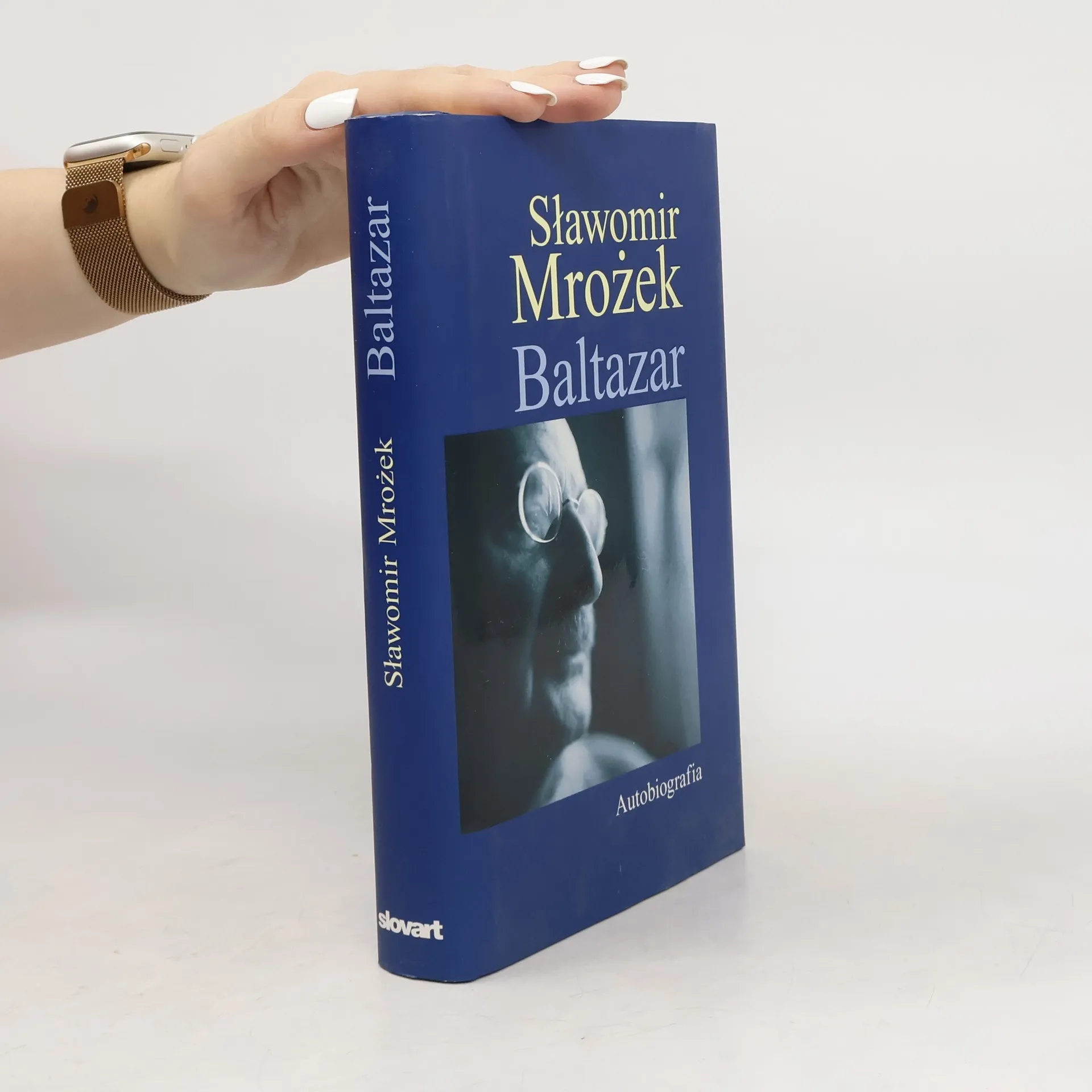
Baltazar : autobiografie
- 251 pages
- 9 hours of reading
Sławomir Mrożek v úvodu a v závěru své knihy informuje čtenáře, že do psaní vzpomínek se pustil z terapeutických důvodů. Šlo o to, aby pomocí metodického prohlubování pamětí a přenášení zážitků, obrazů a myšlenek, které jsou v ní uloženy, na papír přemohl afázii (ztrátu schopnosti užívat jazyk v mluvené i psané podobě), která ho postihla po prodělané mrtvici. V posledních větách knihy spisovatel děkuje svým lékařům a opatrovníkům za pomoc při rekonvalescenci a dodává, že výsledky této práce chce věnovat „všem lidem postiženým afázií“. Doufá, že jim kniha pomůže při překonávání jejich důsledků. Baltazar alias Mrożek v této knize provádí bilanci svého života („sčítá“) a hodnotí sama sebe („váží“). Poněvadž nemá žádné království a nemá co dělit, dělí se o to, co má, tedy o svou moudrost. A ta moudrost říká: to, co nás sceluje, je paměť a řeč. To je jediné království člověka.
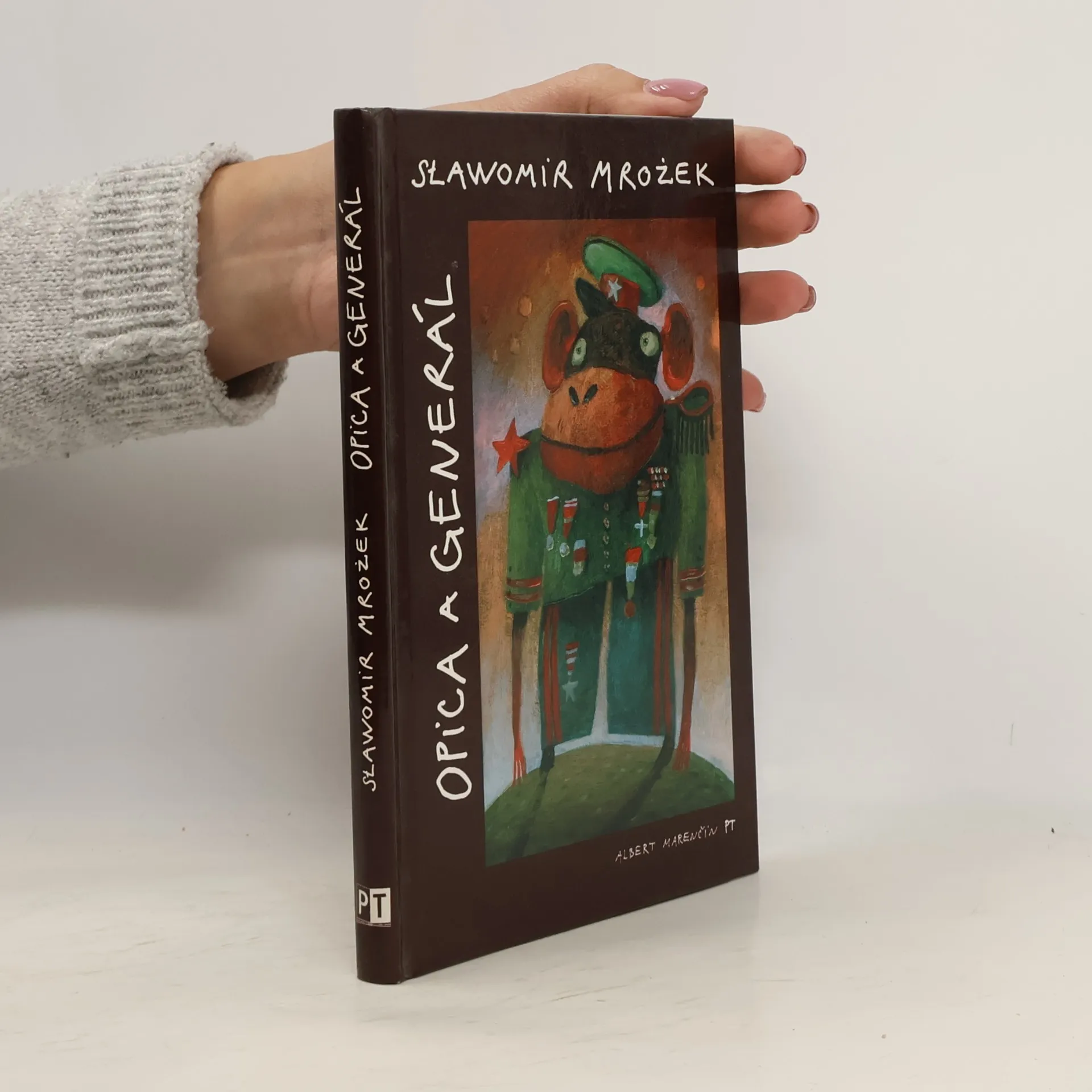
Opica a generál
- 130 pages
- 5 hours of reading
Výber humoristických poviedok spisovateľa a dramatika Slawomira Mrožeka z posledných päťdesiatich rokov nastavuje často krivé, groteskné až absurdné zrkadlo dobe, v ktorej sme žili. Je to o Poľsku, o socializme, ale ako hovorí Alfred Jarry – odohráva sa to v Poľsku – nikde, teda všade.
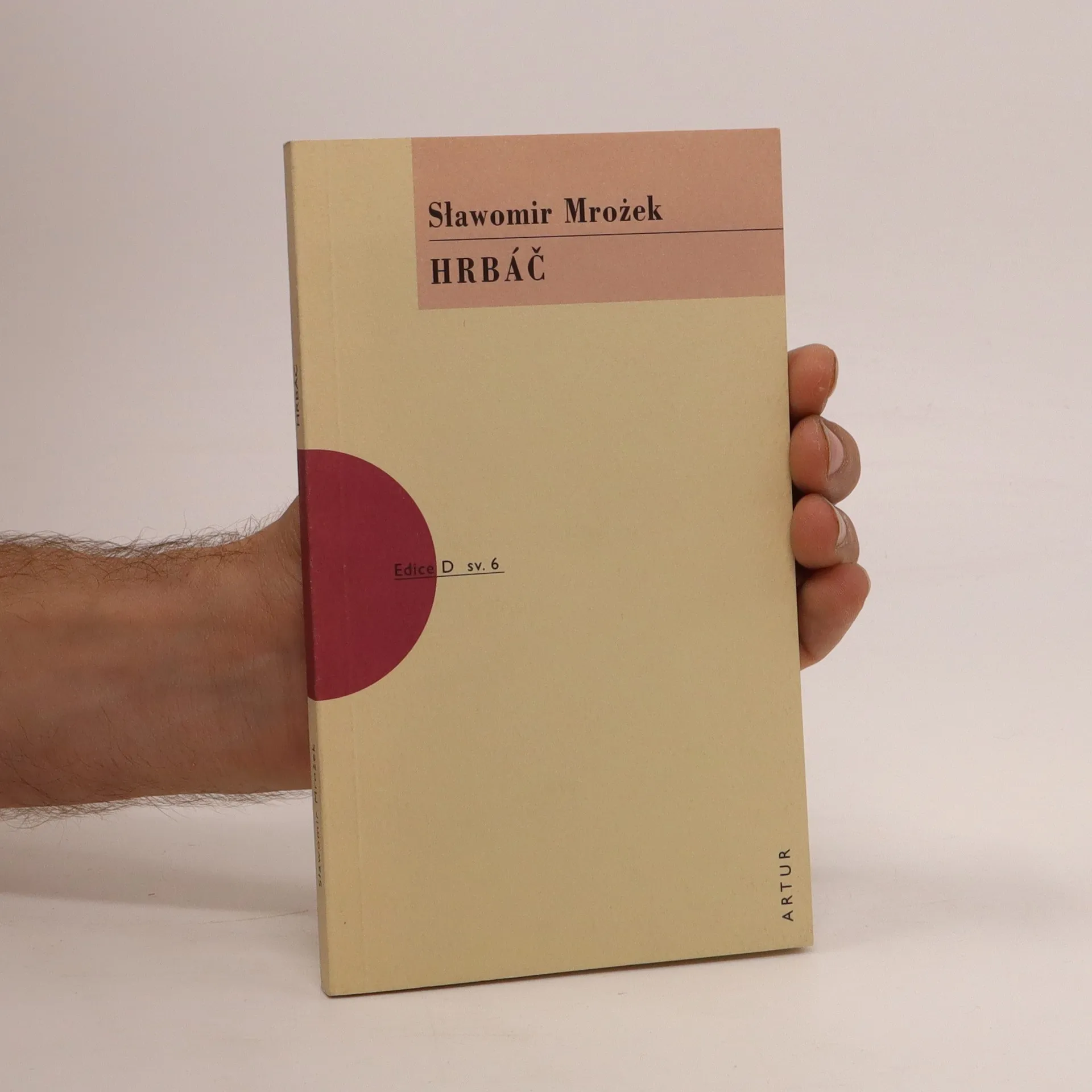
Komedie známého polského autora překvapí svou aktuálností. S vtipem a sarkasmem zpracovává témata jako je xenofobide, arogance, moc, terorismus, ale také láska a tajemno. ISBN 80-86216-08-X (soubor, 6 svazků)
Baltazar
- 251 pages
- 9 hours of reading
Výbor povídek z mnohotvárného díla známého satirika, jenž „se stal kritikem a fejetonistou absurdní reality, kterou pomáhá rozleptávat a odstraňovat“. Světovou pozornost a čtenáře si získal svým uměním být v drobném literárním útvaru krajně aktuálním, rozesmát i zároveň říci mnoho vážného na adresu jedince i celé společnosti.
Humoristickosatirický román známého polského autora. Příběh o lidoopu, který se četbou přibližuje člověku, ztrácí typické rysy opice a je tím tak znechucen, že se chce vrátit do džungle. Příběh, jehož hlavním tématem je prohlubující se propast mezi kulturou a společností, mezi lidskostí a lidstvem a mezi civilizací a morálkou.
Velvyslanec
- 86 pages
- 4 hours of reading
Absurdity
- 354 pages
- 13 hours of reading