Explore the latest books of this year!
Bookbot

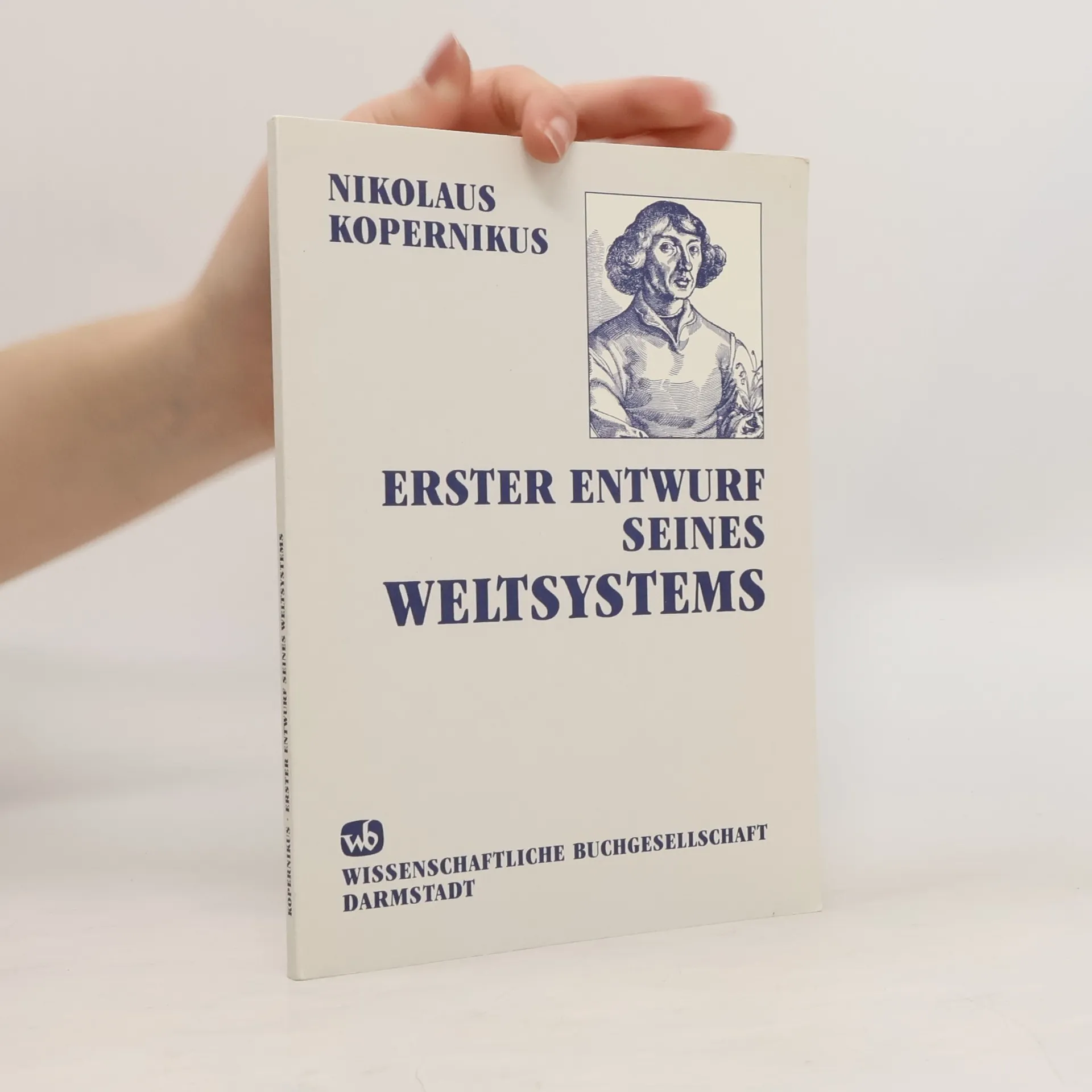
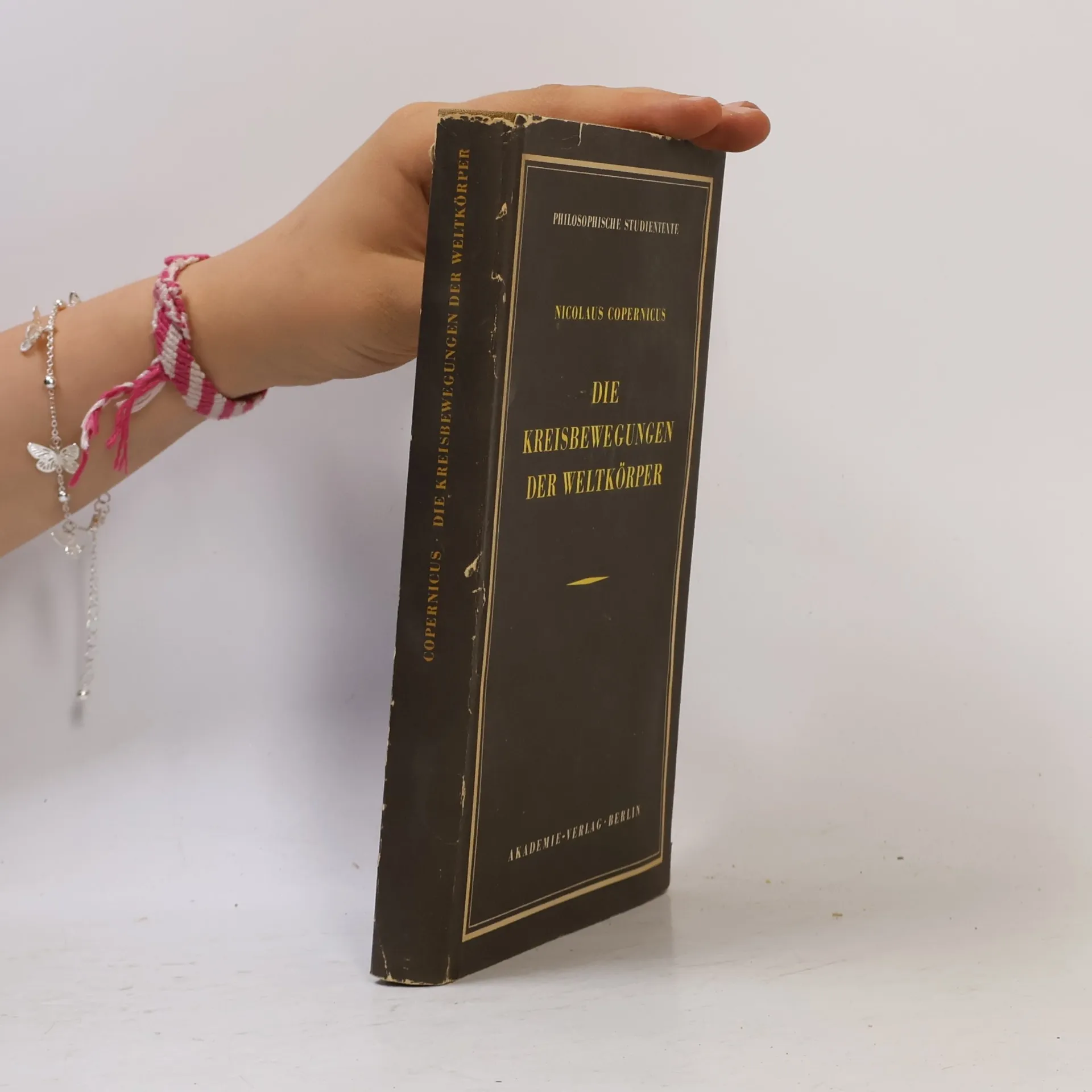
Nikolaus Kopernikus

    February 19, 1473 – May 24, 1543
    Nikolaus Kopernikus
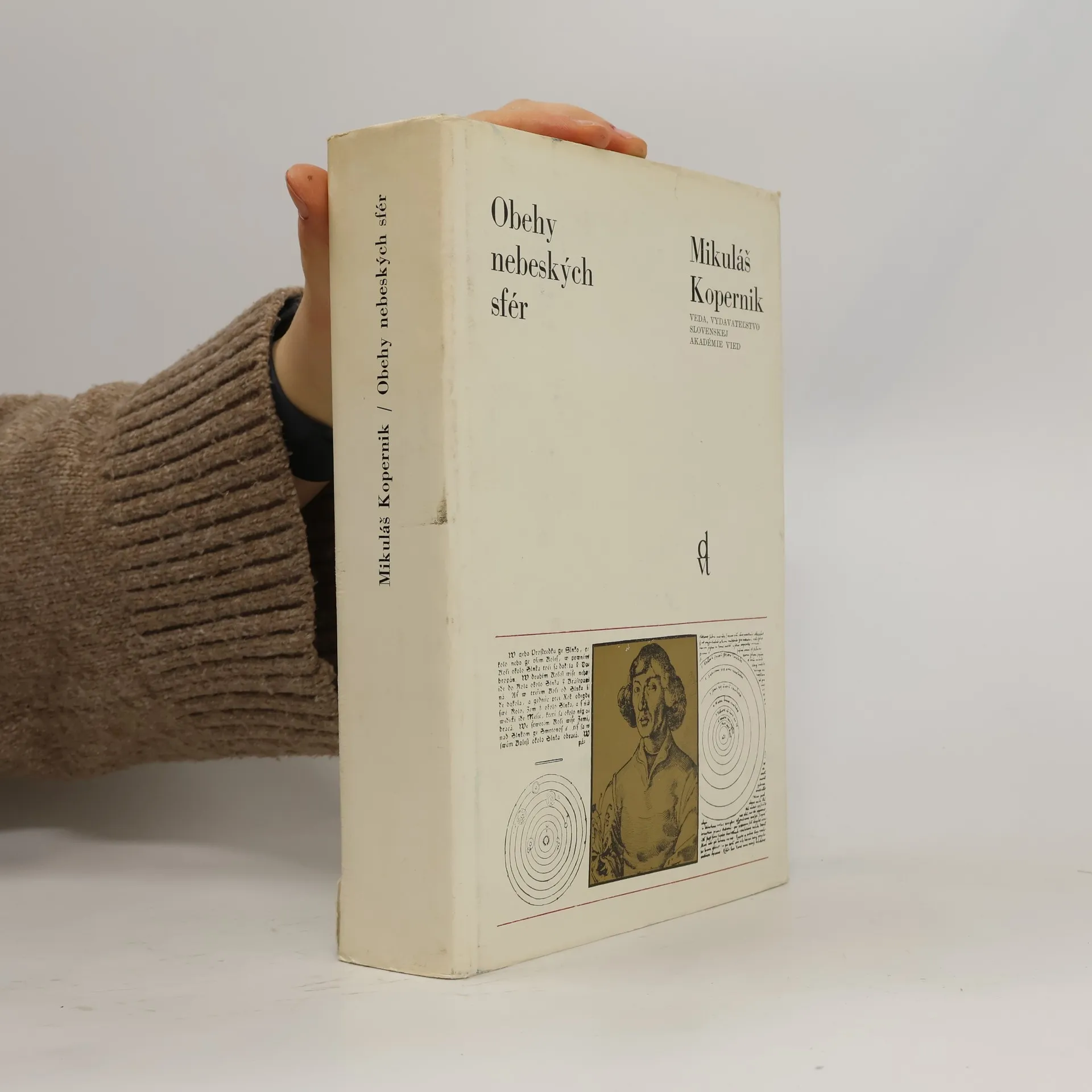
    Opere
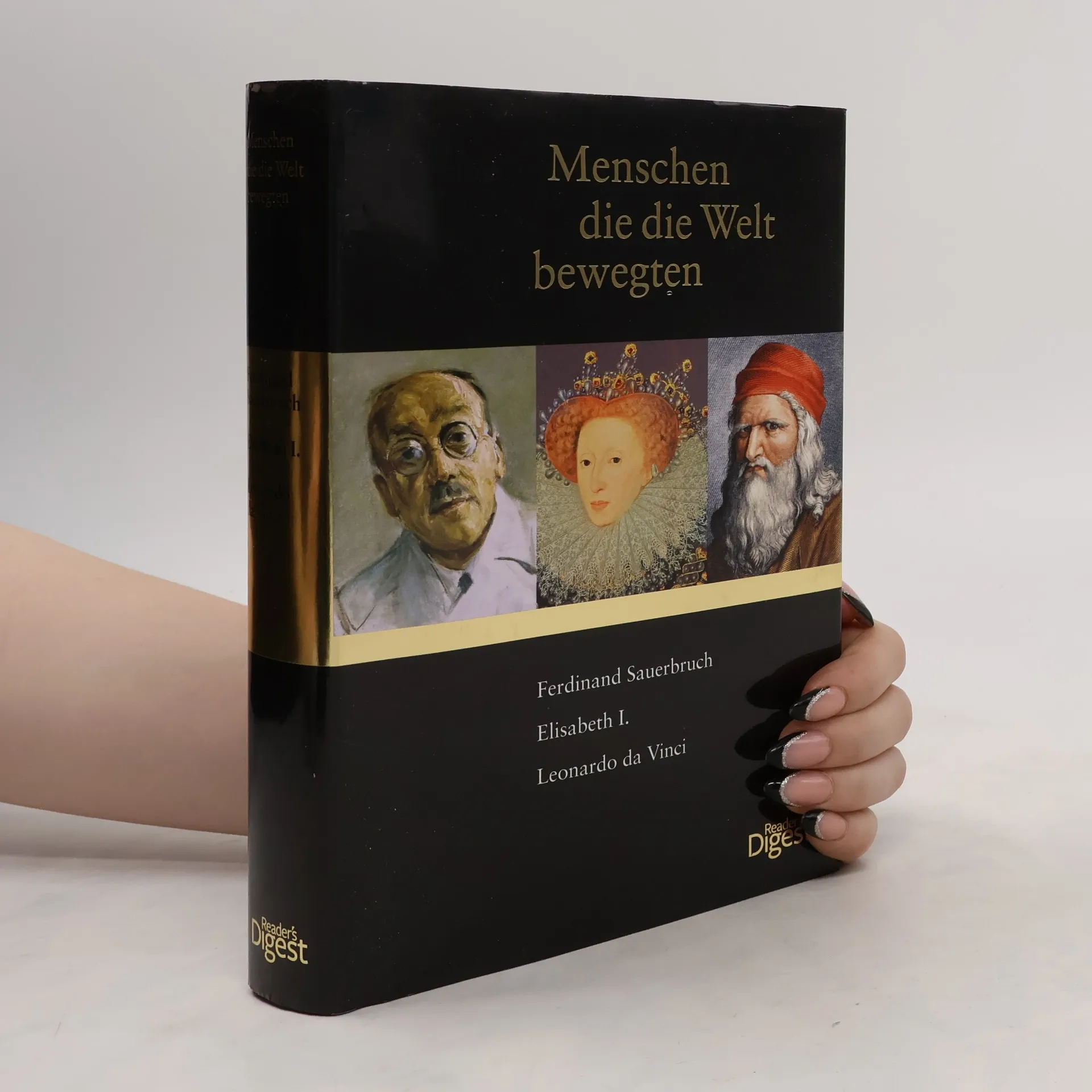
    Menschen die die Welt bewegten
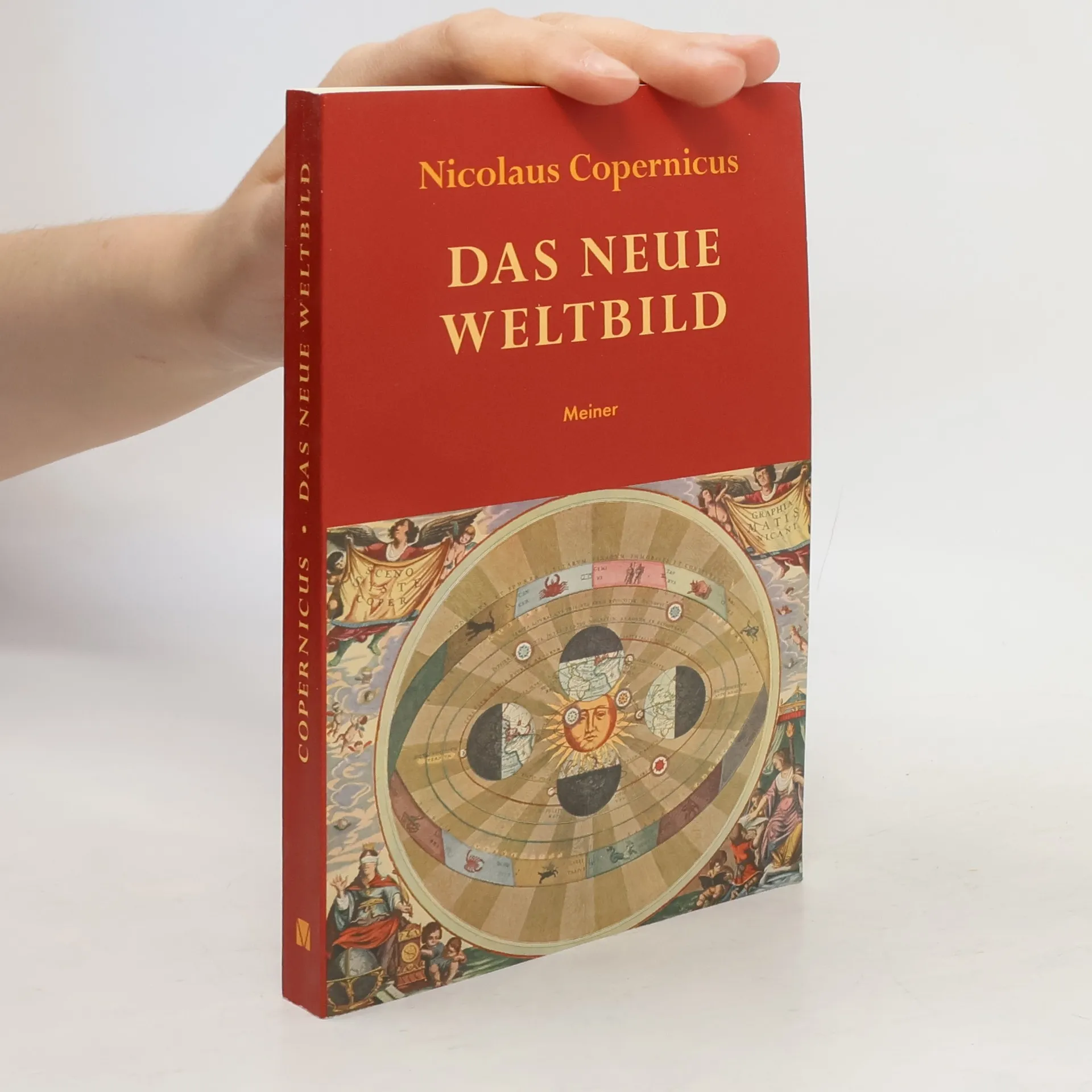
    Das neue Weltbild
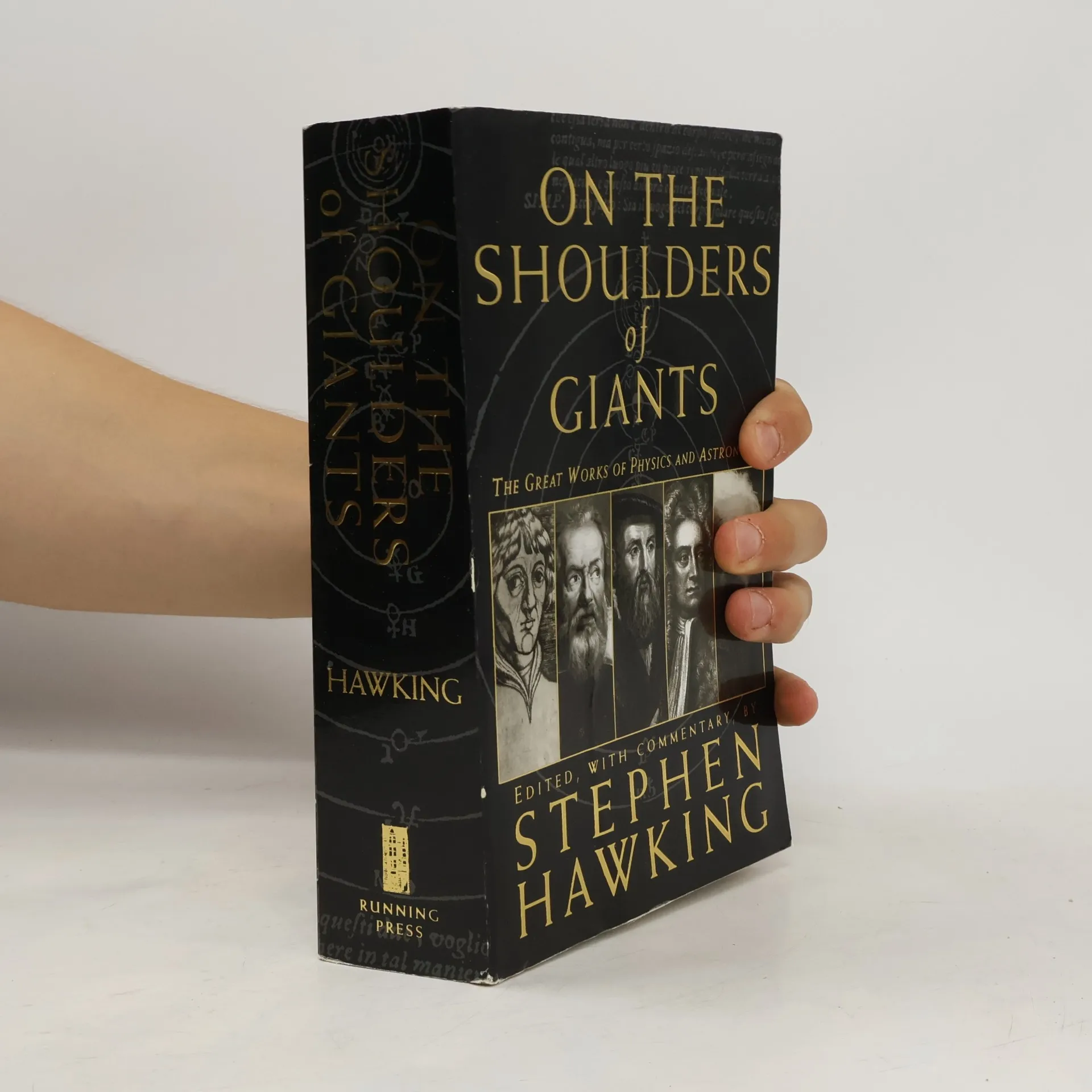
    On the Shoulders of Giants
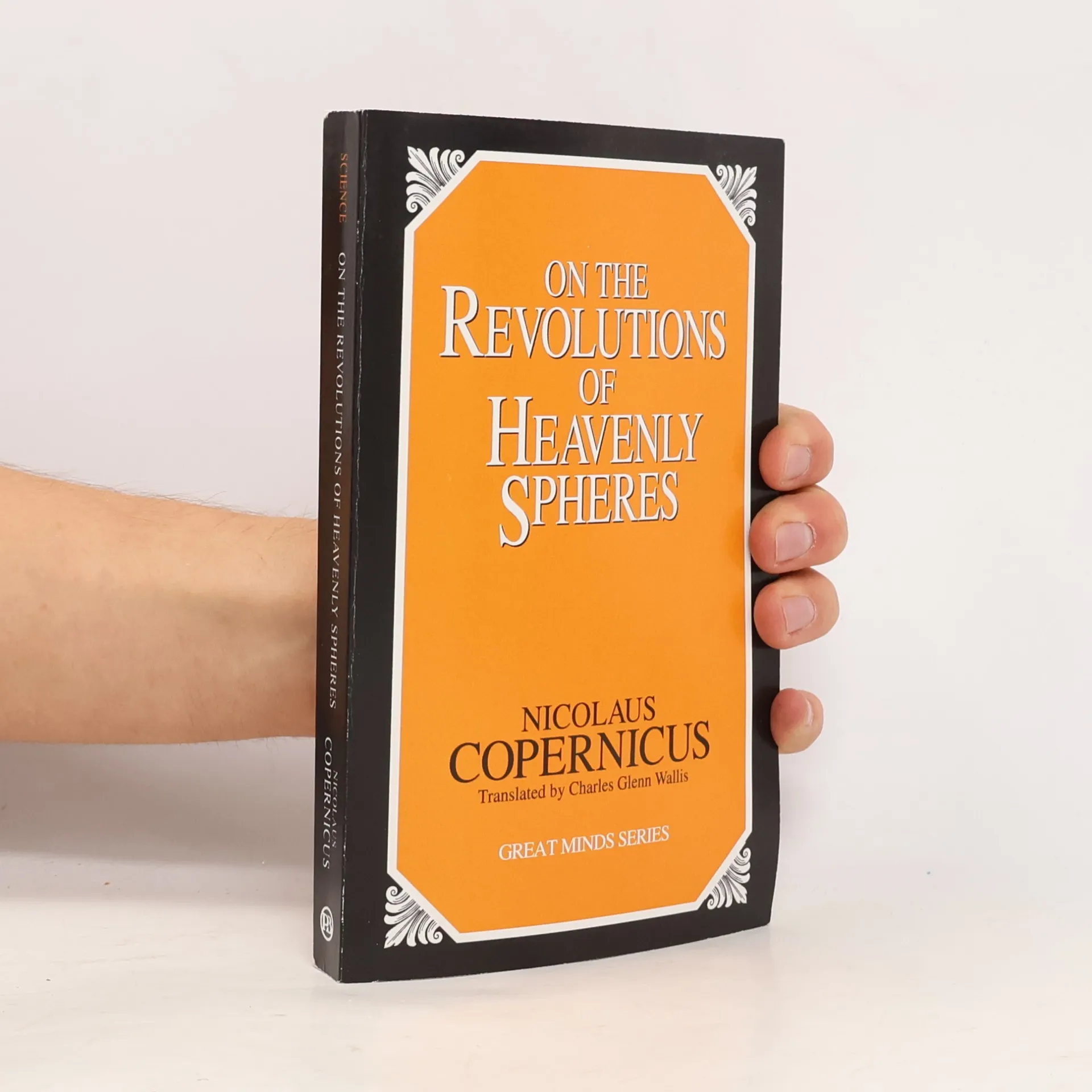
    On the Shoulders of Giants: On the Revolutions of Heavenly Spheres
    The Dawn of Modern Cosmology
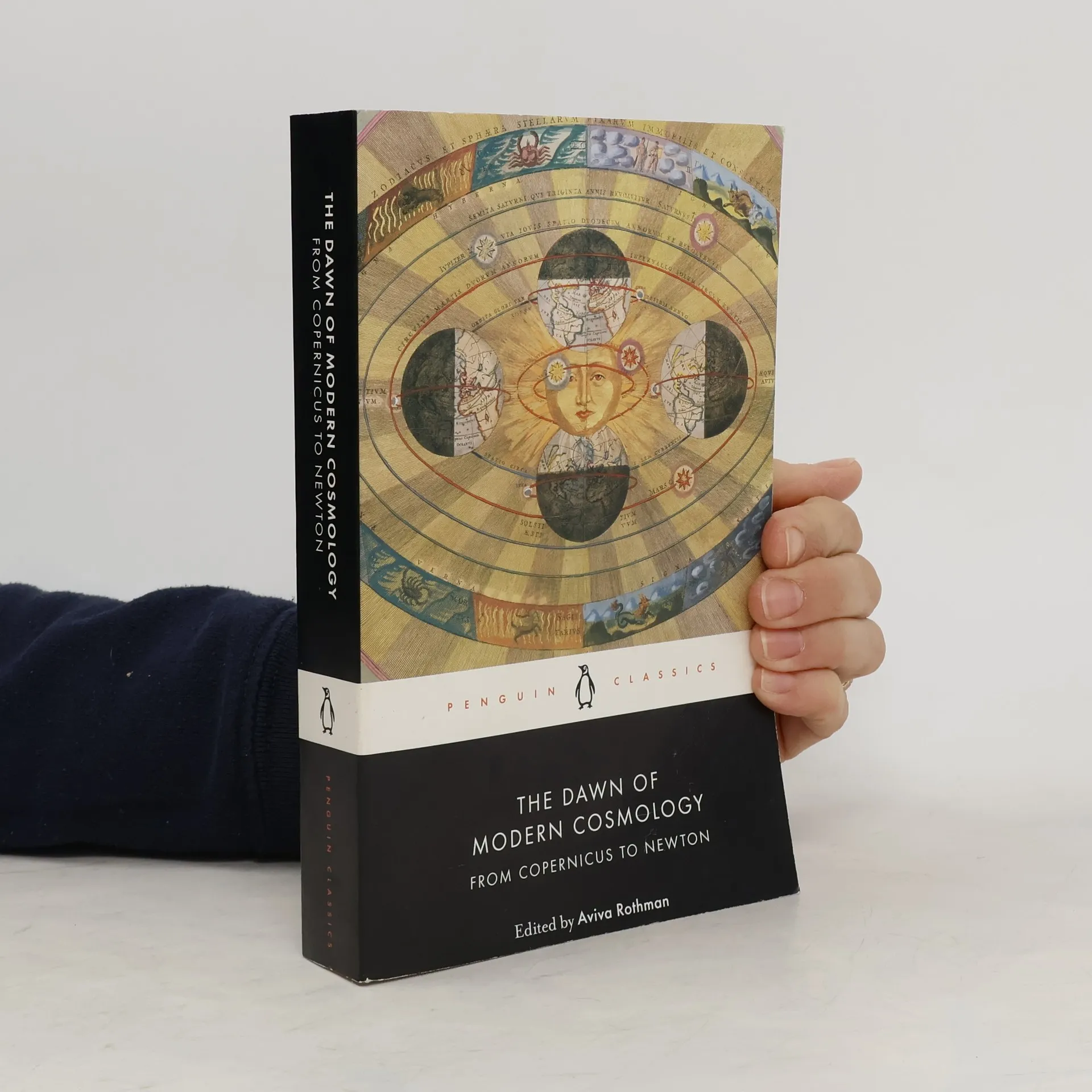
    • The Dawn of Modern Cosmology

      • 672 pages
      • 24 hours of reading

      New to Penguin Classics, the astonishing story of the Copernican Revolution, told through the words of the ground-breaking scientists who brought it about A Penguin Classic In the late fifteenth century, the earth stood motionless at the center of a small, ordered cosmos. Around us, it was believed, the moon, the sun, and the planets revolved in crystalline spheres, their orbits perfect, eternally unchanging circles. Just over a century later, the sun was now the center of creation; the earth just another planet hurtling through empty, near-infinite space. This is the story of an astonishing change, a transformation in human thought, about both the universe and our place within it, told through the words of the astronomers and mathematicians at its heart. Encompassing the most evocative excerpts from the works and letters of Copernicus, Galileo, Kepler, Descartes, Newton, and others, and including guiding notes from renowned historian of science, Aviva Rothman, The Dawn of Modern Cosmology is the definitive record of one of science's greatest achievements.

      The Dawn of Modern Cosmology
      4.8
    • New to our On the Shoulders of Giants series, this groundbreaking work of astronomy proposed a heliocentric universe in which planets orbited the sun-daring to challenge the Ptolemaic ideal of the earth as the center of the universe. This essay by Copernicus (1473-1543), revolutionized the way we look at the earth's placement in the universe, and paved the way for many great scientists, including Galileo and Isaac Newton, whose theories stemmed from this model. Featuring a biography of Copernicus and an accessible, enlightening introduction, both written by the renowned physicist Stephen Hawking, On the Revolution of Heavenly Spheres provides a fascinating look at the theories which shaped our modern understanding of astronomy and physics.

      On the Shoulders of Giants: On the Revolutions of Heavenly Spheres
      4.6
    • On the Shoulders of Giants

      The Great Works of Physics and Astronomy

      • 1264 pages
      • 45 hours of reading

      World-renowned physicist and bestselling author Stephen Hawking presents a revolutionary look at the momentous discoveries that changed our perception of the world with this first-ever compilation of schovat popis

      On the Shoulders of Giants
      4.3
    • Das neue Weltbild

      • 252 pages
      • 9 hours of reading

      Seit Copernicus (1473-1543) weiß die Welt, daß die Erde nicht im Zentrum des Universums steht, sondern um die Sonne kreist. Dargelegt hat Copernicus seine Erkenntnis, die auf der Analyse der sorgsam beobachteten Bewegungen am Himmel beruht, in seinem (natürlich in lateinischer Sprache abgefaßten) Hauptwerk „Über die Kreisbewegungen der Himmelskörper“, das heute in seiner Gänze - wegen des zeitlichen Abstands - allenfalls für Spezialisten auf dem Gebiet der Erforschung der Geschichte der Astronomie noch lesbar ist. Für den breiteren Leserkreis, der Interesse daran hat, einmal nachzulesen, wie und mit welchen Argumenten Copernicus das (theologisch begründete) alte Weltbild aus den Angeln hob, bietet die vorliegende Ausgabe eine ausführlich kommentierte Auswahl der zentralen Texte, in denen Copernicus seine Entdeckung erklärt und begründet. Gegeben wird das 1. Buch von „Über die Kreisbewegungen der Himmelskörper“, in dem Copernicus seine Entdeckung auf den Punkt bringt, vorangestellt sind die kurze Abhandlung „Über die Erklärungsgrundlagen der Bewegungen am Himmel“ und der „Brief gegen Werner“ - zwei Texte, die für das Verständnis der Genese des von ihm begründeten „Kopernikanischen Weltbilds“ von großer Bedeutung sind. Alle Texte werden zweisprachig (lat. dt.) präsentiert und sachkundig erläutert.

      Das neue Weltbild
      4.7