Timothy Brook is a Canadian historian and sinologist who delves into the study of China. His work immerses itself in the social and cultural history of the Ming Dynasty, examining law and punishment in Imperial China, and exploring collaboration during Japan's wartime occupation and war crimes trials in Asia. He also engages with global history and historiography, offering a comprehensive perspective on past events.
The Mongol takeover in the 1270s changed the course of Chinese history. The
Confucian empire - a millennium and a half in the making - was suddenly thrust
under foreign occupation. This title explores what happened to China between
these two dramatic invasions.
Timothy Brook presents a comprehensive history of China's global interactions over the last eight centuries, drawing on diverse perspectives from civil servants, traders, spiritual leaders, and more. This multifaceted exploration reveals the complexities of China's identity and its intricate relationships with the world, offering insights into a nation often misunderstood. Through vivid accounts of various figures, Brook crafts a rich narrative that highlights both the challenges and triumphs of China's historical journey.
China is one of the oldest states in the world. It achieved its approximate current borders with the Ascendancy of the Yuan dynasty in the 13th century, and despite the passing of one Imperial dynasty to the next, it has maintained them for the eight centuries since. Even the European colonial powers at the height of their power could not move past coastal enclaves. Thus, China remained China through the Ming, the Qing, the Republic, the Occupation, and Communism. But, despite the desires of some of the most powerful people in the Great State through the ages, China has never been alone in the world. It has had to contend with invaders from the steppe and the challenges posed by foreign traders and imperialists. Indeed, its rulers for the majority of the last eight centuries have not been Chinese. Timothy Brook examines China's relationship with the world from the Yuan through to the present by following the stories of ordinary and extraordinary people navigating the spaces where China met and meets the world. Bureaucrats, horse traders, spiritual leaders, explorers, pirates, emperors, invaders, migrant workers, traitors, and visionaries: this is a history of China as no one has told it before.
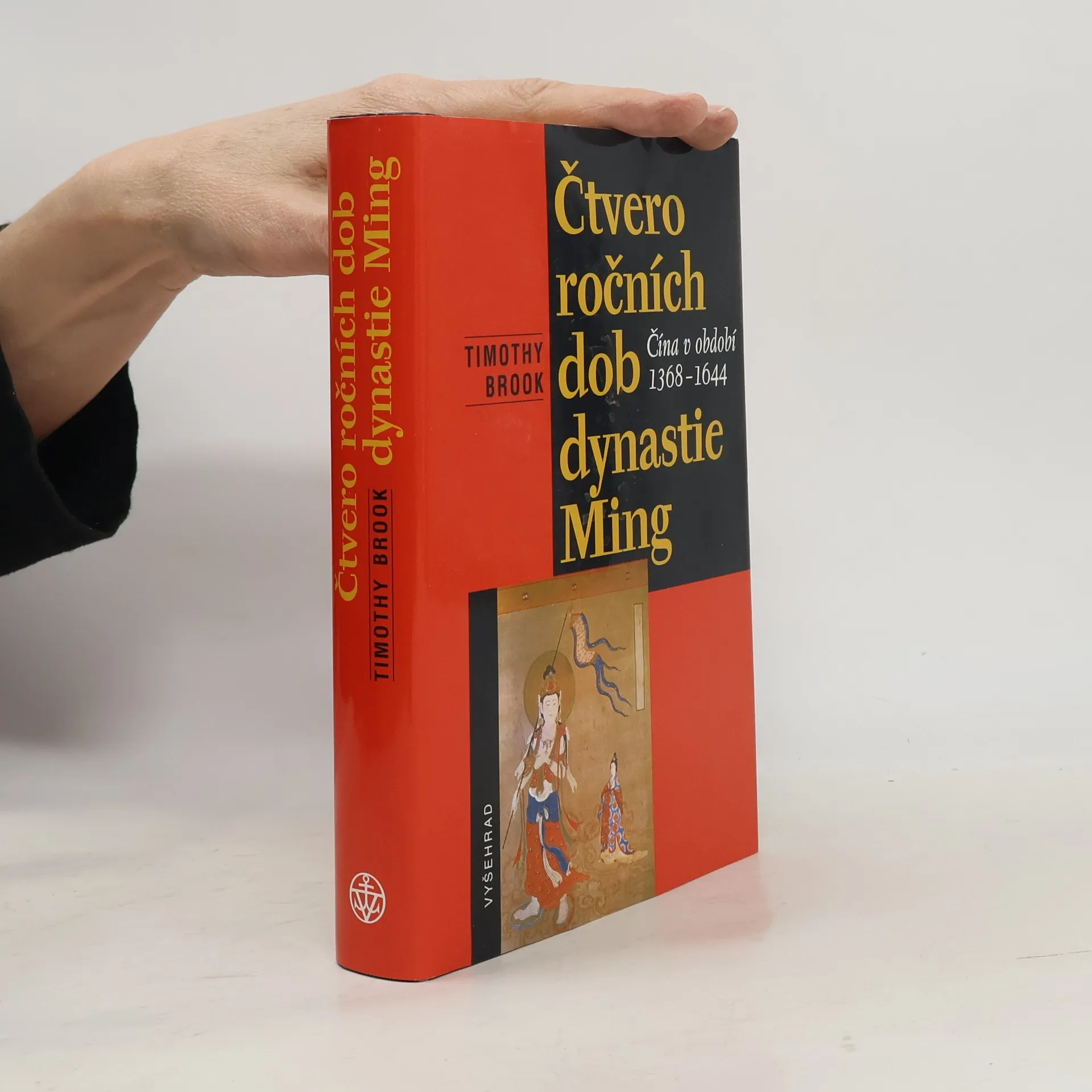
Mingská dynastie, poslední velký císařský dům před mandžuským záborem v roce 1644, vládla v Číně téměř tři století, kdy byla Čína středem světa. Timothy Brook v této knize poutavě zobrazuje proměny života během mingského období, kdy se Čína transformovala z agrární země na centrum obchodních zisků a prestižních bojů. Hlavním tématem jsou sociální a kulturní dějiny spojené s komercionalizací. Brook využívá rukopisné poznámky mingského hodnostáře Čang Tchaa a svou rozsáhlou četbu mingských pramenů, aby ukázal, jak obchod formoval čínskou společnost. Obchod přetvářel vztahy mezi spotřebiteli a výrobci, což zasahovalo do konfuciánských hodnot. Znalosti se měnily na zboží a rolníci se začali věnovat tkalcovství a výrobě keramiky, po které toužilo městské obyvatelstvo. Nové obchodní bohatství se však pomalu dostávalo k chudým vrstvám společnosti. Městská elita, která bohatství soustředila, vytvořila novou sociální základnu moci. Text se prolíná úvahami Čang Tchaa o různých profesích a každodenním životě. Kniha se odklání od tradiční historiografie a místo politických událostí se zaměřuje na obyčejné lidi a jejich výzvy v rychle se měnícím světě, čímž přispívá k novému pohledu na dynastii Ming a čínské dějiny.