Bjørn Lomborg is a Danish author and president of the Copenhagen Consensus Center think tank. He gained international renown for his best-selling and controversial 2001 book, The Skeptical Environmentalist. In it, he argues that many costly measures adopted by scientists and policymakers to address global warming will ultimately have minimal impact on the world's rising temperatures. His work challenges commonly held environmental beliefs, advocating for more economically efficient solutions.
The 12 Most Efficient Solutions for the World's Poorest and Our Global SDG Promises
314 pages
11 hours of reading
World leaders have promised everything to everyone. But they are failing. This year, the world is at halftime for its promises, but nowhere near halfway. Together with more than a hundred of the world's top economists, Lomborg has worked for years to identify the world's best solutions. Based on 12 new, peer-reviewed papers, this book highlights the world's best policies
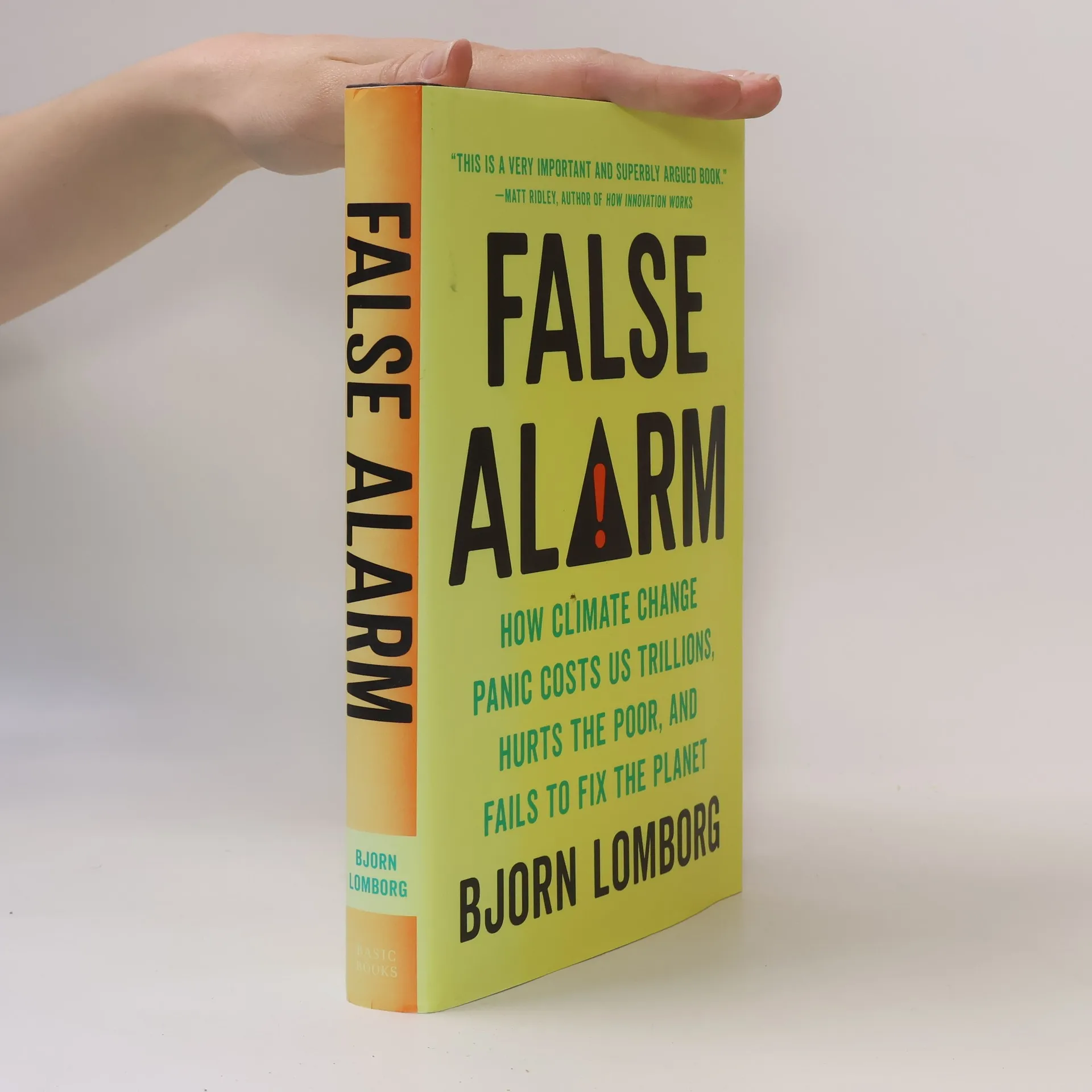
The New York Times-bestselling "skeptical environmentalist" argues that panic over climate change is causing more harm than good Hurricanes batter our coasts. Wildfires rage across the American West. Glaciers collapse in the Artic. Politicians, activists, and the media espouse a common message: climate change is destroying the planet, and we must take drastic action immediately to stop it. Children panic about their future, and adults wonder if it is even ethical to bring new life into the world. Enough, argues bestselling author Bjorn Lomborg. Climate change is real, but it's not the apocalyptic threat that we've been told it is. Projections of Earth's imminent demise are based on bad science and even worse economics. In panic, world leaders have committed to wildly expensive but largely ineffective policies that hamper growth and crowd out more pressing investments in human capital, from immunization to education. False Alarm will convince you that everything you think about climate change is wrong -- and points the way toward making the world a vastly better, if slightly warmer, place for us all.
A Cost Benefit Analysis of the United Nations' Sustainable Development Goals
554 pages
20 hours of reading
This book is a unique guide to making the world a better place. Experts apply a critical eye to the United Nations' Sustainable Development agenda, also known as the Global Goals, which will affect the flow of $2.5 trillion of development aid up until 2030. Renowned economists, led by Bjorn Lomborg, determine what pursuing different targets will cost and achieve in social, environmental and economic benefits. There are 169 targets, covering every area of international development - from health to education, sanitation to conflict. Together, these analyses make the case for prioritizing the most effective development investments. A panel of Nobel Laureate economists identify a set of 19 phenomenal development targets, and argue that this would achieve as much as quadrupling the global aid budget.
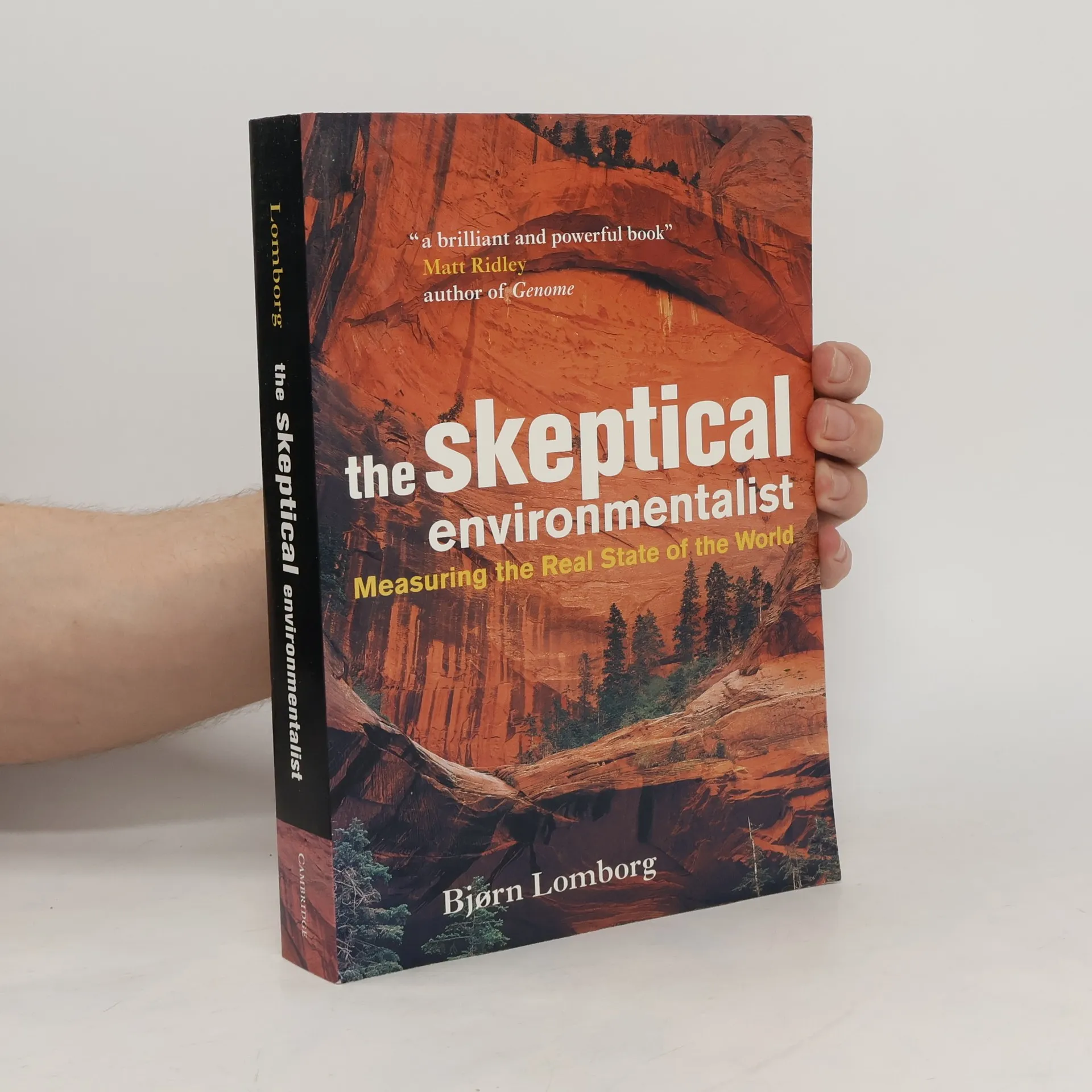
Argues that many of the elaborate actions being considered to stop global warming are too costly and will have little impact, and suggests that society's focus should be on such immediate concerns as fighting HIV/AIDS and maintaining a fresh water supply
This volume provides a uniquely rich set of arguments and data for prioritizing our responses to some of the most serious problems facing the world today, such as climate change, communicable diseases, conflicts, education, financial instability, corruption, migration, malnutrition and hunger, trade barriers, and water access. Leading economists evaluate the evidence for costs and benefits of various programs to help gauge how we can achieve the most good with our money. Each problem is introduced by a world-renowned expert analyzing the scale of the problem and describing the costs and benefits of a range of policy options to improve the situation. Shorter pieces from experts offering alternative positions are also included; all ten challenges are evaluated by a panel of economists from North America, Europe, and China who rank the most promising policy options. Global Crises, Global Solutions provides a serious, yet accessible, springboard for debate and discussion and will be required reading for government employees, NGOs, scholars and students of public policy and applied economics, and anyone with a serious professional or personal interest in global development issues. Bjørn Lomborg is Associate Professor of Statistics at the University of Aarhus and the director of the Danish Environmental Assessment Institute. He is also the author of the controversial bestseller, The Skeptical Environmentalist (Cambridge, 2001).
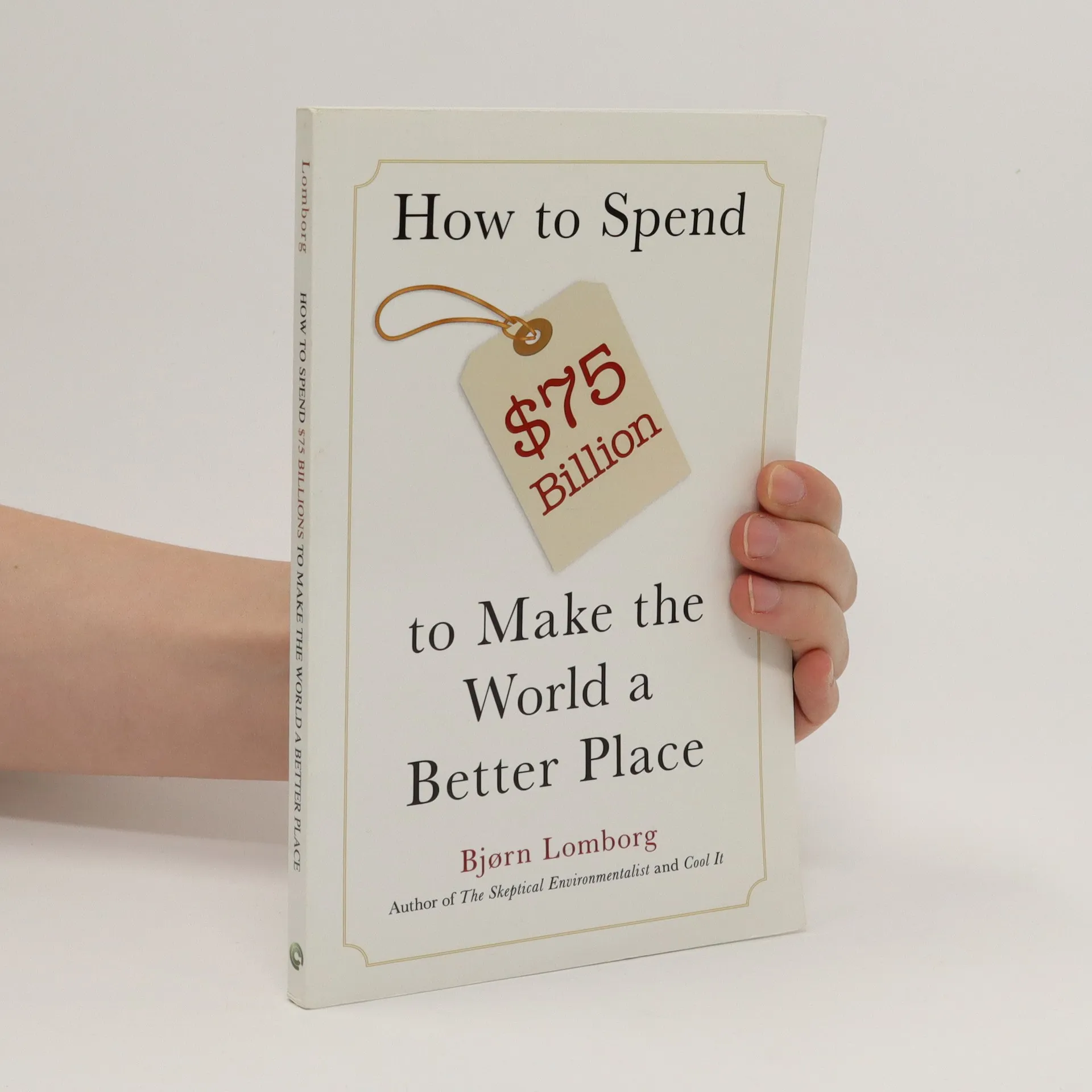
The world faces myriad challenges – yet we are constrained by scarce resources. In the 21st Century, how do we deal with natural disasters, tackle global warming, achieve better nutrition, educate children… and address countless other urgent global issues? If you want to change the world, this inspiring and enlightening book is for you. Bjørn Lomborg presents the costs and benefits of the smartest solutions to twelve global problems. By prioritizing the top solutions, this helps us better spend $75 billion to do the most good. Featuring the cutting edge research of more than sixty eminent economists, including four Nobel Laureates, produced for the Copenhagen Consensus, this book will inform, enlighten and motivate actions to make our world a better place.
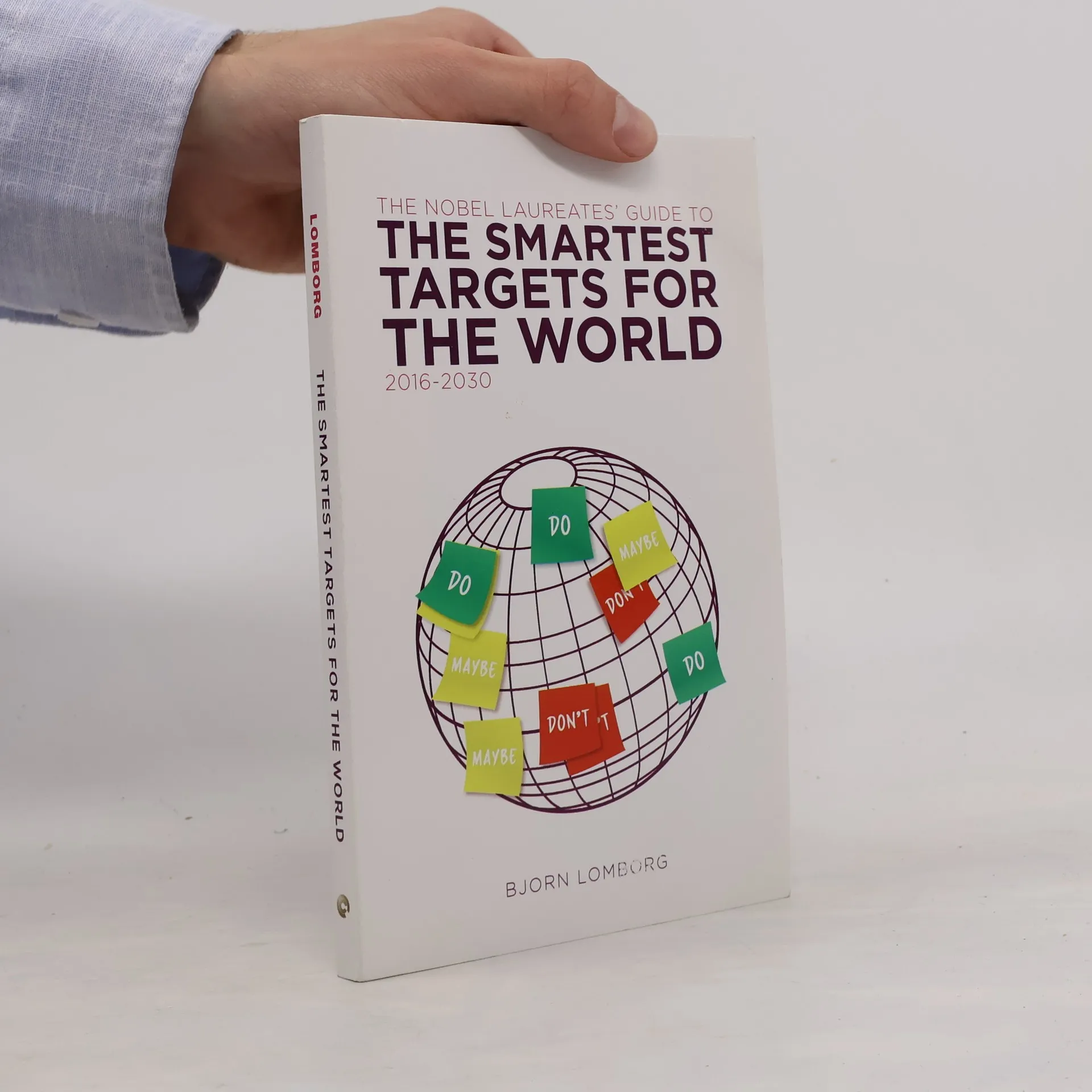
In 2000, the Millennium Development Goals set a few highly effective targets for the world, such as halving the proportion of poor and reducing childhood mortality by two-thirds. These targets have been a huge success. Now, the world must decide its targets for the next 15 years. The UN has proposed 169 targets, but not all are equally effective. Copenhagen Consensus has asked 60 teams of the world's top economists to weigh up the social, environmental, and economic benefits and costs of over 100 targets across 22 global topics from Air Pollution and Education to Water. The world will spend $2.5 trillion on these targets from 2016 to 2030. Picking the best targets can triple the benefits for the world's poorest. This book can help us choose better.
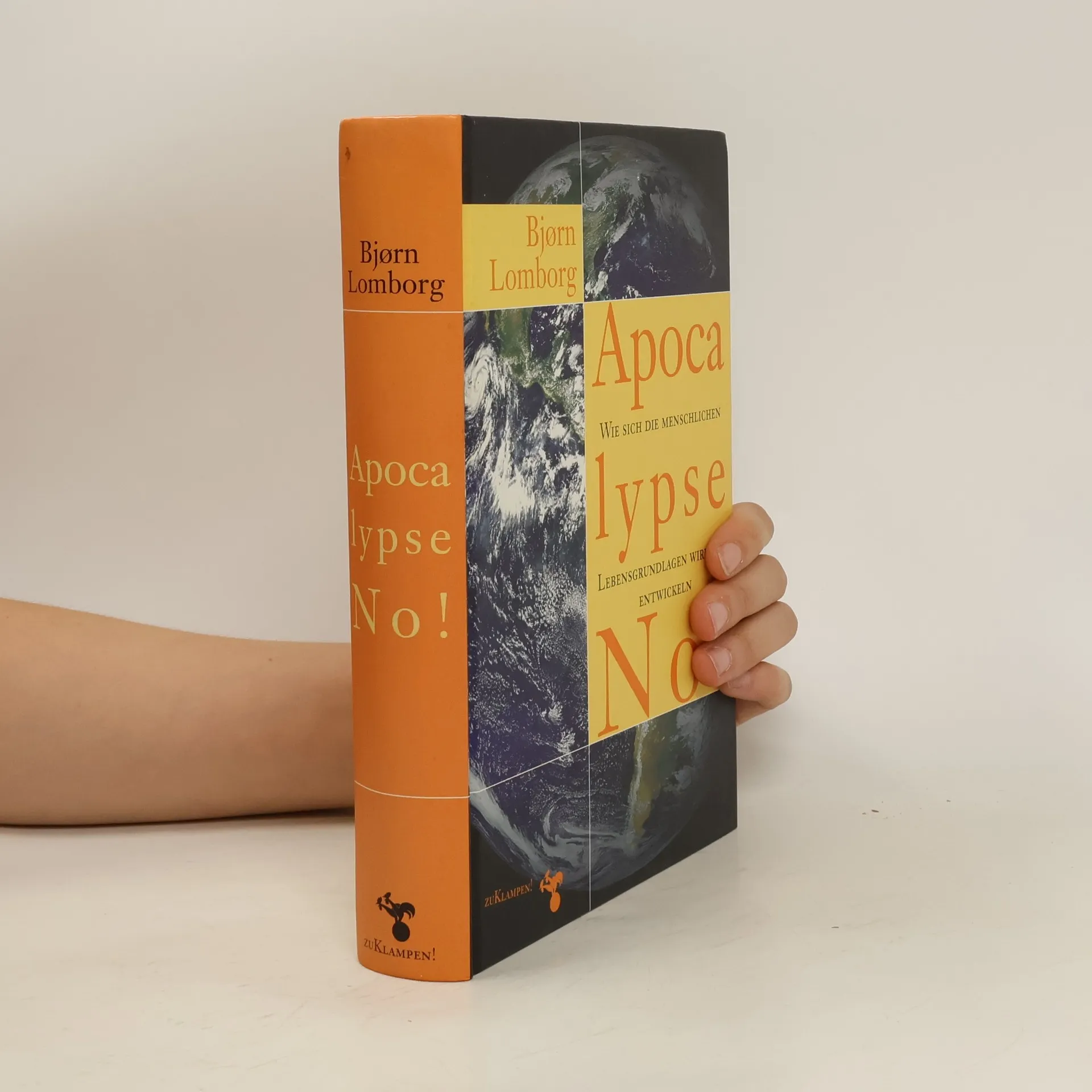
Seit Jahrzehnten hören wir: „Die Menschen zerstören ihre Lebensgrundlagen!“ „Der deutsche Wald stirbt!“ „Wirtschaftswachstum ist umweltfeindlich!“ Die Litanei ist allbekannt. Aber stimmt sie auch mit der Realität überein? „Nein!“ lautet die klare Antwort von Bjørn Lomborg. Die Prognosen einer unaufhaltsamen Verschlechterung der menschlichen Lebensbedingungen beruhen zum nicht unerheblichen Teil auf selektiver oder schlicht falscher Nutzung von Daten. Die nüchterne Prüfung der großen Umwelt- und Wohlfahrtsfragen ergibt vielmehr: Im längeren Trend betrachtet, hat sich die Lage für die Menschheit deutlich verbessert. Daß eine saubere Umwelt wünschenswert ist, gilt Lomborg als Selbstverständlichkeit. Die entscheidende Frage aber lautet für ihn, welche Anstrengungen zur Verbesserung der Lebensbedingungen von Menschen angesichts knapper Mittel Priorität haben sollen. Ist es sinnvoll, auch noch den letzten Bach sauber zu bekommen, wenn derselbe Mitteleinsatz etwa im Gesundheitssektor erheblich mehr menschliches Leiden mildern kann? Auch tut sich die Umweltbewegung keinen Gefallen, wenn sie mit falschen oder falsch interpretierten Daten hantiert und damit ihre Glaubwürdigkeit gefährdet. Apocalypse No! ist in England und den USA seit seinem Erscheinen im September 2001 bei Cambridge University Press schnell zu einem Bestseller und einer der meistdiskutierten Neuerscheinungen geworden.
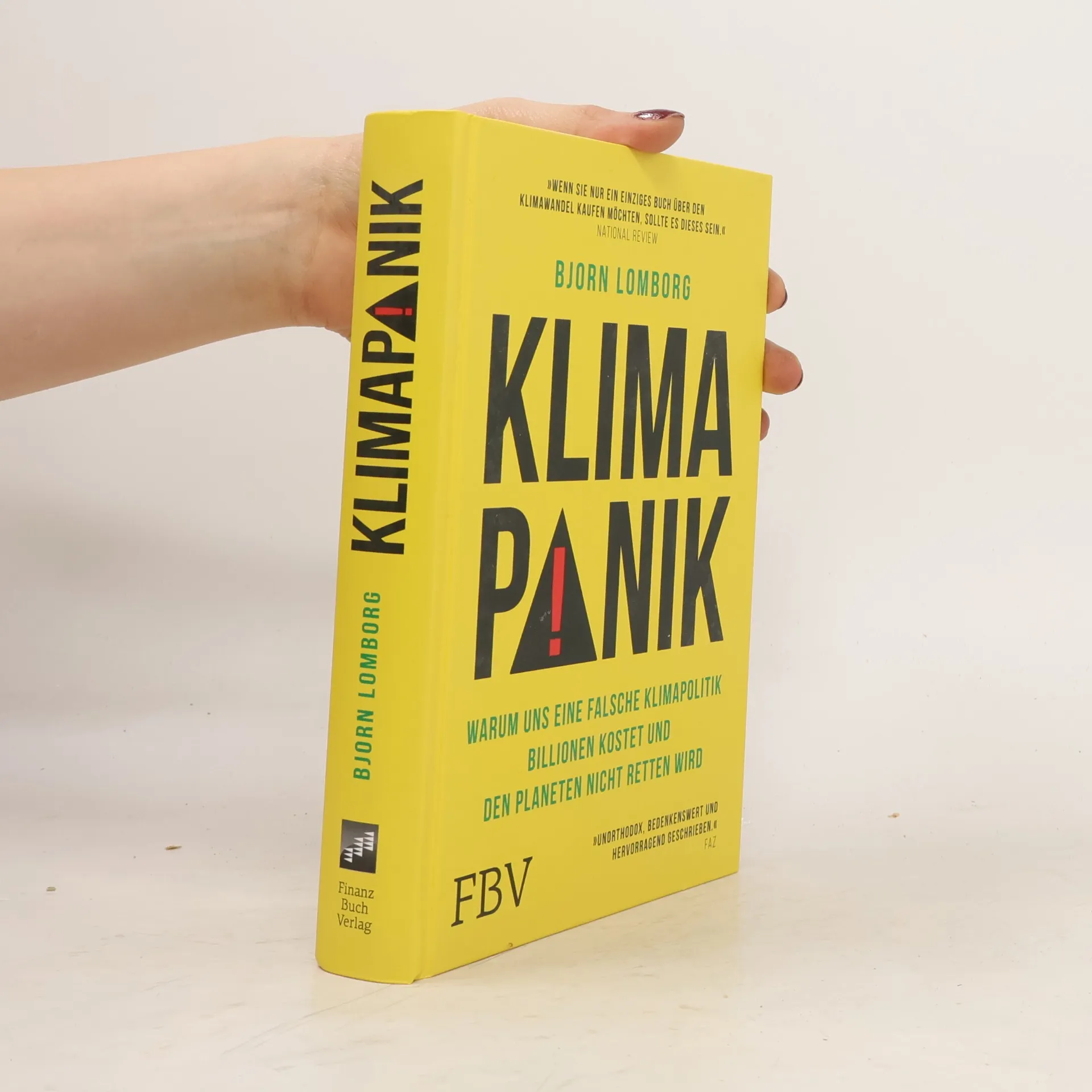
Warum uns eine falsche Klimapolitik Billionen kostet und den Planeten nicht retten wird
320 pages
12 hours of reading
Ein Buch über die Klimapolitik, das den Klimawandel anerkennt, jedoch die Maßnahmen zu seiner Eindämmung kritisch hinterfragt. Hitzewellen, Dürren und Starkregen in Deutschland sowie Wirbelstürme, Waldbrände und schmelzende Gletscher weltweit führen zu einer einheitlichen, dramatischen Botschaft von Politikern, Aktivisten und Medien: Der Klimawandel bedroht unseren Planeten, und sofortige drastische Maßnahmen sind notwendig. Der Naturwissenschaftler und „skeptische Umweltschützer“ Bjorn Lomborg argumentiert, dass diese Hysterie übertrieben und nicht hilfreich ist. Zwar ist der Klimawandel real, aber er ist nicht die apokalyptische Bedrohung, als die er dargestellt wird, und er ist ein lösbares Problem. In ihrer Panik haben Staats- und Regierungschefs extrem teure, aber weitgehend unwirksame Maßnahmen beschlossen. Diese Obsession mit dem Klimawandel führt dazu, dass Milliarden für ineffektive Aktionen ausgegeben werden, anstatt in Forschung und Entwicklung zu investieren, um die Energiefrage zu lösen und die Erderwärmung zu bekämpfen. Lomborg überzeugt, dass vieles, was über den Klimawandel geglaubt wird, falsch ist. Darüber hinaus präsentiert er konkrete Vorschläge, wie die Welt auf einem bezahlbaren Weg zu einem besseren, wenn auch etwas wärmeren Ort für alle gemacht werden kann.
Dost už bylo paniky kolem hurikánů, požárů a mizejících ledovců, říká dánský autor Bjørn Lomborg ve své poslední knize Falešný poplach. Média, aktivisté i politici se shodují na tomtéž alarmujícím poselství, totiž že změna klimatu ničí planetu a my proti ní musíme podniknout drastické kroky. Ke změně klimatu podle autora siceskutečně dochází, není to ale žádná apokalyptická hrozba, k jejímuž odvrácení bude nutné snížit životní úroveň, zdražit základní potřeby a energie, což pocítí především obyčejní lidé. Stačí vzít rozum do hrsti a spočítat si přínosy a náklady, abychom našli řešení, které nezruinuje naši civilizaci a umožní lidstvu přežít. Kniha ukazuje, že takřka všechno, co o klimatické změně slyšíme, je mylné či přímo vylhané. Kromě toho však autor také navrhuje konkrétní kroky, které povedou ke světu mnohem lepšímu pro nás všechny, byť by byl o něco teplejší než dnes.