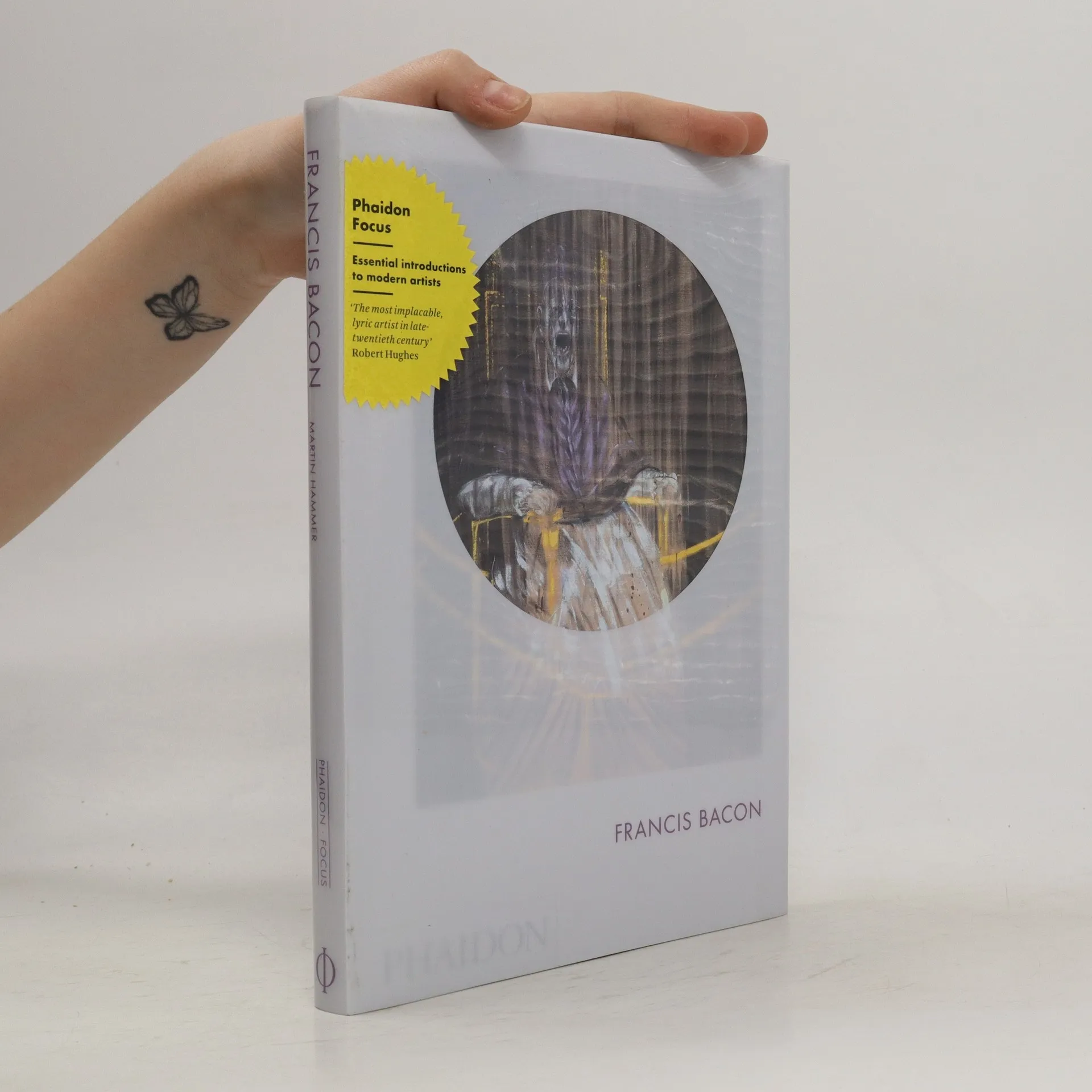
The art of Francis Bacon (1909-1992) epitomises the angst at the heart of the modern human condition. His dramatic images of screaming figures and distorted anatomies are painted with a richly gestural technique, alluding to such old masters as Titian, Velázquez and Rembrandt. Displaying repressed and raw emotion, his body of work includes portraits of Lucian Freud and John Deakin.
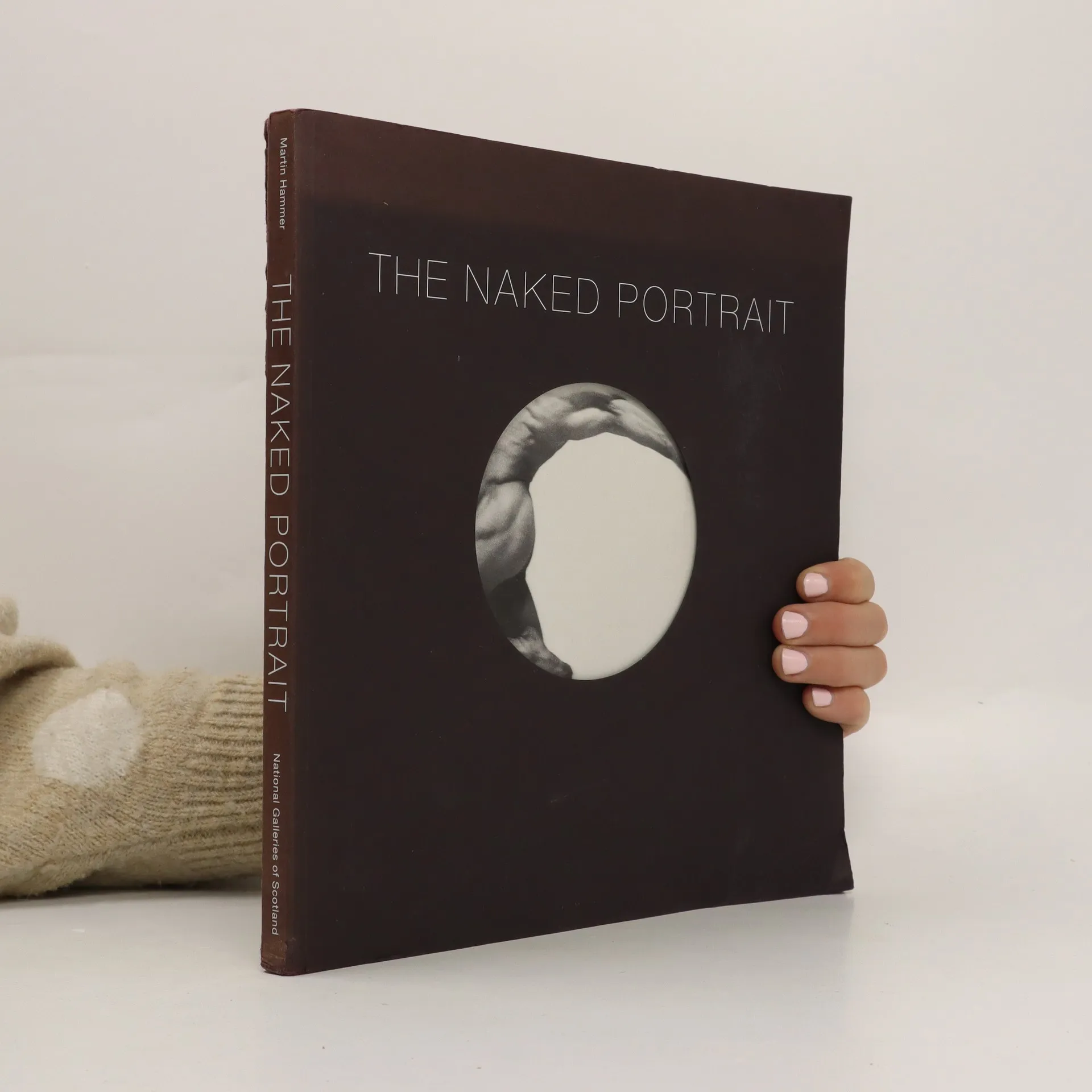
This is the first study of a fascinating, international phenomenon in the art of the past century. Naked portraiture is an original hybrid of the traditional genres of the nude and portrait, and has been created by an astonishing range of major artists, in many different media and in a variety of major artistic centres. Martin Hammer's ground-breaking book compares work by painters such as Egon Schiele, Paula Modersohn-Becker, Pierre Bonnard, Stanley Spencer, Lucian Freud, Tracey Emin and Jenny Saville. The analysis encompasses a rich tradition of naked portraiture using photographic media, produced by figures such as Alfred Stieglitz, Richard Avedon, Diane Arbus, Boris Mikhailov, Nan Goldin, Gary Schneider and Melanie Manchot. The subjects are men and woman, old and young, black and white, healthy and disabled. They might be lovers, close relatives or friends, with their nakedness suggesting the intimacy and tenderness existing between artist and subject. Conversely, the artist might not know them
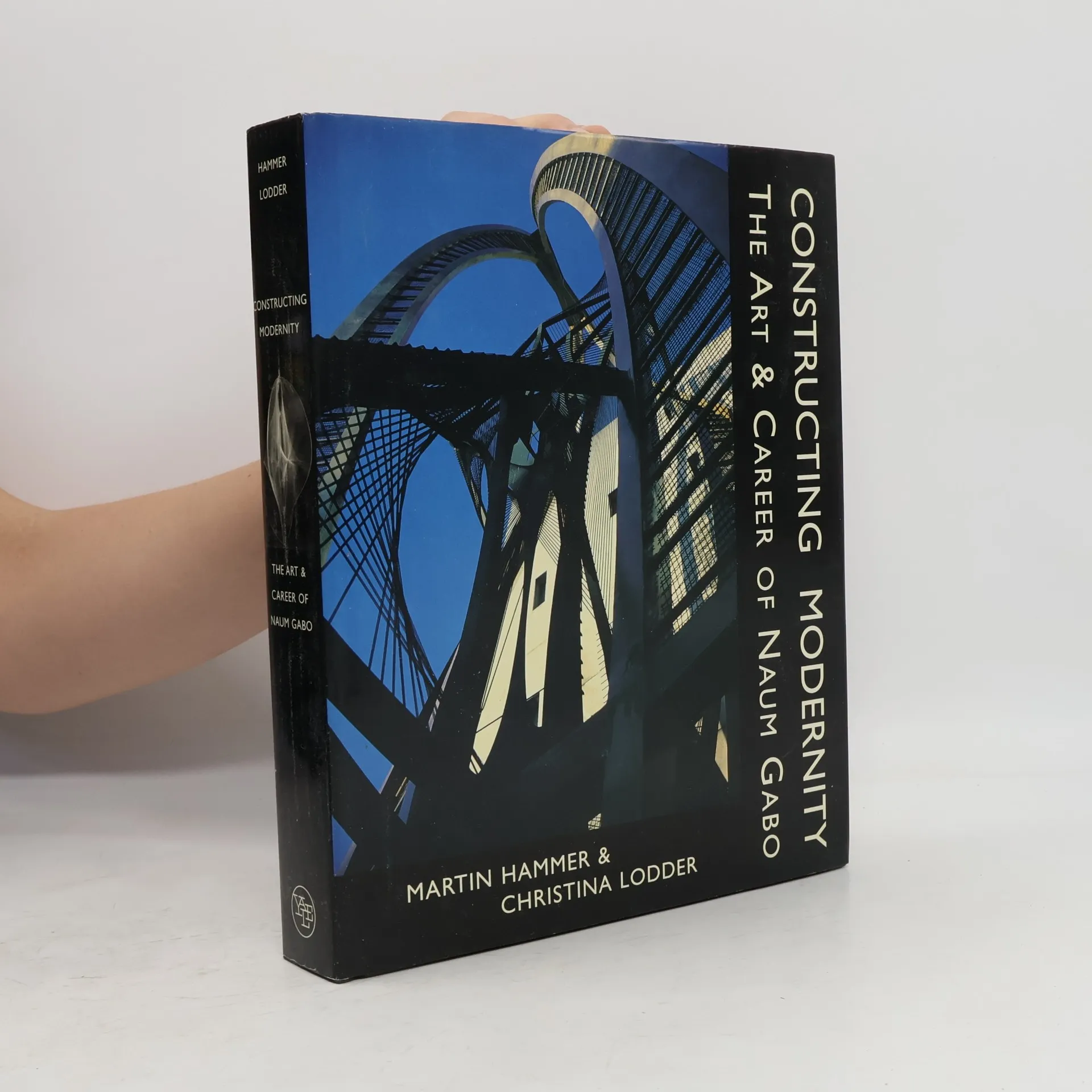
Gabo was one of the inventors of constructed sculpture which arose out of cubism to be one of the major means of sculpture in the twentieth century. Gabo's adoption of metal, glass, plexiglass, and plastic in stereometric constructions made space and light his real medium. Gabo's study of engineering, art and art history equipped him to consider the arts and sciences together. As Gabo refused to accept that art was subservient to politics, his time in revolutionary Russia was limited. But the conflict of art and ideology made him a perceptive and articulate theorist. He had increasing recognition in the West up to the late '60s. Since then much has been publicized on Russian artists who stayed after the Revolution (including Malevich, Tatlin, Lissitzky, Rodchenko, etc.) and Gabo has been shamefully neglected. He is due for reassessment.' Much of his sculpture resides in museum in the US.
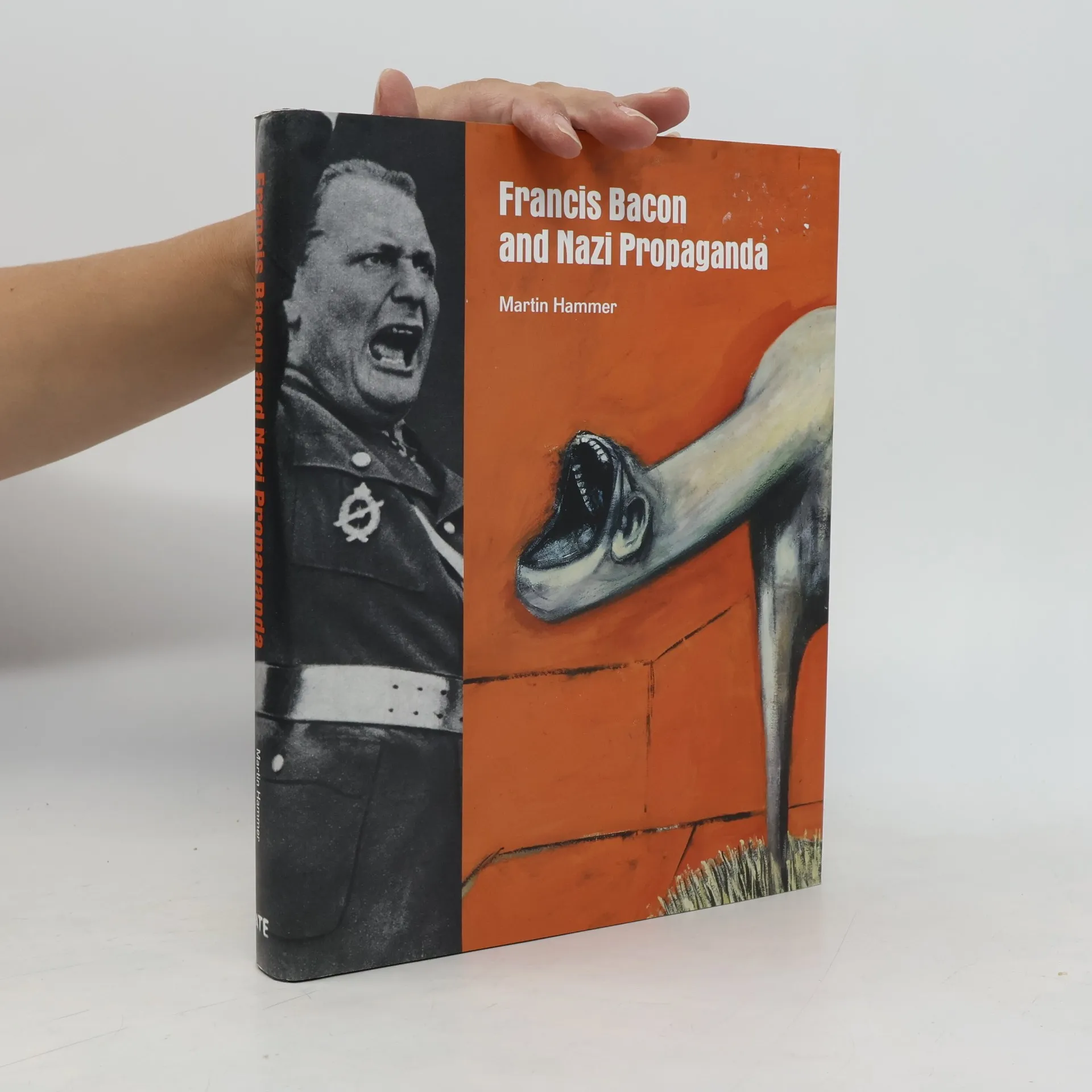
British artist Francis Bacon (1909–1992) was one of the most important artists of the 20th century. Here, Martin Hammer presents him as a “painter of modern life,” whose concern was to distill the feelings associated with living through the rise of Fascism in the 1930s, World War II, the revelations of the Holocaust, and then the early Cold War period. Against a backdrop of changing attitudes toward wartime memories and a gradual resurgence of interest in the war, Hammer offers extensive evidence of Bacon’s use of prewar Nazi propaganda photography as a springboard for painting. By exploring some of Bacon’s best-known and most compelling works, Hammer illuminates the artist’s aim to transmute challenging photographic sources into a reflection on the contemporary world.
Die machtpolitische Inszenierung und Selbstwahrnehmung des Hauses Habsburg(-Lothringen) im 18. Jahrhundert
60 pages
3 hours of reading
Die Bachelorarbeit untersucht die Prunksarkophage von Balthasar Ferdinand Moll in der Wiener Kapuzinergruft und analysiert deren Bedeutung für die machtpolitische Inszenierung des Hauses Habsburg(-Lothringen) im 18. Jahrhundert. Die Kapuzinergruft fungiert sowohl als Gedächtnisort des österreichischen Herrscherhauses als auch als Symbol für den Zerfall der Donaumonarchie, der durch äußeren Druck nach dem Ersten Weltkrieg und interne Konflikte, wie den nicht vollzogenen Ausgleich und nationale Bewegungen, bedingt war.