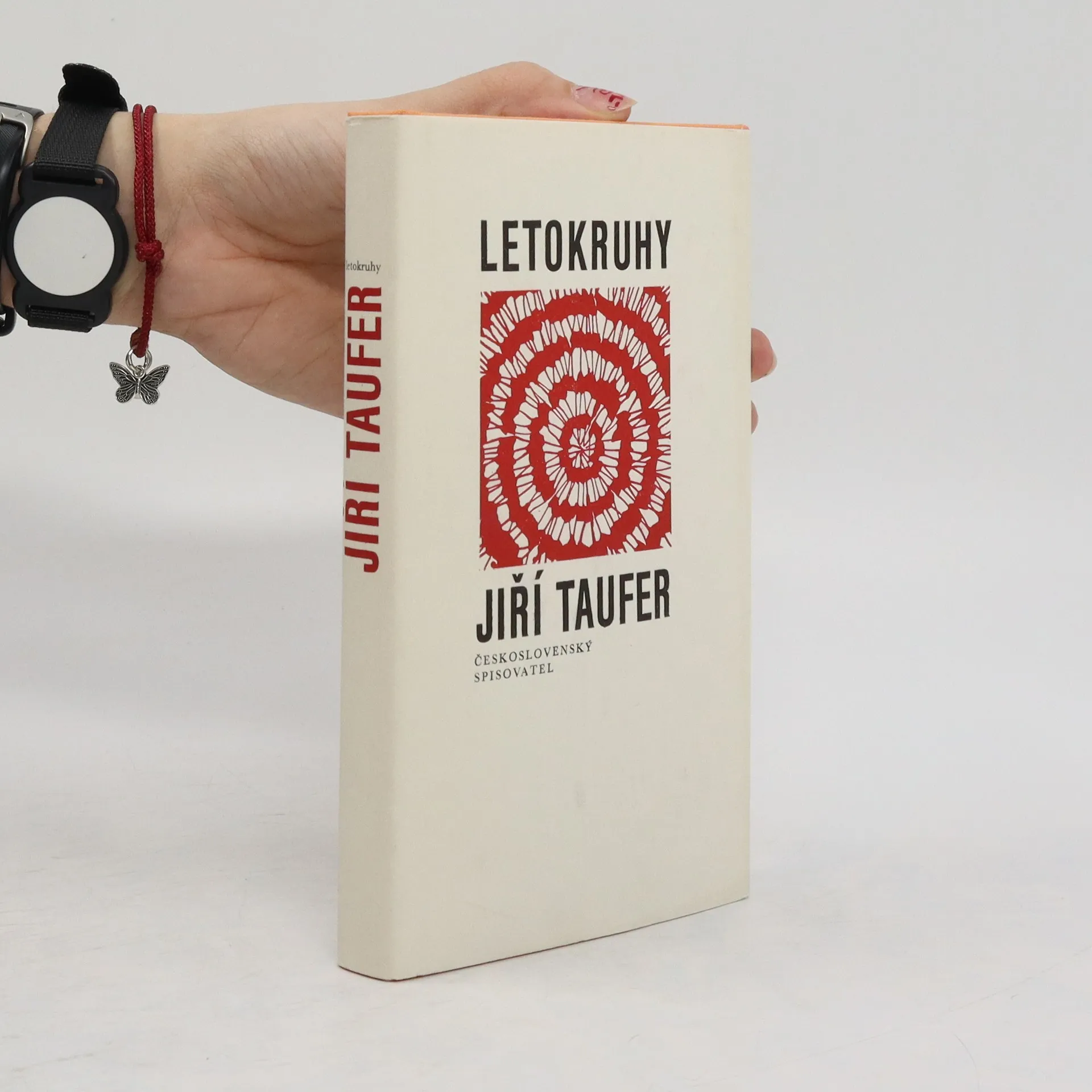
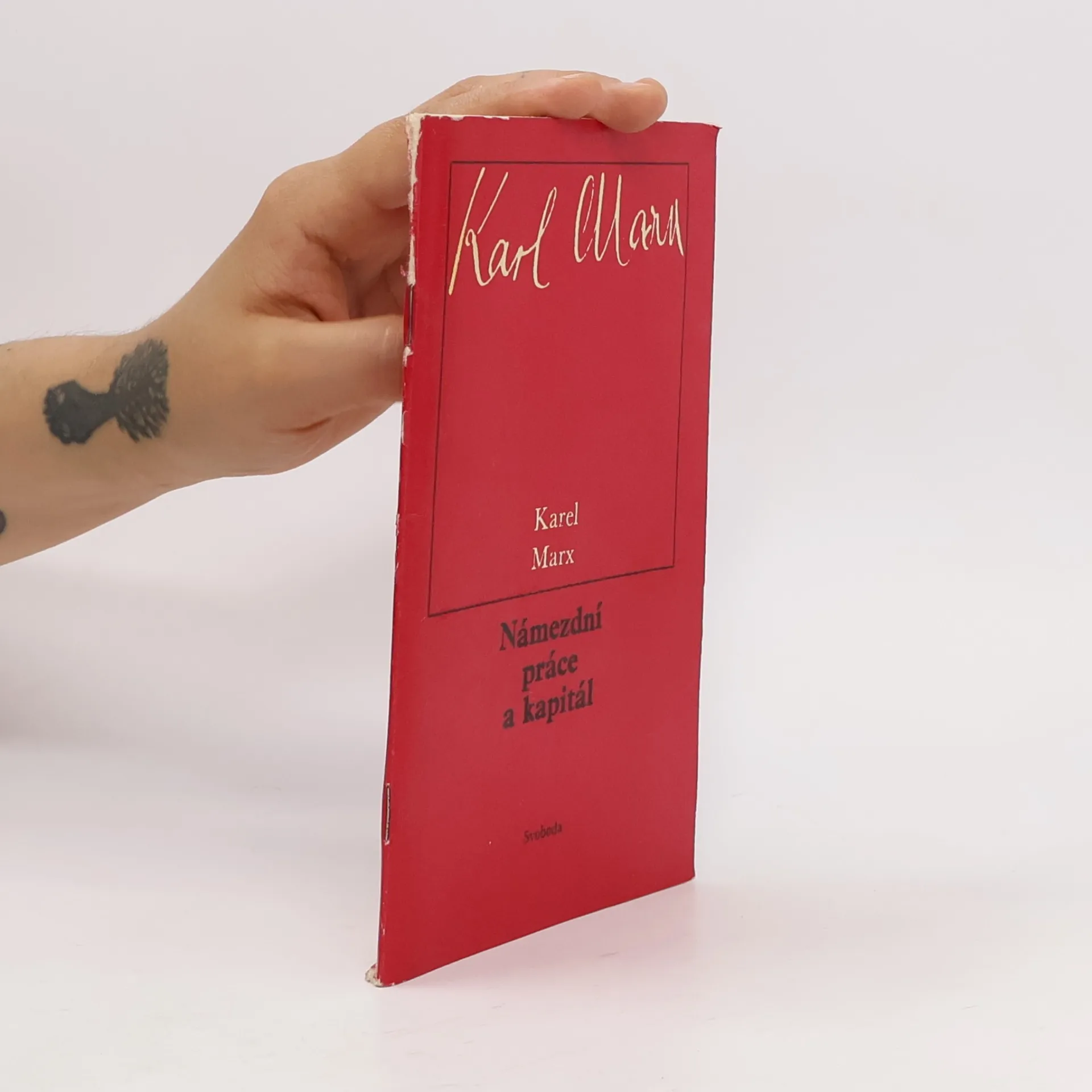
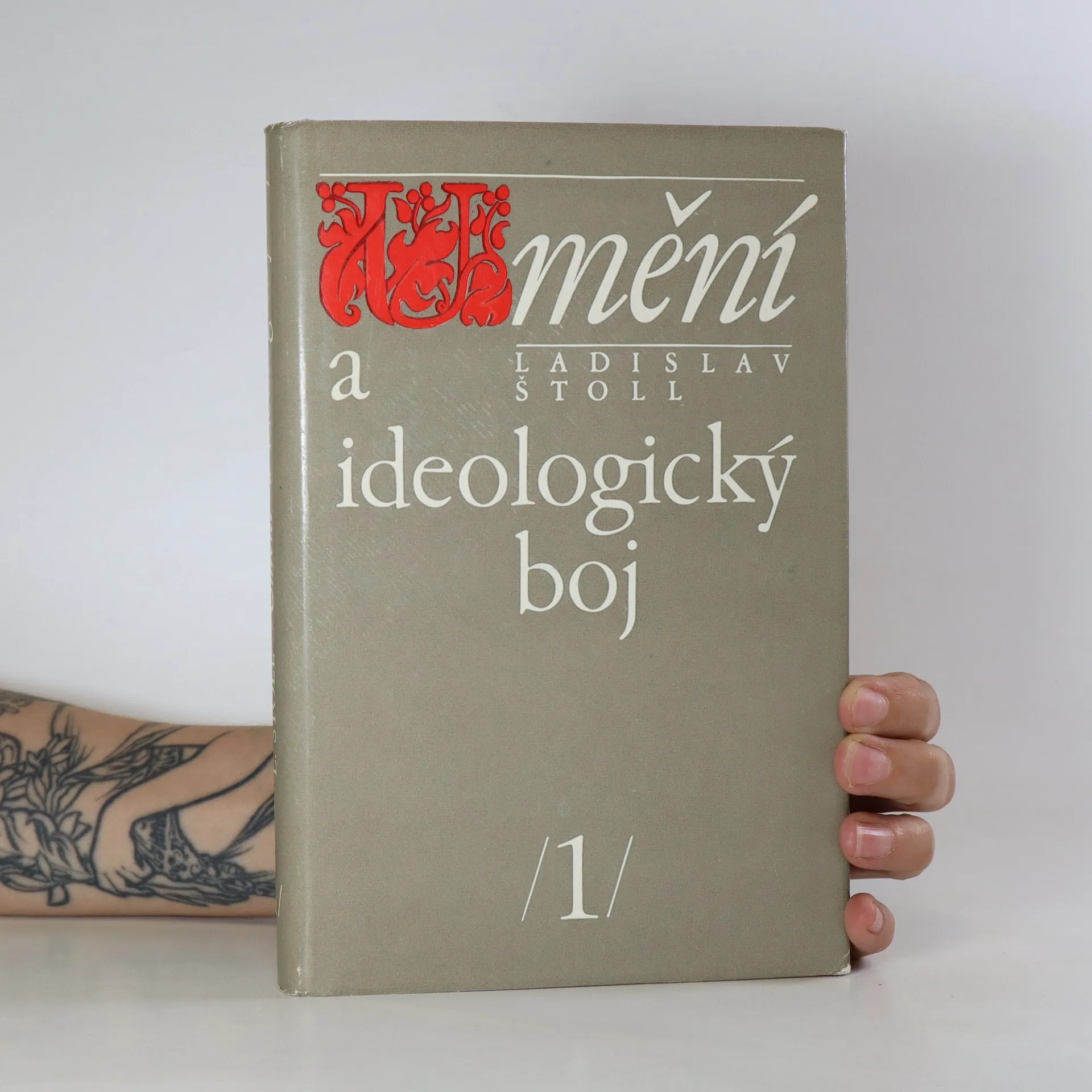
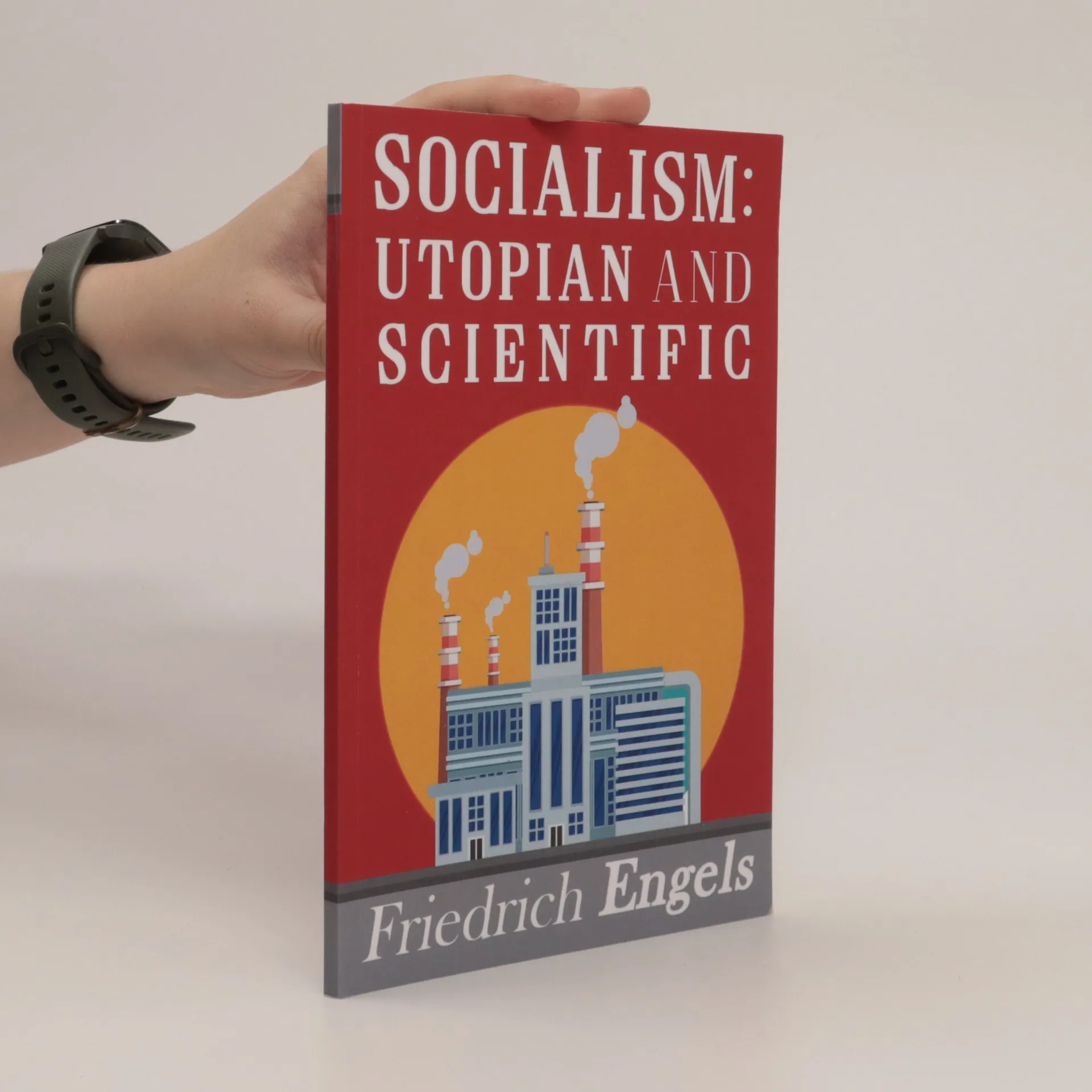
The book presents a significant exploration of socialism, distinguishing between its utopian and scientific aspects. Recognized as a classic, it has been preserved and republished in a modern format to ensure its accessibility for current and future readers. The text has been reformatted and retyped for clarity, making it a valuable resource for those interested in the evolution of socialist thought.
Ladislav Štoll Books



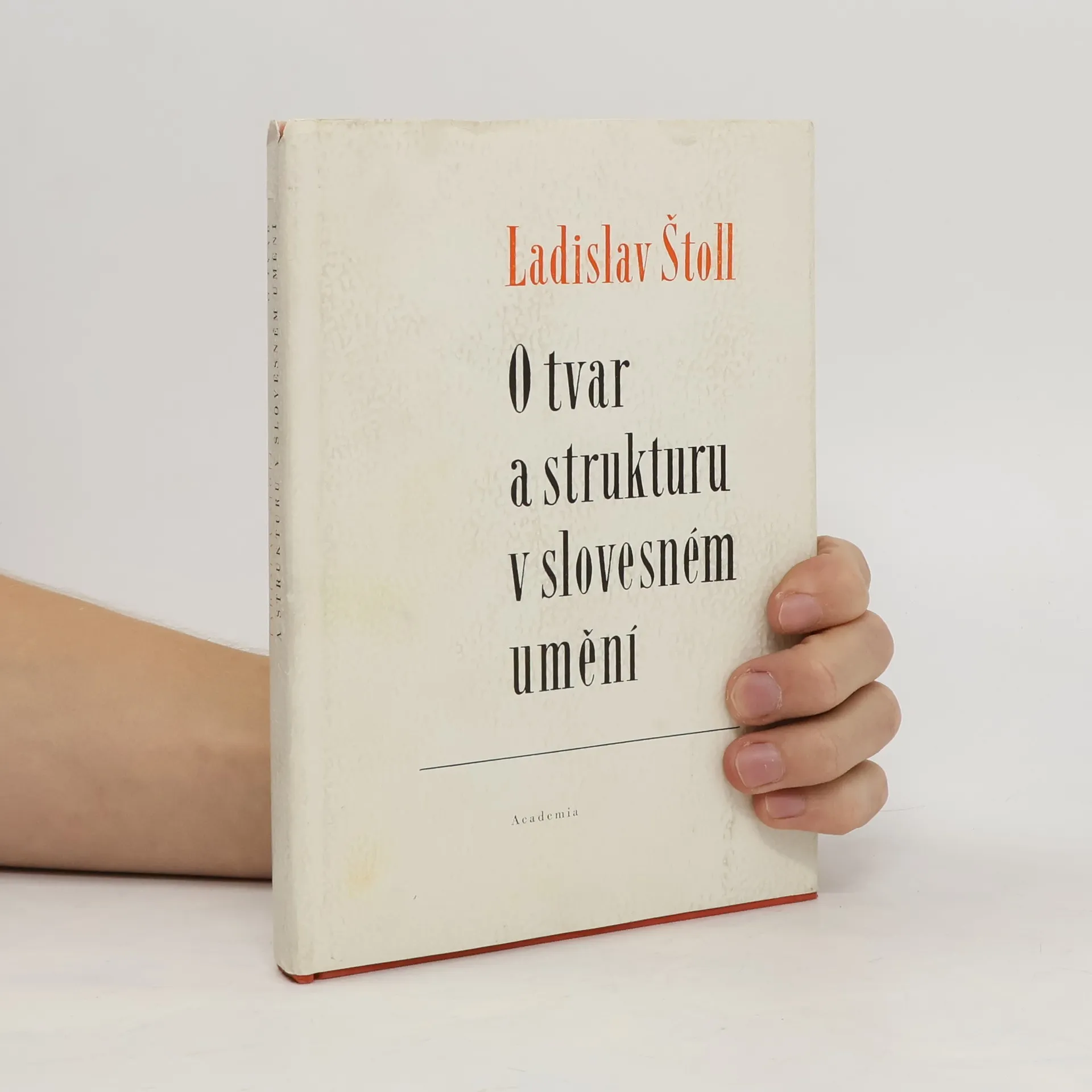
Na historických faktech založená studie podává rozbor literárně teoretických bojů, které probíhaly ve 20. letech v SSSR mezi stoupenci formalistické školy a rodící se marxistickou kritikou. Autor, přímý účastník literárního dění ve 20. letech u nás, objasňuje též ideové kořeny pražského literárního strukturalismu a jeho vztahu k ruským formalistům. Podle autorových slov „chce kniha podnítit výměnu názorů, proto má také vědomě polemický charakter“.
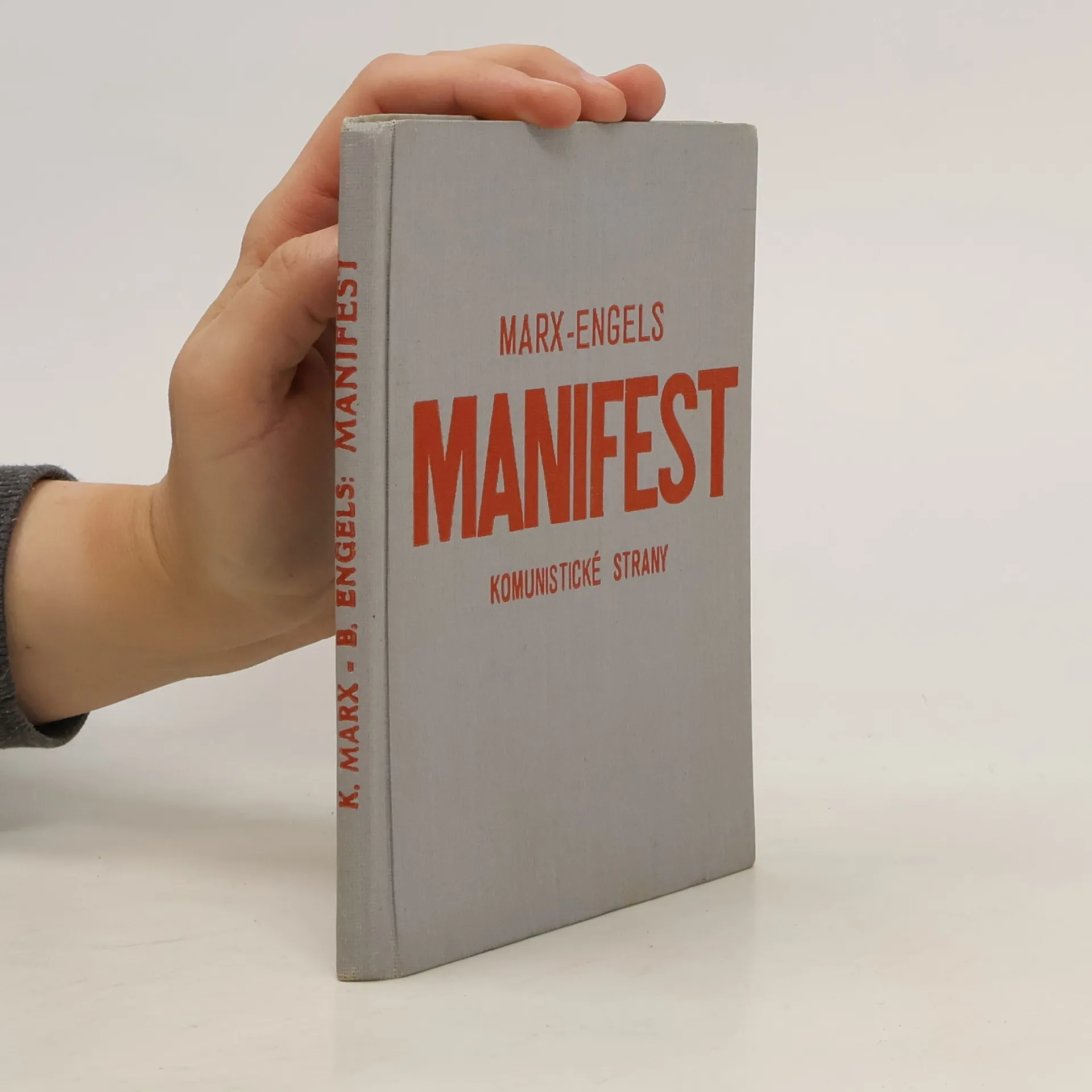
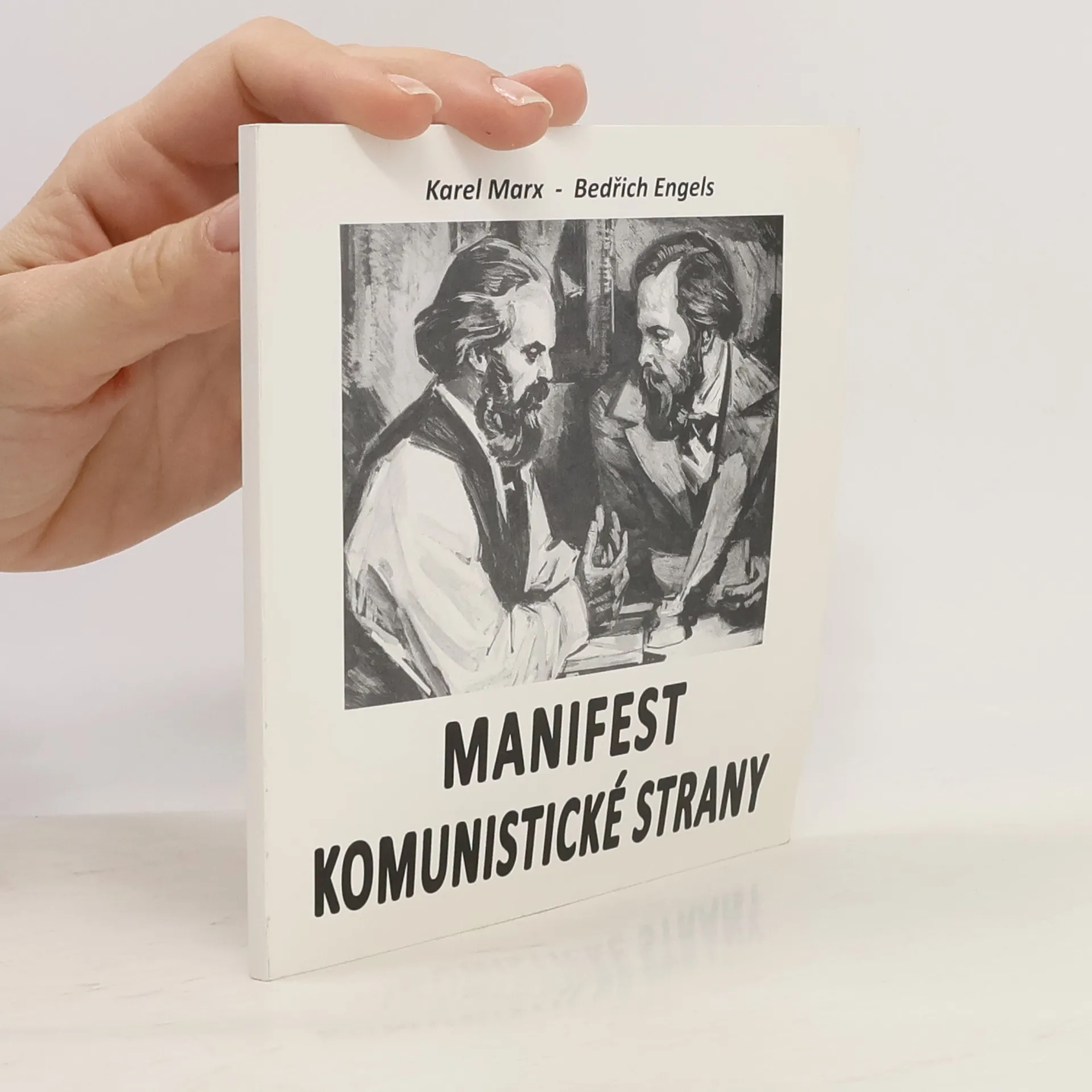
The Communist Manifesto
- 128 pages
- 5 hours of reading
The Communist Manifesto was first published in London in 1848, by two young men in their late twenties. Its impact reverberated across the globe and throughout the next century, and it has come to be recognised as one of the most important political texts ever written. Maintaining that the history of all societies is a history of class struggle, the manifesto proclaims that communism is the only route to equality, and is a call to action aimed at the proletariat. It is an essential read for anyone seeking to understand our modern political landscape. Published to coincide with the 200th anniversary of Karl Marx's birth, this pocket edition includes a new introduction by Yanis Varoufakis.
6. vydání (Dějin Svazu Komunistů), 21. české vydání (Manifestu Komunistické strany)
Autor se zabývá rozdílným postavením a chápáním umění v kapital. společnosti a v naší dnešní lid. demokratické společnosti. Kapitalismus učinil vše, i umění, předmětem obchodu. Autor podrobně probírá společenskou funkci uměnívjednotlivých společen. formacích. Teprve socialismus umožňuje pravý poměr k umění, osvobozuje hospod. jak umělce, tak i vnímatele a umění se může stát spolutvořitelem nové lepší společnosti.
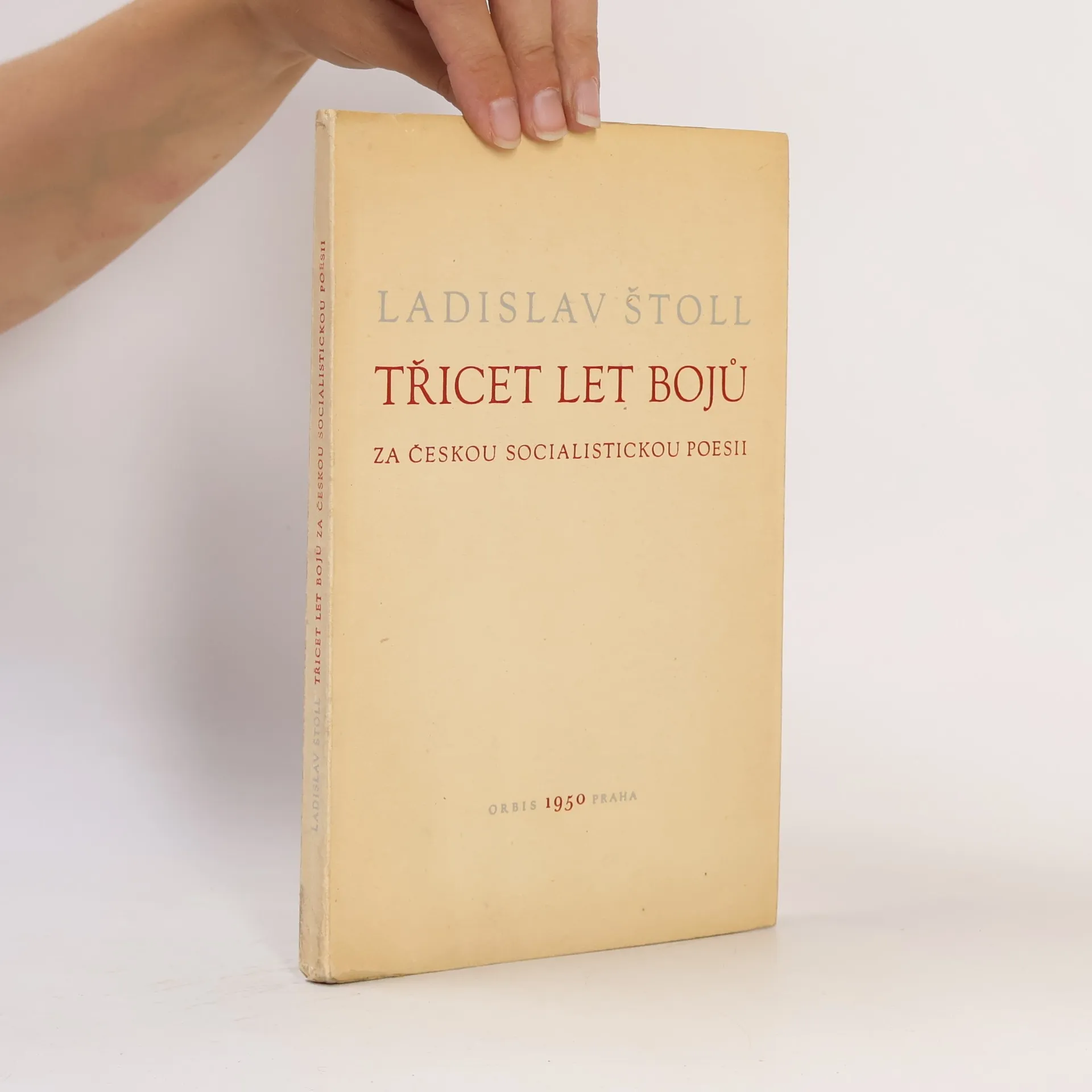
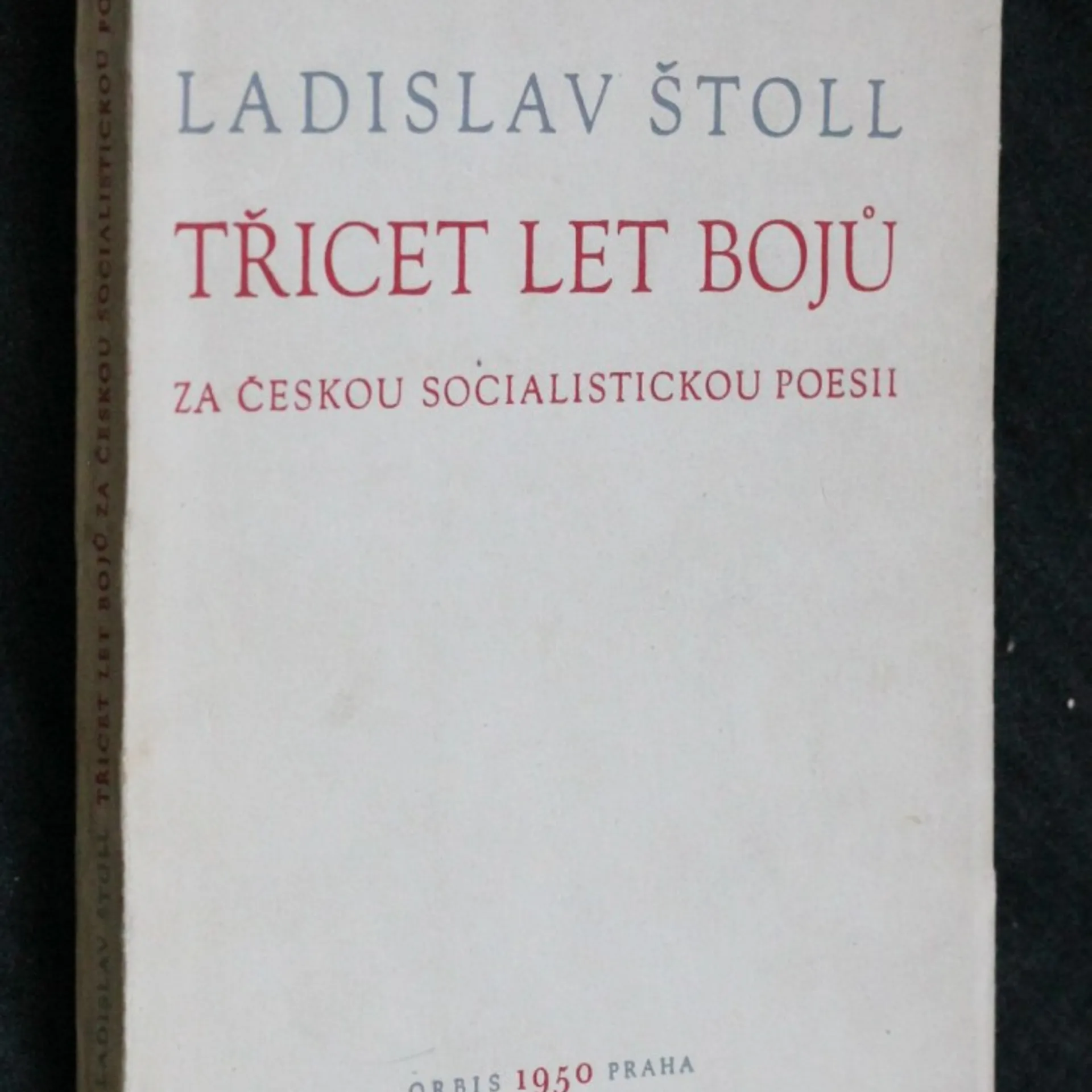
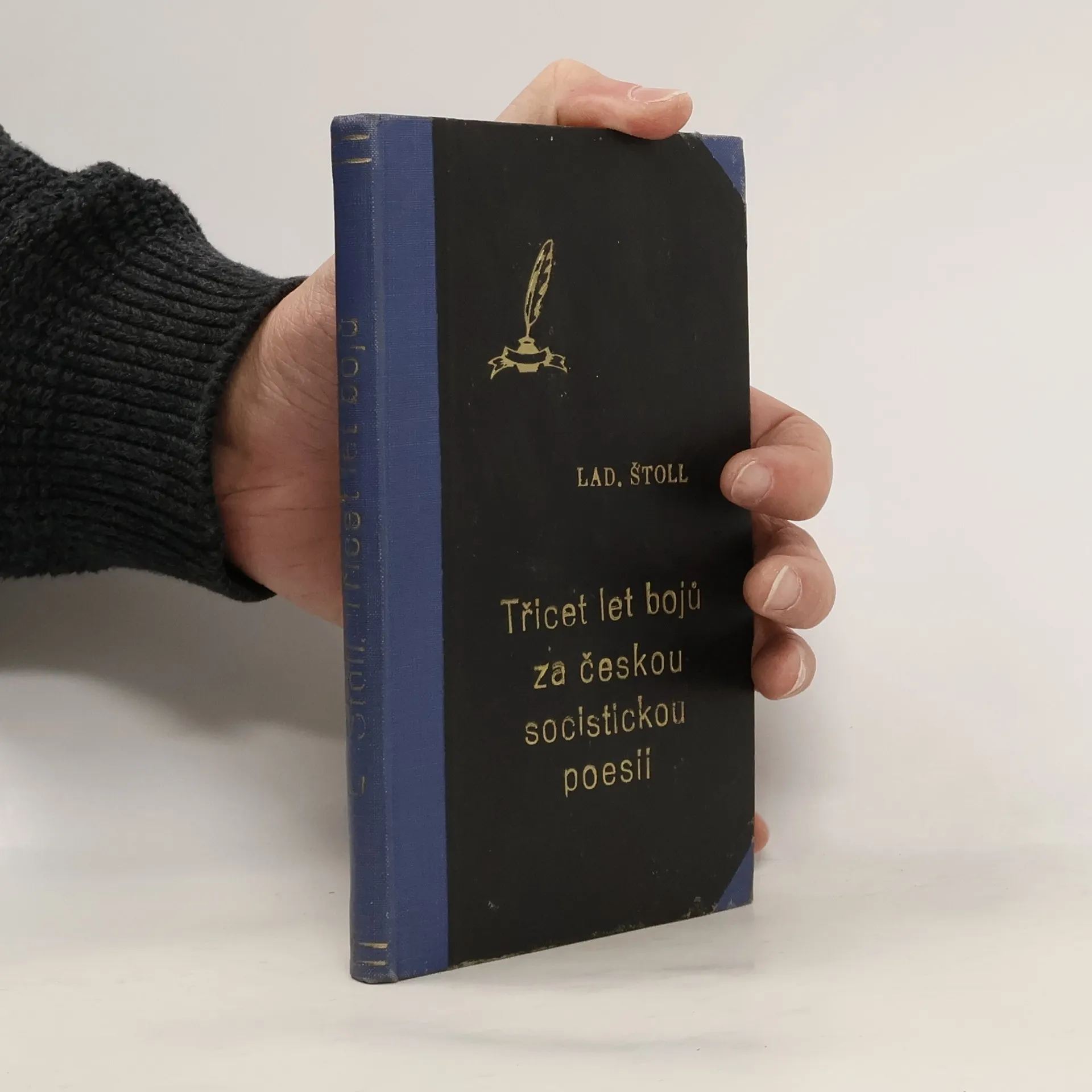
Třicet let bojů za českou socialistickou poesii
Referát pronesený na pracovní konferenci Svazu československých spisovatelů dne 22. ledna 1950
První rozsáhlejší krit. rozbor duch. dramatu boje za čes. poesii v letech 1918-1948. Odhaluje střetání zákl. vývoj. tendencí v oblasti naší poesie, zápas za nový, vyšší společen. řád v tvorbě č. básníků. Štoll vysoko vytyčil úlohu S.K. Neumanna, který se dovedl probojovat všemi zmatky a vykročit v čelo socialist. poesie. Pozornost pak věnuje zákrutům básnické cesty Nezvalovy. Vysoko pak rýsuje význam J. Wolkera a konstatuje pak, že proletář. poesii na scestí kosmopolitismu, směrem k poetismu a reakč. surrealismu svedl K. Teige. Na dvou taženích proti Wolkerovi (1925, 1934) nachází stopy Halase, který se stal mluvčím nálad č. inteligence konce let 20. a 30. Štoll vidí v dvojici Wolker - Halas typic. antipody epochy. Na Halasovu chorob. skepsi a hořké rozčarování navazují pak dekadent. a rozklad. tendence existencionalist. kritika V. Černého i katol. skupiny B. Fučíka.
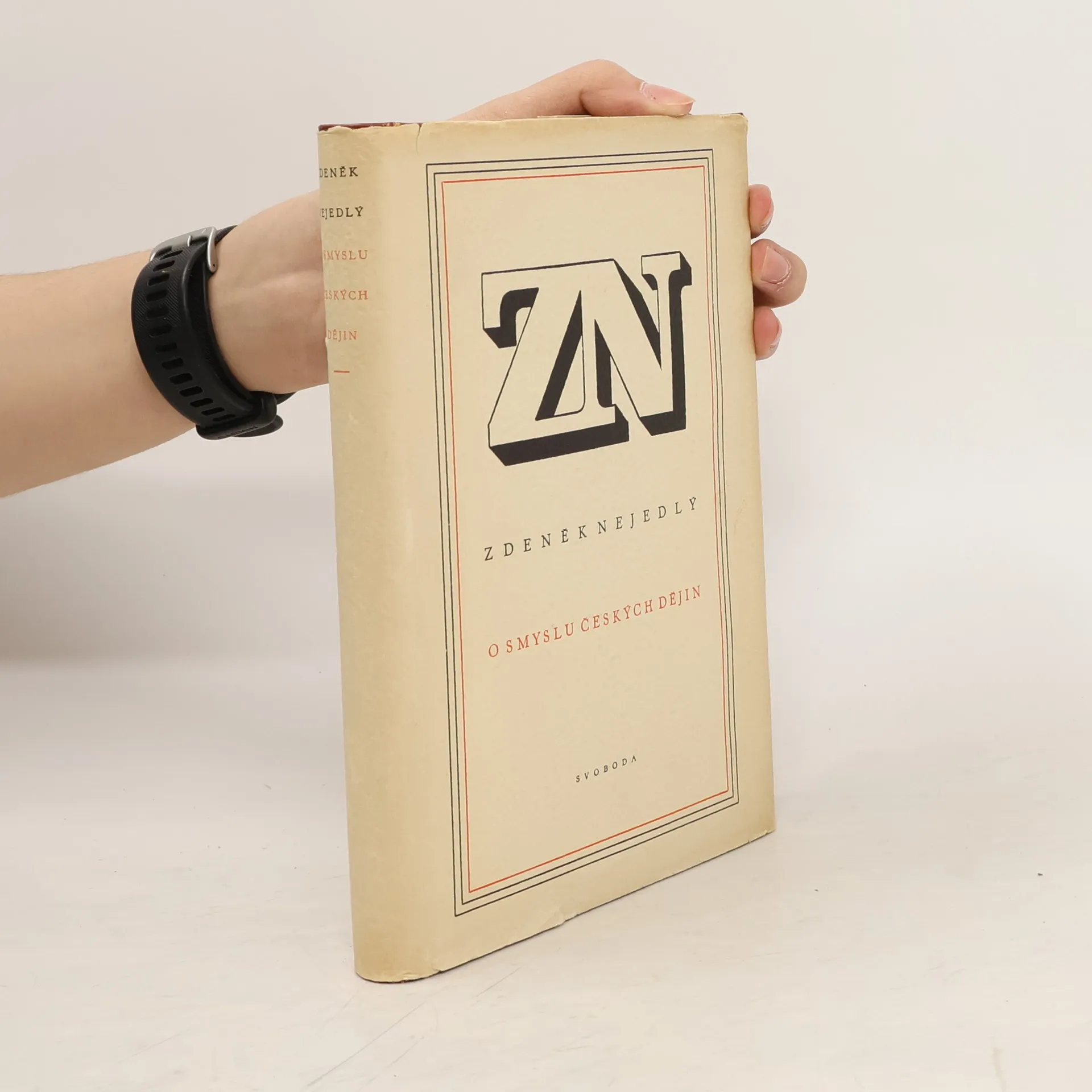
Zdeněk Nejedlý v tomto díle nahlíží na dějiny české očima komunisty ovlivněného Leninským hnutím v Sovětském svazu.
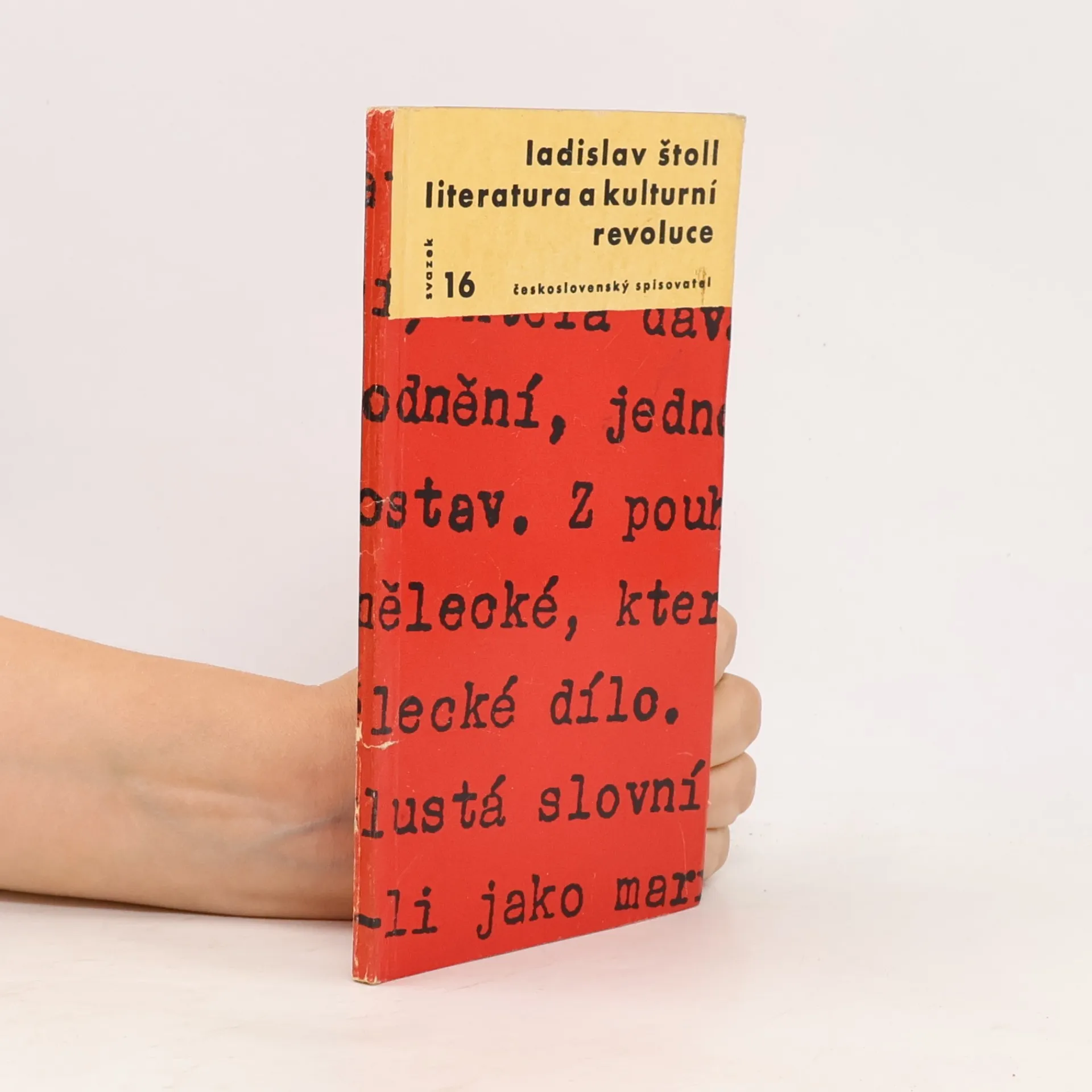
Projev na celostátní konferenci Svazu československých spisovatelů konané ve dnech 1.–2. března 1959
Komunistický manifest byl vydán v roce 1848 Karlem Marxem na sjezdu komunistů v Londýně.
Projev na celostátní konferenci Svazu československých spisovatelů konané ve dnech 1.–2. března 1959
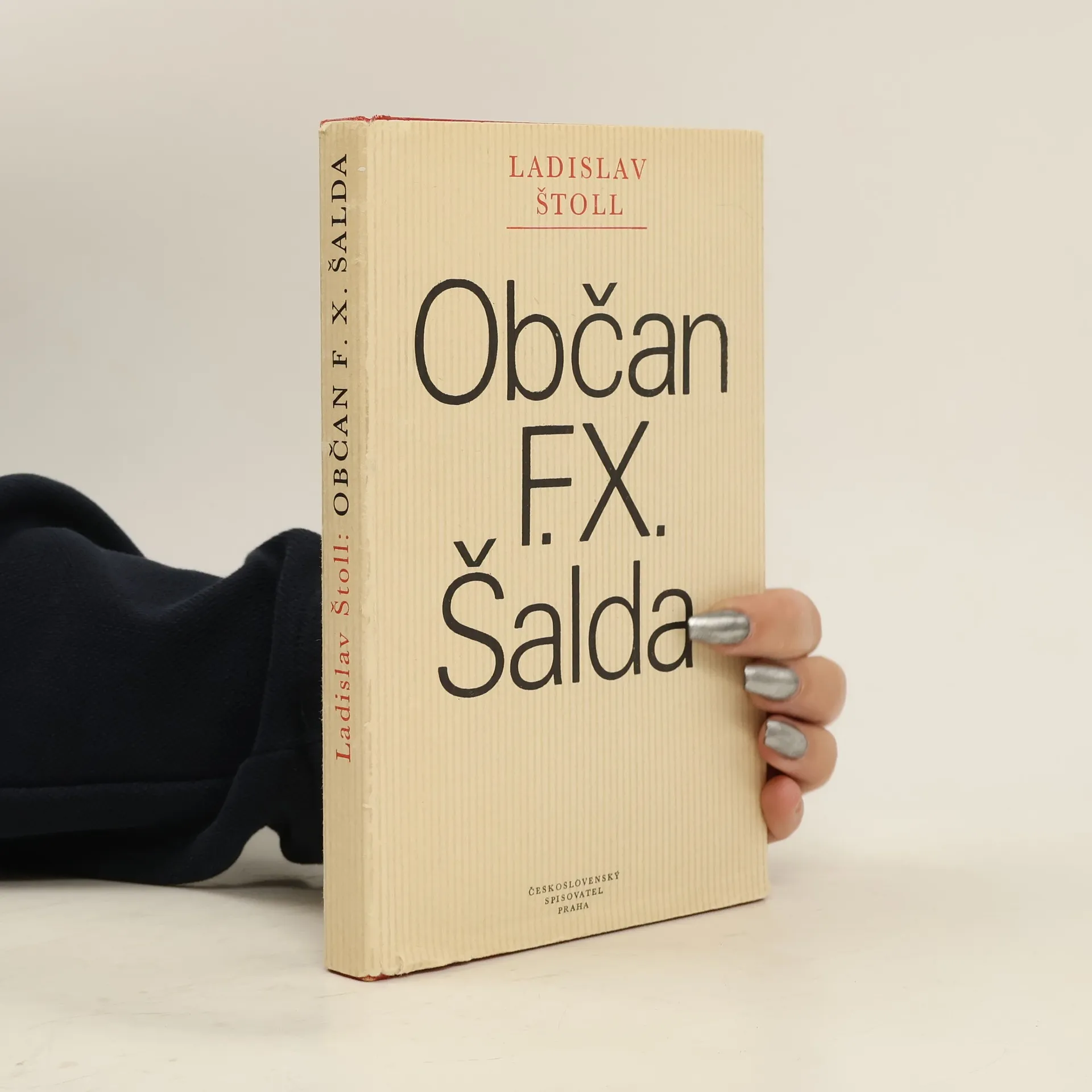
Studie o životě F. X. Šaldy, v níž se nejedná o ryze odborné pojednání o některém Šaldovo životním období nebo o nějaké jeho konkrétní práci, „dává nahlédnout do hry vnitřních sil, utvářející podobu velkého českého kritika“.
Projev na celostátní konferenci Svazu československých spisovatelů konané ve dnech 1.–2. března 1959
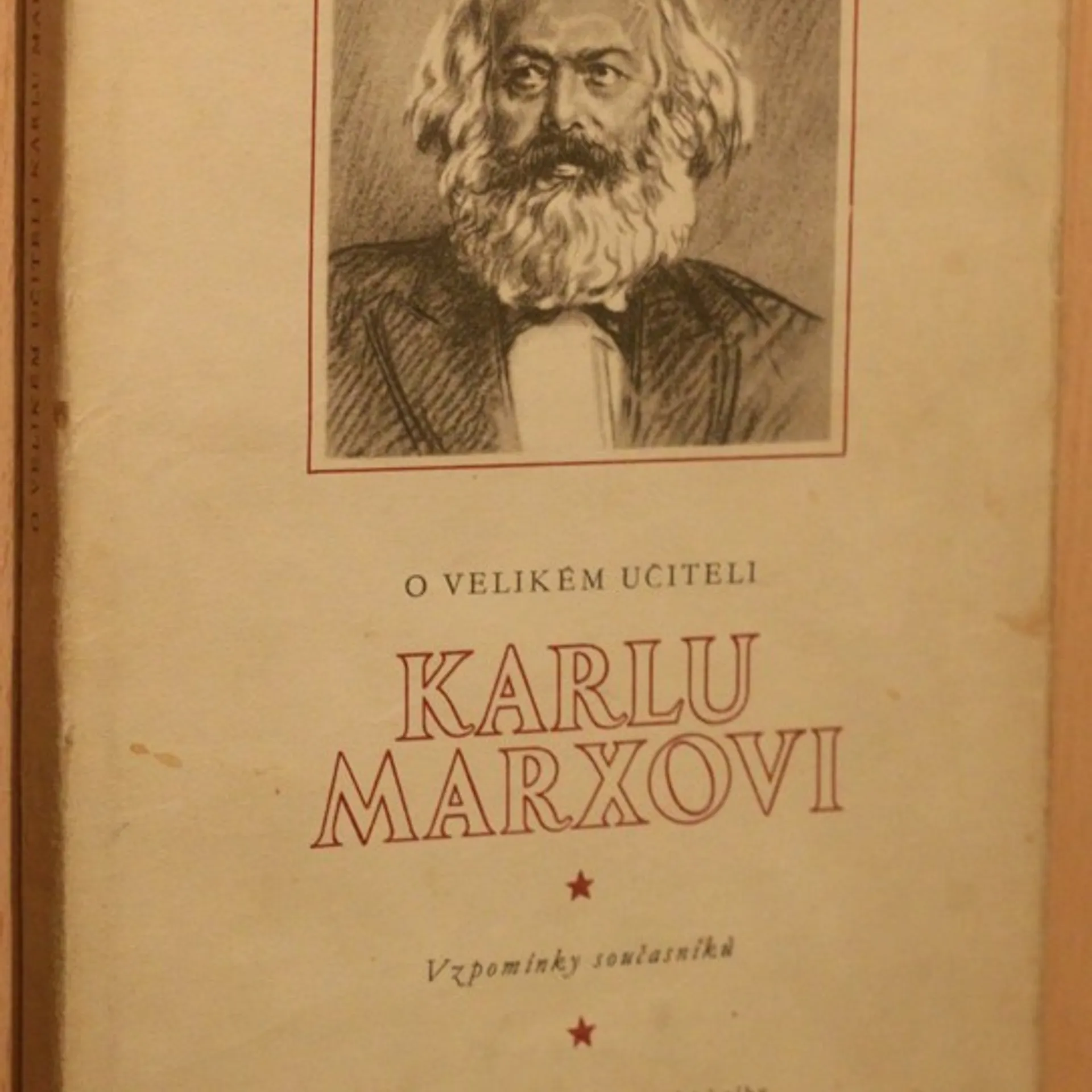
Články, vzpomínky a výňatky z korespondence Marxových žáků, současníků a členů rodiny přibližují dospělejší mládeži hlavní zásady Marxova učení, popisují jeho metodu práce a studie, seznamují s poměry, v nichž žil, a přibližují jeho lidské vlastnosti a rodinný život.
První rozsáhlejší krit. rozbor duch. dramatu boje za čes. poesii v letech 1918-1948. Odhaluje střetání zákl. vývoj. tendencí v oblasti naší poesie, zápas za nový, vyšší společen. řád v tvorbě č. básníků. Štoll vysoko vytyčil úlohu S.K. Neumanna, který se dovedl probojovat všemi zmatky a vykročit v čelo socialist. poesie. Pozornost pak věnuje zákrutům básnické cesty Nezvalovy. Vysoko pak rýsuje význam J. Wolkera a konstatuje pak, že proletář. poesii na scestí kosmopolitismu, směrem k poetismu a reakč. surrealismu svedl K. Teige. Na dvou taženích proti Wolkerovi (1925, 1934) nachází stopy Halase, který se stal mluvčím nálad č. inteligence konce let 20. a 30. Štoll vidí v dvojici Wolker - Halas typic. antipody epochy. Na Halasovu chorob. skepsi a hořké rozčarování navazují pak dekadent. a rozklad. tendence existencionalist. kritika V. Černého i katol. skupiny B. Fučíka.
Výběr z teoretických prací je sestaven převahou z podstatných partií spisu "Anti-Gide" a pak z úryvků projevů, jež byly otištěny od r . 1919 do r. 1937 v časopisech Červen, Proletkult a Tvorba a v publikaci"ČeskoslovenskoSovětskému svazu k 20. výročí". Na závěr je přiložen příspěvek L.Štolla k diskusi o A. Gidovi a jeho knížce "Návrat ze Sovětského svazu" z roku 1937. Neumann i Štoll tu formulují, v čem spočívá socialistická akomunistickáspolečnost a její ideje.
Projev na celostátní konferenci Svazu československých spisovatelů konané ve dnech 1.–2. března 1959
Socialismus a osobnosti
- 301 pages
- 11 hours of reading