

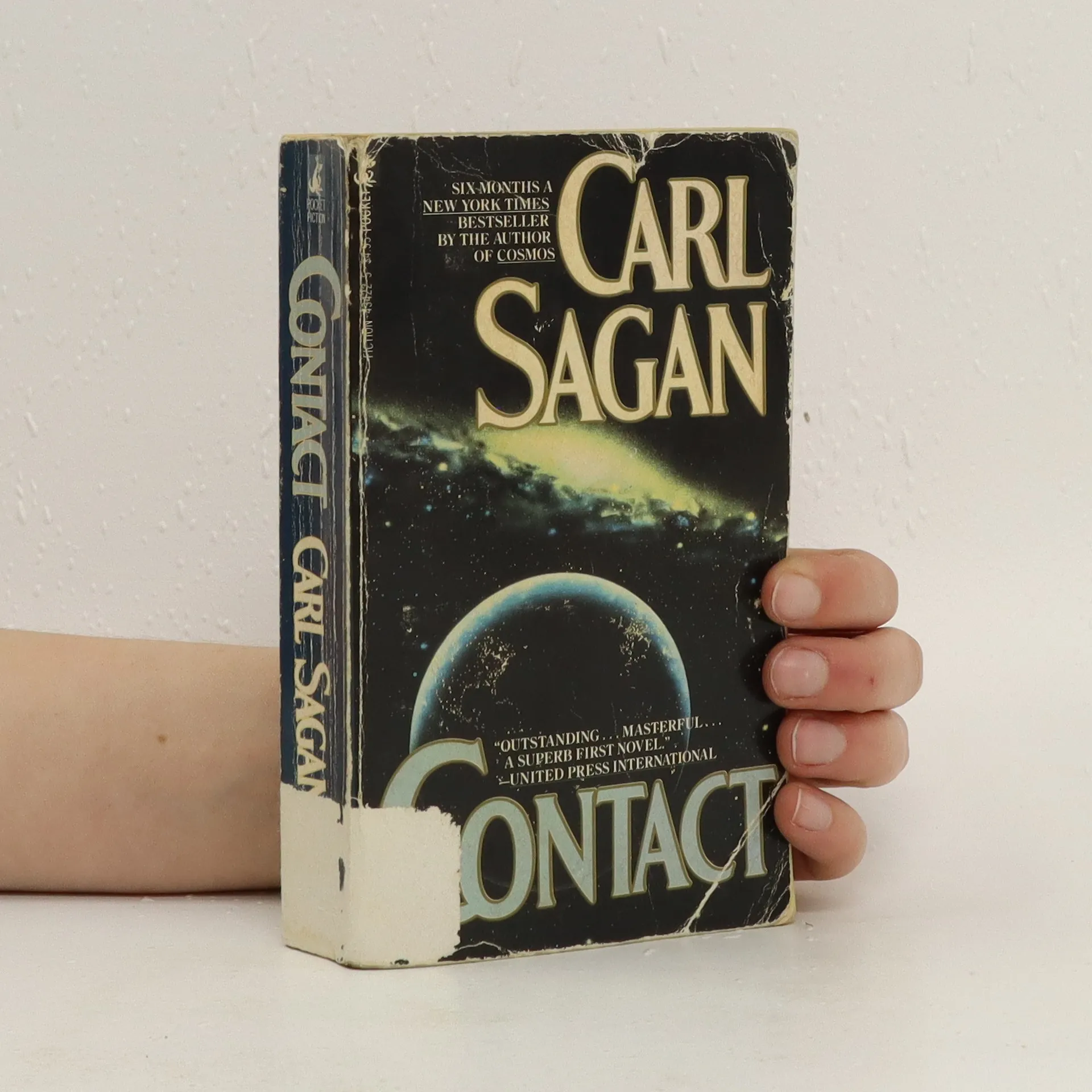
In December, 1999, a multinational team journeys out to the stars, to the most awesome encounter in human history. Who -- or what -- is out there? In "Cosmos," Carl Sagan explained the universe. In "Contact," he predicts its future -- and our own.
Martina Fedorová Books
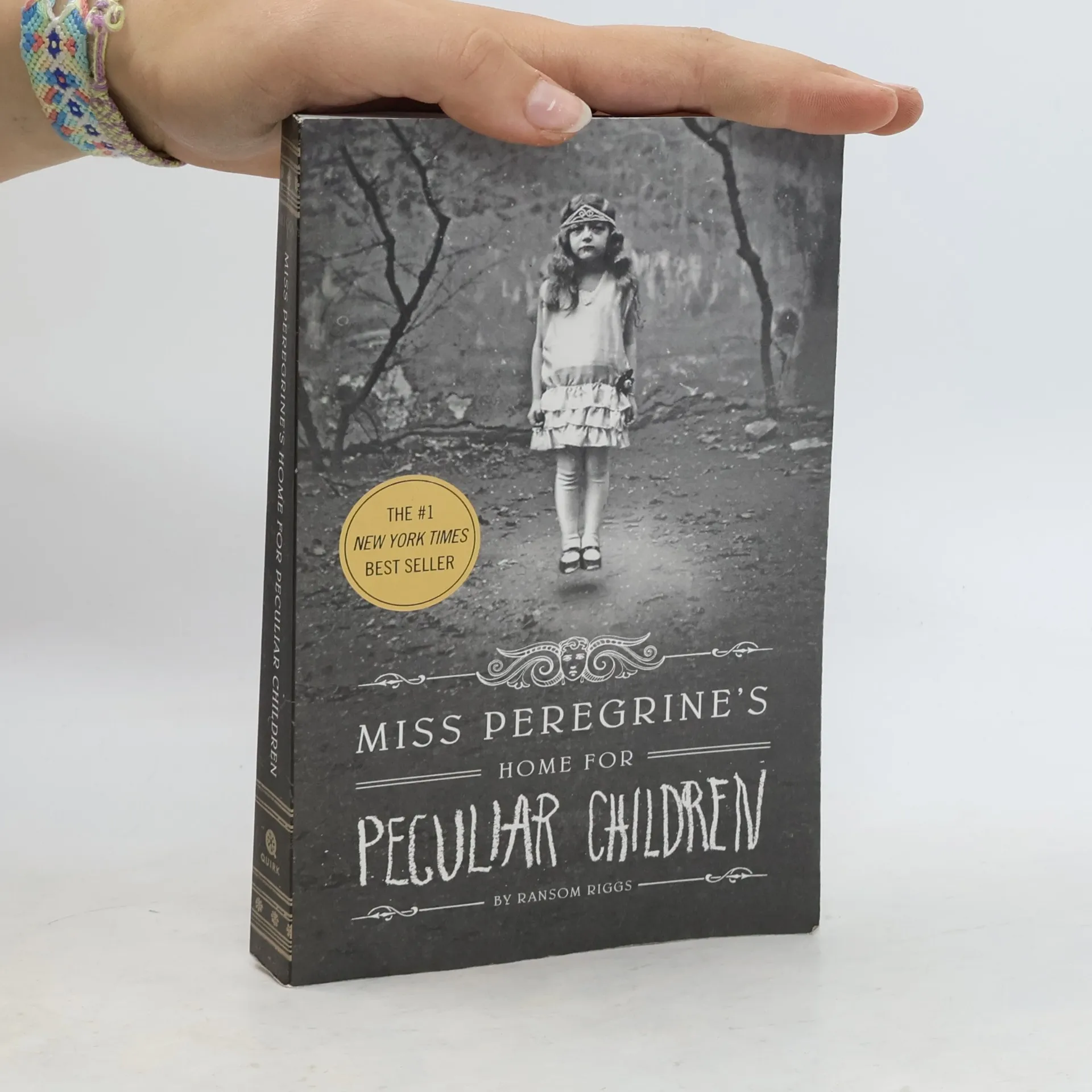
After a family tragedy, Jacob feels compelled to explore an abandoned orphanage on an island off the coast of Wales, discovering disturbing facts about the children who were kept there
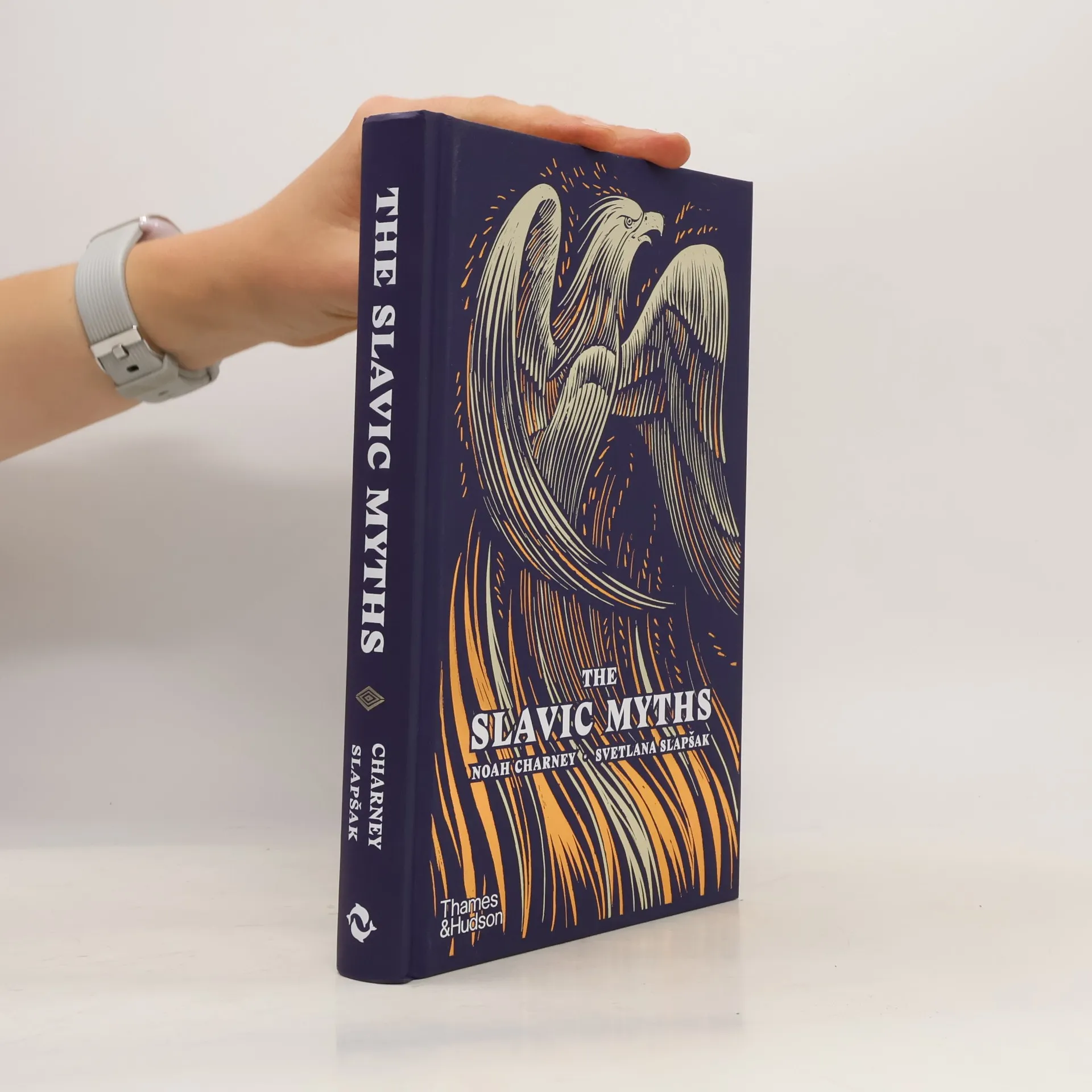
The Slavic Myths
- 240 pages
- 9 hours of reading
A Pulitzer-nominated author and a prominent public intellectual of Slavic culture explore the rich and unfamiliar myths and legends of the Slavic world. This collection encompasses the diverse East Slavs (Russia, Ukraine, Belarus), West Slavs (Czech Republic, Slovakia, Poland), and South Slavs (former Yugoslavia and Bulgaria), all united by tales of adventure and magic rooted in a shared lore. The authors expertly retell these ancient stories while providing nuanced analysis that highlights their significance within Slavic tradition. While less known than the myths of ancient Egypt, Greece, and Scandinavia, Slavic mythology features relatable elements: capricious deities, demons, faeries, and witches, including the dual-natured vestica. A supreme god commands storms, and gods convene under a World Tree, echoing Norse mythology. The vampire and werewolf emerge from Slavic belief systems. Through careful analysis and sensitive reconstructions, the authors reveal the original Slavic beliefs before they were altered by Christian chroniclers and 19th-century nationalists. They also draw connections to neighboring pantheons and the belief systems of indigenous cultures worldwide, uncovering universal themes in the stories that shape our understanding of humanity.
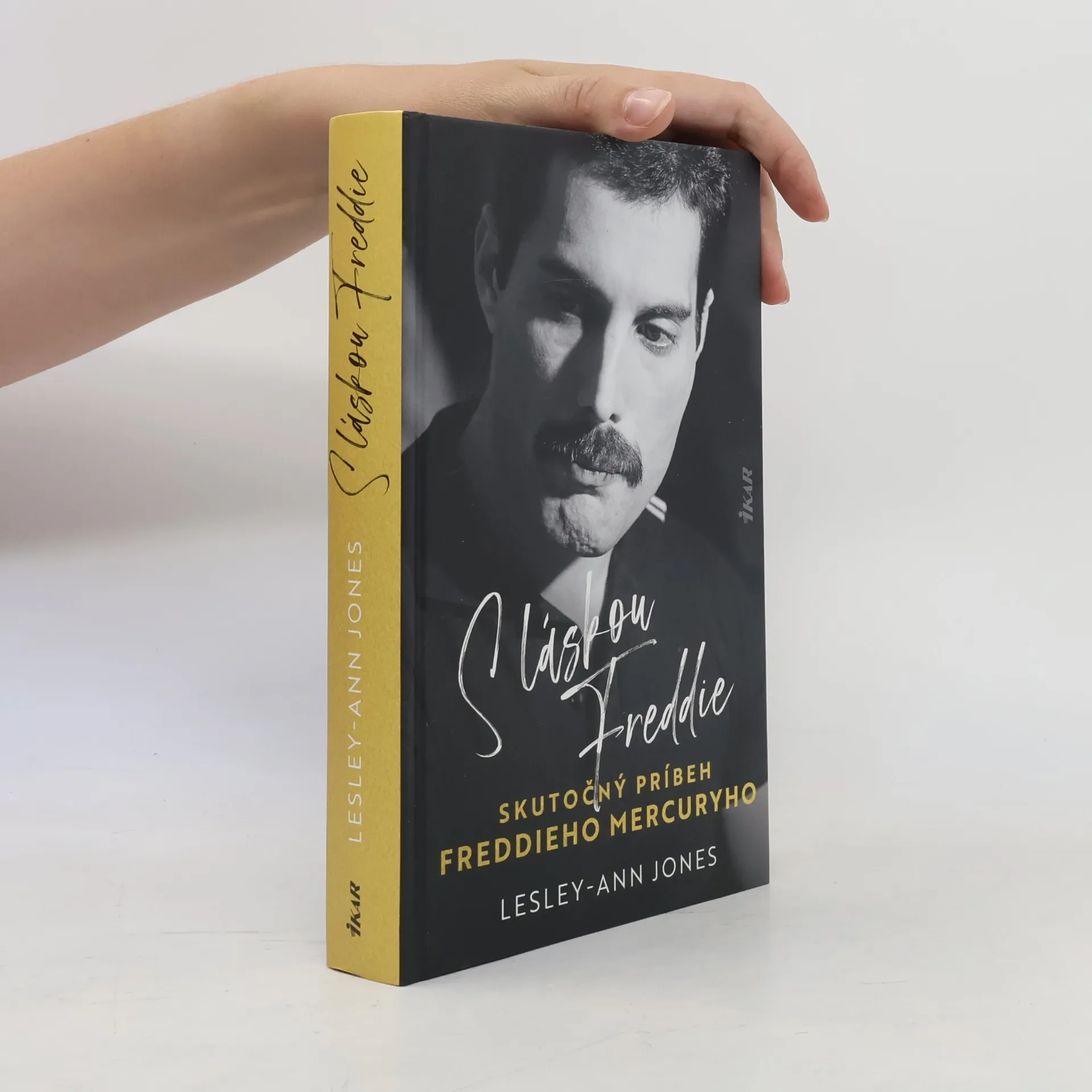
S láskou Freddie: Skutočný príbeh Freddieho Mercuryho
- 368 pages
- 13 hours of reading
Skutočný príbeh Freddieho Mercuryho Málo ľudí vedelo, že Freddie Mercury si viedol denník, no iba štyria z jeho najbližšieho okolia vedia, čo sa s ním stalo. V roku 2021 jedna z Mercuryho blízkych osôb oslovila autorku Lesley-Ann Jones a ponúkla jej kompletný, neobmedzený prístup k najintímnejším spovediam umelca, šokujúce tajomstvá zo spevákovho detstva a jeho najhlbšie obavy v sedemnástich ručne písaných zošitoch. Kniha S láskou Freddie sa ponára do spevákových osobných odhalení a vytvárala príbeh, ktorý prevráti všetko, čo sme si mysleli, že o Freddiem Mercurym a jeho odkaze vieme.