

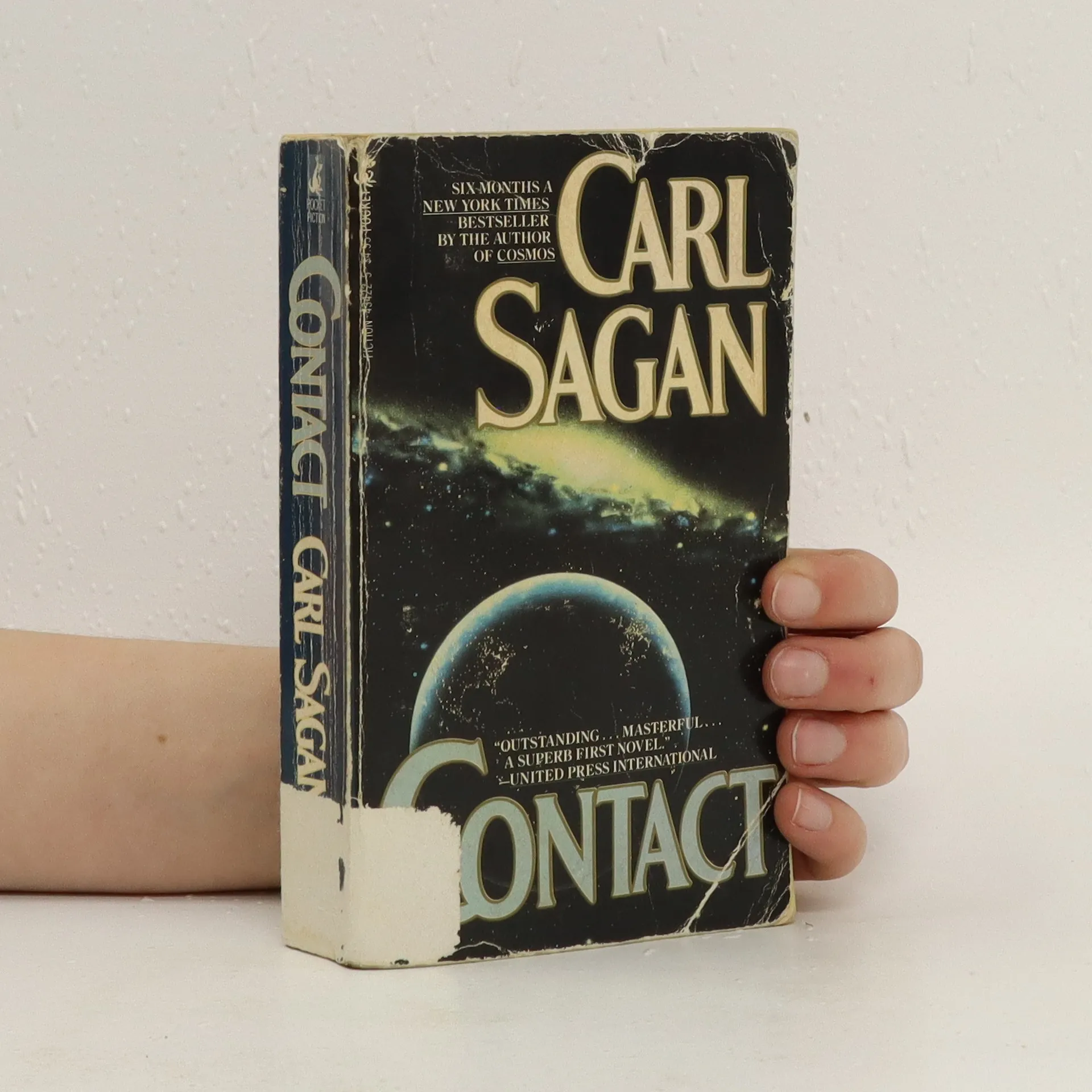
Renowned astronomer Carl Sagan’s classic bestseller that “dives into the past, present, and future of science, dealing with the mind-staggering enormity of the cosmos in which we exist” (Associated Press)—with an Introduction by Ann Druyan and a Foreword by Neil deGrasse Tyson “Sagan dazzles the mind with the miracle of our survival, framed by the stately galaxies of space.”—Cosmopolitan THE INSPIRATION FOR THE FOX MINISERIES COSMOS: POSSIBLE WORLDS, HOSTED BY NEIL DEGRASSE TYSON AND STARRING SETH MACFARLANE AND SIR PATRICK STEWART In clear-eyed prose, Carl Sagan reveals a jewel-like blue world inhabited by a life form that is just beginning to discover its own identity and to venture into the vast ocean of space. Featuring full-color illustrations, Cosmos retraces the fourteen billion years of cosmic evolution that have transformed matter into consciousness, exploring such topics as the origin of life, the human brain, Egyptian hieroglyphics, spacecraft missions, the death of the Sun, the evolution of galaxies, and the forces and individuals who helped shape modern science.
Martina Fedorová Book order (chronological)


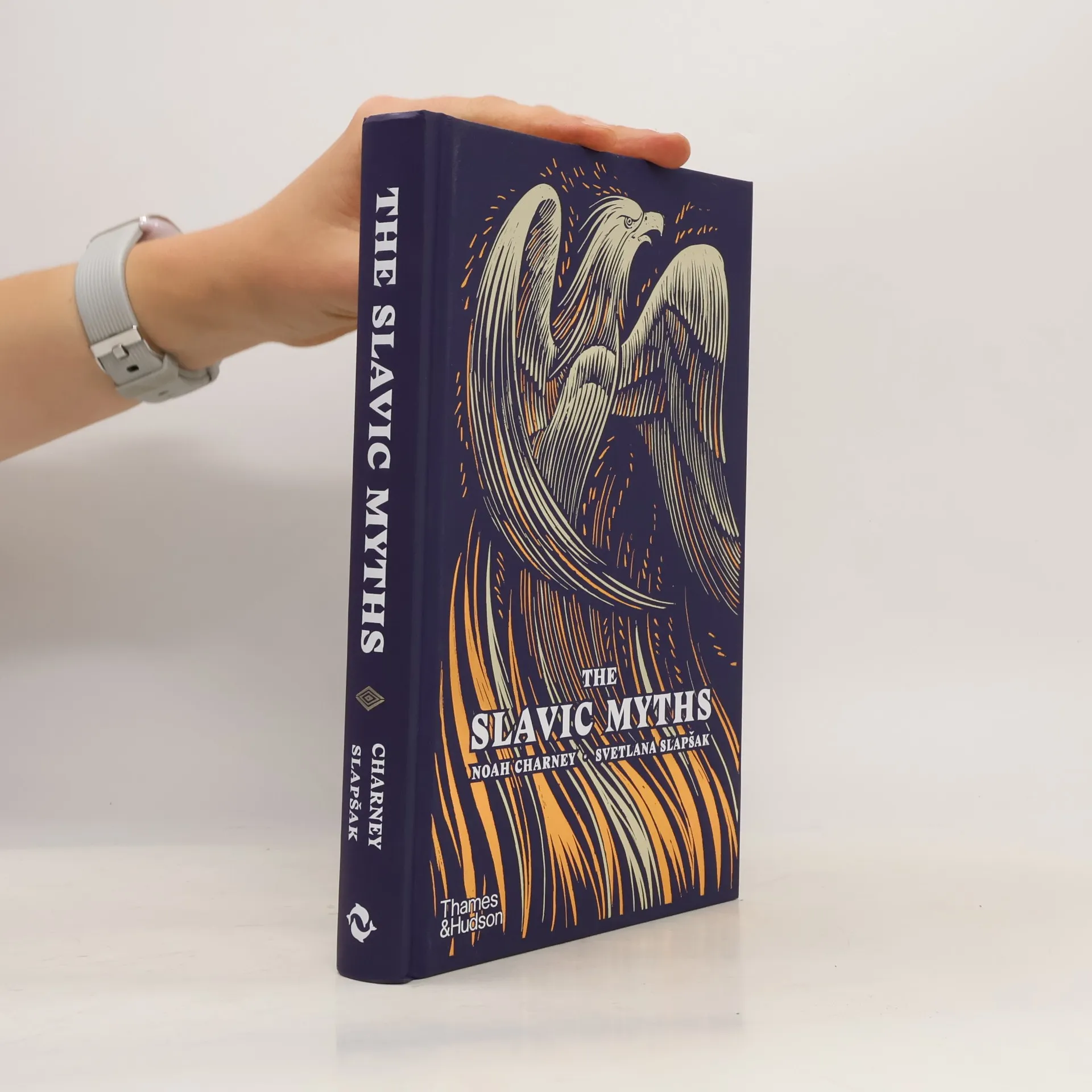
The Slavic Myths
- 240 pages
- 9 hours of reading
A Pulitzer-nominated author and a prominent public intellectual of Slavic culture explore the rich and unfamiliar myths and legends of the Slavic world. This collection encompasses the diverse East Slavs (Russia, Ukraine, Belarus), West Slavs (Czech Republic, Slovakia, Poland), and South Slavs (former Yugoslavia and Bulgaria), all united by tales of adventure and magic rooted in a shared lore. The authors expertly retell these ancient stories while providing nuanced analysis that highlights their significance within Slavic tradition. While less known than the myths of ancient Egypt, Greece, and Scandinavia, Slavic mythology features relatable elements: capricious deities, demons, faeries, and witches, including the dual-natured vestica. A supreme god commands storms, and gods convene under a World Tree, echoing Norse mythology. The vampire and werewolf emerge from Slavic belief systems. Through careful analysis and sensitive reconstructions, the authors reveal the original Slavic beliefs before they were altered by Christian chroniclers and 19th-century nationalists. They also draw connections to neighboring pantheons and the belief systems of indigenous cultures worldwide, uncovering universal themes in the stories that shape our understanding of humanity.
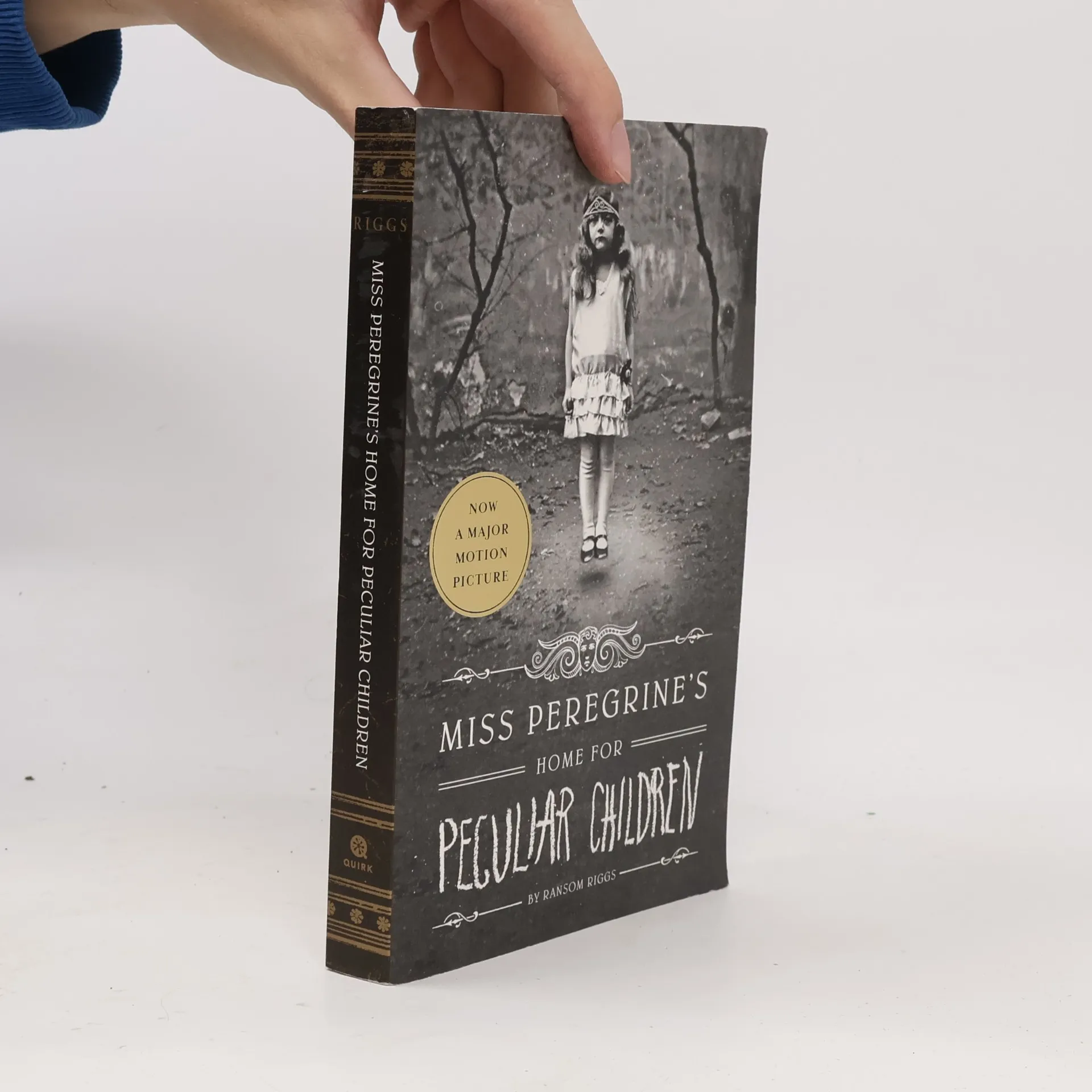
After a family tragedy, Jacob feels compelled to explore an abandoned orphanage on an island off the coast of Wales, discovering disturbing facts about the children who were kept there