Explore the latest books of this year!
Bookbot

Frei Otto

    May 31, 1925 – March 9, 2015
    Bis sich Nacht in die Augen senkt. Die Steckborner Pentalogie
    Jugend am Ufer. Geschichten
    Mein Bodensee
    Frei Otto zum 85sten
    Frei Otto, thinking by modeling
    Occupying and connecting
    • 2017

      Als ein Ganzes gesehen erweisen sich seine fünf besten Romane als eine harmlos beginnende und sich allmählich zum grandiosen Finale von Rebell steigernde Auseinandersetzung eines Sohnes mit seinem überstarken Vater. Ein Kampf auf Leben und Tod der das zentrale Thema der 68er-Revolte, den Generationskonflikt, ins persönliche, individuelle Erleben verlegt und der sich am Ende als das aussichtslose Aufbegehren eines Abtrünnigen gegen Gott und die Schöpfung entpuppt. Das Eindrückliche an den fünf Romanen aber ist, dass sie Tragik bis zuletzt mit groteskem Humor und sinnlich-ansteckender Erzählfreude einhergeht, so dass die in die Landschaft des Thurgauer Seerückens eingebettete Comédie humaine und auch immer zum Lachen bringt.

      Bis sich Nacht in die Augen senkt. Die Steckborner Pentalogie
    • 2016

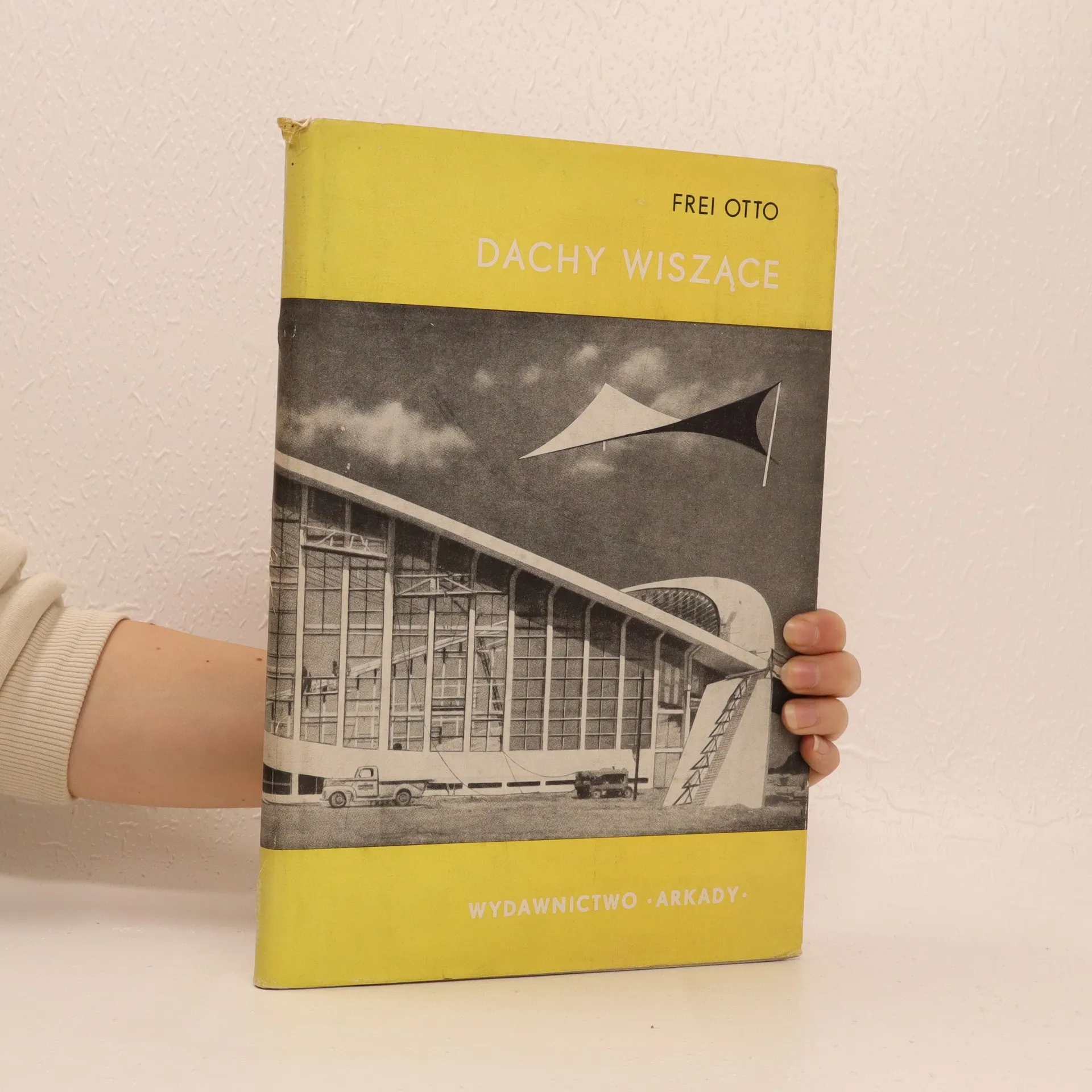
      In den 1950er Jahren prägte Frei Otto mit seinen Zeltkonstruktionen die Gartenschauen der jungen Bonner Republik, er schuf gemeinsam mit Behnisch & Partner die Dachlandschaft für die Olympischen Spiele 1972 in München. Das innovative Potential in seinem Oeuvre beruht auf der großen Interdisziplinarität des Denkens zwischen Architektur, Technik, Kunst, Wissenschaft und Gesellschaft. Er erkannte die Modellhaftigkeit der Natur und versuchte sie, Zeit seines Lebens für die Architektur und den Ingenieurbau – und damit für die Zukunft – nutzbar zu machen. Das Frei-Otto Archiv zeichnet sich durch eine große Anzahl experimenteller Modelle aus. Die Publikation erscheint in zwei Ausgaben (Deutsch und Englisch) anlässlich der umfangreichsten Ausstellung zum Werk von Frei Otto im ZKM Karlsruhe gemeinsam mit der Wüstenrot Stiftung, Eröffnung im Herbst 2016. In ihr werden erstmals die Modelle von Frei Otto veröffentlicht.

      Denken in Modellen
    • 2016

      Frei Otto, thinking by modeling

      • 408 pages
      • 15 hours of reading

      In the 1950s, Frei Otto’s tent structures left their mark on the horticultural shows of the new Bonn Republic; together with Behnisch & Partner he created the roof landscape for the Munich Olympic Games in 1972. The innovative potential in his work is based on the interdisciplinarity of a mode of thinking that took in architecture, technology, art, science, and society. He saw nature as a model and tried throughout his life to harness it for the sake of architecture and civil engineering — and thus also for the future. The Frei-Otto Archive features a large number of experimental models. The book will come out in two editions (German and English) and will be the first time Frei Otto’s models have appeared in print. The book is being published in conjunction with the most extensive exhibition to date of the work of Frei Otto at the ZKM | Center for Art and Media Karlsruhe in association with the Wüstenrot Foundation. The exhibition will open in autumn 2016.

      Frei Otto, thinking by modeling
    • 2013
    • 2011

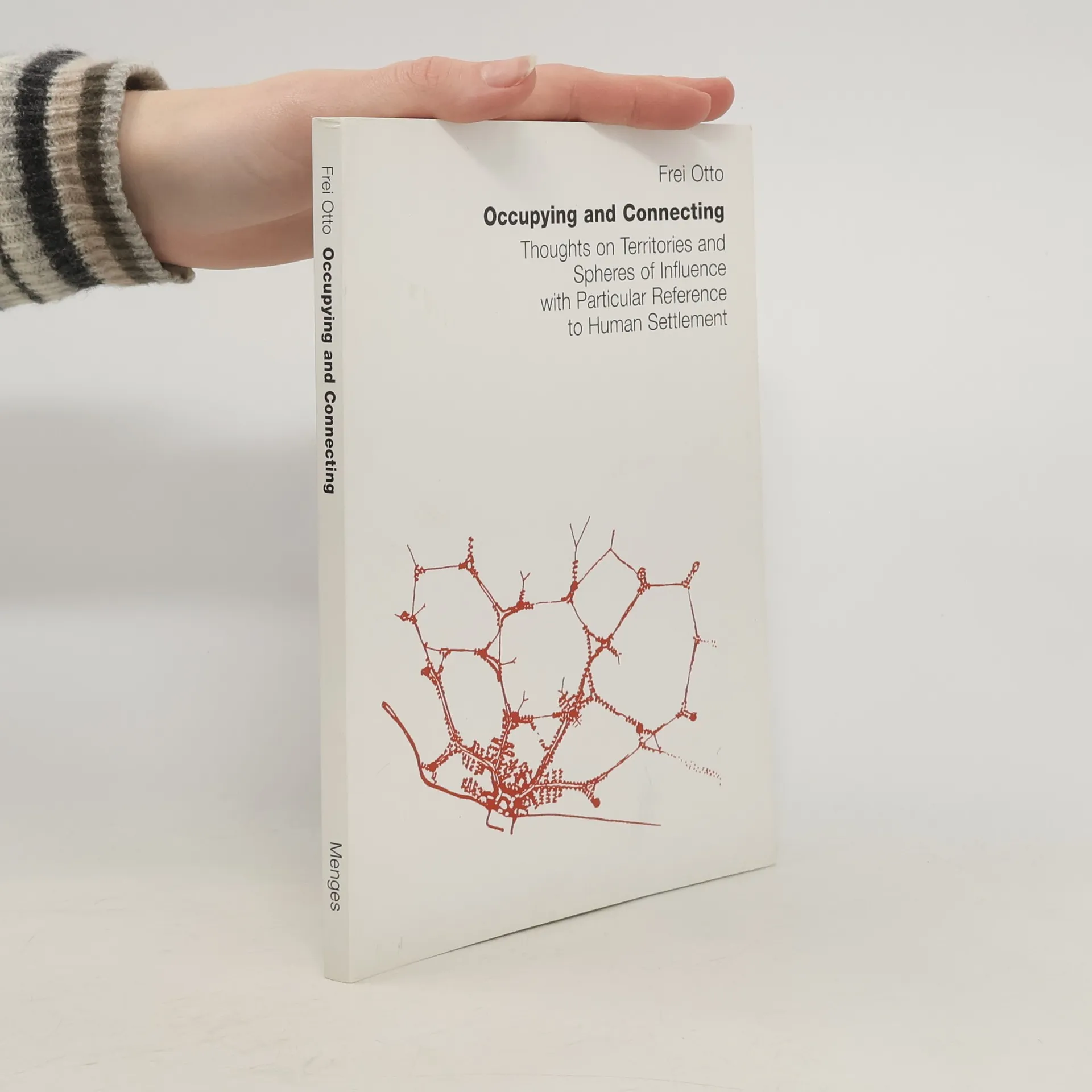
      Occupying and connecting

      • 112 pages
      • 4 hours of reading
      4.8(22)Add rating

      Cities, estates, and routing systems are in constant flux, making them difficult to plan effectively. Ownership claims, land regulations, and political decisions hinder the adaptability of settlement structures to evolving needs, complicating the ecological use of land. Despite this, new techniques and flexible planning models could connect with the organic processes of urban development. While plants are rooted in place, animals and humans occupy mobile territories that become static as density increases. Human settlements resemble organisms but lack the hereditary form of natural structures like corals or beehives, often growing and shrinking simultaneously. Their forms are rarely chaotic, as typical self-formation processes lead to remarkable optimization over time. However, the rapid pace of change has outstripped current urban planning theories. Effective, self-created, unplanned settlements can achieve energy and biological efficiency, resulting in ecologically sound and aesthetically pleasing solutions. This study, part of research into "natural constructions" by the Deutsche Forschungsgemeinschaft, was previously available only in German. Frei Otto, a key architectural visionary of the 20th century, transcends traditional construction, blending technical skill, artistry, and philosophy, with a focus on harmonizing building practices with nature.

      Occupying and connecting
    • 2005
    • 1995