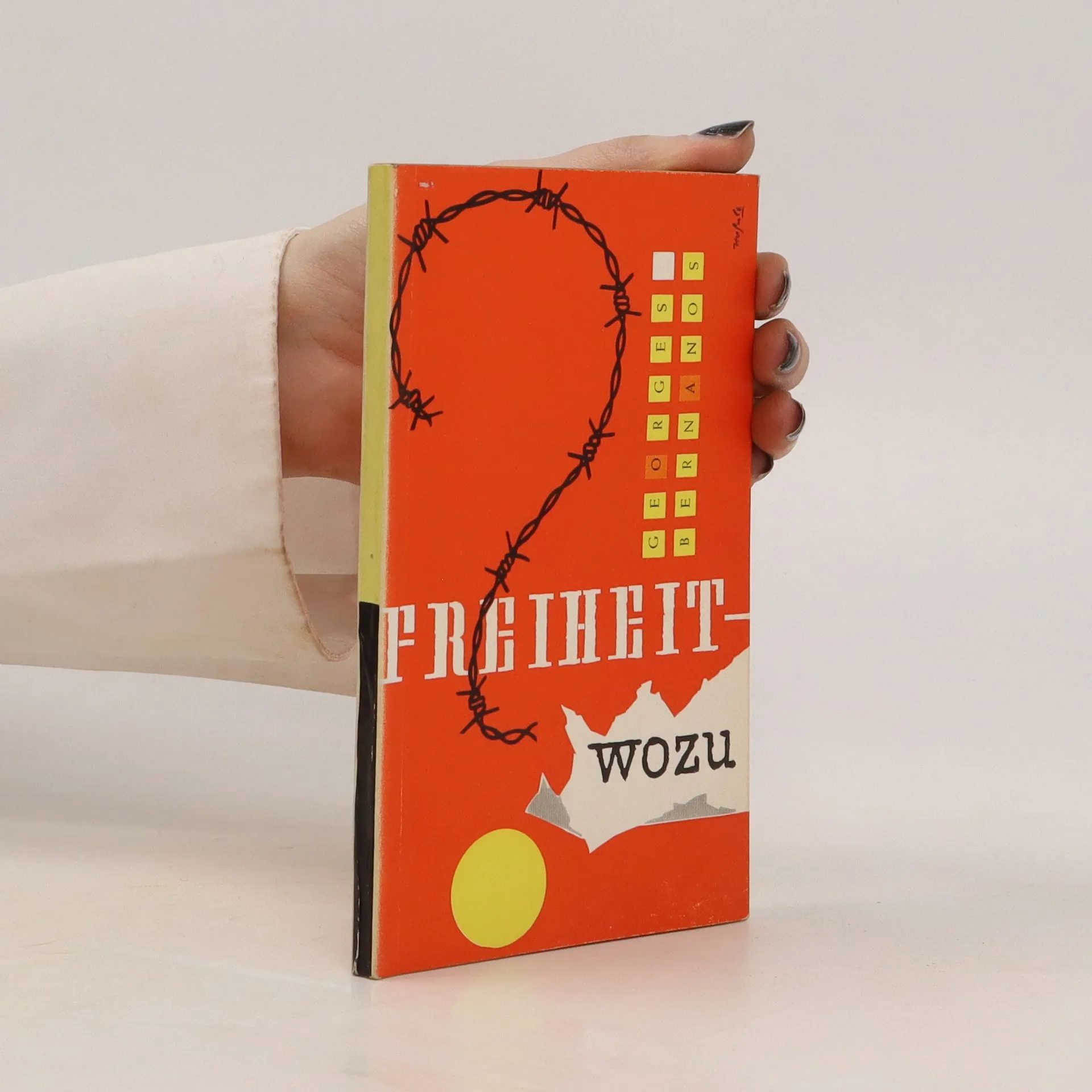
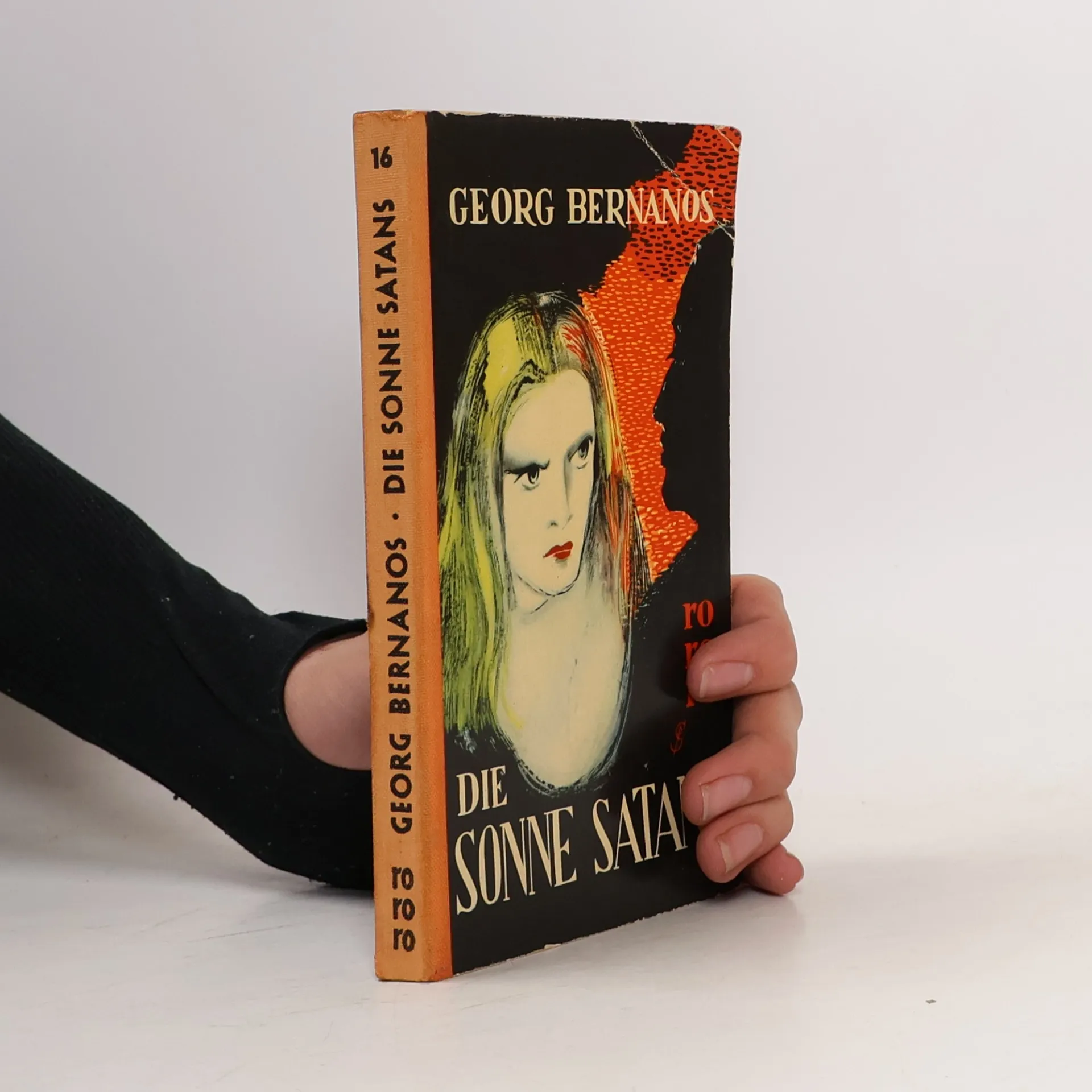
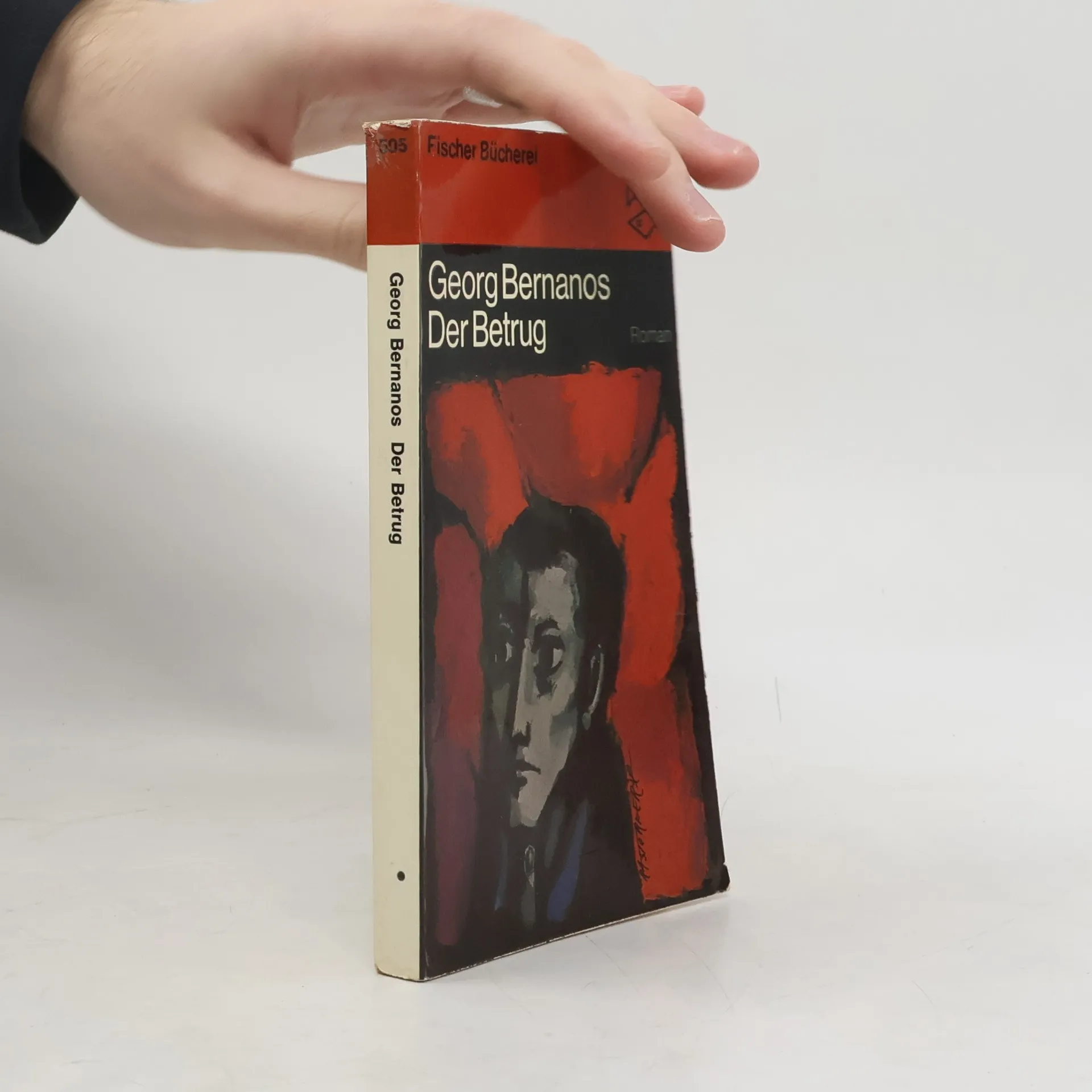
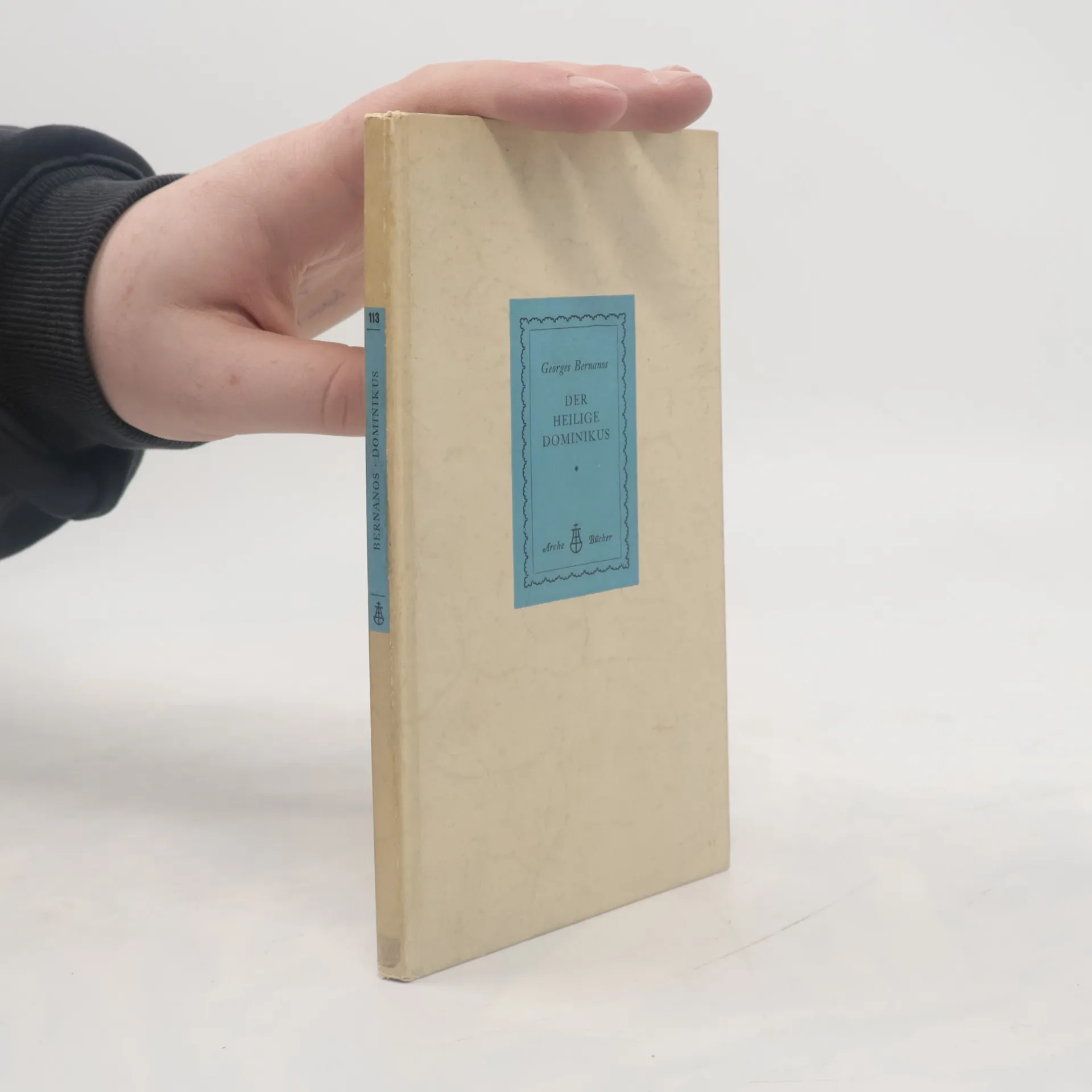
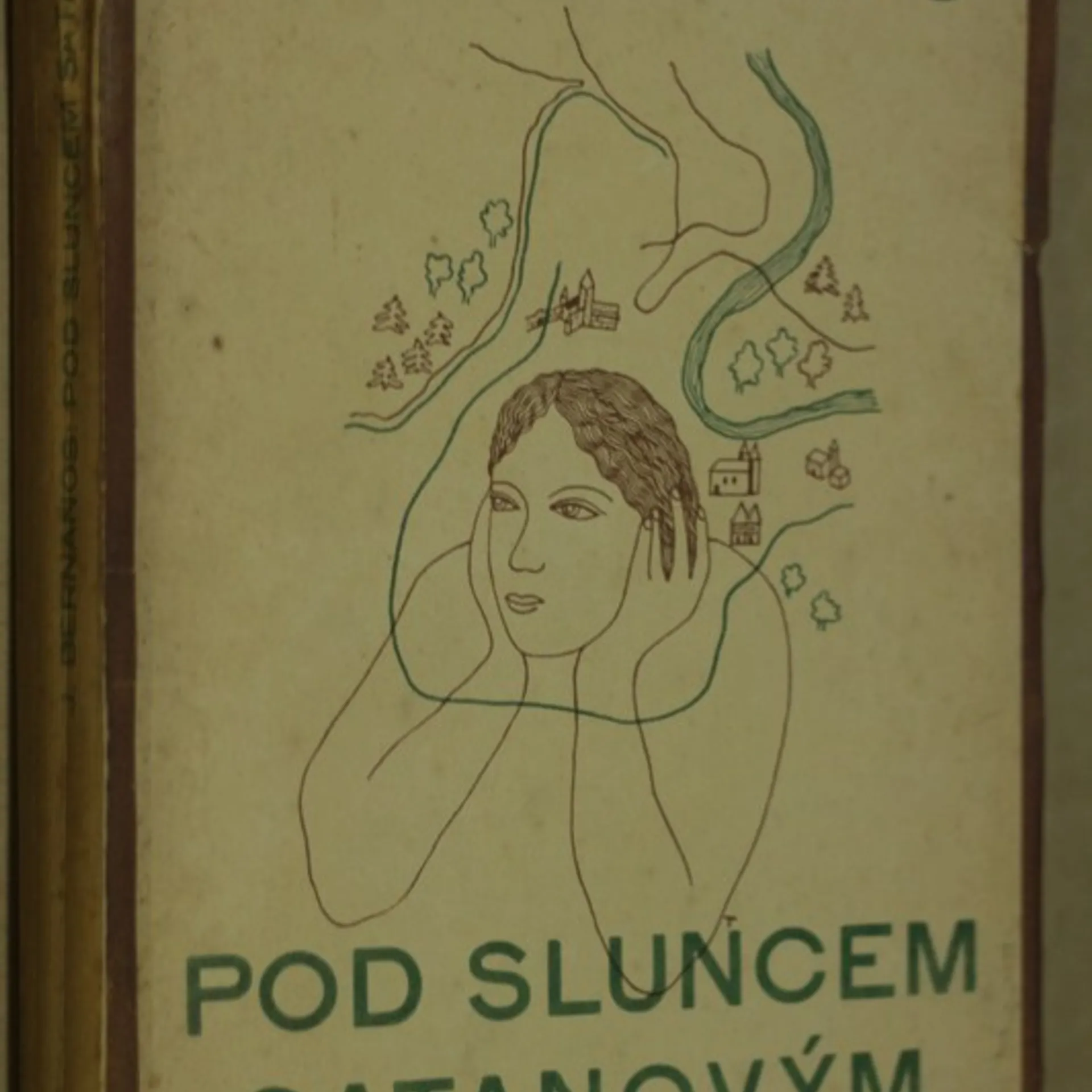
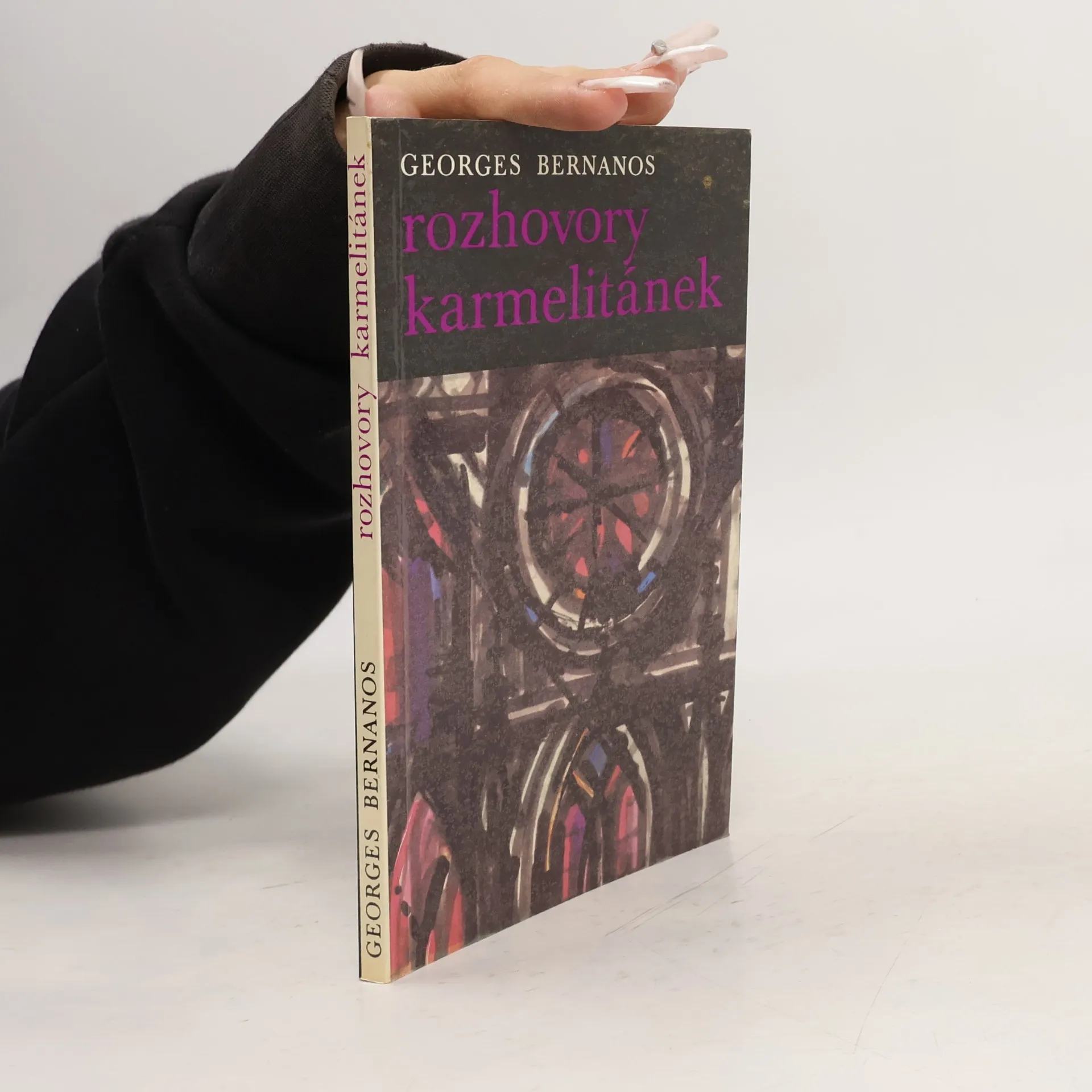
Georges Bernanos was a French writer whose work delves into profound spiritual and moral struggles with penetrating psychological insight. He captures the intense emotional landscape and lyrical precision of his characters' inner lives, drawing readers into their conflicts. Bernanos's writing celebrates the fragility of the human spirit and the persistent search for grace. His distinctive voice offers a powerful exploration of faith and doubt.
Georges Bernanos challenges the notion of comforting readers, advocating instead for a jarring approach that provokes deeper reflection. Through a collection of letters and essays, he critiques unthinking piety and simplistic understandings of God, urging readers to confront uncomfortable truths. This compilation, presented for the first time in English, showcases Bernanos's incisive insights as one of the prominent Catholic authors of the twentieth century.
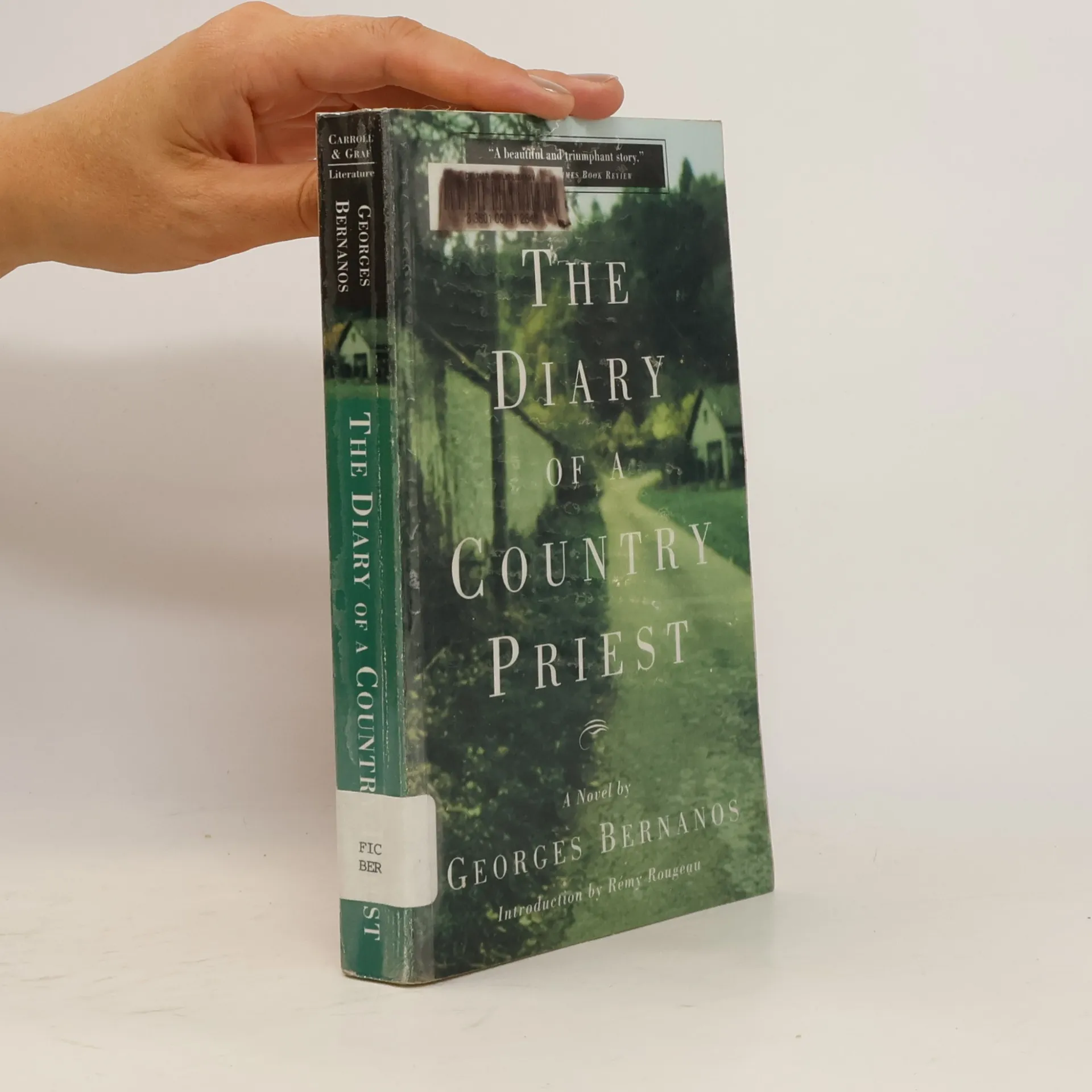
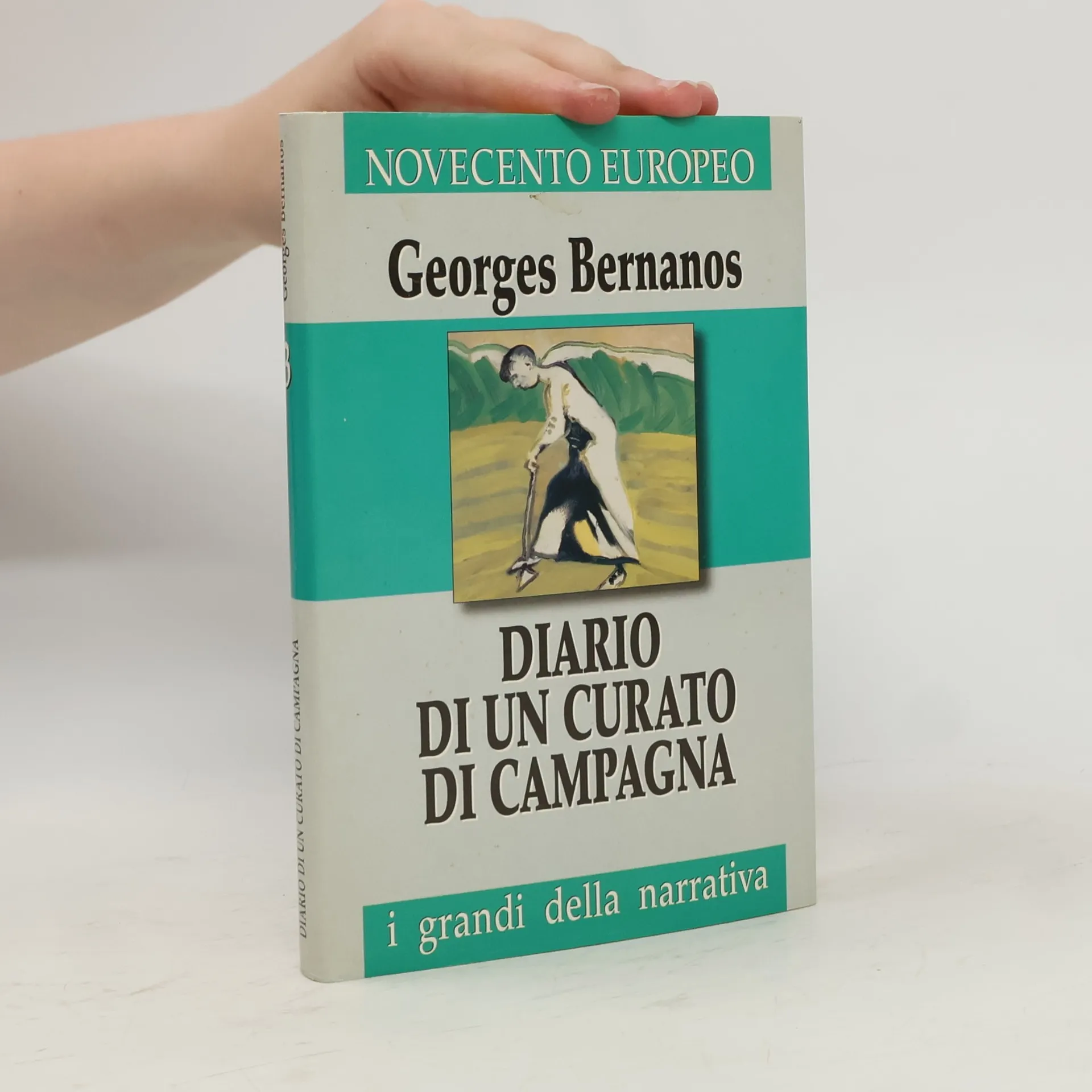
In this classic Catholic novel, Bernanos movingly recounts the life of a young French country priest who grows to understand his provincial parish while learning spiritual humility himself. Awarded the Grand Prix for Literature by the Academie Francaise, The Diary of a Country Priest was adapted into an acclaimed film by Robert Bresson. "A book of the utmost sensitiveness and compassion...it is a work of deep, subtle and singularly encompassing art." — New York Times Book Review (front page)
Exploring the themes of evil and salvation, the narrative centers on Fr. Donissan, a fervent yet simple priest dedicated to his rural ministry. His deep understanding of his parishioners' struggles, coupled with a keen awareness of the lurking presence of Satan, leads him to confront profound moral dilemmas. Through encounters with a fallen woman, a dying child, and fellow priests in doubt, the story unfolds with dramatic intensity and meditative insights, showcasing Bernanos's unique literary style and artistic vision.
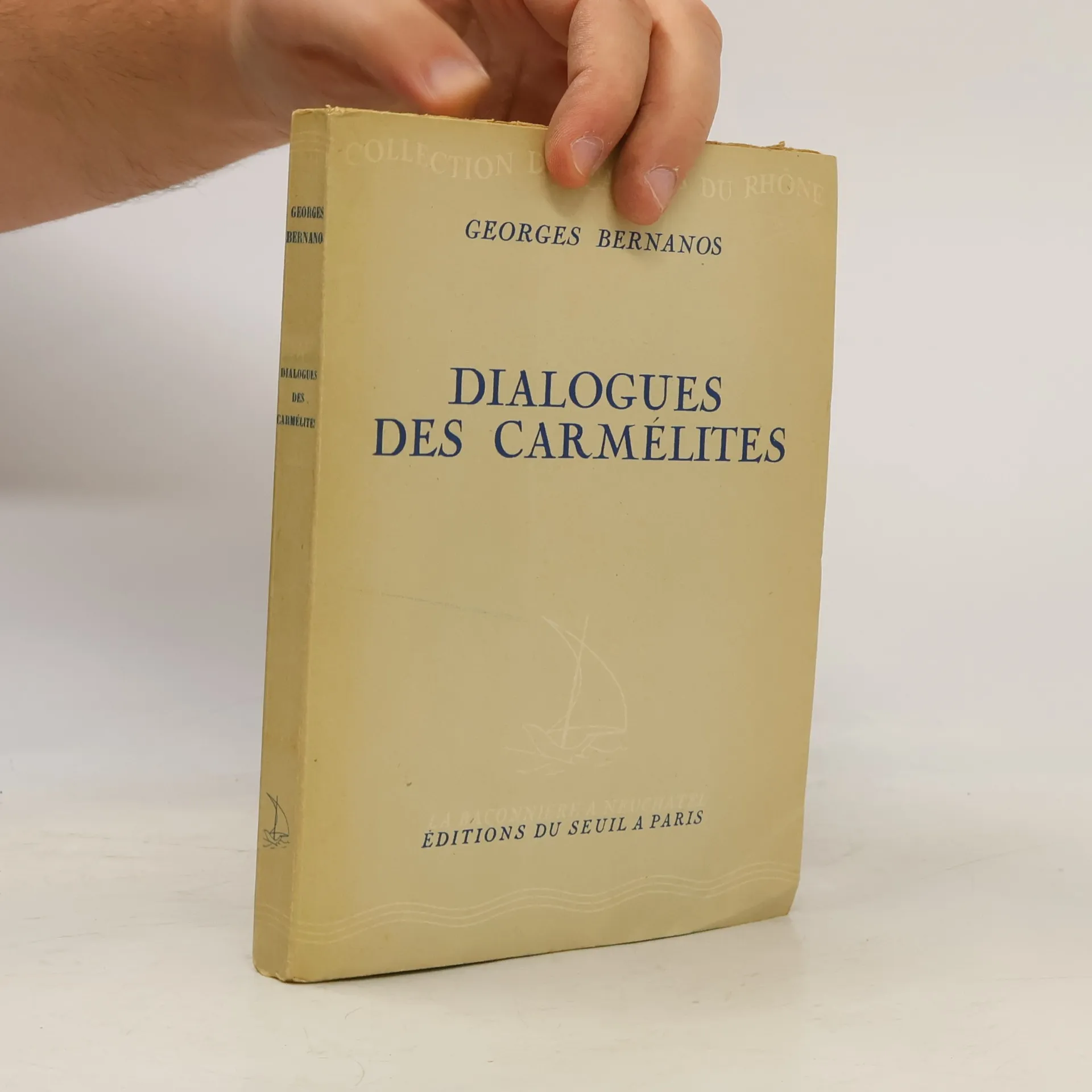
Set against the backdrop of the French Revolution, a group of Carmelite sisters faces execution for their unwavering faith. As they stand on the brink of martyrdom, the youngest, Blanche de la Force, grapples with her fears and has fled. In this poignant moment, the remaining sisters cling to their beliefs, praying for strength and love to overcome their terror. The story delves into themes of faith, sacrifice, and the struggle between fear and love in the face of death.
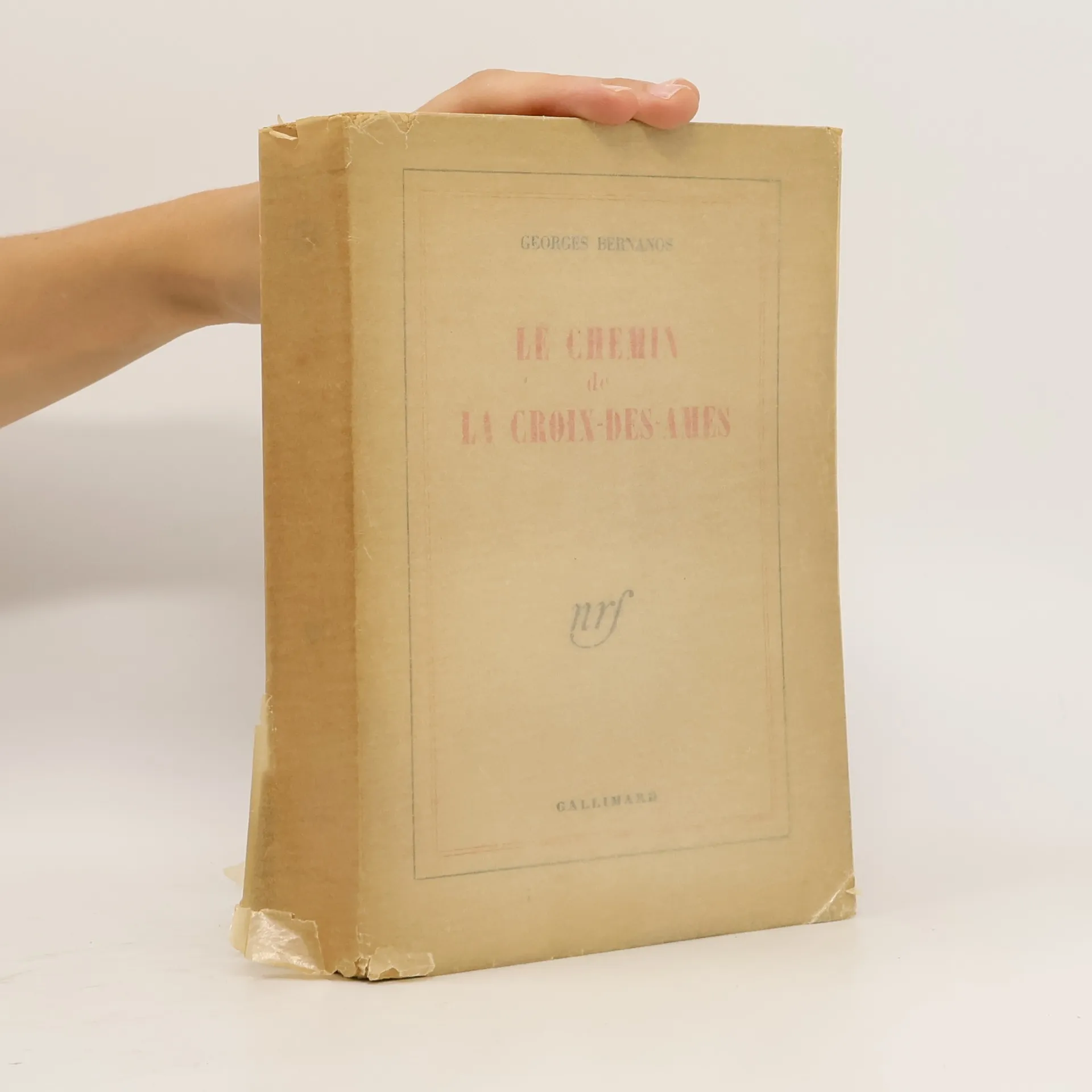
Bernanos avait été chargé de composer les dialogues d'un scénario cinématographique, lui-même tiré de la célèbre nouvelle de Gertrud von Le Fort, La Dernière à l'échafaud, ayant pour thème la marche au martyre de seize carmélites de Compiègne qui furent guillotinées en place de Grève le 17 juillet 1794. Mais l'œuvre de Bernanos est profondément différente du récit allemand. Ne serait-ce que parce que Bernanos se trouvait lui-même à la veille de sa propre mort. Le texte complet des Dialogues a été retrouvé parmi les manuscrits de Bernanos et publié dès 1949 par Albert Béguin.
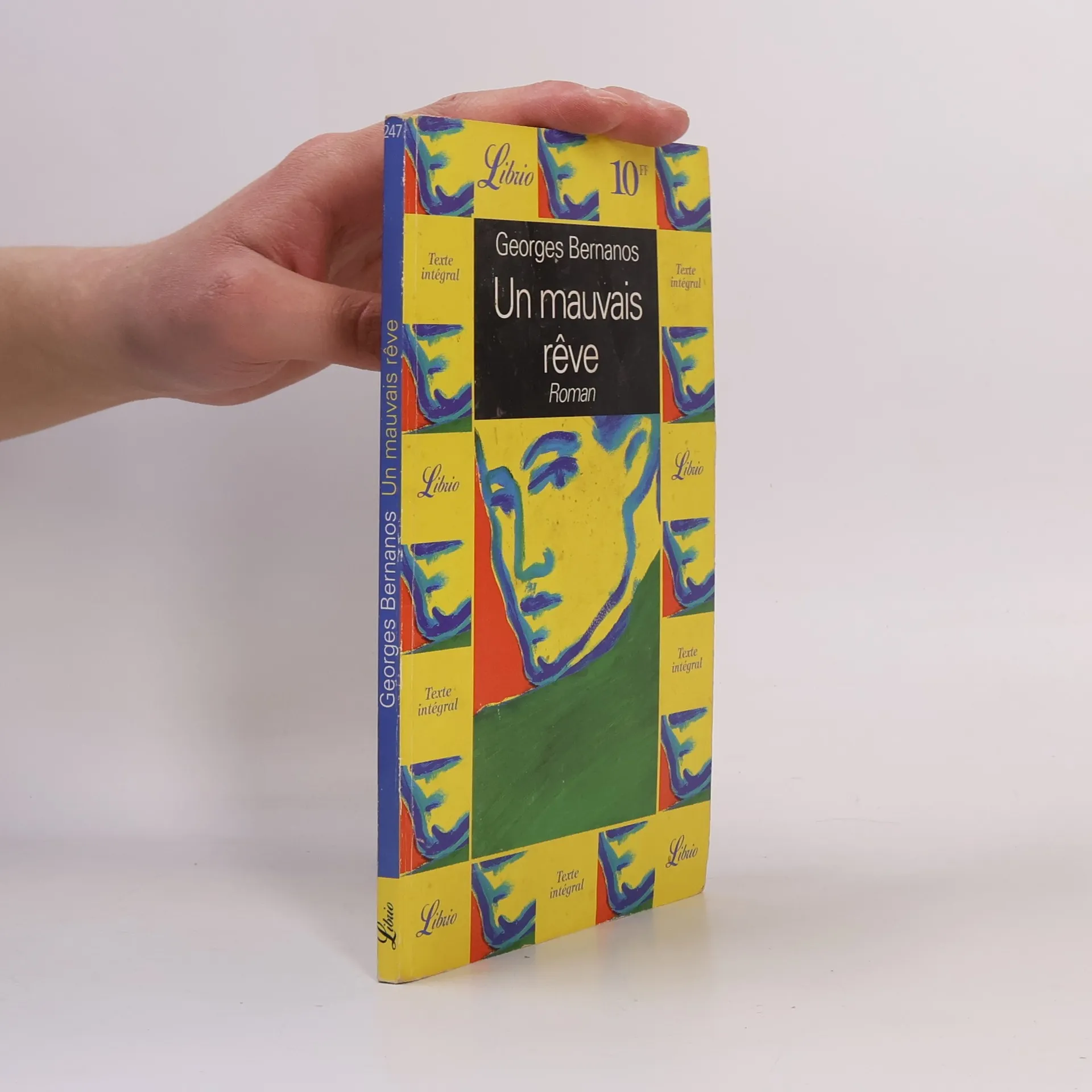
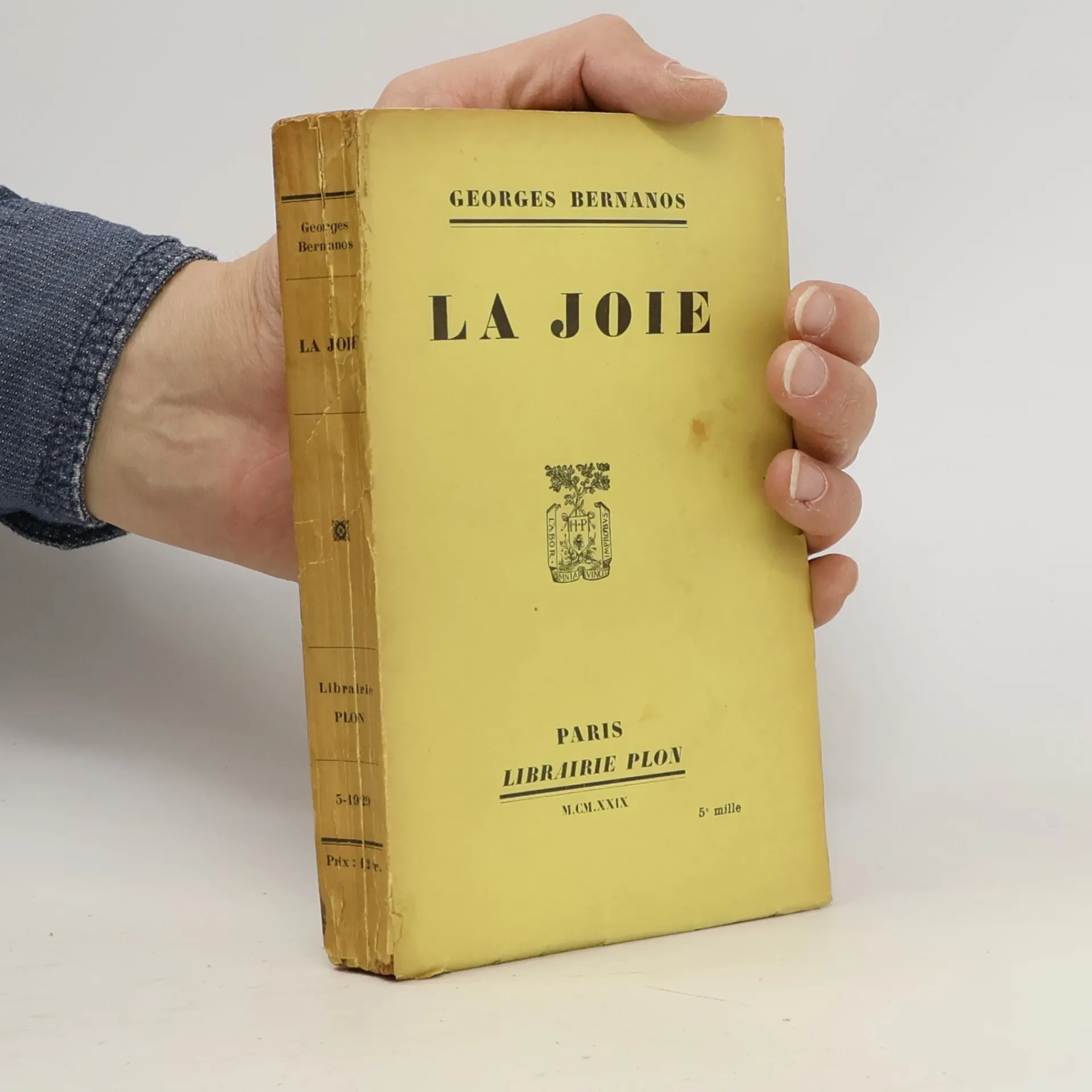
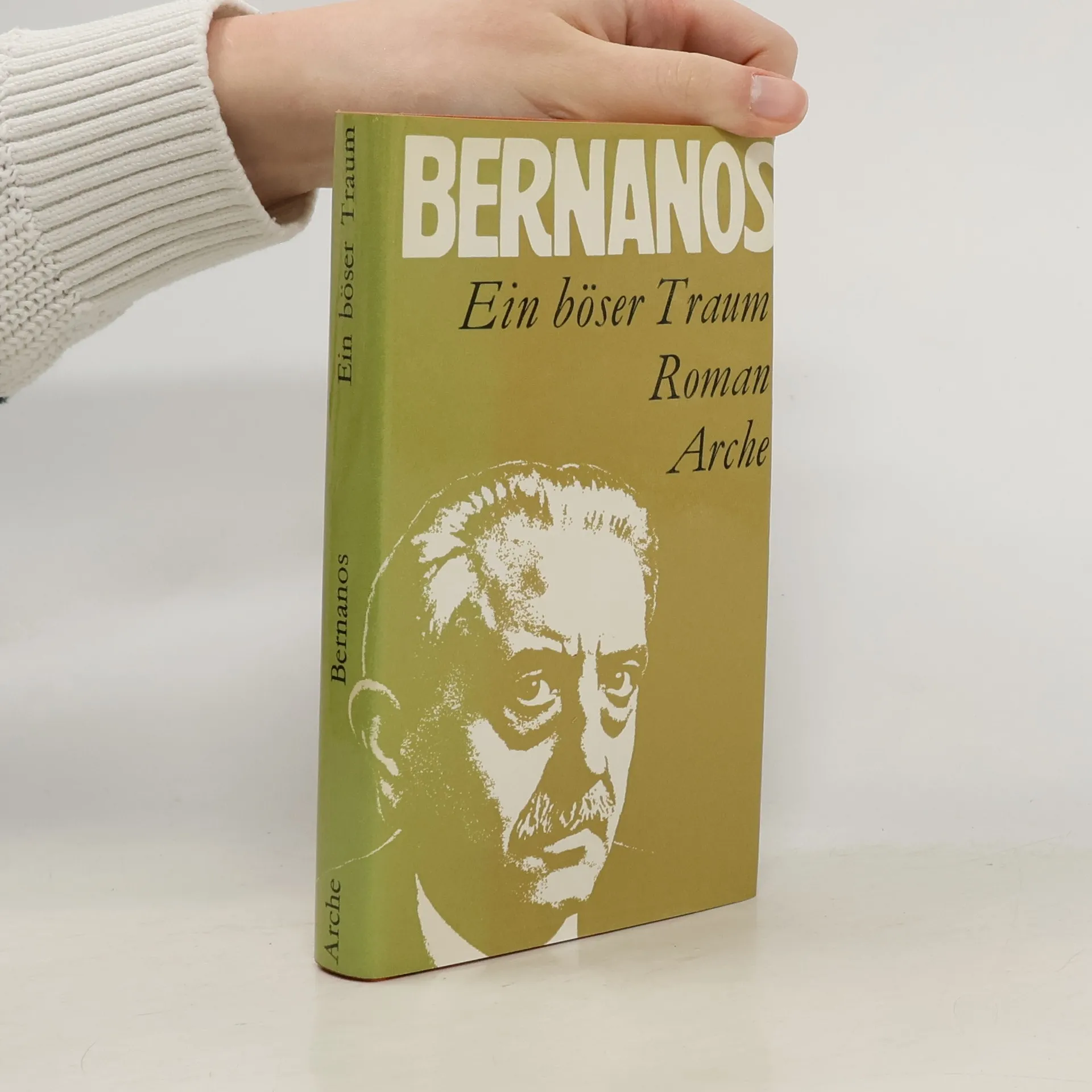
Georges Bernanos, à la fois réaliste et visionnaire, il sut dépeindre avec force des personnages tourmentés, engagés dans un combat spirituel contre les forces dit Mal. "L'idée du crime ne lui causait nulle répulsion, nulle crainte, et le crime accompli, elle ne sentirait nul remords. C'était simplement une image monstrueuse entre tant d'autres, et qu'elle fût réalisée la distinguerait à peine des images monstrueuses qu'elle avait senties grouiller en elle dès l'enfance et qui remplissaient déjà ses rêves." Madame Alfieri ? Un volcan sous la glace ... Un personnage de roman ... Ganse le sait trop bien. Ecrivain vieillissant, confit dans les honneurs et han té par la perte d'inspiration, il ne peut se détacher de cette femme entière et mystérieuse, sa secrétaire depuis dix ans. Mais l'arrivée dans sa vie d'un jeune homme sensible et fougueux fait soudain vaciller bien des certitudes... Les mauvais rêves ne se partagent pas.
Übertragen und mit einem Nachwort versehen von Hans Urs von Balthasar.Die Entstehung dieser Novellen – Frau Dargent (1922), Schattenzwiesprache und Eine Nacht (beide 1928) –, die erstmals in französischen Zeitschriften erschienen, fällt in eine Zeit, in der sich Bernanos auf der Suche nach seinem zukünftigen Weg über seine schriftstellerische Sendung noch im unklaren ist. Und doch sind diese Novellen, wie ihr Herausgeber und Übersetzer Hans Urs von Balthasar in seinem Nachwort feststellt, bereits durch «gewisse Grundmotive bernanosischer Dichtung» miteinander verbunden.In allen drei Erzählungen schlägt Bernanos das Thema des Sterbens an, begleitete ihn doch der Gedanke der ars moriendi eine lange Epoche seines Lebens. In «Eine Nacht» sind seine Figuren alle dem Tod geweiht und in der vom Dichter geschilderten Agonie öffnet und befreit sich die verschlossene Seele des Sterbenden: «Hier», so schreibt Balthasar, «öffnet sich die Lüge des Lebens, klärt sich das Trübe zurück zum reinen Antlitz des Kindes, aber durch die Schmerzen der Todesangst. Der Tod ist die Lebensbeichte.»Der Johannes Verlag ist sich des Wagnisses bewusst, diese romantisch fern anmutenden Novellen dem heutigen Leser vorzulegen. Doch das Anliegen des Dichters, der schon vor Jahrzehnten keine Scheu hatte, das «Christentum im Untergang, im Erlöschen, in der Nacht der geistigen Armut» zu zeigen und zu begleiten, mag als Rechtfertigung genügen.
Un important écrivain français de tendance catholique critique la violence engendrée par le général Franco en Espagne.
Pour Bernanos, la guerre civile espagnole n'est qu'une farce où s'affrontent les partisans de deux courants idéologiques qui s'étaient déjà heurtés lors des élections et qui continueront à se battre, car ils exploitent une force qu'ils ne savent pas maîtriser. Derrière Franco se trouvent des personnes ayant trahi à la fois la monarchie et la république, mais sa puissance est renforcée par des ressources financières et un soutien militaire considérable de l'étranger. Il ne s'agit donc pas de la "révolution nationale" déclarée. Les meurtres perpétrés par les rebelles de Franco compromettent non seulement le catholicisme, mais sont surtout en contradiction avec un intérêt supérieur et une quête de sens.
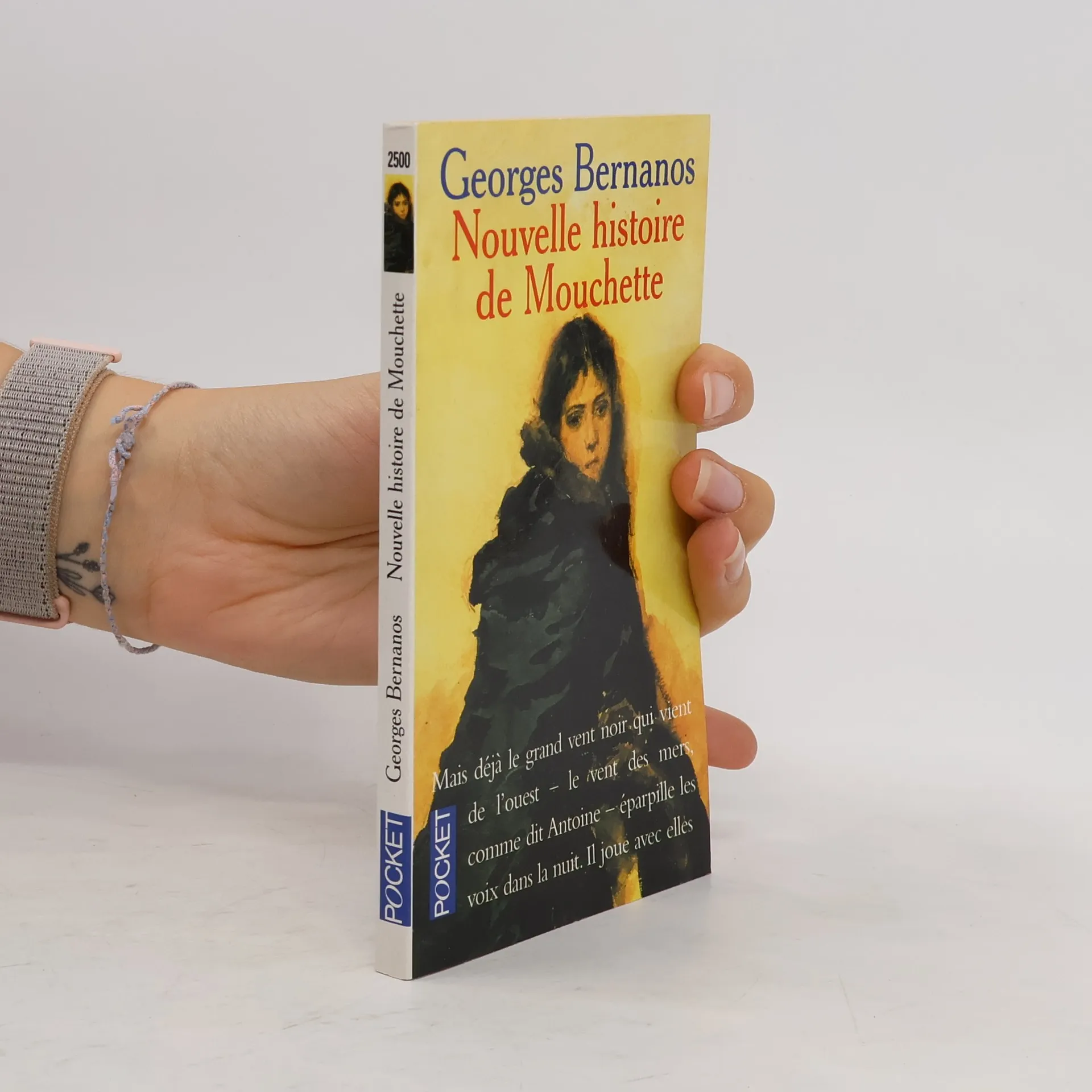
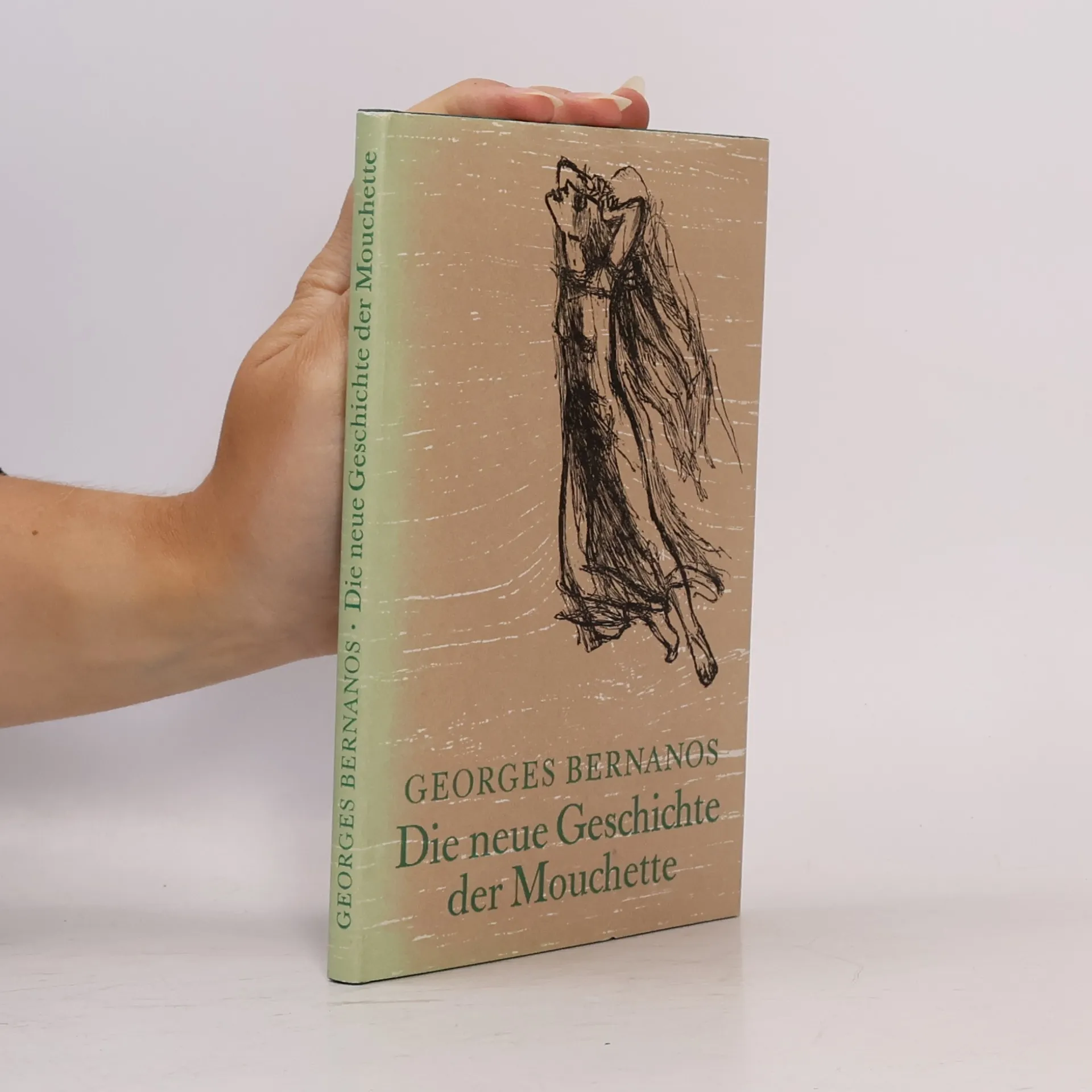
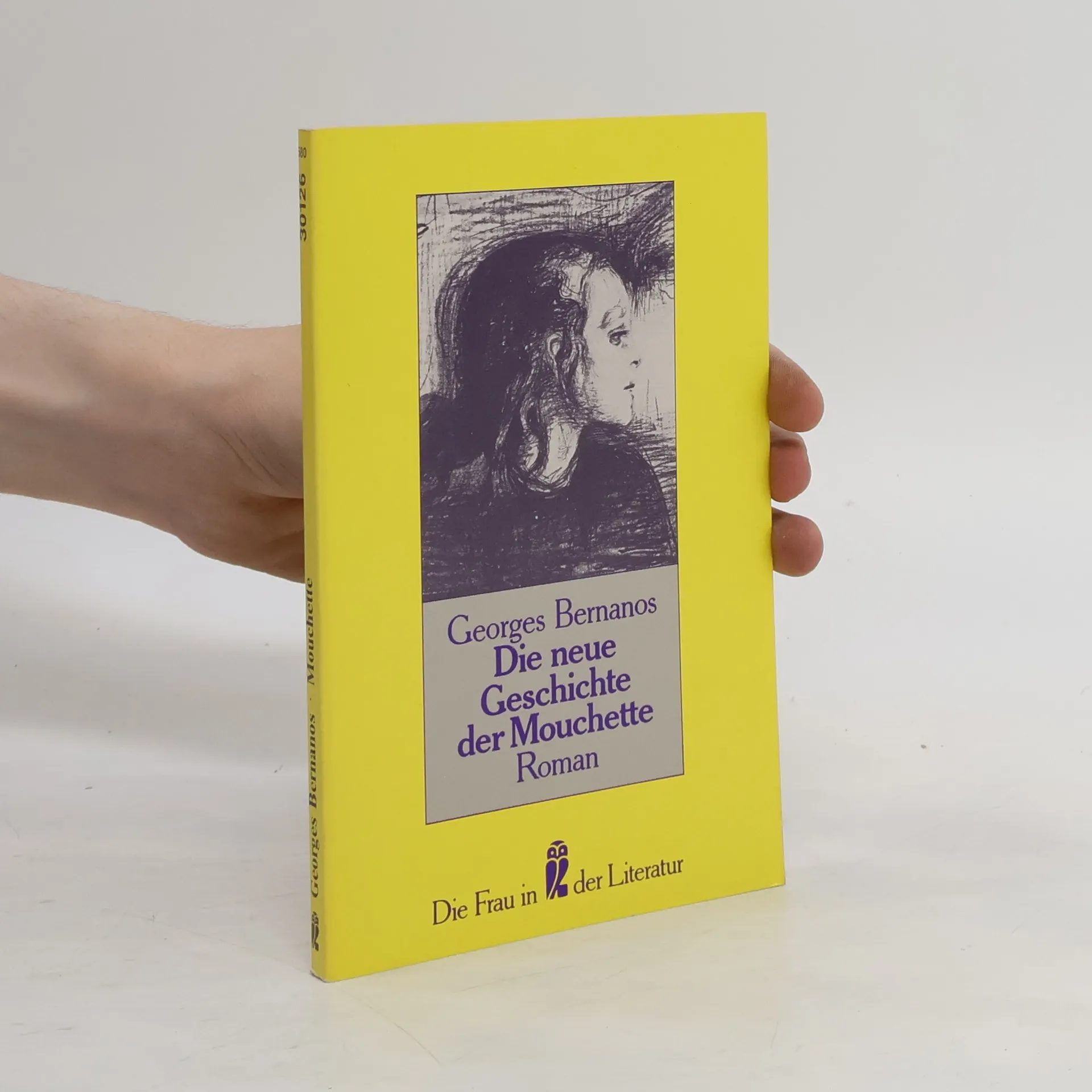
Paru pour la première fois en 1937, ce récit raconte les aventure de Mouchette, 14 ans, fille d'un couple d'ivrognes et adolescente solitaire. Elle rencontre un braconnier, Arsène, puis retourne au chevet de sa mère mourante. Celle-ci meurt et Mouchette prépare l'enterrement, tout en se rebellant contre ceux qui veulent l'aider. Elle se suicide dans une mare, vaincue par la fatalité.
Un presbytère de campagne, un prêtre étrange et nouveau venu, et par une nuit lugubre, un crime ainsi commence un récit fascinant où Bernanos donne au roman policier la dimension d'une aventure spirituelle, où les passions se heurtent sous le couvert de l'innocence, où la violence se dissimule sous le charme et l'apparence de piété.- Quels rapports unissent le jeune curé de Mégère et Evangéline, la nièce de la châtelaine assassinée ?- A quel mystère sordide, le juge Frescheville va-t-il être confronté ?Sous la lente progression de l'enquête, la vérité, trop tôt devinée, n'est pas sans ménager quelque surprise. Peu à peu, le drame s'élève au-dessus du fait divers, il devient, dans le lyrisme et écriture dense de Bernanos, un problème moral posé au lecteur.
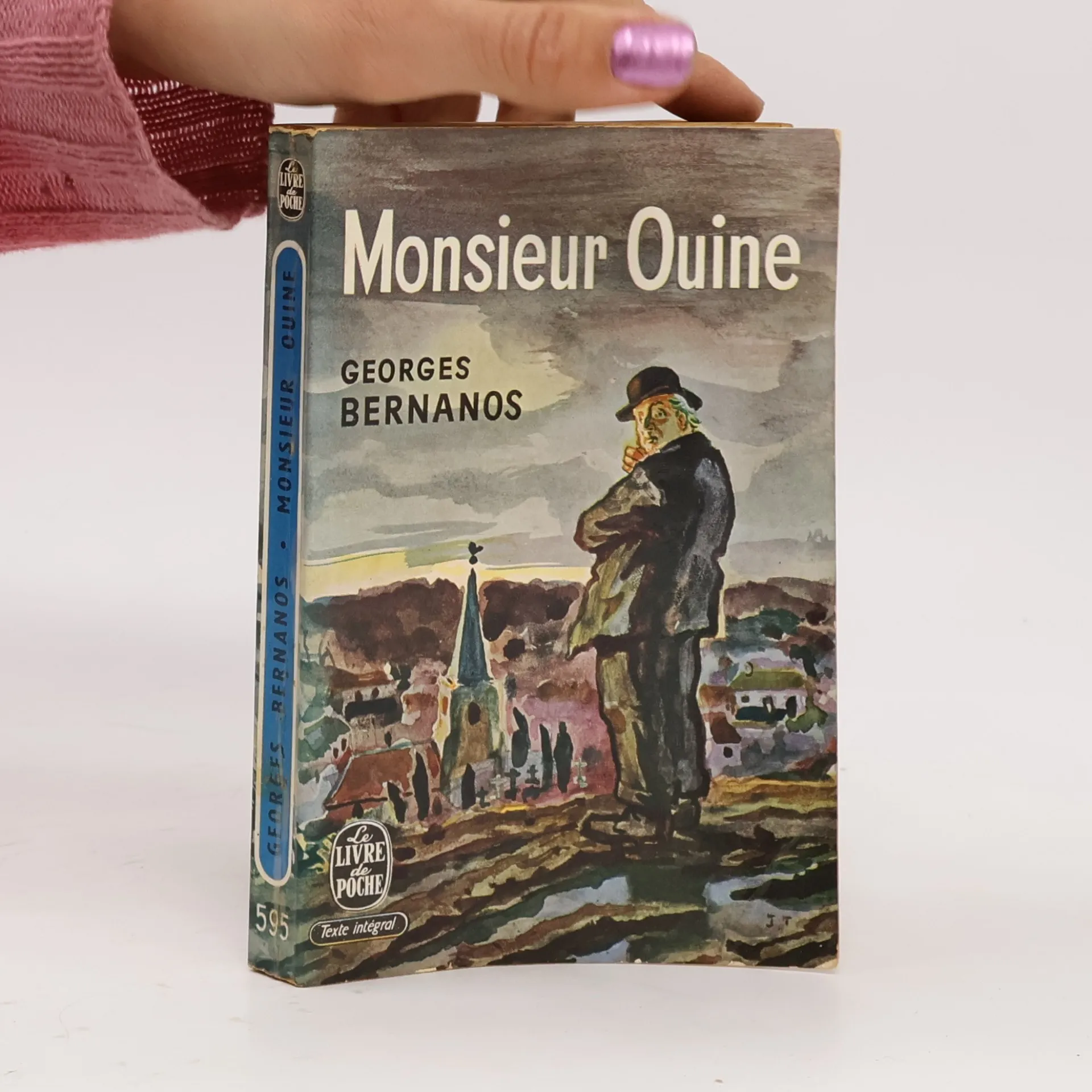
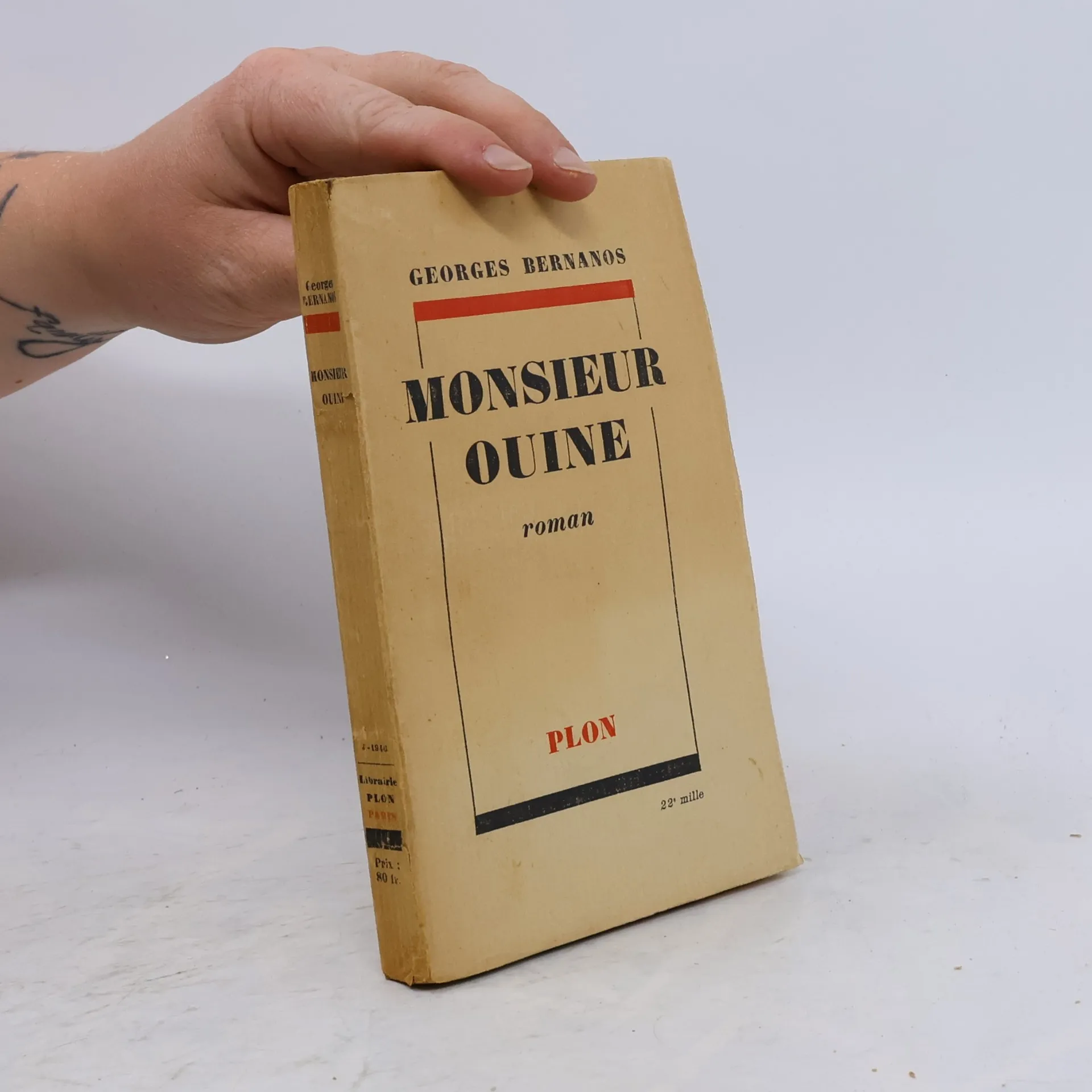
In einem kleinen Dorf im Norden Frankreichs wird Monsieur Ouine, ein pensionierter Professor, vom langweiligen örtlichen Grundbesitzer Anthelme de Néréis aufgenommen und bestimmt bald das Leben von Anthelme und seiner Frau Ginette. Ein vierzehnjähriger vaterloser Junge, Philippe Dorval, flieht von zu Hause und folgt impulsiv Madame de Néréis zu ihrem Château. Dort erzählt der sterbende Grundbesitzer dem Jungen, dass sein Vater tatsächlich lebt – dass sein Vater, entgegen der Aussage von Philippes Mutter, nicht im Ersten Weltkrieg gestorben ist. Der verlassene Junge findet sich an diesem verhängnisvollen Abend in den Armen von Monsieur Ouine wieder, nachdem er in einem betrunkenen Schlaf im Bett des alten Professors gefallen ist. Die Ereignisse der stürmischen Nacht führen am nächsten Morgen zu einem Umbruch im Dorf, als bei Tagesanbruch der Leichnam eines Jungen in einem Bach nahe dem Château gefunden wird.
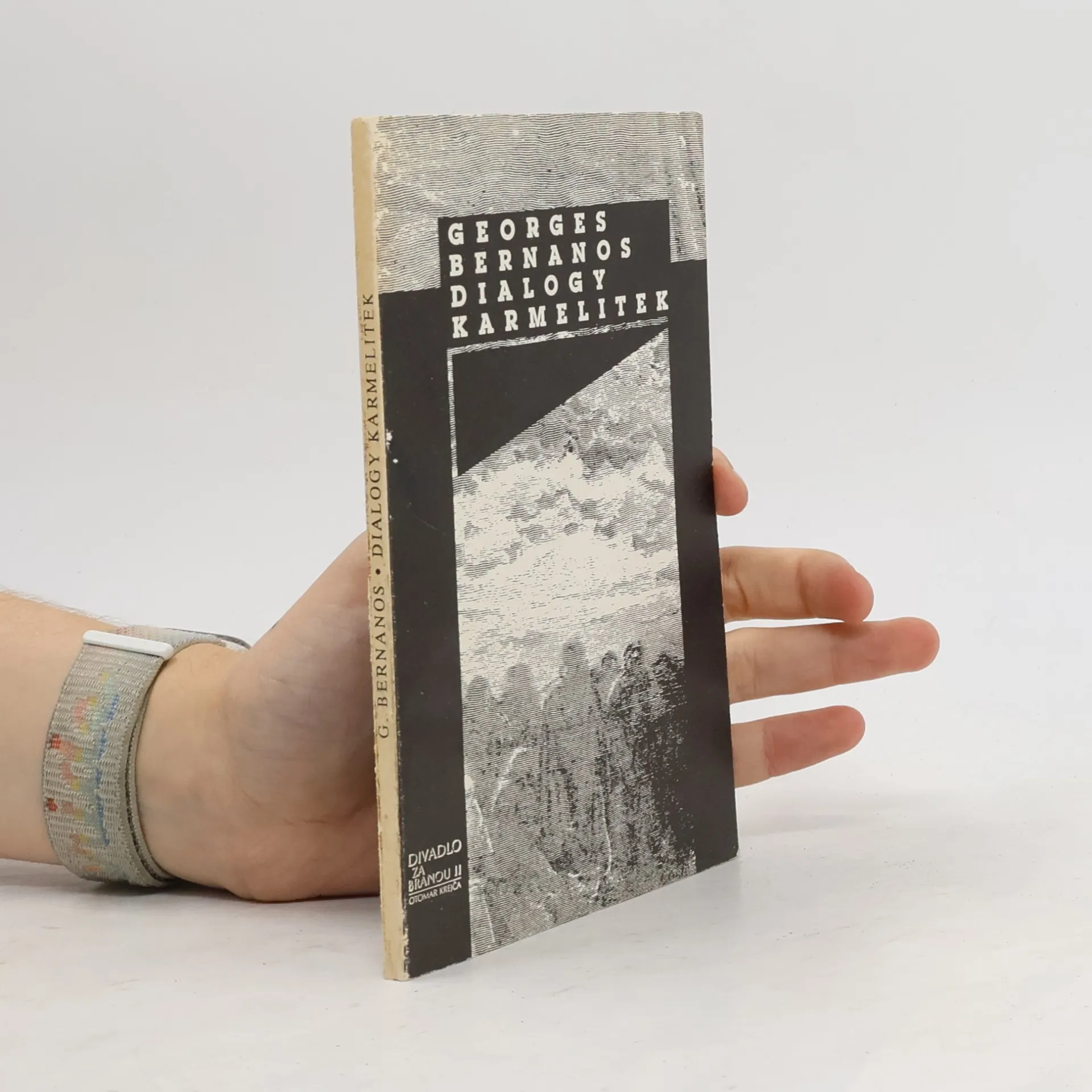
Námětem divadelní hry je skutečná historická událost – poprava šestnácti karmelitek z Compiegne za Velké francouzské revoluce. Předlohou byla novela Gertrud von Le Fort Poslední na popravišti.
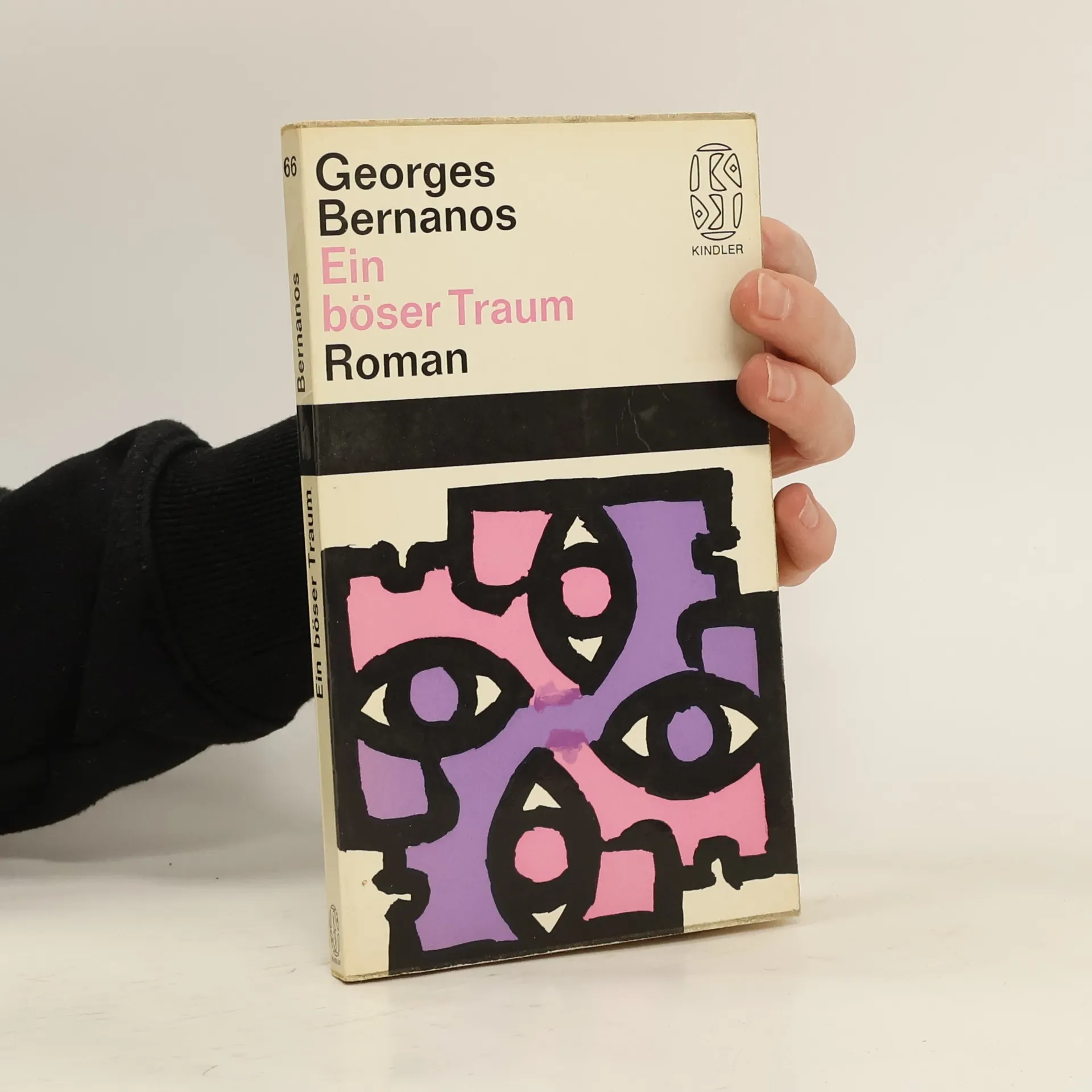
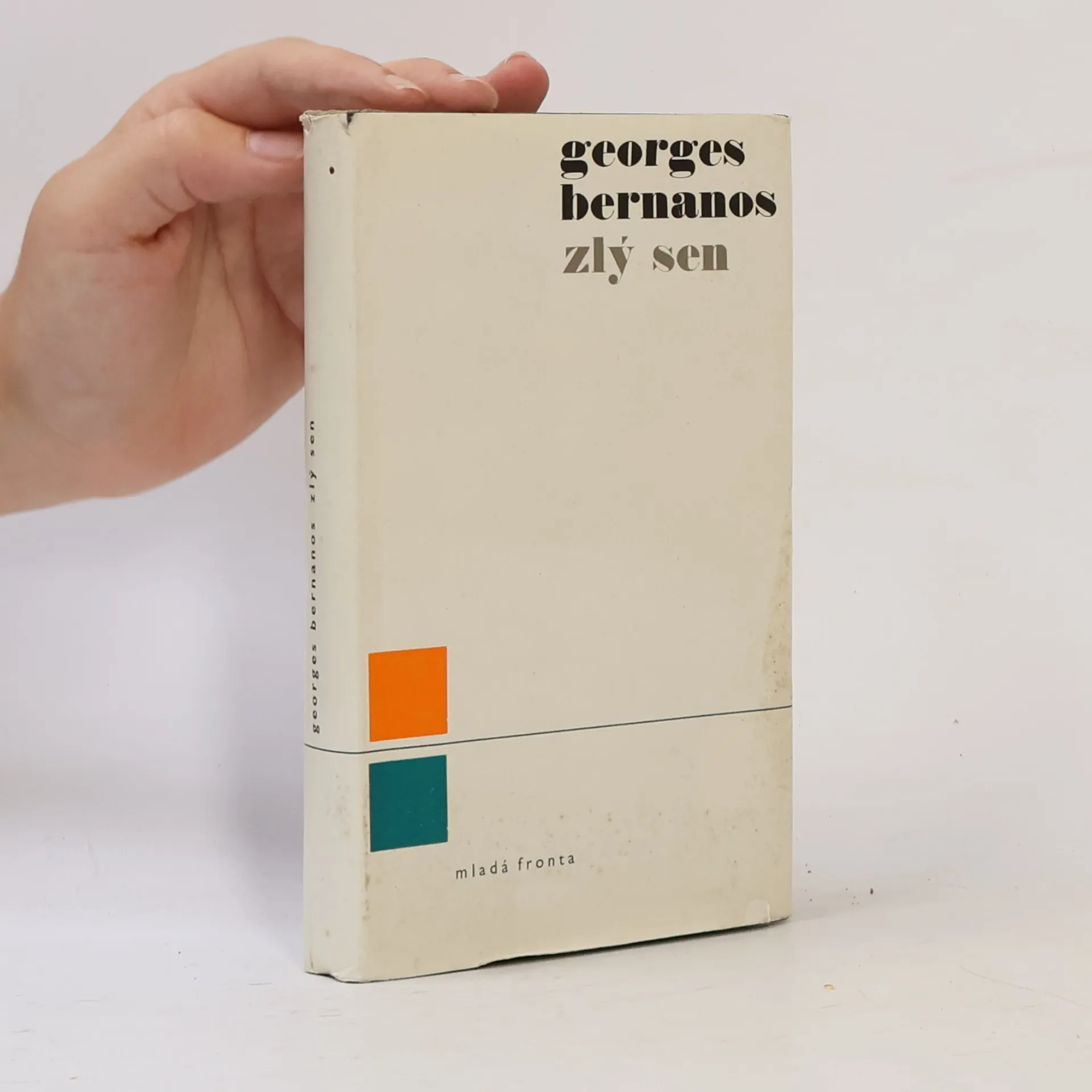
Román "Zlý sen" je psychologickou studií malého okruhu lidí, "ztracených duší", neschopných tvorby, opravdového přátelství a vlastně ani života. Někdy až mysticky zabarvený autorovým katolicismem, jindy ostře kritický k buržoasní morálce a odsuzující fašismus. Zlý sen je psychologickou studií malého okruhu lidí, "ztracených duší", neschopných tvorby, opravdového přátelství a vlastně ani života. Kořeny první části románu lze hledat až v dílech francouzských dekadentů z konce století. Druhá část knihy je věnována především ženské hrdince příběhu, která je jediná schopná činu, ovšem jen ve smyslu negativním a autor dovádí příběh k tragickému konci.
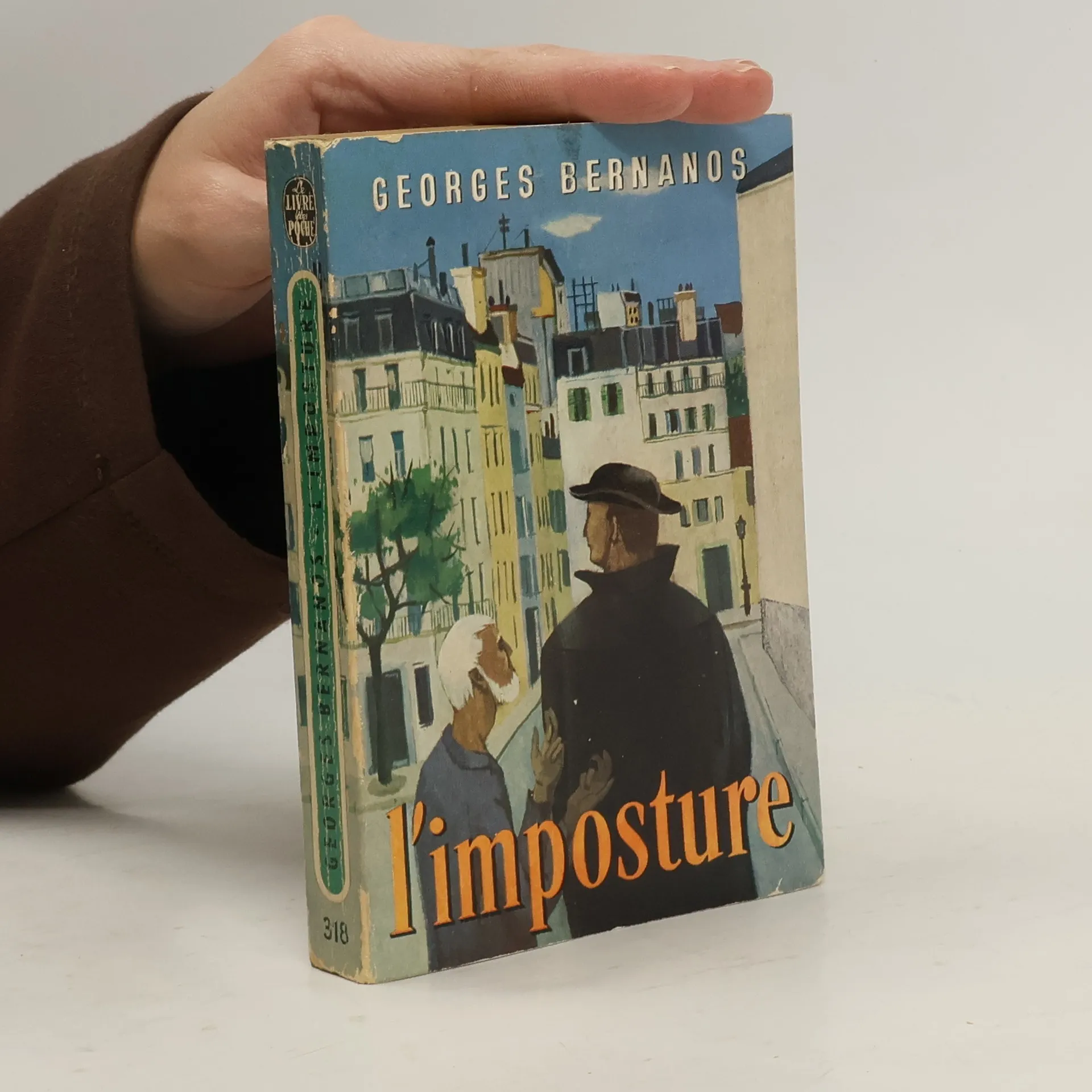
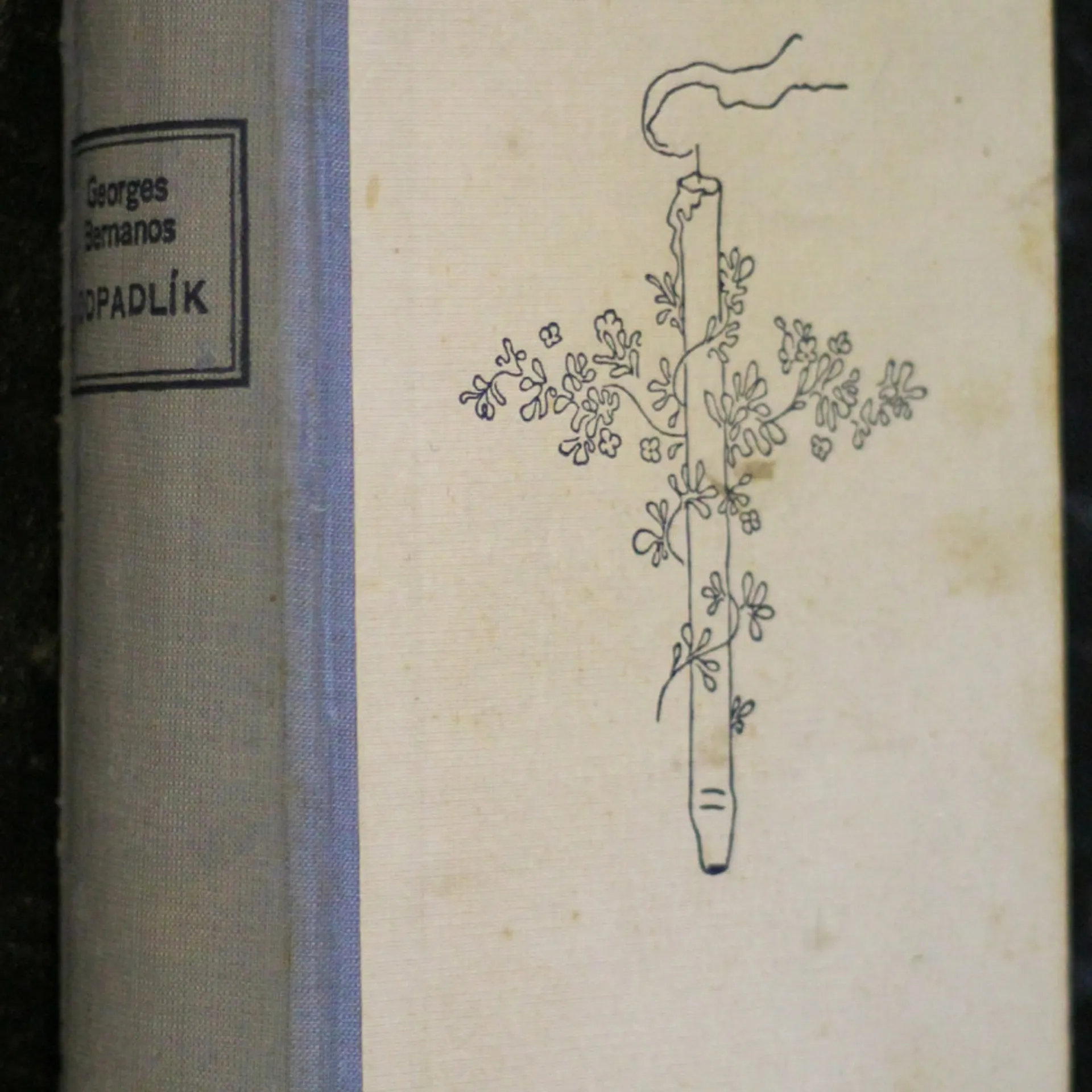
Dva navazující romány, u nás vydány v nakladatelství Aventinum pod zastřešujícím názvem Odpadlík (1. díl: Přetvářka; 2. díl: Radost), obracejí na hlavu představu úspěšného a naplněného života. Abbé Cénabre, suverén, uznávaný literát a odborník na křesťanské mystiky, sám je "obíleným hrobem" a o životě s Bohem může hovořit právě jen teoreticky. Proti němu starý umírající kněz Chevance a jeho duchovní žačka Chantal, mladičká dívka ubíjená starostí o rozpadlou domácnost. Zdánlivě slabost a bezvýznamnost je plná skutečného života a síly, která není z tohoto světa.
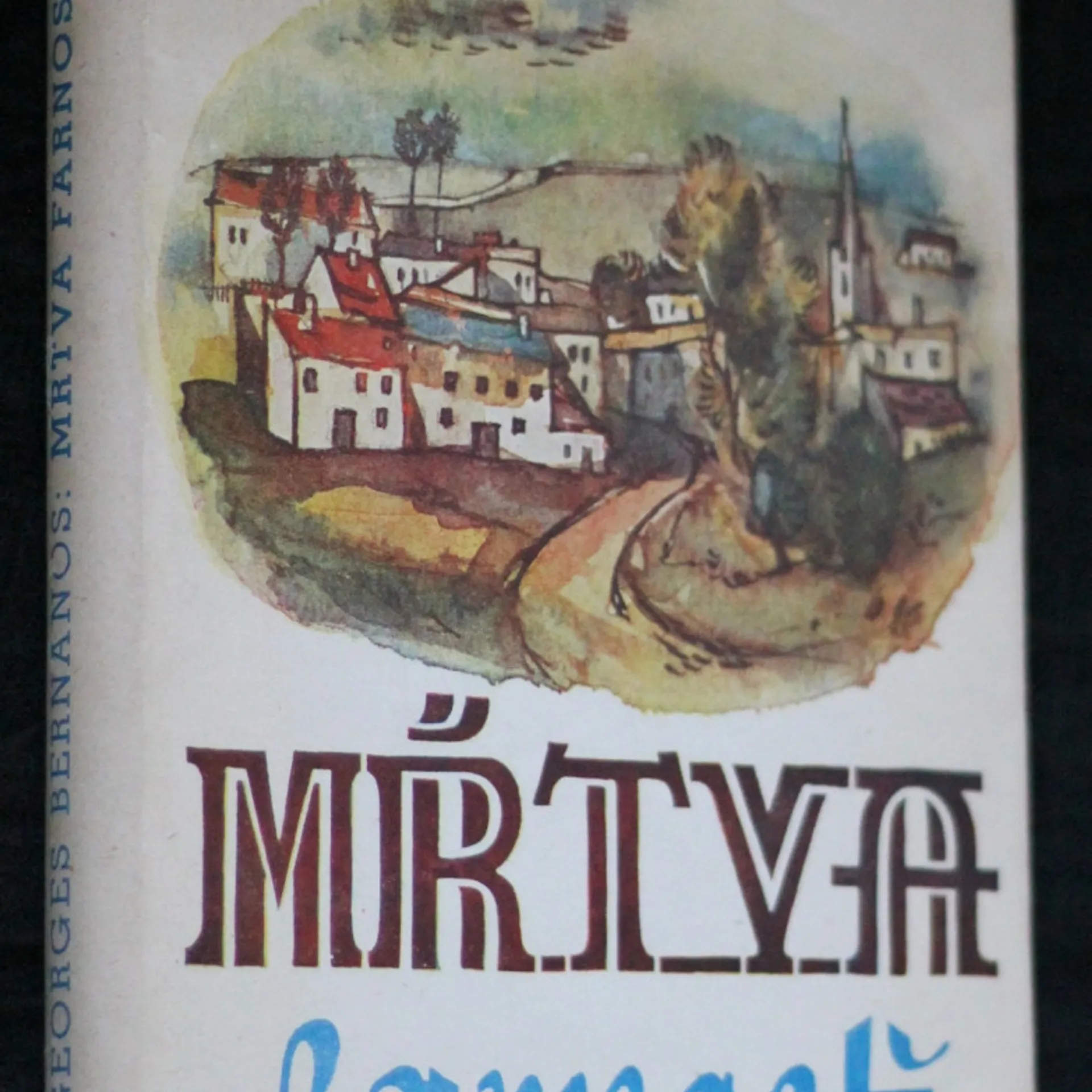
Autorove beletristické texty sa vyznačujú osobitou atmosférou, v ktorej sa svet javí ako zahalený ľahkým závojom fantázie a mystiky. Príbeh sa odohráva vo farnosti v dedine, v ktorej sa dejú nedobré veci – zavraždenie malého pastierika roztočí špirálu zla...