

Michael Pearson Book order (chronological)
This author possesses a lifelong fascination with history, particularly naval and military, stemming from two decades of work in the shipping industry. This passion culminated in the creation of four non-fiction military history books, all set during World War II. Beyond his writing, he served as an advisor for a television documentary and contributed articles to military magazines. Another significant passion for the author is motor racing, a sport he participated in as a competitor.

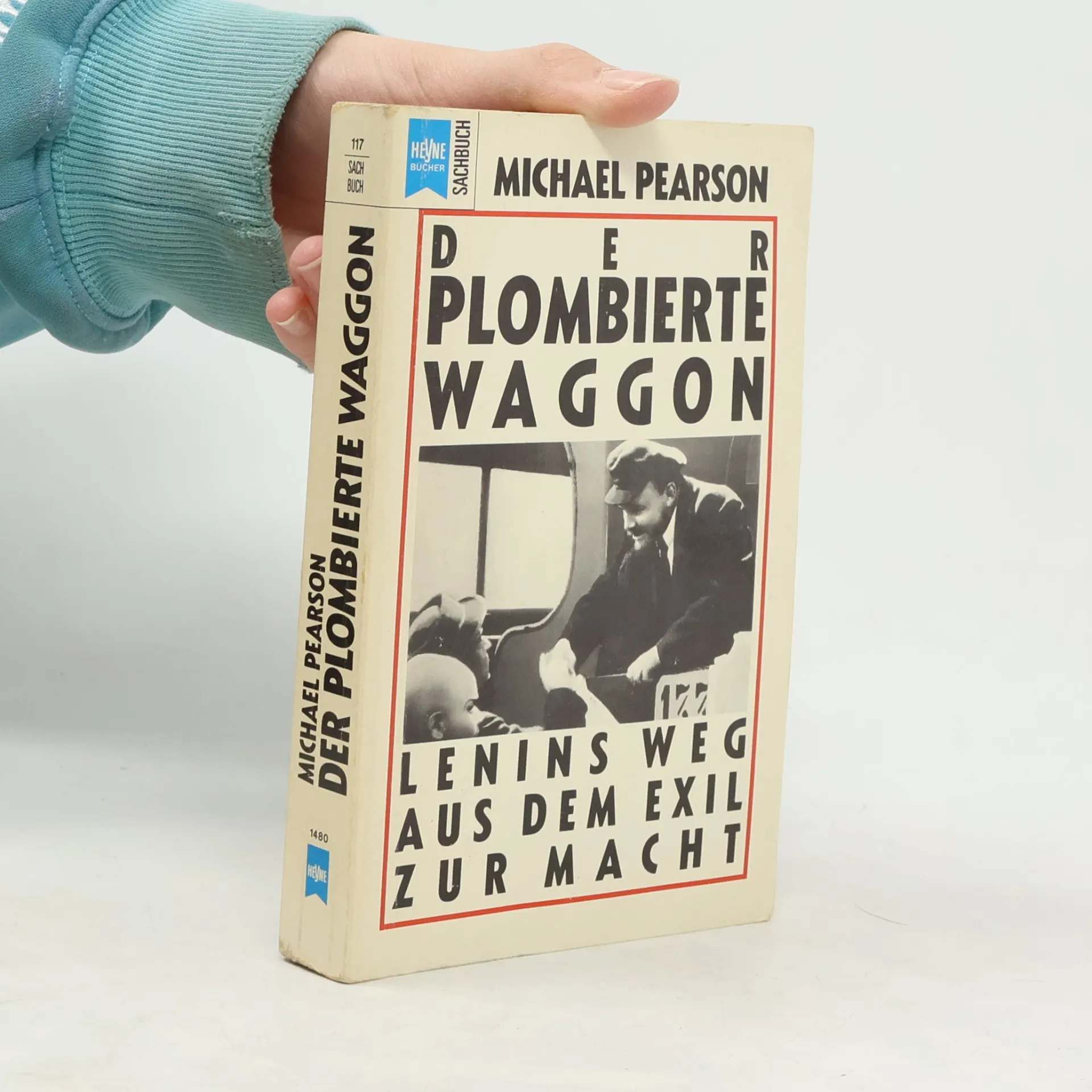


In March 1917, Vladimir Ilyich Ulyanov, known as Lenin, was an obscure leader in Zurich, but within eight months, he gained control of Russia. The upheaval began with an uprising on March 15, 1917. Confident in his ability to lead against a potential counterrevolution, Lenin sought a way to return to Russia through war-torn Europe. He accepted Germany's offer of a "sealed train," emphasizing his non-involvement with the enemy. This journey raised significant questions: Did it signify part of a larger German support plan for Lenin? Why did the train make an unexpected stop in Berlin? Was it to secure last-minute funds from the German government for his struggle against the Kerensky regime? Upon arriving in St. Petersburg, Lenin faced accusations of being a "German agent." Despite being forced into hiding, he relentlessly pursued his agenda, producing impactful editorials and a flurry of communications, all while propaganda campaigns against him escalated. Michael Pearson's compelling narrative draws on diaries, letters, and historical documents to reexamine the allegations against Lenin, presenting new evidence of his collaboration with Germany, which ultimately facilitated Russia's exit from the war and the Bolsheviks' rise to power.
Von 1869 bis 1915 entsteht, ähnlich dem großen Roman "Au bonheur des dames" von Zola, aus der Gründung eines der größten Warenhäuser der Welt: Harrod's in London, eine Familiensaga, deren Schicksal und Abenteuer eine malerische Chronik dessen darstellen, was man die kleine Geschichte nennt. Gute Dokumentation, die die fiktiven Elemente dieser soziologischen Evokation des Aufstiegs des Großhandels weltweit glaubhaft macht.
The Beauty of Clocks
- 96 pages
- 4 hours of reading
(Photography) Folio (12 7/8 X 9 3/8). Hardcover. Some chipping to Dust Jacket. A mark on the cover page. Very Good/Good
Der plombierte Waggon
- 260 pages
- 10 hours of reading