Explore the latest books of this year!
Bookbot

Jean-Claude Kaufmann

    April 12, 1948
    Jean-Claude Kaufmann
    The Psychology of Stupidity
    Der Morgen danach
    Was sich liebt, das nervt sich
    Corps de femmes, regards d'hommes : sociologie des seins nus
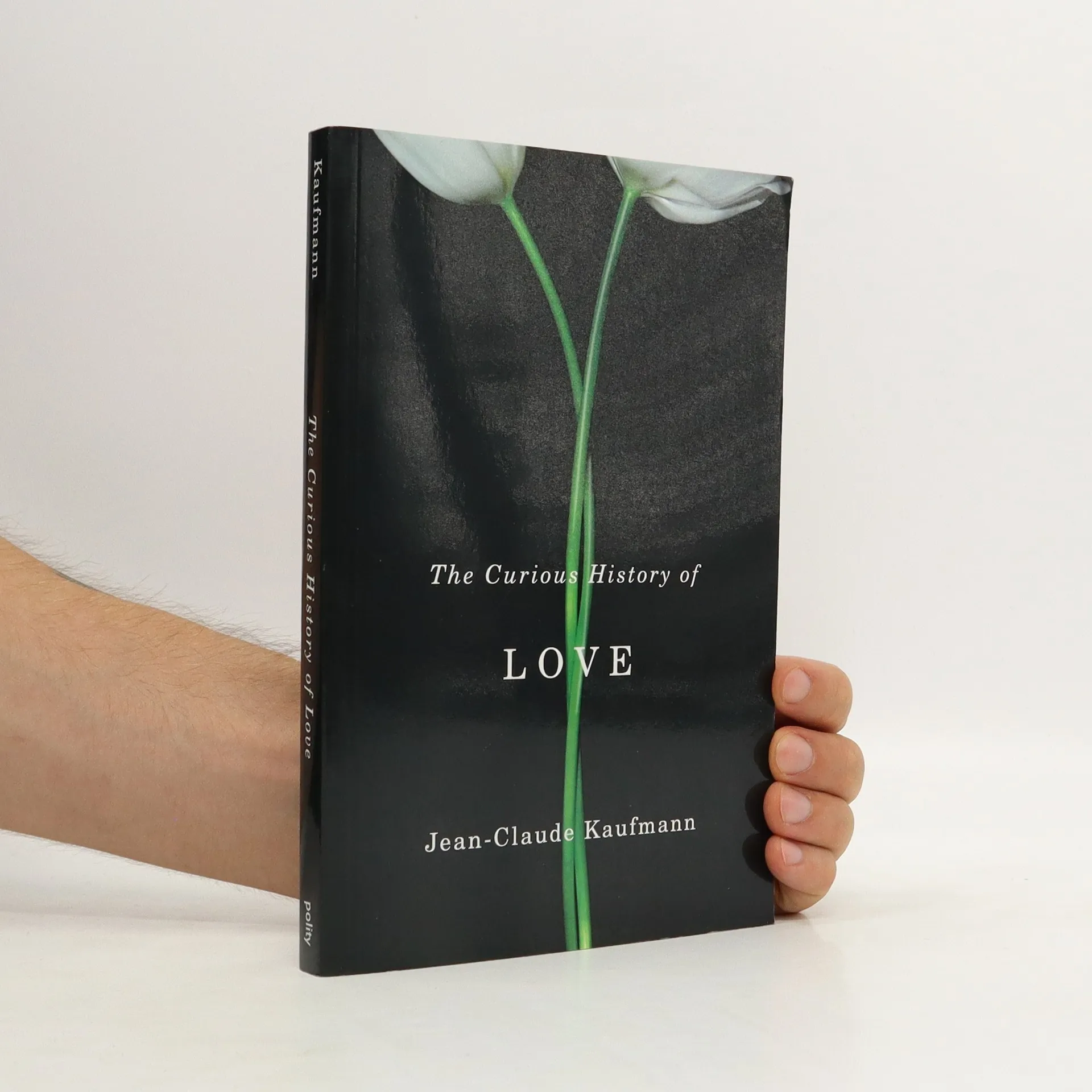
    The Curious History of Love
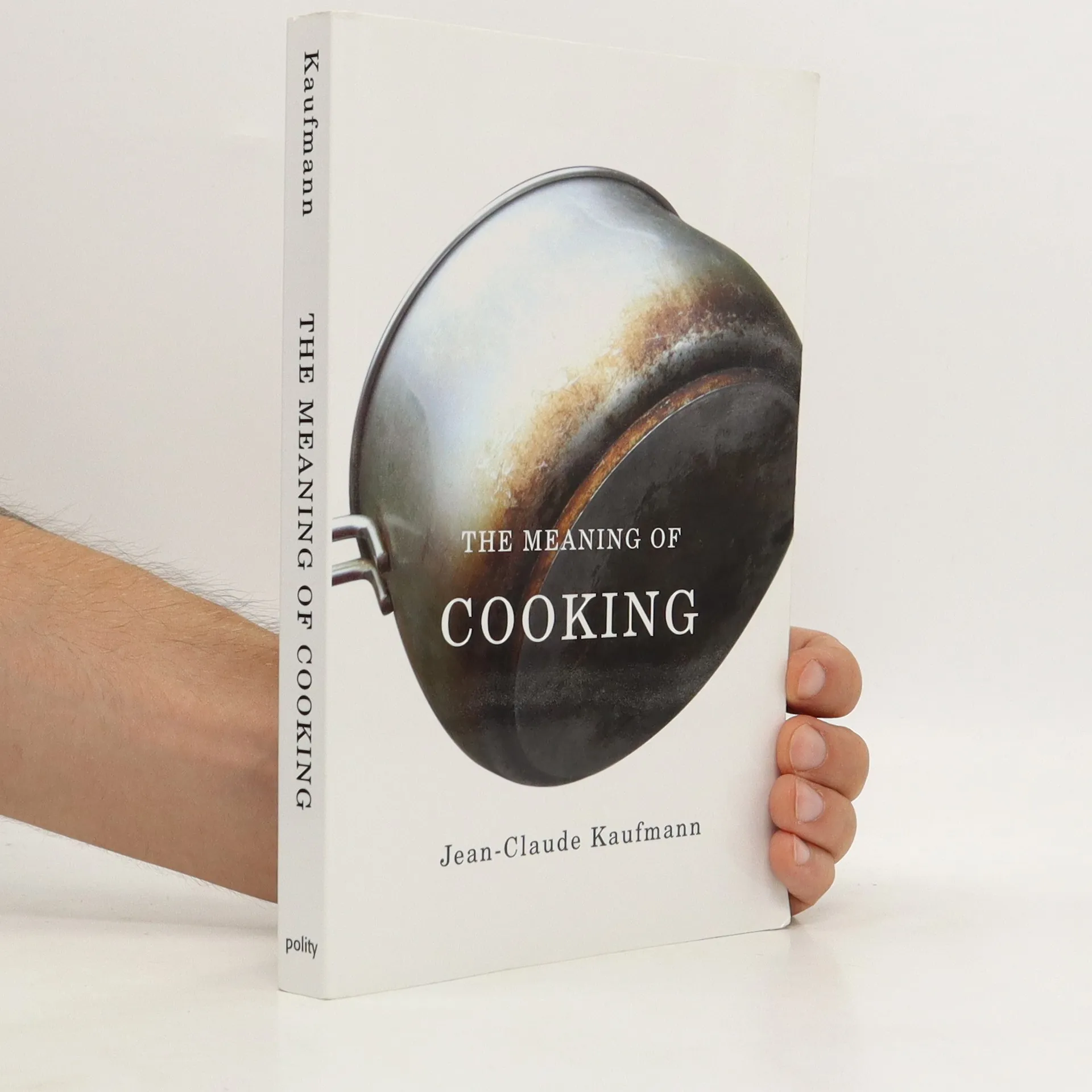
    The Meaning of Cooking
    • 2018

      The Psychology of Stupidity

      • 384 pages
      • 14 hours of reading
      3.3(110)Add rating

      "We need books like this one." --Steven Pinker At last, stupidity explained! And by some of the world's smartest people, among them Daniel Kahneman, Dan Ariely, Alison Gopnik, Howard Gardner, Antonio Damasio, Aaron James, and Ryan Holiday. And so I proclaim, o idiots of every stripe and morons of all kinds, this is your moment of glory: this book speaks only to you. But you will not recognize yourselves... Stupidity is all around us, from the coworker who won't stop hitting "reply all" to the former high school classmate posting conspiracy theories on Facebook. But in order to vanquish it, we must first understand it. In The Psychology of Stupidity, some of the world's leading psychologists and thinkers--including a Nobel Prize winner and bestselling authors--will show you... why smart people sometimes believe in utter nonsense; how our lazy brains cause us to make the wrong decisions; why trying to debate fools is a trap; how media manipulation and Internet overstimulation make us dumber; why the stupidest people don't think they're stupid. The wisdom and wit of these experts are a balm for our aggrieved souls and a beacon of hope in a world of morons.

      The Psychology of Stupidity
    • 2012

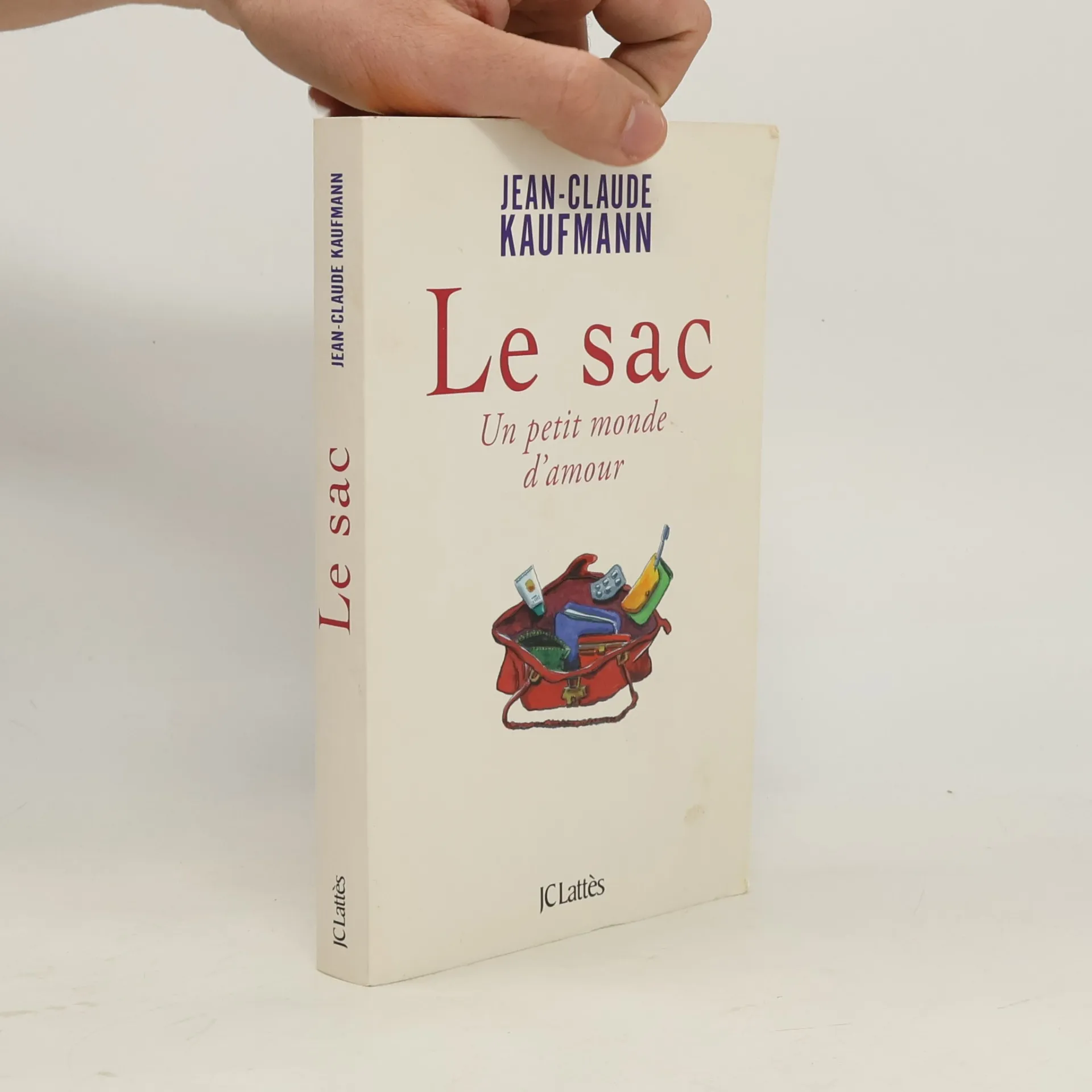
      Le sac

      Un petit monde d'amour

      Beau ou pratique, rassurant ou encombrant, le sac a main est le plus fidele partenaire des femmes ! Si, de l'exterieur, il leur permet de projeter une certaine image aux yeux des autres, son contenu est un monde intime ou se melent les objets indispensables et les souvenirs, les affaires des enfants et les medicaments de secours... Veritable reflet de soi, il est le temoin des angoisses et des desirs de chacune. Loin d'etre un simple accessoire de mode, le sac est donc le lieu ou se cree l'identite des femmes et ou se revele leur role social: au centre de l'activite et des relations affectives, elles portent sur leurs epaules beaucoup de pression mais aussi tout un monde d'amour...

      Le sac
    • 2011

      Online-Dating ist zum Volkssport geworden. Innerhalb weniger Jahre hat das Internet die Kontaktaufnahme revolutioniert. Millionen von Singles tummeln sich in Online-Kontaktbörsen auf der Suche nach dem passenden Partner fürs Leben – oder für eine Nacht. Der französische Soziologe Jean-Claude Kaufmann hat sich unter sie gemischt, ihre lebhaften Diskussionen in Foren verfolgt und die Erfahrungsberichte in ihren Blogs studiert, um herauszufinden, wie sich das neue Medium auf die zwischenmenschlichen Beziehungen auswirkt. Er hat sich in diesen riesigen Supermarkt der Liebe und/oder Sexualität begeben, in dem jeder zugleich Käufer und Verkäufer ist, seine Wünsche äußert und sie so schnell und effizient wie möglich zu befriedigen versucht. Frauen genauso wie Männer: Mit einem Klick landet der Wunschpartner im virtuellen Warenkorb, nach einem Chat, einem Telefonat und einem Drink in einer Bar oft schon im realen Bett. Die Liebe führt nicht mehr zum Sex, sondern, wenn überhaupt, der Sex zur Liebe. Er ist zu einer Freizeitbeschäftigung geworden. Man plant, miteinander eine angenehme Nacht zu verbringen, wie man beschließt, zusammen ins Kino zu gehen. Alles scheint so einfach und so leicht. Aber kann ein soziales Netzwerk aus »regelmäßigen gefühlvollen Bettgeschichten« auf Dauer funktionieren? Warum gelten für Frauen andere Regeln als für Männer? Und was passiert, wenn man sich verliebt? Jean-Claude Kaufmann erklärt es.

      Sex@mour
    • 2010

      Chápající rozhovor

      • 151 pages
      • 6 hours of reading

      Kniha provádí čtenáře všemi fázemi kvalitativního výzkumu založeného na metodě chápajícího rozhovoru - od přípravy rozhovorů k sepsání závěrečné zprávy. Autor představuje metodu, ke které došel na základě svých bohatých zkušeností s terénním výzkumem. Dělá to nekonvenčně otevřeným způsobem a jako ilustraci používá dva své výzkumy. Vlastní postupy představuje jako možnosti a věc osobní volby, nikoliv jako rigidní pravidla. To však neznamená, že lze chápající rozhovor používat nahodile jako pouhou techniku sběru dat. Naopak - metoda má svoje pevné zakotvení v určitých sociologických přístupech a má být východiskem pro hypotézy a další teoretickou práci. Ostatně otázka, do jaké míry lze vytvářet teorii na základě terénní práce, je jednou z těch, které zde autor klade.

      Chápající rozhovor
    • 2009

      The one emotion that matters most to many people is the one about which social thinkers rarely speak - love. For many people, love is the thing that matters most in their lives: they are searching for love, hoping to find in love a kind of happiness that they cannot find in their work or by surrounding themselves with material goods. But where does this peculiar and powerful blending together of love and happiness come from, and why do we find it such a compelling idea today? In this short book Jean-Claude Kaufmann offers a fresh account of the history of a feeling unlike any other. The modern idea of love as passion was born in the 12th century but it was marginalized by the rise of a kind of instrumental, calculating reason that became increasingly central to modern societies. As calculating reason began to encroach on the personal domain, many individuals sought to escape from it, searching for happiness elsewhere. As our societies become dominated by calculating reason and selfish individualism, we search elsewhere for the kind of happy love that will heal all our wounds. This is why we experience so many changes of heart in our personal lives: at times we are coldly calculating and then, a few moments later, we sacrifice ourselves to love without a second thought. Written by one of France’s leading sociologists, this highly readable book sheds new light on love and happiness and will resonate with many readers.

      The Curious History of Love
    • 2006

      Casseroles, amour et crises

      Ce que cuisiner veut dire

      • 342 pages
      • 12 hours of reading

      In 1785 James Boswell and Dr Johnson were trying to come up with a way of distinguishing human beings from animals. ?The beasts have memory, judgement, and all the faculties and passions of our mind, in a certain degree, ' said Boswell, ?but no beast is a cook.'Cooking is central to our lives, despite the fact that it never received the attention from serious scholars it might have had Boswell's definition caught on. The kitchen is in many ways the heart of the home, and the dining table is the family's little theatre where we all act out our parts. It has its script (?how has your day been?') and it is the setting for both the pleasures and the crises of couples and family life. Having to sit facing each other brings out the best and the worst in us. Eating a meal is an ordeal by truth, and it reveals the true state of our conjugal and parental relationships.In this rich and highly entertaining book the French sociologist Jean-Claude Kaufmann takes us into kitchens and dining rooms and deciphers the meaning of food, cooking and eating in the lives of families and couples. We get inside cooks' heads and come to know their innermost - and often contradictory - thoughts. Should they rustle up a quick and simple meal, or create something special? That's a difficult question, as they are forging social relationships as well as making meals. Through this meticulous exploration of the everyday, Kaufmann brings out the astonishing ways in which we create our most meaningful relationships with our lovers, spouses and offspring through the ordinary acts of creating and consuming food.

      Casseroles, amour et crises
    • 2006

      Warum leben so viele Frauen allein?, fragt der französische Soziologe Jean-Claude Kaufmann. Er studierte Hunderte von Leserbriefen, die die Frauenzeitschrift Marie-Claire zu diesem Thema erreichten, zog statistische Erhebungen und wissenschaftliche Abhandlungen zu Rate. Den vielfältigen Ursachen, Bedingungen und Möglichkeiten fürs Single-Dasein spürt er in dieser klugen, verständlich geschriebenen Untersuchung über das Alleinleben nach.

      Singlefrau und Märchenprinz
    • 2006
    • 2005

      Die Aufsehen erregende Studie über die schicksalhafte Rolle des Morgens nach der ersten Liebesnacht. Basierend auf schonungslos offenen Gesprächen und Interviews mit jungen Paaren zwischen 20 und 30. Wie beginnt eine Liebesbeziehung? Wann entscheidet sich, ob aus einer Begegnung zweier Menschen eine längere oder gar eine lebenslange Beziehung wird? Die Romantiker sagen: schon im ersten Augenblick. Andere mutmaßen in der ersten Liebesnacht. Der französische Soziologe Jean-Claude Kaufmann behauptet, am „Morgen danach“.

      Der Morgen danach