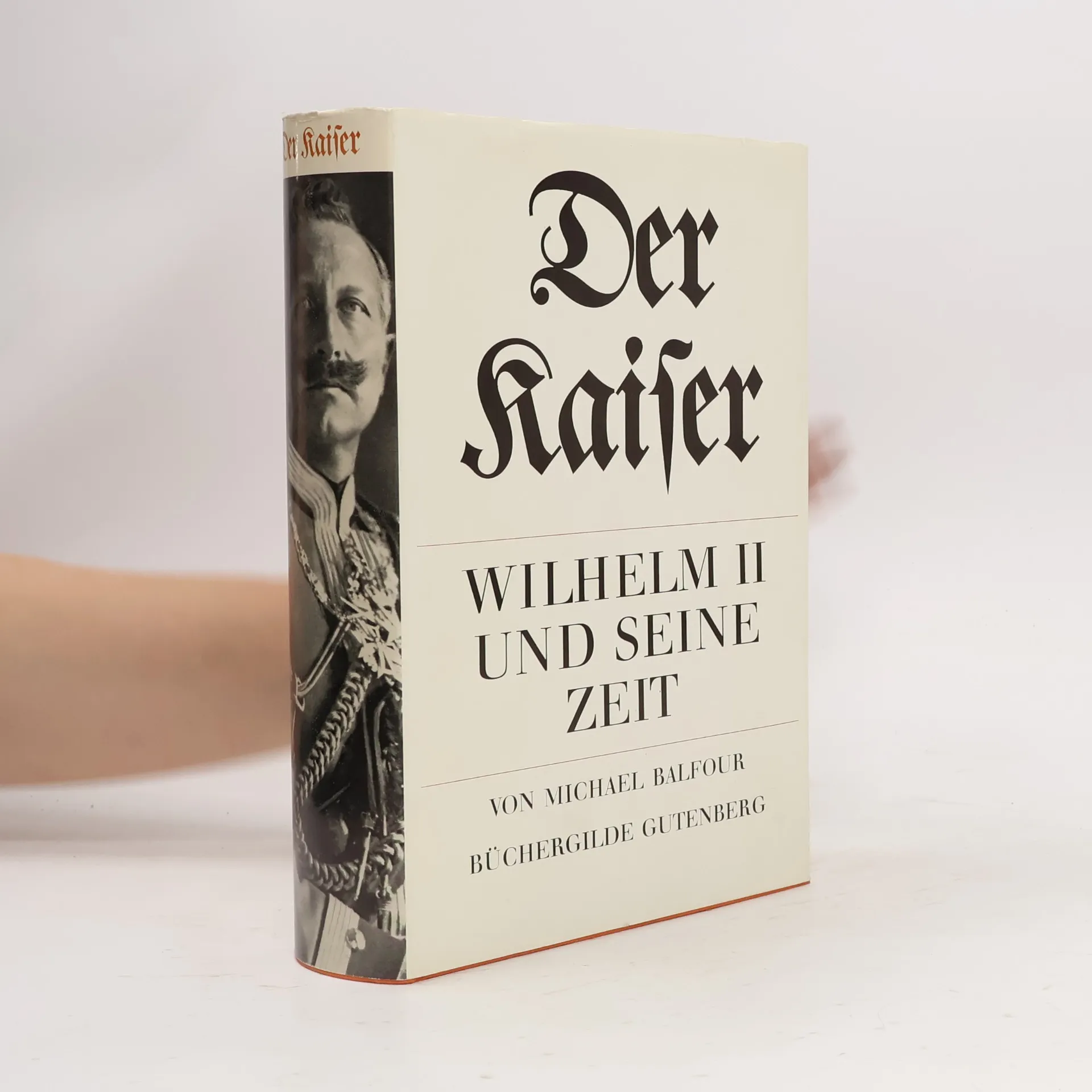
The book delves into the intricate social, constitutional, and economic dynamics of imperial Germany, examining the pivotal role of the Kaiser in the years leading up to 1918. It contextualizes his character by exploring his family background and the broader historical landscape of Germany, providing a nuanced understanding of his influence and the era's complexities.
Focusing on the intersection of theater and conflict, this book explores extraordinary performances that emerge from actual war zones. It highlights initiatives in refugee camps, war-torn villages, and occupied cities, showcasing how theater persists amid violence and turmoil. The narrative captures the resilience of artists who create and perform during bombings, ceasefires, and post-conflict periods, illustrating the profound impact of these dramatic expressions on communities affected by war.
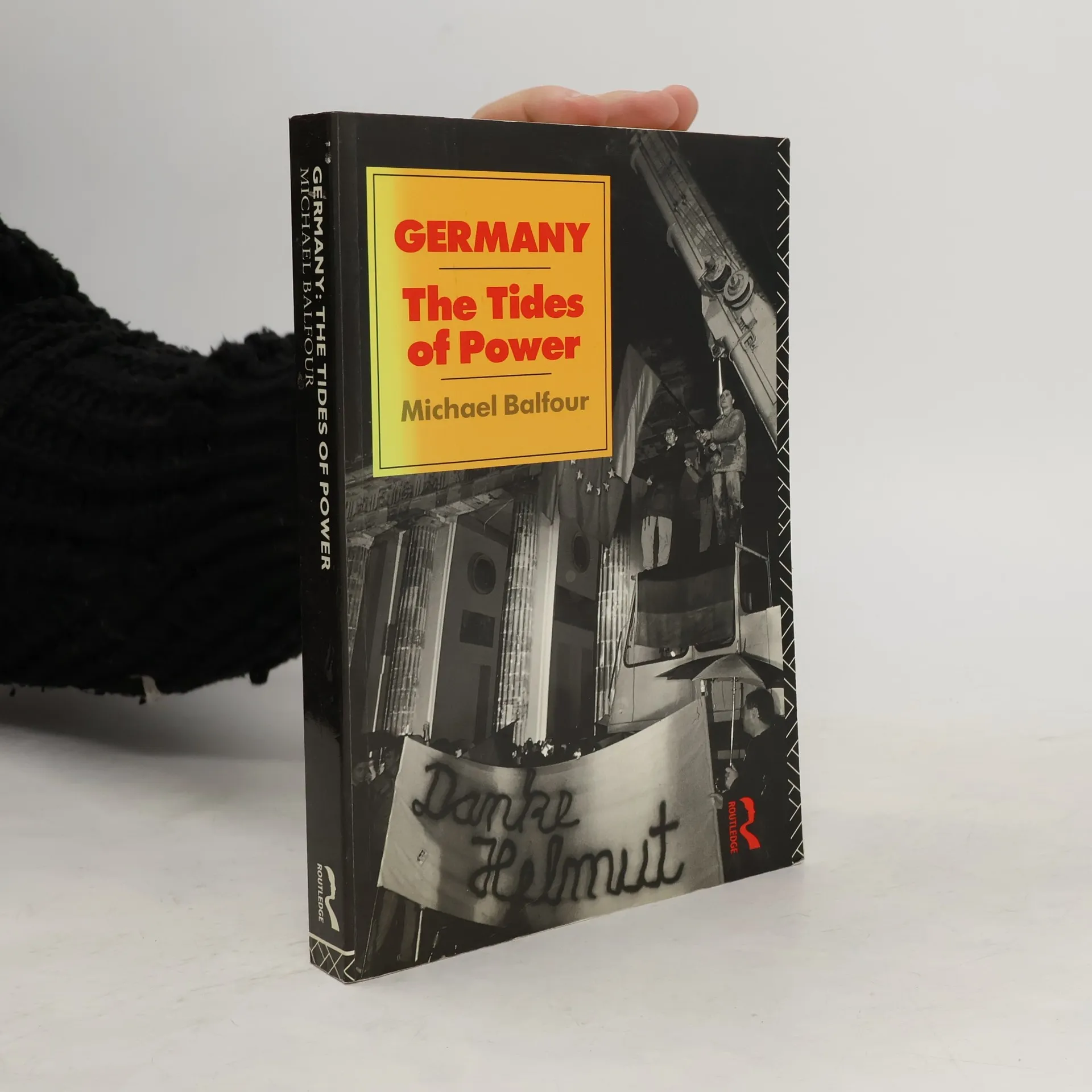
In Germany - The Tides of Power, Michael Balfour sets out to explain the factors which have shaped the German social, political and economic character. Tracing the movement of power from the Middle Ages onwards, he seeks to lead the reader to an understanding of modern Germany - why Germany precipitated, and lost, two major wars this century; how the astonishing growth of wealth over the last half-century was achieved; the meaning behind the recent unification of Germany. As German economic expansion continues into the 1990's, Professor Balfour discusses the power held by this technologically advanced nation - and considers the acceptance of this power by the rest of the world.
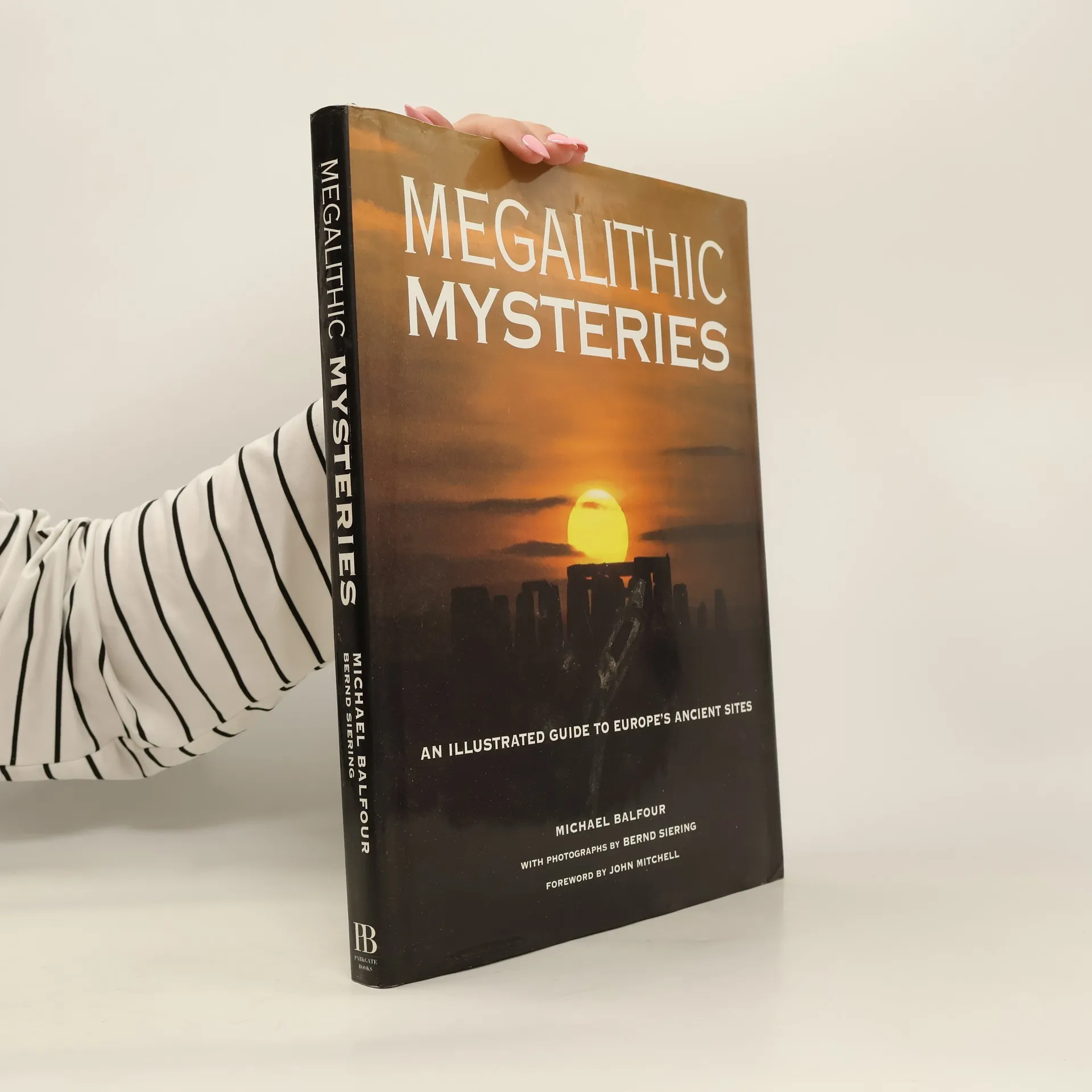
A comprehensive guide to more than 200 prehistoric sites in Europe and North Africa. With over 250 color photographs and 30 black and white illustrations.
Utilizing historical context, this book offers a fresh perspective on contemporary Germany by tracing the influences of its past, dating back to the Middle Ages. It explores how historical events have shaped the nation's current state, providing insights into the complexities of German identity and society. This analytical approach highlights the interconnectedness of history and modernity, making it a valuable resource for understanding the evolution of Germany through the centuries.
The Adversaries (1981) examines the post-war world that both the US and the
Soviet Union tried to mould in their own images. This book analyses their
clashes, as the foreign policy decisions of both superpowers had wide-ranging
effects over large portions of the globe.
Na działce panowała ożywiona atmosfera. Pod drzewami rozpościerało się poletko
borówek poprzecinane tajemniczymi ścieżkami, a w tle połyskiwały wody
cieśniny. Miejsce wydawało mi się zarazem otwarte i odosobnione. Zapragnęłam
poznać bliżej przyrodę właśnie tu, w tym wsłuchanym w otoczenie starym
drewnianym domu. W jaki sposób miałam odnaleźć skrywające się tu bogactwo
gatunków? I czy byłam w stanie zrozumieć ich język? Różnice między formami
życia mogą urastać do wysokich, oddzielających je od siebie murów. Mimo to
moje pytania wkrótce doczekały się konkretnych odpowiedzi. Z zaraźliwą
ciekawością świata i w oparciu o bogatą wiedzę Nina Burton wyszukuje wszystkie
możliwe formy i wyrazy egzystencji. Wiewiórki i ptaki, mrówki i pszczoły, lisy
i borsuki, ryby i rośliny – wszystkie te stworzenia razem wzięte pozwalają nam
zrozumieć, czym jest misterium życia. Jako poetka i eseistka Nina Burton
często łączy w swojej twórczości literaturę i nauki przyrodnicze, by ukazać
świat z wielu różnych perspektyw. W eseju Bujne życie pewnego domu przygląda
się z bliska różnorodności i bogactwu zmysłów w świecie biologii. Kiedy się ma
oczy i uszy szeroko otwarte, a umysł skory do wyzwań, sielanka na odludziu
może być źródłem ciekawych obserwacji i inspiracji. Taka jest ta książka.
Bogata w pełne wrażliwości spostrzeżenia, dociekliwe przemyślenia, a także
poszukująca prawdy w literaturze. To zaproszenie do świata roślin i zwierząt
wokół starego domu może być inspiracją do odkrywania przyrody tuż obok. A
warto w ten świat zanurkować, by zrozumieć otaczające nas drobne byty. -
Andrzej G. Kruszewicz