The Adversaries (1981) examines the post-war world that both the US and the
Soviet Union tried to mould in their own images. This book analyses their
clashes, as the foreign policy decisions of both superpowers had wide-ranging
effects over large portions of the globe.
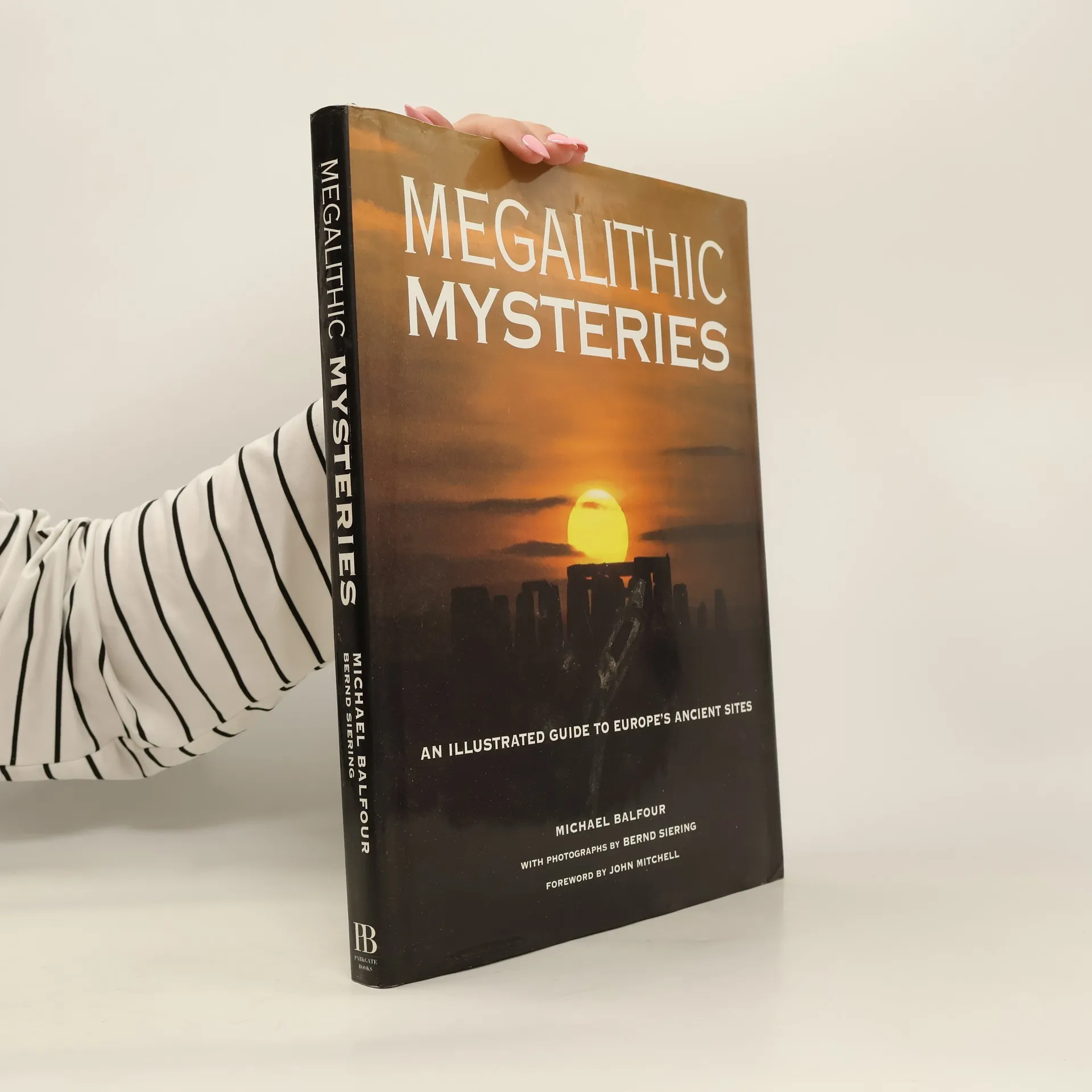
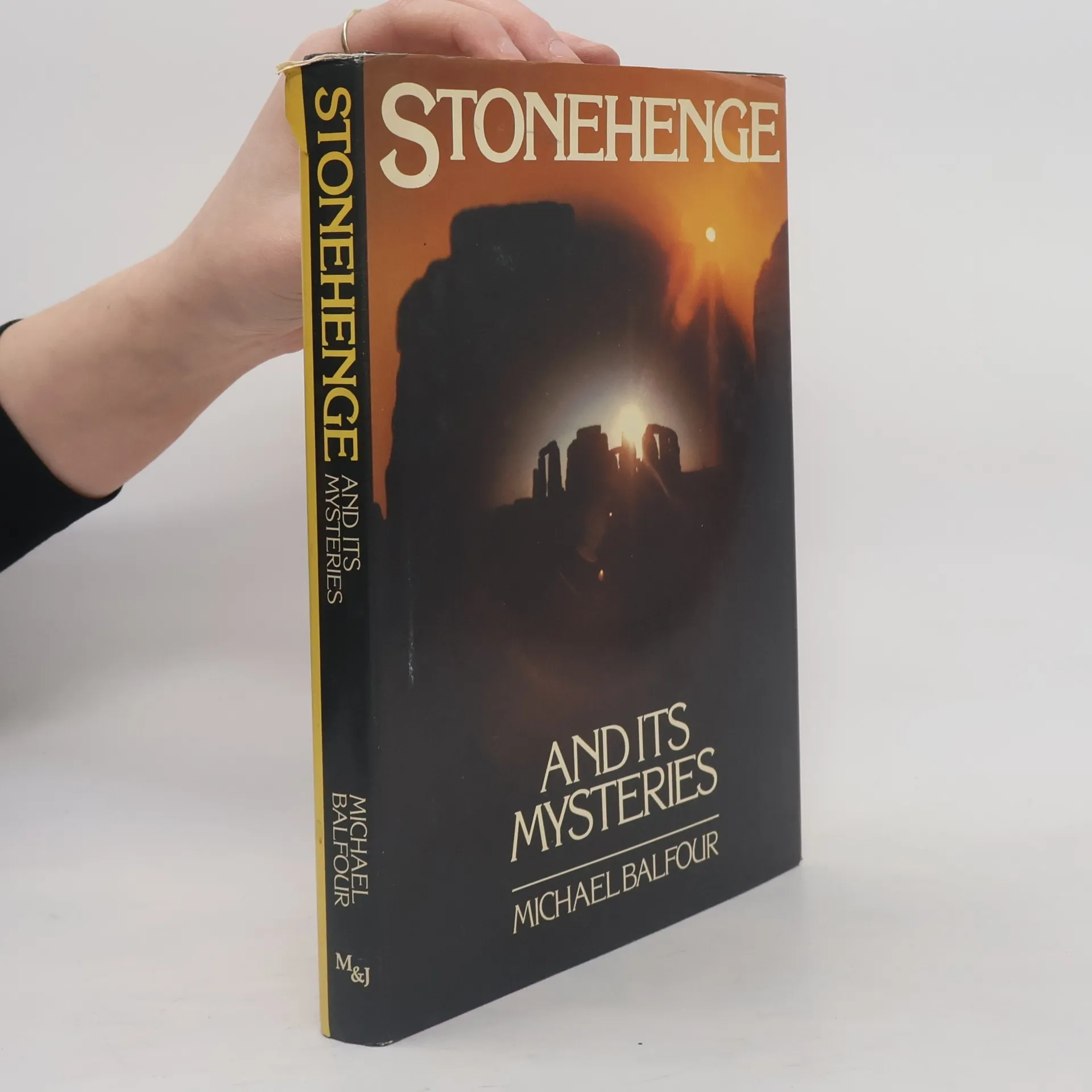
A comprehensive guide to more than 200 prehistoric sites in Europe and North Africa. With over 250 color photographs and 30 black and white illustrations.
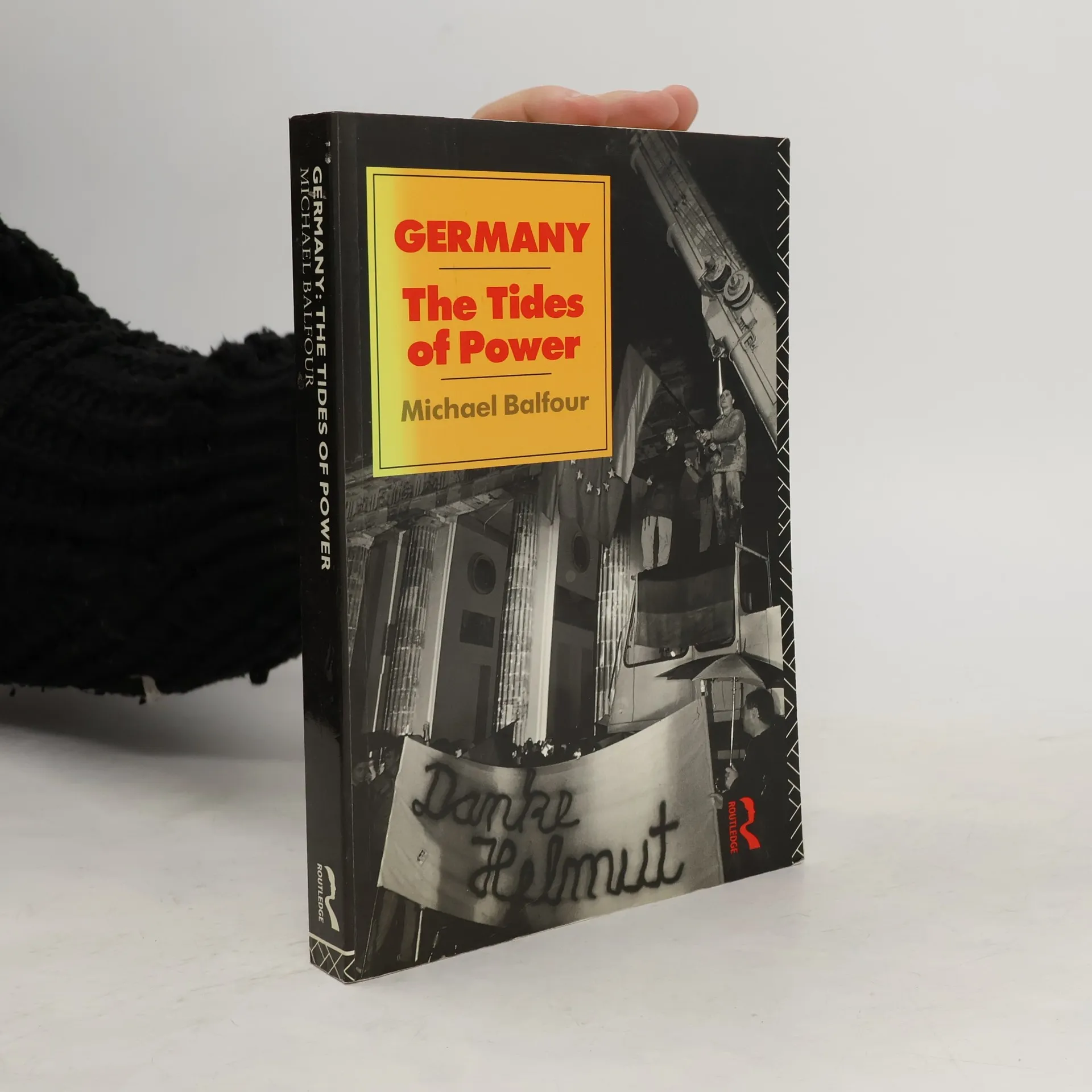
In Germany - The Tides of Power, Michael Balfour sets out to explain the factors which have shaped the German social, political and economic character. Tracing the movement of power from the Middle Ages onwards, he seeks to lead the reader to an understanding of modern Germany - why Germany precipitated, and lost, two major wars this century; how the astonishing growth of wealth over the last half-century was achieved; the meaning behind the recent unification of Germany. As German economic expansion continues into the 1990's, Professor Balfour discusses the power held by this technologically advanced nation - and considers the acceptance of this power by the rest of the world.
Stonehenge, the world's most famous megalithic monument, attracts close to a million visitors each year. Set on a rather barren plain, Stonehenge, with its stones, holes, banks, and barrows, is a source of never-ceasing fascination to anyone who yearns to have even a little understanding of history.
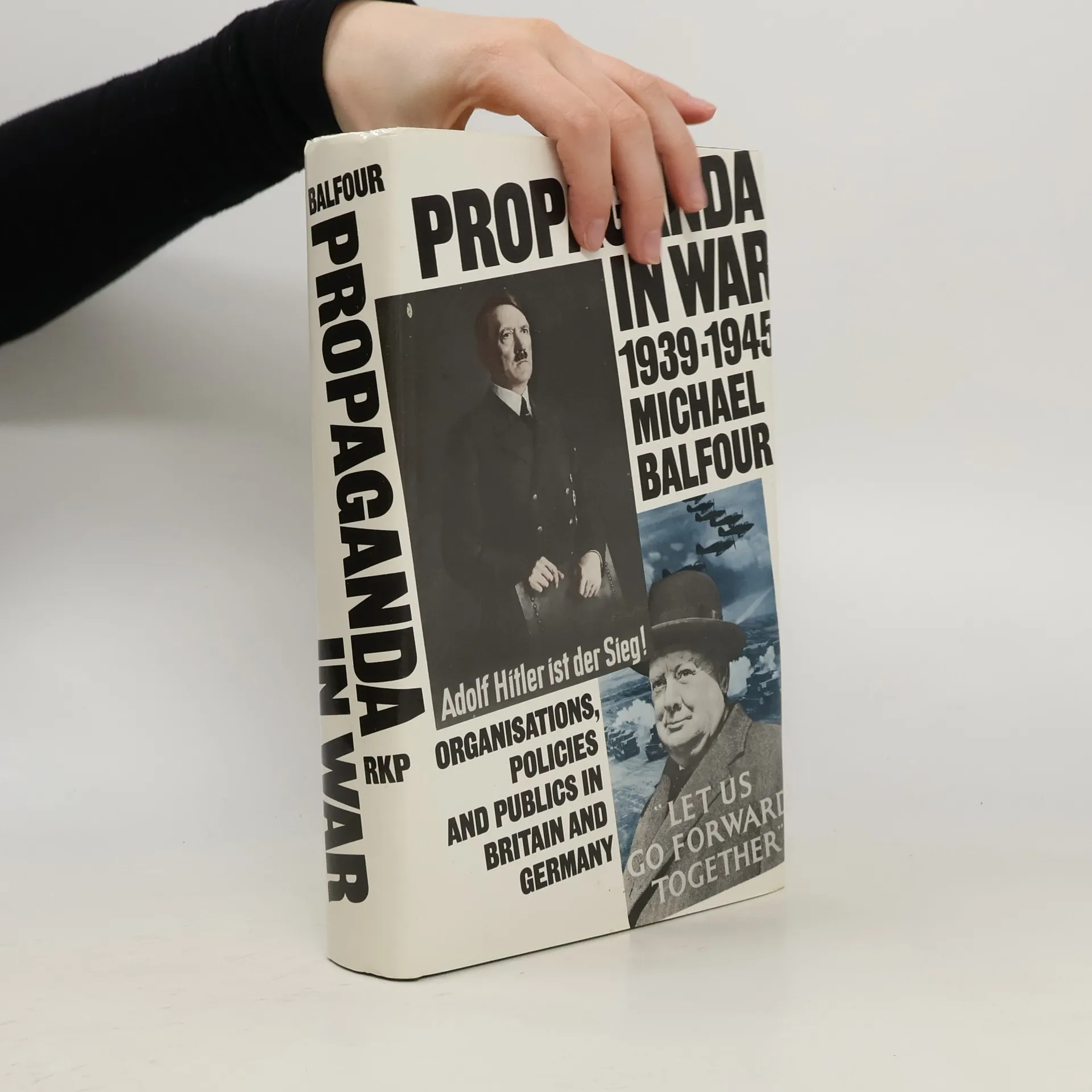
Organisations, Policies, and Publics, in Britain and Germany
520 pages
19 hours of reading
This was the first book to deal with both British and German propaganda during the Second World War, both as regards to what was said at home and what was said to the enemy. The author was well qualified for the task. Michael Balfour first worked in that part of the Ministry of Information which handled publicity on the home front. In 1942 he moved to the Political War Executive which directed propaganda to the enemy and enemy-occupied countries. His job there involved him in closely following German propaganda.Many colourful characters, some of a very dubious mien, feature in these pages: Brendan Bracken, Richard Crossman, Sefton Delmer, Lord Haw-Haw and Hans Fritzsche. His handling of Goebbels is especially interesting, departing considerably from the usual stereotype. The second part of the book is a detailed analysis of the way the war news was handled on both sides: a curious set of distorted mirror-images of the main events emerges from the narrative. With his unique knowledge of the subject Michael Balfour was able to write an immensely impressive and stimulating book.
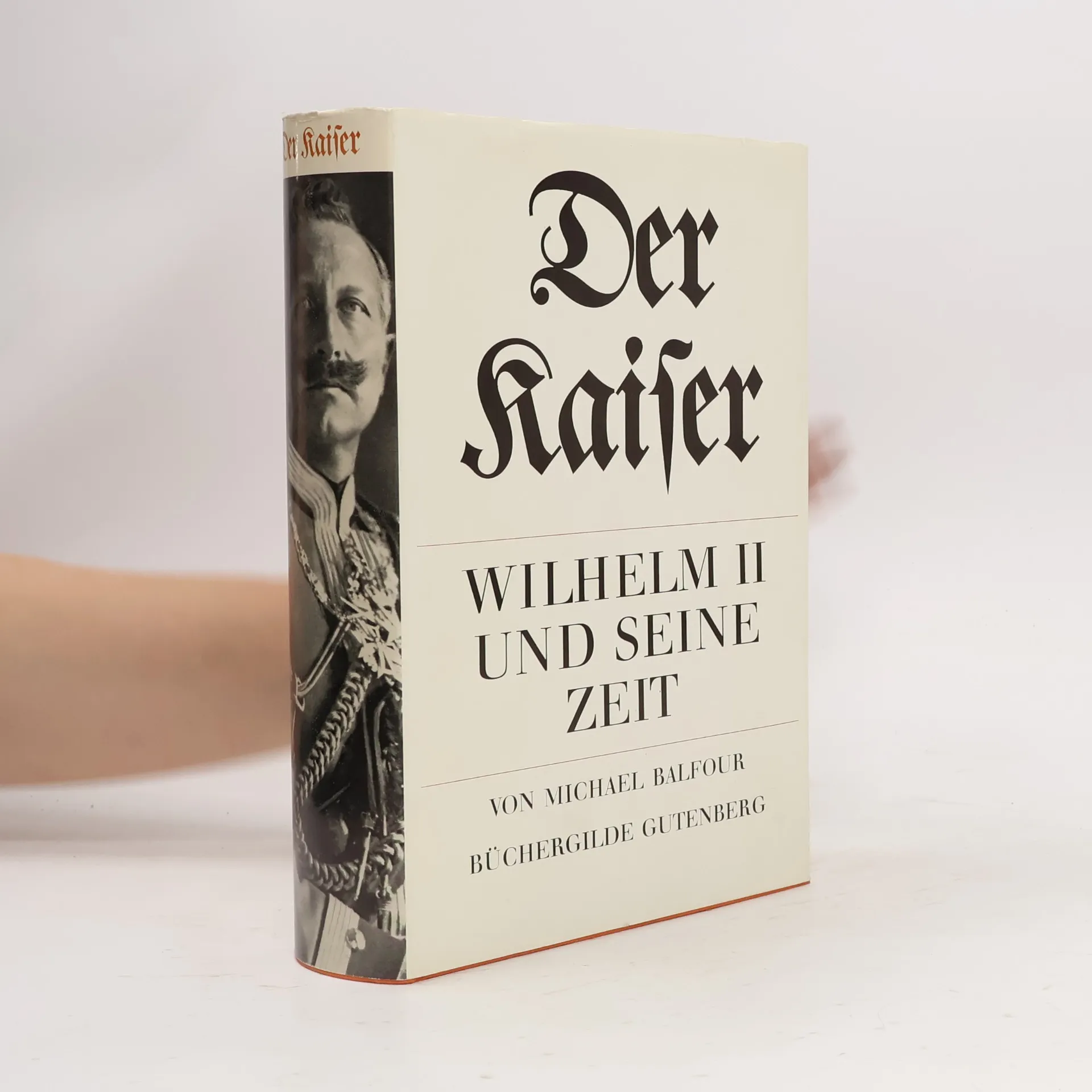
Kaiser Wilhelm II. und seine Zeit charakterisieren tiefgehende Moderne Parteien, eine boomende Wirtschaft, fortschrittliche Technik, neue Medien und eine avantgardistische Kultur prallen auf kaiserliches Gottesgnadentum, einen Hofstaat fast barocken Zuschnitts, quasi-feudale Verhaltnisse im landlichen Raum oder traditionsverpflichtete Tendenzen in Literatur, Architektur und Kunst.



![Kaiser Wilhelm II. [der Zweite] und seine Zeit](https://rezised-images.knhbt.cz/1920x1920/46014368.webp)