
Explore the latest books of this year!
Bookbot

Stanley Payne

    September 9, 1934

    Stanley G. Payne is a distinguished historian specializing in modern Spain and European Fascism. His scholarship delves into the profound political and social forces that shaped Spain and fascist movements across Europe. Payne's rigorous analyses provide essential insights into the continent's complex historical trajectory.

    El nacionalismo vasco 5
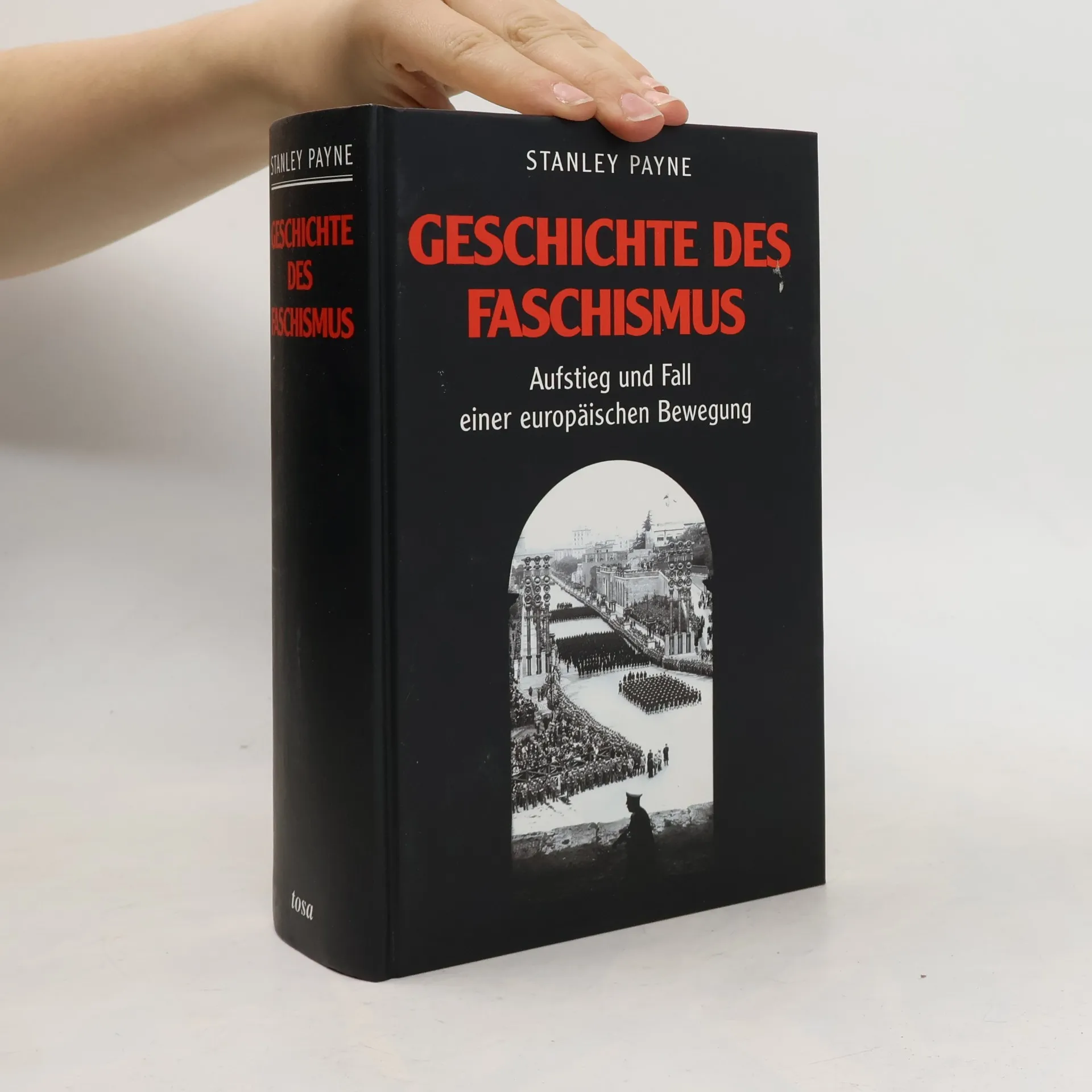
    Geschichte des Faschismus
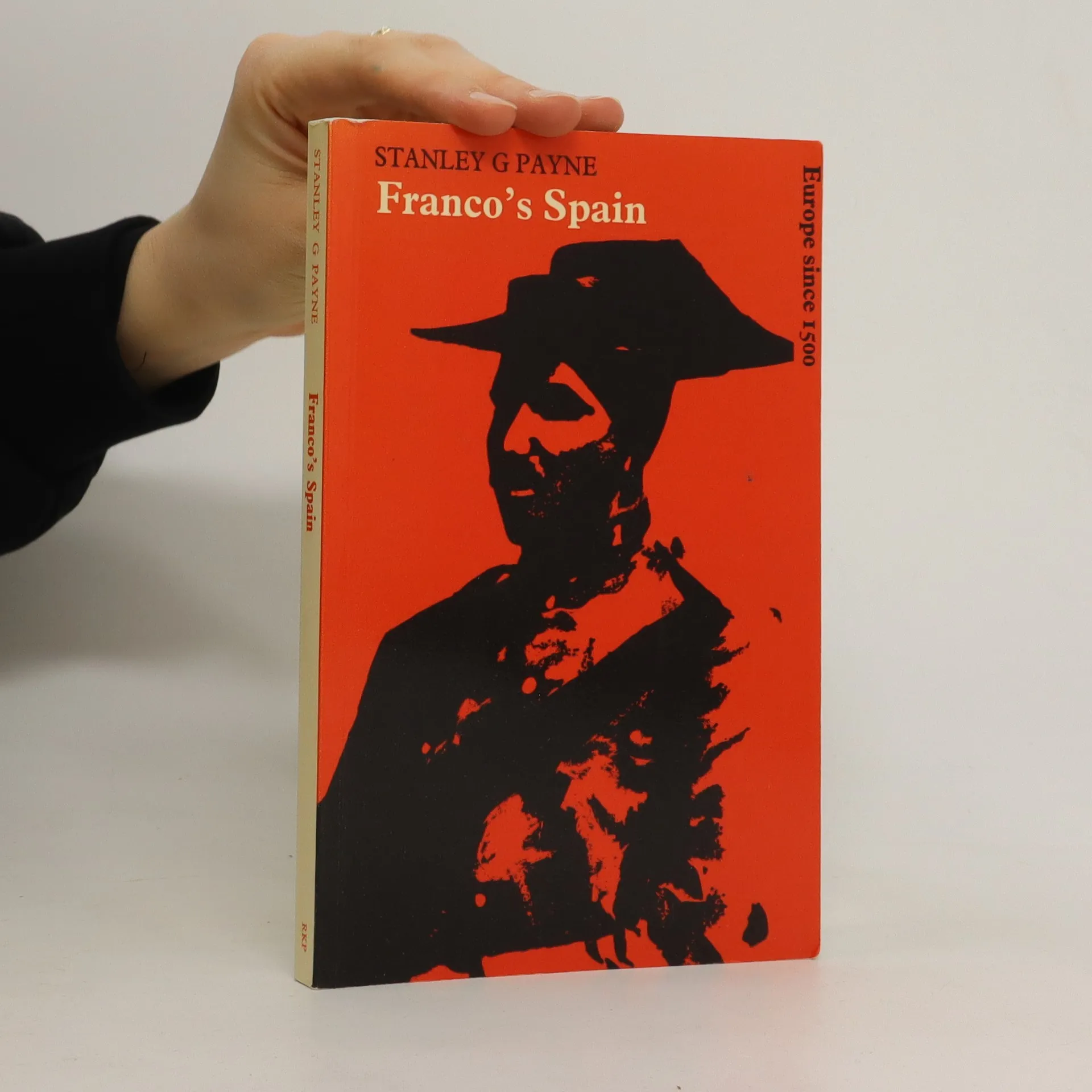
    Franco's Spain
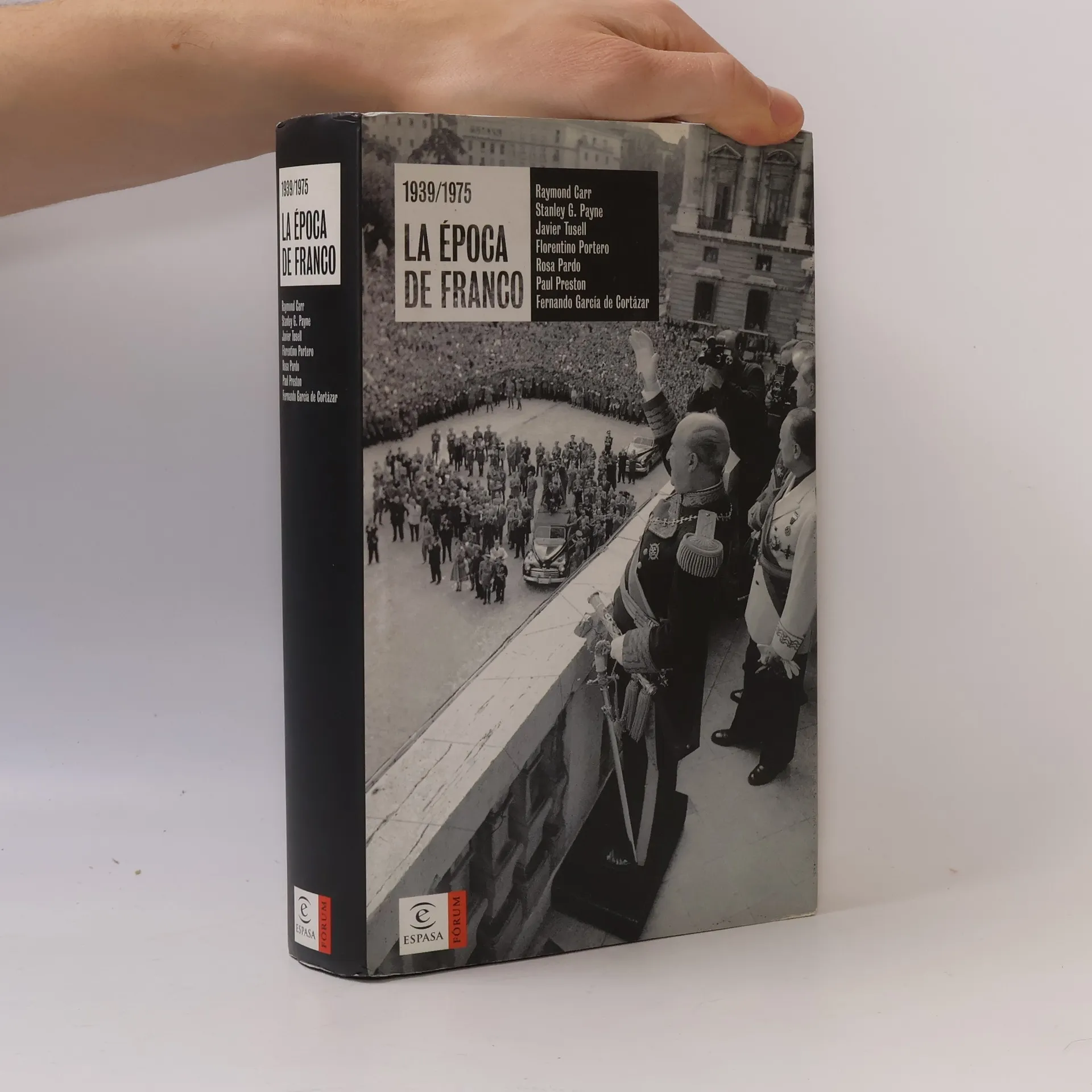
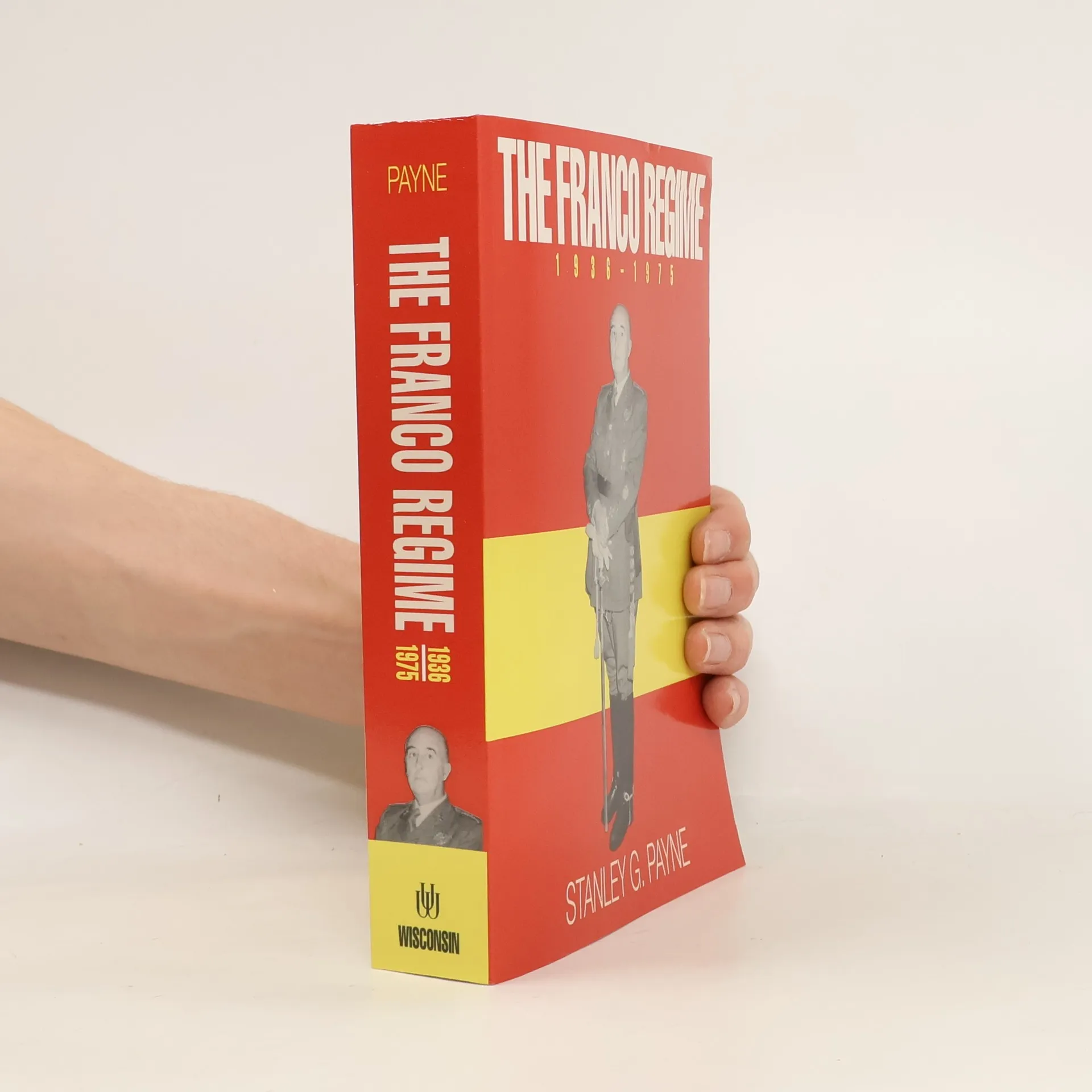
    The Franco Regime, 1936-1975
    The Spanish Civil War
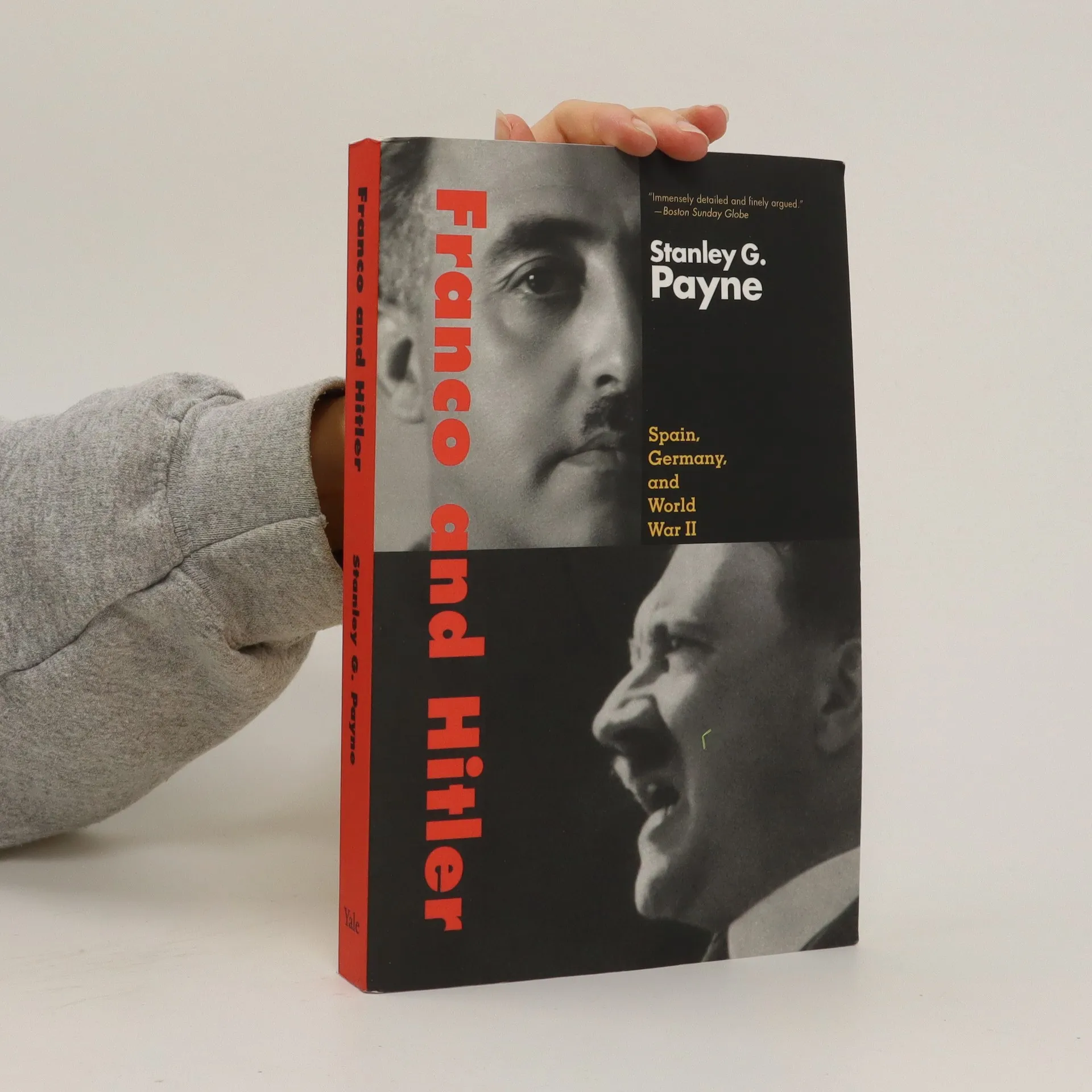
    Franco and Hitler: Spain, Germany, and World War II
    • Was Franco sympathetic to Nazi Germany? Why didn't Spain enter World War II? In what ways did Spain collaborate with the Third Reich? How much did Spain assist Jewish refugees? This is the first book in any language to answer these intriguing questions. Stanley Payne, a leading historian of modern Spain, explores the full range of Franco's relationship with Hitler, from 1936 to the fall of the Reich in 1945. But as Payne brilliantly shows, relations between these two dictators were not only a matter of realpolitik. These two titanic egos engaged in an extraordinary tragicomic drama often verging on the dark absurdity of a Beckett or Ionesco play. Whereas Payne investigates the evolving relationship of the two regimes up to the conclusion of World War II, his principal concern is the enigma of Spain's unique position during the war, as a semi-fascist country struggling to maintain a tortured neutrality. Why Spain did not enter the war as a German ally, joining with Hitler to seize Gibraltar and close the Mediterranean to the British navy, is at the center of Payne's narrative. Franco's only personal meeting with Hitler, in 1940 to discuss precisely this, is recounted here in groundbreaking detail that also sheds significant new light on the Spanish government's vacillating policy toward Jewish refugees, on the Holocaust, and on Spain's German connection throughout the duration of the war.
      Franco and Hitler: Spain, Germany, and World War II
    • This book is a general history of the Spanish Civil War, providing a clear and objective account of its origins in Spanish domestic affairs.

      The Spanish Civil War
    • The history of modern Spain is dominated by the figure of Francisco Franco, who presided over one of the longest authoritarian regimes of the twentieth century. Between 1936 and the end of the regime in 1975, Franco’s Spain passed through several distinct phases of political, institutional, and economic development, moving from the original semi-fascist regime of 1936–45 to become the Catholic corporatist “organic democracy” under the monarchy from 1945 to 1957. Distinguished historian Stanley G. Payne offers deep insight into the career of this complex and formidable figure and the enormous changes that shaped Spanish history during his regime.

      The Franco Regime, 1936-1975
    • Contemporary Spain has been the object of much commentary and frequent hostility in the United States and elsewhere, but has received surprisingly little objective study. Hence it seemed useful to publish a brief but up-to-date analysis of the country's evolution under the Franco regime for the benefit of students of twentieth-century Europe, serious-minded travelers, and those interested in contemporary affairs.

      Franco's Spain
    • Geschichte des Faschismus

      • 800 pages
      • 28 hours of reading

      Die große Gesamtgeschichte der Epoche des Faschismus (1914 bis 1945) aus der Feder des bedeutendsten Faschismus-Forschers unserer Zeit. Der Faschismus war - neben dem Kommunismus - die unheilvollste und zugleich massenwirksamste Ideologie des 20. Jahrhunderts. Die gefährliche Mixtur aus Führerkult, übersteigertem Nationalismus, Fremdenhass und Rassismus, oft gepaart mit aggressivem Antisemitismus, nahm ihren Anfang mit Mussolinis Marsch auf Rom und gipfelte im vom nationalsozialistischen Regime entfesselten Zweiten Weltkrieg und im Holocaust.

      Geschichte des Faschismus
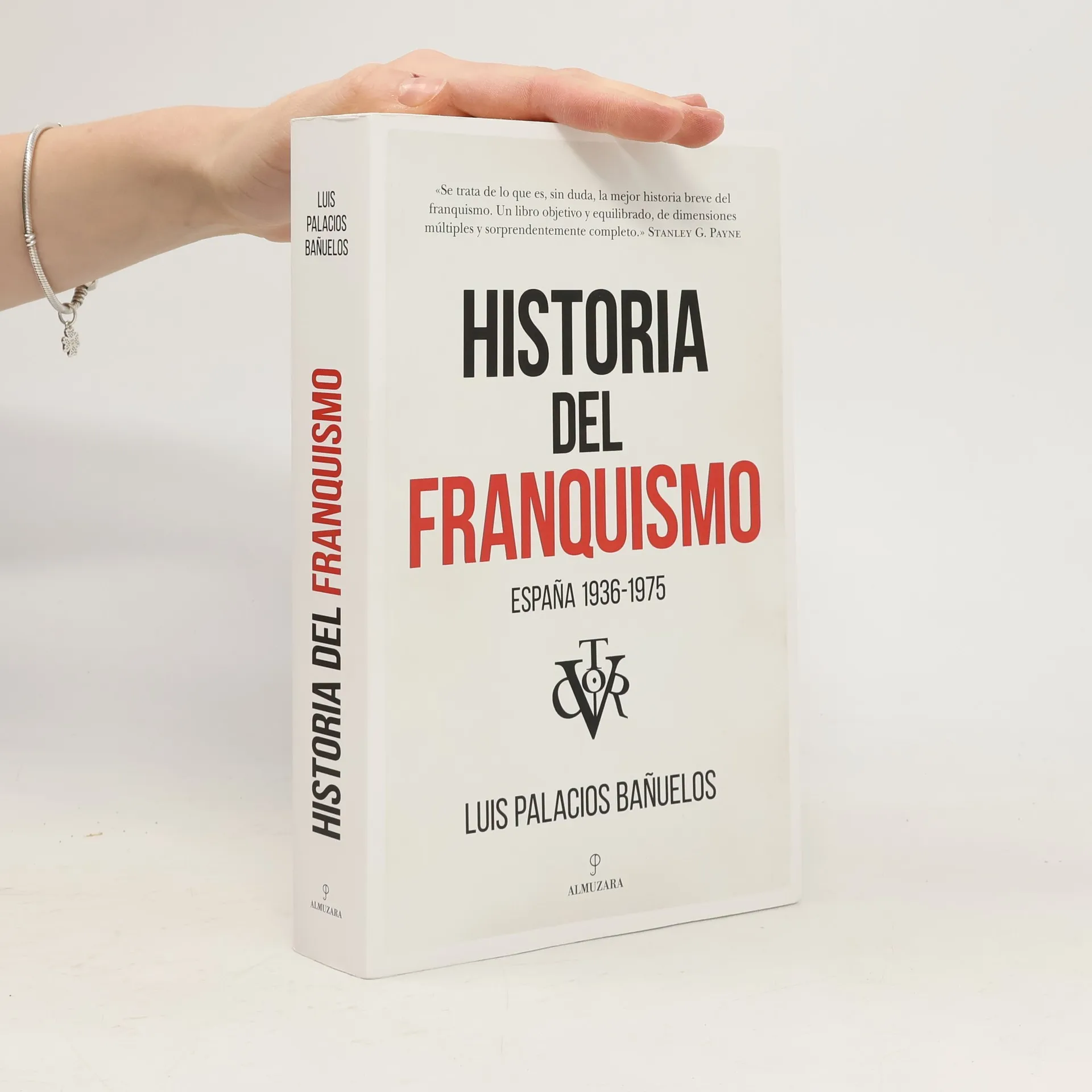
    • Historia del Franquismo

      España 1936-1975

      • 531 pages
      • 19 hours of reading

      Se trata de lo que es, sin duda, la mejor historia breve de la Historia del Franquismo. Un libro objetivo y equilibrado, de dimensiones múltiples y sorprendentemente completo. Stanley G. PayneEl régimen de Franco marcó toda una época de la historia de España. De las dictaduras europeas personales, fue la más duradera. Ni siquiera Stalin se mantuvo en el poder tanto tiempo. Su régimen fue sui generis y cambió mucho durante su larga vida, pero siempre era el régimen de Franco, un personaje que de verdad no cambiaría nunca.No es necesario tener de antemano un conocimiento elaborado de la historia de los años 1936 a 1975, porque esta Historia del franquismo es completa en sí misma pues lo que Luis Palacios Bañuelos ha conseguido es sintetizar mucha investigación, tanto la suya como la de muchos otros, ofreciendo un producto al alcance de todos sin perder el rigor.El franquismo empezó con el propio Franco. Por eso este libro comienza con la semblanza personal del dictador, porque, sin entender su formación psicológica y su peculiar personalidad, no se puede entender la naturaleza de su régimen y los muchos vaivenes políticos que determinaron su singular historia. Fue un régimen ideológicamente múltiple y compuesto que, como el autor explica en detalle, se formaba de una serie muy diversa de tendencias o familias políticas que tenían en común meramente el hecho de ser anti-izquierdistas. A lo largo de sus páginas asistimos a su relación con Hitler, a los pactos con Estados Unidos, a la autarquía, las relaciones del Caudillo con el Vaticano, la evolución hacia la modernidad de un país...Son muy pocos los historiadores con un conocimiento de este régimen y de su historia igual al de Luis Palacios Bañuelos. Por ese motivo, es una historia total, no escrito para franquistas o antifranquistas, sino para los lectores españoles de mentalidad abierta que desean comprender esta época tan clave de la transformación moderna de España.(Del prólogo de Stanley G. Payne)

      Historia del Franquismo