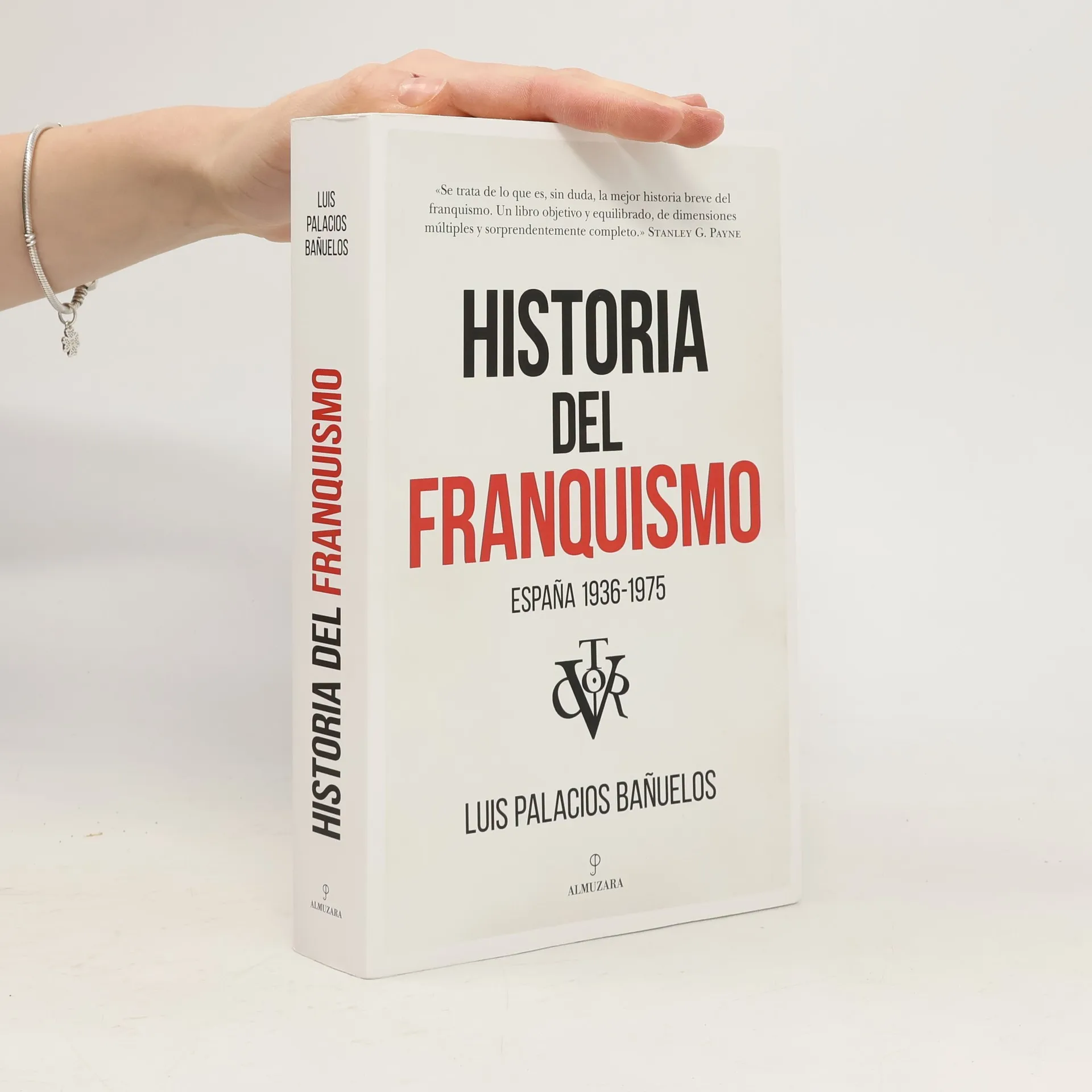
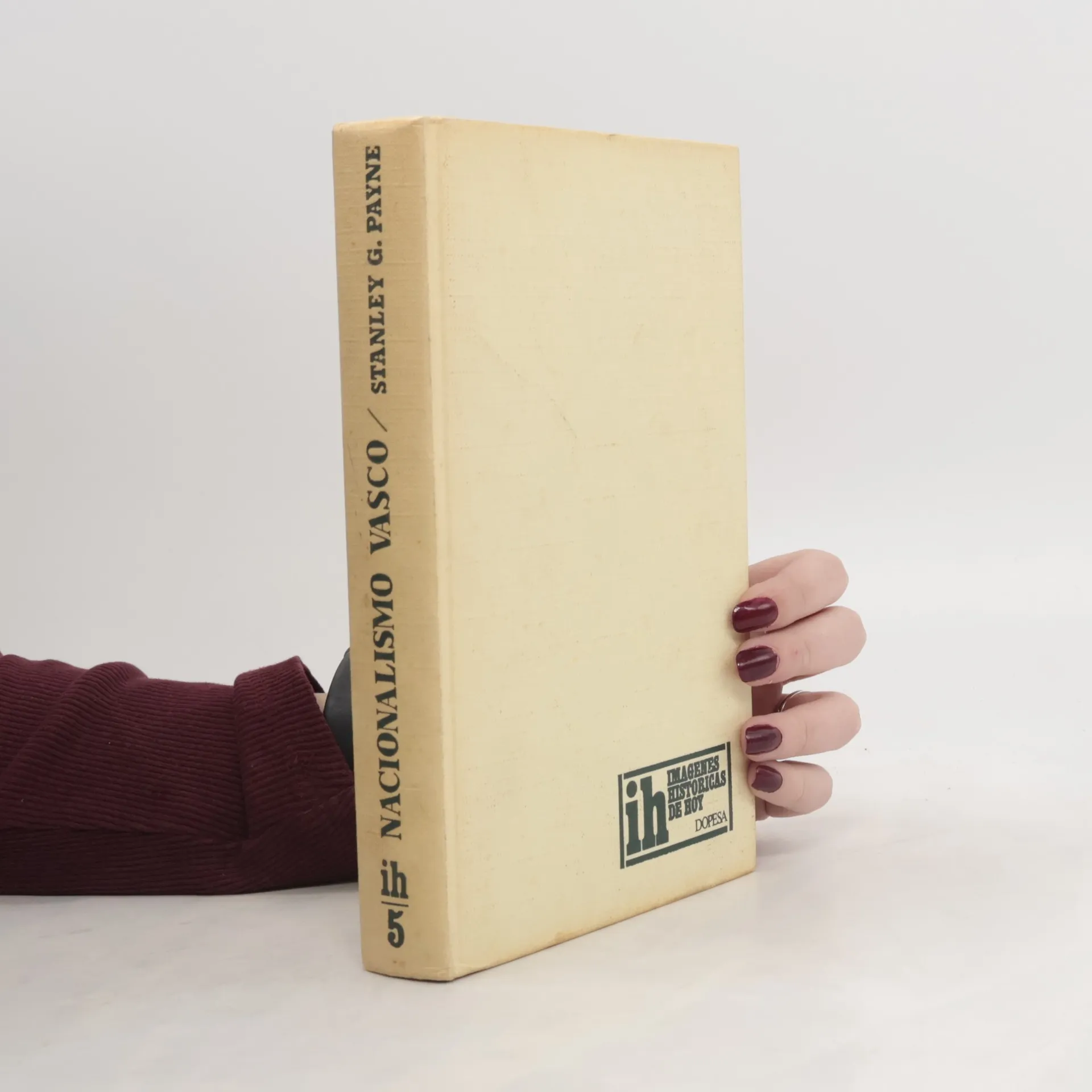
Este libro ofrece una visión objetiva y equilibrada de la historia del franquismo, destacándose como una de las mejores narrativas sobre este periodo en la historia de España. El régimen de Franco, que perduró más que cualquier otra dictadura europea, fue singular y cambió a lo largo de su existencia, pero siempre estuvo marcado por la figura inmutable del dictador. No se requiere un conocimiento previo sobre la historia de 1936 a 1975, ya que el autor, Luis Palacios Bañuelos, sintetiza una vasta investigación, presentando un relato accesible y riguroso. La obra comienza con un análisis de la personalidad de Franco, esencial para comprender la naturaleza de su régimen y los vaivenes políticos que lo caracterizaron. Este régimen, ideológicamente diverso, unió a distintas tendencias políticas bajo el común denominador del antiizquierdismo. A lo largo de sus páginas, se exploran las relaciones de Franco con Hitler, los pactos con Estados Unidos, la autarquía, y su vínculo con el Vaticano, así como la evolución de España hacia la modernidad. Luis Palacios Bañuelos es uno de los pocos historiadores con un profundo conocimiento del franquismo, lo que convierte esta obra en un relato integral, dirigido a lectores españoles de mentalidad abierta que buscan entender una época crucial en la transformación moderna de España.
Stanley Payne Book order (chronological)
Stanley G. Payne is a distinguished historian specializing in modern Spain and European Fascism. His scholarship delves into the profound political and social forces that shaped Spain and fascist movements across Europe. Payne's rigorous analyses provide essential insights into the continent's complex historical trajectory.

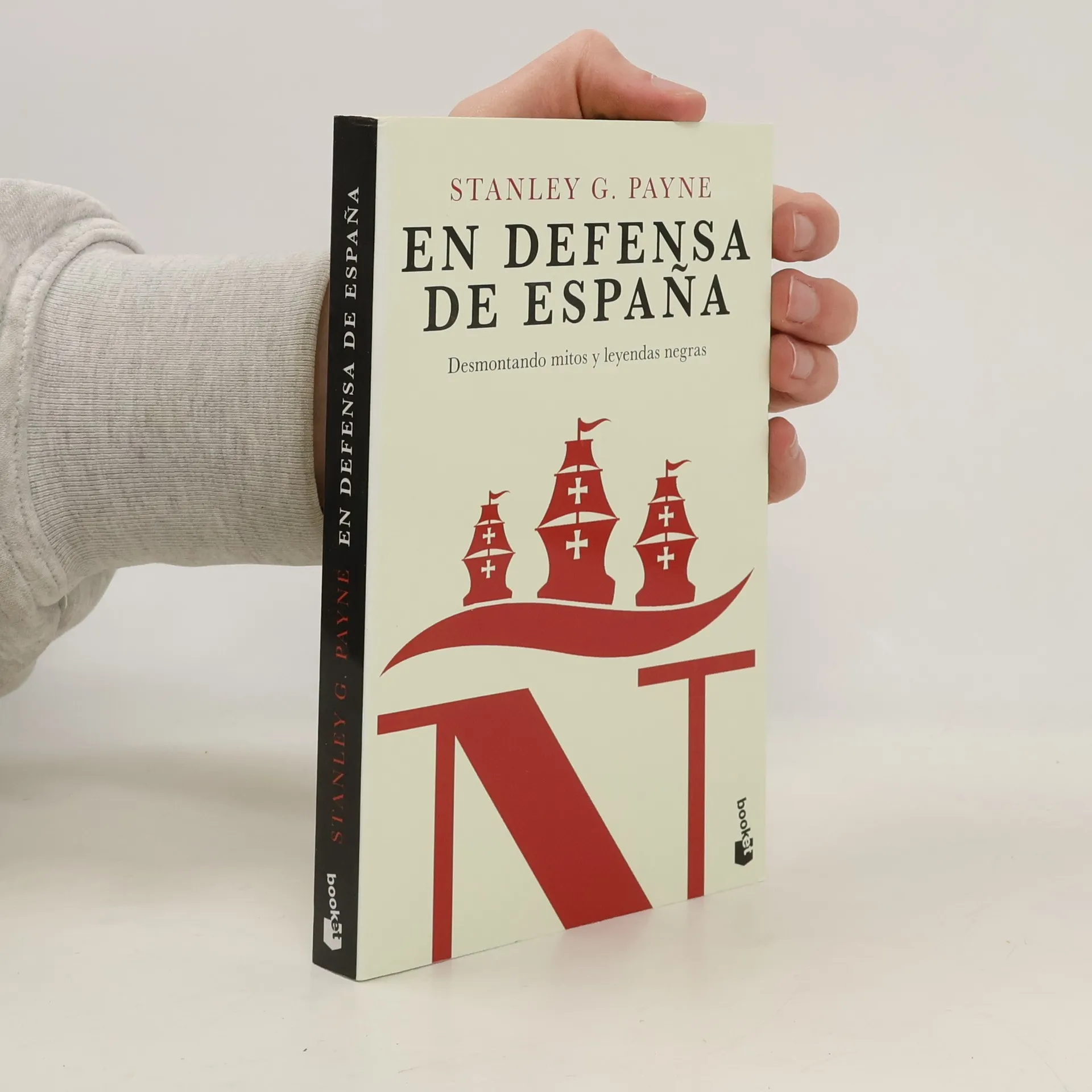
Ningún otro país como España posee una historia tan rica en sus imágenes ni tan abundante en conceptos, mitos y leyendas. Es la historia más exótica de Occidente y también la más extensa y extrema en su envergadura, tanto cronológica como geográfica, y con mayores diferencias en las distintas épocas. A lo largo de los siglos, la Historia de España se ha descrito y definido a partir de conceptos inusitadamente controvertidos: reino bárbaro decadente, conquista oriental, paraíso multicultural, guerra divina, Reconquista, Inquisición, primer imperio mundial, monarquía paneuropea, decadencia profunda, leyenda negra, país insurreccional que reclama su independencia, cultura romántica por excelencia, sociedad convulsa y/o revolucionaria, democracia militante antifascista, país fascista retrógrado, pionera democracia de consenso... Algunas de estas descripciones son tópicos esencialmente falsos, pero la mayor parte se refiere a procesos o logros históricos muy complejos que requieren mucha matización. Este libro es una interpretación en el debate sin fin de la Historia de España, realizada siguiendo un desarrollo cronológico que explica la evolución del país y, con ella, los mitos, estereotipos y leyendas que se han construido a través del tiempo.
El fascismo
- 320 pages
- 12 hours of reading
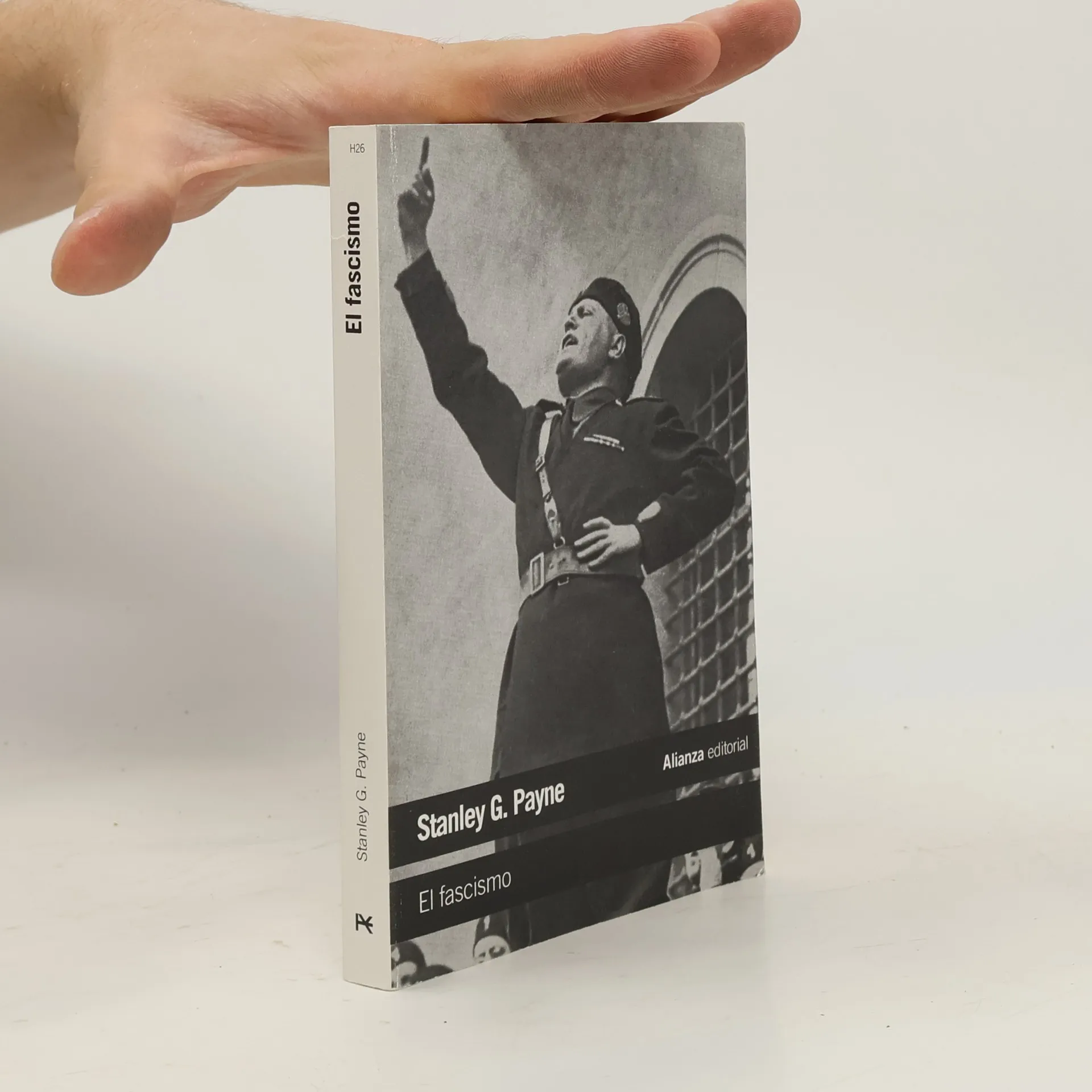
Este documentado ensayo se propone definir el fascismo a través del estudio comparado de los diversos movimientos que han esgrimido ese nombre o que lo han recibido de sus adversarios. Stanley G. Payne establece los criterios que diferencian el fascismo tanto de la derecha autoritaria conservadora como de la extrema derecha. Los sistemas de Mussolini y Hitler, los regímenes de Franco y Salazar, la expansión mimética del fenómeno en diversas naciones europeas y la difusión de sus rasgos doctrinales en otros lugares del planeta suministran un rico material empírico para la síntesis. En su búsqueda de una tipología del «fascismo genérico», Payne rechaza las explicaciones monocausales, subraya la complejidad del este movimiento y apunta los rasgos comunes ideológicos, políticos y retóricos de una manifestación peculiarmente europea e históricamente enmarcada en el periodo de entreguerras.
This book is a general history of the Spanish Civil War, providing a clear and objective account of its origins in Spanish domestic affairs.
Franco and Hitler: Spain, Germany, and World War II
- 336 pages
- 12 hours of reading
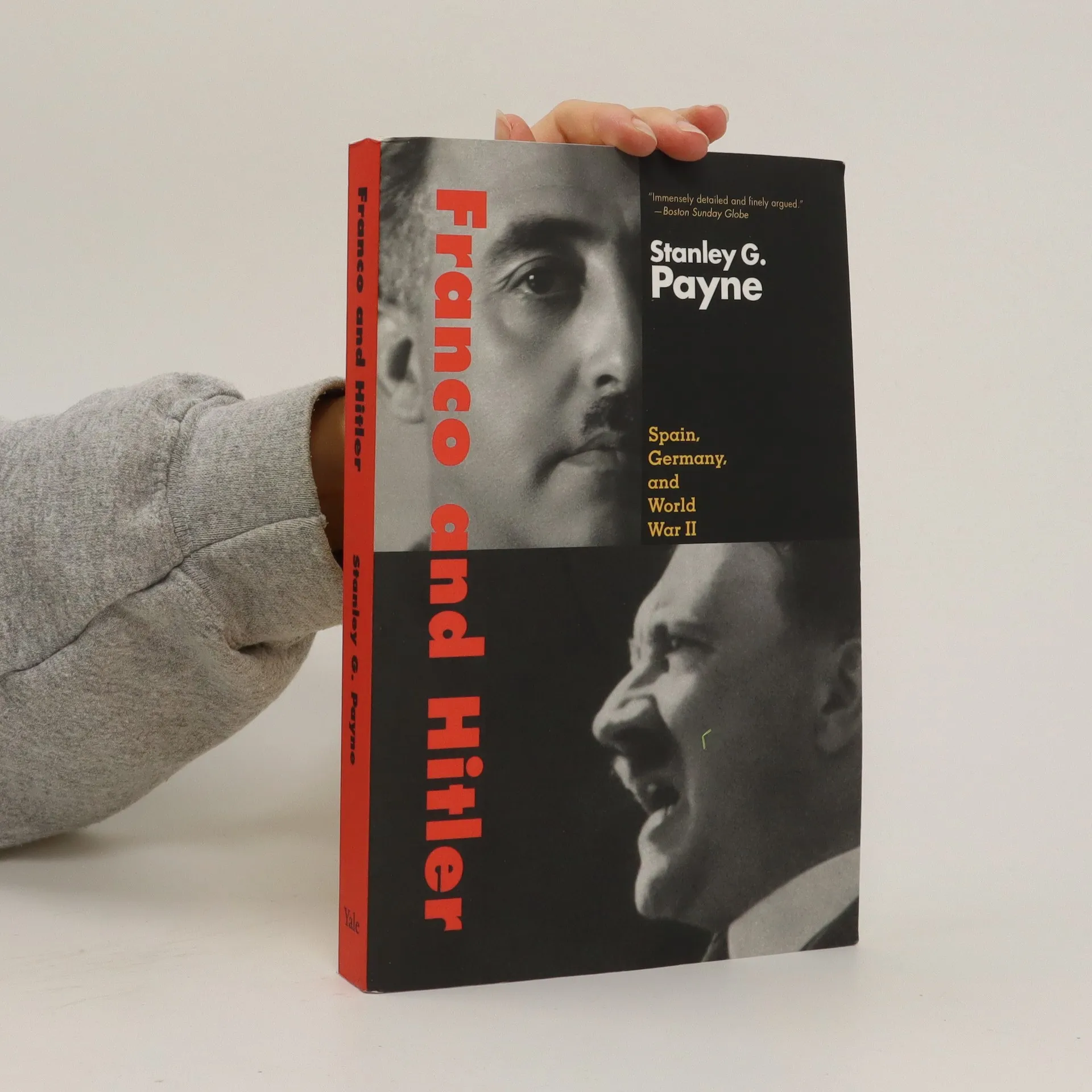
Was Franco sympathetic to Nazi Germany? Why didn't Spain enter World War II? In what ways did Spain collaborate with the Third Reich? How much did Spain assist Jewish refugees? This is the first book in any language to answer these intriguing questions. Stanley Payne, a leading historian of modern Spain, explores the full range of Franco's relationship with Hitler, from 1936 to the fall of the Reich in 1945. But as Payne brilliantly shows, relations between these two dictators were not only a matter of realpolitik. These two titanic egos engaged in an extraordinary tragicomic drama often verging on the dark absurdity of a Beckett or Ionesco play. Whereas Payne investigates the evolving relationship of the two regimes up to the conclusion of World War II, his principal concern is the enigma of Spain's unique position during the war, as a semi-fascist country struggling to maintain a tortured neutrality. Why Spain did not enter the war as a German ally, joining with Hitler to seize Gibraltar and close the Mediterranean to the British navy, is at the center of Payne's narrative. Franco's only personal meeting with Hitler, in 1940 to discuss precisely this, is recounted here in groundbreaking detail that also sheds significant new light on the Spanish government's vacillating policy toward Jewish refugees, on the Holocaust, and on Spain's German connection throughout the duration of the war.
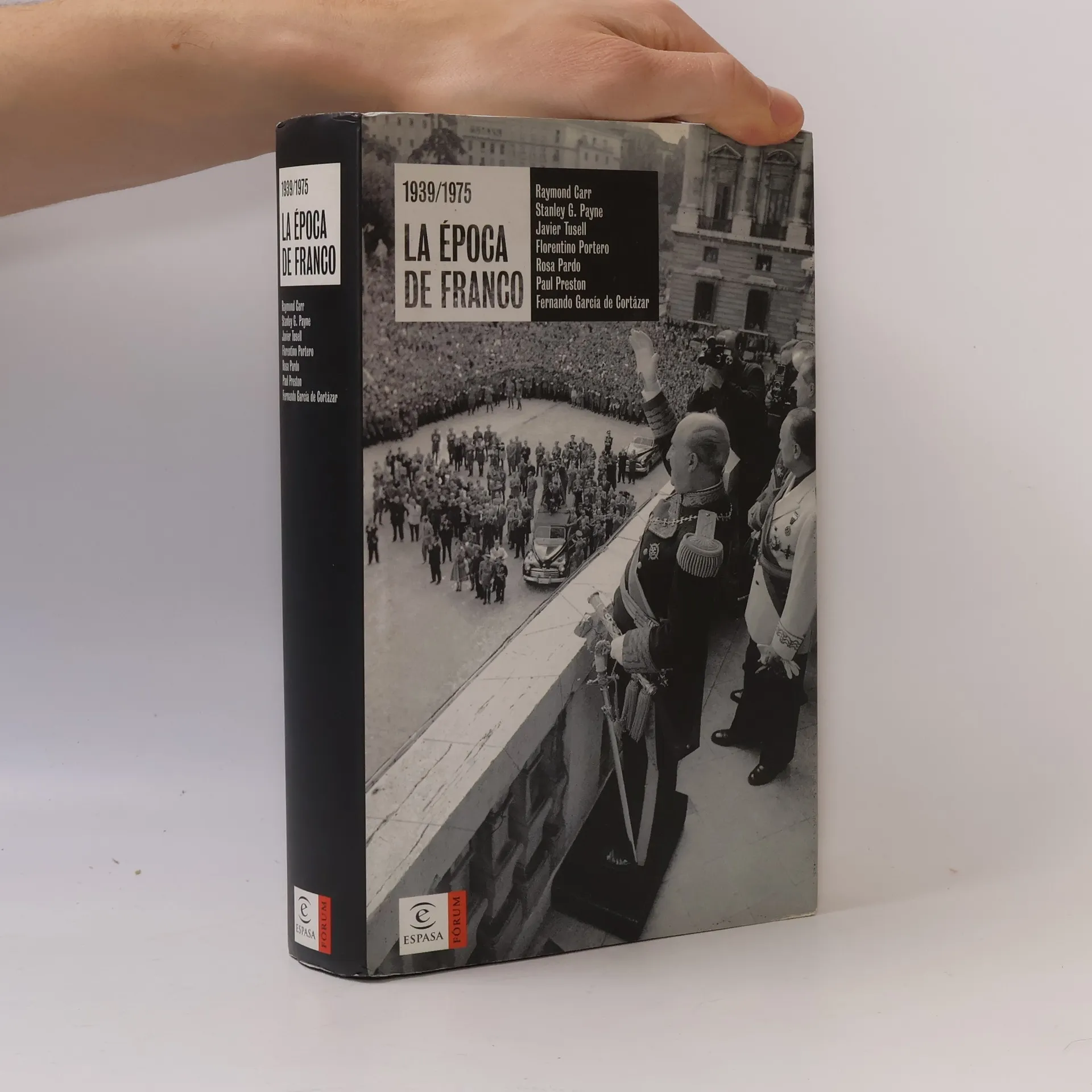
El hombre que enciende el debate en la sociedad española El final de la Guerra Civil en 1939 implicó el establecimiento en España de un régimen autoritario dirigido por quien había llevado a las tropas nacionales a la victoria. Franco encabezó una dictadura que sólo finalizó con su muerte en 1975. Durante esos años la capacidad del franquismo para evolucionar y absorber los conflictos de una sociedad sometida a un significativo proceso de cambio fue prácticamente nula. La figura de Franco sigue despertando gran interés y provocando un encendido debate en la sociedad española.
Geschichte des Faschismus
- 800 pages
- 28 hours of reading
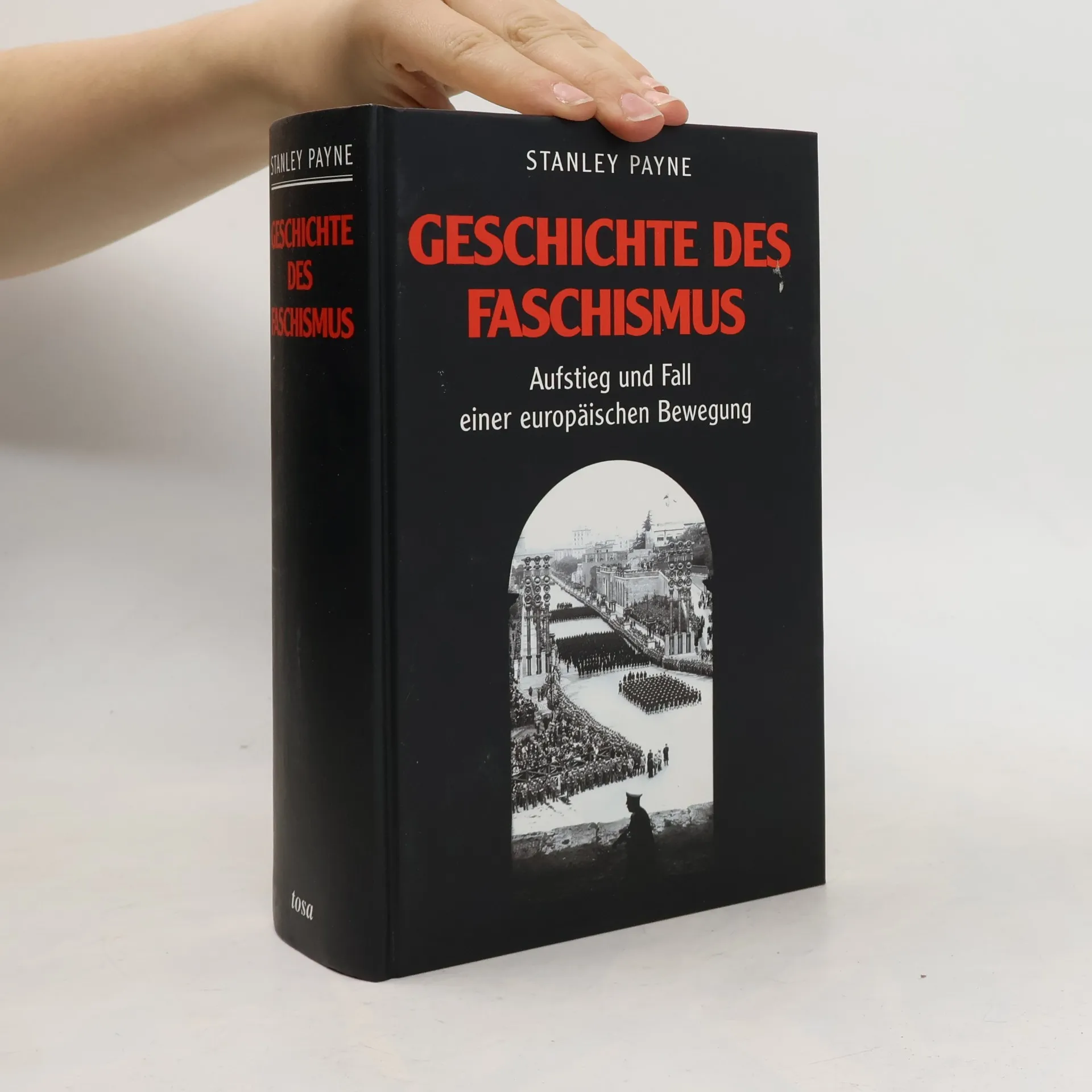
Die große Gesamtgeschichte der Epoche des Faschismus (1914 bis 1945) aus der Feder des bedeutendsten Faschismus-Forschers unserer Zeit. Der Faschismus war - neben dem Kommunismus - die unheilvollste und zugleich massenwirksamste Ideologie des 20. Jahrhunderts. Die gefährliche Mixtur aus Führerkult, übersteigertem Nationalismus, Fremdenhass und Rassismus, oft gepaart mit aggressivem Antisemitismus, nahm ihren Anfang mit Mussolinis Marsch auf Rom und gipfelte im vom nationalsozialistischen Regime entfesselten Zweiten Weltkrieg und im Holocaust.
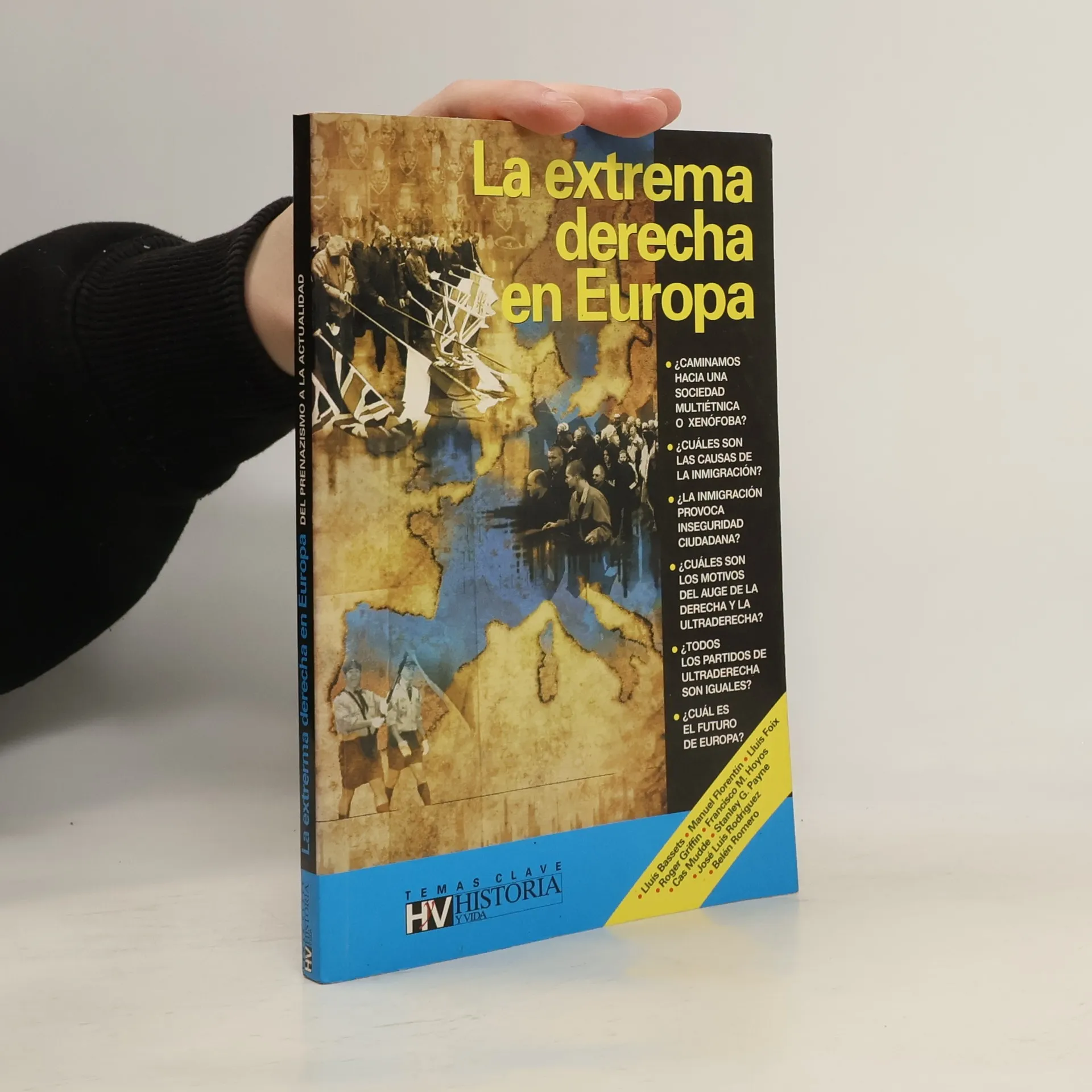
En los últimos quince años se ha producido en Europa un cambio significativo en el mapa político.Lo que a finales de los años ochenta era un mapa con mayoría de gobiernos progresistas y socialistas, se ha visto sustituido actualmente por un mapa conformado, principalmente, por gobiernos conservadores.Y no sólo eso, sino que en países como Austria, Francia, Italia, Holanda… se ha producido un incremento muy significativo de los votos hacia los partidos de ultraderecha.Por otro lado la globalización, una realidad irreversible y sostén de la sociedad de bienestar, parece acentuar las desigualdades con otras sociedades provocando la actual ola de migración.Cambios en los mapas políticos, efectos de la globalización, ola de inmigración, incremento de la inseguridad ciudadana, sociedades multiétnicas del futuro, auge de la ultraderecha…¿Qué significan? ¿Por qué se producen? ¿En qué nos afectan? Este libro contiene la información histórica, en el análisis del presente y opiniones sobre el futuro necesarias para que cada persona pueda conocer, analizar y tomar conciencia de la situación.
The Franco Regime, 1936-1975
- 677 pages
- 24 hours of reading
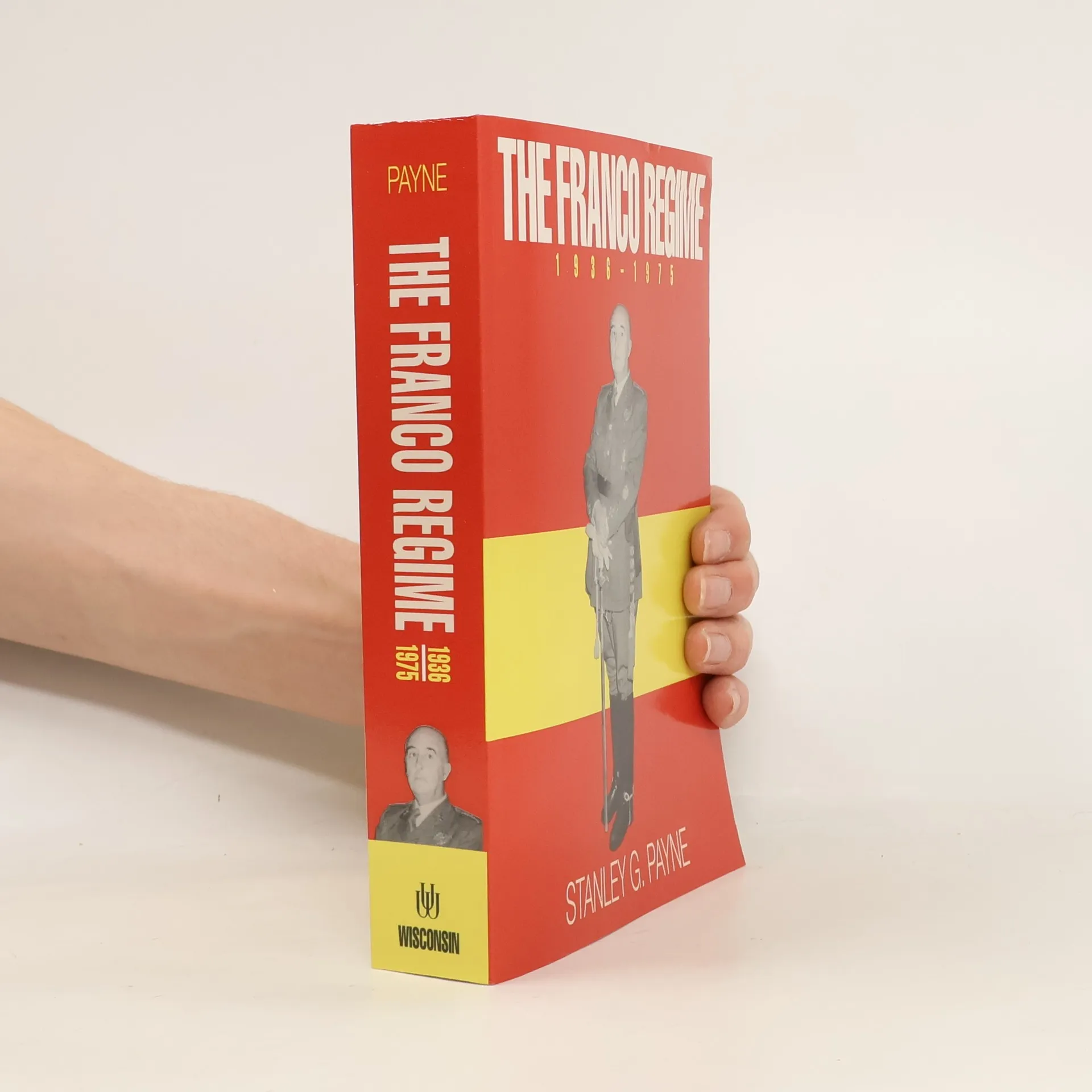
The history of modern Spain is dominated by the figure of Francisco Franco, who presided over one of the longest authoritarian regimes of the twentieth century. Between 1936 and the end of the regime in 1975, Franco’s Spain passed through several distinct phases of political, institutional, and economic development, moving from the original semi-fascist regime of 1936–45 to become the Catholic corporatist “organic democracy” under the monarchy from 1945 to 1957. Distinguished historian Stanley G. Payne offers deep insight into the career of this complex and formidable figure and the enormous changes that shaped Spanish history during his regime.
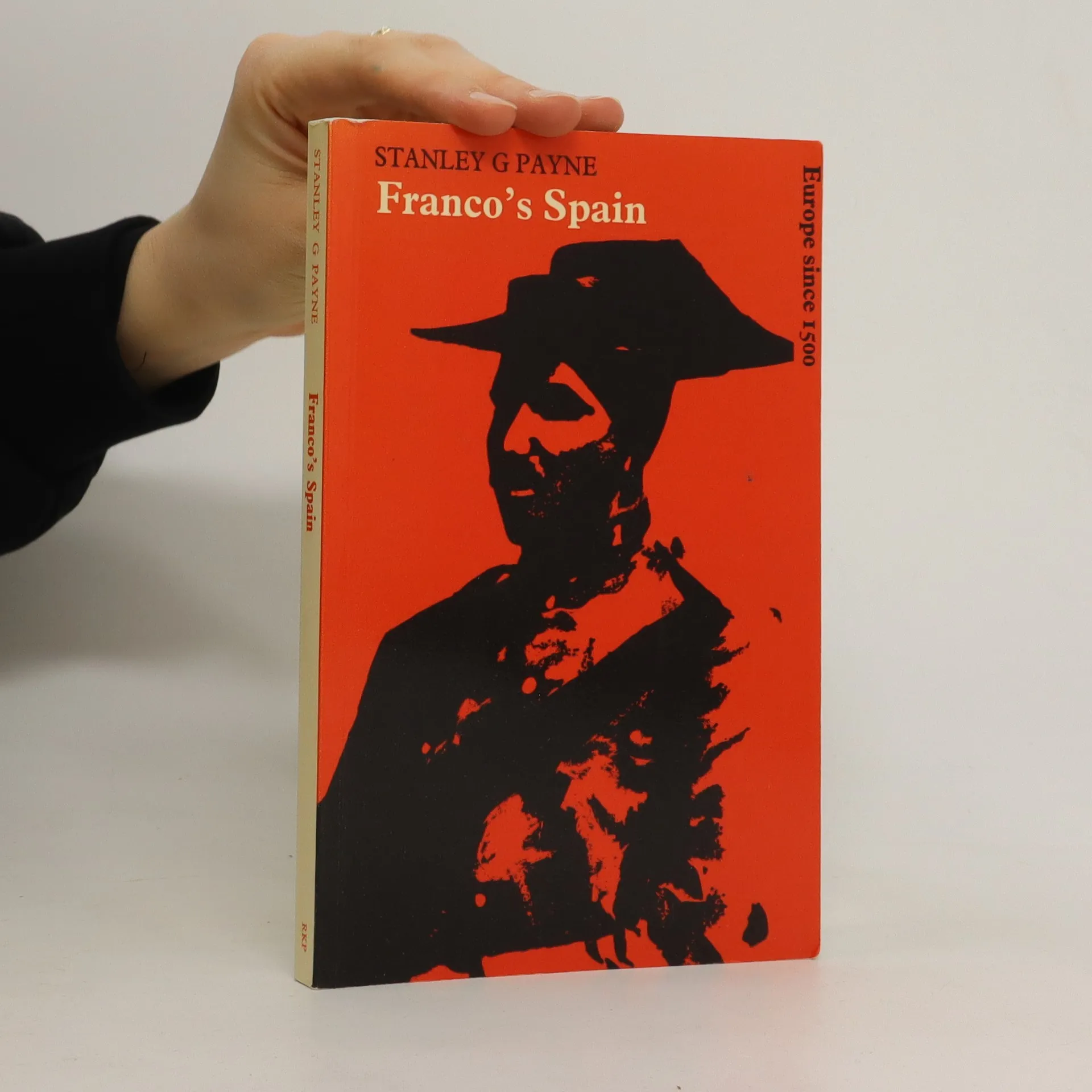
Contemporary Spain has been the object of much commentary and frequent hostility in the United States and elsewhere, but has received surprisingly little objective study. Hence it seemed useful to publish a brief but up-to-date analysis of the country's evolution under the Franco regime for the benefit of students of twentieth-century Europe, serious-minded travelers, and those interested in contemporary affairs.