

Explore the latest books of this year!
Bookbot

Heidi Hein-Kircher

    January 1, 1969

    Heidi Hein-Kircher's scholarship centers on the history of Poland in the 19th and 20th centuries, with a keen focus on political cults and myths. Her work delves into how historical narratives and symbolic expressions were constructed within Poland. Through her research, she illuminates the intricate connections between history, politics, and society. Her approach offers fresh insights into the shaping of national identity and collective memory.

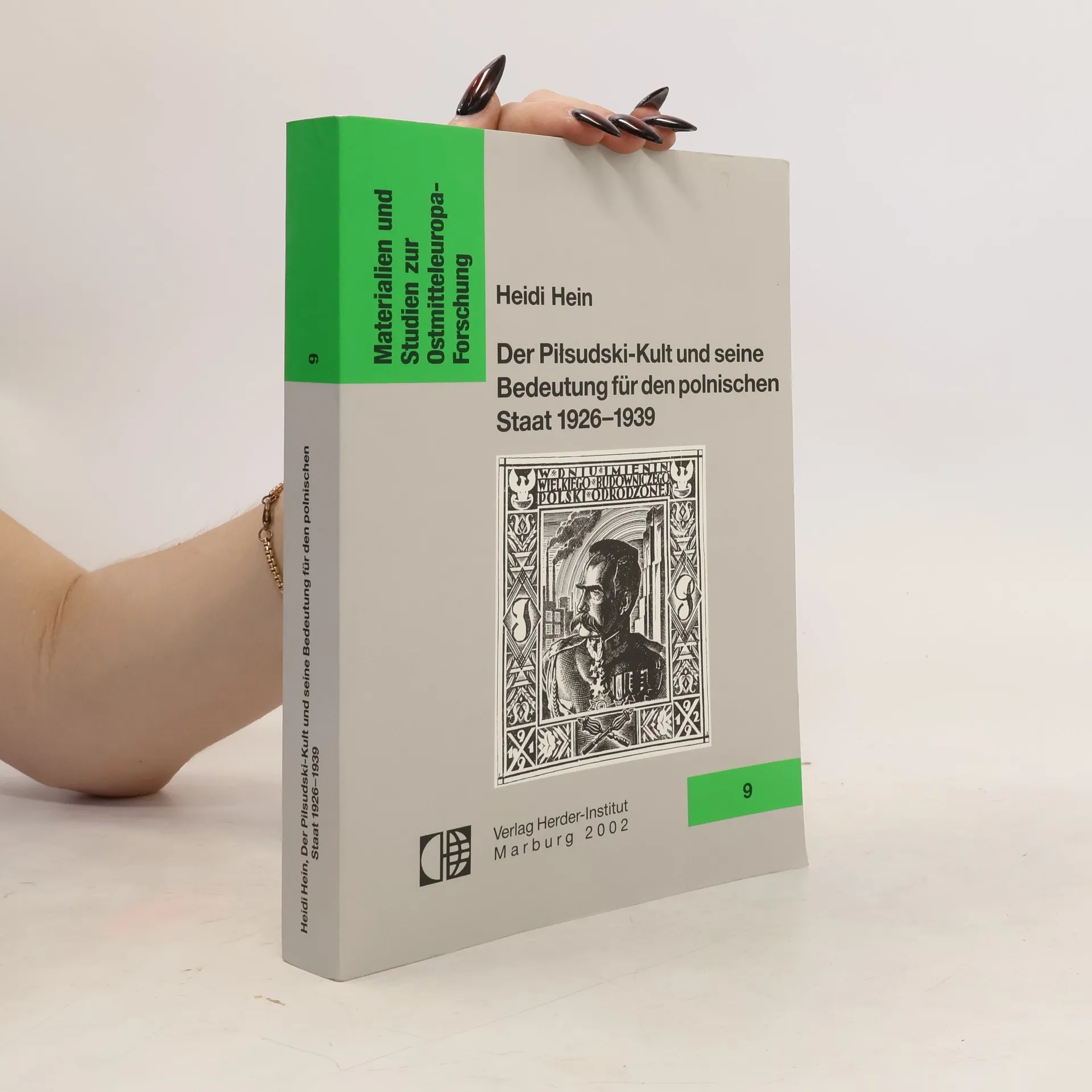
    Der Pilsudski-Kult und seine Bedeutung für den polnischen Staat 1926 - 1939
    Lembergs "polnischen Charakter" sichern
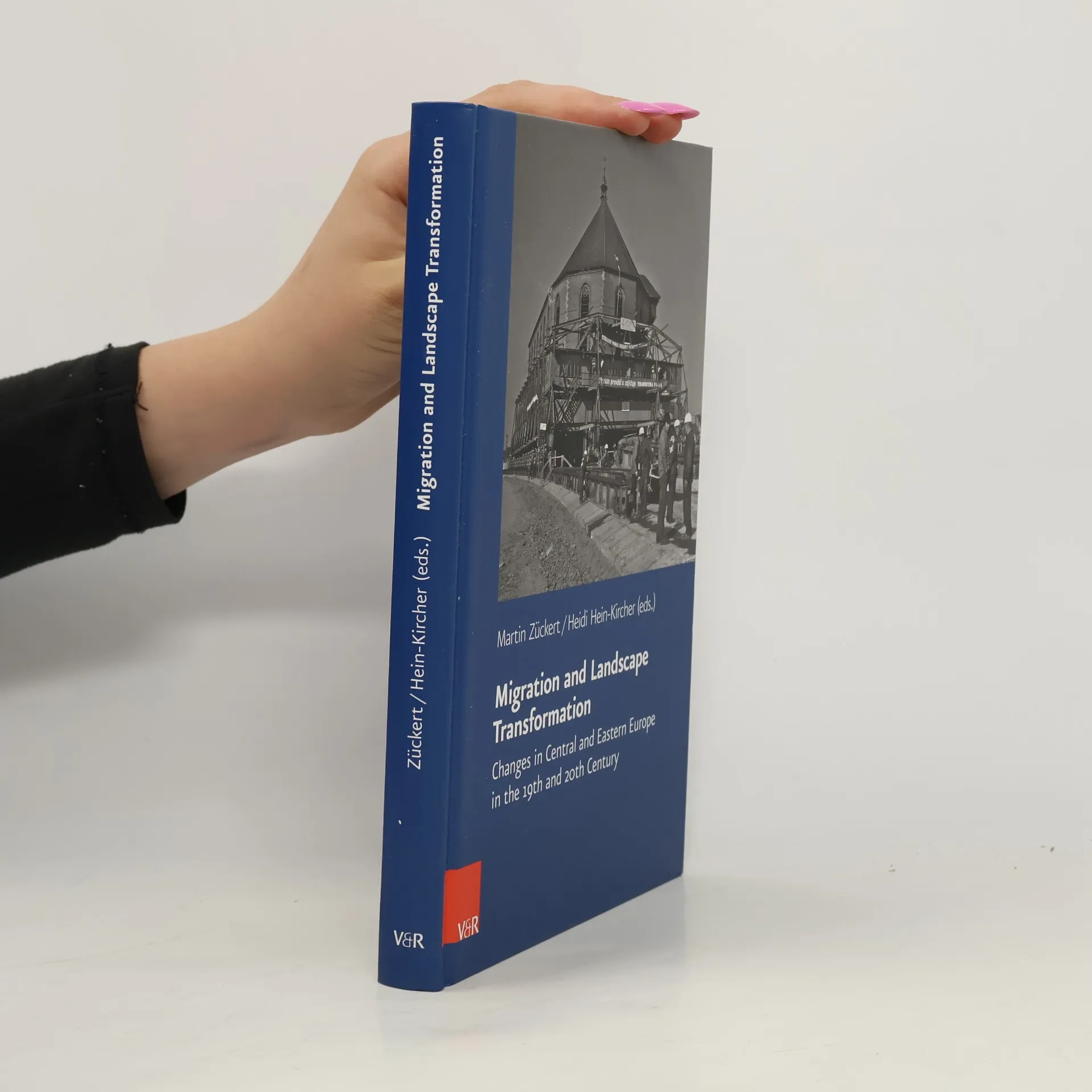
    Migration and Landscape Transformation
    • Migration and Landscape Transformation

      Changes in Central and Eastern Europe in the 19th and 20th Century

      • 204 pages
      • 8 hours of reading

      Many of the landscapes of East Central and Eastern Europe have been lastingly altered by the effects of migration, and especially of the forced migrations that occurred there during and immediately after the Second World War. The authors of this volume investigate on the basis of Czech, Polish, Hungarian and Russian examples (among others) how these modifications occurred. At the centre of attention in the book is state-sponsored landscape planning in the context of state-controlled migration as well as the actions and attitudes of the migrants themselves and the ways in which they interacted with their landscape. In addition to looking at these factors, the authors also examine interpretations and modes of representation of landscape change in schoolbooks and on educational nature trails.

      Migration and Landscape Transformation
    • Lembergs "polnischen Charakter" sichern

      Kommunalpolitik in einer multiethnischen Stadt der Habsburgermonarchie zwischen 1861/62 und 1914

      • 404 pages
      • 15 hours of reading

      Die Nationalisierungs- und Modernisierungspolitik der multiethnischen galizischen Hauptstadt Lemberg führte vor 1914 zur Eskalation des Nationalitätenkonfliktes zwischen Polen und Ruthenen. Hierbei konstruierten die kommunalpolitischen Akteure diskursiv den "polnischen Charakter" der Stadt und dessen Gefährdung, um ihre politische Agenda vor Ort durchzusetzen und die jüdische und ukrainische Bevölkerung zu marginalisieren.Durch die Analyse zentraler Themenfelder der Stadtentwicklungs-, Kultur-, Bildungs- und Geschichtspolitik macht Heidi Hein-Kircher die grundlegenden Diskurse und Praktiken, Strategien und Visionen sowie Wertvorstellungen der Lemberger Kommunalpolitik sichtbar: Indem die kommunalpolitischen Akteure die notwendige Stadtentwicklung als ethnisch-nationales bzw. national-kulturelles Sicherheitsproblem für die eigene, d.h. polnische Gruppe, darstellten, legitimierten sie ihre eigenen politischen Praktiken und Strategien und entwickelten daraus zugleich eine Vision, wie Lemberg als polnische und nicht als multiethnische Stadt zukünftig aussehen sollte. Jetzt reinlesen: Inhaltsverzeichnis(pdf)

      Lembergs "polnischen Charakter" sichern