

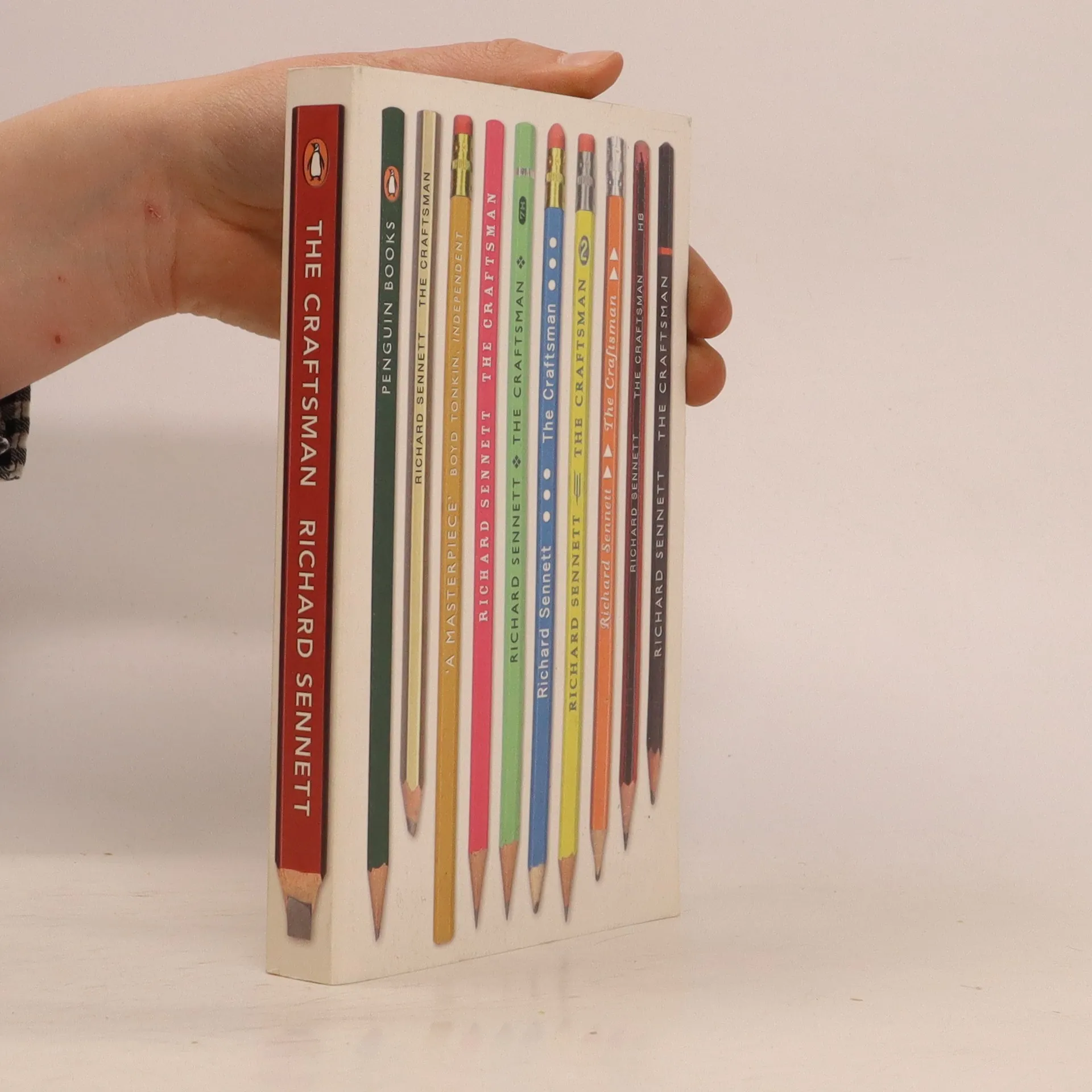


Parameters
- 336 pages
- 12 hours of reading
More about the book
Why do people work hard, and take pride in what they do? This book, a philosophically-minded enquiry into practical activity of many different kinds past and present, is about what happens when people try to do a good job. It asks us to think about the true meaning of skill in the 'skills society' and argues that pure competition is a poor way to achieve quality work. Sennett suggests, instead, that there is a craftsman in every human being, which can sometimes be enormously motivating and inspiring - and can also in other circumstances make individuals obsessive and frustrated. The Craftsman shows how history has drawn fault-lines between craftsman and artist, maker and user, technique and expression, practice and theory, and that individuals' pride in their work, as well as modern society in general, suffers from these historical divisions. But the past lives of crafts and craftsmen show us ways of working (using tools, acquiring skills, thinking about materials) which provide rewarding alternative ways for people to utilise their talents. We need to recognise this if motivations are to be understood and lives made as fulfilling as possible.



Book purchase
The Craftsman, Richard Sennett
- Language

- Released
- 2009
- Binding
- (Paperback)
Payment methods
We’re missing your review here.
- Title
- The Craftsman
- Language
- English
- Authors
- Richard Sennett
- Publisher
- Penguin UK
- Released
- 2009
- Format
- Paperback
- Pages
- 336
- ISBN10
- 0141022094
- ISBN13
- 9780141022093
- Series
- Categories
- Rating
- 3.8 out of 5
- Description
- Why do people work hard, and take pride in what they do? This book, a philosophically-minded enquiry into practical activity of many different kinds past and present, is about what happens when people try to do a good job. It asks us to think about the true meaning of skill in the 'skills society' and argues that pure competition is a poor way to achieve quality work. Sennett suggests, instead, that there is a craftsman in every human being, which can sometimes be enormously motivating and inspiring - and can also in other circumstances make individuals obsessive and frustrated. The Craftsman shows how history has drawn fault-lines between craftsman and artist, maker and user, technique and expression, practice and theory, and that individuals' pride in their work, as well as modern society in general, suffers from these historical divisions. But the past lives of crafts and craftsmen show us ways of working (using tools, acquiring skills, thinking about materials) which provide rewarding alternative ways for people to utilise their talents. We need to recognise this if motivations are to be understood and lives made as fulfilling as possible.