

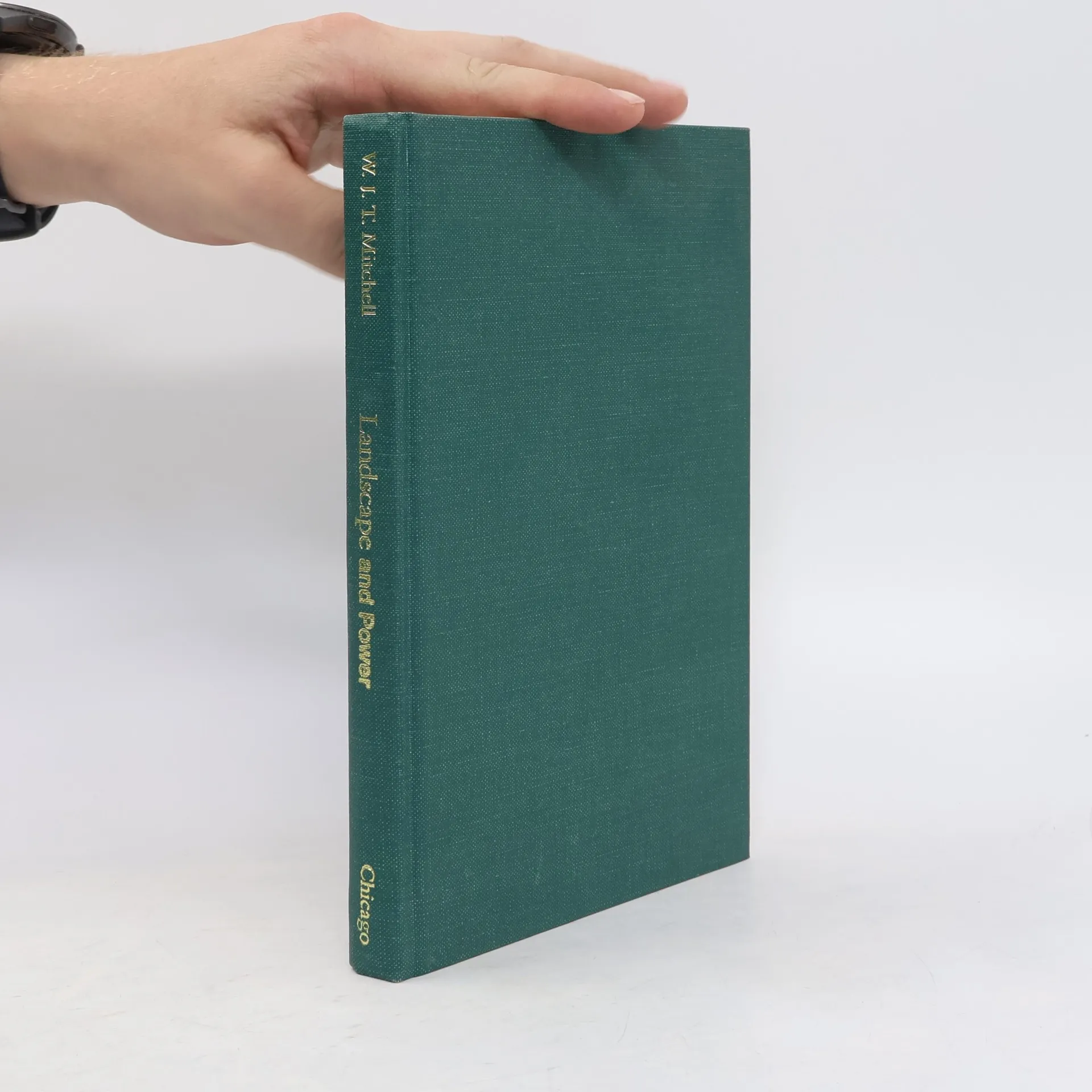
Parameters
- 248 pages
- 9 hours of reading
More about the book
Landscapes, whether in pictures or the world, have been viewed as a genre, treated as texts, interpreted as allegory. Landscape and Power goes beyond these approaches to ask not just what landscape "is" or "means" but what it does , how it works as a cultural practice. The original essays in this volume consider landscapes not merely as visual or textual symbols but as sources of social and personal identities. In the opening essay, W. J. T. Mitchell examines the ways in which the concept of landscape functions in the discourse of imperialism, from Chinese imperial landscape to views of contested territory in New Zealand and Israel. The following essays—by Ann Jensen Adams, Ann Bermingham, Elizabeth Helsinger, David Bunn, Joel Snyder, and Charles Harrison—range from Dutch landscape and the formation of national identity to picturesque landscape and the process of political silencing and legitimation. Other topics include Turner's "tourist landscapes" as reflections on the conditions of political representation, American landscape photography and the "professionalizing" of the frontier, "domestic" British landscapes transferred to South Africa in the nineteenth century, and forms of resistance to ideology in modernist landscape painting.
Publication

Book purchase
Landscape and Power, W. J. Thomas Mitchell
- Language

- Released
- 1994
- Binding
- (Hardcover)
Payment methods
We’re missing your review here.
- Title
- Landscape and Power
- Language
- English
- Authors
- W. J. Thomas Mitchell
- Publisher
- The University of Chicago Press
- Released
- 1994
- Format
- Hardcover
- Pages
- 248
- ISBN10
- 0226532062
- ISBN13
- 9780226532066
- Series
- Categories
- Rating
- 3.7 out of 5
- Description
- Landscapes, whether in pictures or the world, have been viewed as a genre, treated as texts, interpreted as allegory. Landscape and Power goes beyond these approaches to ask not just what landscape "is" or "means" but what it does , how it works as a cultural practice. The original essays in this volume consider landscapes not merely as visual or textual symbols but as sources of social and personal identities. In the opening essay, W. J. T. Mitchell examines the ways in which the concept of landscape functions in the discourse of imperialism, from Chinese imperial landscape to views of contested territory in New Zealand and Israel. The following essays—by Ann Jensen Adams, Ann Bermingham, Elizabeth Helsinger, David Bunn, Joel Snyder, and Charles Harrison—range from Dutch landscape and the formation of national identity to picturesque landscape and the process of political silencing and legitimation. Other topics include Turner's "tourist landscapes" as reflections on the conditions of political representation, American landscape photography and the "professionalizing" of the frontier, "domestic" British landscapes transferred to South Africa in the nineteenth century, and forms of resistance to ideology in modernist landscape painting.