




More about the book
This reference provides evidence that letrozole, anastrozole, and exemestane are effective as second-line therapies, offering increased antitumor effects and reduced toxicity compared to older aromatase inhibitors and progestins. It presents a comprehensive assessment of estrogen synthesis inhibitors, particularly for breast cancer treatment, and illustrates how the endocrinological effects of these newer agents lead to clinical benefits. The work highlights recent research focused on developing novel reagents and technologies to enhance drug therapies and broaden their clinical applications. Contributions from over 75 international experts review the preclinical development of aromatase inhibitors and their role in breast cancer management. The text discusses their use as adjuvants in early-stage breast cancer post-surgery, the application of machine learning to identify responsive tumors, and immunohistological evaluations of aromatase protein alongside RT-PCR measurements. It also describes model systems based on human material that optimize the use of aromatase inhibitors and explores their potential in treating conditions such as pubertal gynecomastia, prostate cancer, and endometrial issues. Given the significant endocrine effects and clinical potential of these inhibitors, this reference is invaluable for oncologists, endocrinologists, gynecologists, obstetricians, pharmacologists, family physicians, reproductive biolog
Book purchase
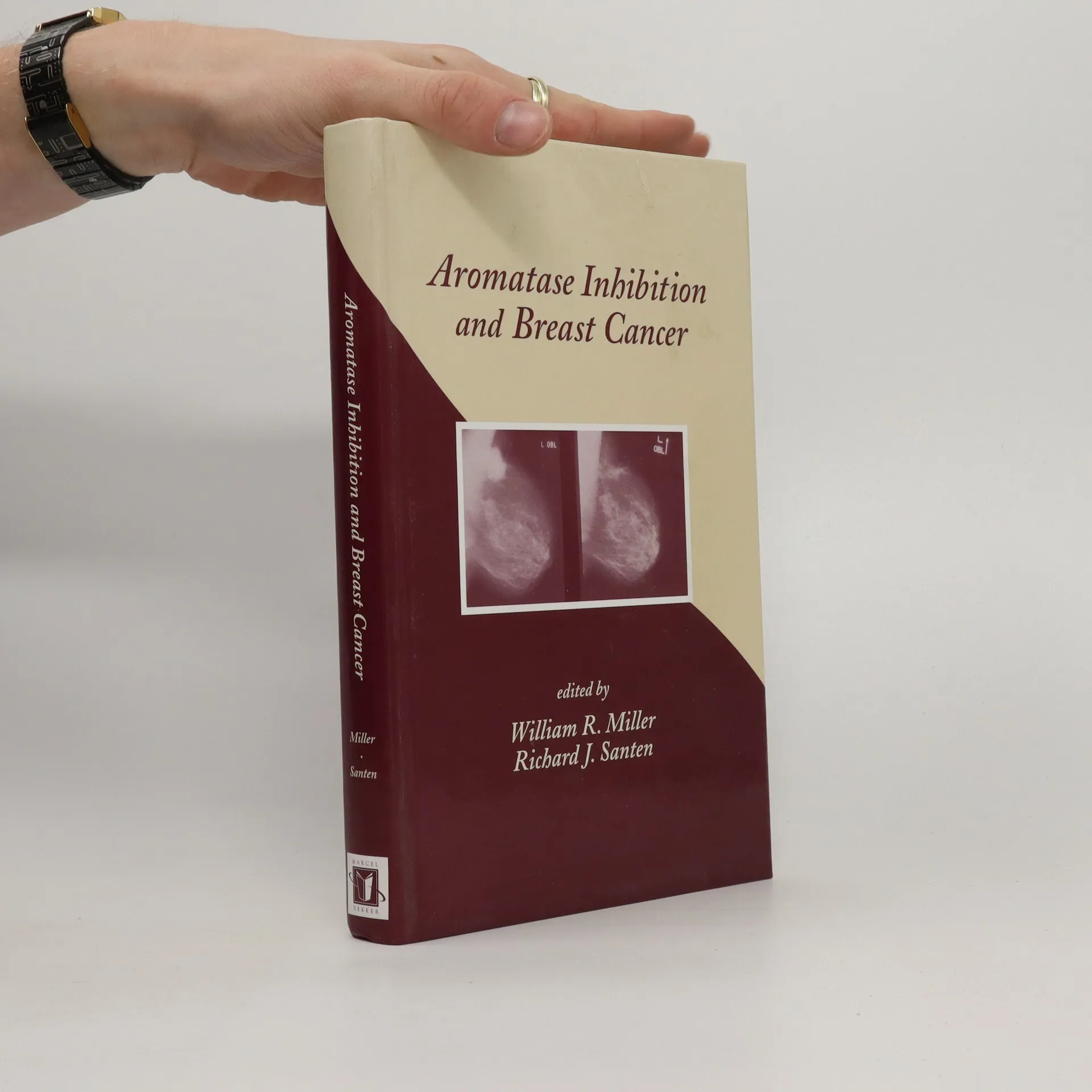
Aromatase Inhibition and Breast Cancer, Richard J. Santen, William R. Müller
- Language

- Released
- 2001
- Binding
- (Hardcover)
Payment methods
No one has rated yet.
- Title
- Aromatase Inhibition and Breast Cancer
- Language
- English
- Authors
- Richard J. Santen, William R. Müller
- Publisher
- CRC Press
- Released
- 2001
- Format
- Hardcover
- Pages
- 309
- ISBN10
- 0824704126
- ISBN13
- 9780824704124
- Series
- Categories
- Description
- This reference provides evidence that letrozole, anastrozole, and exemestane are effective as second-line therapies, offering increased antitumor effects and reduced toxicity compared to older aromatase inhibitors and progestins. It presents a comprehensive assessment of estrogen synthesis inhibitors, particularly for breast cancer treatment, and illustrates how the endocrinological effects of these newer agents lead to clinical benefits. The work highlights recent research focused on developing novel reagents and technologies to enhance drug therapies and broaden their clinical applications. Contributions from over 75 international experts review the preclinical development of aromatase inhibitors and their role in breast cancer management. The text discusses their use as adjuvants in early-stage breast cancer post-surgery, the application of machine learning to identify responsive tumors, and immunohistological evaluations of aromatase protein alongside RT-PCR measurements. It also describes model systems based on human material that optimize the use of aromatase inhibitors and explores their potential in treating conditions such as pubertal gynecomastia, prostate cancer, and endometrial issues. Given the significant endocrine effects and clinical potential of these inhibitors, this reference is invaluable for oncologists, endocrinologists, gynecologists, obstetricians, pharmacologists, family physicians, reproductive biolog