



Series
More about the book
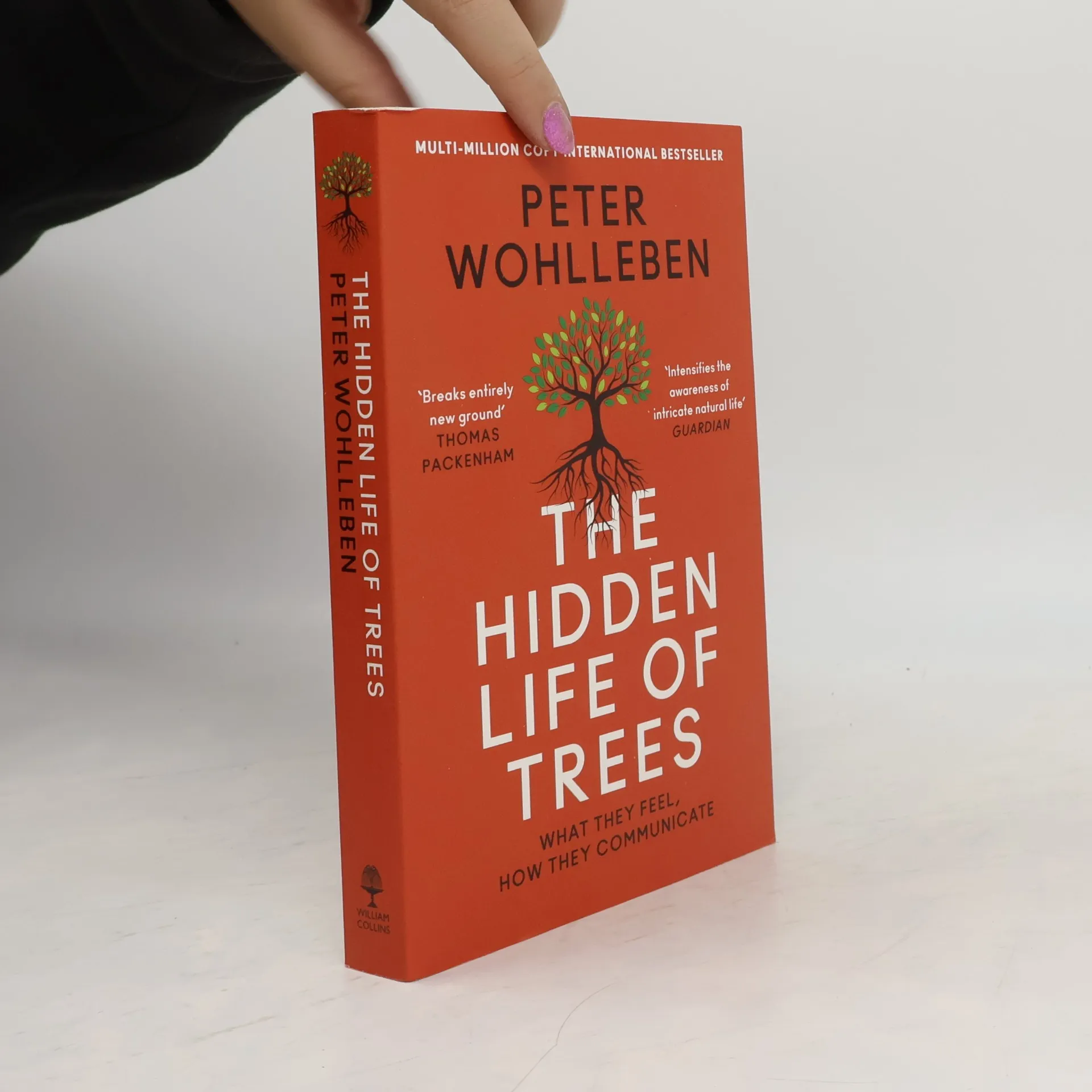
Sunday Times Bestseller 'A paradigm-smashing chronicle of joyous entanglement' Charles Foster Waterstones Non-Fiction Book of the Month (September) Are trees social beings? How do trees live? Do they feel pain or have awareness of their surroundings? In The Hidden Life of Trees Peter Wohlleben makes the case that the forest is a social network. He draws on groundbreaking scientific discoveries to describe how trees are like human families: tree parents live together with their children, communicate with them, support them as they grow, share nutrients with those who are sick or struggling, and even warn each other of impending dangers. Wohlleben also shares his deep love of woods and forests, explaining the amazing processes of life, death and regeneration he has observed in his woodland. A walk in the woods will never be the same again.
Language



Book purchase
The hidden life of trees, Tim Flannery, Jane Billinghurst, Peter Wohlleben
- Language

- Released
- 2017
- Binding
- (Paperback)
Payment methods
We’re missing your review here.
- Title
- The hidden life of trees
- Language
- English
- Authors
- Tim Flannery, Jane Billinghurst, Peter Wohlleben
- Publisher
- William Collins
- Released
- 2017
- Format
- Paperback
- Pages
- 290
- ISBN10
- 0008218439
- ISBN13
- 9780008218430
- Categories
- First published
- 2015
- Original title
- Das geheime Leben der Bäume
- Rating
- 4.05 out of 5
- Description
- Sunday Times Bestseller 'A paradigm-smashing chronicle of joyous entanglement' Charles Foster Waterstones Non-Fiction Book of the Month (September) Are trees social beings? How do trees live? Do they feel pain or have awareness of their surroundings? In The Hidden Life of Trees Peter Wohlleben makes the case that the forest is a social network. He draws on groundbreaking scientific discoveries to describe how trees are like human families: tree parents live together with their children, communicate with them, support them as they grow, share nutrients with those who are sick or struggling, and even warn each other of impending dangers. Wohlleben also shares his deep love of woods and forests, explaining the amazing processes of life, death and regeneration he has observed in his woodland. A walk in the woods will never be the same again.