

Explore the latest books of this year!
Bookbot

Tim Flannery

    January 28, 1956

    Tim Flannery stands as a leading Australian thinker and writer, whose work intricately weaves together science, exploration, and conservation. An internationally acclaimed scientist and conservationist, his writing is marked by a profound understanding of environmental issues and their impact on the planet's future. His texts are known for their insight and urgency, aiming to educate and inspire action. Flannery's body of work presents a compelling blend of scientific discovery and a critical call for environmental stewardship.

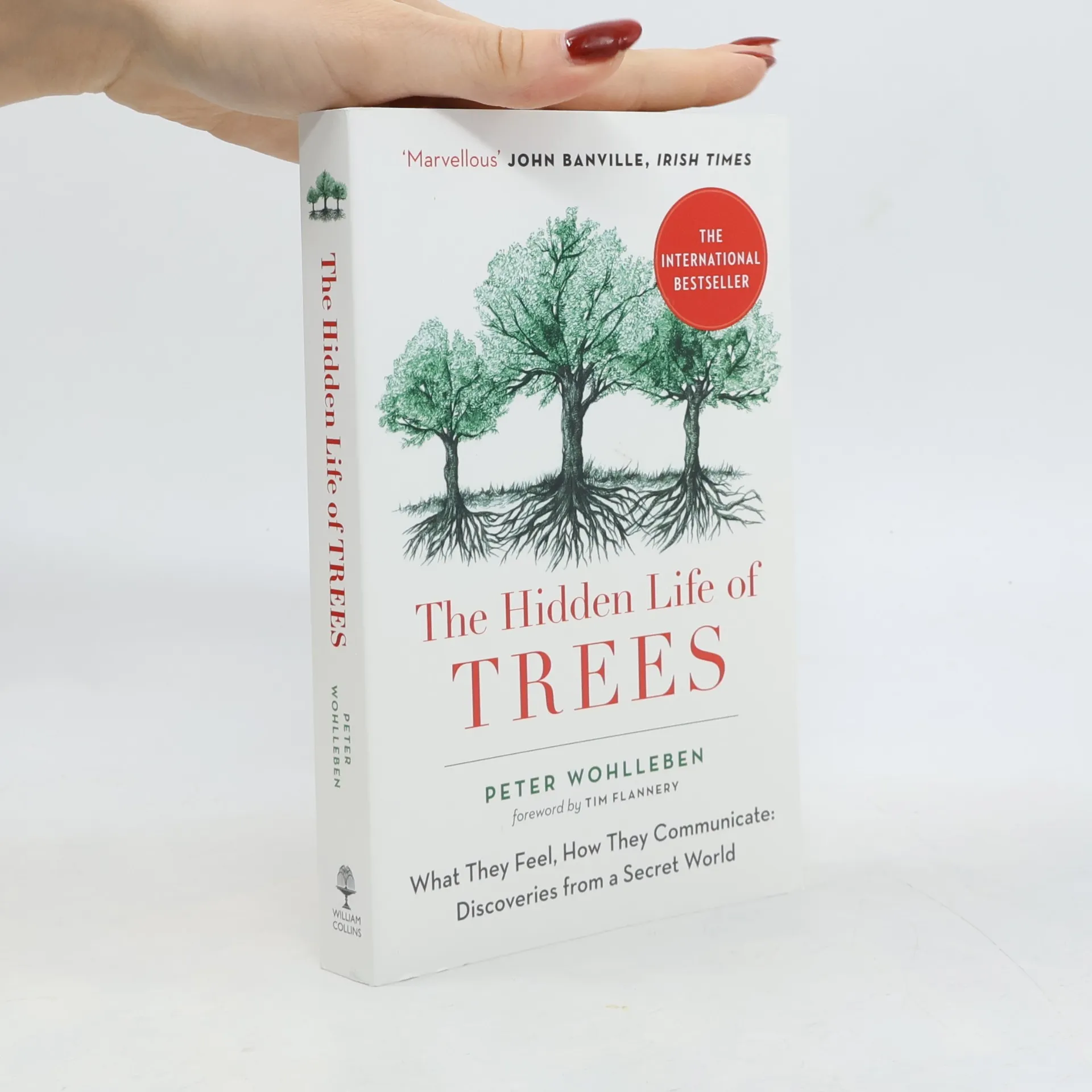
    The hidden life of trees
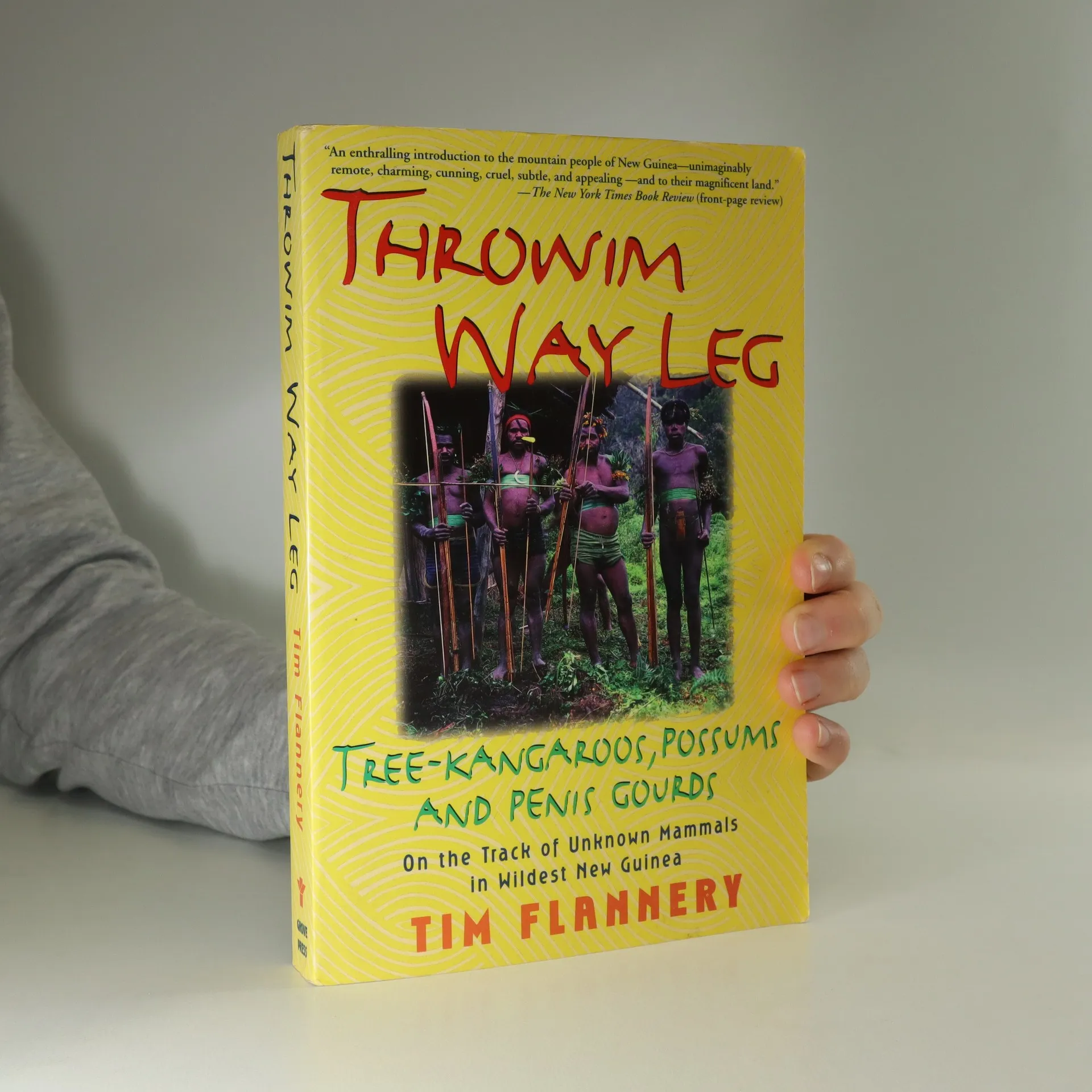
    Throwim way leg: Tree-kangaroos, possums, and penis gourds--on the track of unknown mammals in wildest New Guinea
    Big Meg
    Europe
    The Future Eaters
    We are the weather makers
    • We are the weather makers

      • 275 pages
      • 10 hours of reading

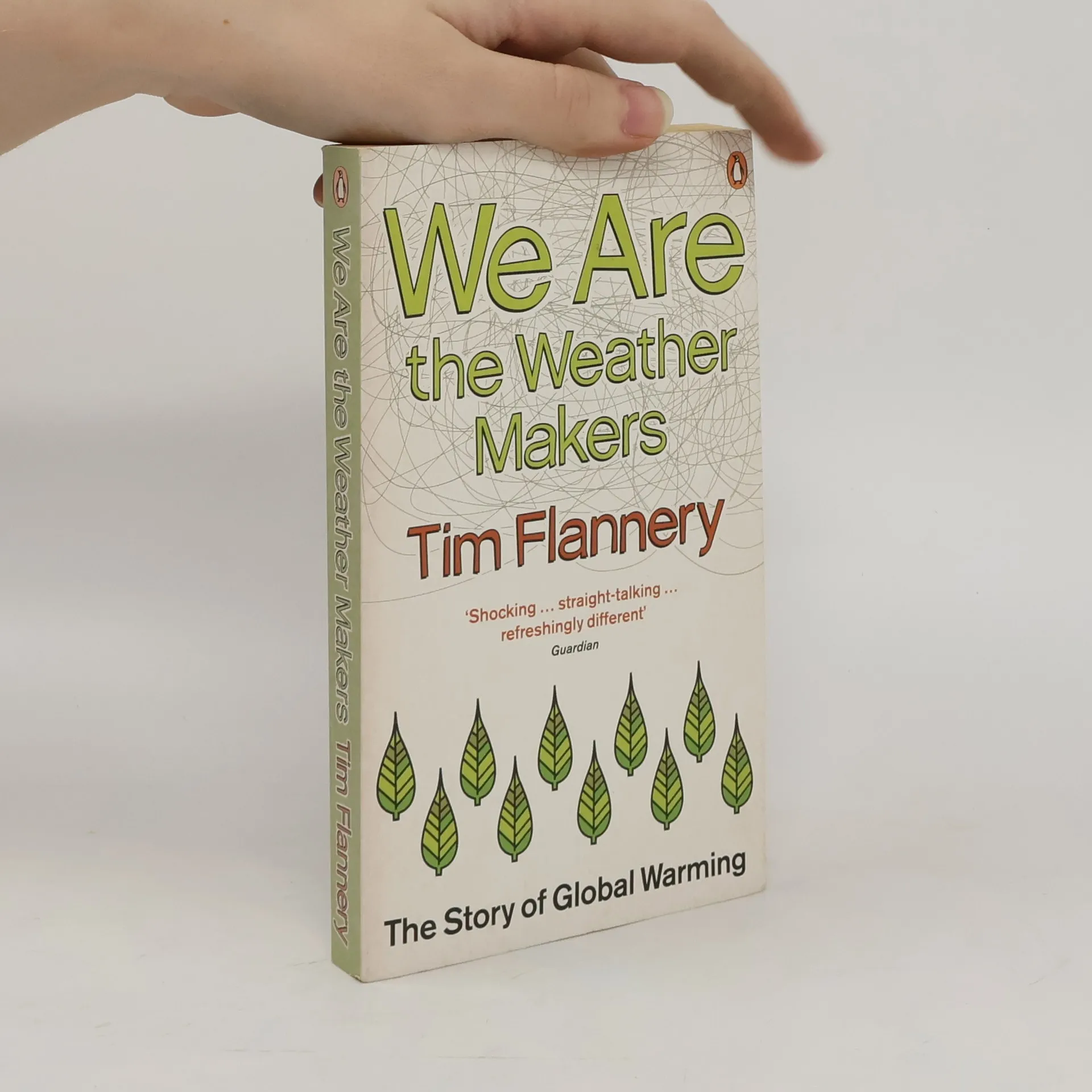
      Tim Flannery’s international bestseller The Weather Makers has sold over a million copies and influenced politicians, movie stars, even business leaders - after reading it, Sir Richard Branson pledged more than 3 billion dollars towards developing sustainable energy sources. We Are the Weather Makers is a concise and revised edition that will allow readers aged from nine to ninety to learn the real facts about the biggest question of our generation. Flannery takes us on a journey through history and around the globe, writing about hurricanes and droughts, coral reefs and polar bears, and wind energy and nuclear power. He shows us how, as we continue to heat the planet, humanity faces unprecedented dangers and challenges. We are the weather makers now.

      We are the weather makers
      4.3
    • The Future Eaters

      • 424 pages
      • 15 hours of reading

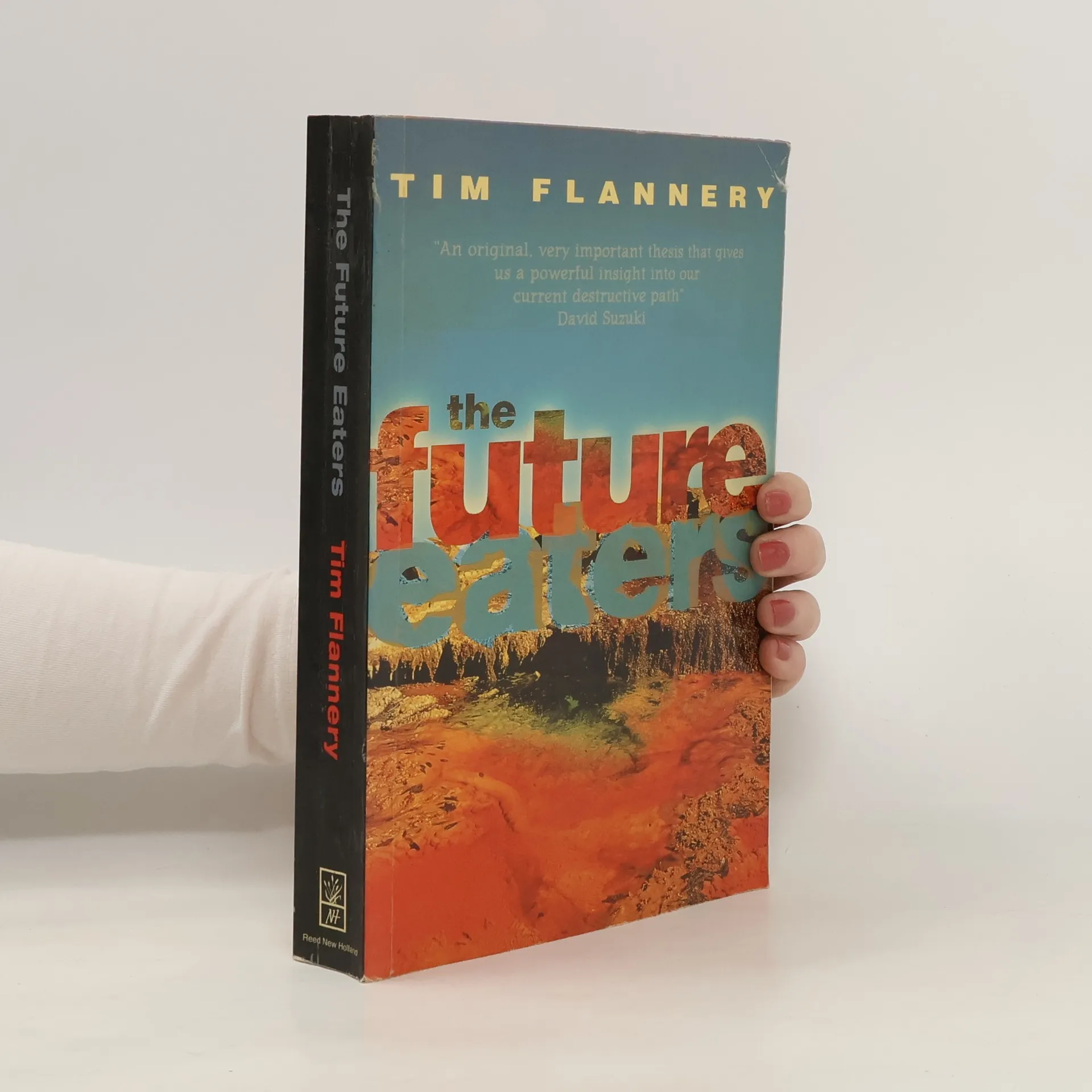
      The story of how human beings have consumed the resources they need for their own future. The book examines the first Afro-Asian people to travel down the chain of islands to Australasia and how they changed the flora and fauna, and the impact Europeans have made

      The Future Eaters
      4.2
    • Europe

      • 368 pages
      • 13 hours of reading

      'Vivid, thrilling, a delight ... Tim Flannery is a palaeontologist and ecologist of global standing, and this is a compelling and authoritative narrative of the evolution of Europe's flora and fauna, from the formation of the continent to its near future ... an exciting book, full of wonder' James McConnachie, Sunday Times A place of exceptional diversity, rapid change, and high energy, Europe has literally been at the crossroads of the world ever since the interaction of Asia, North America and Africa formed the tropical island archipelago that would become the continent of today. In this unprecedented evolutionary history, Tim Flannery shows how for the past 100 million years Europe has absorbed wave after wave of immigrant species; taking them in, transforming them, and sometimes hybridising them. Flannery reveals how, in addition to playing a vital role in the evolution of our own species, Europe was once the site of the formation of the first coral reefs, the home of some of the world's largest elephants, and now has more wolves than North America. This groundbreaking book charts the history of the land itself and the forces shaping life on it - including modern humans - to create a portrait of a continent that continues to exert a huge influence on the world today.

      Europe
      4.1
    • Big Meg

      • 208 pages
      • 8 hours of reading

      When Tim Flannery was a boy he found a fossilised tooth of the giant shark megalodon at a Port Philip Bay beach near his home. This remarkable find—the tooth was large enough to cover his palm—sparked an interest in palaeontology that was to inform his life’s work and a lifelong quest to uncover the secrets of the world’s largest ever predator, the great shark Otodus megalodon.Tim passed on his love of the natural world and interest in the fossil record to his daughter, Emma, a scientist and writer. And now, together, they have written a fascinating account of this ancient marine creature.Big Meg charts the evolution of megalodon, its super-predator status for about fifteen million years and its decline and extinction. It delves into the fossil record to answer questions about its behaviour and role in shaping marine ecosystems as well as its impact on the human psyche. It contains stories of the scientist and amateur fossil hunters who have scoured the seas, and land, for fossil remains, drawn to the beauty and mystique of the great shark, sometimes meeting their death in the process.Like the fossil record itself, this enthralling story is a piece of the great natural history of our planet.

      Big Meg
      3.8
    • The hidden life of trees

      • 290 pages
      • 11 hours of reading

      Sunday Times Bestseller 'A paradigm-smashing chronicle of joyous entanglement' Charles Foster Waterstones Non-Fiction Book of the Month (September) Are trees social beings? How do trees live? Do they feel pain or have awareness of their surroundings? In The Hidden Life of Trees Peter Wohlleben makes the case that the forest is a social network. He draws on groundbreaking scientific discoveries to describe how trees are like human families: tree parents live together with their children, communicate with them, support them as they grow, share nutrients with those who are sick or struggling, and even warn each other of impending dangers. Wohlleben also shares his deep love of woods and forests, explaining the amazing processes of life, death and regeneration he has observed in his woodland. A walk in the woods will never be the same again.

      The hidden life of trees
      4.1
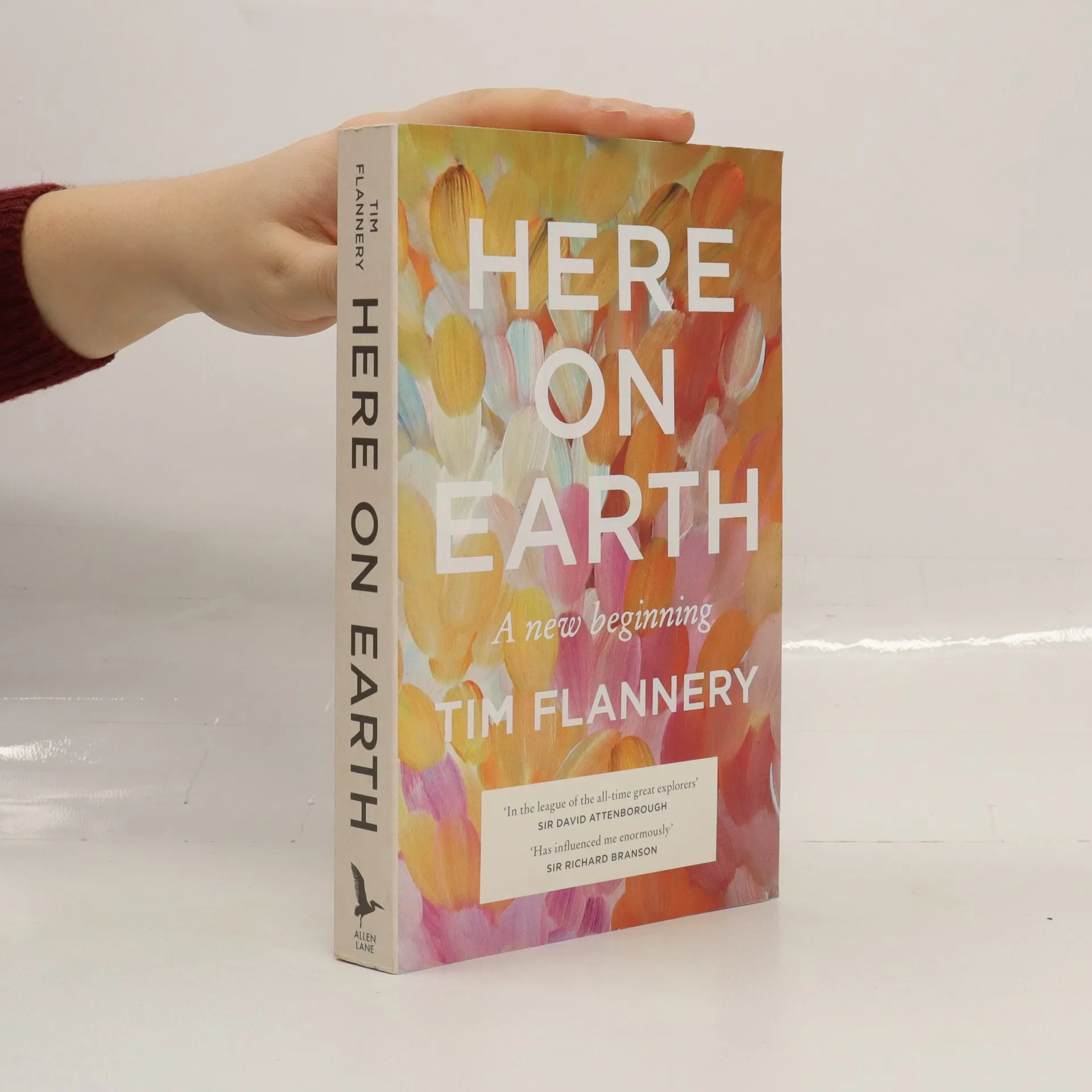
    • Here on Earth

      • 316 pages
      • 12 hours of reading

      Dual biography of planet Earth and the human species.

      Here on Earth
      4.0
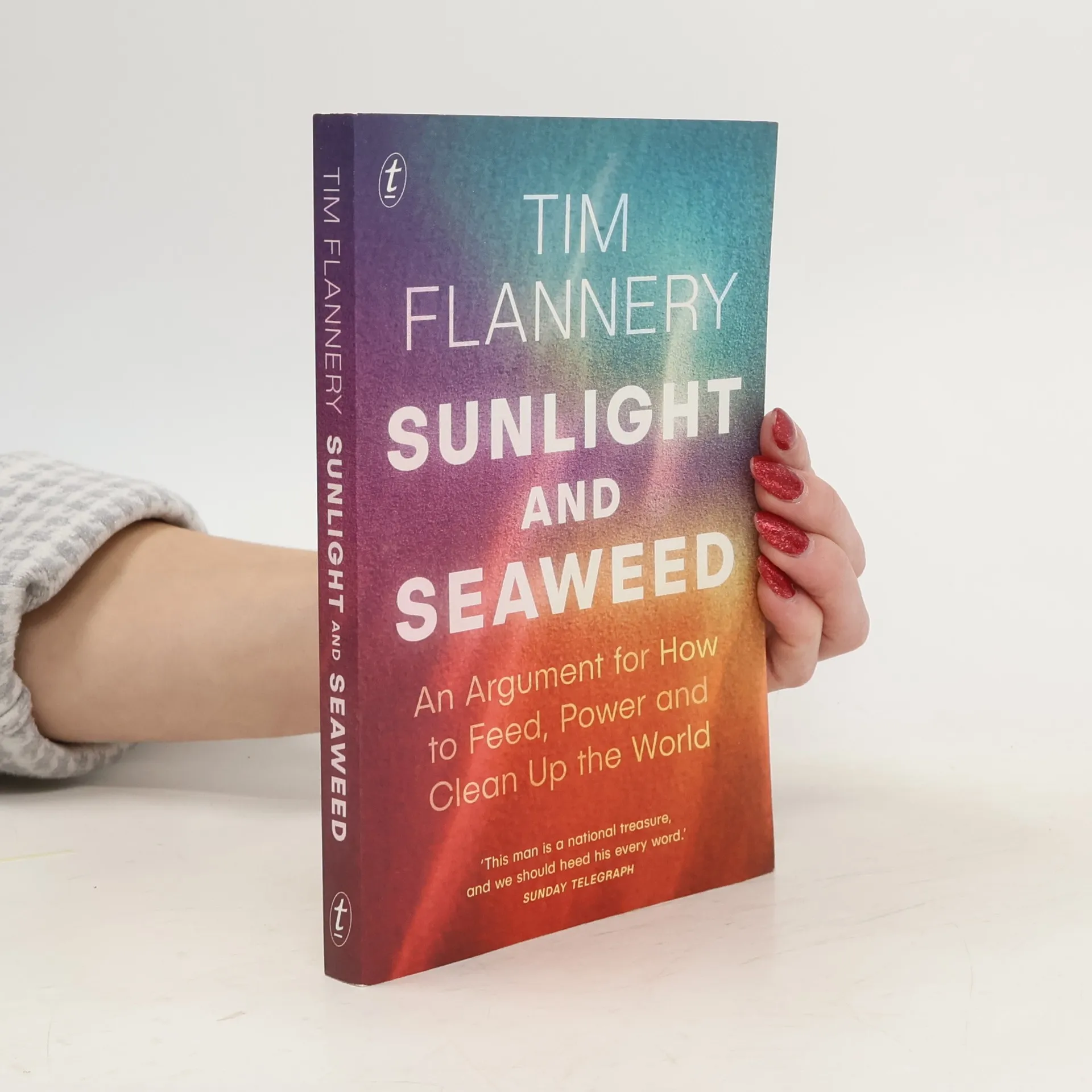
    • Sunlight and Seaweed

      • 192 pages
      • 7 hours of reading

      Acclaimed scientist Tim Flannery investigates exciting new technologies currently being developed to address our most pressing environmental threats in a book that presents a positive future for us and our planet. Climate change, food production and toxic pollution present huge challenges, but, as Flannery shows, we already have innovative, practical and inspiring solutions. Solar energy has, until now, been limited to supplying power only when the sun is shining. But new technology using concentrated sunlight to provide intense heat energy that can be effectively stored overcomes this problem, providing clean renewable power around the clock. Further, the large amounts of power produced can be used to tackle the issue of feeding the world’s growing population—by enabling energy-intense methods of purifying polluted land for agricultural production. Drawing carbon out of the atmosphere is an essential component in limiting climate change. Flannery explores the potential of kelp, a fast-growing sea algae, to be used on a large scale to convert carbon from the air to a non-gaseous form, reducing levels of atmospheric carbon. With accessible and engaging explanations of the fascinating science behind these technologies, as well as accounts of the systems already in operation around the world, Sunlight and Seaweed is an enlightening and uplifting view of the future.

      Sunlight and Seaweed
      4.0
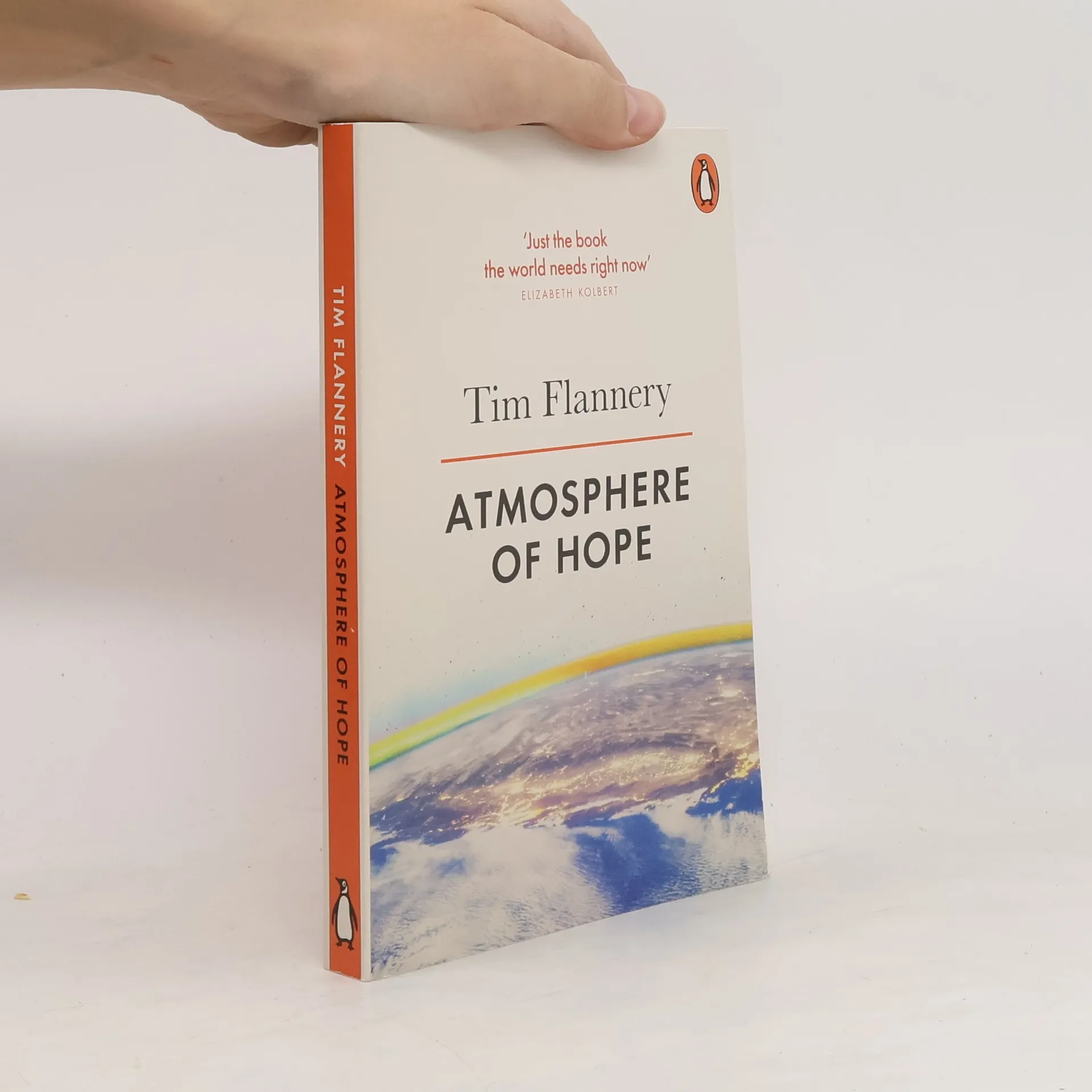
    • A decade ago, Tim Flannery s #1 international bestseller, "The Weather Makers," was one of the first books to break the topic of climate change out into the general conversation. Today, Earth s climate system is fast approaching a crisis. Political leadership has not kept up, and public engagement with the issue of climate change has declined. Opinion is divided between technological optimists and pessimists who feel that catastrophe is inevitable. The publication of this new book is timed for the lead-up to the Climate Change Conference in Paris in December 2015, which aims to achieve a legally binding and universal agreement on climate from all the nations in the world. This book anticipates and will influence the debates. Time is running out, but catastrophe is not inevitable. Around the world people are now living with the consequences of an altered climatewith intensified and more frequent storms, wildfires, droughts and floods. For some it s already a question of survival. Drawing on the latest science, Flannery gives a snapshot of the trouble we are in and more crucially, proposes a new way forward, including rapidly progressing clean technologies and a third way of soft geo-engineering. Tim Flannery, with his inimitable style, makes this urgent issue compelling and accessible. This is a must-read for anyone interested in our global future."

      Atmosphere of Hope. Die Klimawende, englische Ausgabe
      3.9
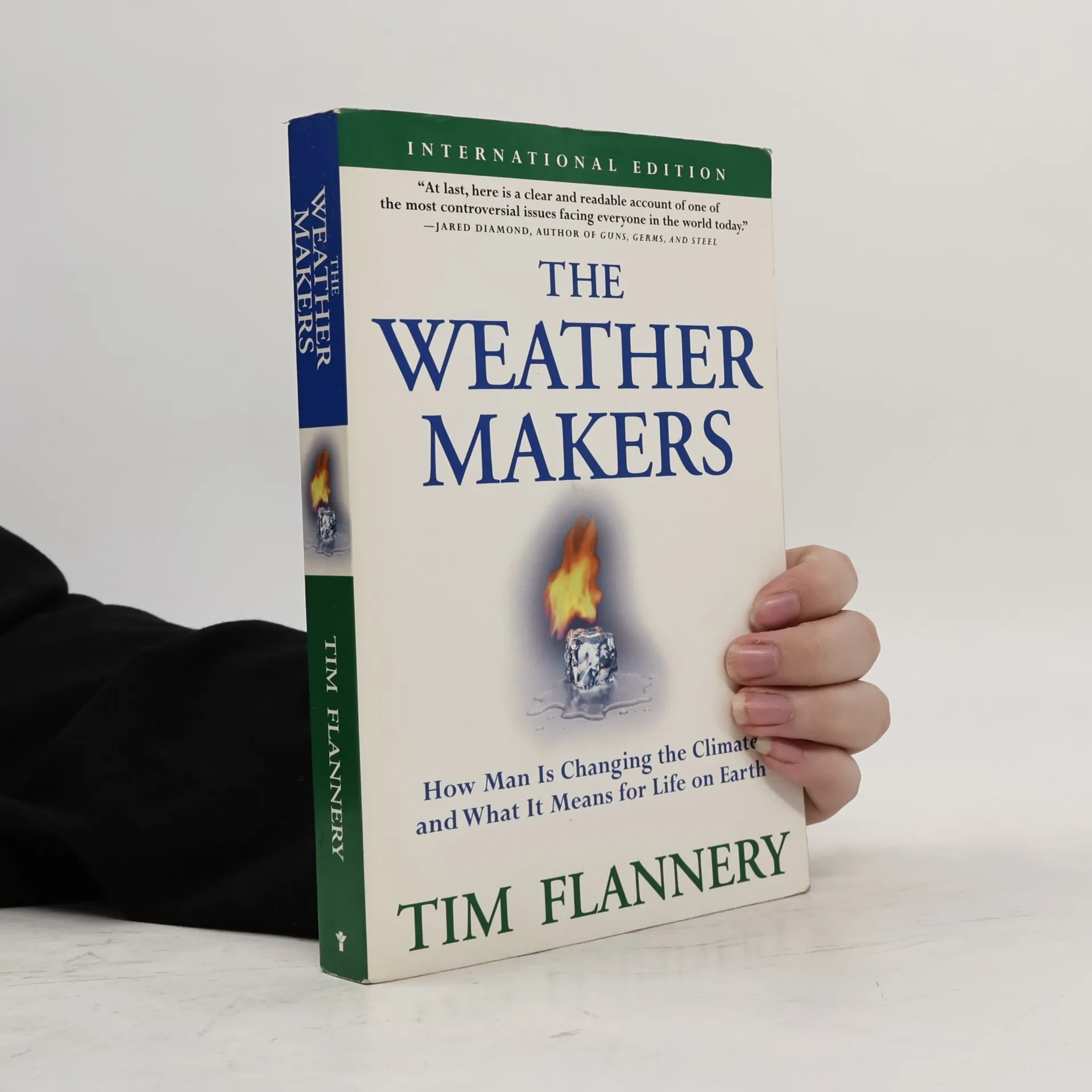
    • The Weather Makers

      The History and Future Impact of Climate Change

      Sometime this century the day will arrive when the human influence on the climate will overwhelm all other natural factors. Over the past decade, the world has seen the most powerful El Nino ever recorded, the most devastating hurricane in two hundred years, the hottest European summer on record, and one of the worst storm seasons ever experienced in Florida. With one out of every five living things on this planet committed to extinction by the levels of greenhouse gases that will accumulate in the next few decades, we are reaching a global climatic tipping point. [This book] is both an urgent warning and a call to arms, outlining the history of climate change, how it will unfold over the next century, and what we can do to prevent a cataclysmic future. Along with a riveting history of climate change, [the author] offers specific suggestions for action for both lawmakers and individuals, from investing in renewable power sources like wind, solar, and geothermal energy, to offering an action plan with steps each and every one of us can take right now to reduce deadly CO2 emissions by as much as 70 percent.-Dust jacket.

      The Weather Makers
      4.0