



More about the book
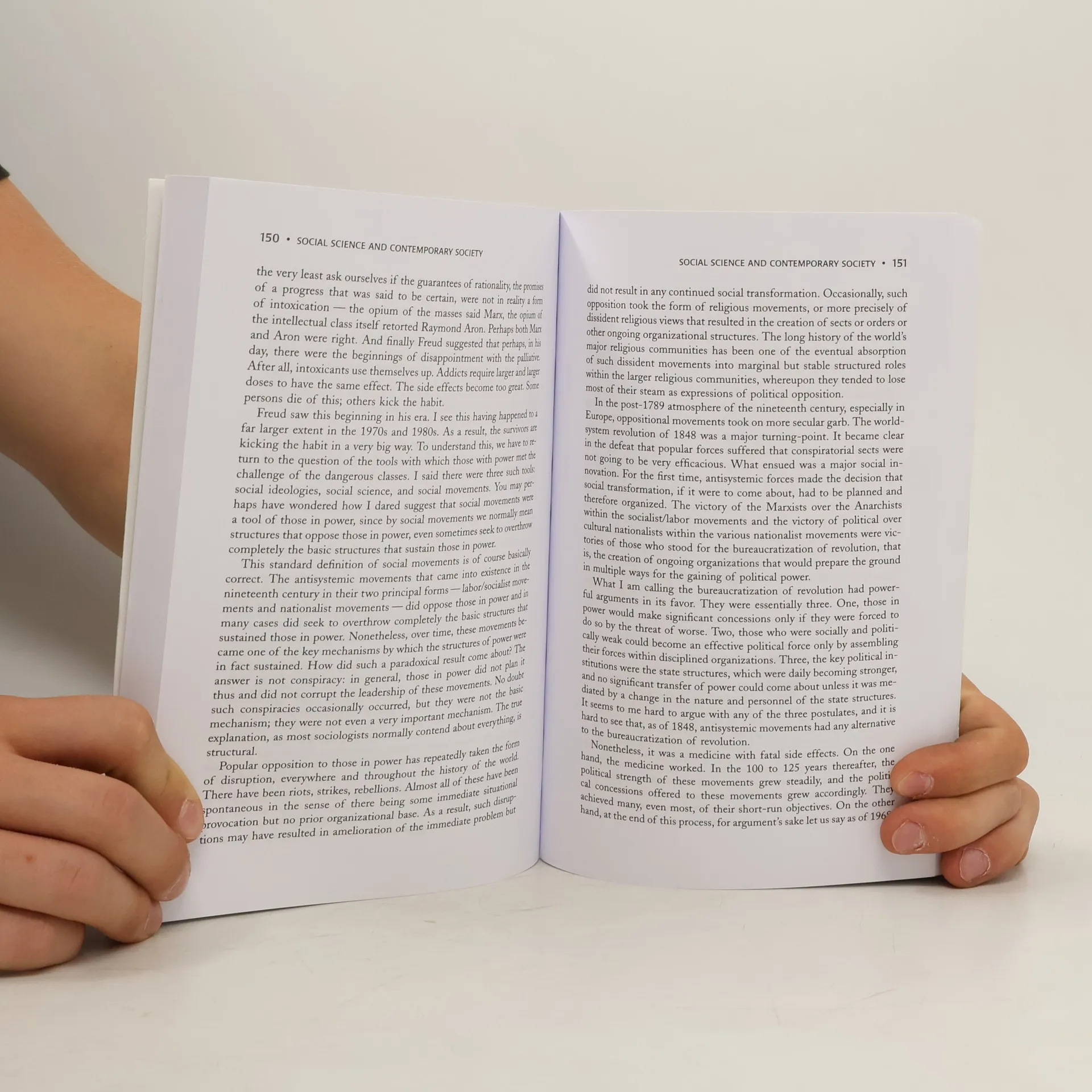
This book is nothing short of a state-of-the-world address, delivered by a scholar uniquely suited to the task. Immanuel Wallerstein, one of the most prominent social scientists of our time, documents the profound transformations our world is undergoing. With these transformations, he argues, come equally profound changes in how we understand the world. Wallerstein begins his work with an appraisal of significant recent events -- the collapse of the Leninist states, the exhaustion of national liberation movements, the rise of East Asia, challenges to national sovereignty, dangers to the environment, debates about national identity, and the marginalization of migrant populations. Wallerstein places these events and trends in the context of the changing modern world-system as a whole and identifies the historic choices they put before us. The End of the World As We Know It concludes with a crucial analysis of the momentous intellectual challenges to social science as we know it today and suggests possible responses to them.
Book purchase
End of the World as We Know It, Immanuel Wallerstein
- Language

- Released
- 2001
- Binding
- (Paperback)
Payment methods
We’re missing your review here.
- Title
- End of the World as We Know It
- Language
- English
- Authors
- Immanuel Wallerstein
- Publisher
- University of Minnesota Press
- Released
- 2001
- Format
- Paperback
- Pages
- 277
- ISBN10
- 0816633983
- ISBN13
- 9780816633982
- Series
- Categories
- Rating
- 4 out of 5
- Description
- This book is nothing short of a state-of-the-world address, delivered by a scholar uniquely suited to the task. Immanuel Wallerstein, one of the most prominent social scientists of our time, documents the profound transformations our world is undergoing. With these transformations, he argues, come equally profound changes in how we understand the world. Wallerstein begins his work with an appraisal of significant recent events -- the collapse of the Leninist states, the exhaustion of national liberation movements, the rise of East Asia, challenges to national sovereignty, dangers to the environment, debates about national identity, and the marginalization of migrant populations. Wallerstein places these events and trends in the context of the changing modern world-system as a whole and identifies the historic choices they put before us. The End of the World As We Know It concludes with a crucial analysis of the momentous intellectual challenges to social science as we know it today and suggests possible responses to them.