Explore the latest books of this year!
Bookbot

Immanuel Wallerstein

    September 28, 1930 – August 31, 2019

    N/A

    The World-System and Africa
    The Modern World-System IV
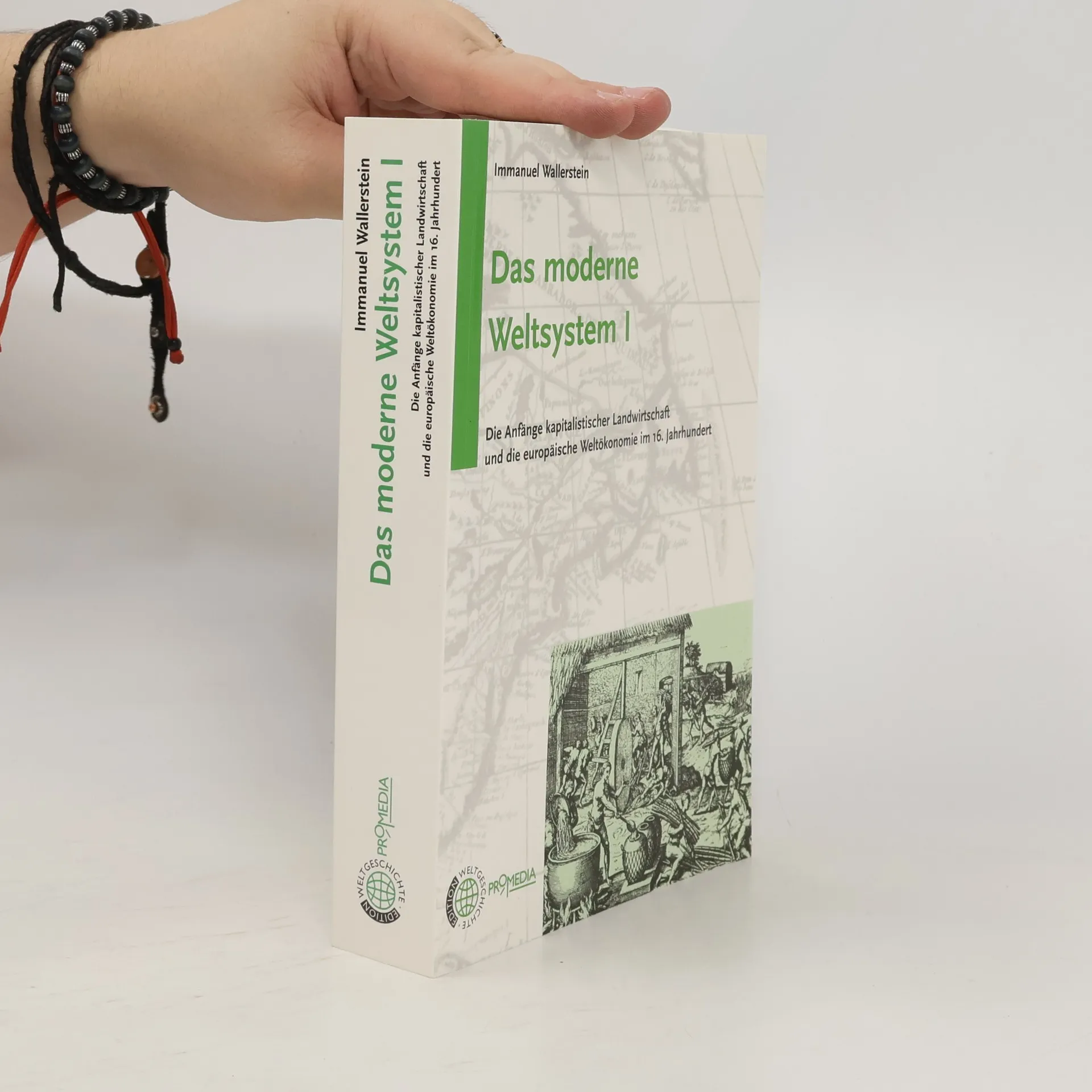
    The Modern World-System I
    Trust-Based Observations
    Overcoming Global Inequalities
    Phases of the Moon
    • Phases of the Moon

      • 256 pages
      • 9 hours of reading

      While in-depth cultural histories have been devoted to such classic horror monsters as the vampire, the zombie and Frankenstein's tragic creature, the cinematic werewolf has long been considered little more than the 'beast within': a psychoanalytic analogue for the bestial side of man. This book, the first scholarly study of the werewolf in cinema, redresses the balance by exploring over one hundred years of werewolf films - from The Werewolf (1913) to WolfCop (2014) via The Wolf Man (1941) and An American Werewolf in London (1981) - to reveal the cultural significance of she-wolves and wolf-men as evolving metaphors for the cultural fears and anxieties of their times. In doing so, it illustrates how we can begin to understand one of our oldest mythical monsters as a rich and diverse cultural metaphor.

      Phases of the Moon
      4.6
    • Overcoming Global Inequalities

      • 238 pages
      • 9 hours of reading

      Focusing on the dynamics of global inequalities, this book features contributions from historical sociologists and geographers who analyze contemporary disparities in power, wealth, and income through a historical lens. The geographers explore the impact of geopolitics and warfare on the modern world-system, while sociologists address efforts to uplift impoverished communities and tackle sustainability challenges. This research aims to provide insights and strategies for addressing global inequality in the 21st century.

      Overcoming Global Inequalities
      4.5
    • Trust-Based Observations

      • 188 pages
      • 7 hours of reading

      Trust Based Observations teaches observers to build trusting relationships with teachers as they engage in frequent observations and reflective conversations with them. Using the manageable observation form and data driven goal setting, the result is teachers embrace risk-taking and take growth steps necessary for significant teaching improvement.

      Trust-Based Observations
      4.4
    • The Modern World-System I

      • 440 pages
      • 16 hours of reading

      A panoramic reinterpretation of global history, this title traces the emergence and development of the modern world from the sixteenth to the twentieth century.

      The Modern World-System I
      4.3
    • The Modern World-System IV

      • 396 pages
      • 14 hours of reading

      Traces the emergence and development of the modern world from the sixteenth to the twentieth century. This title encompasses the nineteenth century from the revolutionary era of 1789 to the First World War.

      The Modern World-System IV
      4.3
    • The World-System and Africa

      • 230 pages
      • 9 hours of reading

      Exploring the interconnectedness of Africa and the capitalist world-system over the past 500 years, the book delves into the structural crisis affecting both. Wallerstein examines the implications of identity politics, which has gained prominence globally, and its relevance to African political struggles. Additionally, he highlights the insights of African thinkers regarding contemporary issues within this context. Emphasizing the need for informed debate, Wallerstein advocates for Africa's significant role in addressing the modern world-system's challenges.

      The World-System and Africa
      4.0
    • A panoramic reinterpretation of global history, this title traces the emergence and development of the modern world from the sixteenth to the twentieth century.

      The Modern World-System II
      4.2
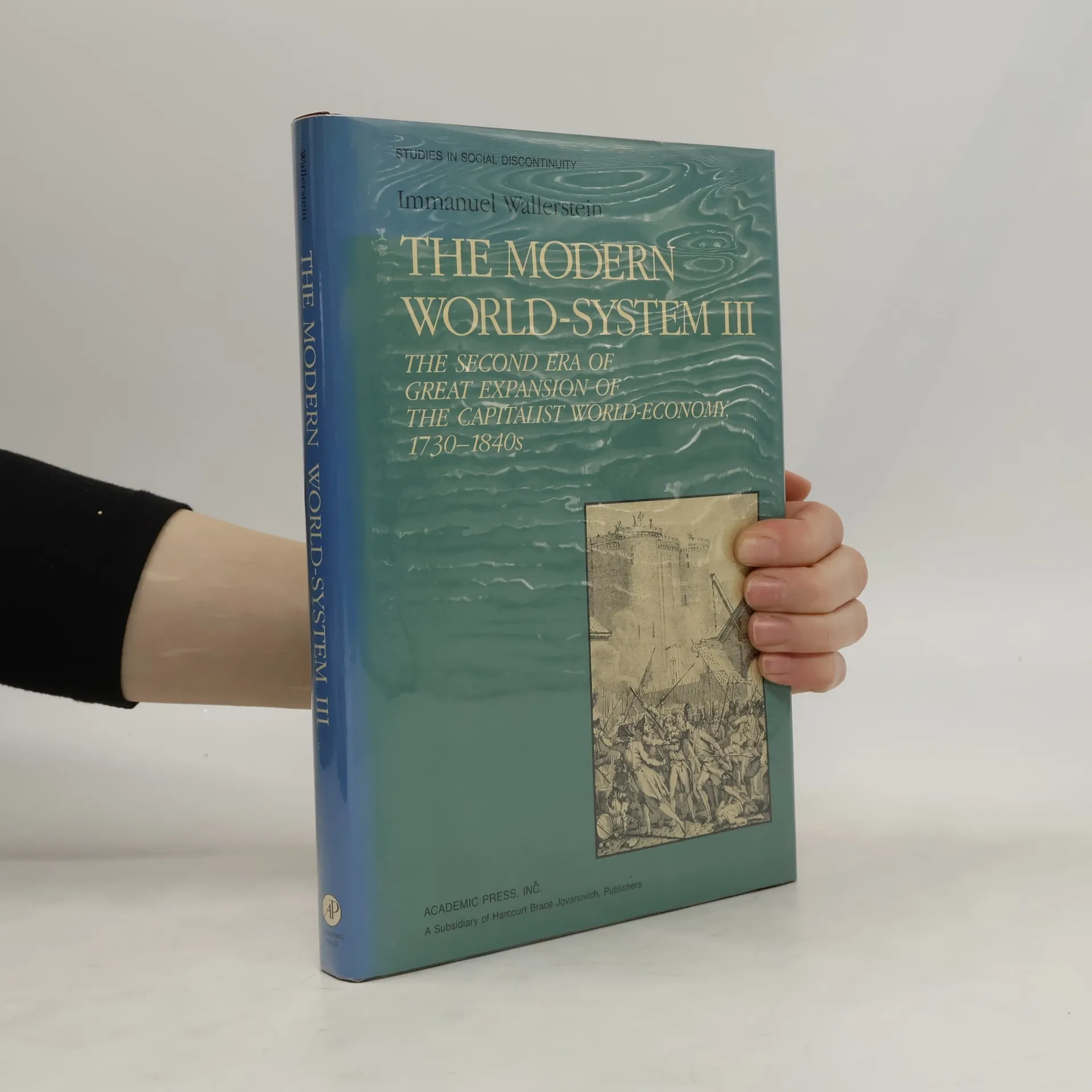
    • The modern world-system 3

      The second era of great expansion of the capitalist world-economy, 1730-1840s

      Immanuel Wallerstein's highly influential, multi-volume opus, The Modern World-System, is one of this century's greatest works of social science. An innovative, panoramic reinterpretation of global history, it traces the emergence and development of the modern world from the sixteenth to the twentieth century.

      The modern world-system 3
      4.2
    • Alternatives

      The United States Confronts the World

      • 173 pages
      • 7 hours of reading

      Drawing on extensive historical research, the author examines the implications of recent shifts in US foreign and economic policies. By analyzing long-term changes, he provides insights into how these developments may influence both national and global dynamics, offering a thought-provoking perspective on the current state of affairs.

      Alternatives
      3.0
    • End of the World as We Know It

      • 277 pages
      • 10 hours of reading

      This book is nothing short of a state-of-the-world address, delivered by a scholar uniquely suited to the task. Immanuel Wallerstein, one of the most prominent social scientists of our time, documents the profound transformations our world is undergoing. With these transformations, he argues, come equally profound changes in how we understand the world. Wallerstein begins his work with an appraisal of significant recent events -- the collapse of the Leninist states, the exhaustion of national liberation movements, the rise of East Asia, challenges to national sovereignty, dangers to the environment, debates about national identity, and the marginalization of migrant populations. Wallerstein places these events and trends in the context of the changing modern world-system as a whole and identifies the historic choices they put before us. The End of the World As We Know It concludes with a crucial analysis of the momentous intellectual challenges to social science as we know it today and suggests possible responses to them.

      End of the World as We Know It
      4.0