

Sold out but wanted!
Got it on your shelf?Earn between €5.60 and €7.63 by selling this book.
Sell booksMore about the book
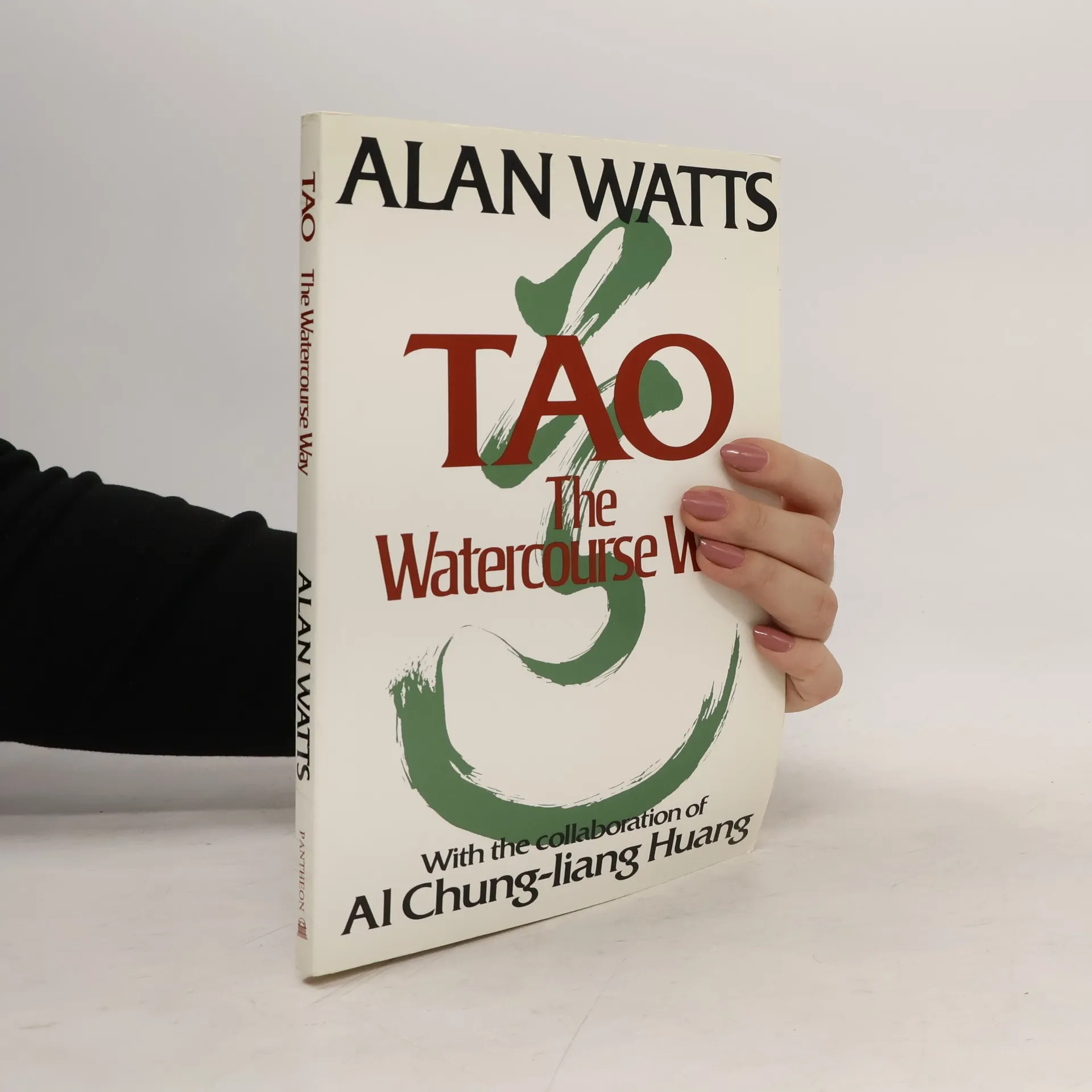
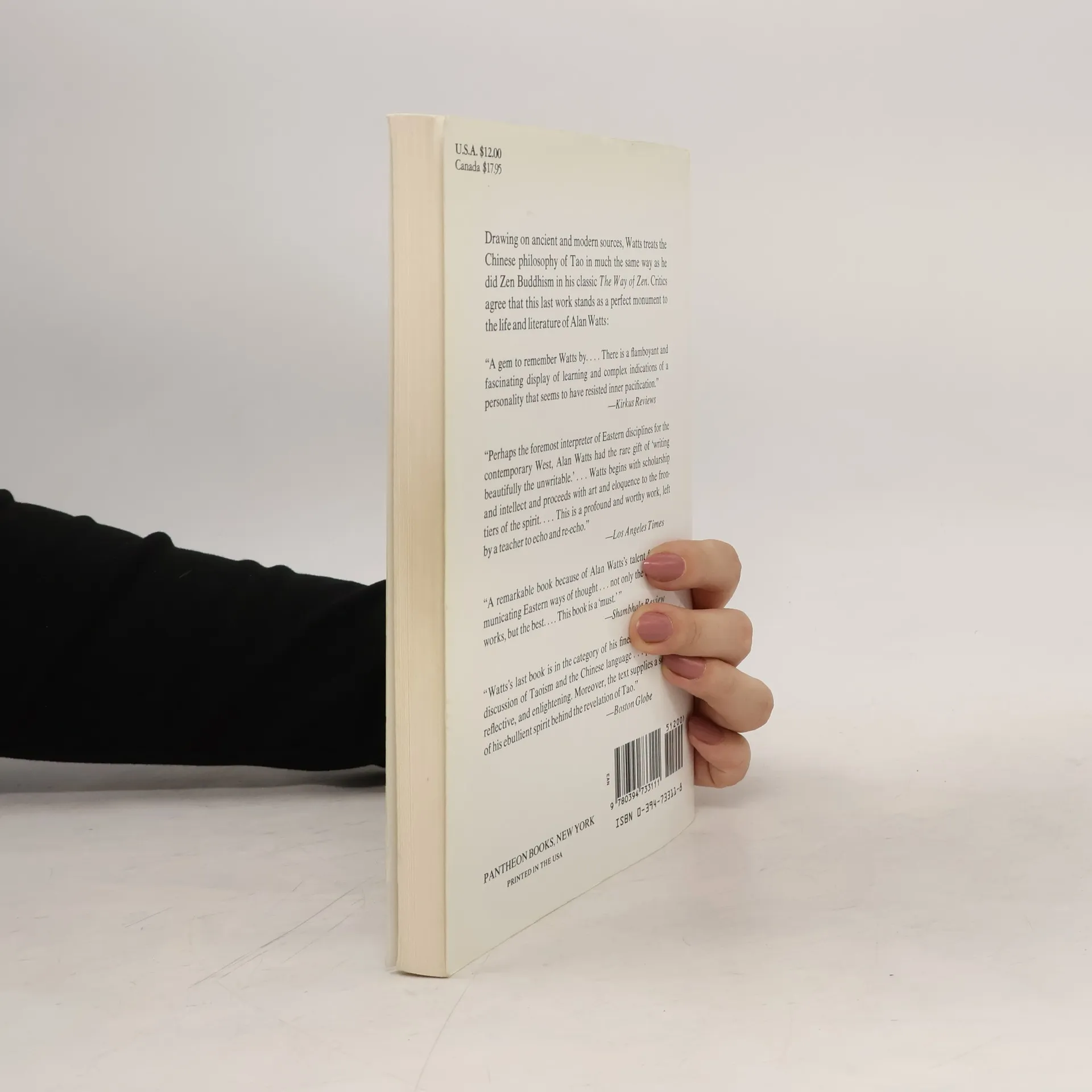
Drawing on ancient and modern sources, "a lucid discussion of Taoism and the Chinese language [that's] profound, reflective, and enlightening." —Boston Globe According to Deepak Chopra, "Watts was a spiritual polymatch, the first and possibly greatest." Watts treats the Chinese philosophy of Tao in much the same way as he did Zen Buddhism in his classic The Way of Zen. Critics agree that this last work stands as a perfect monument to the life and literature of Alan Watts. "Perhaps the foremost interpreter of Eastern disciplines for the contemporary West, . . . Watts begins with scholarship and intellect and proceeds with art and eloquence to the frontiers of the spirit."—Los Angeles Times
Language


Book purchase
Tao, Alan Watts
- Language

- Released
- 1977
- Binding
- (Paperback)
We’ll email you as soon as we track it down.
Payment methods
4.2
Very Good
99+ Ratings
We’re missing your review here.
- Title
- Tao
- Subtitle
- The Watercourse Way
- Language
- English
- Authors
- Alan Watts
- Publisher
- Pantheon
- Released
- 1977
- Format
- Paperback
- Pages
- 161
- ISBN10
- 0394733118
- ISBN13
- 9780394733111
- Series
- Categories
- Original title
- Tao, the watercourse way
- Rating
- 4.15 out of 5
- Description
- Drawing on ancient and modern sources, "a lucid discussion of Taoism and the Chinese language [that's] profound, reflective, and enlightening." —Boston Globe According to Deepak Chopra, "Watts was a spiritual polymatch, the first and possibly greatest." Watts treats the Chinese philosophy of Tao in much the same way as he did Zen Buddhism in his classic The Way of Zen. Critics agree that this last work stands as a perfect monument to the life and literature of Alan Watts. "Perhaps the foremost interpreter of Eastern disciplines for the contemporary West, . . . Watts begins with scholarship and intellect and proceeds with art and eloquence to the frontiers of the spirit."—Los Angeles Times