

More about the book
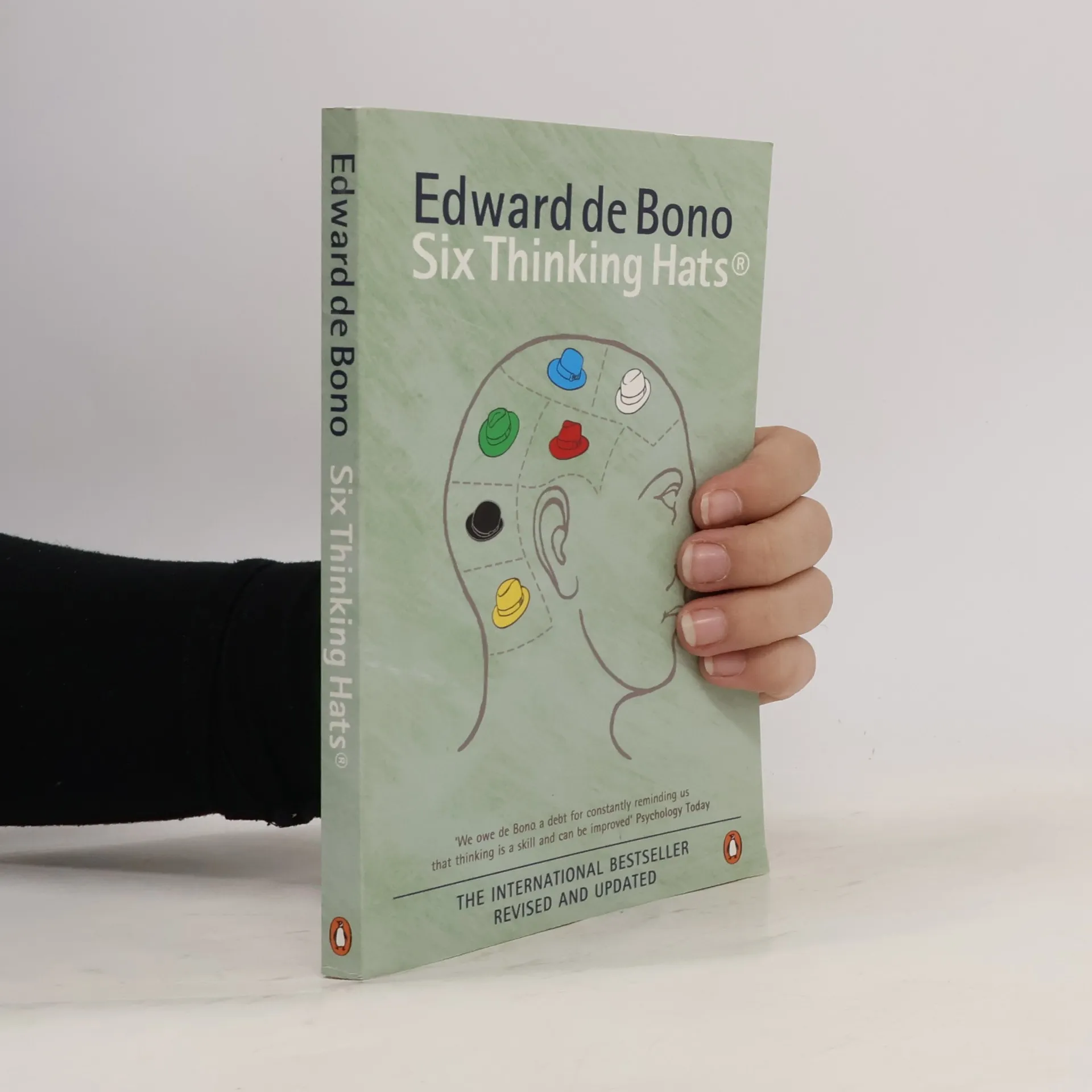
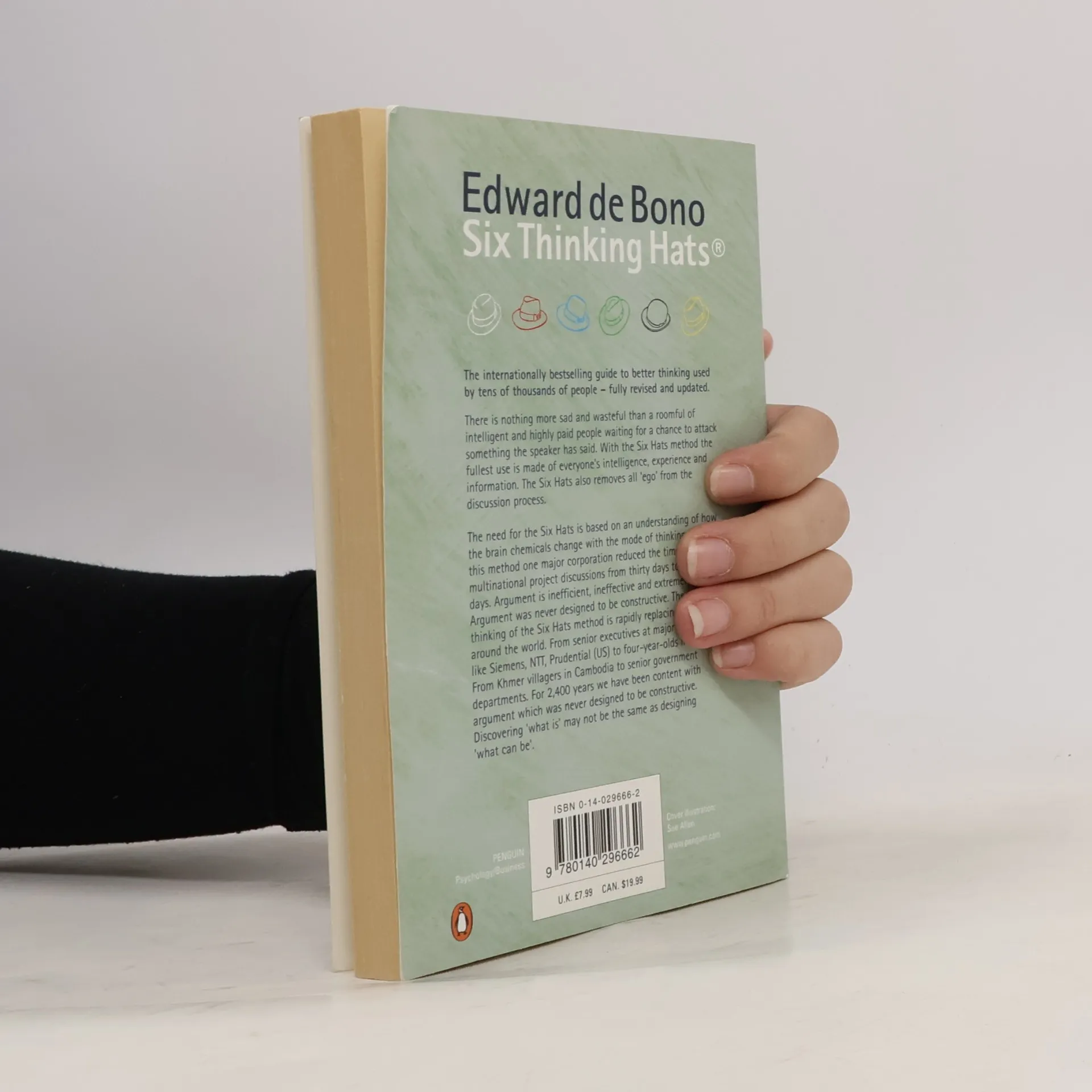
The internationally bestselling guide to better thinking used by tens of thousands of people - fully revised and updated. The need for the Six Hats is based on an understanding of how the brain chemicals change with the mode of thinking. Using this method one major corporation reduced the time taken for multinational project discussions from thirty days to just two days. Argument is inefficient, ineffective and extremely slow. Argument was never designed to be constructive. The parallel thinking of the six hats is rapidly replacing argument around the world. For two-thousand-four-hundred years we have been content with argument which was never designed to be constructive. Discovering 'what is' may not be the same as designing 'what can be'.




Book purchase
Six Thinking Hats, Edward de Bono
- Language

- Released
- 1999
- Binding
- (Paperback),
- Book condition
- Good
- Price
- €3.69
Payment methods
We’re missing your review here.
- Title
- Six Thinking Hats
- Language
- English
- Authors
- Edward de Bono
- Released
- 1999
- Format
- Paperback
- Pages
- 192
- ISBN10
- 0140296662
- ISBN13
- 9780140296662
- Series
- First published
- 1985
- Original title
- Six Thinking Hats
- Rating
- 3.75 out of 5
- Description
- The internationally bestselling guide to better thinking used by tens of thousands of people - fully revised and updated. The need for the Six Hats is based on an understanding of how the brain chemicals change with the mode of thinking. Using this method one major corporation reduced the time taken for multinational project discussions from thirty days to just two days. Argument is inefficient, ineffective and extremely slow. Argument was never designed to be constructive. The parallel thinking of the six hats is rapidly replacing argument around the world. For two-thousand-four-hundred years we have been content with argument which was never designed to be constructive. Discovering 'what is' may not be the same as designing 'what can be'.