


More about the book
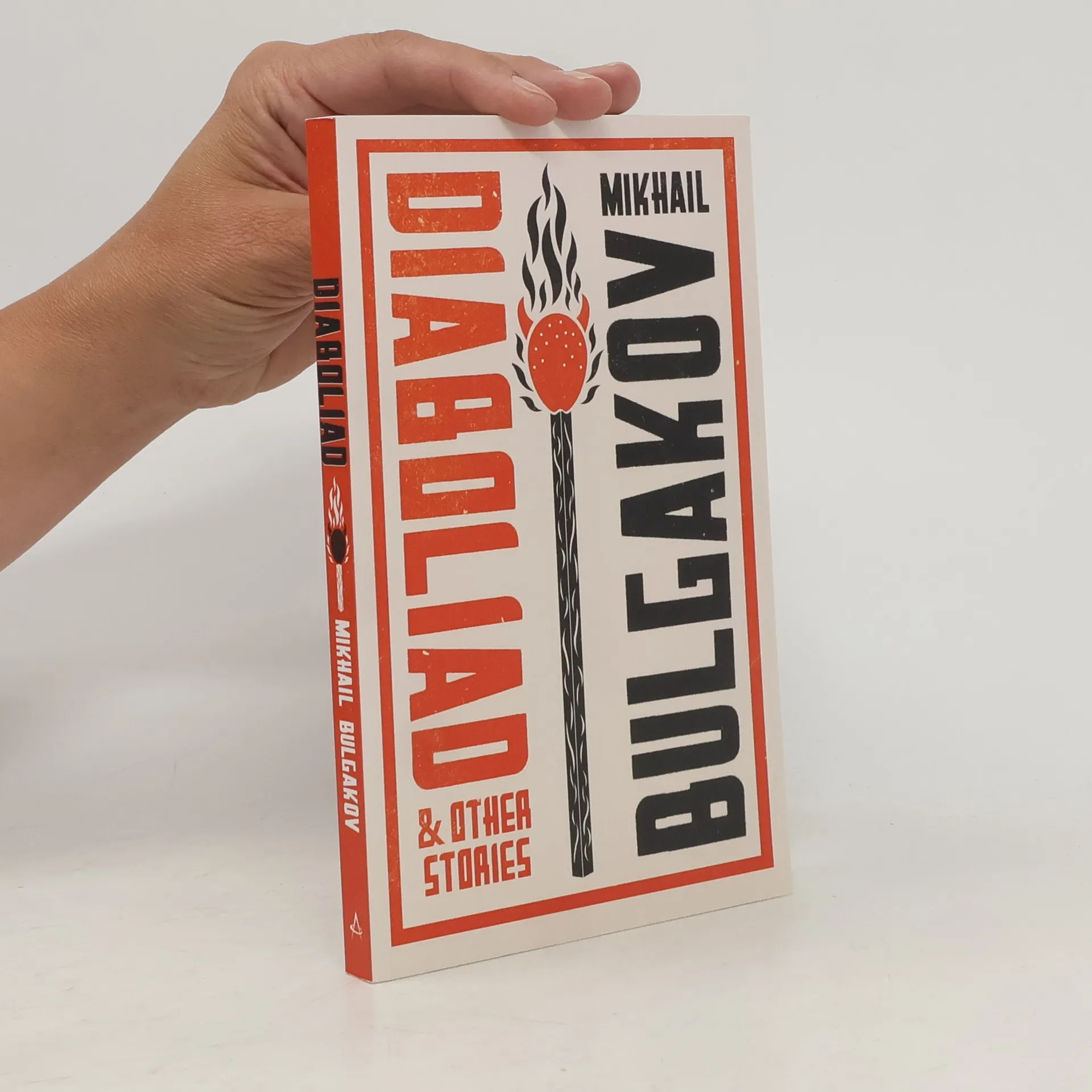
In Bulgakov's 'Diaboliad', the modest and unassuming office clerk Korotkov is summarily sacked for a trifling error from his job at the Main Central Depot of Match Materials, and tries to seek out his newly assigned superior, responsible for his dismissal. His quest through the labyrinth of Soviet bureaucracy takes on the increasingly surreal dimensions of a nightmare. This early satirical story, reminiscent of Gogol and Dostoevsky, was first published in 1924 and incurred the wrath of pro-Soviet critics. Along with the three other stories in this volume, which also explore the themes of the absurd and bizarre, it provides a fascinating glimpse into the artistic development of the author of The Master and Margarita.

Publication

Book purchase
Diaboliad and Other Stories, Hugh A. Aplin, Michail Afanasjevič Bulgakov
- Language

- Released
- 2016
- Binding
- (Paperback)
Payment methods
We’re missing your review here.
- Title
- Diaboliad and Other Stories
- Language
- English
- Publisher
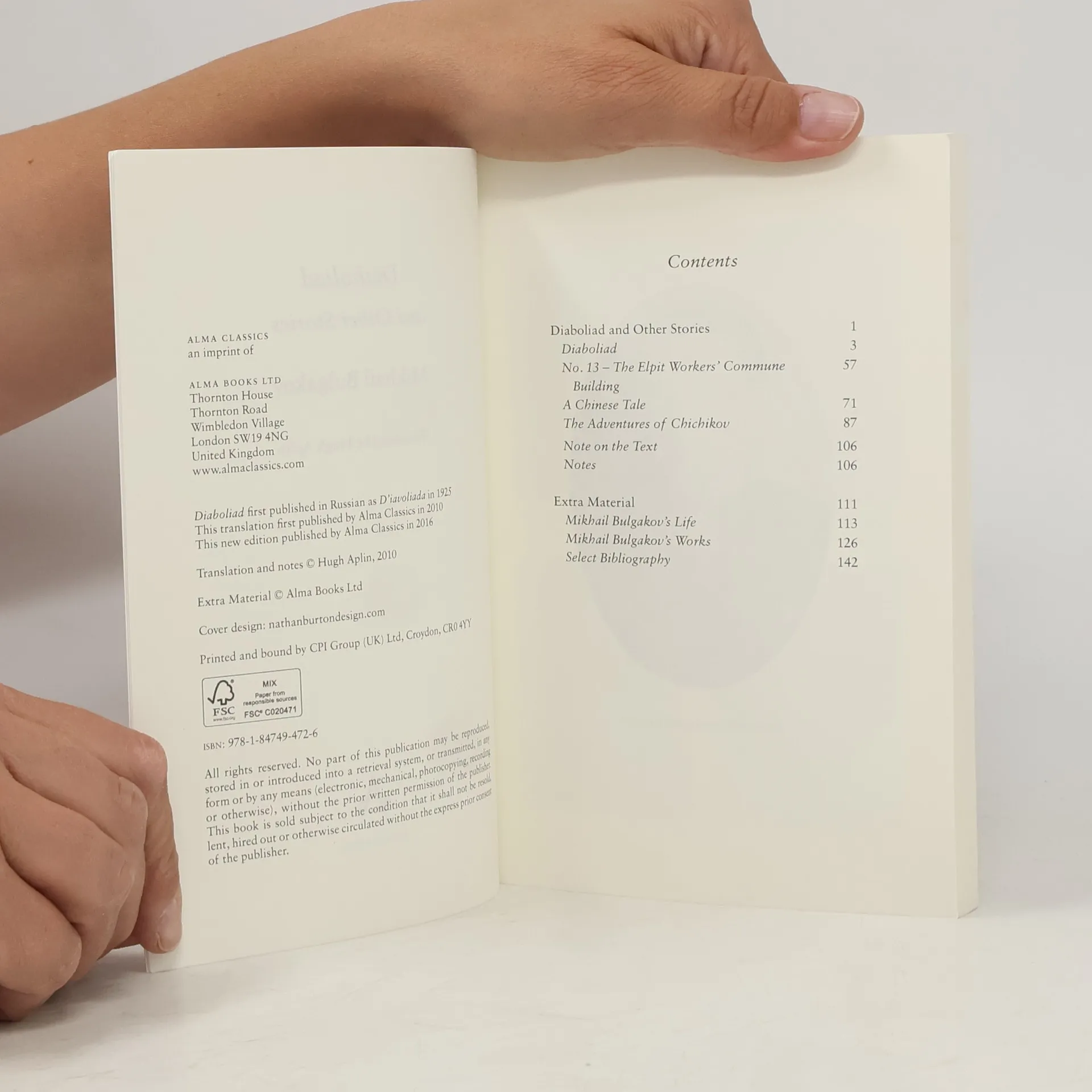
- Bloomsbury Trade
- Released
- 2016
- Format
- Paperback
- Pages
- 164
- ISBN10
- 1847494722
- ISBN13
- 9781847494726
- Series
- First published
- 1965
- Original title
- Дьяволиада
- Rating
- 3.2 out of 5
- Description
- In Bulgakov's 'Diaboliad', the modest and unassuming office clerk Korotkov is summarily sacked for a trifling error from his job at the Main Central Depot of Match Materials, and tries to seek out his newly assigned superior, responsible for his dismissal. His quest through the labyrinth of Soviet bureaucracy takes on the increasingly surreal dimensions of a nightmare. This early satirical story, reminiscent of Gogol and Dostoevsky, was first published in 1924 and incurred the wrath of pro-Soviet critics. Along with the three other stories in this volume, which also explore the themes of the absurd and bizarre, it provides a fascinating glimpse into the artistic development of the author of The Master and Margarita.