

More about the book
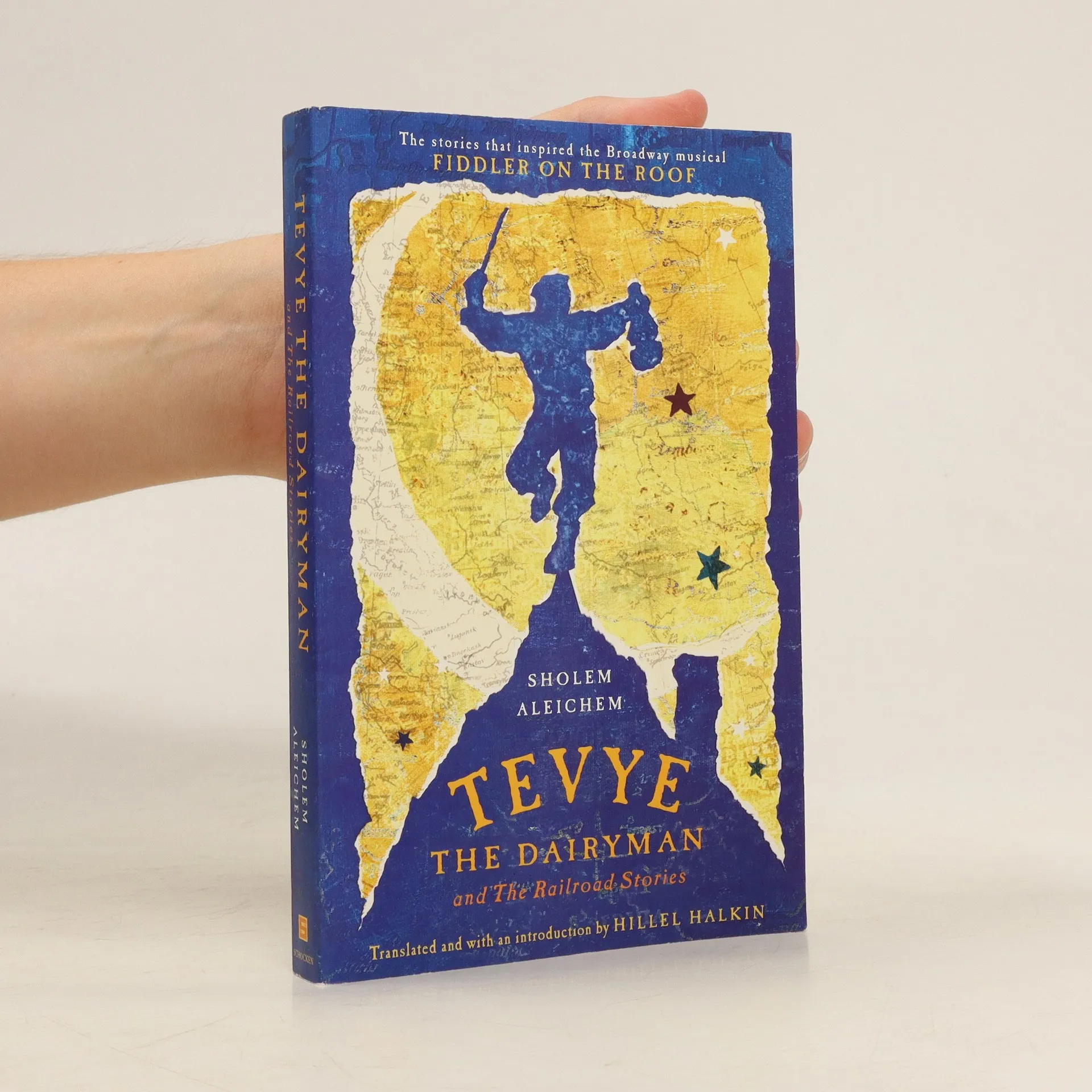
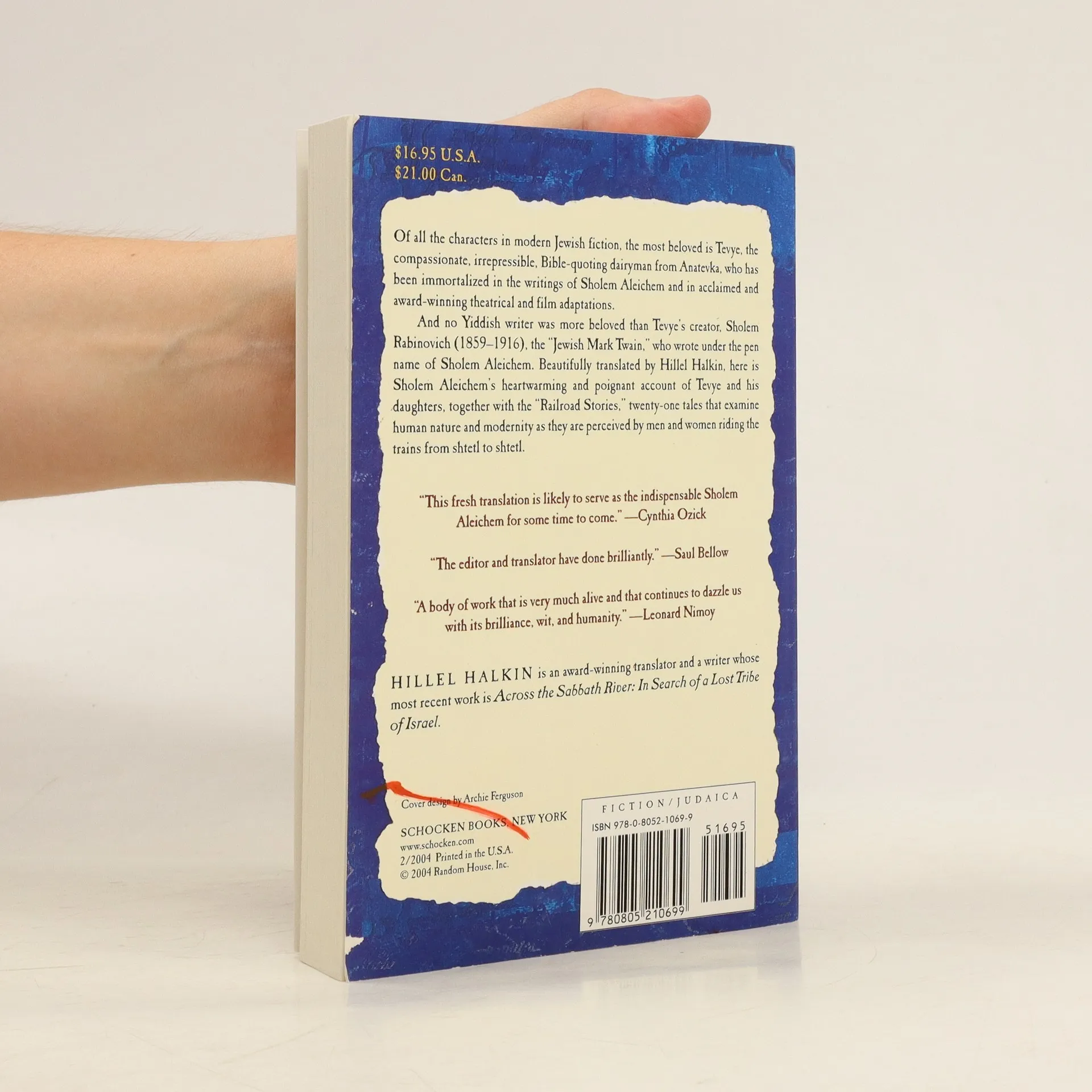
Of all the characters in modern Jewish fiction, the most beloved is Tevye, the compassionate, irrepressible, Bible-quoting dairyman from Anatevka, who has been immortalized in the writings of Sholem Aleichem and in acclaimed and award-winning theatrical and film adaptations.And no Yiddish writer was more beloved than Tevye’s creator, Sholem Rabinovich (1859–1916), the “Jewish Mark Twain,” who wrote under the pen name of Sholem Aleichem. Beautifully translated by Hillel Halkin, here is Sholem Aleichem’s heartwarming and poignant account of Tevye and his daughters, together with the “Railroad Stories,” twenty-one tales that examine human nature and modernity as they are perceived by men and women riding the trains from shtetl to shtetl.




Book purchase
Tevye the Dairyman and The Railroad Stories, Scholem Alejchem
- Language

- Released
- 1996
- Binding
- (Paperback)
Payment methods
We’re missing your review here.
- Title
- Tevye the Dairyman and The Railroad Stories
- Language
- English
- Authors
- Scholem Alejchem
- Publisher
- Library of Yiddish Classics
- Released
- 1996
- Format
- Paperback
- Pages
- 352
- ISBN10
- 0805210695
- ISBN13
- 9780805210699
- Categories
- Tags
- Humor, Short Stories, Stories, Jews, Jewish Literature, Poverty, Ukraine
- Original title
- Tōbijjā, der milkiger
- Rating
- 4.2 out of 5
- Description
- Of all the characters in modern Jewish fiction, the most beloved is Tevye, the compassionate, irrepressible, Bible-quoting dairyman from Anatevka, who has been immortalized in the writings of Sholem Aleichem and in acclaimed and award-winning theatrical and film adaptations.And no Yiddish writer was more beloved than Tevye’s creator, Sholem Rabinovich (1859–1916), the “Jewish Mark Twain,” who wrote under the pen name of Sholem Aleichem. Beautifully translated by Hillel Halkin, here is Sholem Aleichem’s heartwarming and poignant account of Tevye and his daughters, together with the “Railroad Stories,” twenty-one tales that examine human nature and modernity as they are perceived by men and women riding the trains from shtetl to shtetl.