

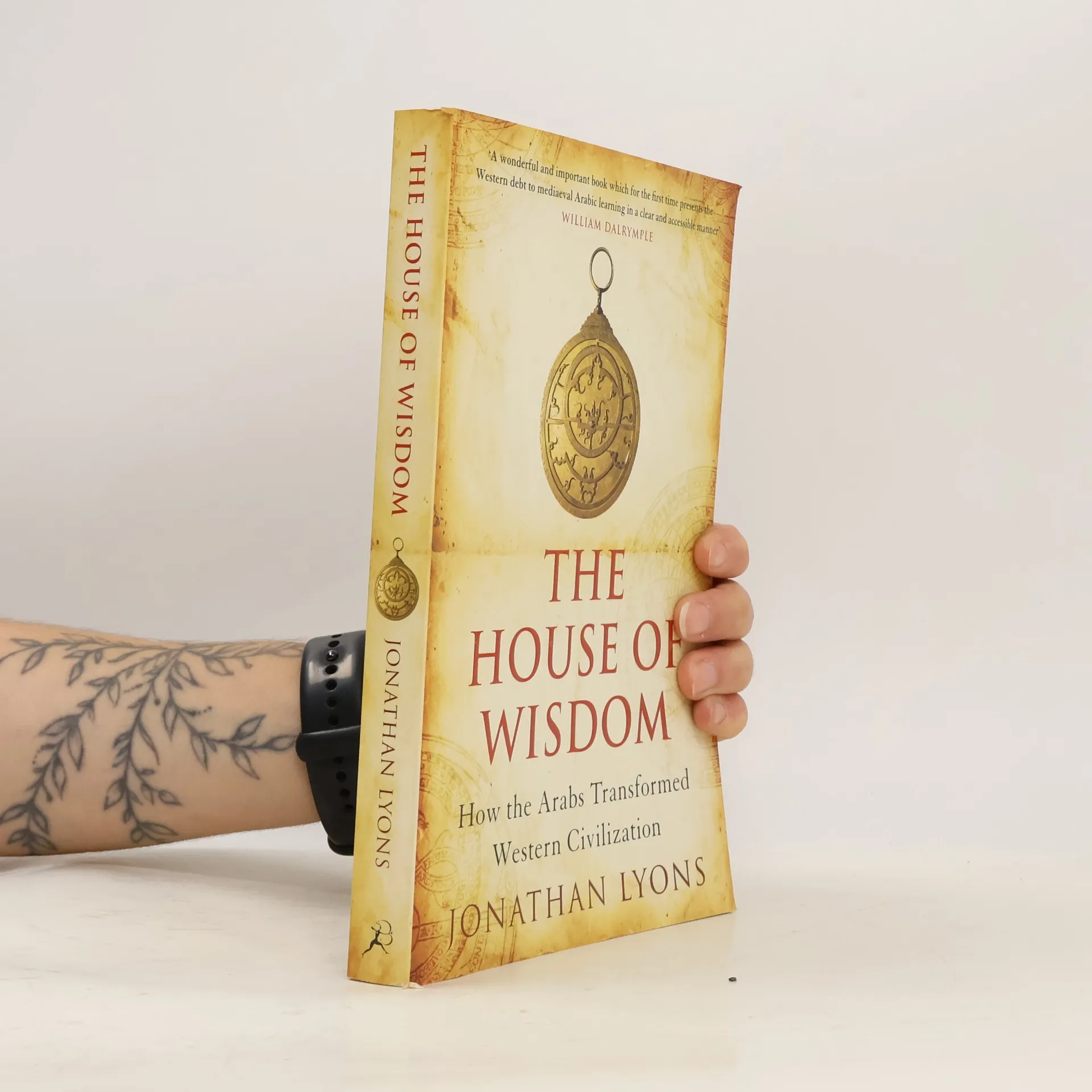

The House of Wisdom
How the Arabs Transformed Western Civilization
Authors
Book rating
More about the book
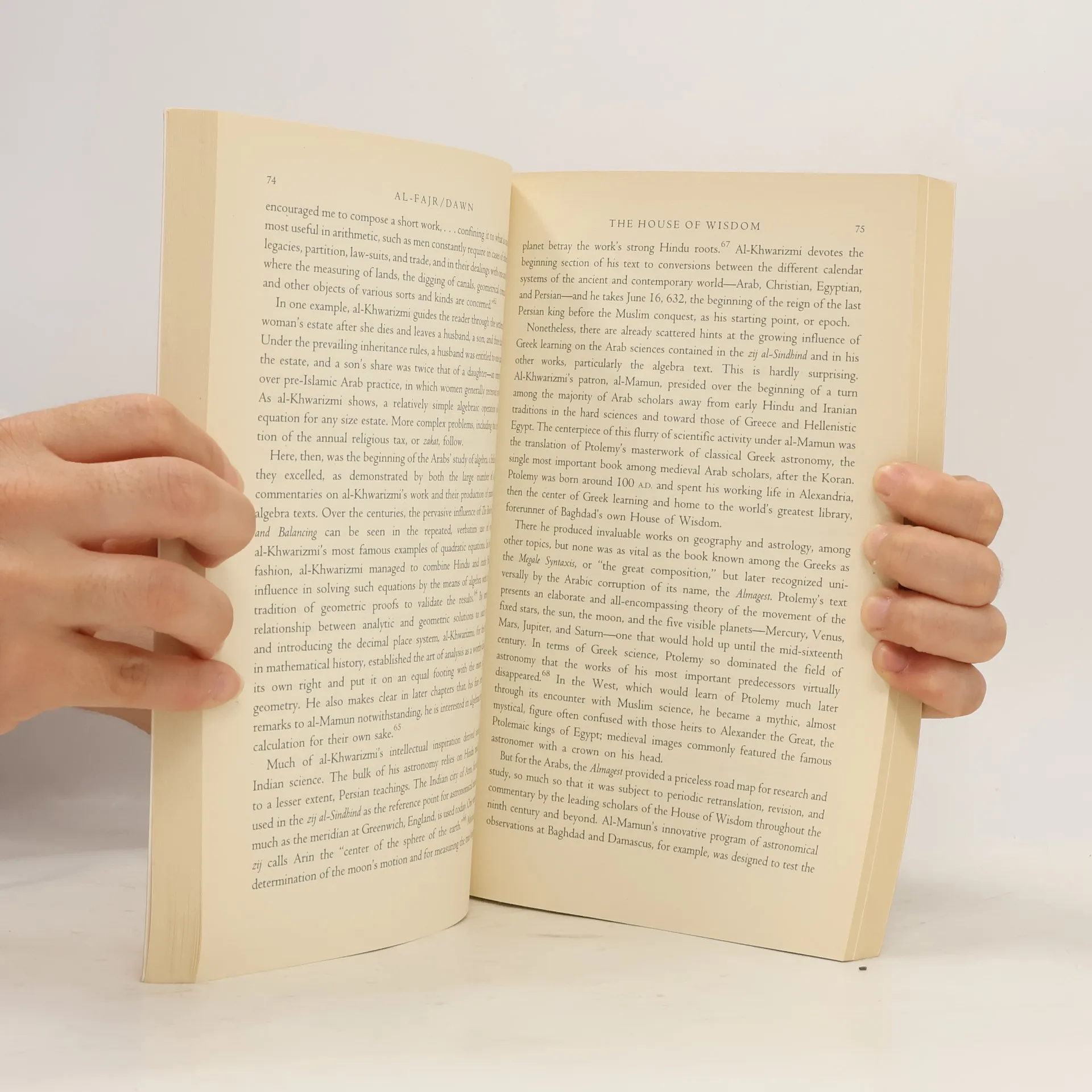
The remarkable story of how medieval Arab scholars advanced science and philosophy, and how itinerant Europeans brought this knowledge back to the West, unfolds against a backdrop of contrasting cultures. Following the fall of Rome, western Europe experienced a period of subsistence farming, limited literacy, and violence, while Arab culture flourished. Cities like Baghdad, Antioch, and those in Persia, Central Asia, and Muslim Spain became centers of intellectual achievement. Philosophers, mathematicians, and astronomers there revitalized the works of Plato and Aristotle. In the House of Wisdom in Baghdad, an impressive collection of knowledge thrived, with scholars working under the Abbasid caliphs. While Europe’s best libraries held only a few dozen volumes, the House of Wisdom contained up to four hundred thousand. Despite the ongoing Crusades, some Christian scholars ventured into Arab lands, eager for knowledge, and returned with invaluable insights in science, medicine, and philosophy that would help spark the Renaissance. This evocative narrative highlights the significant debt "Western" culture owes to medieval Arab civilization and uncovers the story of how Europe benefited from the wealth of Muslim learning.



Book purchase
The House of Wisdom, Jonathan Lyons
- Language

- Released
- 2009
- Binding
- (Paperback),
- Book condition
- Good
- Price
- €5.29
Payment methods
We’re missing your review here.
- Title
- The House of Wisdom
- Subtitle
- How the Arabs Transformed Western Civilization
- Language
- English
- Authors
- Jonathan Lyons
- Publisher
- Bloomsbury Publishing PLC
- Released
- 2009
- Format
- Paperback
- Pages
- 249
- ISBN10
- 1408800314
- ISBN13
- 9781408800317
- Series
- Categories
- Rating
- 3.9 out of 5
- Description
- The remarkable story of how medieval Arab scholars advanced science and philosophy, and how itinerant Europeans brought this knowledge back to the West, unfolds against a backdrop of contrasting cultures. Following the fall of Rome, western Europe experienced a period of subsistence farming, limited literacy, and violence, while Arab culture flourished. Cities like Baghdad, Antioch, and those in Persia, Central Asia, and Muslim Spain became centers of intellectual achievement. Philosophers, mathematicians, and astronomers there revitalized the works of Plato and Aristotle. In the House of Wisdom in Baghdad, an impressive collection of knowledge thrived, with scholars working under the Abbasid caliphs. While Europe’s best libraries held only a few dozen volumes, the House of Wisdom contained up to four hundred thousand. Despite the ongoing Crusades, some Christian scholars ventured into Arab lands, eager for knowledge, and returned with invaluable insights in science, medicine, and philosophy that would help spark the Renaissance. This evocative narrative highlights the significant debt "Western" culture owes to medieval Arab civilization and uncovers the story of how Europe benefited from the wealth of Muslim learning.