

More about the book
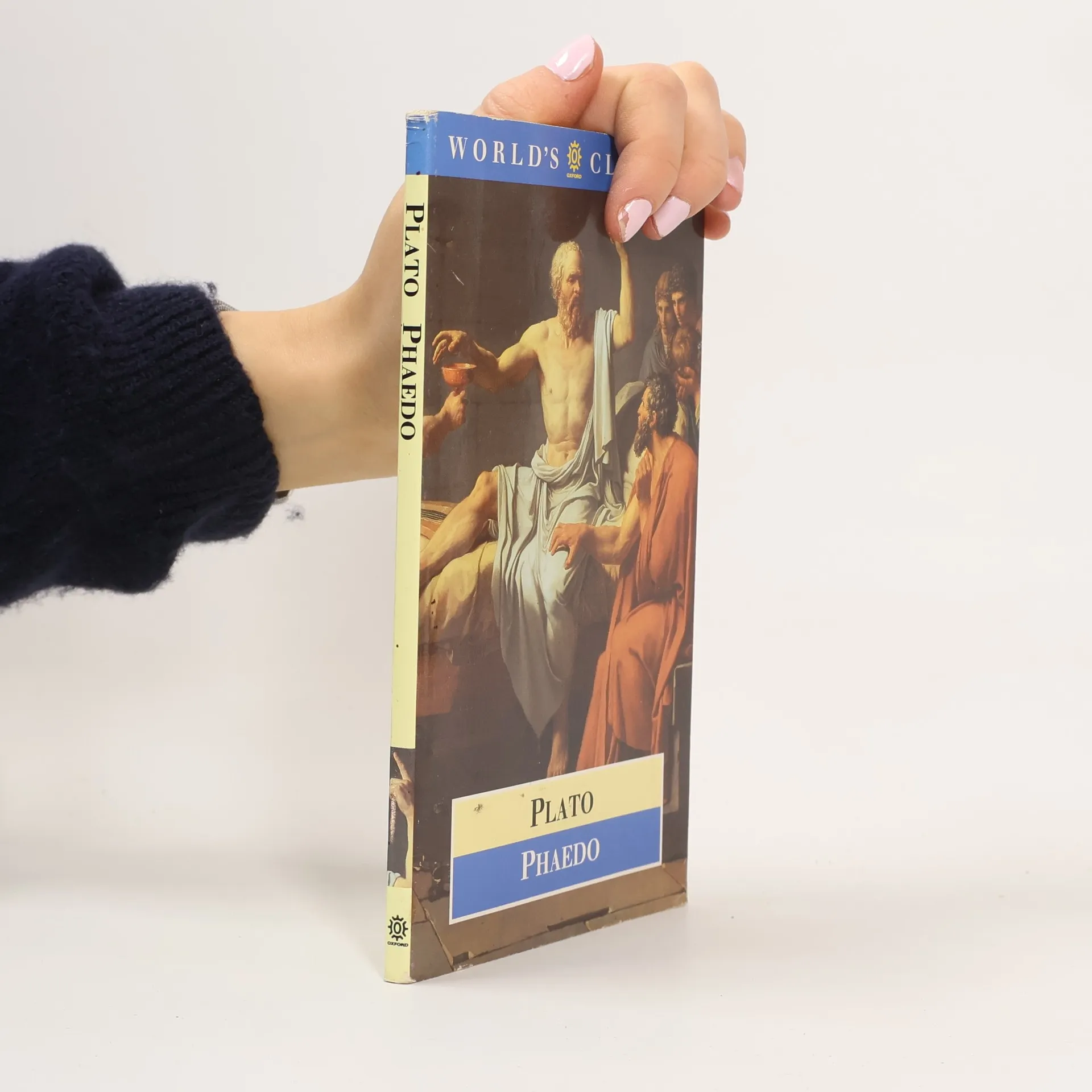
Plato's Phaedo is deservedly one of the best known works of Greek literature, but also one of the most complex. Set in the prison where Socrates is awaiting execution, it portrays Plato's model philosopher in action, spending his last hours in conversation with two other seasoned members of his circle about the fate of the human soul after death. Professor Rowe attempts to help the reader find a way through the intricate structure both of individual passages and arguments and of the dialogue as a whole, stressing its intelligibility as a unified work of art and giving equal attention to its literary and philosophical aspects. The notes also aim to provide the kind of help with Plato's Greek which is needed by comparative beginners in the language, but the commentary is intended for any student, classical scholar, or philosopher with an interest in the close reading of Plato.



Book purchase
Phaedo, Plato, David Gallop
- Language

- Released
- 1993
- Binding
- (Paperback)
Payment methods
We’re missing your review here.
- Title
- Phaedo
- Language
- English
- Authors
- Plato, David Gallop
- Publisher
- Oxford University Press
- Released
- 1993
- Format
- Paperback
- Pages
- 105
- ISBN10
- 0192830902
- ISBN13
- 9780192830906
- Series
- Tags
- Historical Themes, Philosophical Topics, School, Death, Life, Ancient History, Greece, Breakup, separation, Soul, Humanities, Body, Immortality, Dialogue, Socrates, Mortality, Immortality of the Soul
- Original title
- Faidon
- Rating
- 3.95 out of 5
- Description
- Plato's Phaedo is deservedly one of the best known works of Greek literature, but also one of the most complex. Set in the prison where Socrates is awaiting execution, it portrays Plato's model philosopher in action, spending his last hours in conversation with two other seasoned members of his circle about the fate of the human soul after death. Professor Rowe attempts to help the reader find a way through the intricate structure both of individual passages and arguments and of the dialogue as a whole, stressing its intelligibility as a unified work of art and giving equal attention to its literary and philosophical aspects. The notes also aim to provide the kind of help with Plato's Greek which is needed by comparative beginners in the language, but the commentary is intended for any student, classical scholar, or philosopher with an interest in the close reading of Plato.