

More about the book
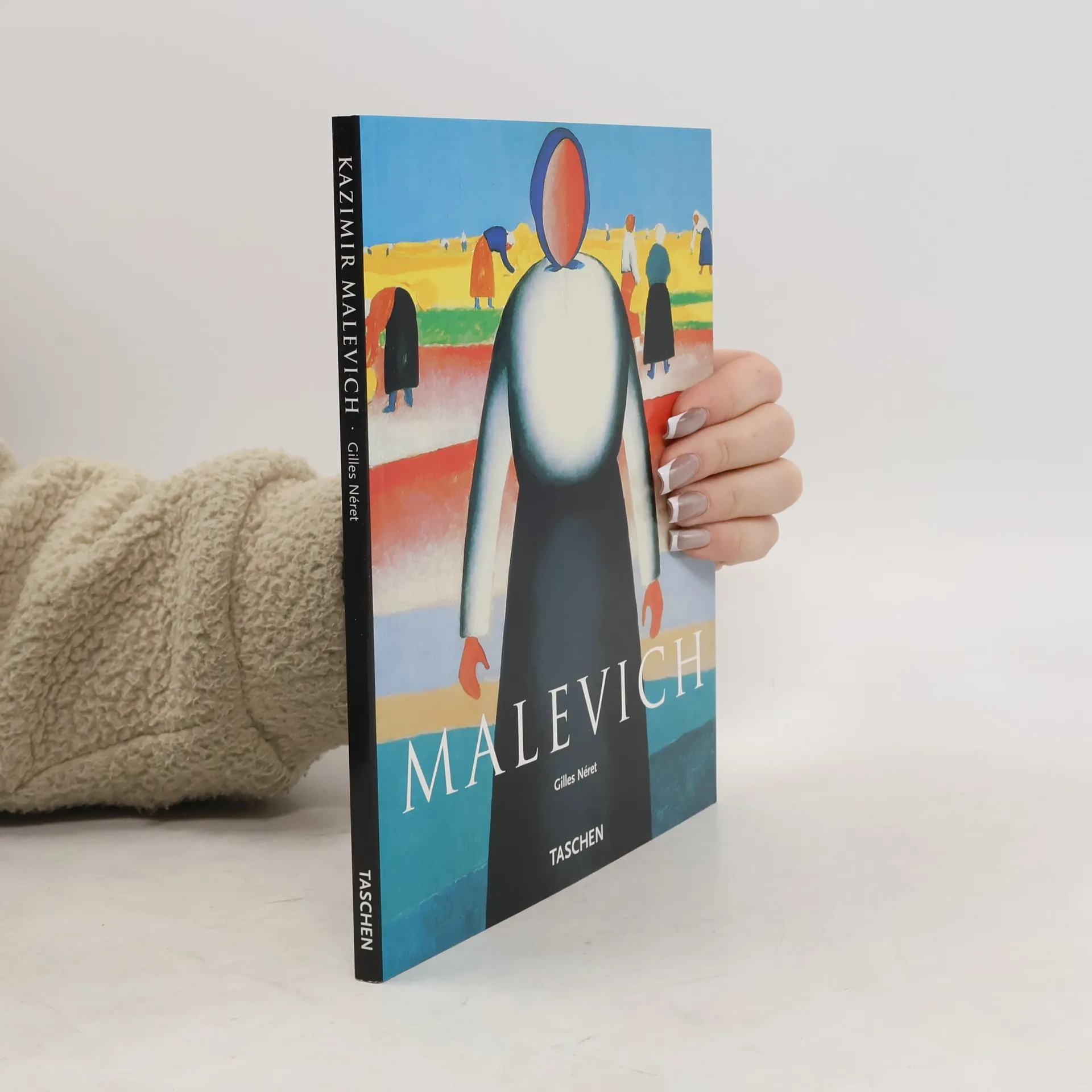
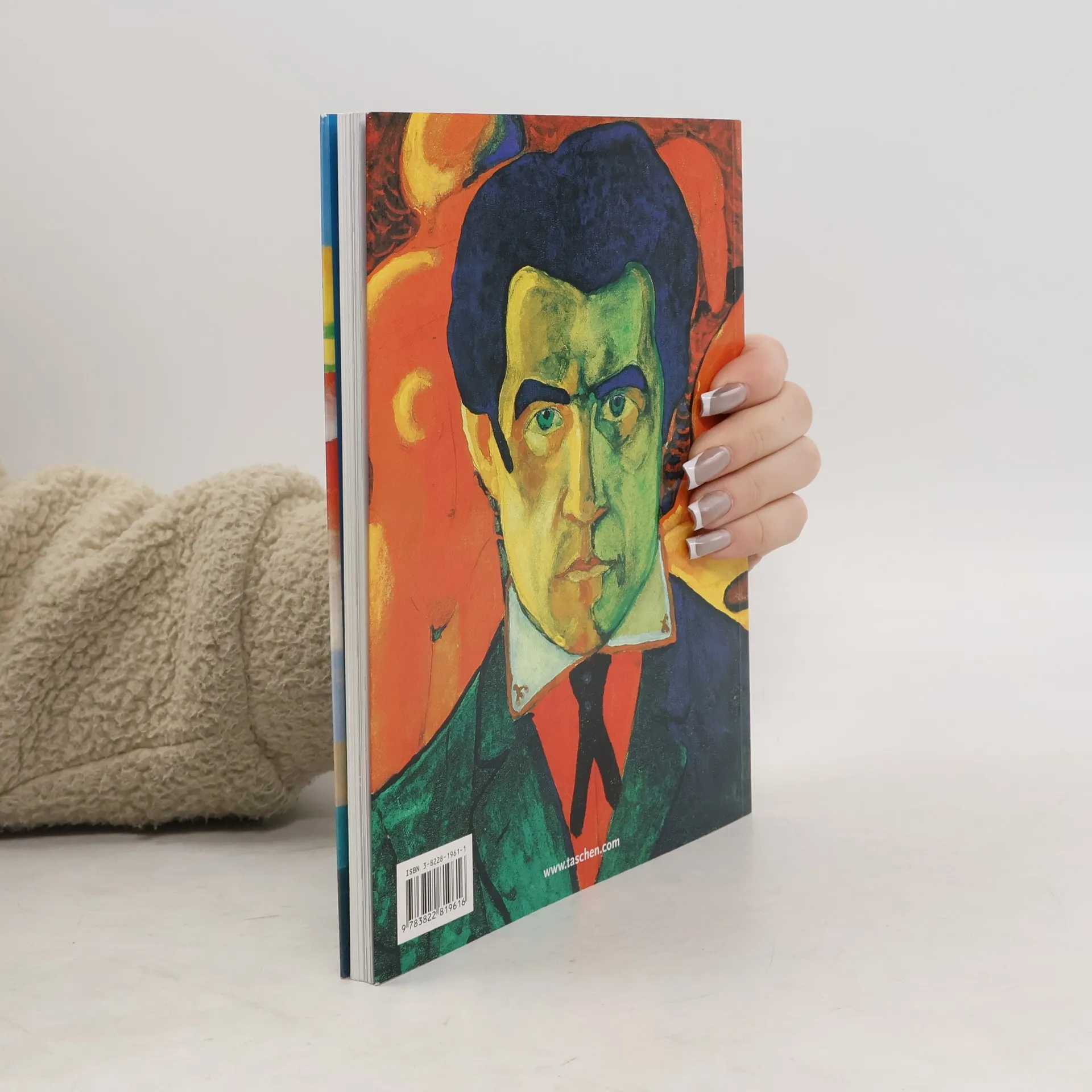
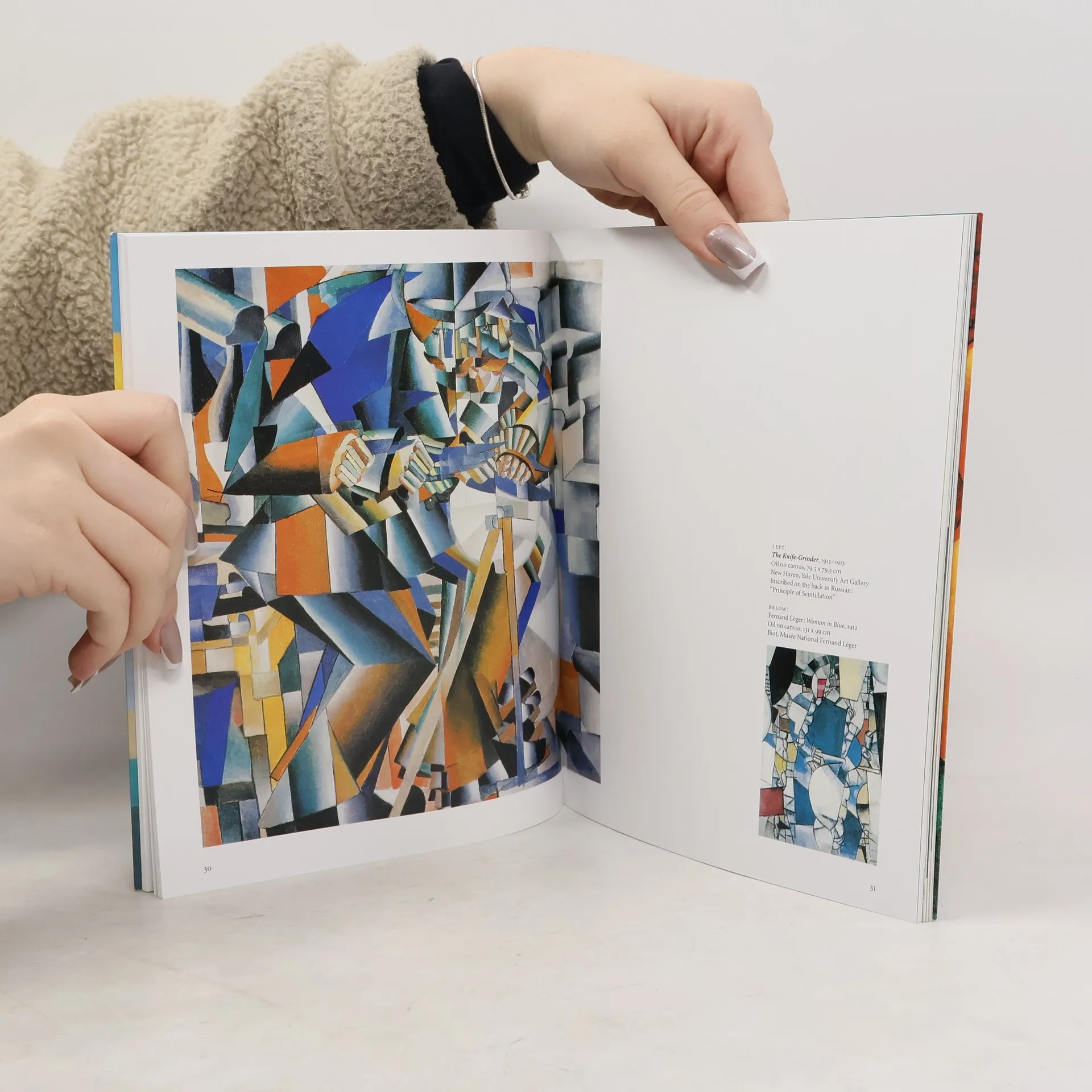
After flirtations with Realism, Impressionism, and Symbolism, Kiev-born Kazimir Malevich (1878–1935) found his métier in dissolving literal, representational figures and landscapes into pure emotionally-charged abstraction. In 1915, he created what is widely lauded as the first and ultimate abstract Black Square, a black rectangle on a white background, hailed as the “zero point of painting,” a seminal moment for modern and abstract practice. In this book, we follow Malevich’s key innovations and ideas and place his groundbreaking achievements within the context of both the Russian and global avant-garde. Through rich illustrations of his work, we explore the artist’s theory of Suprematism, based on severe geometric abstraction and “the supremacy of pure feeling in creative art”; his leading role in the development of Constructivism; as well as his interests in philosophy, literature, Russian folk art, and the fourth dimension.


Publication

Book purchase
Malevich, Gilles Néret
- Language

- Released
- 2003
- Binding
- (Paperback)
Payment methods
We’re missing your review here.
- Title
- Malevich
- Language
- English
- Authors
- Gilles Néret
- Publisher
- Taschen
- Released
- 2003
- Format
- Paperback
- Pages
- 96
- ISBN10
- 3822819611
- ISBN13
- 9783822819616
- Series
- Categories
- Tags
- Art, History of Art
- Rating
- 3.95 out of 5
- Description
- After flirtations with Realism, Impressionism, and Symbolism, Kiev-born Kazimir Malevich (1878–1935) found his métier in dissolving literal, representational figures and landscapes into pure emotionally-charged abstraction. In 1915, he created what is widely lauded as the first and ultimate abstract Black Square, a black rectangle on a white background, hailed as the “zero point of painting,” a seminal moment for modern and abstract practice. In this book, we follow Malevich’s key innovations and ideas and place his groundbreaking achievements within the context of both the Russian and global avant-garde. Through rich illustrations of his work, we explore the artist’s theory of Suprematism, based on severe geometric abstraction and “the supremacy of pure feeling in creative art”; his leading role in the development of Constructivism; as well as his interests in philosophy, literature, Russian folk art, and the fourth dimension.