Explore the latest books of this year!
Bookbot

Gilles Néret

    January 1, 1933 – August 3, 2005

    Gilles Néret was a French art critic, historian, and journalist, renowned for his extensive scholarship on the history of erotica. He dedicated his career to the art world, organizing retrospectives and directing prestigious art journals. His expertise shone through in insightful publications that explored art history with a focus on specific, often overlooked, facets. Néret's work offers readers a unique lens through which to understand the evolution of artistic forms and their cultural significance.

    Gilles Néret
    Michelangelo
    Matisse 1869-1954: Cut-outs
    Auguste Renoir. The Painter of Happiness
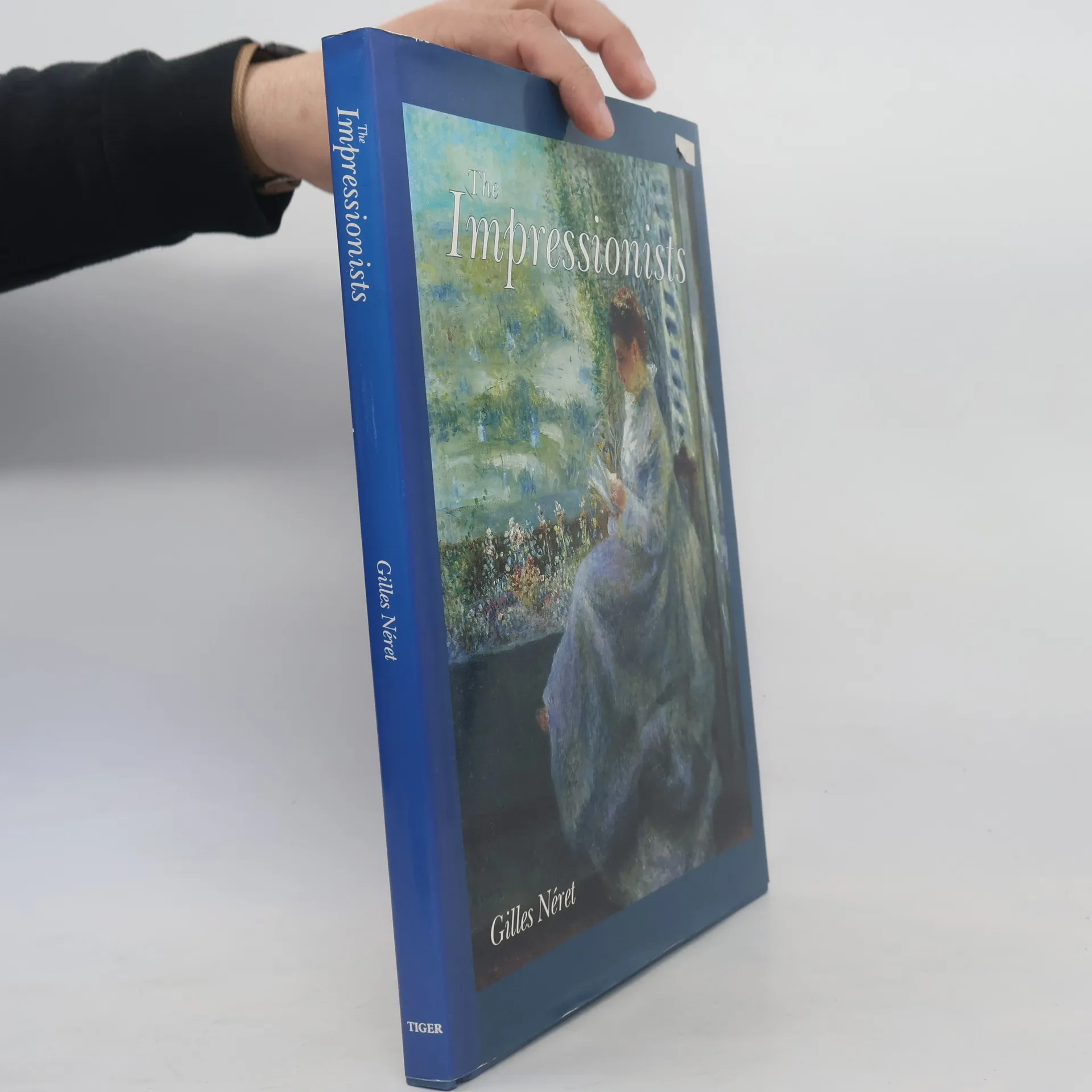
    The Impressionists
    Auguste Rodin
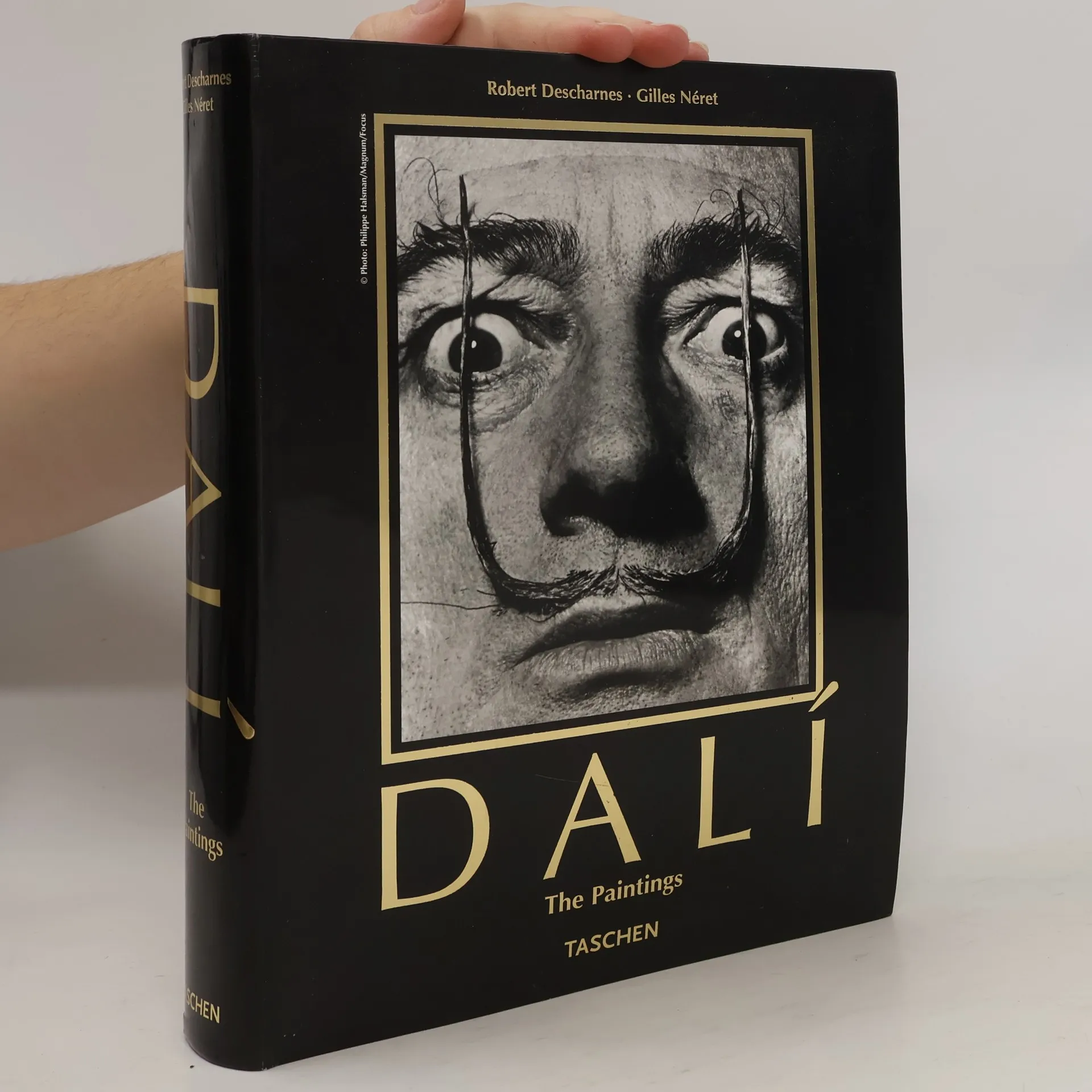
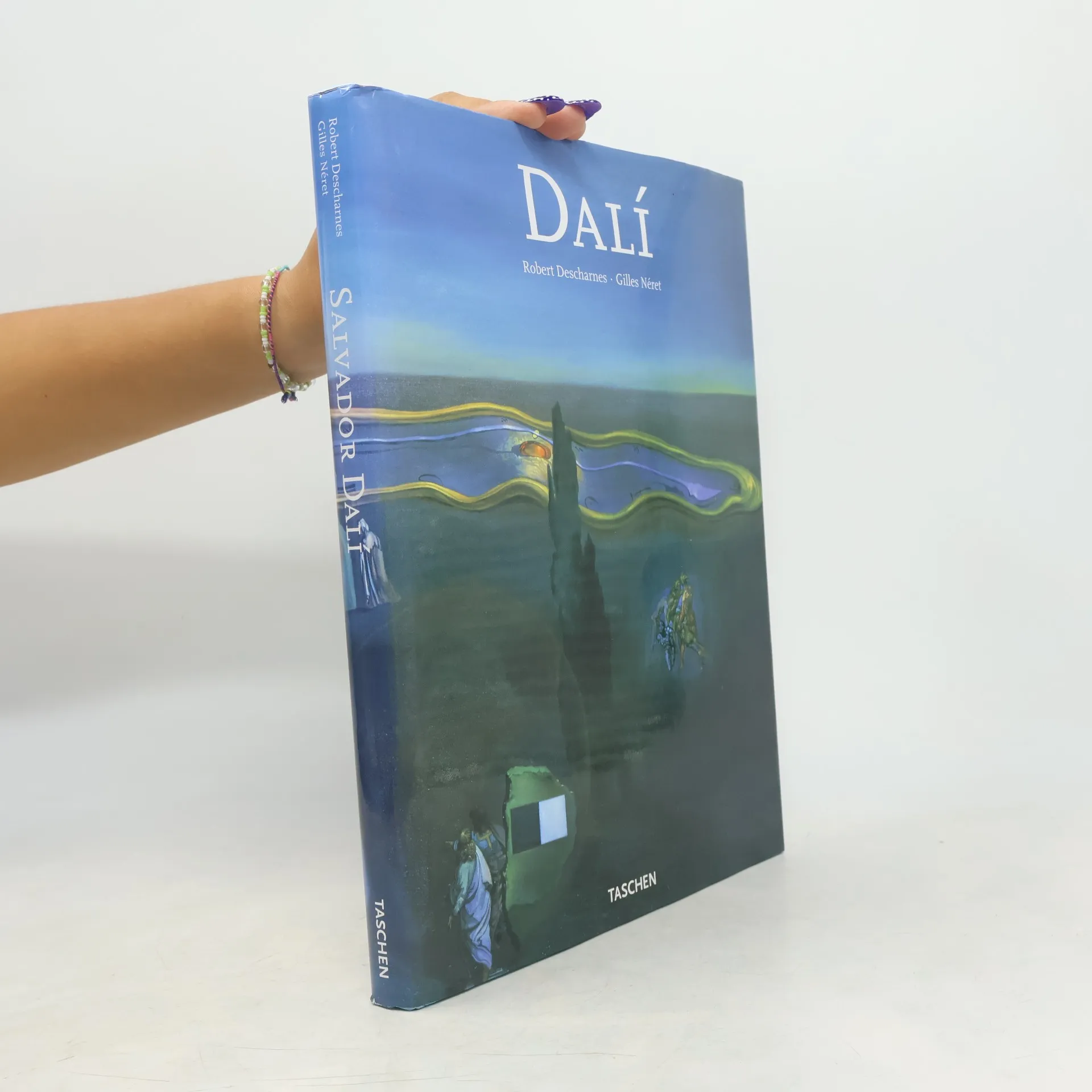
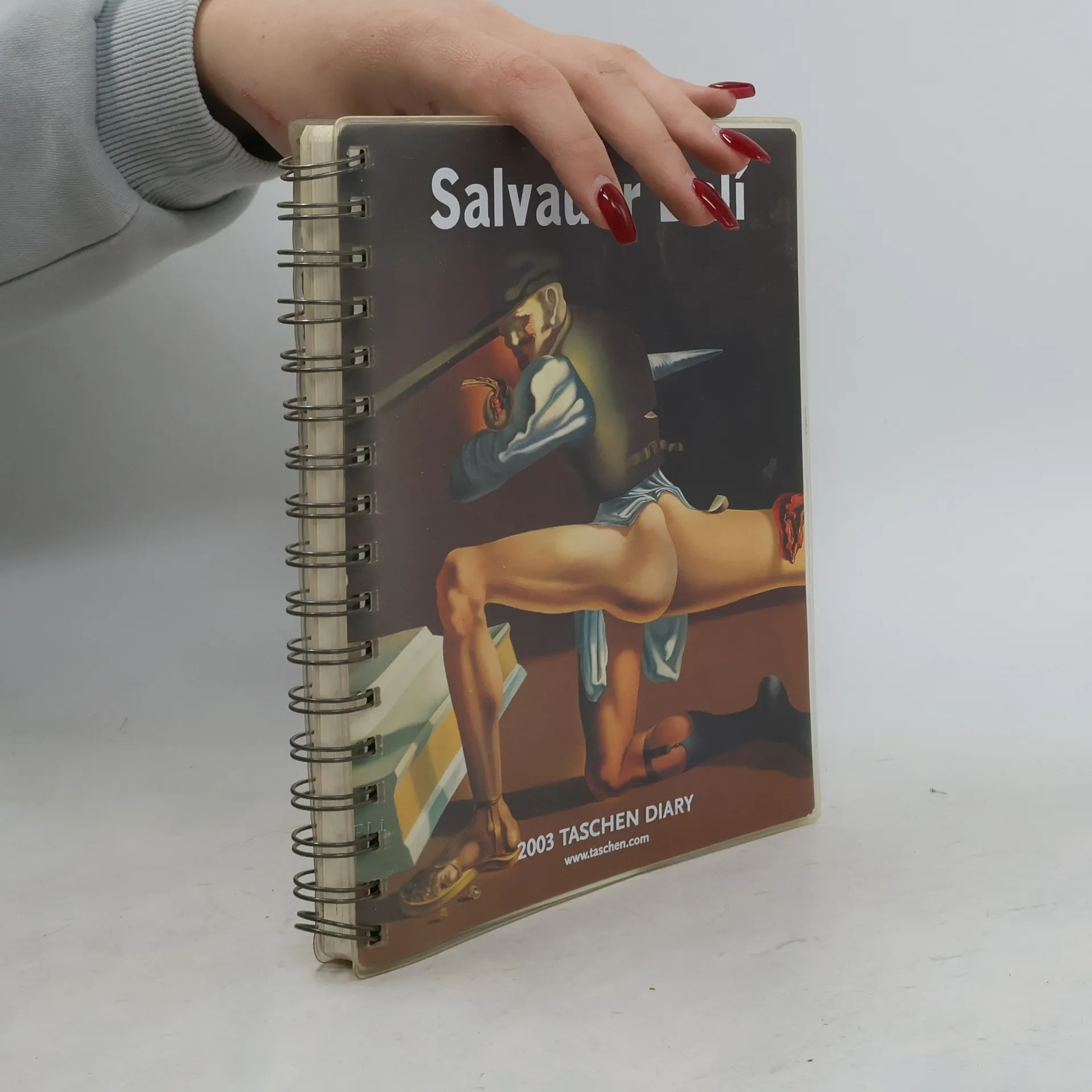
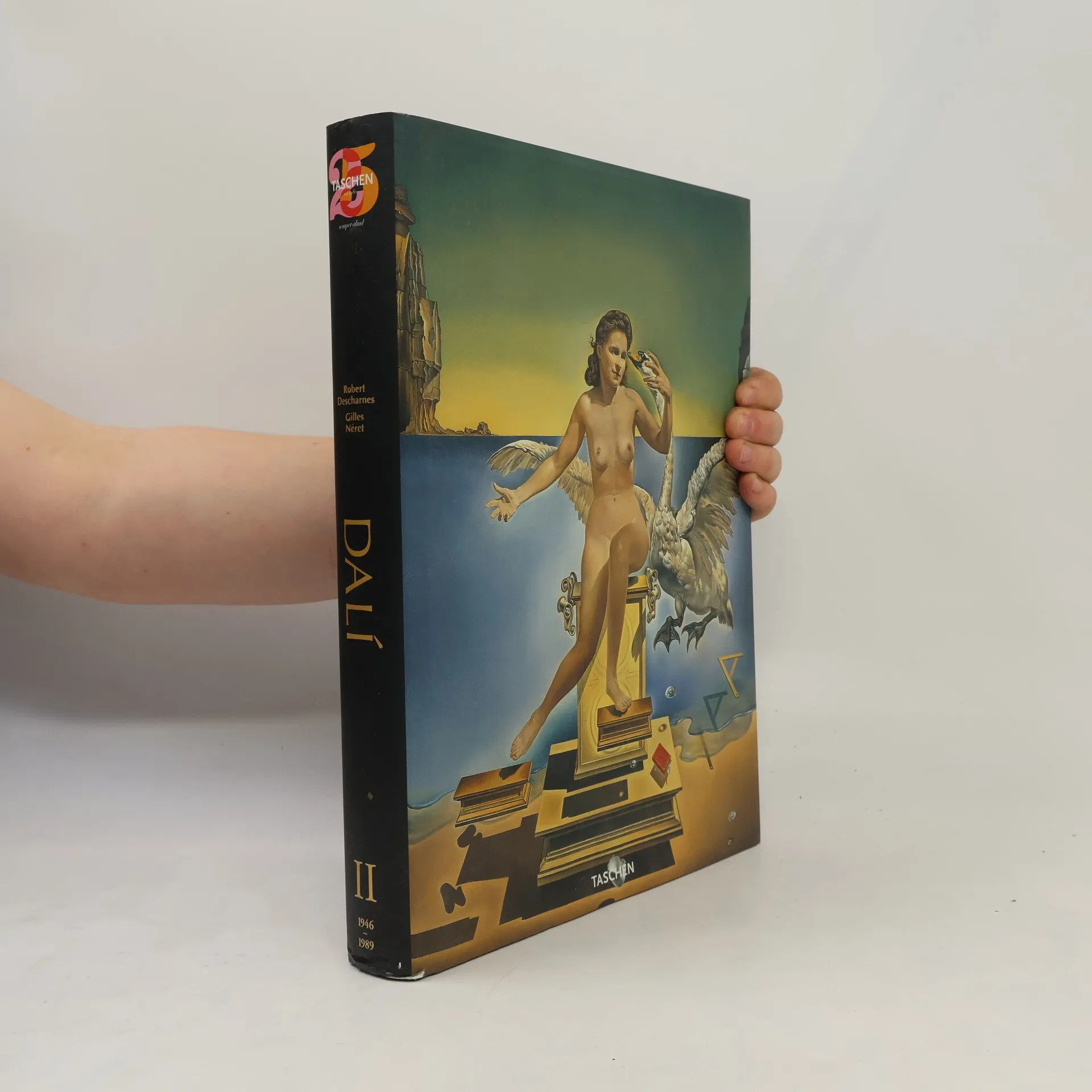
    Salvador Dalí : 1904-1989. The paintings (I. + II. komplet)
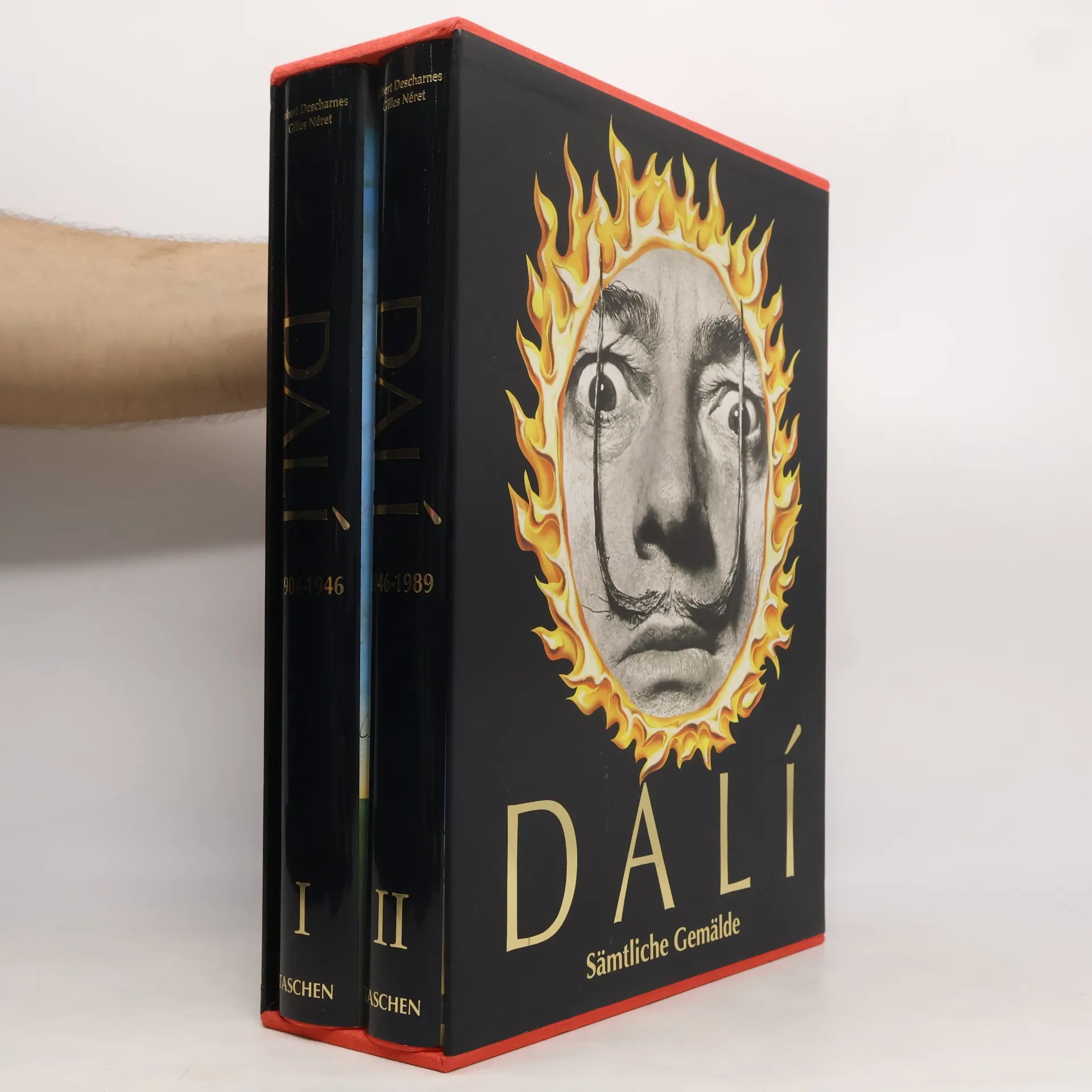
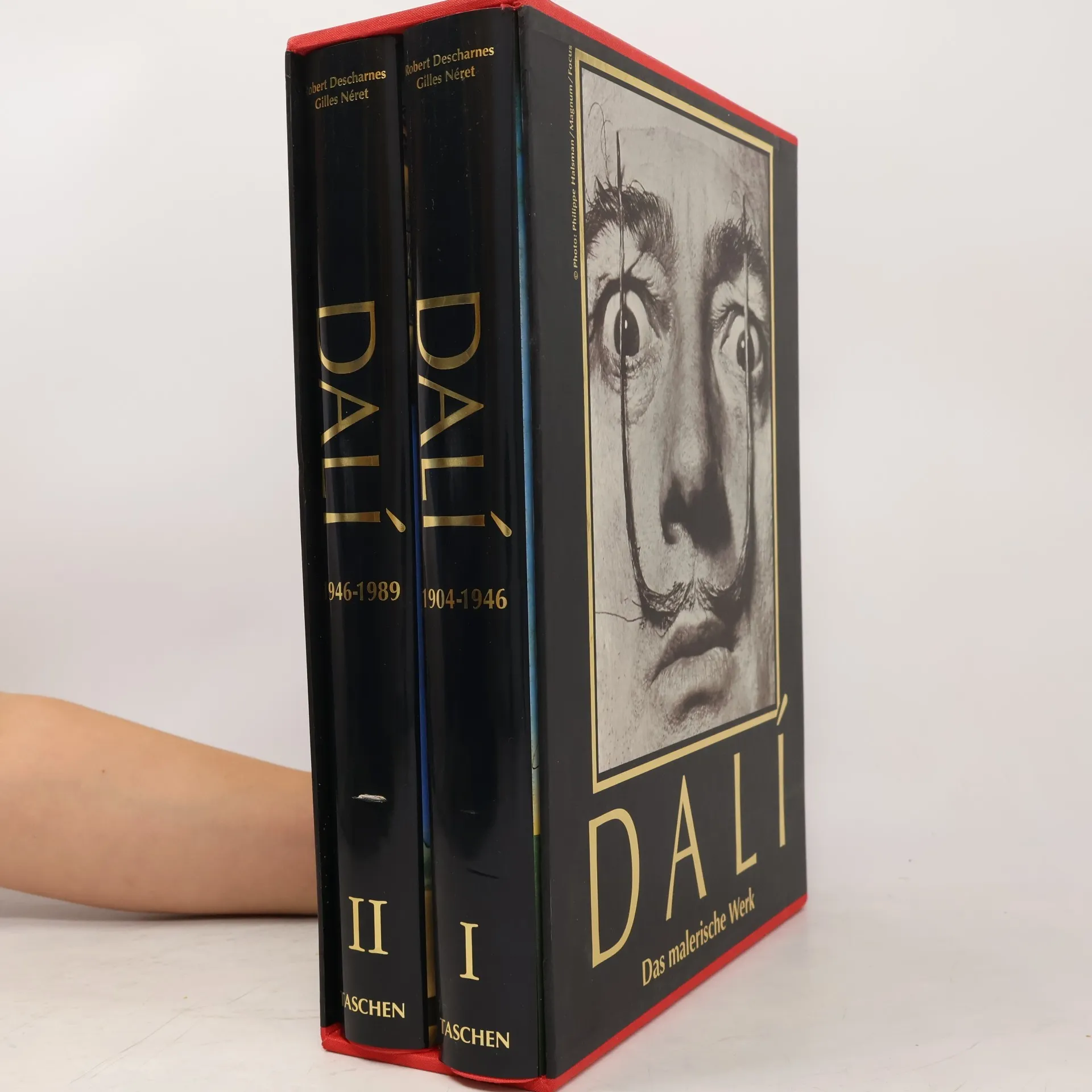
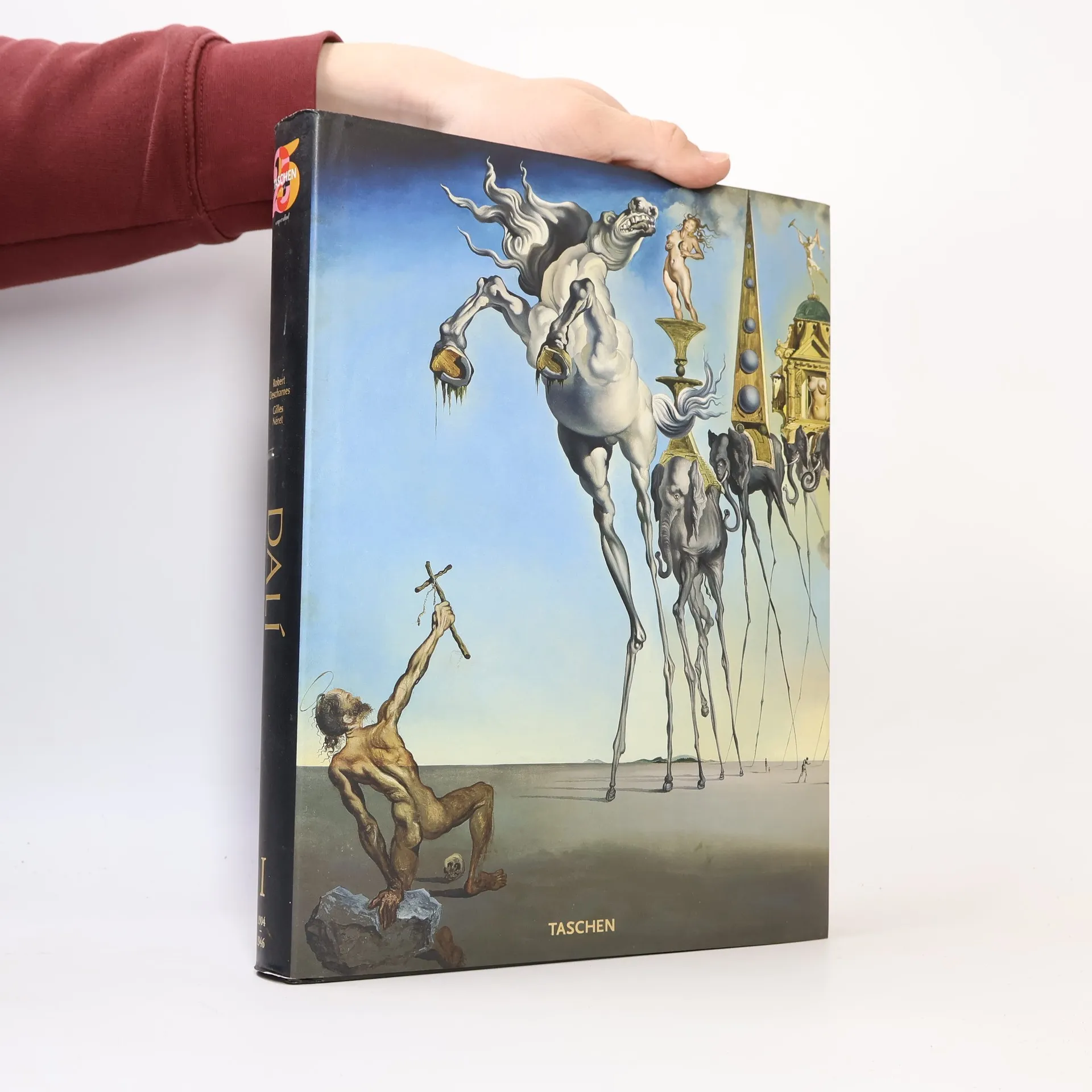
    • TASCHEN's 25th anniversary Special edition! Two large-format hardcover volumes in a slipcase. Picasso called Dali "an outboard motor that's always running." Dali thought himself a genius with a right to indulge in whatever lunacy popped into his head. Painter, sculptor, writer, and filmmaker, Salvador Dali (1904-1989) was one of the century's greatest exhibitionists and eccentrics - and was rewarded with fierce controversy wherever he went. He was one of the first to apply the insights of Sigmund Freud and psychoanalysis to the art of painting, approaching the subconscious with extraordinary sensitivity and imagination. This lively monograph presents the infamous Surrealist in full color and in his own words. His provocative imagery is all here, from the soft watches to the notorious burning giraffe. A friend of the artist for over thirty years, privy to the reality behind Dali's public image, author Robert Descharnes is uniquely qualified to analyze Dali - both the man and the myth.
      Salvador Dalí : 1904-1989. The paintings (I. + II. komplet)
      4.6
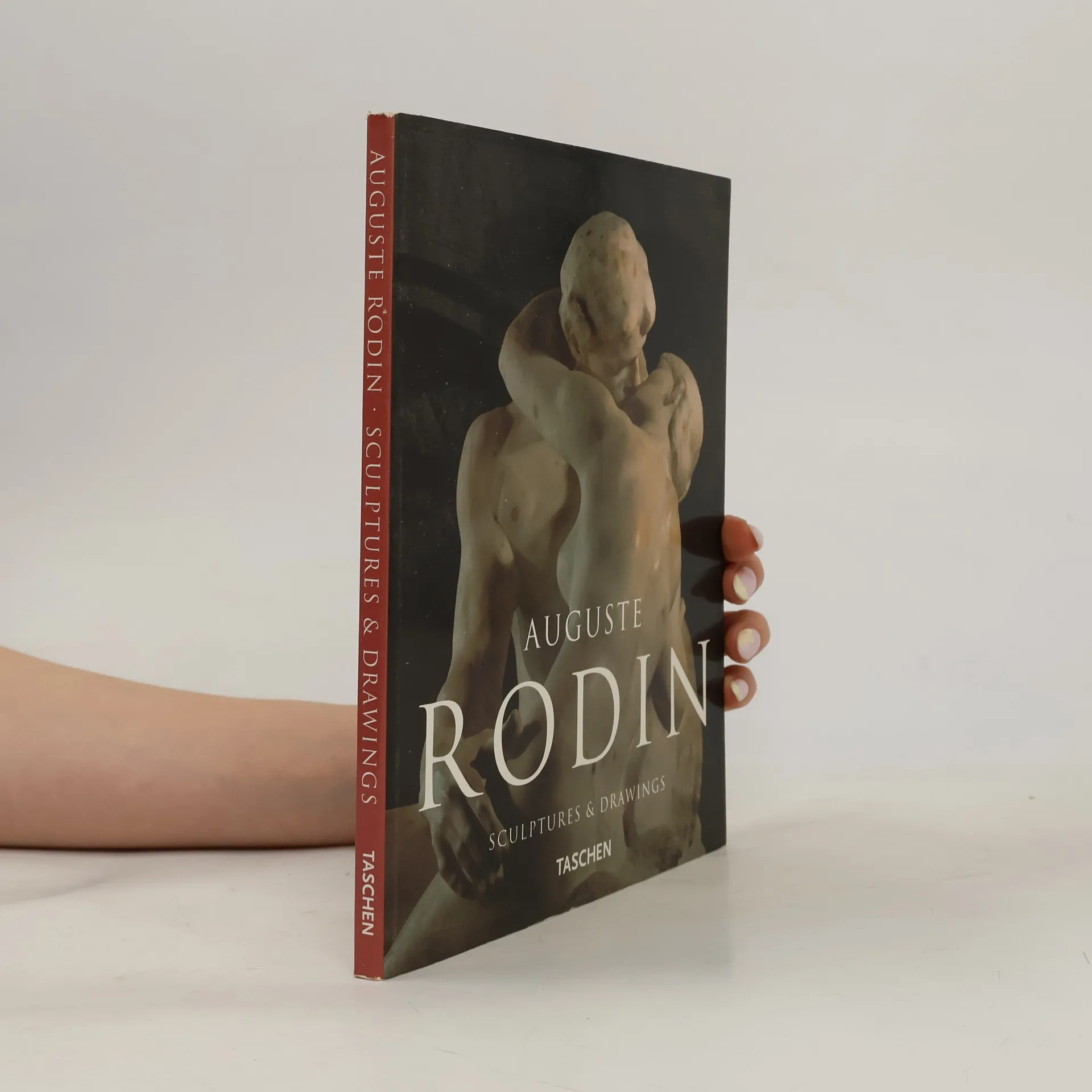
    • Auguste Rodin

      Sculptures and Drawings

      • 92 pages
      • 4 hours of reading

      Skulpturer og tegninger af den franske kunstner Auguste Rodin (1840-1917).

      Auguste Rodin
      4.8
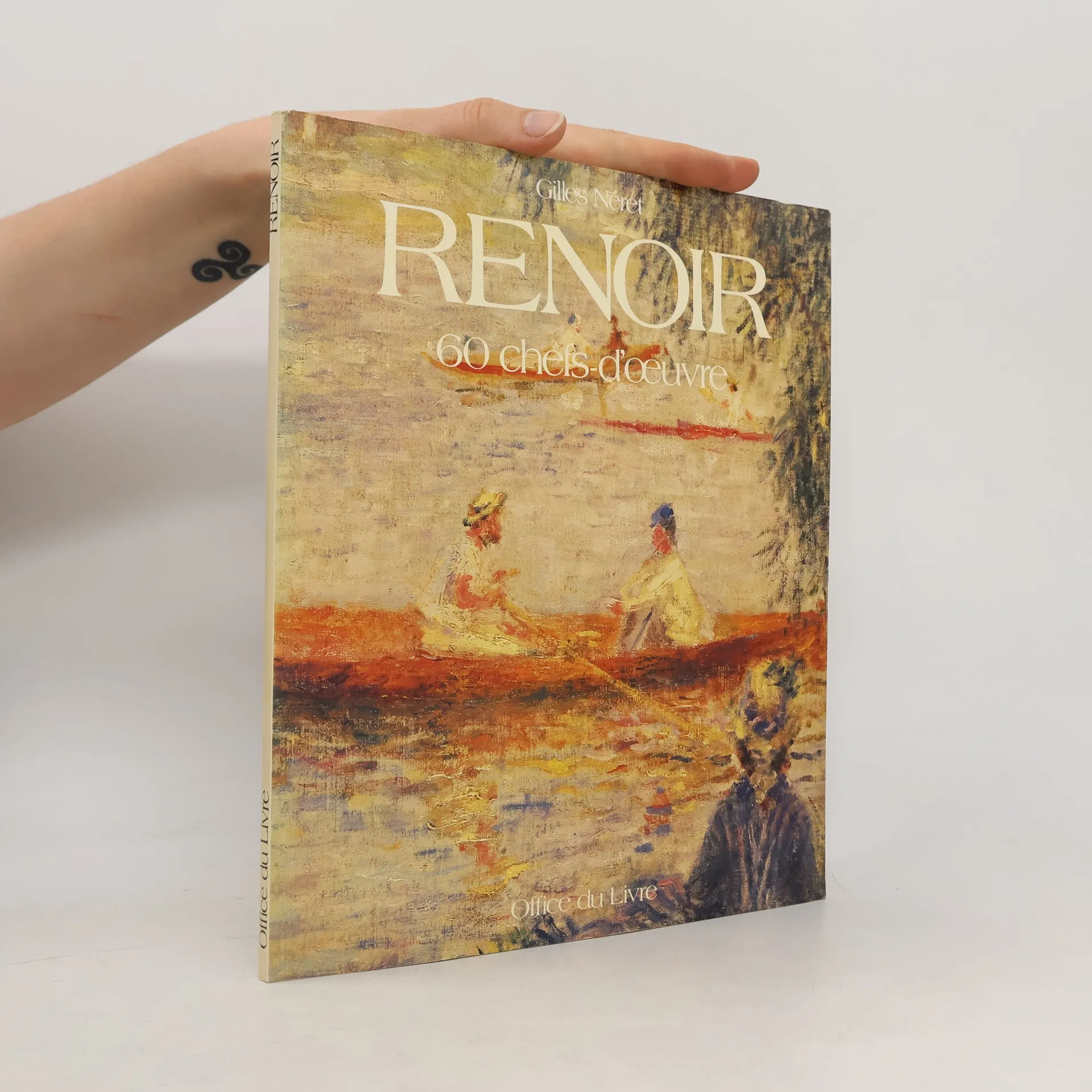
    • Auguste Renoir. The Painter of Happiness

      • 440 pages
      • 16 hours of reading

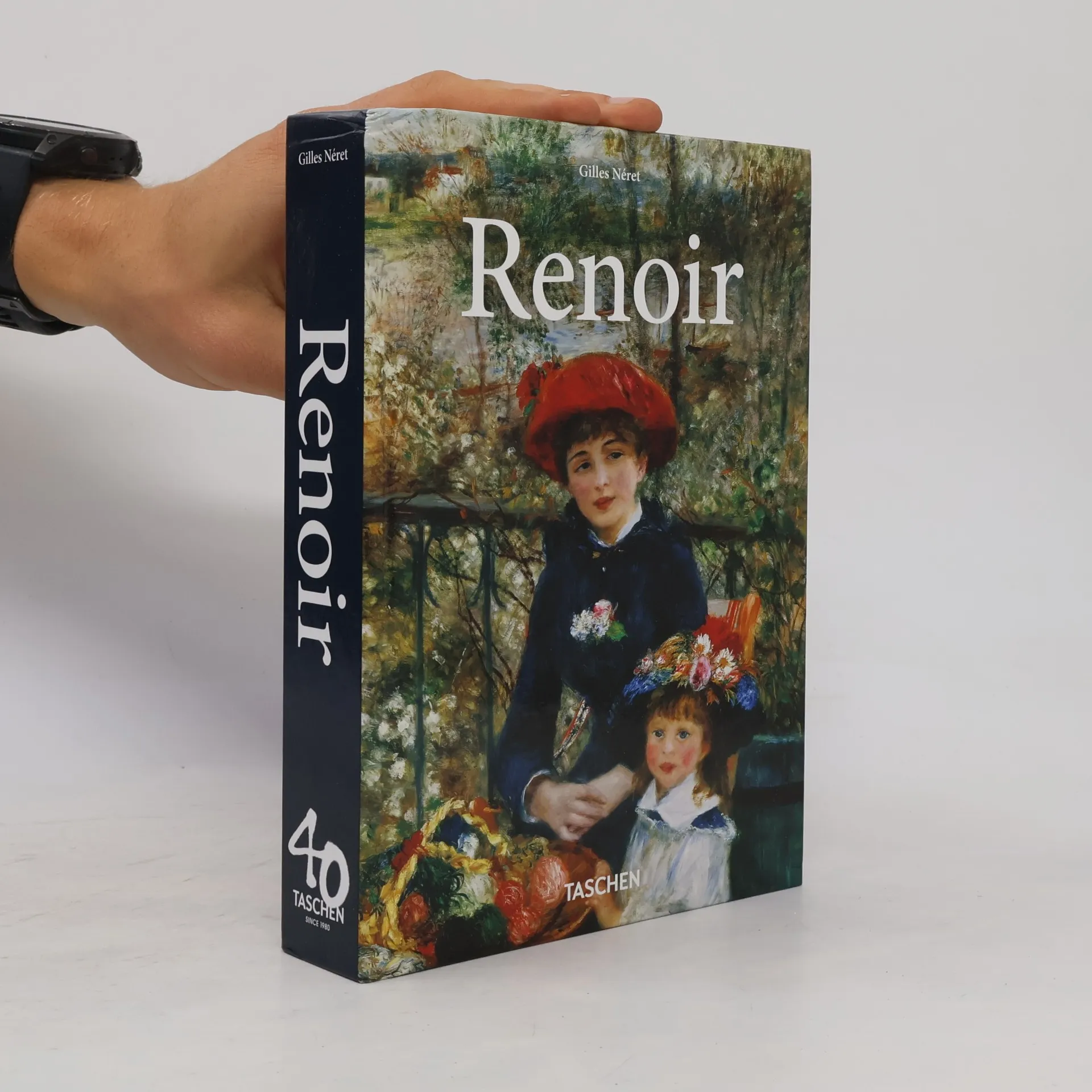
      Renoir's timelessly charming paintings are the embodiment of happiness, love, & beauty; it is no doubt because of this that he is the most popular of the impressionists. TASCHEN's Renoir, the most complete retrospective book of this painter's work, examines in detail the history & motivation behind the legend. Renoir was incredibly prolific, painting over 5000 works during his lifetime, though many of these were studies. For this monograph, we have chosen 600 of his masterpleces that best demonstrate his immense talent & historical importance. Gilles Neret's detailed, insightful text traces the evolution of Renoir (1841-1919) from young porcelain decorator to one of the most famous painters of his generation, including his abandonment of landscapes in favor of portraiture & his final attraction, after years of success, to painting what he loved most, the Washers descending from the Olympia & his model & servant, Gabrielle, painted as a goddess. With a complete chronology, bibliography, & index of works, as well as photos & sketches illustrating Renoir's life & work, TASCHEN's Renoir is the essential reference book for this painter of happiness & poet of love. Oh, & did we mention the gorgeous, large-format color reproductions?

      Auguste Renoir. The Painter of Happiness
      4.4
    • Matisse 1869-1954: Cut-outs

      • 96 pages
      • 4 hours of reading

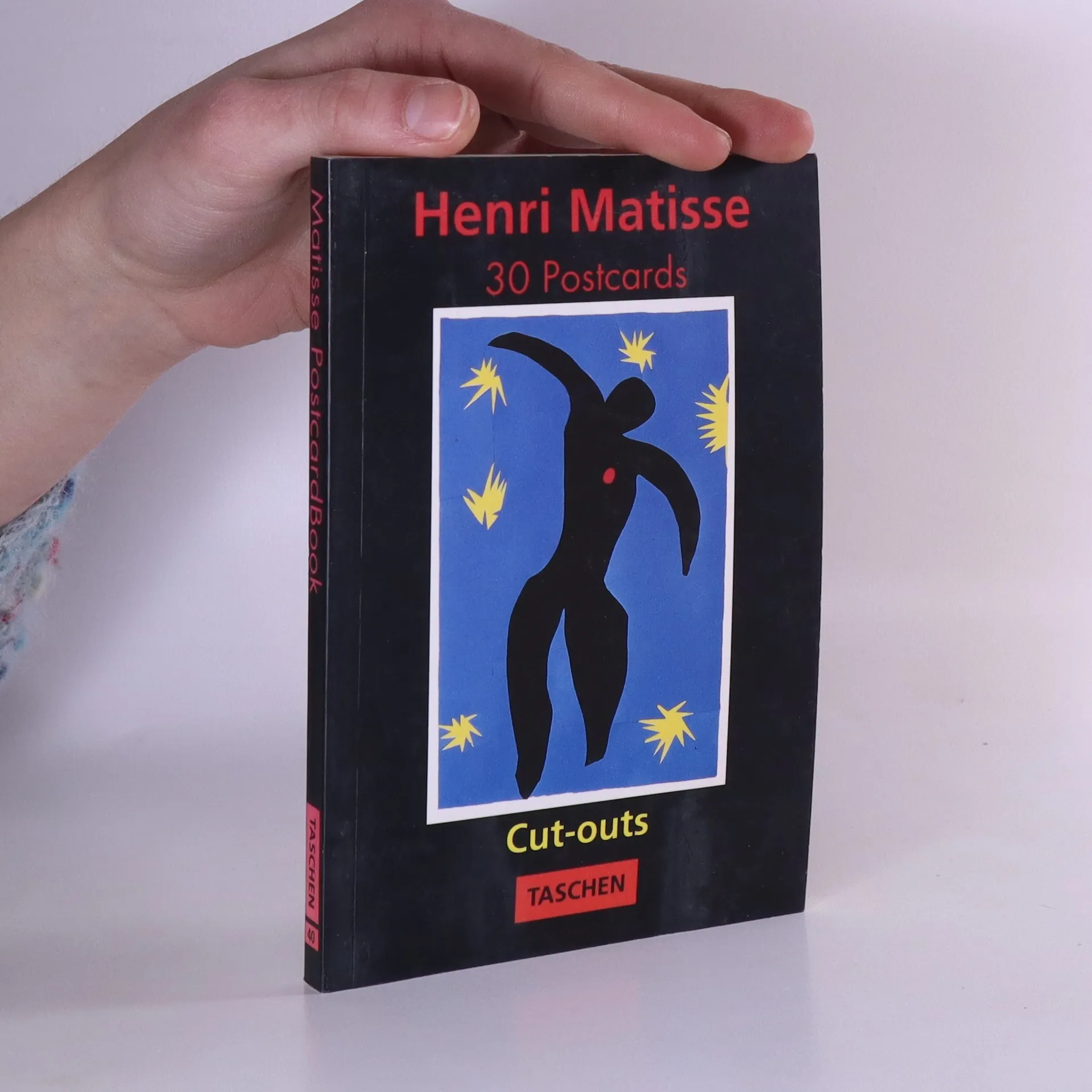
      "Painting with scissors" is how Henri Matisse referred to his cut-outs. Produced towards the end of his life, when the artist was confined to a wheelchair, these brilliant bursts of color and form delight to this day as joyous celebrations of life, nature, and boundless creativity.

      Matisse 1869-1954: Cut-outs
      4.4
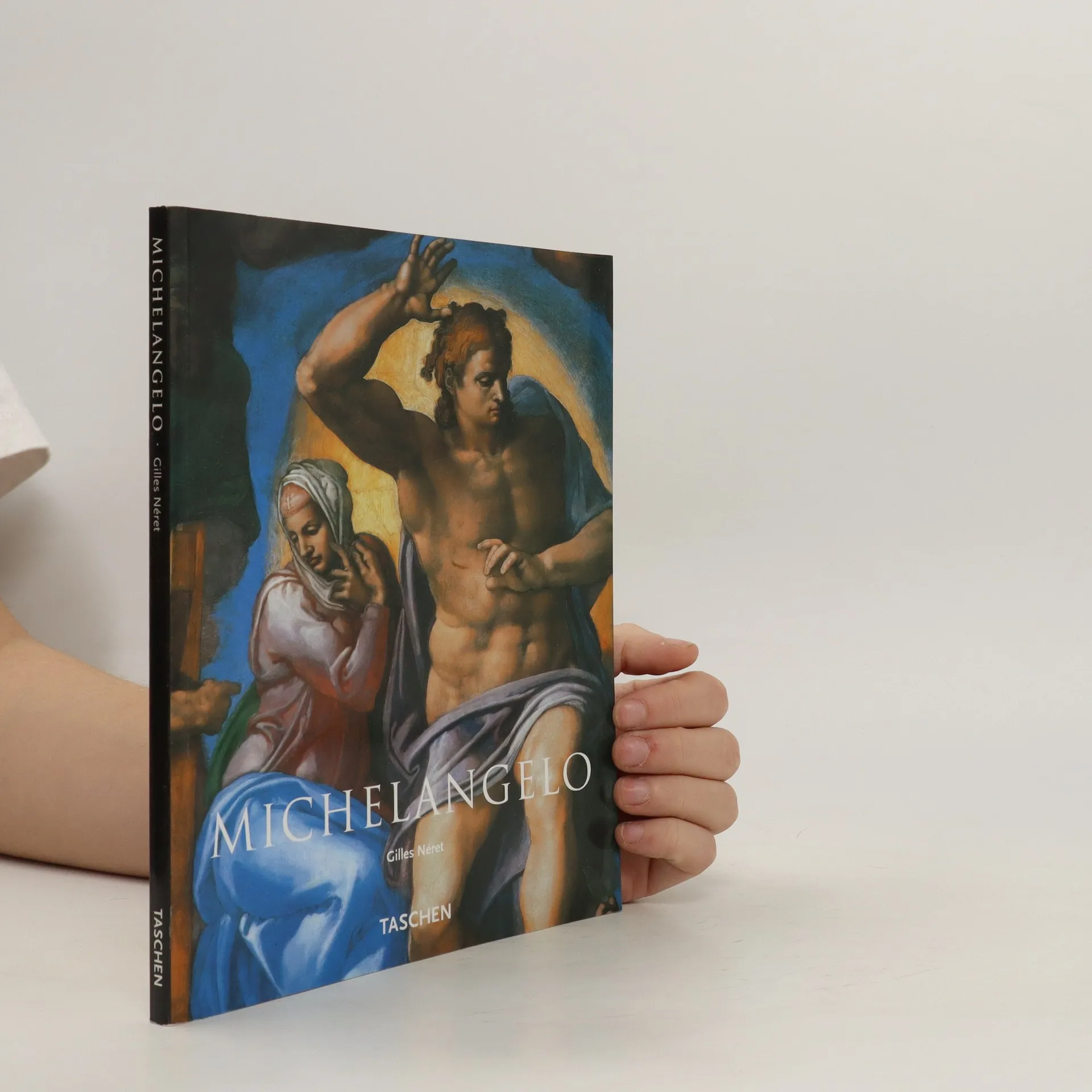
    • Michelangelo

      • 96 pages
      • 4 hours of reading

      During the Renaissance, the great artists, from Leonardo da Vinci and Botticelli to Michelangelo and Rapheal, transformed the history of art, achieving an even closer imitation of nature whilst altering it to their taste.From the art, ambiguous beings were born, half man, half woman; female breasts were planted on male busts and a young man's gaze peeped out beneath the eyelids of a Madonna. From his earliest youth, Michelangelo never ceased to suffer, and thereby to create. He attempted to reconcile the apparently conflicting forces that inhibited him: earthly passions and fear of God. Hence the edifice devoted to beauty, celestial and infernal alike, that Michelangelo raised to the glory of God. It has no equivalent nor descendants. His predecessors aspired to Heaven through faith alone; Miichelangelo sought to rise through the contemplative exaltation of beauty.

      Michelangelo
      4.4
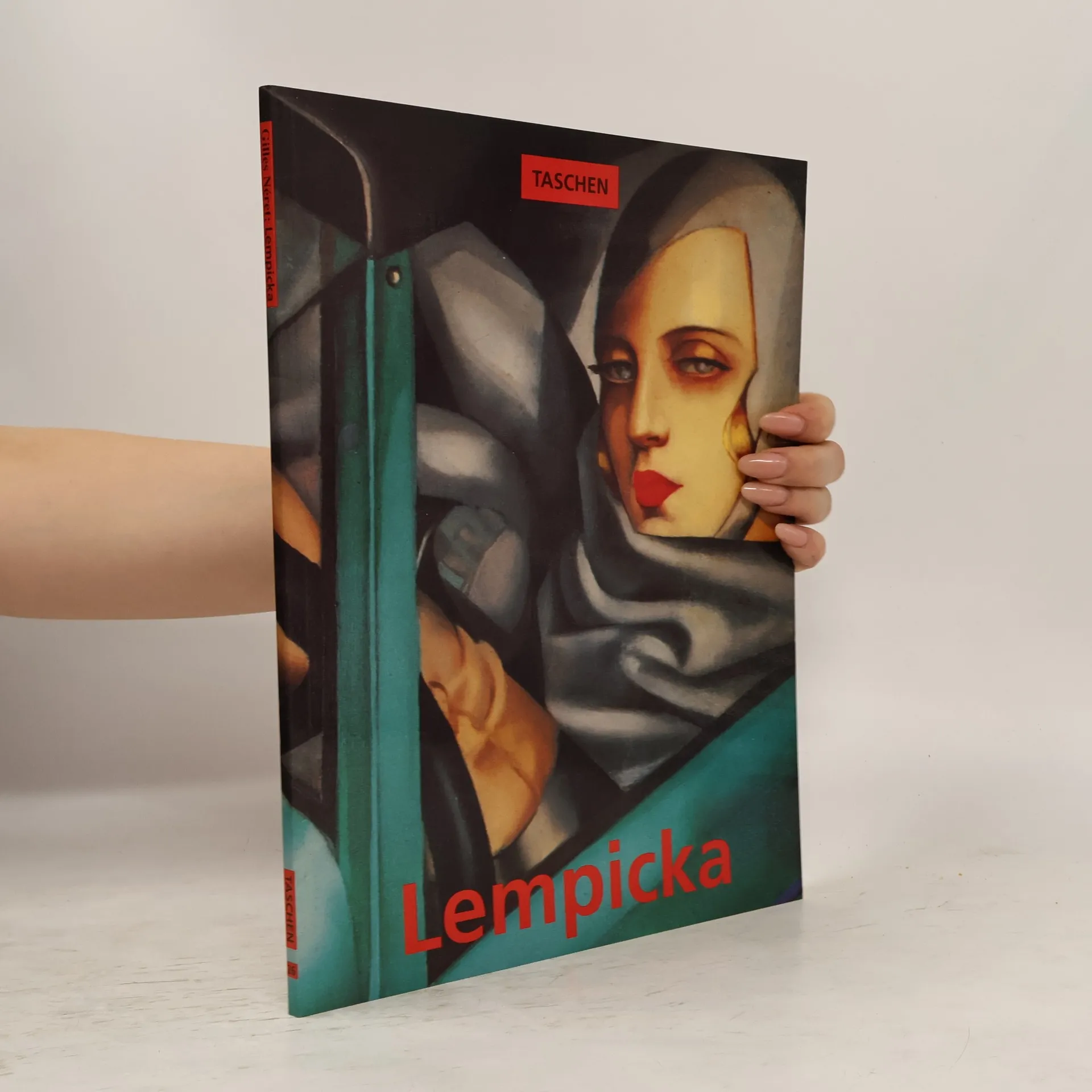
    • Es ist kein Zufall, dass unter den Sammlern ihrer Bilder viele Glamour- und Showbiz-Persönlichkeiten wie Madonna und Jack Nicholson sind. Tamara de Lempicka (1898–1980) war eine schillernde Star-Künstlerin, die den mythischen Geist der Wilden Zwanziger verkörperte. Mit einem großen Hunger nach Ruhm und einem Leben jenseits der Konventionen floh sie 1918 vor der Revolution von St. Petersburg nach Paris und eroberte die Stadt im Sturm. Ihre großformatigen Aktbilder und Lifestyle-Porträts der Reichen und Berühmten machten sie zur umschwärmten Ikone der Pariser Hautevolee und ermöglichten ihr ein exzessives, skandalumwittertes Leben. In einem unverwechselbaren Stil, der Kubismus mit der Neuen Sachlichkeit verband, porträtierte sie solvente Auftraggeber und Künstlerinnen wie die Sängerin Suzy Solidor, die einen neuen, selbstbewussten Frauentypus verkörperten. De Lempickas berühmtes Selbstporträt am Steuer eines grünen Bugatti wurde zum Sinnbild für Geschwindigkeit, Eleganz und weibliche Unabhängigkeit, die sie in zahlreichen Beziehungen zu Männern und Frauen auslebte. Mondän und extravagant, macht dieser Band mit ihrem Werk vertraut, das zum Inbegriff der Art-déco-Malerei wurde, und beleuchtet eine der ungewöhnlichsten Künstlerbiografien des 20. Jahrhunderts.

      Tamara de Lempicka 1898-1980 . Goddess of the automobile age
      4.3
    • Almost half Dalí's illustrations in this book have rarely been seen This publication presents the entire painted oeuvre of Salvador Dalí (1904-1989). After many years of research, Robert Descharnes and Gilles Néret finally located all the paintings of this highly prolific artist. Many of the works had been inaccessible for years - in fact so many that almost half the illustrations in this book have rarely been seen.

      Salvador Dali : the paintings, part 1, 1904-1946.
      4.3
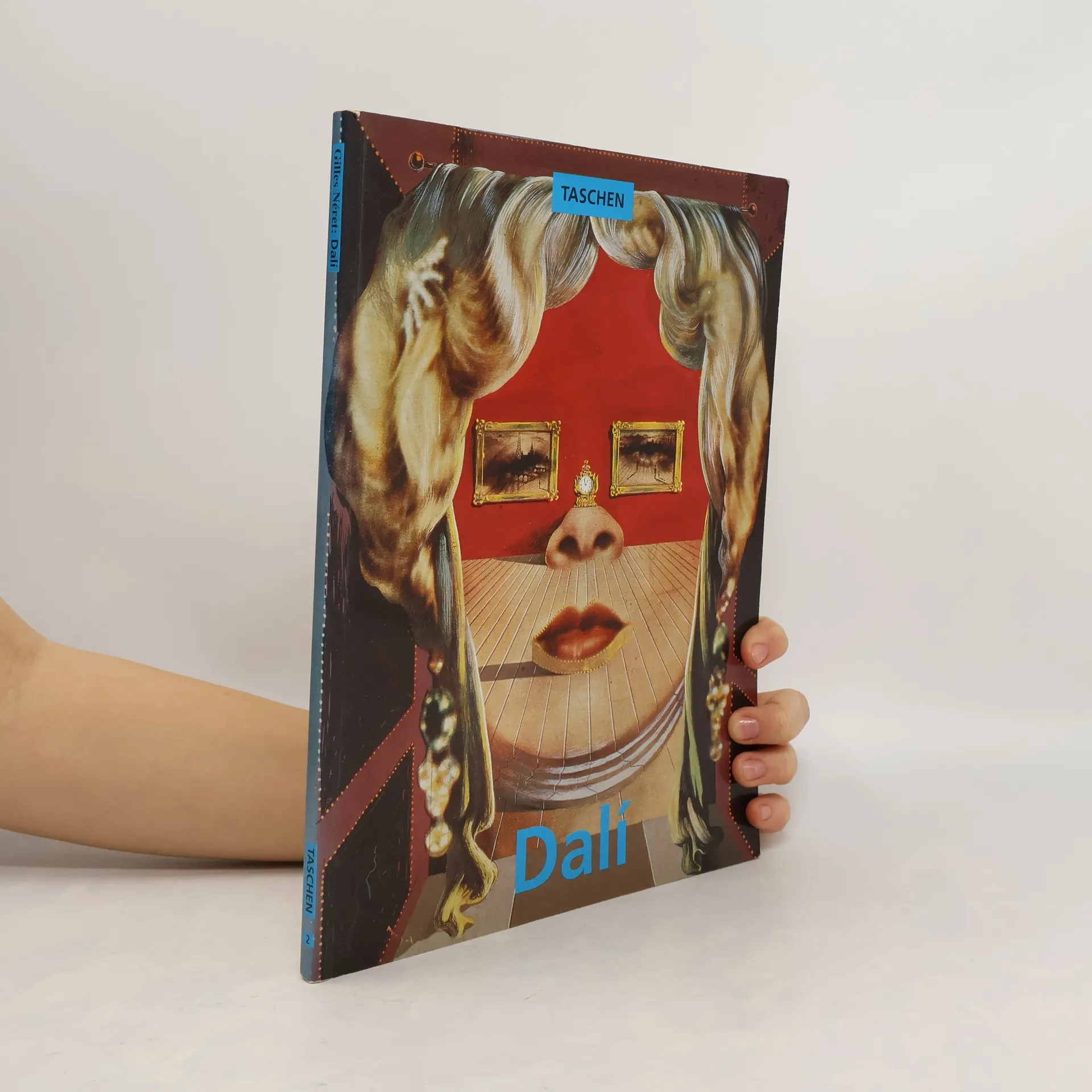
    • Dali

      • 127 pages
      • 5 hours of reading

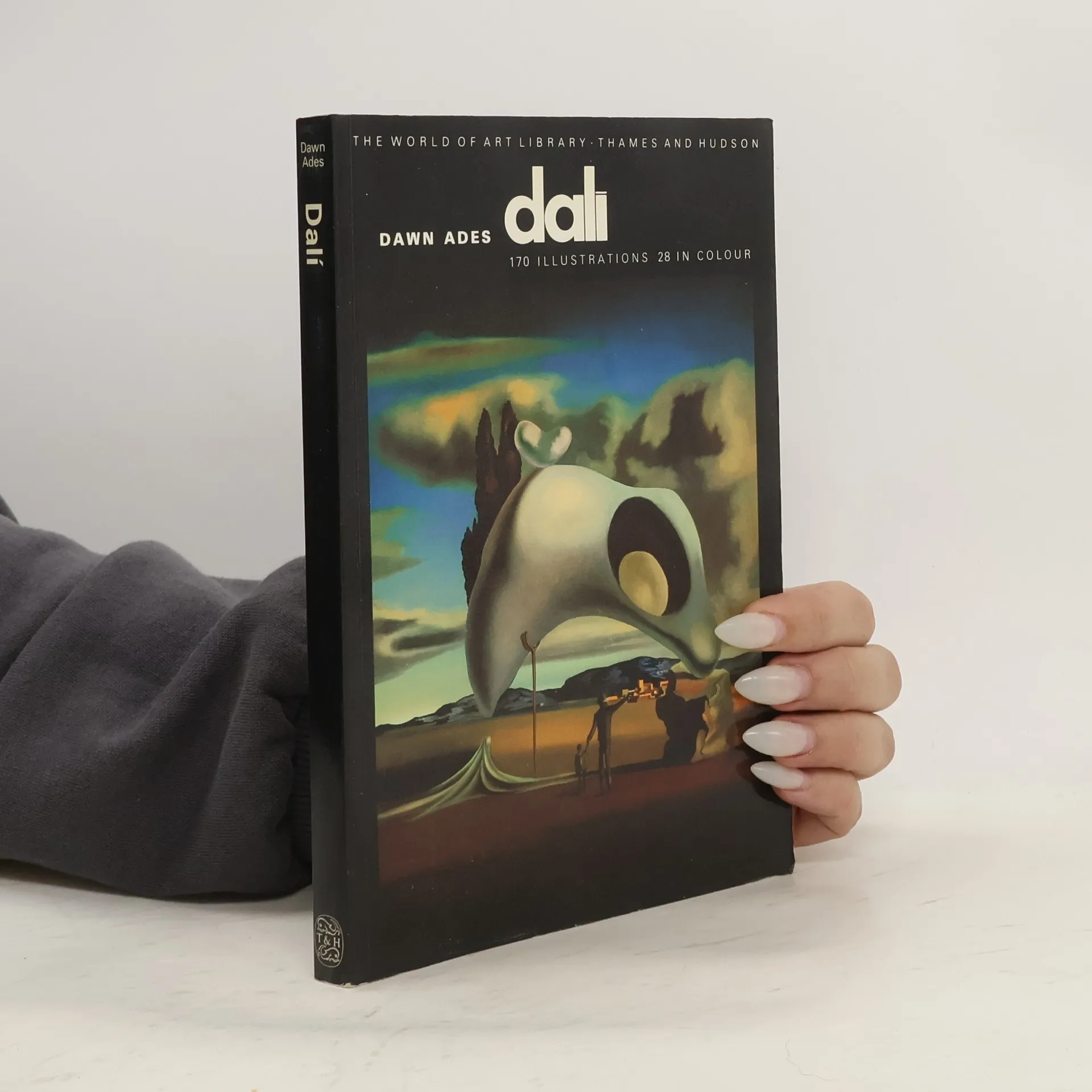
      The author, Robert Descharnes, a long time friend of Dali, is the most authoritative writer on the artist. He relates the events of Dali's personal life and of the amazing couple, Dali/Gala; he analyzes his major paintings and the sketches leading to them; he discusses Dali's writings, his work for the theatre, movies, ballets, and book illustrating. A wonderful guide, Descharnes comments in detail about the volume's forty remarkable full-page colour plates.

      Dali
      4.3
    • Henri Matisse

      • 256 pages
      • 9 hours of reading

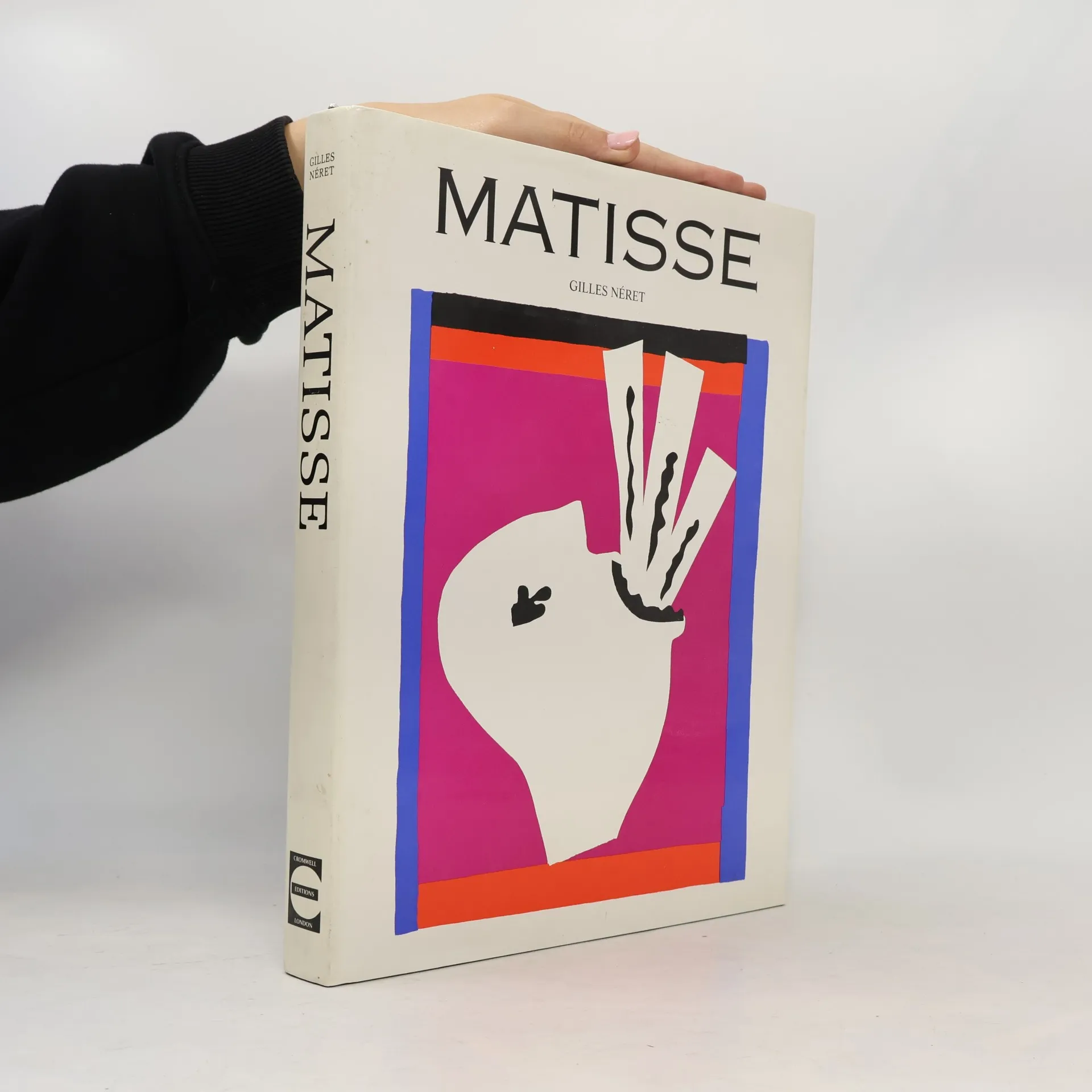
      Traces Henri Matisse's search for balance, purity and serenity, from the chromatic brilliance of his Fauve period, through his travels, the Orient, geometric synthesis, and the odalisques to the triumph when, at the age of eighty, he invented his gouache cut-outs. He is acknowledged as an artist whose canvases are difficult to reproduce in print.

      Henri Matisse
      4.3
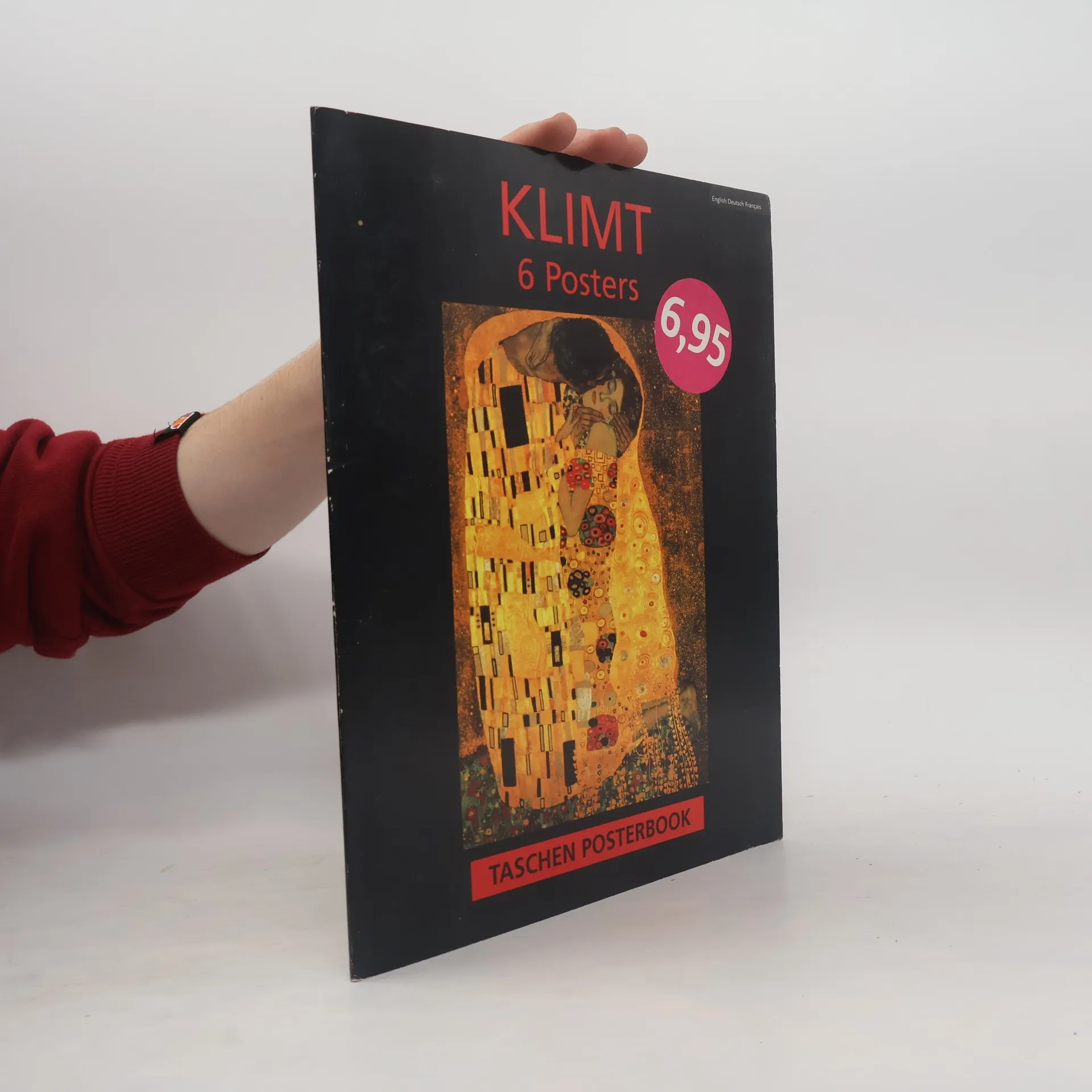
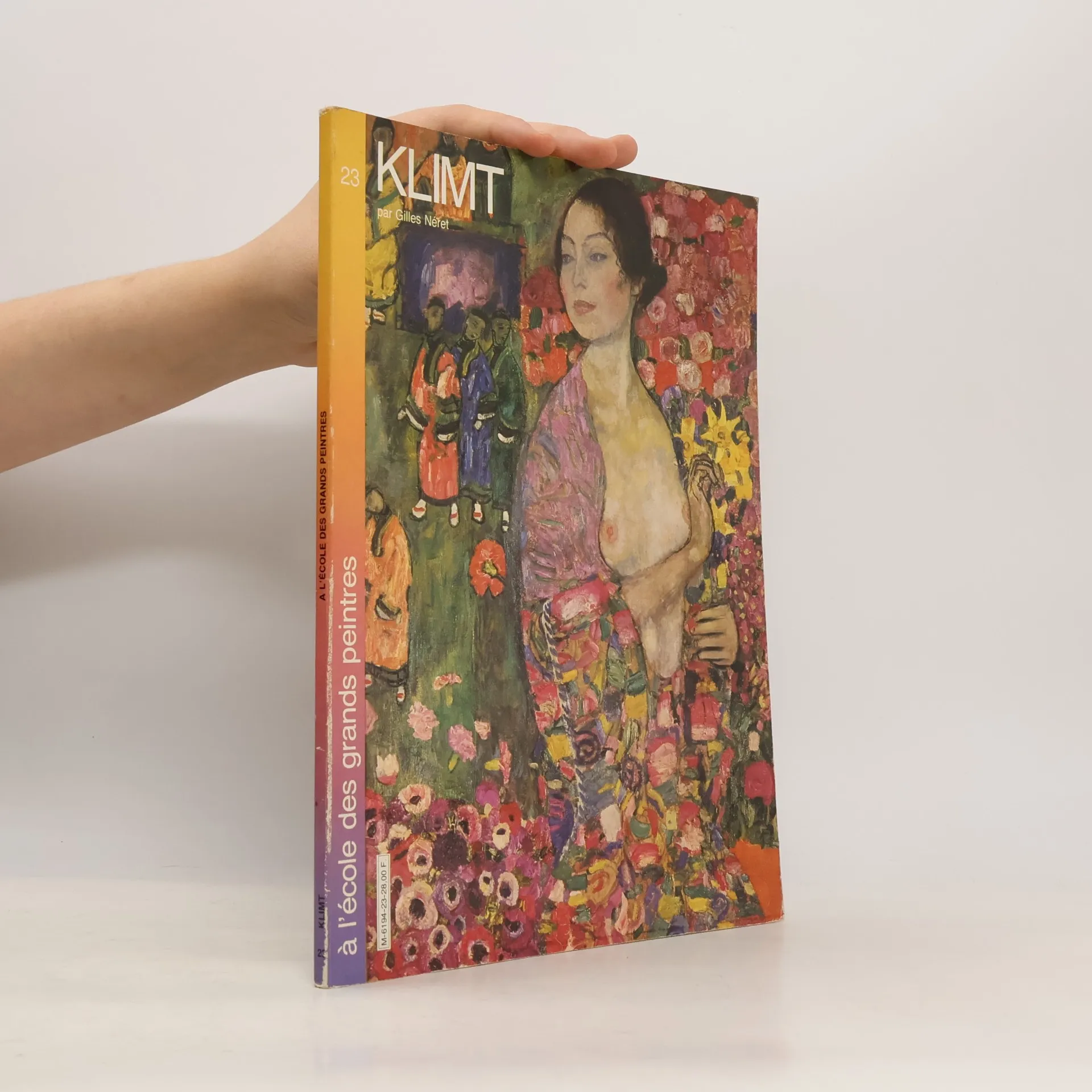
    • Gustav Klimt

      • 96 pages
      • 4 hours of reading

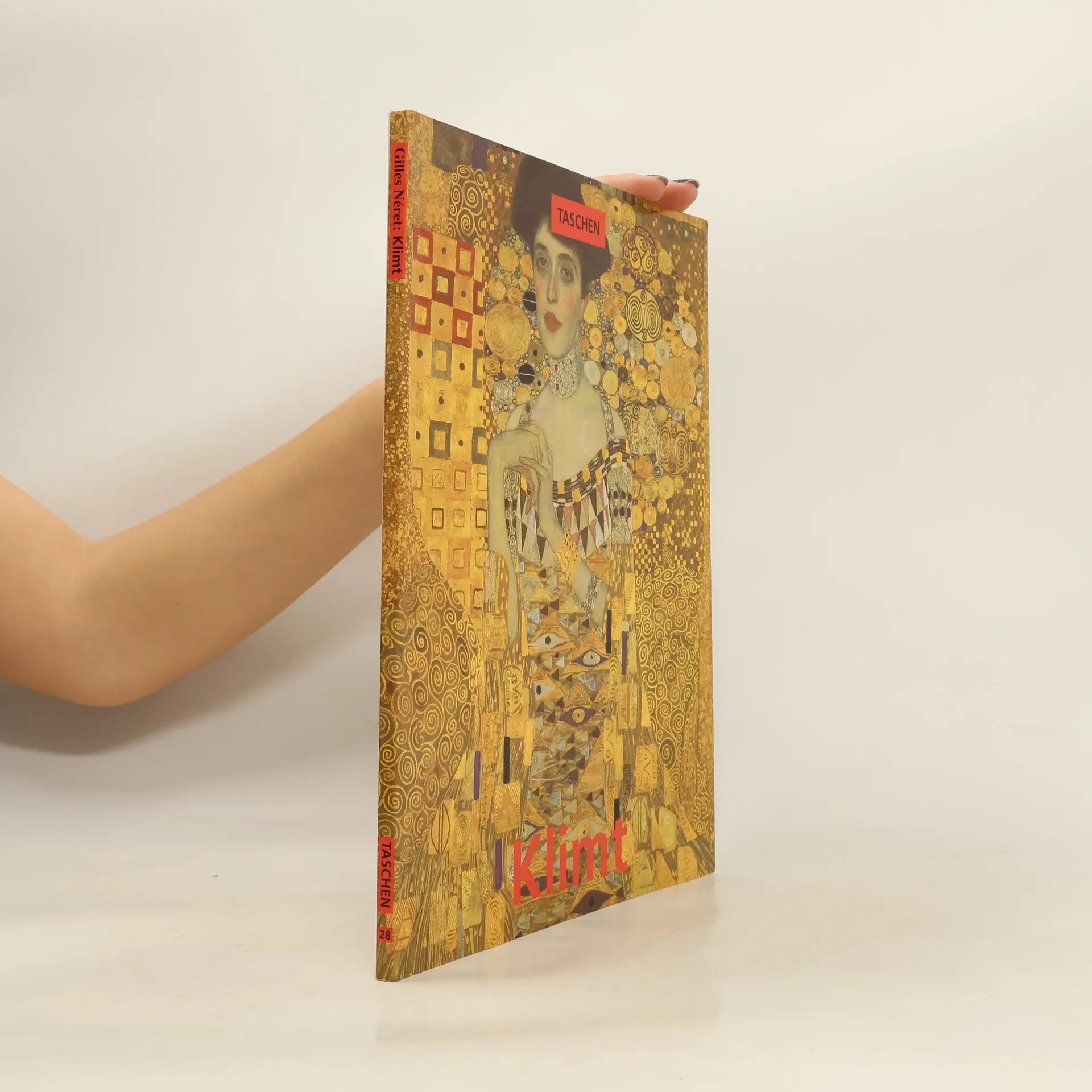
      Cult of pleasure: Feminine sensuality by the Vienna Secession's greatest proponentGustav Klimt's ornate, sensual, and decadent style made him not only the most prominent of the Vienna Secessionists but one of the best loved artists of all time. In his own time, Kilmt (1862-1918) was a highly successful painter, draftsman, muralist, and graphic artist; in the intervening years, iconic works such as The Kiss have been elevated to nothing less than cult status. Klimt's unfading popularity attests to the appeal of not only his aesthetic sensibilities but also that of the recurrent universal themes in his work: love, feminine beauty, aging, and death. He once wrote, "I am a painter who paints day after day from morning to night...Who ever wants to know something about me...ought to look carefully at my pictures." With this overview of Klimt's work, readers will delight in taking up that challenge.About the Series: Each book in TASCHEN's Basic Art series features:a detailed chronological summary of the life and oeuvre of the artist, covering his or her cultural and historical importance a concise biography approximately 100 illustrations with explanatory captions

      Gustav Klimt
      4.2
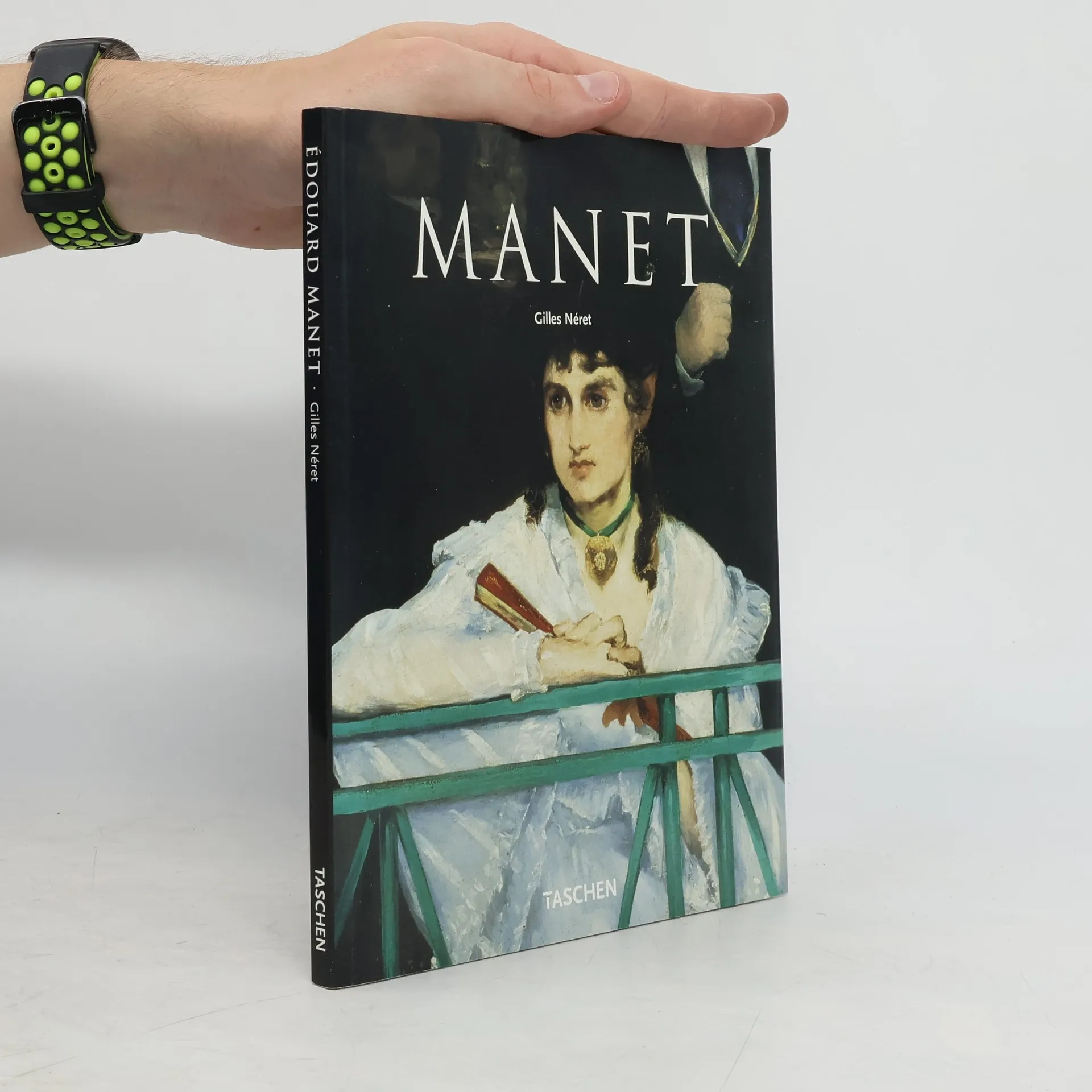
    • Der französische Maler Édouard Manet (1832–1883), der zu Lebzeiten sowohl für seinen Stil als auch für seine Motive Hohn und Spott ertragen musste, gilt heute als entscheidender Erneuerer der Malerei und Wegbereiter des Impressionismus. Manet löste sich von der akademischen Maltradition seiner Zeit, auch wenn er immer wieder Bezug auf alte Meister wie Goya, Velázquez, Rubens oder Frans Hals nahm, und führte neue Motive und unkonventionelle Darstellungsweisen in die Malerei ein. Er zeigte Alltagsszenen aus Pariser Bars und Cabarets und wagte es, Nacktheit ohne jede mythische oder allegorische Verbrämung darzustellen. Der Pariser Salon empörte sich über seine Mahlzeit im Grünen mit einer nackten Frau neben bekleideten Männern, während der direkte Blick und die unverfrorene Pose der mutmaßlichen Kokotte Olympia , einer sehr modernen Neuinterpretation von Tizians Venus von Urbino , einen wunderbaren Skandal auslöste. Der reich bebilderte Band zeigt, wie Manet über die Auseinandersetzung mit den traditionellen Malkonventionen zu einer Darstellungsweise findet, in der ahnungsvoll schon die Moderne aufscheint.

      Édouard Manet, 1832-1883 : the first of the moderns
      4.2
    • Henri Matisse: Cut-outs

      • 96 pages
      • 4 hours of reading

      A perfect synthesis of colour and line Matisse at eighty, master of painting and sculpture, used colour as a sculptor uses stone. His unique venture took the art world by storm. The improvisations in colour and rhythm, created with gouached paper and scissors, marked the culmination of his artistic ambition - a perfect synthesis of colour and line. About the Series: Each book in TASCHEN's Basic Art series features: a detailed chronological summary of the life and oeuvre of the artist, covering his or her cultural and historical importance a concise biography approximately 100 illustrations with explanatory captions

      Henri Matisse: Cut-outs
      4.1
    • Often misunderstood, Pierre-Auguste Renoir remains one of history's most-loved painters--undoubtedly because his work exudes such warmth, tenderness, and good cheer. Gathering brilliant reproductions and sketches, as well as photos and a complete chronology illustrating his life and work, this is the essential work of reference on Renoir.

      Renoir. 40th Ed.
      4.0
    • Manet

      • 96 pages
      • 4 hours of reading

      The inventor of modernity Violently criticized during his lifetime for his supposedly provocative paintings, French painter Edouard Manet (1832-1883) is now considered a master of inestimable importance in the history of painting. His 1863 painting "Déjeuner sur l’herbe" depicting two clothed men picnicing with a nude woman—now considered one of the most memorable images of the 19th century—stirred up controversy for what many considered its vulgar audacity. It was famously rejected by the Paris Salon and exhibited in the Salon des Refusés. Manet’s bold style helped pave the way from Realism to Impressionism, and in doing so ushered in the age of modern art. About the Each book in TASCHEN’s Basic Art series

      Manet
      4.2
    • As the Goddess of the Automobile Age, Tamara de Lempicka (1898-1980) stood at the centre of the sophisticated Paris art world of the Twenties and Thirties. Her love for beautiful women, elegant automobiles and the modern metropolis provided not only motifs for her pictures, but also influenced her artistic style. Simultaneously with her career as artist, Tamara de Lempicka pioneered a new image of life on the screen, evident in the new, self-confident woman and the changing aspects of femininity and masculinity. The same sense of style was reflected in a futuristic cult of speed, domestic design forms promulgated by the Bauhaus, and the dandyism of a George Brummell. Tamara de Lempicka's best-known painting, Self-Portrait, or Tamara in a Green Bugatti, presents the artist as a female dandy brimming with cool elegance. Whether as an Art-Deco artist, a post-Cubist or a Neoclasissist, de Lempicka struck the taste of a cosmopolitan (and wealthy) public that found its own image reflected in her work.

      Tamara De Lempicka
      4.0
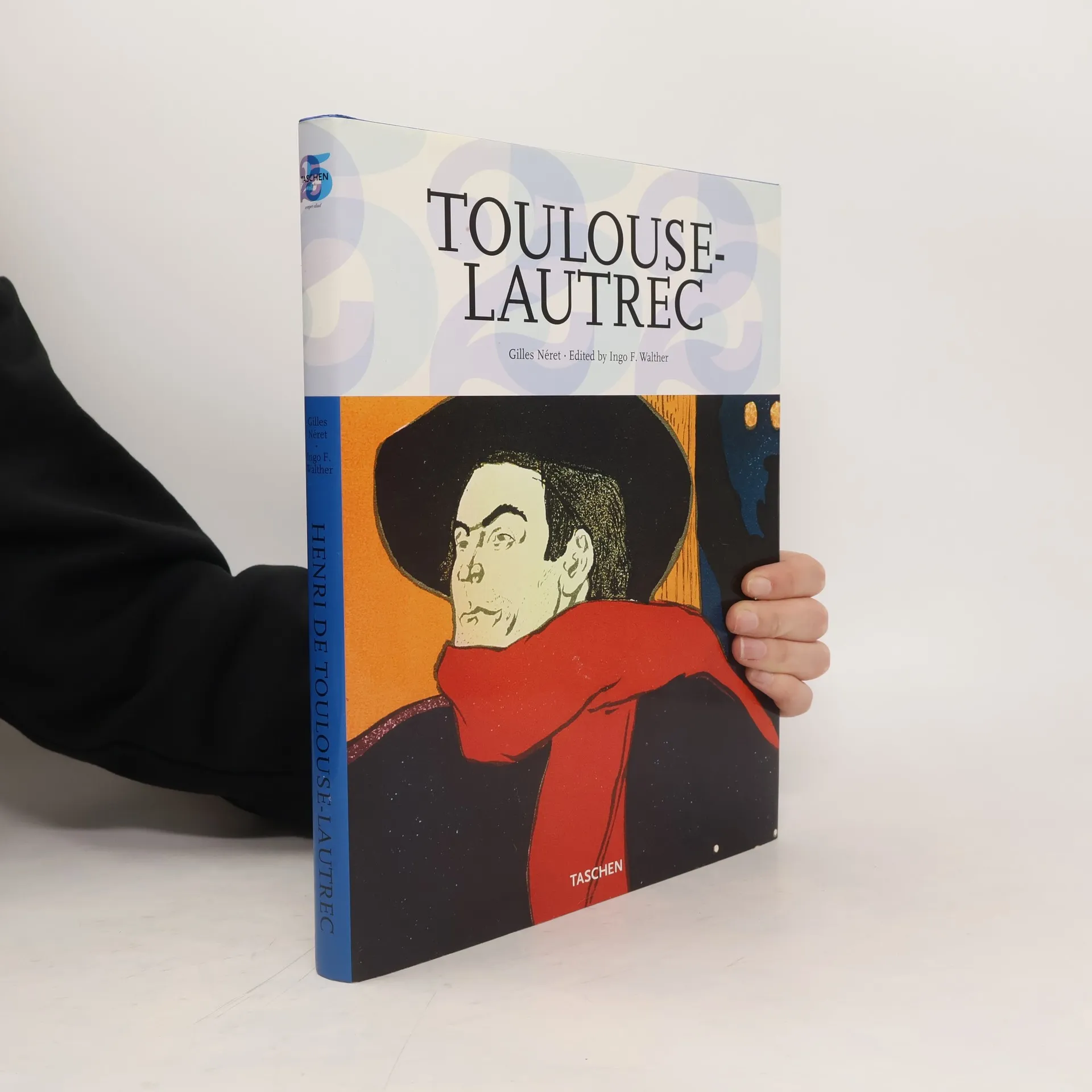
    • Henri de Toulouse-Lautrec: 1864-1901

      • 200 pages
      • 7 hours of reading

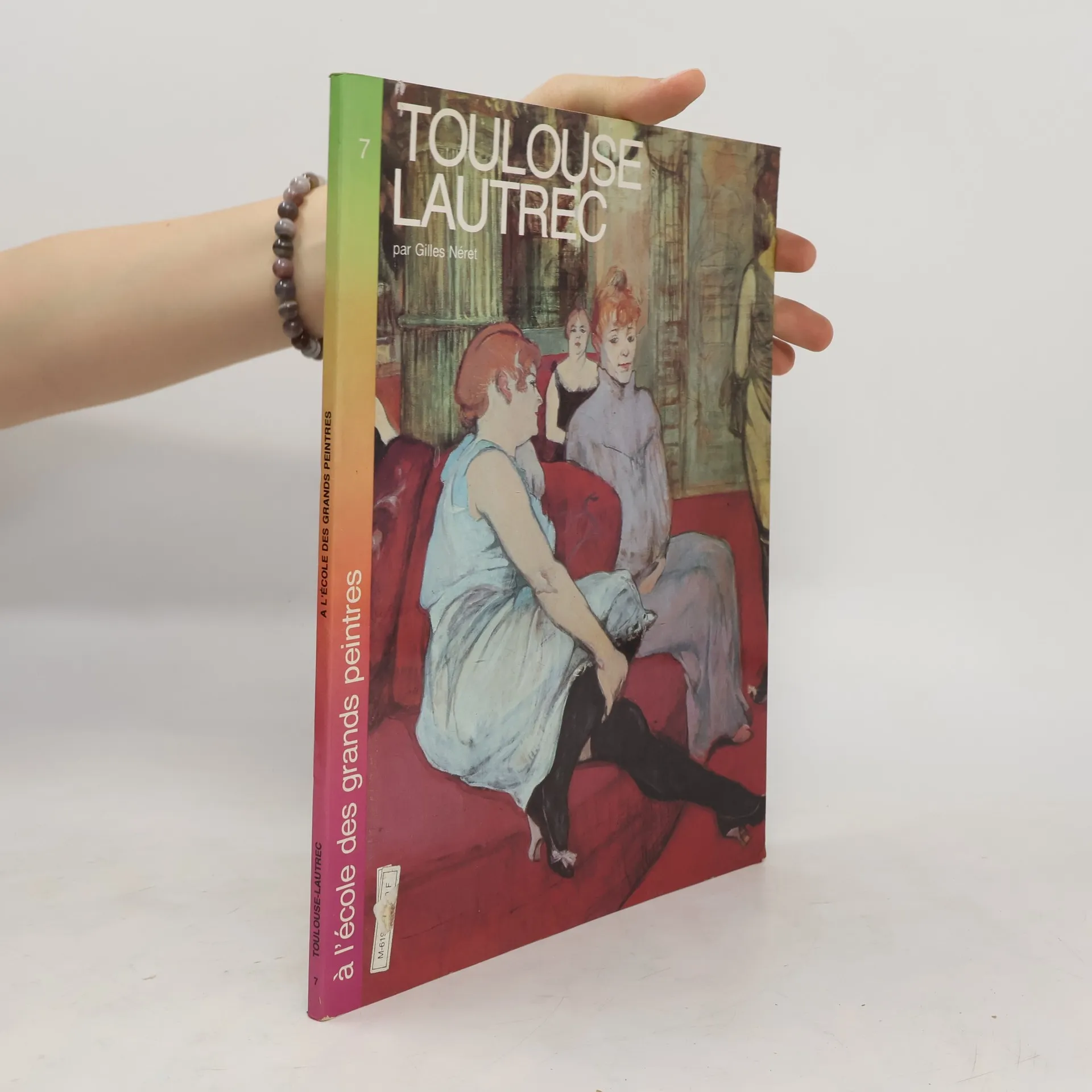
      Henri de Toulouse-Lautrec (1864-1901), scion of an ancient aristocratic family, was a crippled dwarf. His familys wealth gave him financial security, and he chose to become an artist. In Paris he was drawn to the world of the In the cafes, cabarets, dance halls and brothels he observed the theatre of life, viewing this world not from the moralizing standpoint of the 19th-century bourgeoisie, but with the eyes of one for whom all inhibitions had long since vanished. Lautrec had the gift of painting life as it is. No one else has captured the entertainment world of the belle poque in so unadulterated, so masterful and so timelessly true a manner as did Lautrec in his paintings, lithographs and posters. This monograph sets out to examine the close relations between Lautrec work and life. It thereby offers the reader a lively impression of Lautrec art, and at the same time provides an understanding of his private life and of the magnificent Paris of the belle poque.

      Henri de Toulouse-Lautrec: 1864-1901
      3.9
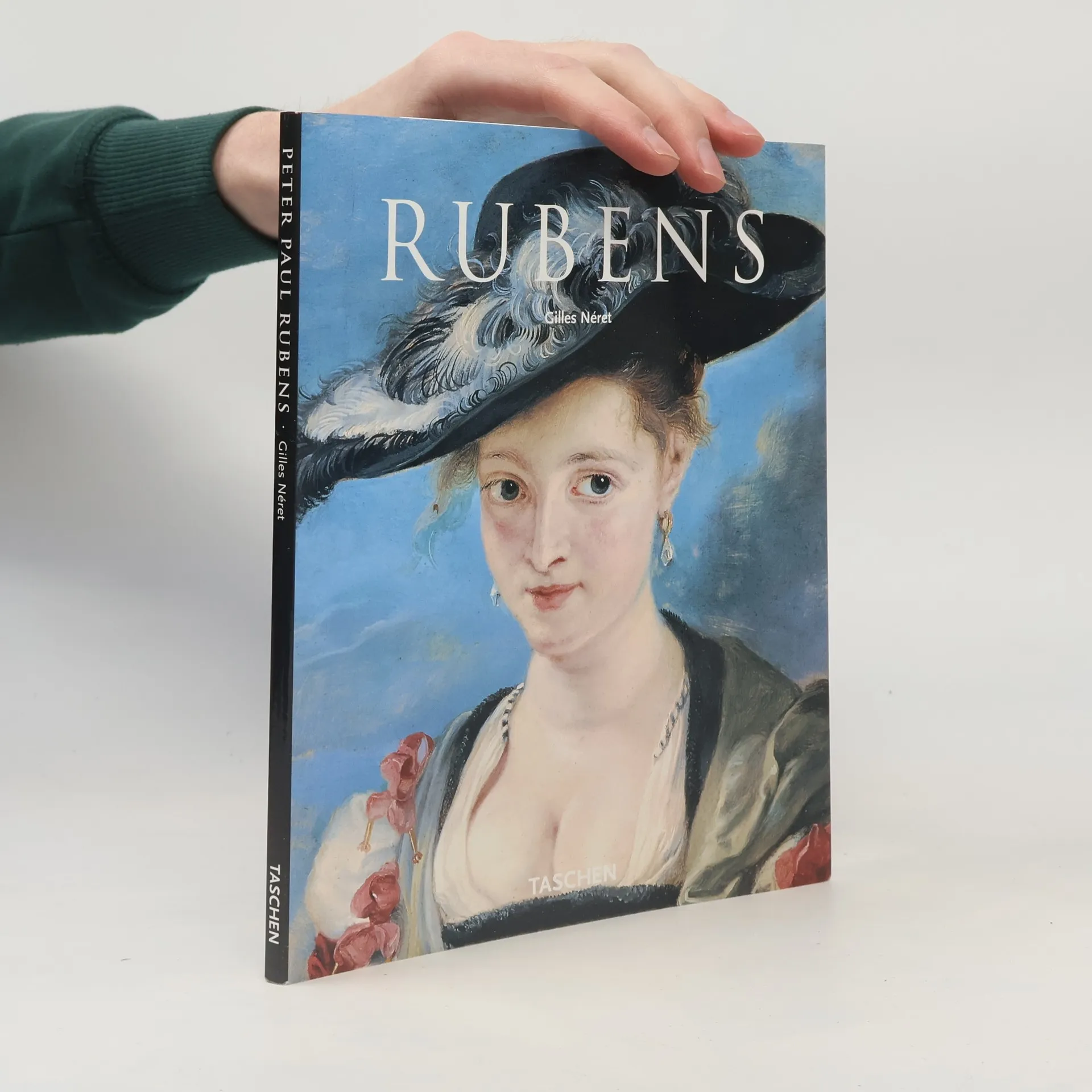
    • Rubens

      • 96 pages
      • 4 hours of reading

      Extravagance and sensuality Renowned among his contemporaries as one of the foremost painters of his era, Flemish baroque artist Peter Paul Rubens (1577-1640) practically revolutionized northern European art. A shrewd businessman, international ambassador, passionate scholar, devout Catholic, and loving family man, Rubens—fluent in six languages, no less—cared about nothing more than painting, and thus devoted his life to it. Combining typical Flemish realism with classical themes influenced by the Renaissance, Rubens caught the attention of all of Europe and helped put his native Antwerp on the map. His very profitable workshop of accomplished artists, one of whom was Van Dyck, completed over 2000 works under his supervision. About the Each book in TASCHEN’s Basic Art series

      Rubens
      4.1
    • Salvador Dalí. 1904-1989

      • 96 pages
      • 4 hours of reading

      Painter, sculptor, writer and film maker, Salvador Dalí was one of the 20th century's greatest exhibitionists and eccentrics - and was rewarded with fierce controversy wherever he went. This lively biography presents the infamous surrealist Dalí is full colour and in his own words.

      Salvador Dalí. 1904-1989
      4.0
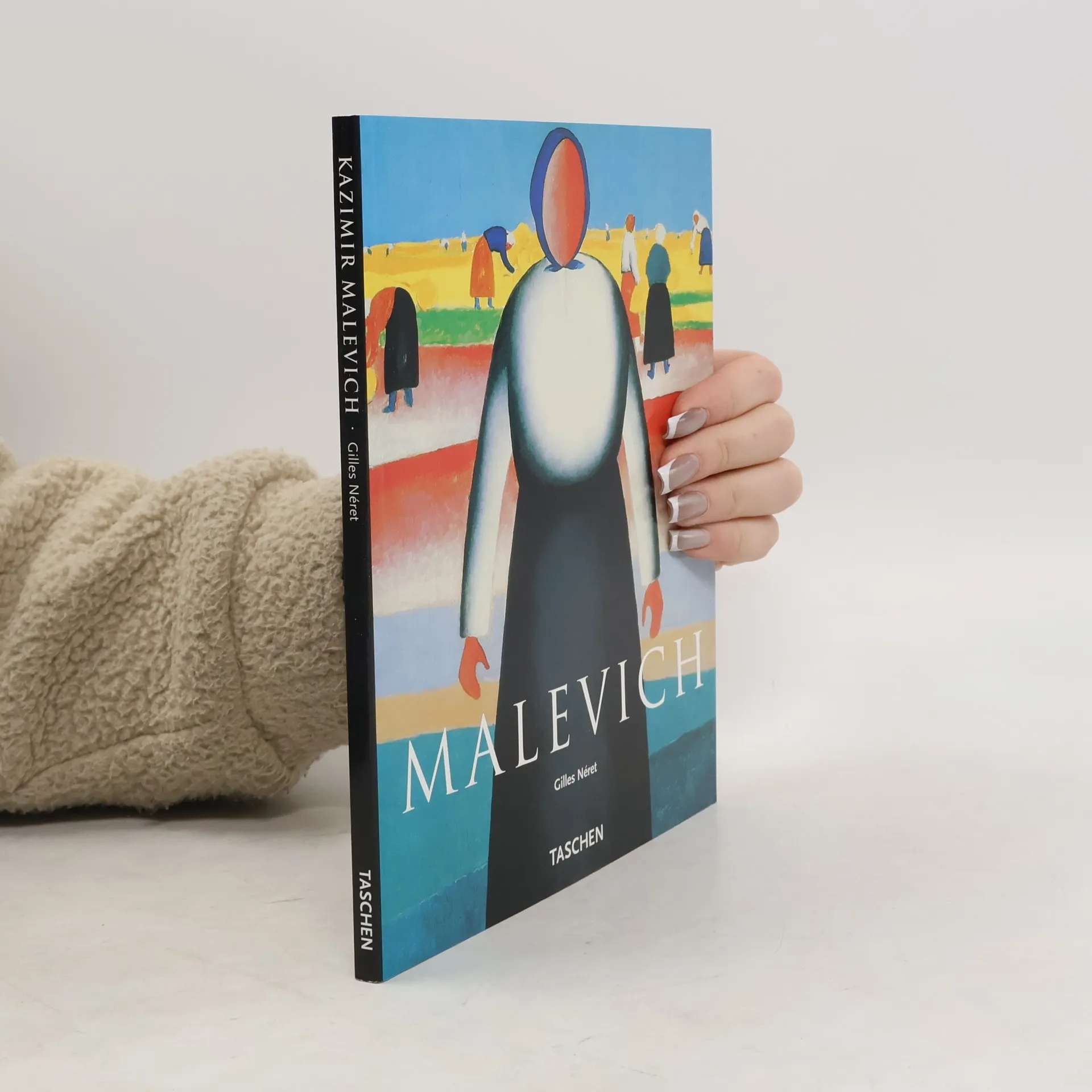
    • Malevich

      • 96 pages
      • 4 hours of reading

      After flirtations with Realism, Impressionism, and Symbolism, Kiev-born Kazimir Malevich (1878–1935) found his métier in dissolving literal, representational figures and landscapes into pure emotionally-charged abstraction. In 1915, he created what is widely lauded as the first and ultimate abstract Black Square, a black rectangle on a white background, hailed as the “zero point of painting,” a seminal moment for modern and abstract practice. In this book, we follow Malevich’s key innovations and ideas and place his groundbreaking achievements within the context of both the Russian and global avant-garde. Through rich illustrations of his work, we explore the artist’s theory of Suprematism, based on severe geometric abstraction and “the supremacy of pure feeling in creative art”; his leading role in the development of Constructivism; as well as his interests in philosophy, literature, Russian folk art, and the fourth dimension.

      Malevich
      4.0
    • Gustav Klimt, 1862-1918

      • 96 pages
      • 4 hours of reading

      Cult of pleasure: Feminine sensuality by the Vienna Secession's greatest proponent Gustav Klimt's ornate, sensual, and decadent style made him not only the most prominent of the Vienna Secessionists but one of the best loved artists of all time. In his own time, Kilmt (1862-1918) was a highly successful painter, draftsman, muralist, and graphic artist; in the intervening years, iconic works such as The Kiss have been elevated to nothing less than cult status. Klimt's unfading popularity attests to the appeal of not only his aesthetic sensibilities but also that of the recurrent universal themes in his work: love, feminine beauty, aging, and death. He once wrote, "I am a painter who paints day after day from morning to night...Who ever wants to know something about me...ought to look carefully at my pictures." With this overview of Klimt's work, readers will delight in taking up that challenge. About the Series: Each book in TASCHEN's Basic Art series features: a detailed chronological summary of the life and oeuvre of the artist, covering his or her cultural and historical importance a concise biography approximately 100 illustrations with explanatory captions
      Gustav Klimt, 1862-1918
      4.0
    • Erotica : 20th century

      • 192 pages
      • 7 hours of reading

      Recueil de dessins, gravures, peintures ... érotiques qui illustrent l'étendue de la créativité des artistes en la matière ainsi que l'évolution de cet art sur quatre siècles.

      Erotica : 20th century
      4.0
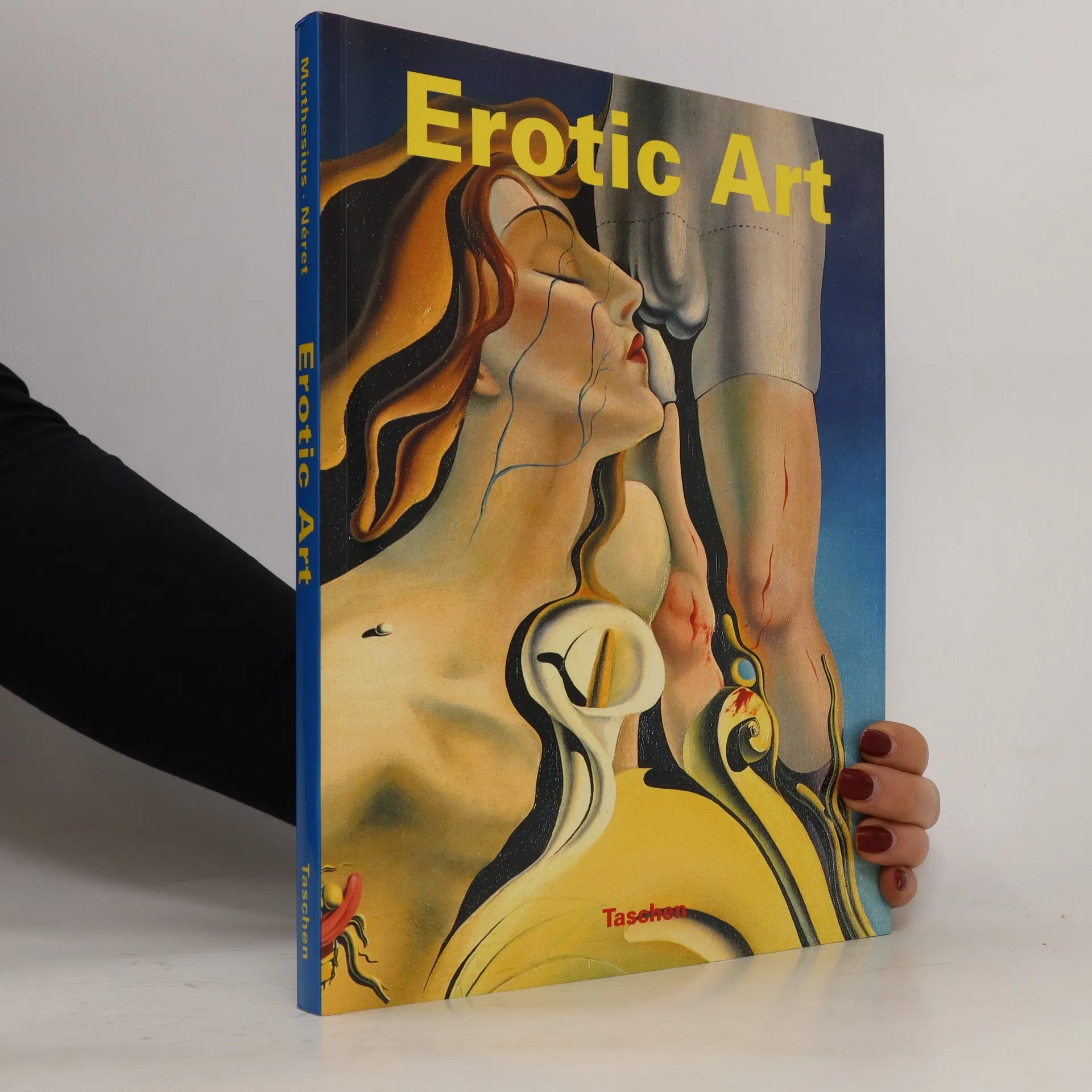
    • Erotic Art

      • 200 pages
      • 7 hours of reading

      A fine art hardcover from Taschen that focuses on the naughty habits!

      Erotic Art
      3.9
    • 1000 dessous : a history of lingerie

      • 767 pages
      • 27 hours of reading

      Since the beginning of civilization, women have worn underwear. Justified as protection, or a hygienic necessity, this ""second skin"" was devised to satisfy perverse erotic instincts. A ""trap laid by Venus"" to entertain and stimulate the fantasies of both the woman who wears them and the man who discovers them. Corsets, bras and panties are not utilitarian items -- they are elements in a mystic ritual linking man and woman. They act as an obsessive focus for fantasy, for the sex they conceal is powerless without the decorations and seductions which separate us from it. Pleasure would perish without censorship. Women have always known how to stimulate the latent fetishism of the men around them. Under her dress, a Greek girl of the classical period would wear a belt around her hips which was of no practical use except to draw attention to her feminity. Likewise, the women of Rome already wore garters round their thighs, though the stocking had not yet been invented. In our own century, vamps, starlets, pin-ups and models have filled our cinema screens, our advertising hoardings, our office calendars and our imaginations with the erotic engineering of the garter belt and the surreptitious rustle of nylon stockings.

      1000 dessous : a history of lingerie
      3.8
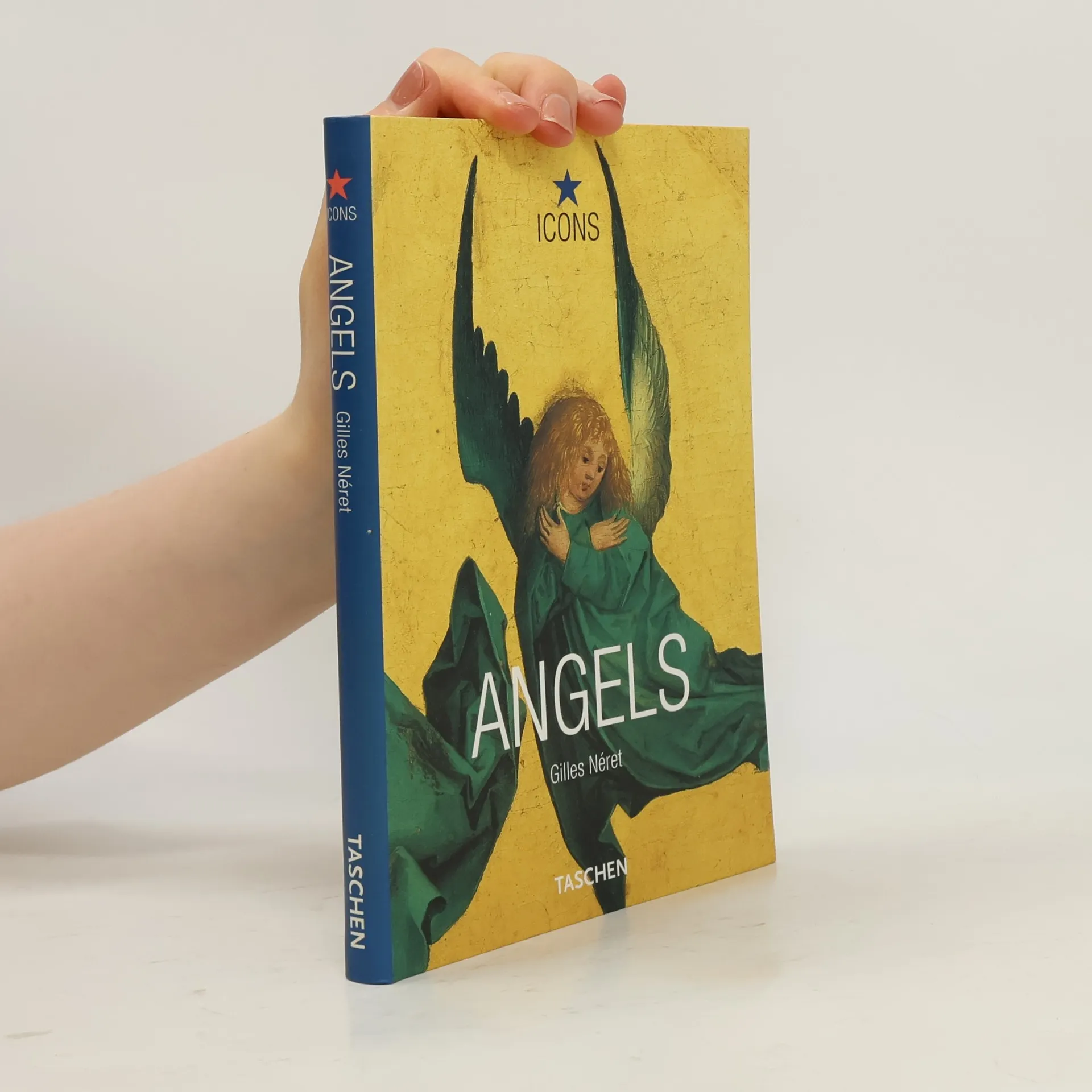
    • Angels

      • 192 pages
      • 7 hours of reading

      This selection of sculpture, ceramics, frescoes, paintings, drawings, and illustrations, by the greatest masters from antiquity through the Renaissance, explores the many ways angels have been depicted throughout history

      Angels
      3.7
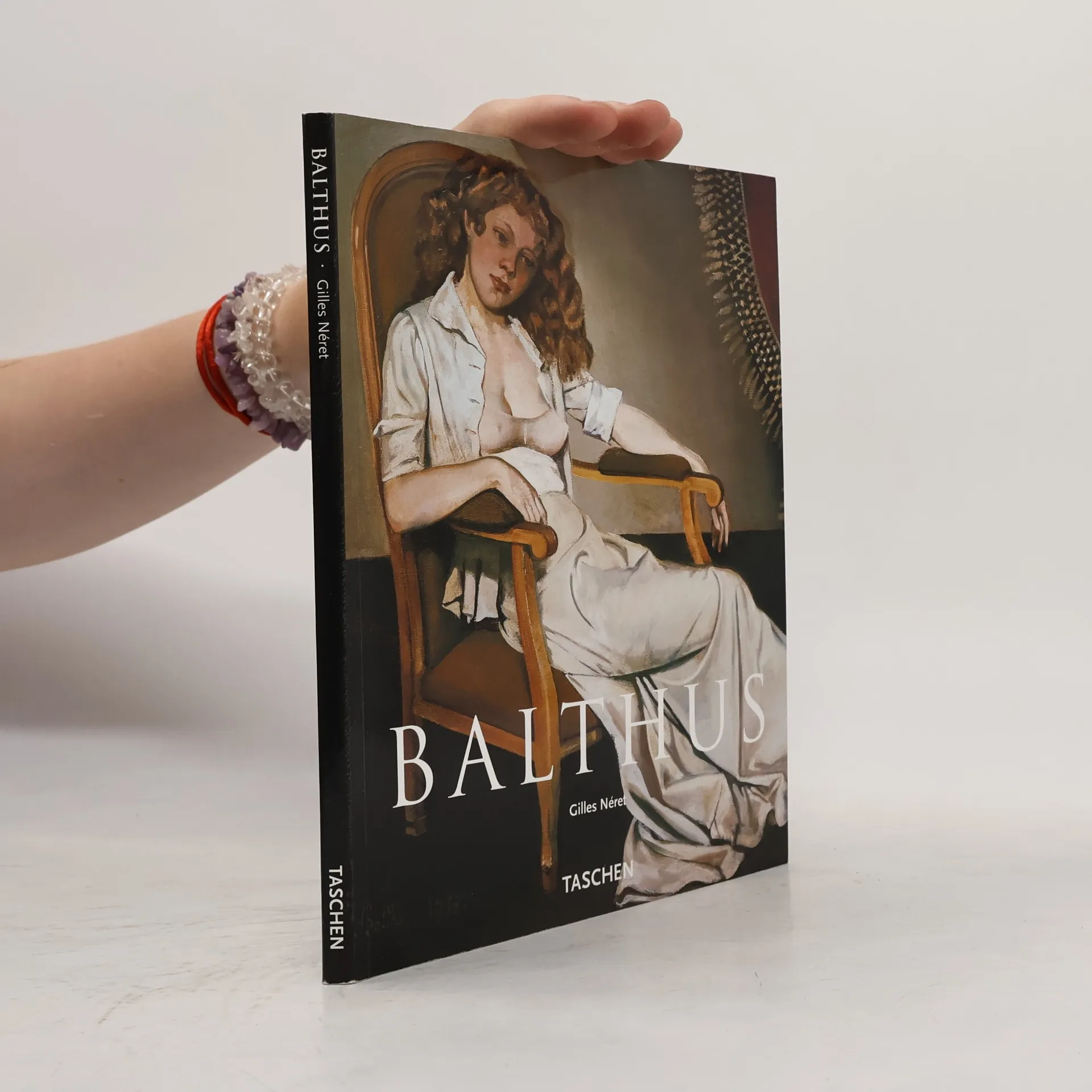
    • Realist of the unreal French-German painter Count Balthasar Klossowski de Rola (1908-2001), known as Balthus, shocked the Parisian art world in 1934 with his dreamy, sensual, Neo-Classical portraits of nymphets at a time when Surrealism and abstraction were de rigueur. As a provocateur, Balthus was often scorned; as an artist, he was widely embraced as a prodigy. In response to critics of his realist style, Balthus said: "The real isn't what you think you see. One can be a realist of the unreal and a figurative painter of the invisible." His erotic, poetic paintings live on as examples of the best figurative work of the modern era.

      Balthus : Balthasar Klossowski de Rola : 1908-2001 : the king of cats
      3.8
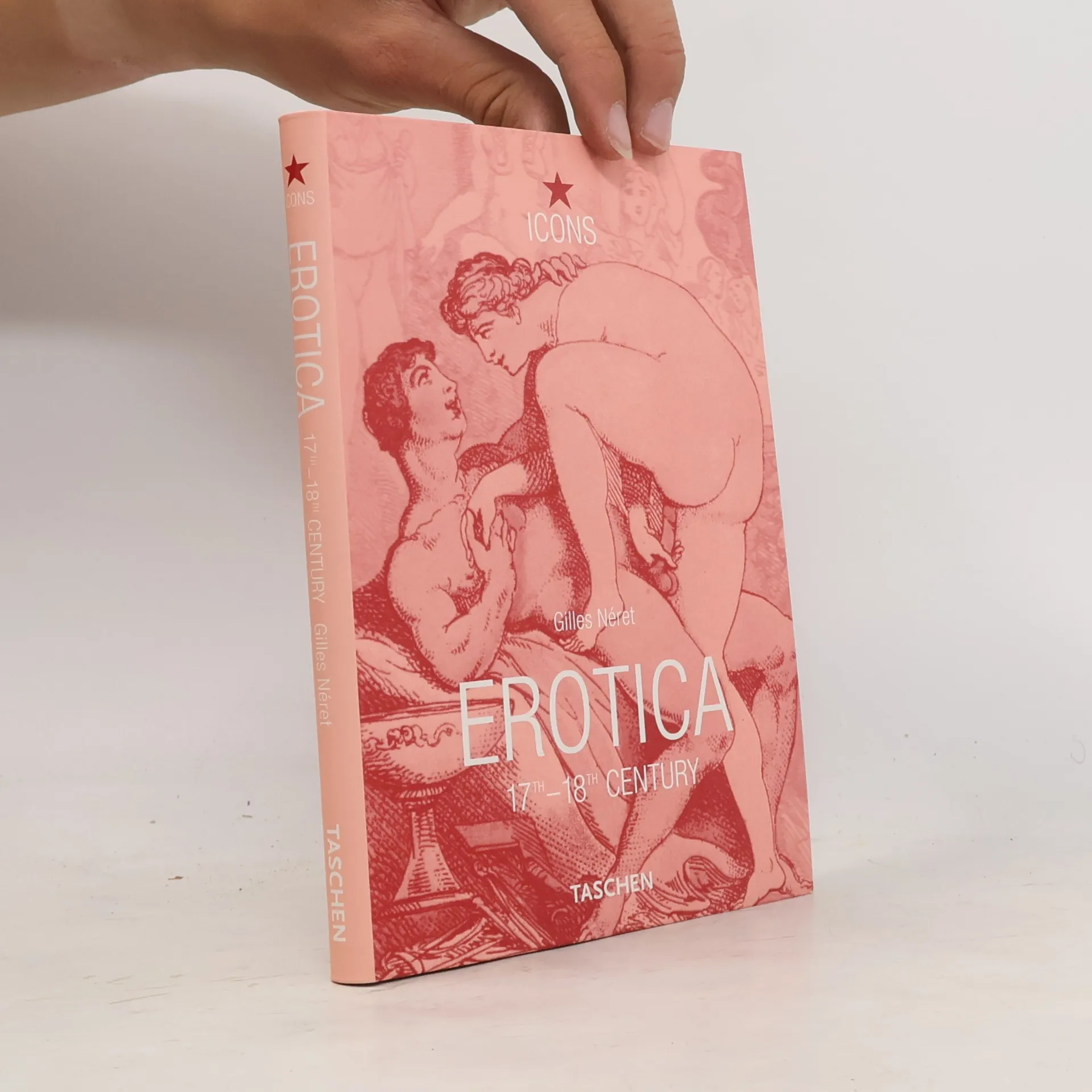
    • This is a collection of the best 17th and 18th century images from Erotica Universalis, volumes I and II. From Rembrandt to Fragonard and lots of others in between (known, unknown, and anonymous), a plethora of delightfully naughty pictures!

      Erotica 17th-18th century from Rembrandt to Fragonard
      3.5
    • Климт (Klimt)

      • 96 pages
      • 4 hours of reading

      Продолжающаяся серия, выпускаемая совместно с немецким издательством "Taschen". Книга об австрийском живописце и графике Густаве Климте (1862-1918), главном представителе венского модерна, который был предельным, формально обостренным выражением искусства рубежа веков. Климт был одним из организаторов венского Сецессиона в 1887 году, который объединил силы художников, противостоящих официальному искусству. В 1905 году Климт оставил венский Сецессион. Он стал излюбленным портретистом элегантных жительниц Вены. Слегка стилизованные модели вместе с орнаментальным фоном образуют в высшей степени оригинальные композиции. Климт писал также пейзажи в манере, соединяющей символизм с импрессионизмом. Изображенные предметы помещены в плоскостной структуре, близкой к абстракции и сохраняющей орнаментальный характер, тогда как атмосфера передается тонкой световой нюансировкой.

      Климт (Klimt)
      4.8
    • Renoir. peintre du bonheur, 1841-1919

      • 440 pages
      • 16 hours of reading

      L'auteur revient sur l'intégralité de la carrière de l'artiste en retraçant son évolution artistique, et montre comment il a réinventé la femme en peinture, à travers ses déesses de la vie quotidienne bien rondes, à la poitrine et aux hanches généreuses.

      Renoir. peintre du bonheur, 1841-1919
      5.0
    • Dalí. L'oeuvre peint

      • 752 pages
      • 27 hours of reading

      Ce livre est la plus complète étude sur les peintures de Salvador Dalí, offrant une analyse approfondie de son œuvre et de son impact. Robert Descharnes et Gilles Néret présentent des œuvres inédites et explorent les débuts de Dalí ainsi que son héritage, en lien avec divers domaines artistiques. Une véritable célébration de son génie.

      Dalí. L'oeuvre peint
      5.0
    • Mattise

      • 256 pages
      • 9 hours of reading

      Die Suche nach Balance, Reinheit und Gelassenheit. Ein unentbehrliches Werk über einen Leitstern der modernen Kunst

      Mattise
      4.5
    • Balthus

      • 96 pages
      • 4 hours of reading

      Der deutsch-französische Maler Balthasar Klossowski de Rola (1908-2001) mit dem Künstlernamen Balthus, schockte die Pariser Kunstwelt mit seinen verträumten, sinnlichen neo-klassischen Portraits von Nymphchen zu einer Zeit, in der Surrealismus und Abstraktion verbotene Territorien waren. Als Provokateur wurde er verdammt, als Künstler galt er als Wunderkind. Seine erotisch-poetischen Bilder gehören zu den besten figurativen Werken der Moderne.

      Balthus
      5.0
    • Renoir

      • 488 pages
      • 18 hours of reading

      Die zeitlos charmanten Gemälde von Pierre-Auguste Renoir (1841-1919) spiegeln die Ideale von Glück, Liebe und Schönheit wider, wie sie heute immer noch gültig sind. In dieser kompakten Version unserer großformatigen Ausgabe, der bisher umfangreichsten Buchretrospektive über Renoirs Werk, werden die persönliche Geschichte und die Bewegründe hinter der Legende deutlich. Nach frühen Landschaftsbildern im impressionistischen Stil entdeckte Renoir seine wahre Leidenschaft in der Porträtmalerei – woraufhin er den Impressionisten den Rücken kehrte. Obwohl oft missverstanden, bleibt er einer der beliebtesten Maler der Kunstgeschichte – zweifellos der Wärme, Zärtlichkeit und Hochstimmung wegen, die seine Werke ausstrahlen. In einem aufschlussreichen Text, der die Karriere des Künstlers und seine stilistische Entwicklung nachzeichnet, zeigt Gilles Néret, wie Renoir in seinen Alltagsgöttinnen mit ihren prallen Formen, runden Hüften und Brüsten die gemalte weibliche Form neu erfand. Seine letzten Gemälde, vor allem der Badenden-Serie, geprägt von der Rückkehr zum simplen Vergnügen am weiblichen Akt, bilden seine innovativste und stilistisch einflussreichste Phase, die später sogar Matisse und Picasso inspirierte. Mit vollständiger Chronologie, einer aktualisierten Bibliographie und brillanten Reproduktionen sowie Fotos und Skizzen ist dies das unverzichtbare Nachschlagewerk zum Œuvre dieses langlebigen Meisters.

      Renoir
      4.3
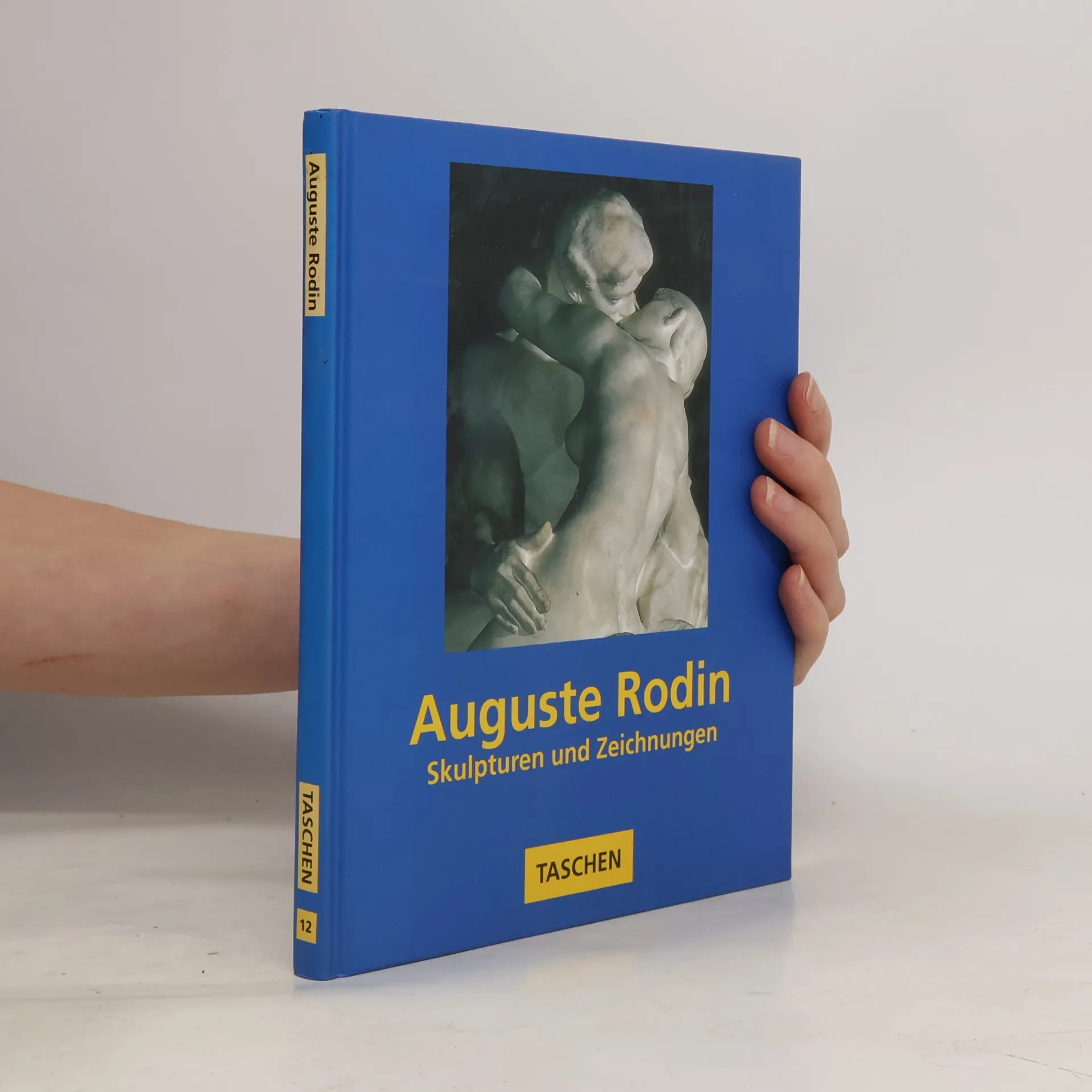
    • Auguste Rodin

      • 96 pages
      • 4 hours of reading

      Aus Ton, Bronze und Marmor hat Rodin das menschliche Wesen gestaltet, die Frau besungen, alle Leidenschaften, alle Freuden, alle Laster zum Leben erweckt. Seine Figuren, "in welche der Sünde Süße stieg aus den Wurzeln des Schmerzes" (Rilke). haben die Zeit überdauert und ziehen uns mehr denn je in ihren Bann

      Auguste Rodin
      4.4
    • „Warum sollte Kunst nicht schön sein? Es gibt genügend unerfreuliche Dinge auf der Welt.“—Pierre-Auguste Renoir. Renoirs Gemälde verkörpern Glück, Liebe und Schönheit. TASCHENs umfassende Retrospektive untersucht die Geschichte und Beweggründe hinter diesem legendären Maler. Zu Beginn seiner Karriere malte Renoir (1841-1919) impressionistische Landschaften, entdeckte jedoch seine wahre Begabung mit Porträts und wandte sich von den Impressionisten ab. Trotz Missverständnissen und Kritik bleibt er einer der beliebtesten Maler der Kunstgeschichte, was sicherlich an der Wärme und Hochstimmung seiner Werke liegt. Gilles Néret beschreibt in seinem aufschlussreichen Text die Karriere und stilistische Entwicklung Renoirs. Er hebt hervor, dass Renoir mit seinen Alltagsgöttinnen, die durch ihre runden Formen bestechen, die Darstellung der Frau in der Malerei neu erfand. Die letzten Werke, insbesondere die „Baigneuses“-Serie, zeigen Renoirs Rückkehr zur einfachen Freude und markieren eine stilistisch einflussreiche Phase, die später Künstler wie Matisse und Picasso inspirierte. Mit vollständiger Chronologie, Bibliografie, Werkindex und 600 großformatigen Farbreproduktionen sowie Fotos und Zeichnungen, die Renoirs Leben und Werk illustrieren, ist dieses Buch ein unverzichtbares Nachschlagewerk für alle, die sich mit diesem Meistermaler auseinandersetzen möchten.

      Renoir: Maler des Glücks
      4.0
    • Aubrey Beardsley

      • 372 pages
      • 14 hours of reading

      Aubrey Beardsley, famous by his early twenties, died aged 25 leaving an immense volume of work behind. This collection provides an opportunity to view Beardsley's mature work. It aims to enable the reader to distinguish between the genuine and the hundreds of spurious pastiches attributed to him.

      Aubrey Beardsley
      4.0
    • Devils

      • 192 pages
      • 7 hours of reading
      Devils
      4.1
    • Erotica Universalis

      • 755 pages
      • 27 hours of reading

      Offre une histoire de l'humanité vue à travers les lunettes colorées de l'érotisme. A côté d'artistes célèbres, l'ouvrage rend justice à quelques chefs-d'oeuvre inconnus, qui peuvent ainsi sortir de l'ombre où les tabous qui les tenaient jusqu'ici.

      Erotica Universalis
      4.0
    • Erotica

      • 192 pages
      • 7 hours of reading

      Recueil de dessins, gravures, peintures... érotiques qui illustrent l'étendue de la créativité des artistes en la matière ainsi que l'évolution de cet art sur quatre siècles.

      Erotica
      3.9
    • Homo art

      • 192 pages
      • 7 hours of reading
      Homo art
      3.8
    • Dalí

      Meister der Malerei

      Dalí
    • Michel-Ange

      • 96 pages
      • 4 hours of reading

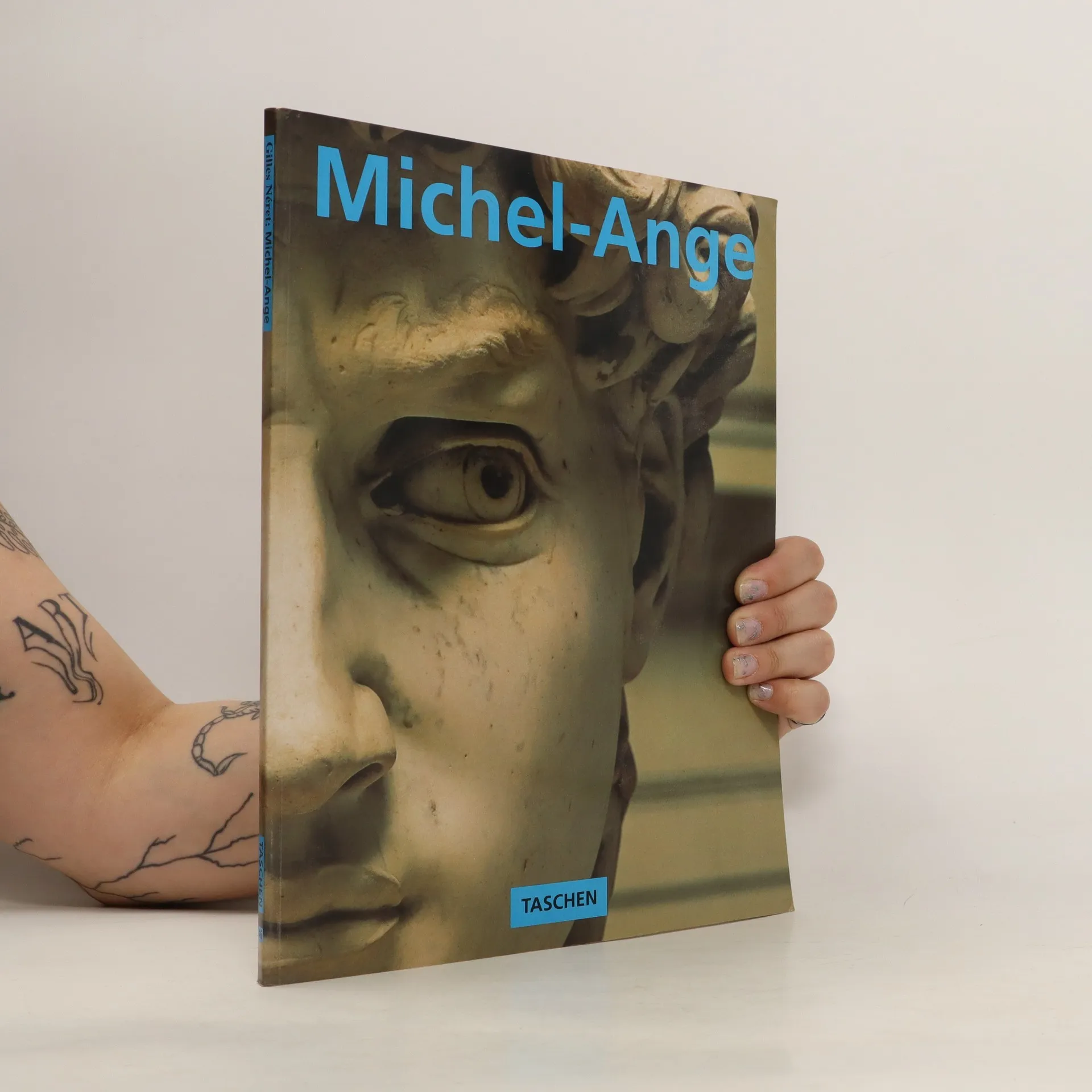
      "En plein essor, la Petite Collection de Taschen a gagné : excellentes reproductions que l'on peut même encadrer, commentaires intelligents, le tout à un prix imbattable." The Bookseller, Londres "Des livres qui donnent envie de les acheter." Sunday Times Magazine, Londres "Les publications Taschen sont des ouvrages essentiels pour l'étudiant des beaux-arts et pour le grand public." Flash Art, Milan

      Michel-Ange
    • Kasimir Malewitsch

      • 96 pages
      • 4 hours of reading

      Nach kurzen Abstechern in Realismus, Impressionismus und Symbolismus fand der in Kiew geborene Kasimir Malewitsch (1878–1935) seine Berufung in der Auflösung konkreter, darstellender Figuren und Landschaften in einer reinen, emotional aufgeladenen Abstraktion. Im Jahr 1915 schuf er das Bild, das weithin als erstes und vollendetes abstraktes Kunstwerk angesehen wird: Schwarzes Quadrat (1915), ein gleichseitiges schwarzes Rechteck auf weißem Grund, das später als „Nullpunkt der Malerei“ gefeiert wurde, als ein zukunftsweisender Augenblick für die moderne und abstrakte Kunst. Malewitsch hat sich in seinem künstlerischen Werdegang intensiv mit den neuesten künstlerischen Strömungen seiner Zeit auseinandergesetzt und mit dem Suprematismus die erste konsequent gegenstandslose Kunstrichtung entwickelt. Dass er in seinem Spätwerk zur figurativen Malerei zurückkehrte, sorgte für erhebliche Irritation. Diese Einführung zeichnet ein außergewöhnlich spannendes Künstlerleben nach und verortet seine bahnbrechenden Leistungen im Kontext der internationalen Avantgarde.

      Kasimir Malewitsch
    • Néret, Gilles. Die Kunst der Zwanziger Jahre. Malerei. Dekoration. Grafik. Design. Architektur. Plastik. Fotografie. Film. Zürich, Orell Füssli, 1986. 31,5 cm x 29 cm. 248 seiten. Mit zahlreichen schwarz-weißen und farbige Abbildungen und Illustrationen. Original Hardcover with original dustjacket in protective collector's mylar. Aus der Bibliothek des niederländischen Modedesigners Frans Molenaar. Sehr guter Zustand mit nur geringen Gebrauchsspuren. Enthält Die Verrückten Zwanziger Jahre / Malerei / Plastik / Architektur / Design / Dekoration / Grafik / Fotografie / Film / Zeittafel etc etc. Die Kunst der zwanziger Jahre kann auf verschiedene Arten gelesen werden. Der allgemeine Text si tuiert die Künstler und Gruppen, stellt ihre Theorien vor und erläutert die abgebildeten Werke. Die bildlegenden liefern alle wichtigen Informationen zum Einzelwerk. In Randkommentaren wird auf bestimmte Bewegungen und Künstler näher eingegangen. So durchdringen sich für den Leser und Betrachter Gesellschaft, Politik, Literatur, Musik, bildende Kunst und Wissenschaft zu einer eindrücklichen Lebenseinheit. (Orell Füssli Verlag).

      Die Kunst der zwanziger Jahre
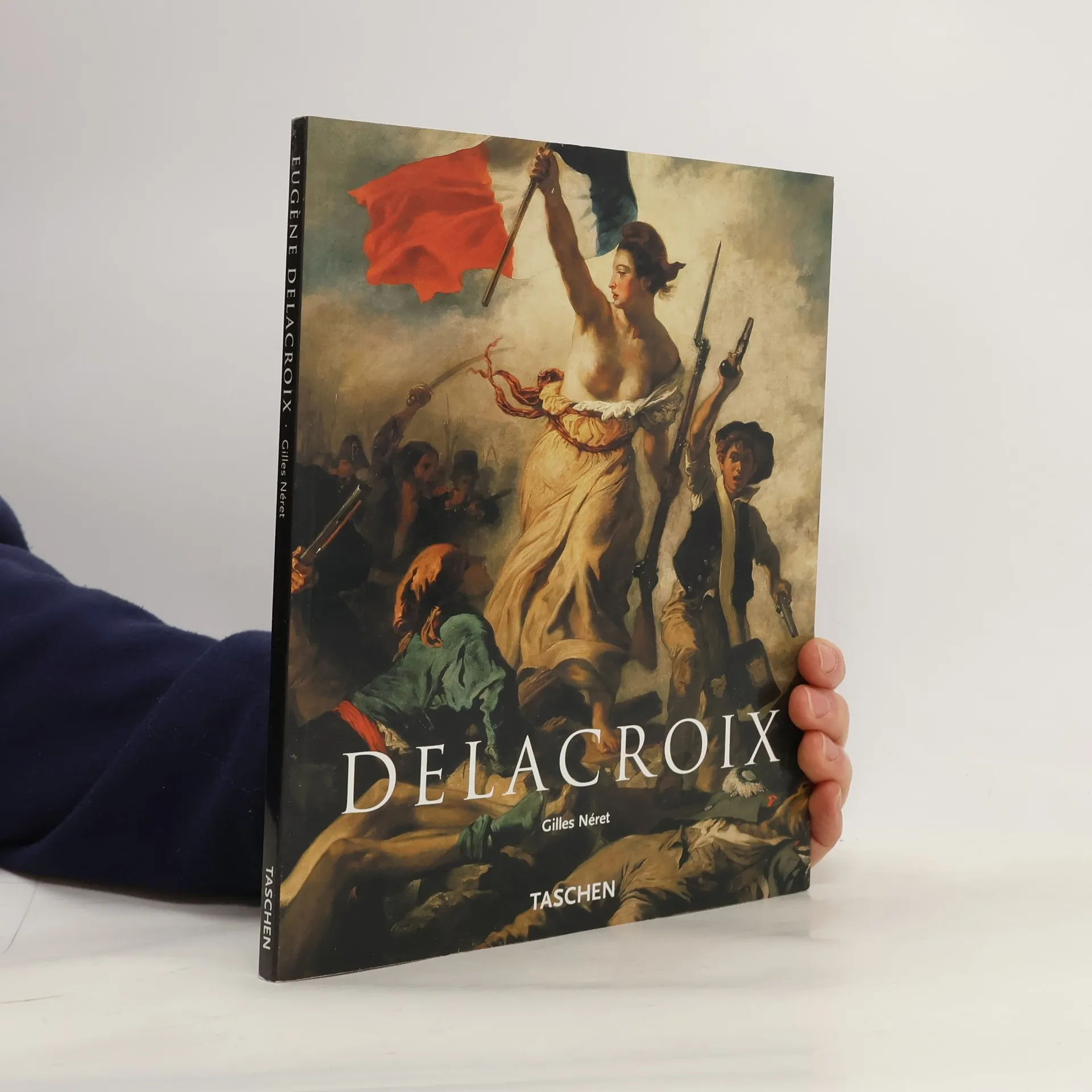
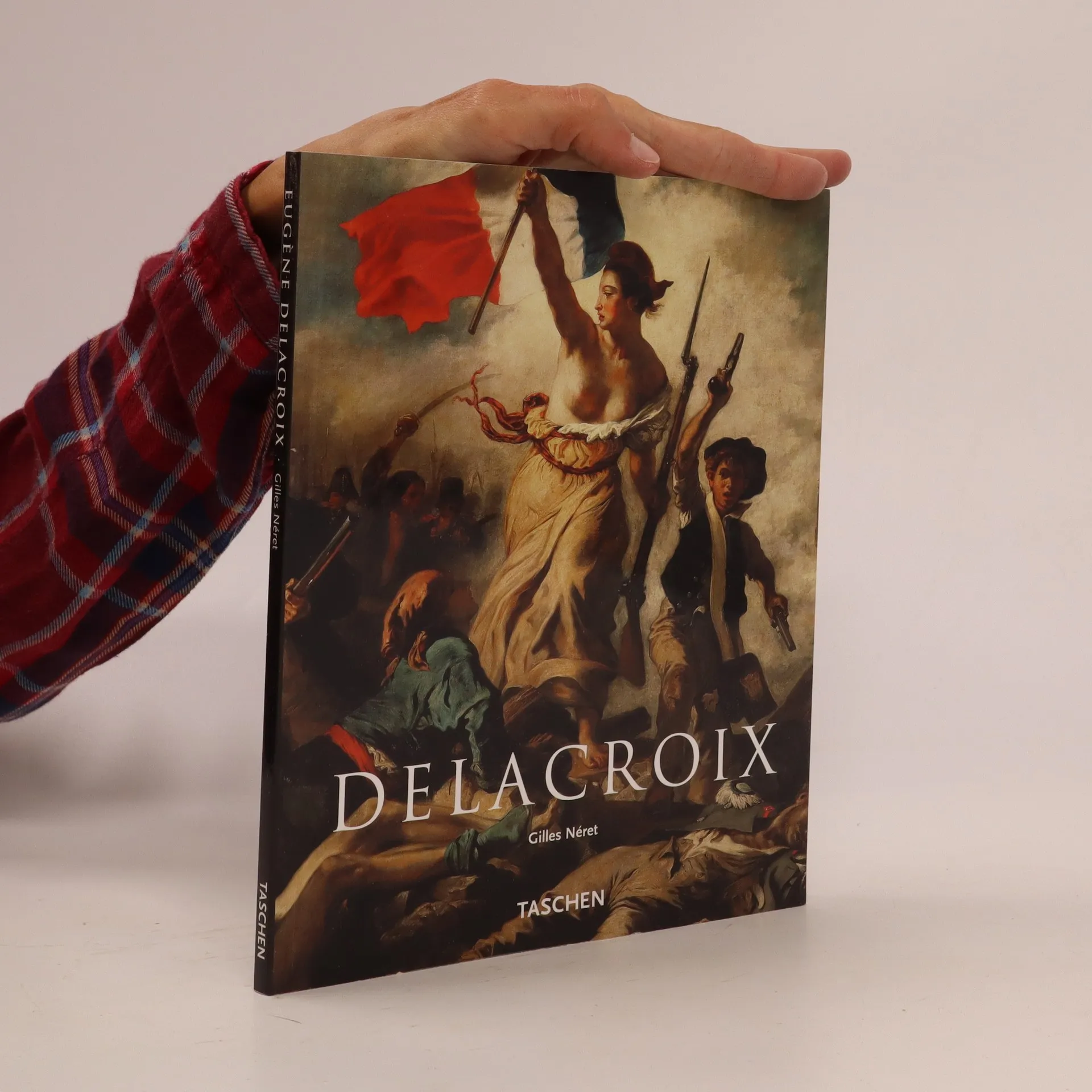
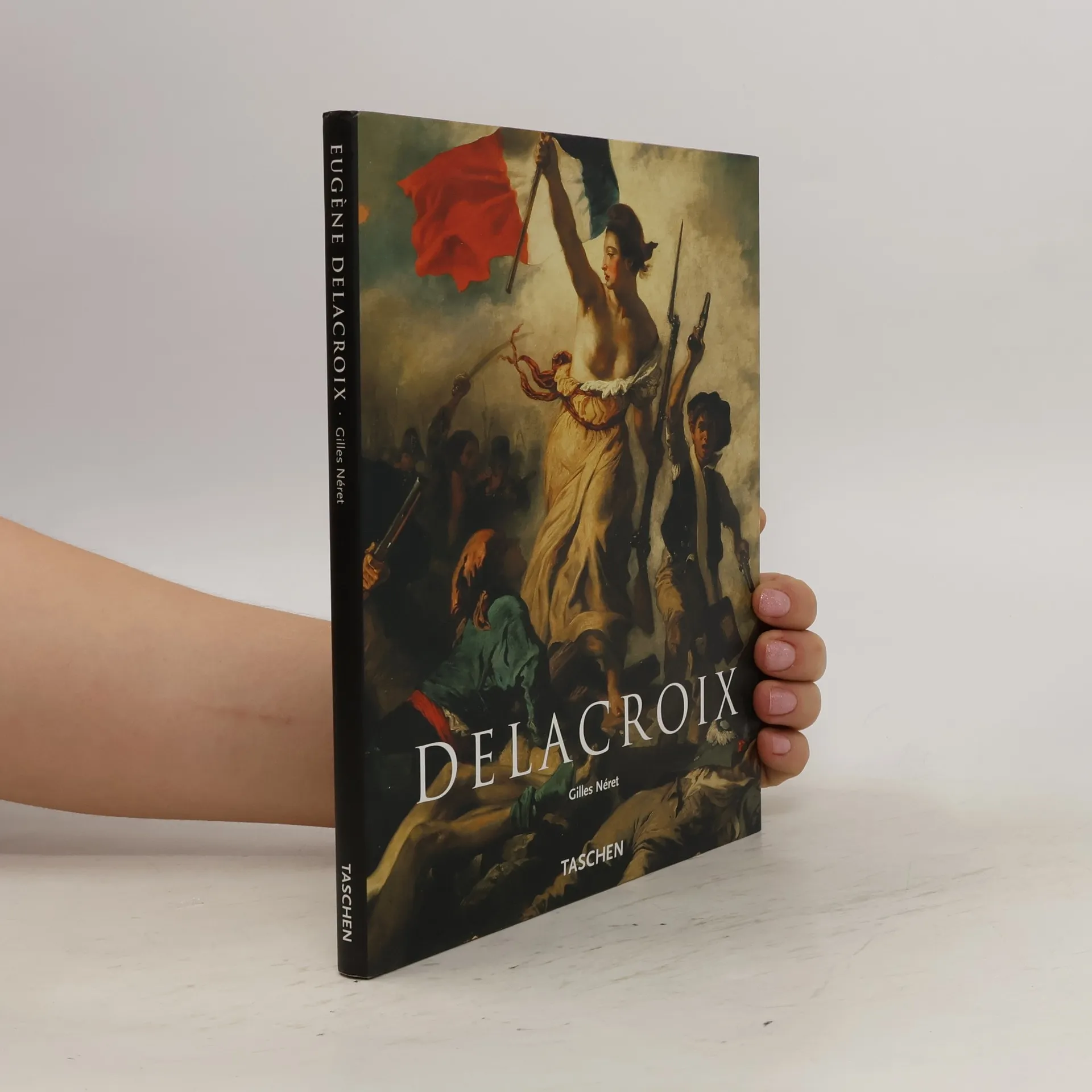
    • Basic Series - 47: Eugene Delacroix 1798-1863

      The Prince of Romanticism

      • 96 pages
      • 4 hours of reading

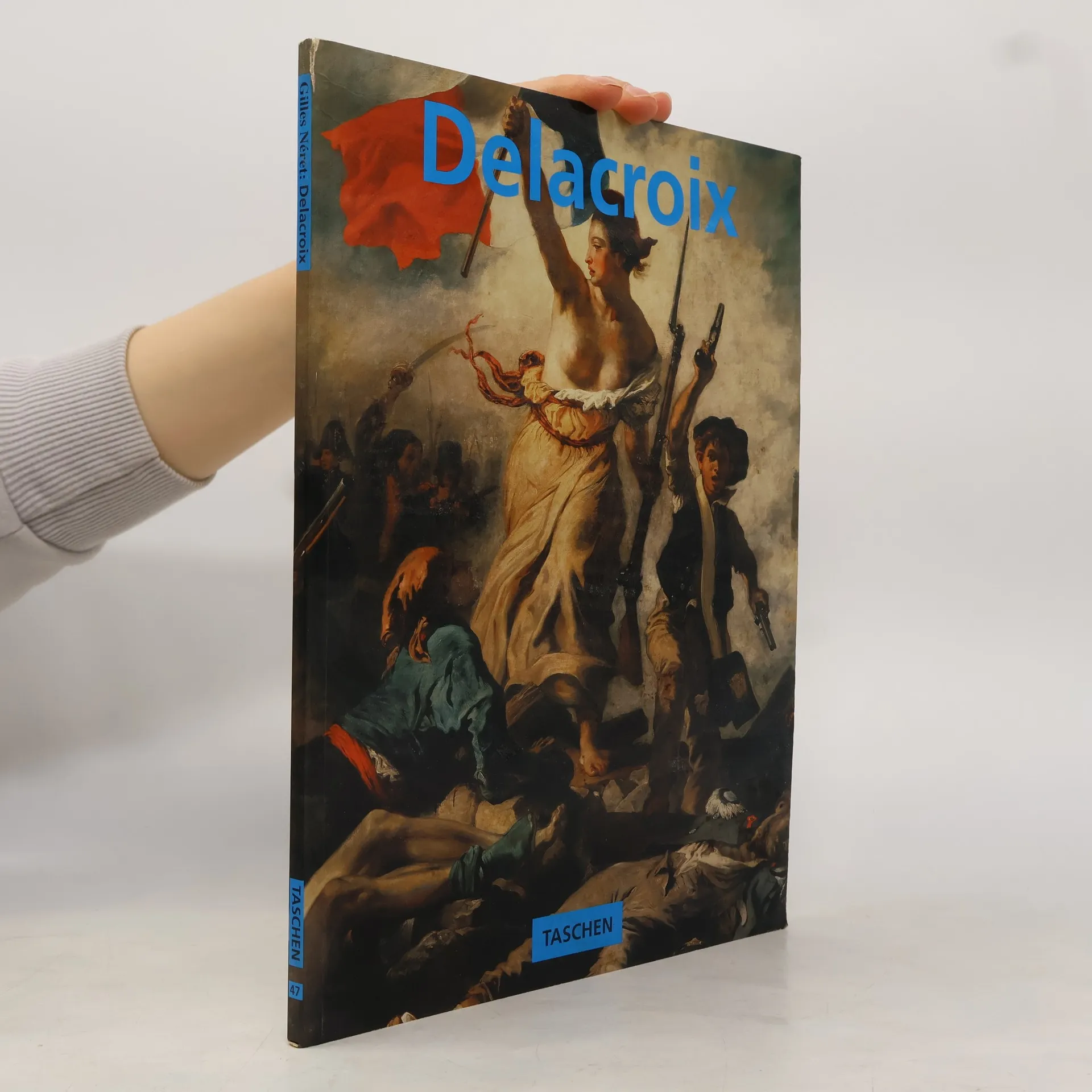
      At Delacroix's studio sale, held six months after his death in 1864, crowds and critics were astonished by the abundance and multi-disciplinary nature of his work, showcasing the vision of a man hailed by Baudelaire as the last great artist of the Renaissance and the first of the Modern era. Delacroix was acutely aware of his desired position in art history. Drawing inspiration from Rubens in lifestyle and creativity, he combined classical composition with universally appreciated symbolic and allegorical themes, resulting in works of unmatched integrity and sensuality. From his spectacular Salon reception in 1824 to the significant Scenes from the Chios Massacre—where the term Romantique was first applied to his style—and the provocative The Agony in the Garden, Delacroix's genius in graphic design, color innovation, and body portrayal was undeniable. His numerous sketchbooks reflect a commitment to truth in both his Goyaesque depictions of horror and sacrifice and his grand historical canvases. Excessive and monumental, this Victor Hugo of the art world has profoundly influenced movements such as Impressionism, Expressionism, and mid-century Abstract painting. Delacroix's noble spirit transcends the self-indulgence of the Romantics, resonating across ages.

      Basic Series - 47: Eugene Delacroix 1798-1863
      4.4
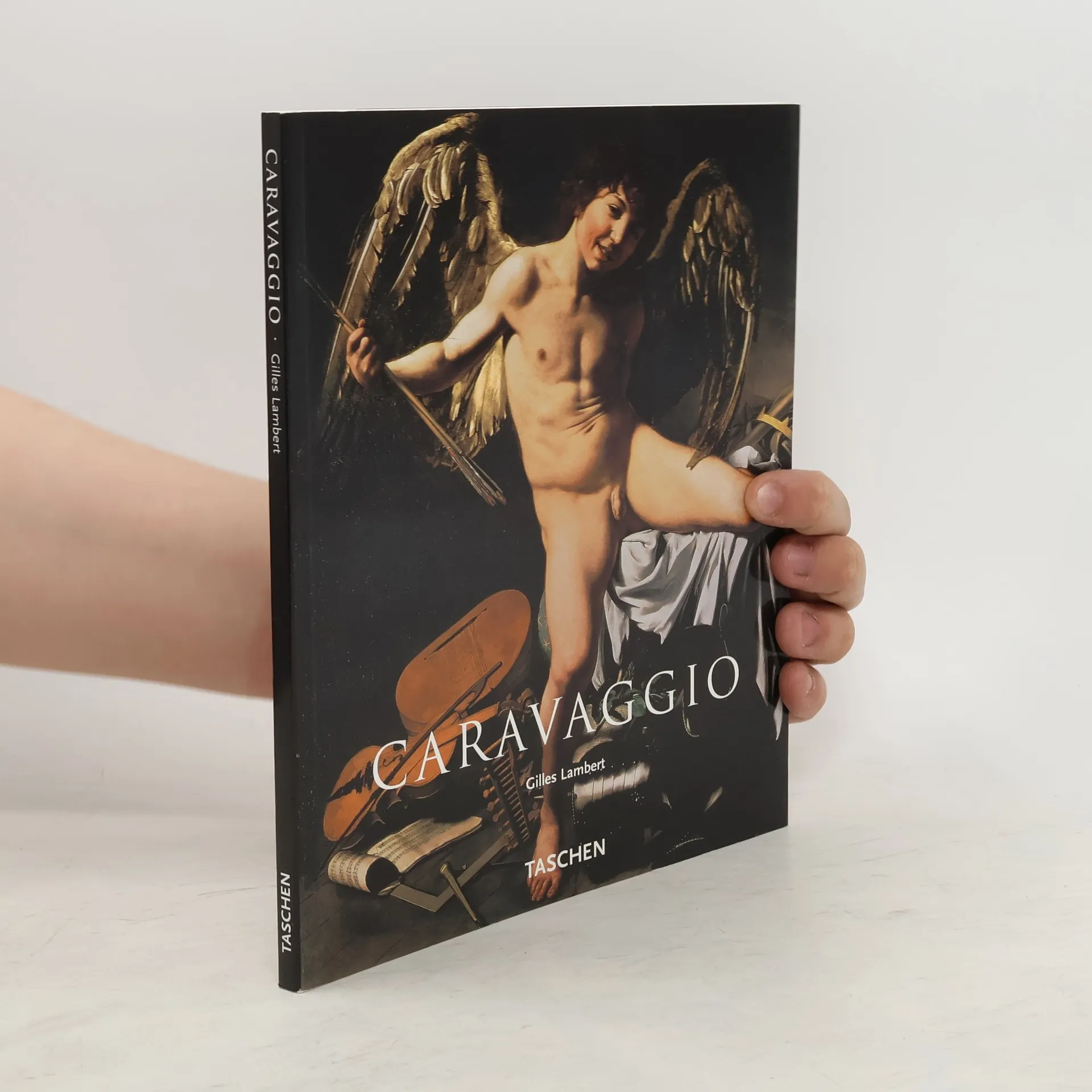
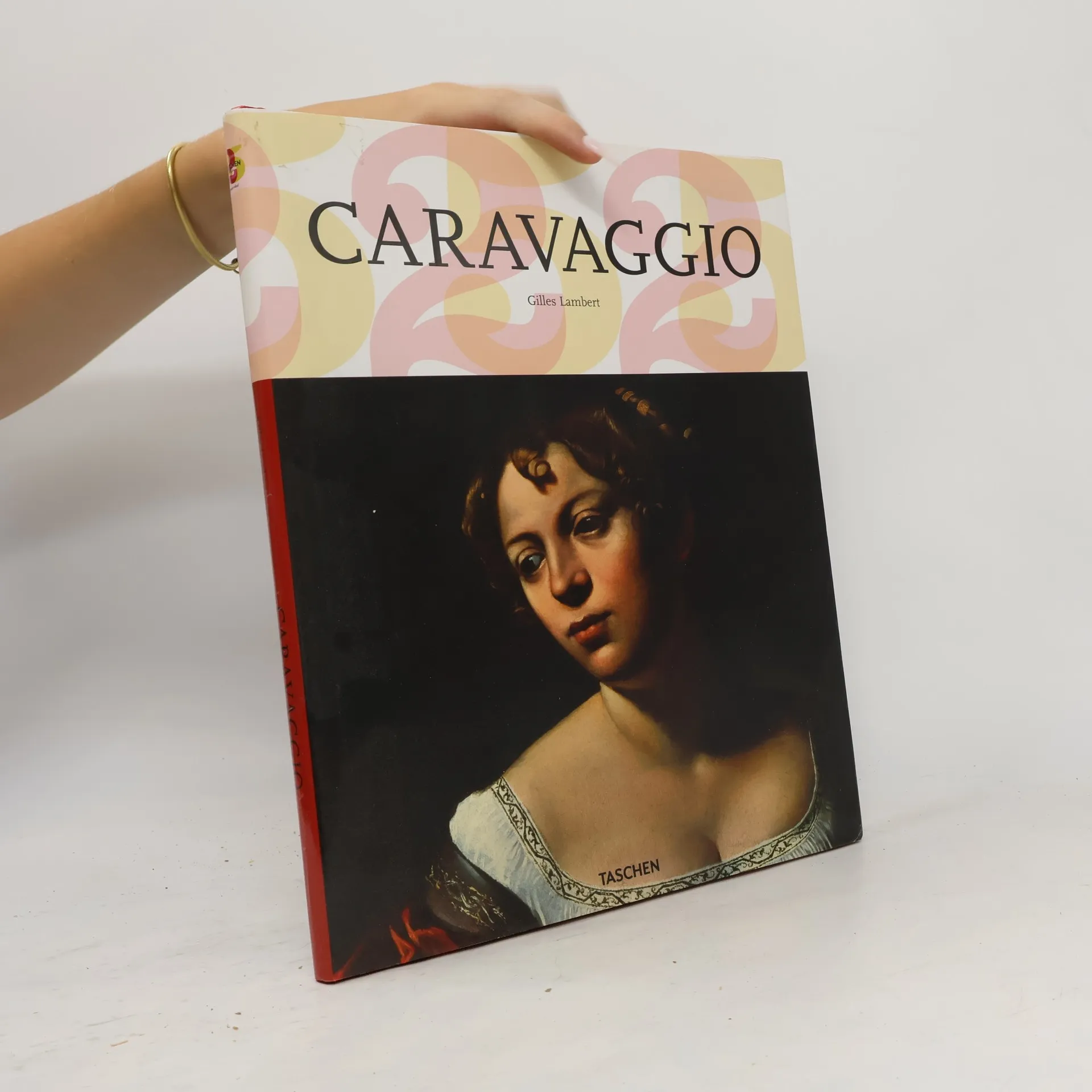
    • Caravaggio

      • 96 pages
      • 4 hours of reading

      Notorious bad boy of Italian Baroque painting, Caravaggio (1571-1610) is finally getting the recognition he deserves. Though his name may be familiar to all of us, his work has been habitually detested and forced into obscurity. Not only was his theatrical realism unfashionable in his time, but his sacrilegious subject matter and use of lower class models were violently scorned. Michelangelo Mirisi de Caravaggio lived a life riddled with crime and scandal, producing a body of work that wouldn't be appreciated until centuries after his mysterious death. Though his body was never found, he is assumed to have been murdered by ruffians on a beach south of Rome-a fate strangely similar to that of controversial Italian director Pier Paolo Pasolini who was, like Caravaggio, a homosexual. Caravaggio's reputation was decidedly poor during his lifetime; sometimes rich, sometimes penniless, when he wasn't in prison he was running away from the police or his enemies. Perhaps no other painter has suffered such injustice: his works were often attributed to more respected painters while he was given the credit for just about anything vulgar painted in the chiaroscuro style. Caravaggio's great work had the misfortune of enduring centuries of disrepute. It wasn't until the end of the 19th century that he was rediscovered and, quite posthumously, deemed a great master.

      Caravaggio
      4.3
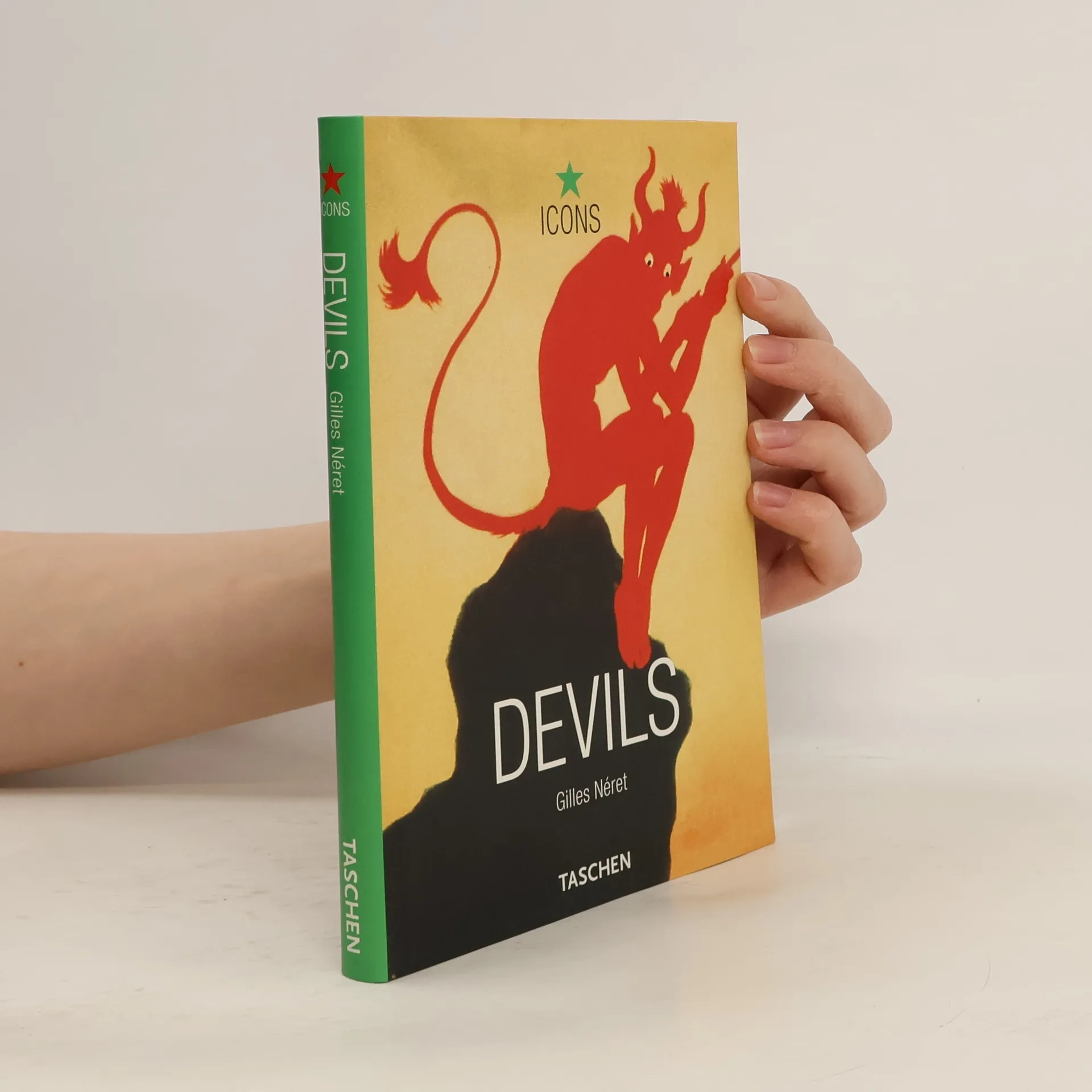
    • Icons: Devils

      • 192 pages
      • 7 hours of reading

      EVER SINCE HE DISGUISED HIMSELF AS A SNAKE AND TEMPTED EVE WITH AN APPLE, THE DEVIL HAS BEEN EVERYONE'S FAVORITE VILLIAN. LUCIFER HIMSELF IS THE STAR OF THIS BOOK, WHICH CONTAINS IMAGES OF HIM THROUGHOUT THE HISTORY OF ART. ETCHINGS, WOODCUTS, PAINTINGS, ILLUSTRATIONS, DRAWINGS, PHOTOGRAPHS, AND ADVERTISEMENTS FEATURING OF THE DEVIL, BY THE LIKES OF DA VINCI, BOSCH, PIERRE ET GILLES, GIGER, AND MANY MORE, POPULATE THE PAGES OF THIS SUPREMELY "EVIL" BOOK.

      Icons: Devils
      3.8
    • Erotica 20th Century Volume 2

      From Dali to Crumb

      • 192 pages
      • 7 hours of reading

      This is a collection of the best latter 20th century images from Erotica Universalis Volumes I and II. From Dali to Crumb and lots of others in between (known, unknown, and anonymous)--a plethora of delightfully naughty pictures!

      Erotica 20th Century Volume 2
      3.3
    • Nenapravitelnému enfant terrible italského barokního malířství Caravaggiovi (1571-1610) se konečně dostává pozornosti, kterou si zaslouží. Ačkoli jeho jméno je každému známé, jeho dílo bylo dosud často zatracováno a vytlačováno na okraj zájmu. Jeho teatrální realismus byl ve své době nepřijatelný, svatokrádežné náměty a práce s modely z nižších tříd byly ostře odsuzovány. Znovuobjeven byl až v devatenáctém století a dnes platí za nejvýznamnějšího malíře raně barokní doby. Bez něj by nebyli Ribera, Zurbarán, Velázquez, Vermeer nebo Georges de la Tour. Franz Hals, Rembrandt, Delacroix a Manet by byli malovali jinak.

      Caravaggio : 1571-1610 : génius, který předběhl svou dobu
    • Matisse

      • 256 pages
      • 9 hours of reading
      Matisse