

Book rating
More about the book
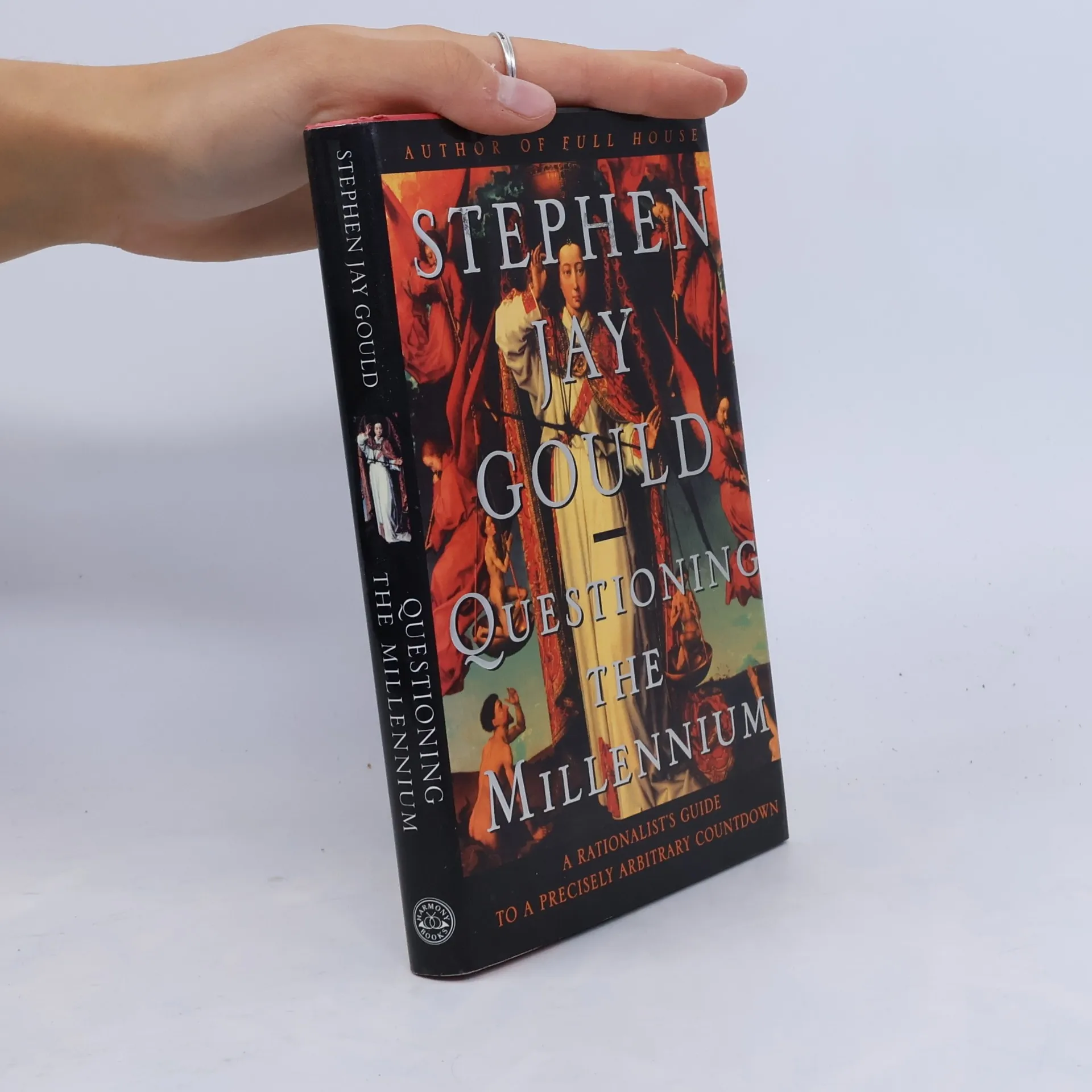
In this engaging exploration, Stephen Jay Gould delves into the significance of the millennium, a topic he began contemplating at age eight after reading a Life magazine issue. He presents a thoughtful inquiry into the concept of a millennium, examining how its meaning has evolved over time. Gould poses three central questions: What is a millennium, and how did its association with a future reign of Jesus Christ transition to a secular interpretation of a thousand years? When does the new millennium truly begin—January 1, 2000, or January 1, 2001? This debate, while seemingly minor, reveals much about twentieth-century cultural history. Lastly, he investigates why our calendars are so intricate, leading to our fascination with millennia. Gould enriches his narrative with a wealth of historical and scientific insights, including a brief history of millennial movements, diverse calendrical traditions, and the legacy of a sixth-century monk whose chronological miscalculations still affect us. He also highlights the remarkable story of a young autistic man with an extraordinary talent for date calculation. By traversing various phenomena—from the complexities of human calendars to the unpredictability of nature—Gould reflects on our millennial obsessions, exposing our quirks and humanity.


Book purchase
Questioning the Millennium, Stephen Jay Gould
- Language

- Released
- 1997
- Binding
- (Hardcover),
- Book condition
- Good
- Price
- €5.29
Payment methods
We’re missing your review here.
- Title
- Questioning the Millennium
- Subtitle
- A Rationalist's Guide to a Precisely Arbitrary Countdown
- Language
- English
- Authors
- Stephen Jay Gould
- Publisher
- Harmony Books
- Released
- 1997
- Format
- Hardcover
- Pages
- 190
- ISBN10
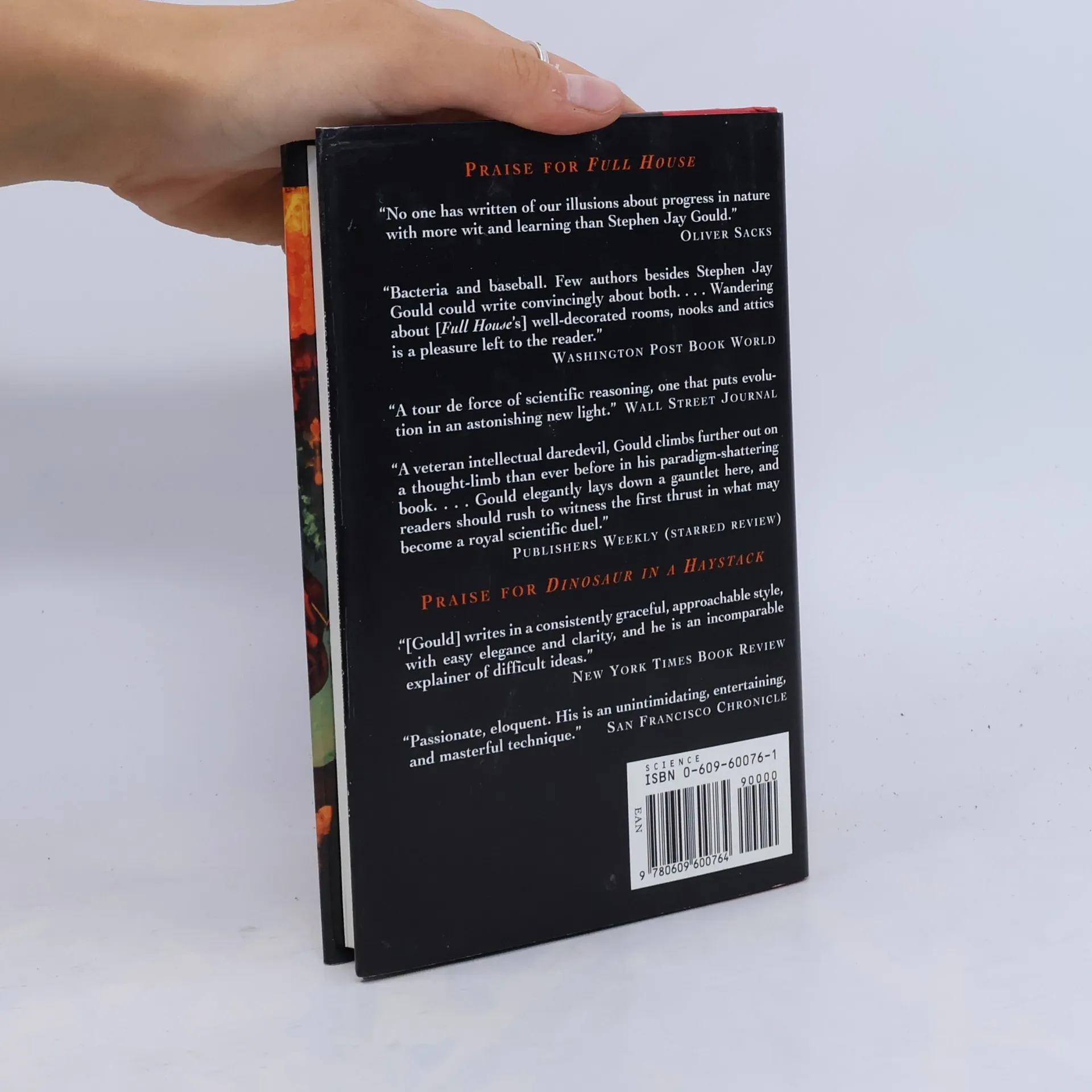
- 0609600761
- ISBN13
- 9780609600764
- Series
- Categories
- Rating
- 3.4 out of 5
- Description
- In this engaging exploration, Stephen Jay Gould delves into the significance of the millennium, a topic he began contemplating at age eight after reading a Life magazine issue. He presents a thoughtful inquiry into the concept of a millennium, examining how its meaning has evolved over time. Gould poses three central questions: What is a millennium, and how did its association with a future reign of Jesus Christ transition to a secular interpretation of a thousand years? When does the new millennium truly begin—January 1, 2000, or January 1, 2001? This debate, while seemingly minor, reveals much about twentieth-century cultural history. Lastly, he investigates why our calendars are so intricate, leading to our fascination with millennia. Gould enriches his narrative with a wealth of historical and scientific insights, including a brief history of millennial movements, diverse calendrical traditions, and the legacy of a sixth-century monk whose chronological miscalculations still affect us. He also highlights the remarkable story of a young autistic man with an extraordinary talent for date calculation. By traversing various phenomena—from the complexities of human calendars to the unpredictability of nature—Gould reflects on our millennial obsessions, exposing our quirks and humanity.