

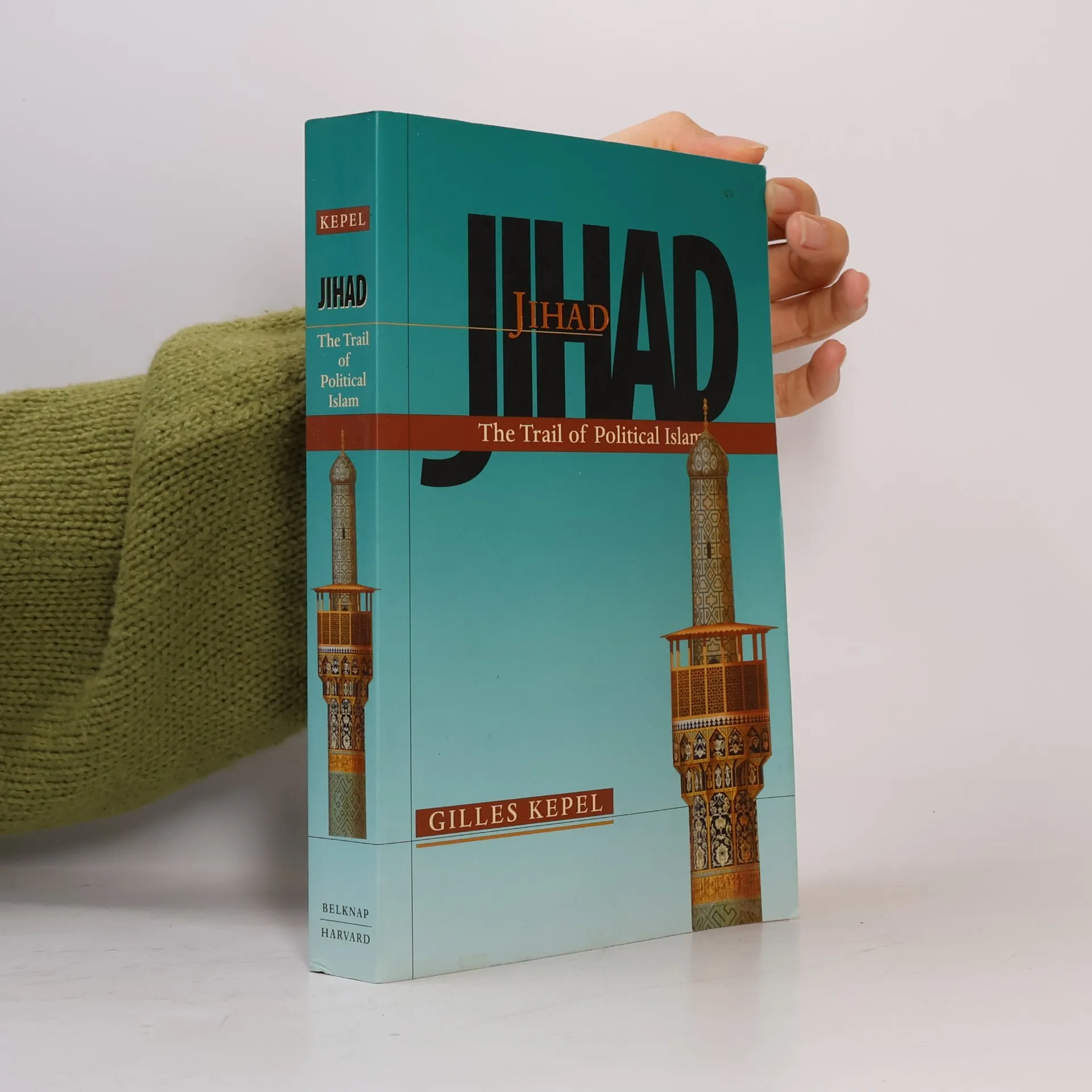


More about the book
The late twentieth century saw the rise of Islamist political movements, beginning in the early 1970s with militants challenging regimes across the Muslim world and intensifying political conflicts. Their jihad, or "Holy Struggle," sought to create a global Islamic state based on a strict interpretation of the Koran, attracting a diverse following that included students, the urban poor, and middle-class professionals. Following an initial success with the Islamic revolution in Iran, the movement engaged in jihad against the USSR in Afghanistan, marking the emergence of extreme violence as a doctrine. By the late 1990s, the inability to gain political power elsewhere led to a division: moderates explored concepts of "Muslim democracy," while extremists turned to large-scale terrorism. This extensive examination traces the history and geography of this complex political-religious phenomenon. Fluent in Arabic, the author has traveled throughout the Muslim world to gather documents, interviews, and archival materials that provide a comprehensive understanding of Islamist movements, their historical context, and current implications. As we face the ongoing threat of terrorism, this work offers crucial insights into the reality of jihad today.





Book purchase
Jihad, Gilles Kepel
- Language

- Released
- 2002
- Binding
- (Paperback),
- Book condition
- Good
- Price
- €6.49
Payment methods
We’re missing your review here.
- Title
- Jihad
- Subtitle
- The Trail of Political Islam
- Language
- English
- Authors
- Gilles Kepel
- Publisher
- Harvard University Press
- Released
- 2002
- Format
- Paperback
- Pages
- 464
- ISBN10
- 0674010906
- ISBN13
- 9780674010901
- Series
- Categories
- Rating
- 3.85 out of 5
- Description
- The late twentieth century saw the rise of Islamist political movements, beginning in the early 1970s with militants challenging regimes across the Muslim world and intensifying political conflicts. Their jihad, or "Holy Struggle," sought to create a global Islamic state based on a strict interpretation of the Koran, attracting a diverse following that included students, the urban poor, and middle-class professionals. Following an initial success with the Islamic revolution in Iran, the movement engaged in jihad against the USSR in Afghanistan, marking the emergence of extreme violence as a doctrine. By the late 1990s, the inability to gain political power elsewhere led to a division: moderates explored concepts of "Muslim democracy," while extremists turned to large-scale terrorism. This extensive examination traces the history and geography of this complex political-religious phenomenon. Fluent in Arabic, the author has traveled throughout the Muslim world to gather documents, interviews, and archival materials that provide a comprehensive understanding of Islamist movements, their historical context, and current implications. As we face the ongoing threat of terrorism, this work offers crucial insights into the reality of jihad today.