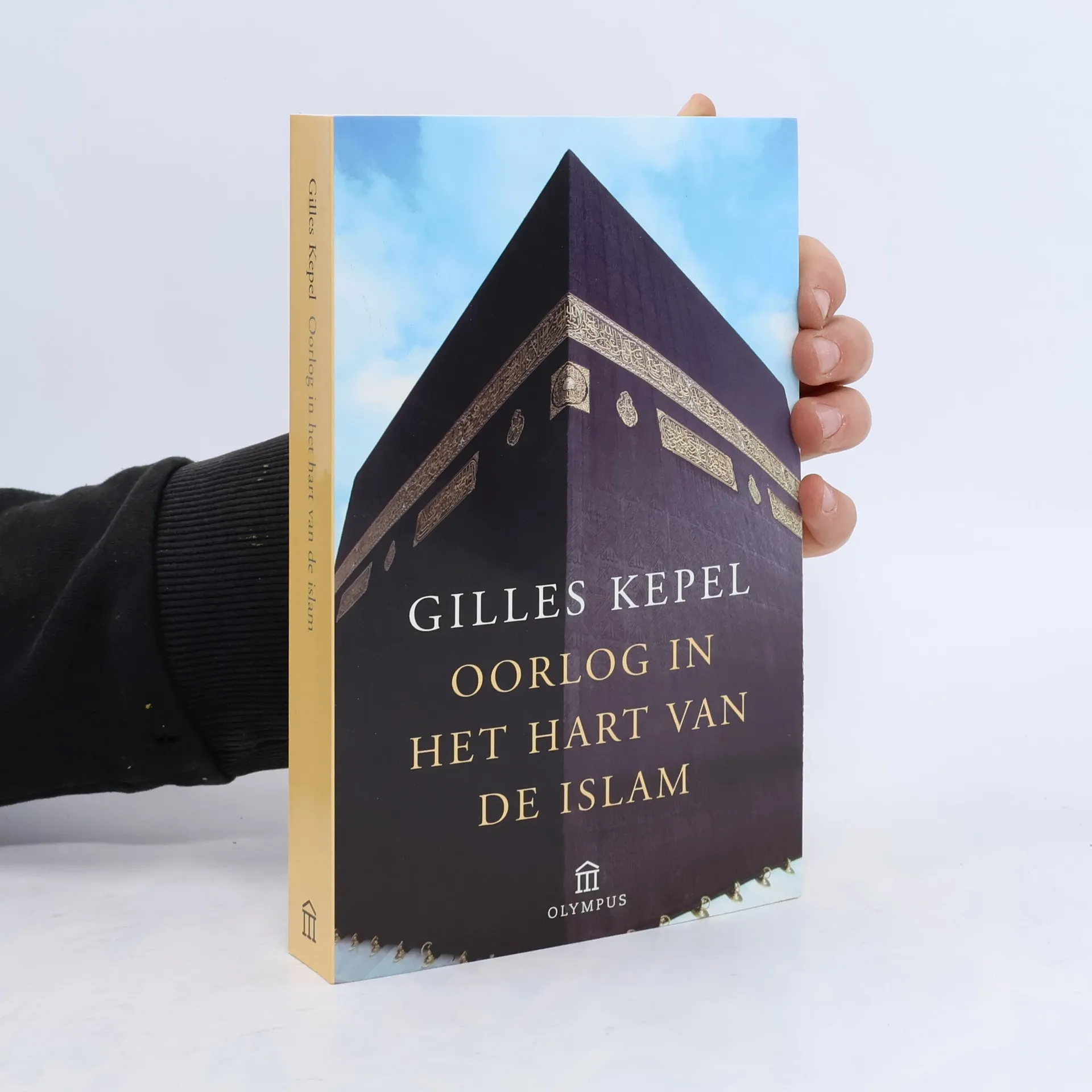
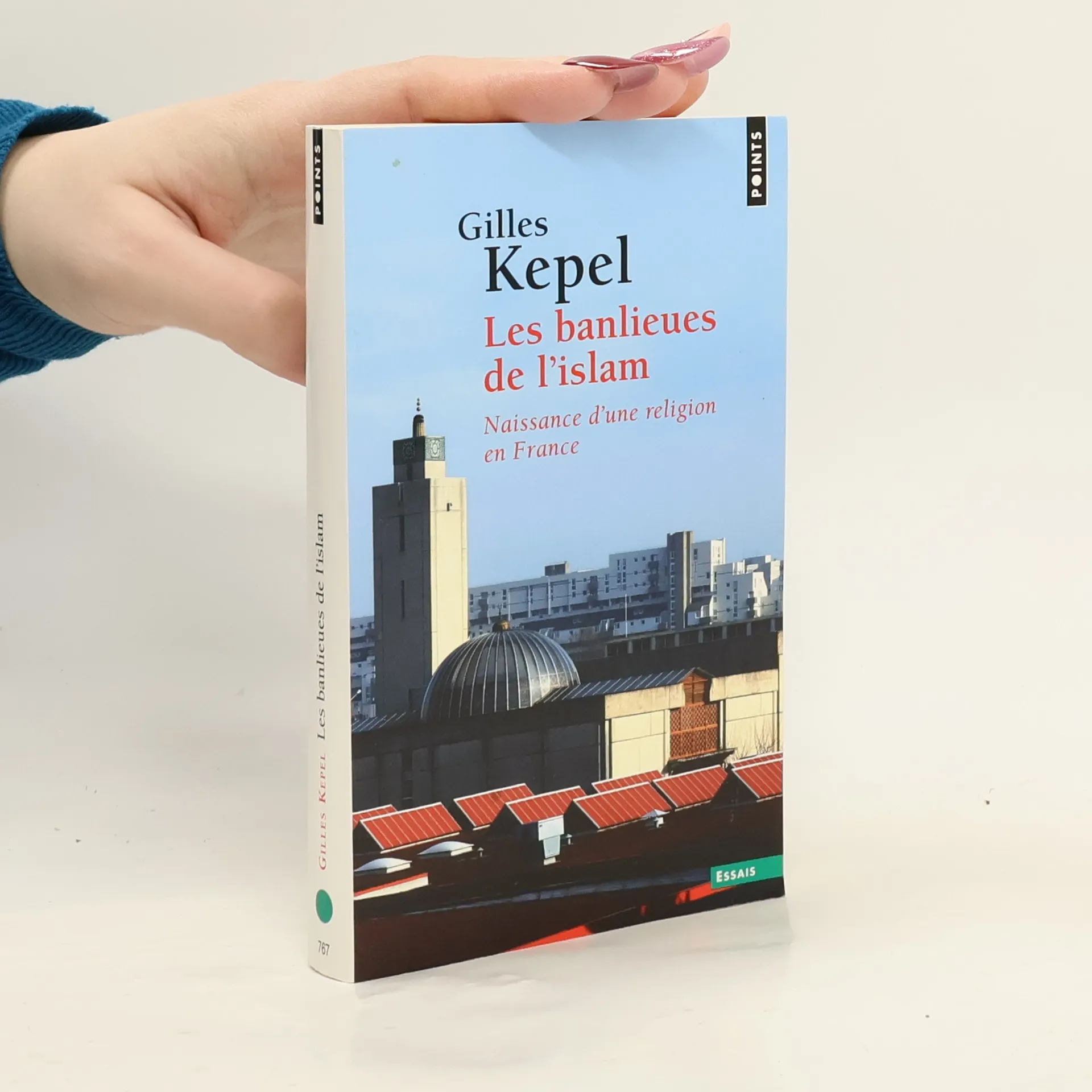
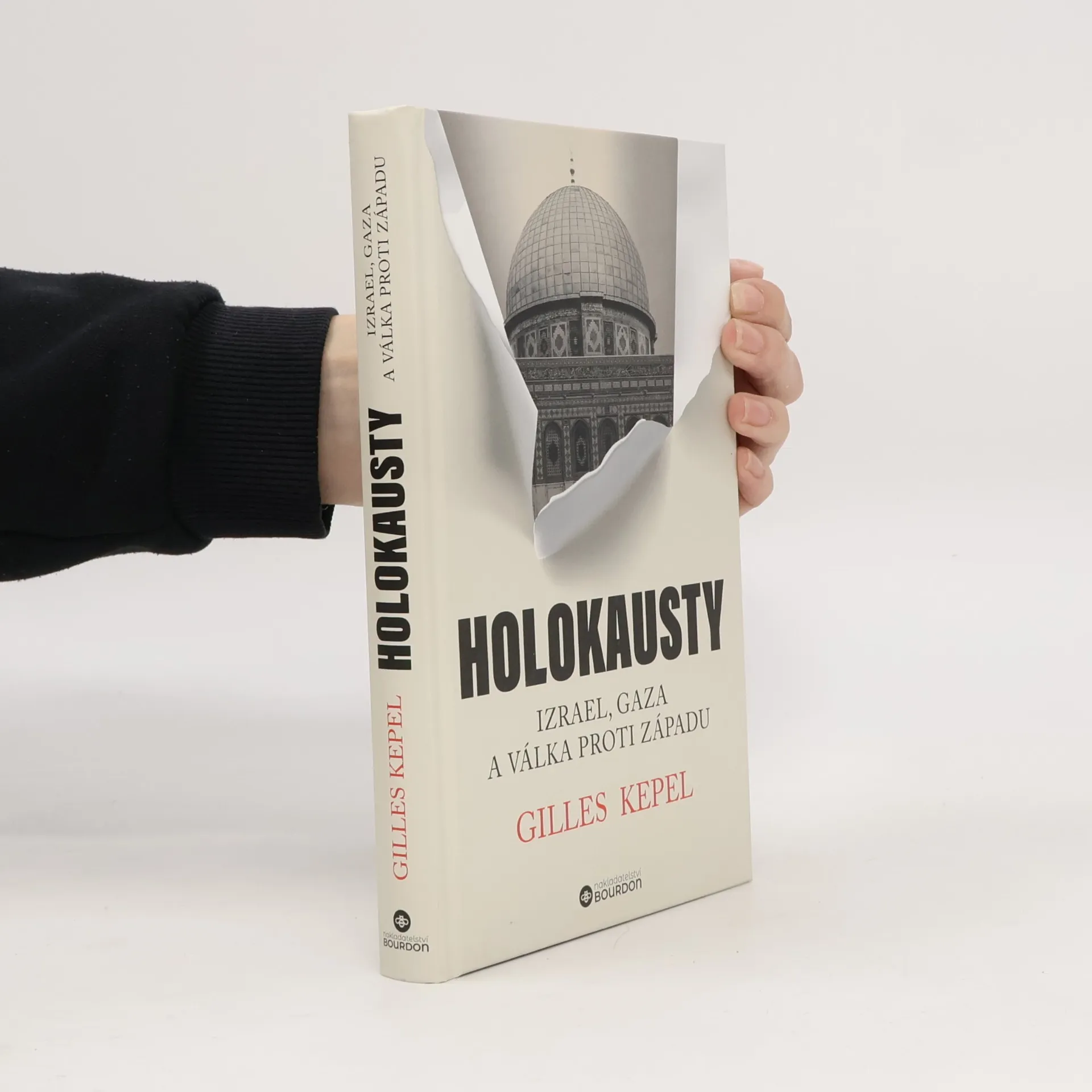
A French scholar and analyst of the Islamic and Arab world, his work delves into Radical Islam and its political dimensions. His analyses of political Islam have notably stirred intense debate within French academia. Professor Kepel is recognized for his profound insights into the complex issues of political Islam and its global ramifications.
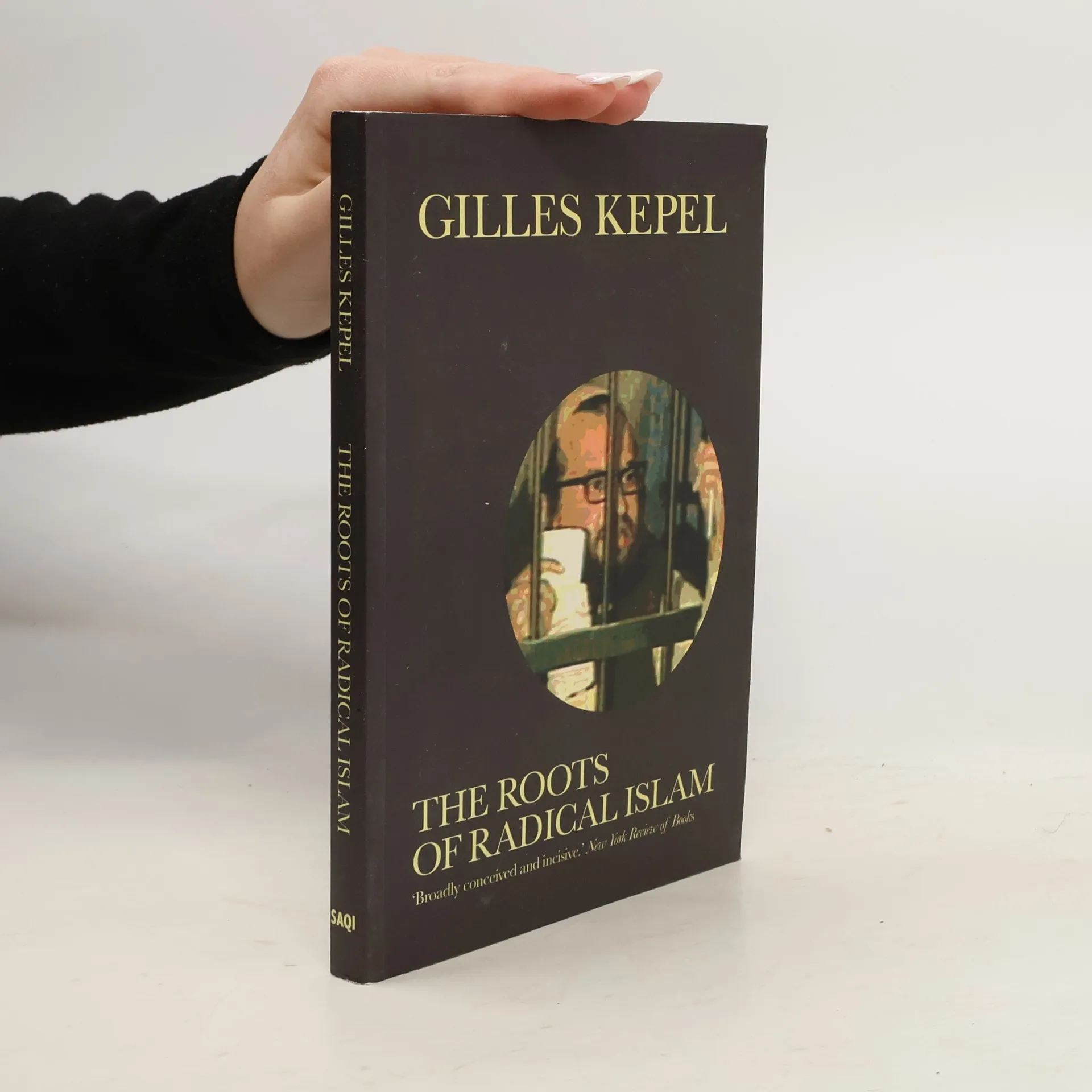
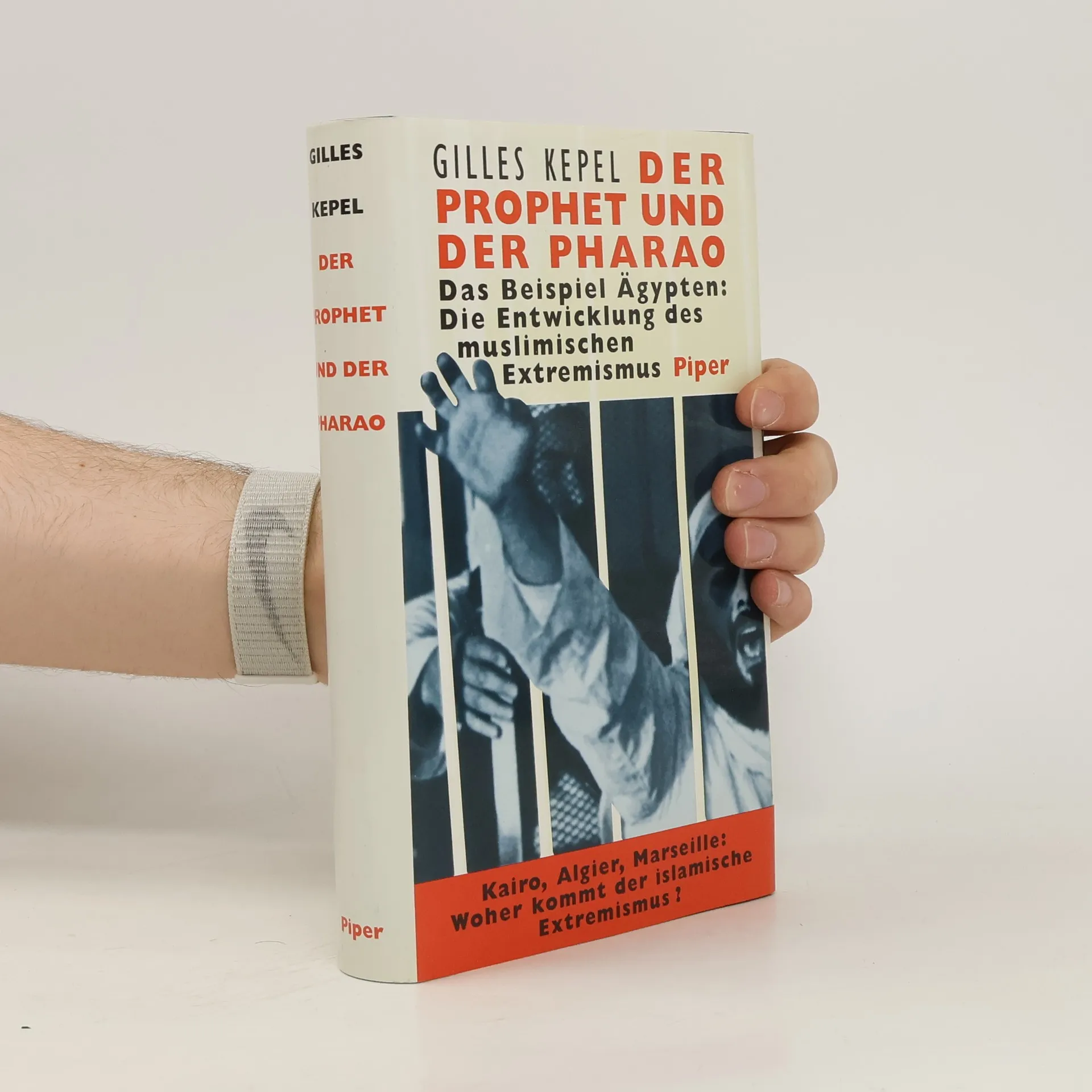
Written by a leading expert on Islamist movements, this work gives a
perceptive account of the foundations of radical Islamic organisations, and
offers insights into the structure, theory and tactics employed by the various
groups as early as the 1970s in Egypt.
Away from Chaos is a sweeping political history of four decades of Middle East
conflict and its worldwide ramifications. Gilles Kepel offers a clear and
persuasive narrative of the long-term causes of tension while seamlessly
incorporating on-the-ground observations and personal experiences from the
people who lived through them.
"Kepel examines the impact of global terrorism and the ensuing military operations to stem its tide. He questions the United States' ability to address the Middle East challenge with Cold War rhetoric, while revealing the fault lines in terrorist ideology and tactics. Finally, he proposes a way out of the Middle East quagmire that triangulates the interests of Islamists, the West, and the Arab and Muslim ruling elites. That path leads through Muslim immigrant communities in the West--the ultimate battlefield where the struggle for the democratization of Islamic societies will be won or lost"--Jacket
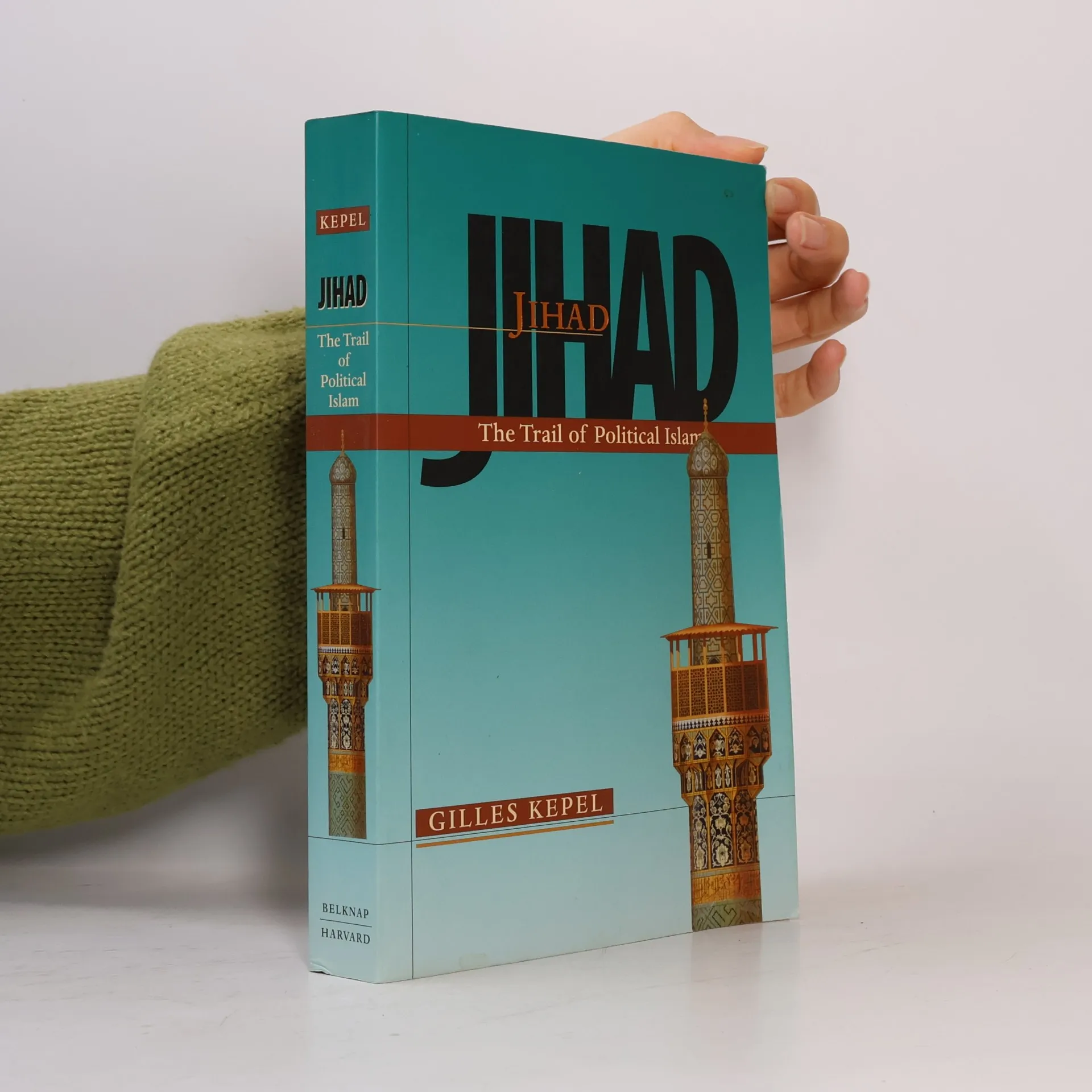
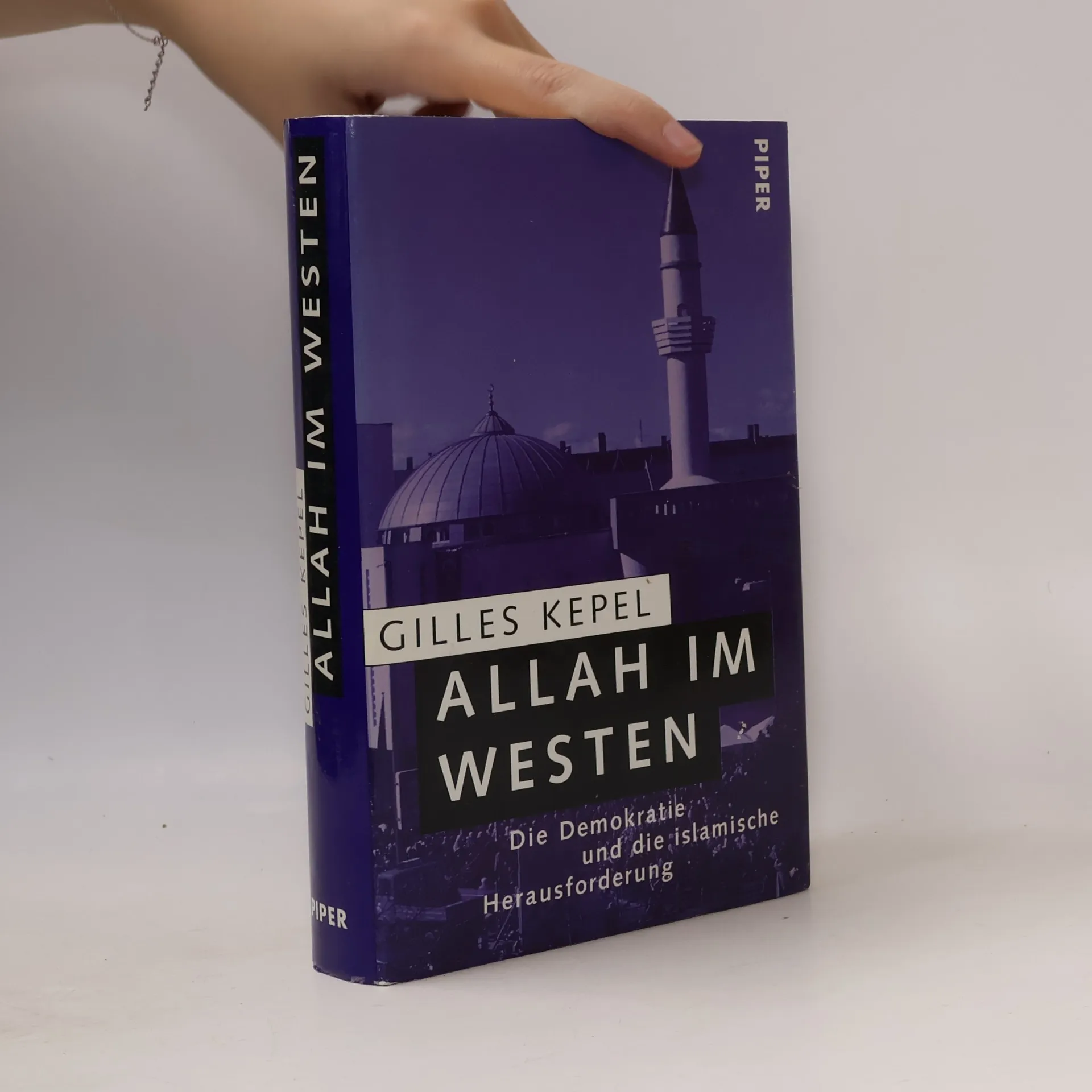
The late twentieth century saw the rise of Islamist political movements, beginning in the early 1970s with militants challenging regimes across the Muslim world and intensifying political conflicts. Their jihad, or "Holy Struggle," sought to create a global Islamic state based on a strict interpretation of the Koran, attracting a diverse following that included students, the urban poor, and middle-class professionals. Following an initial success with the Islamic revolution in Iran, the movement engaged in jihad against the USSR in Afghanistan, marking the emergence of extreme violence as a doctrine. By the late 1990s, the inability to gain political power elsewhere led to a division: moderates explored concepts of "Muslim democracy," while extremists turned to large-scale terrorism. This extensive examination traces the history and geography of this complex political-religious phenomenon. Fluent in Arabic, the author has traveled throughout the Muslim world to gather documents, interviews, and archival materials that provide a comprehensive understanding of Islamist movements, their historical context, and current implications. As we face the ongoing threat of terrorism, this work offers crucial insights into the reality of jihad today.
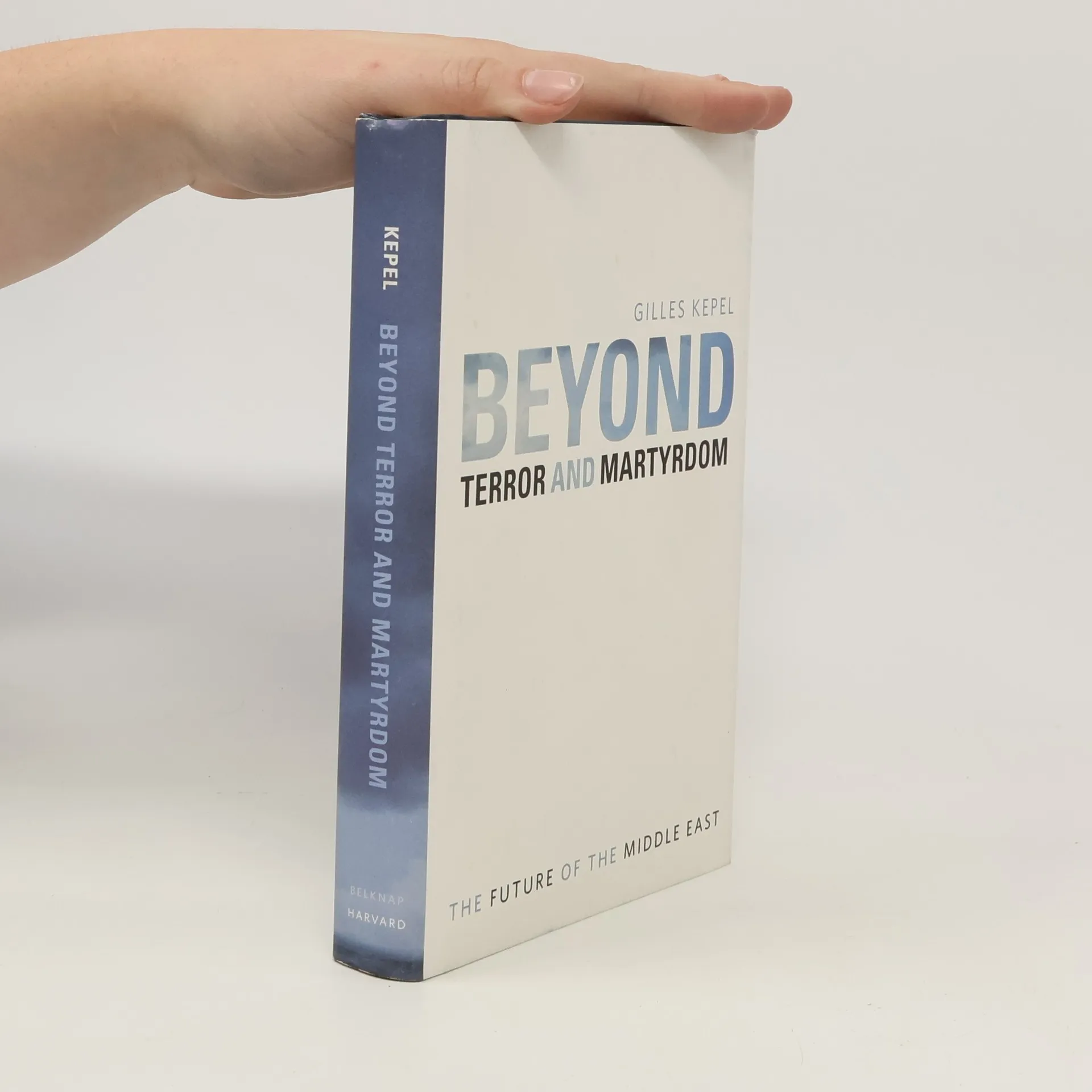
Kepel urges us to escape the ideological quagmire of terrorism and martyrdom and explore the terms of a new and constructive dialogue between Islam and the West. This book sounds the alarm to the West and to Islam that both of these exhausted narratives are bankrupt—neither productive of democratic change in the Middle East nor of unity in Islam.
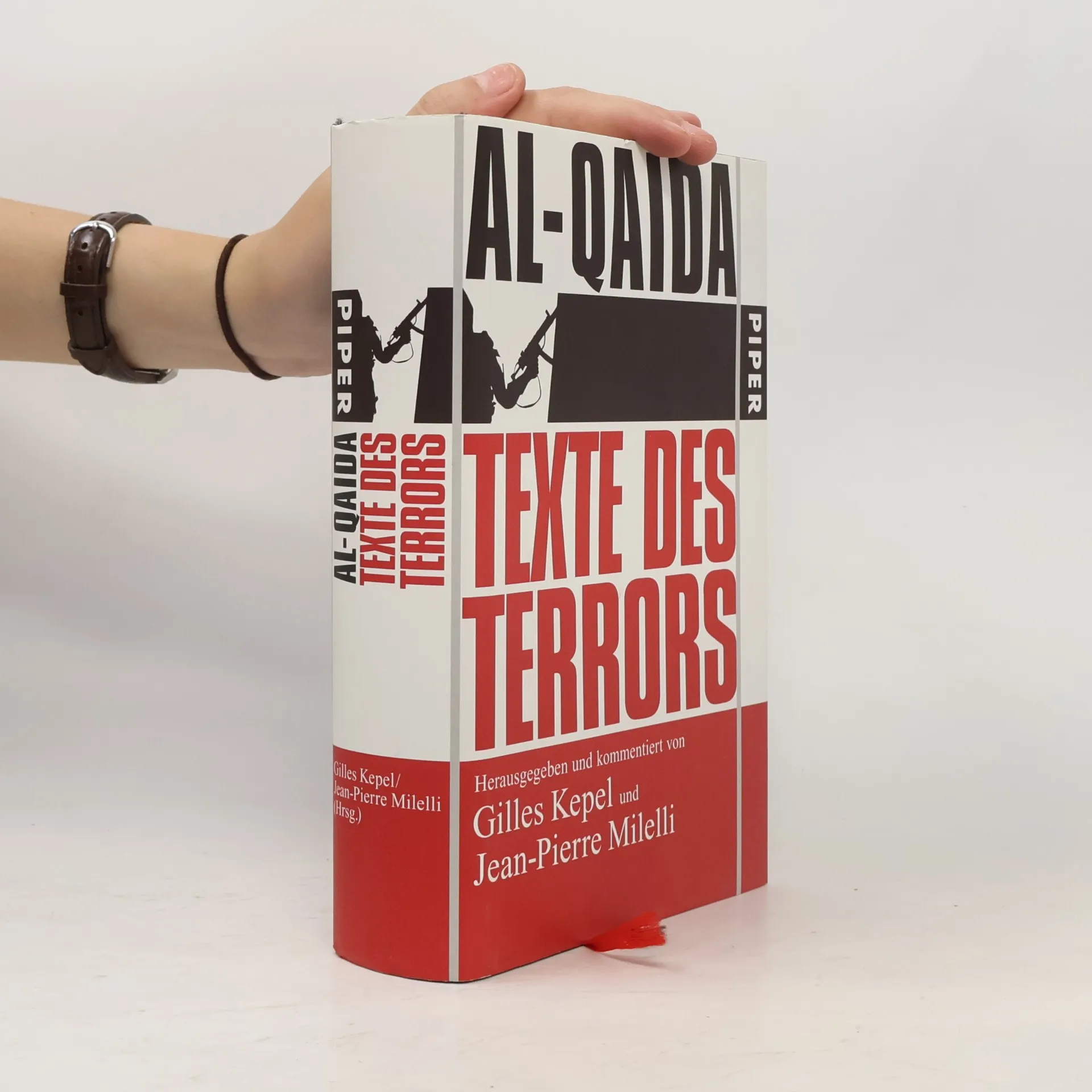
Der westliche „Krieg gegen den Terror“ ist zum Scheitern verurteilt - auch weil niemand weiß, was Al-Qaida will. Dieses Buch legt das Gedankensystem des Terrors offen und zeigt die immensen Veränderungen, vor denen wir stehen. Ein Team von Wissenschaftlern um Gilles Kepel, einen der renommiertesten Forscher weltweit auf diesem Gebiet, hat ein einzigartiges Unterfangen gestartet. Sie lassen die vier wichtigsten Protagonisten des islamistischen Terrors in ihren zentralen Texten selber sprechen, kommentieren sie und beschreiben den historischen, religiösen und politischen Zusammenhang. Hier wird zum ersten mal Al-Qaida für eine breite Öffentlichkeit von innen heraus erklärt; wer wissen will, was „die Regel“ (so eine Bedeutung des arabischen Wortes Al-Qaida) antreibt und wie sie den Kampf gegen uns im Westen ebenso wie den Kampf „im Herzen des Islam“ gewinnen will, muß dieses Buch lesen.
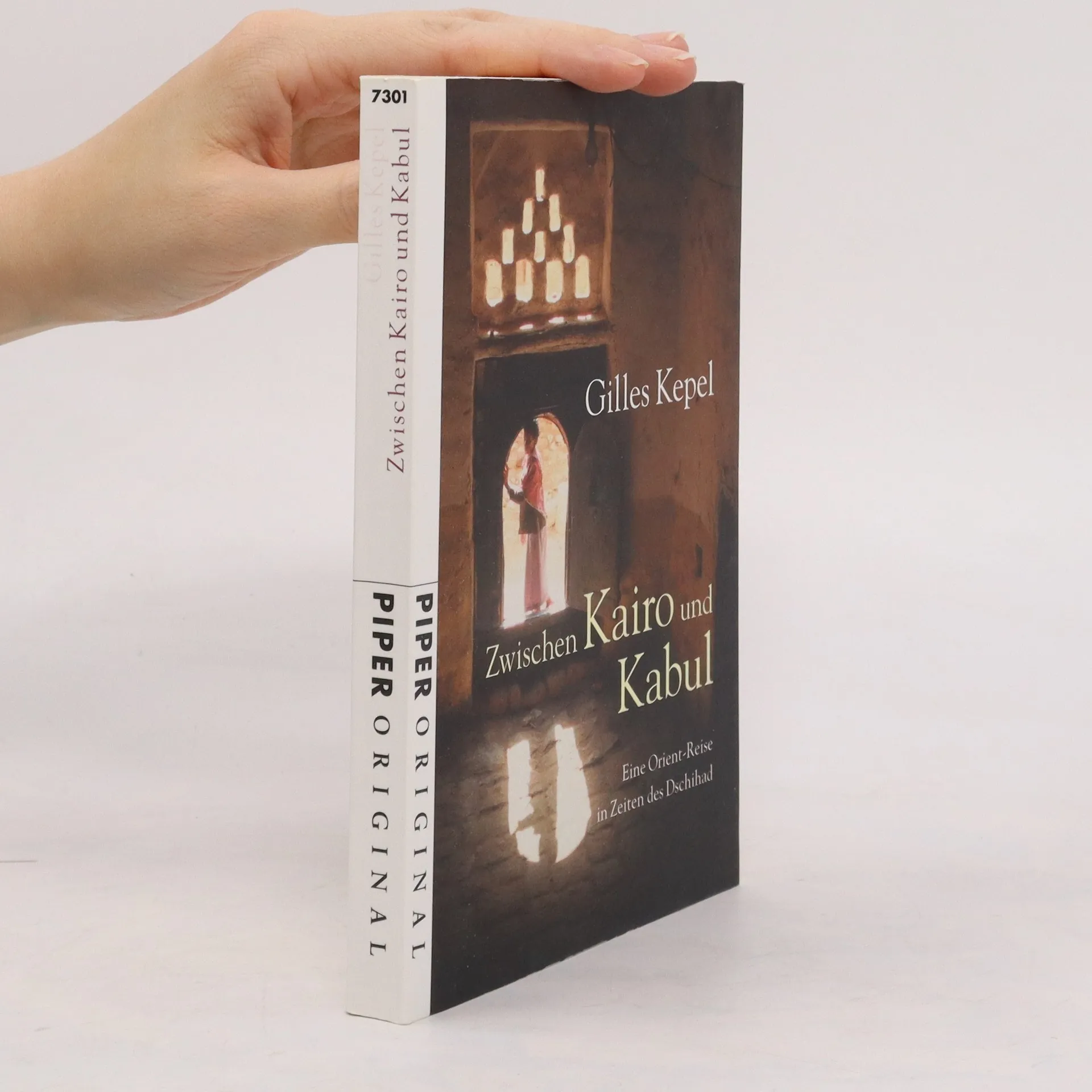
Der führende Experte für Islam und Islamismus, Kepel, kehrte in den Nahen Osten zurück, während New York mit dem Schock und dem Staub der Folgen des 11. Septembers kämpfte. Dies ist sein Bericht aus der umstrittensten Region der Geschichte.
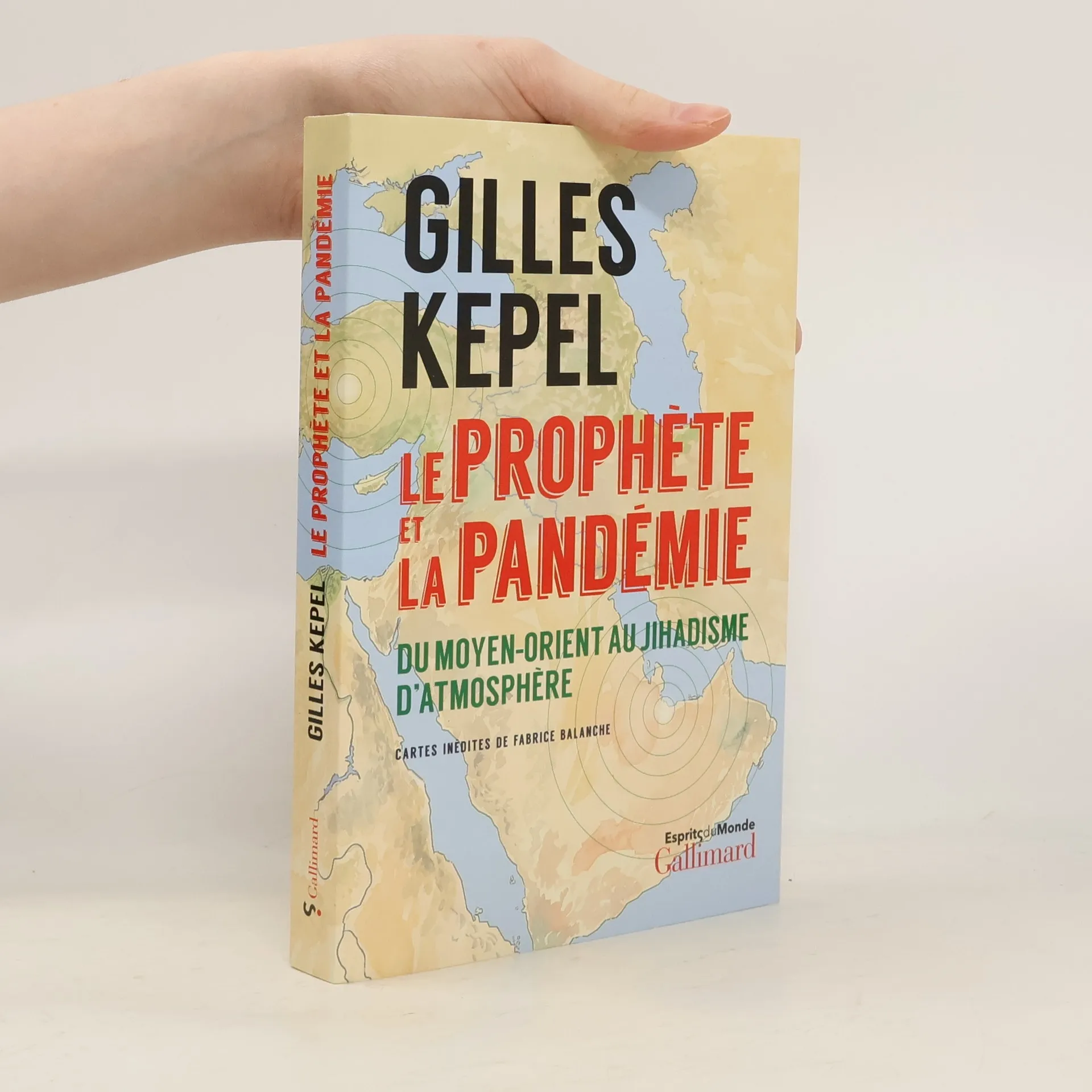
L’an 2020, marqué par la Covid-19 et l’effondrement du marché pétrolier, est celui de tous les bouleversements depuis le Moyen-Orient jusqu’aux banlieues de l’Europe.Le conflit israélo-palestinien se fragmente avec, d’un côté, « l’entente d’Abraham », qui va de Washington à Abou Dhabi et Khartoum en passant par Jérusalem, agrège le Caire et Riyad, et lorgne sur Bagdad ; de l’autre « l’axe fréro-chiite » qui rassemble Hamas, Qatar, Turquie et Iran, avec le soutien ponctuel de Moscou.Dans ces convulsions sismiques, Beyrouth explose, réfugiés et clandestins affluent en Europe, et le président turc Erdogan tente de refaire d’Istanbul le centre de l’islam mondial.Enfin, le terrorisme frappe à nouveau, en France et en Autriche, au nom d’un jihadisme sans organisation. Il s’appuie sur une atmosphère créée par des entrepreneurs de colère mobilisant foules et réseaux sociaux du monde musulman face à l’Occident –alors que Joe Biden doit restaurer la confiance des alliés de l’Amérique.Poursuivant la réflexion engagée dans Sortir du Chaos, succès français et international, Gilles Kepel propose, cartes et chronologie à l’appui, la mise en perspective indispensable de l’actualité pour comprendre les grandes transformations de demain.
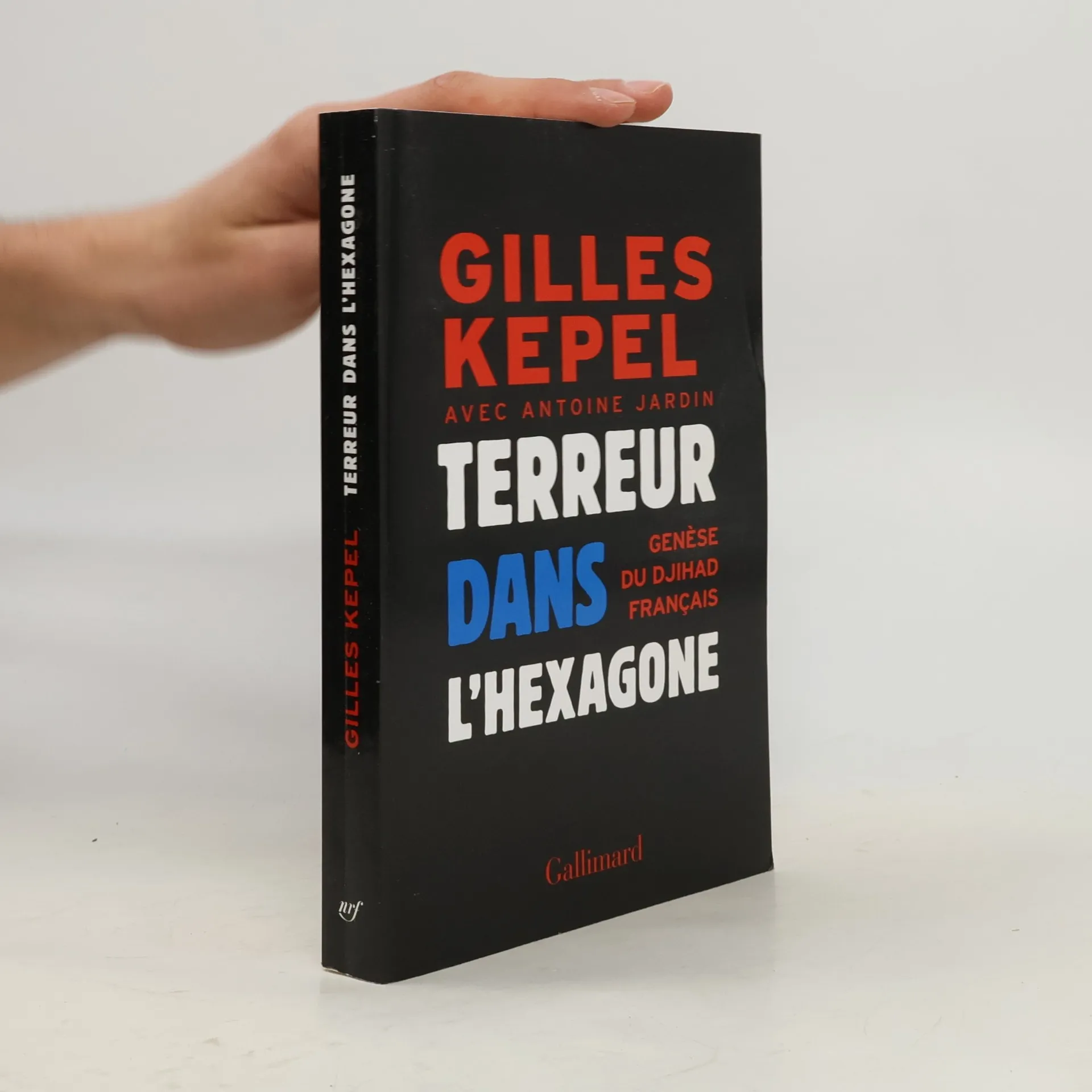
L'analyse perspicace de Kepel décrit les origines du djihad en France et constitue une base pour le discours sur ce sujet à travers l'Europe. Les attentats terroristes de janvier et novembre 2015 ont profondément ébranlé la France et l'Europe. Le sociologue renommé Gilles Kepel cherche à expliquer pourquoi une nouvelle fracture sociale s'est ouverte en France et comment la situation a pu dégénérer. La « jeunesse » de l'immigration postcoloniale est au cœur de son propos. Dans la marginalisation économique, sociale et politique de grandes parties de la population musulmane en France, Kepel voit le terreau de l'agitation des jeunes musulmans par des islamistes radicaux, qui, à travers les réseaux sociaux, propagent une nouvelle idéologie de djihad décentralisé et un rejet total de l'« infidèle » Occident. Parallèlement, les victoires électorales du Front National et la montée de l'extrême droite renforcent la polarisation de la société, dont les fondements sont menacés par ceux qui souhaitent déclencher un conflit par la terreur et la peur. Ce livre vise à démêler les fils de ce drame inquiétant auquel toute l'Europe est confrontée.
Ähnliche fundamentalistische Bewegungen wie im Islam, so Gilles Kepel, sind auch innerhalb des Judentums und des Christentums zu beobachten. In allen drei Religionen werden die Rufe lauter, die den absoluten Vorrang fordern und den modernen Staat westlicher Prägung verdammen. Im Nahen Osten, in den USA und in Europa ist Kepel den Spuren dieser Entwicklung nachgegangen.
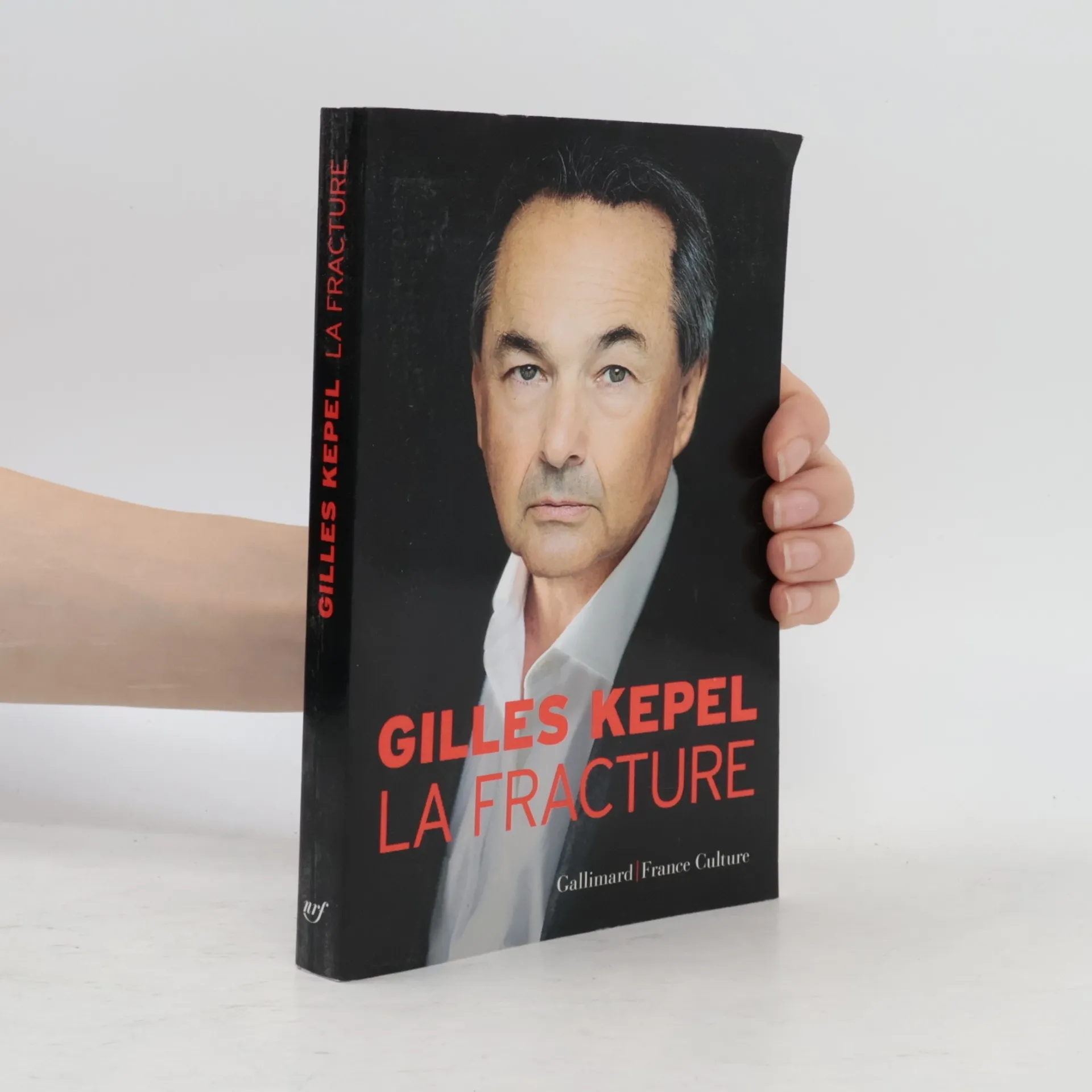
Un essai consacré aux stratégies de rupture et de division mises en place par les djihadistes afin de dresser les générations issues de l'immigration contre les classes moyennes françaises. La récupération à des fins électoralistes du problème du terrorisme est abordée. Elaboré à partir de chroniques tenues chaque semaine sur France Culture entre les étés 2015 et 2016.
« Tu as fermé ta lettre de deux cachets à la cire rouge portant le monogramme de notre patronyme, la lettre K, élégamment inscrite dans une ellipse. Je conserve un souvenir d’enfance du sceau et de son bâton de cire, qui faisaient partie de l’immense bric-à-brac acquis aux salles d’enchères par Rodolphe durant son exil londonien. Sans doute avait-il trouvé dans cette onzième lettre de l’alphabet vendue au hasard de l’encan dans un lot disparate, fréquente en anglais comme en tchèque mais rare en français, le tesson de notre identité persistant dans la tourmente.Ce modeste K, qui appartenait peut-être à un King, un Kellogg, un Kenneth prématurément tué ou ruiné par la guerre, magnifiait soudain notre survie familiale à travers les tribulations du XXe siècle... Petit garçon j’avais tenté de jouer avec cet objet fascinant qui produisait des dessins en relief : je me souviens comment tu fis fondre pour moi avec ton briquet — tu étais encore fumeur dans les années 1960 — la cire qui grésillait. Je me remémore son parfum de brûlé, les bulles noires et rouges, la pâte molle qui en séchant fit naître ce camée cramoisi, chétif et précieux. »
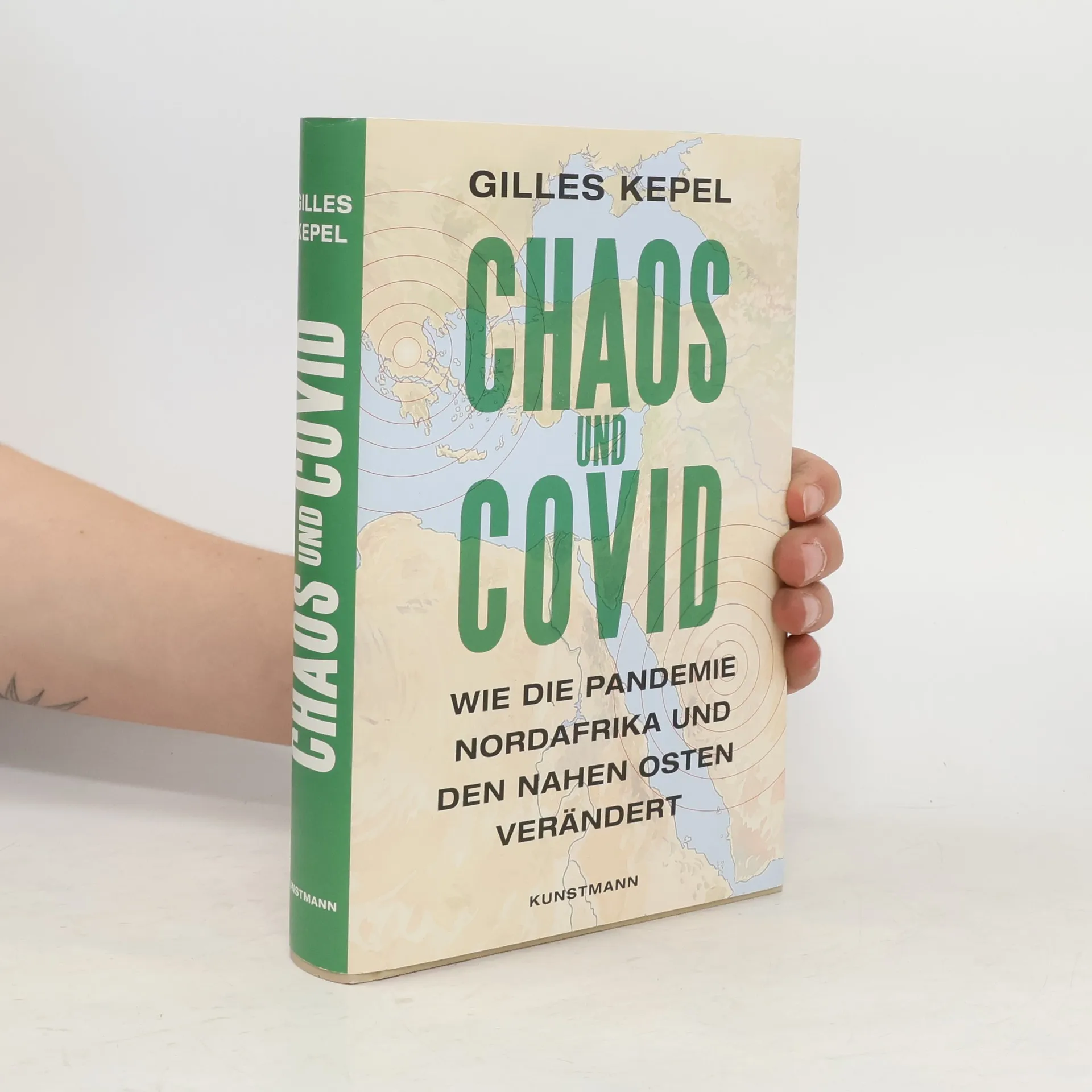
Wie die Pandemie Nordafrika und den Nahen Osten verändert
360 pages
13 hours of reading
Die Lage im Nahen Osten hat sich im Zuge von Pandemie und Ölpreisverfall zugespitzt. Die gesamte Region leidet unter der vom Virus erzwungenen wirtschaftlichen Stagnation. Im Schatten der prekären Lage werden neue Verbindungen geknüpft wie das durch die USA vermittelte Abraham-Abkommen zwischen Israel und den Vereinigten Arabischen Emiraten, das den ehemaligen Feind zu einem Geschäftspartner macht. Die von den Muslimbrüdern geprägte schiitische Achse zwischen Türkei, Iran und Katar hingegen erhält gelegentlich Unterstützung durch Putin, auch Chinas Einfluss wächst. Und während Erdogan versucht, Istanbul wieder zum Weltzentrum des Islam zu machen, schlägt der Dschihadismus erneut in Europa zu, mittlerweile in seiner vierten Generation in Form eines »Stimmungsterrorismus«. Mit gewohnt scharfem Blick und großer Kenntnis setzt der renommierte Soziologe und Arabist Gilles Kepel in seinem neuen Buch die aktuellen Geschehnisse im Nahen Osten, der Golfregion und in Nordafrika in den Kontext, den wir brauchen, um die Verschiebungen der geopolitischen Ordnung, wie wir sie kannten, zu verstehen.
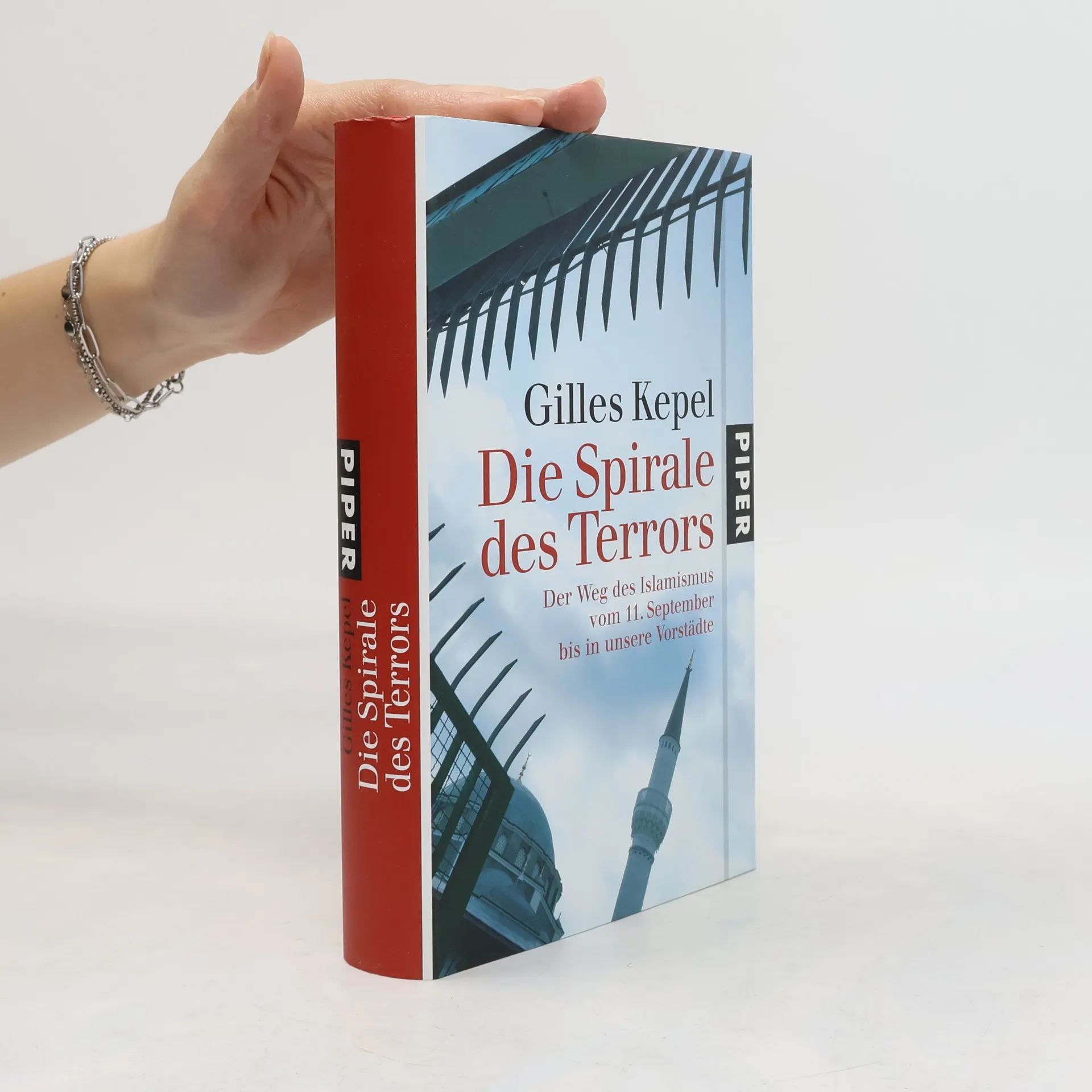
Deutsche Soldaten sterben in Afghanistan, weil sie dort, so heißt es, unsere Freiheit verteidigen. Aber der islamistische Terror flaut nicht ab, im Gegenteil. Diese Spirale des Terrors können gerade wir in Europa umkehren, sagt Gilles Kepel, der wohl renommierteste Kenner der arabischen Welt. Wir müssen weg von der rein militärischen Aktion. Kepel weist den Ausweg aus der Krise: Wenn es gelingt, einen Wohlstandsraum vom Mittelmeer bis zum Golf zu schaffen, werden daraus die Konturen einer neuen Region erwachsen, die allein der richtige Rahmen für den Frieden sein kann. Dafür braucht Europa vor allem eines: politischen Mut.
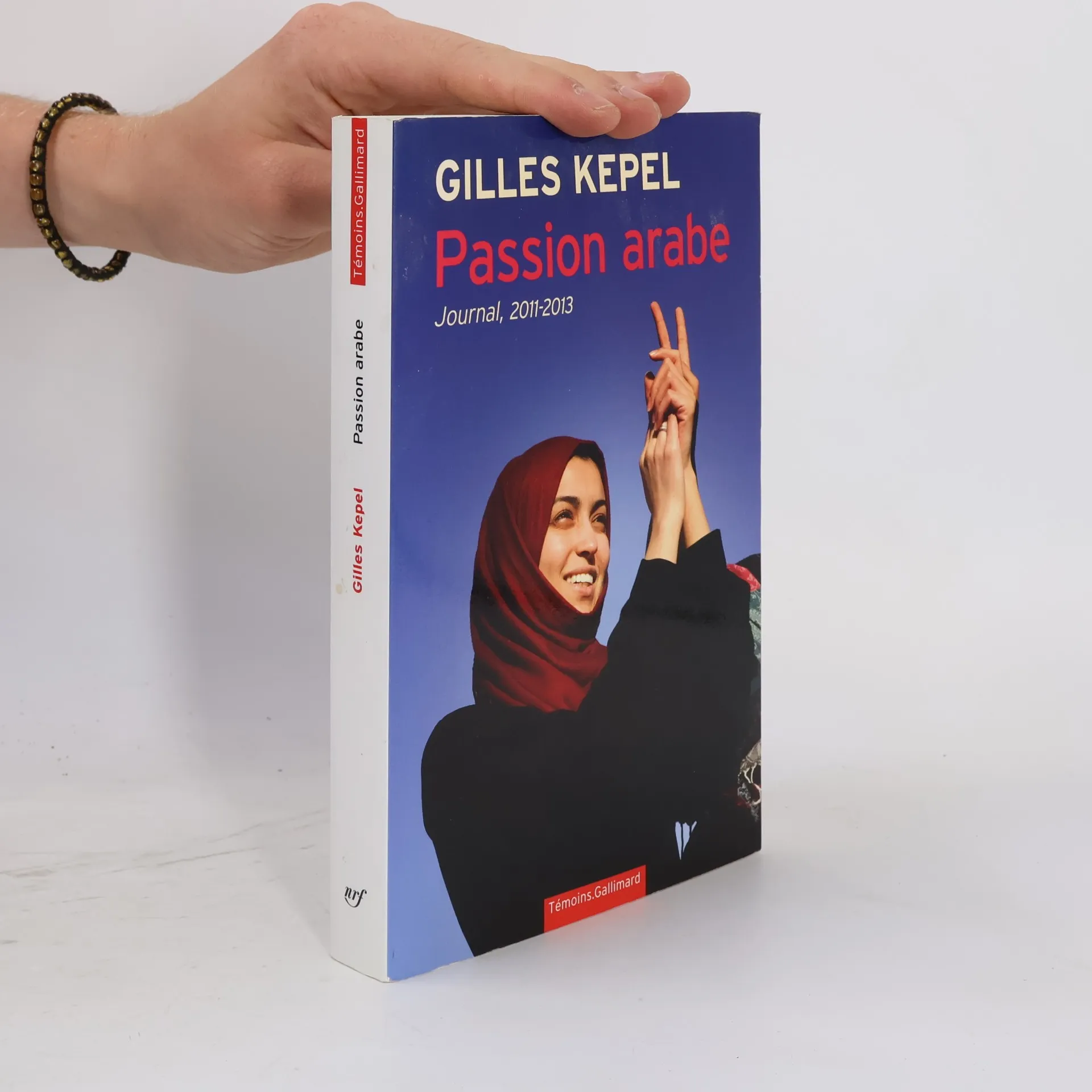
Le 17 décembre 2010, à Sidi Bouzid, Mohamed Bouazizi, un vendeur ambulant, s'immole par le feu, déclenchant une onde de choc à travers le monde arabe. Les régimes de Ben Ali, Moubarak et Kadhafi s'effondrent, provoquant des révolutions qui, en deux ans, renversent des dictatures tout en permettant aux Frères musulmans de prendre le pouvoir. Le salafisme se développe, alimenté par le désespoir des jeunes et des déshérités, tandis qu'al-Qaida refait surface, de la Syrie au Mali. Les idéaux de liberté, démocratie et justice sociale des « printemps arabes » semblent s'évanouir. Les pétromonarchies du Golfe jouent un rôle crucial dans l'ascension des partis islamistes, et le conflit sunnites-chiites détourne l'énergie révolutionnaire, plongeant la Syrie dans une souffrance profonde. Gilles Kepel, expert du monde arabe depuis quarante ans, a parcouru la région, rencontrant divers acteurs, des salafistes aux laïcs, des Frères musulmans aux militaires. De ce voyage, il a tiré un Journal, enrichi au fil du temps, qui explore en quatorze chapitres les déchirements de ces sociétés. L'auteur, avec passion, rend compte des violences, des épreuves et parfois de l'espoir, témoignant d'une inextinguible Passion arabe.
Analyse van het wereldwijde islamitische terrorisme en de onderlinge politieke, theologische en maatschappelijke conflicten tussen moslims en de factoren in de westerse wereld die aan dat terrorisme ten grondslag liggen.
Dans cet ouvrage, Gilles Kepel identifie les enjeux sociaux et politiques de l'islam en France. L'auteur retrace la progression du phénomène depuis 1926, les querelles qui animent cette communauté plurinationale et les événements qui la soudent, le regain des jeunes générations pour la religion, le débat entre insertion ou assimilation. Cette étude lucide et sereine sur les musulmans en France est aussi un regard éloquent sur la France, révélant des malentendus de part et d'autre, dont la méconnaissance a contribué à la marginalisation des quartiers populaires et aux drames que vit notre pays.
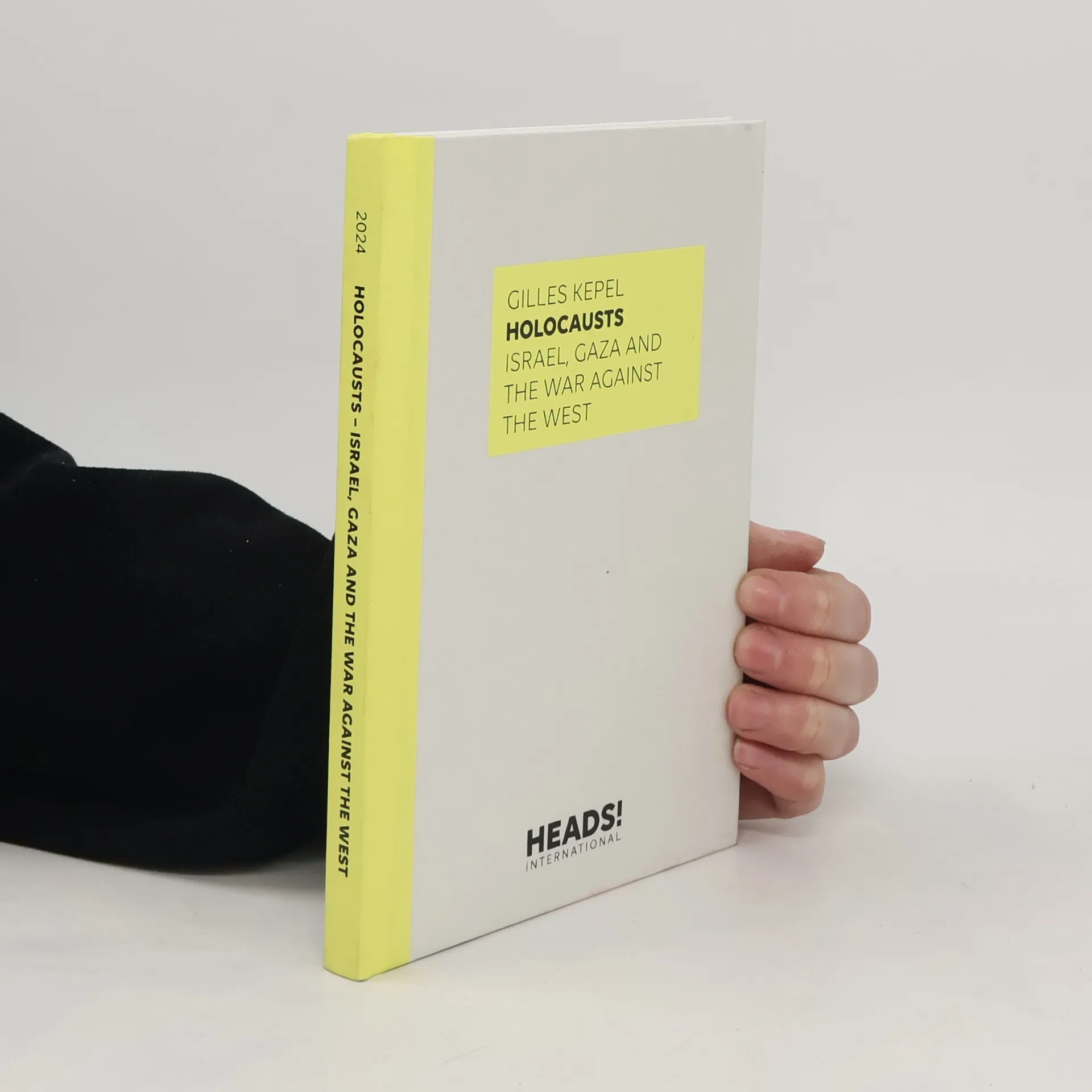
Po strašlivém útoku ze 7. října 2023, při kterém bylo šokujícím způsobem zmasakrováno, znásilněno a zmrzačeno na 1 140 lidí, spustil Izrael odvetný útok na Gazu. Ten si doposud podle odhadů vyžádal desítky tisíc mrtvých. Oba tyto holokausty – v původním náboženském smyslu masovéoběti – ztělesňují dlouholeté prokletí Svaté země. Jsou obrazem spirály násilí a zaslepenosti, jejichž kořeny sahají hluboko do historie obou znesvářených národů. Francouzský akademik Gilles Kepel ukazuje, jak protagonisté této tragédie ve svém vystupování i konkrétních činech proplétají mystiku a politiku. Proti radikálnímu islamismu sunnitského Hamásu a jeho šíitským spojencům inspirovaným Íránem stojí židovští extrémisté, kteří zajišťují přežití Netanjahuovy vlády. Jejich střet vyostřuje regionální napětí od Jemenu až po Libanon a má globální dopady. Nabývá totiž podoby celosvětové války proti Západu a jeho hodnotám. Přivlastněním si pojmu „genocida“ se některé státy a organizace prohlašují za součást „globálního Jihu“ bojujícího proti „Severu“, který je popisovaný jako kolonialistický a „islamofobní“. Kepel ve své knize odhaluje hlavní aspekty tohoto novodobého střetu civilizací.
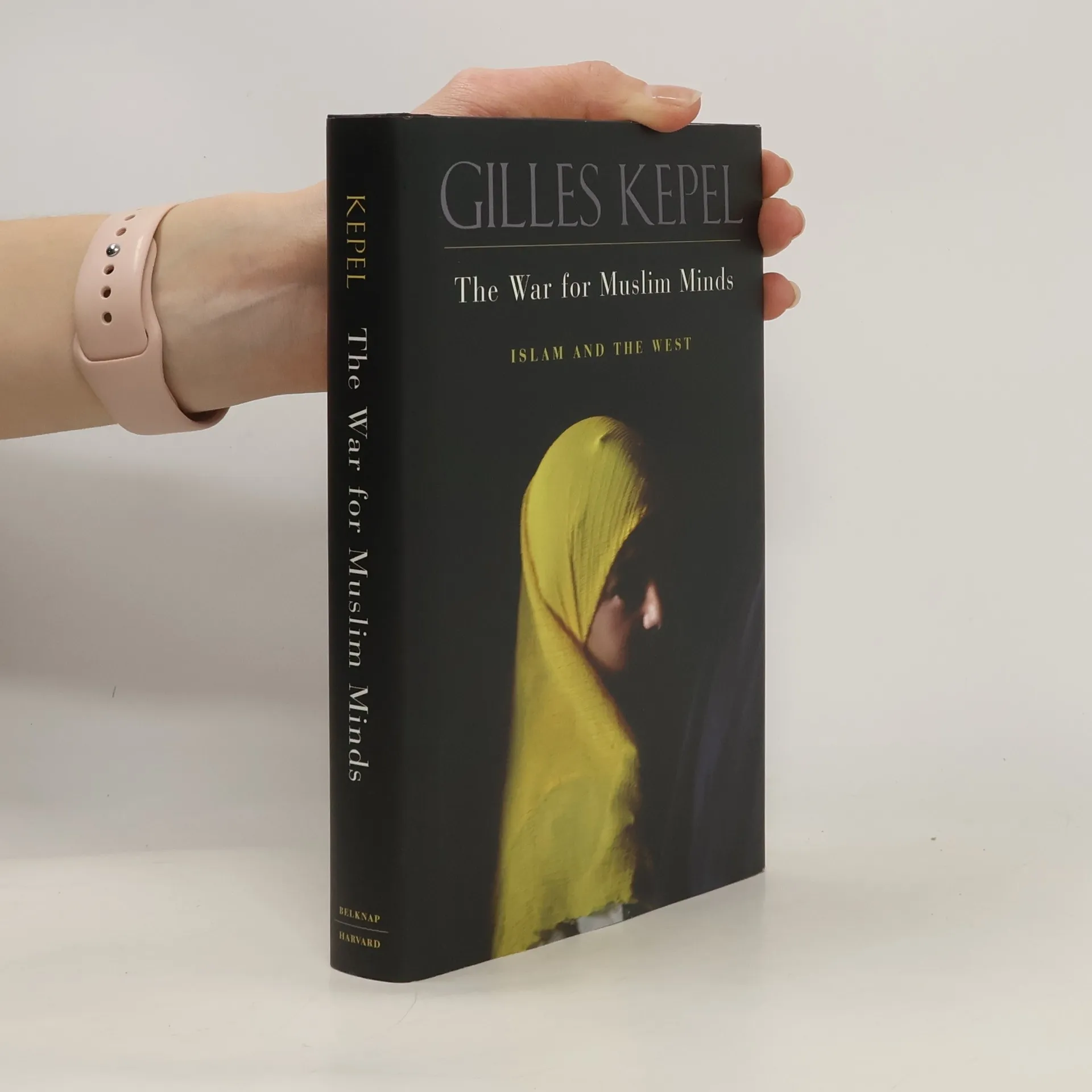
Kniha francouzského politologa a předního světového experta na islám Gillese Kepela, analyzuje současné napětí v muslimském světě. Zachycuje nejcitlivější ohniska krizí: palestinskou intifádu, globální motivy a cíle al-Kaidy, spory o budoucnost Saúdské Arábie a zakrvácený poinvazní Irák. Kniha obsahuje i úvahy o neokonzervativní politice Bushovy Ameriky a o názorových střetech v muslimských komunitách v Evropě.