

More about the book
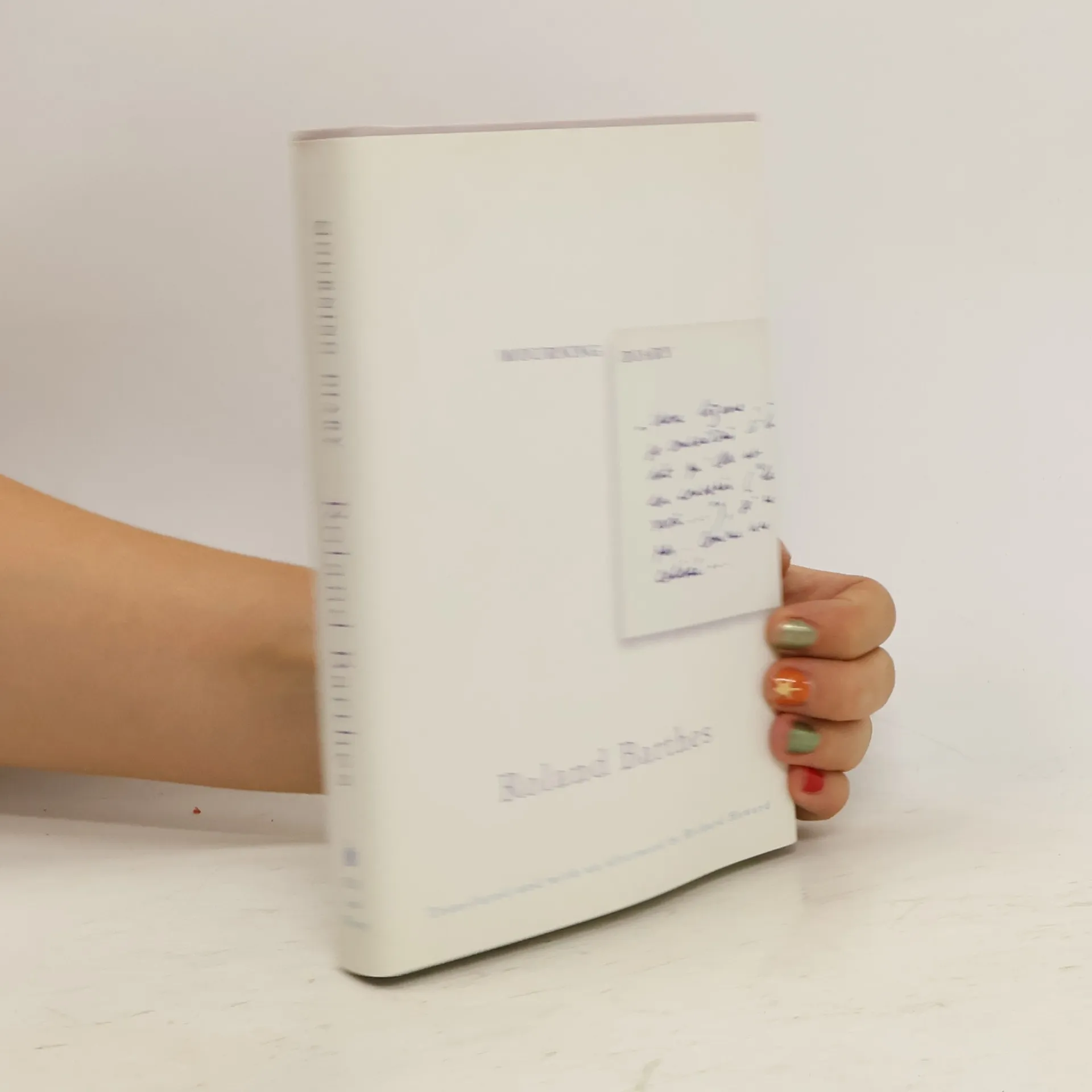
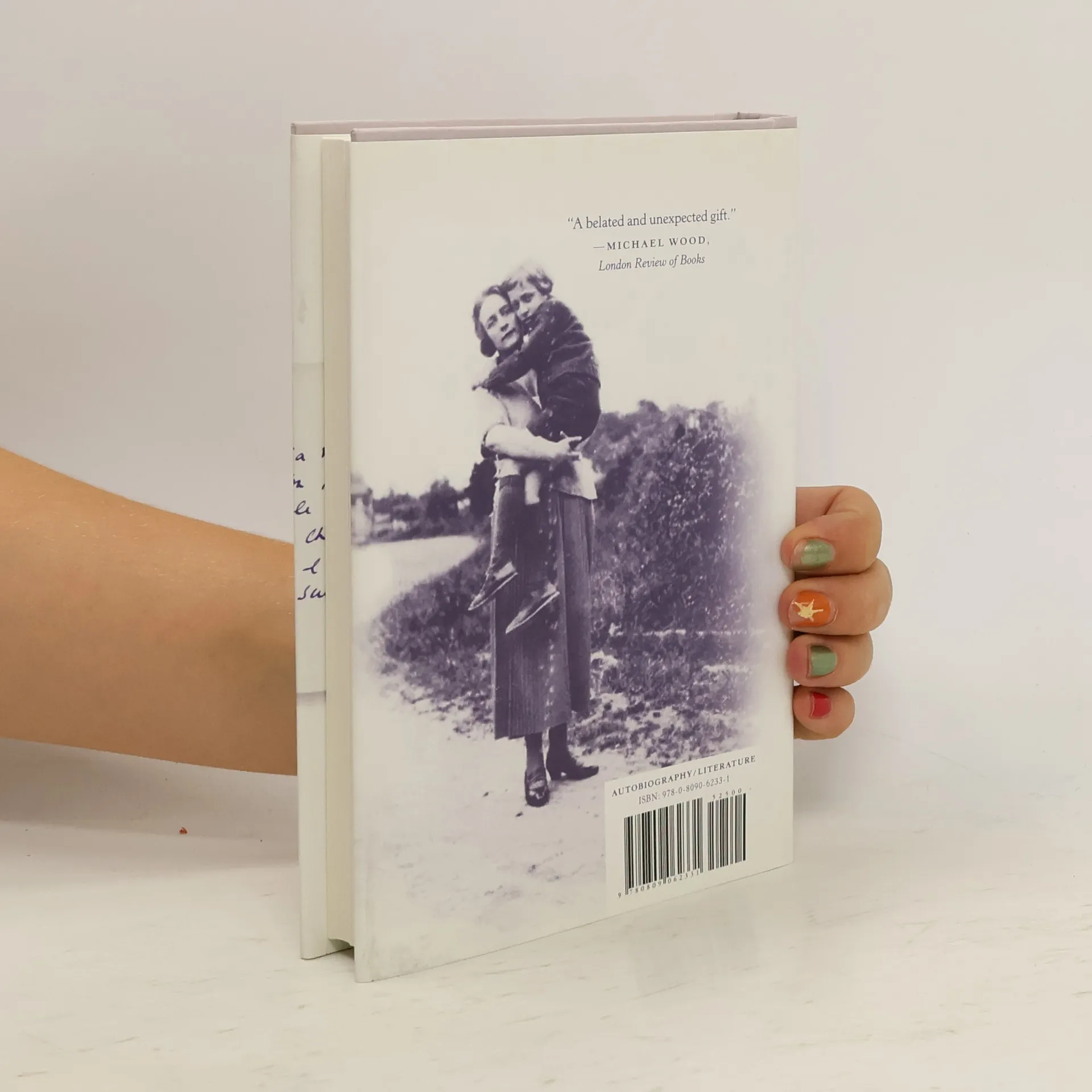
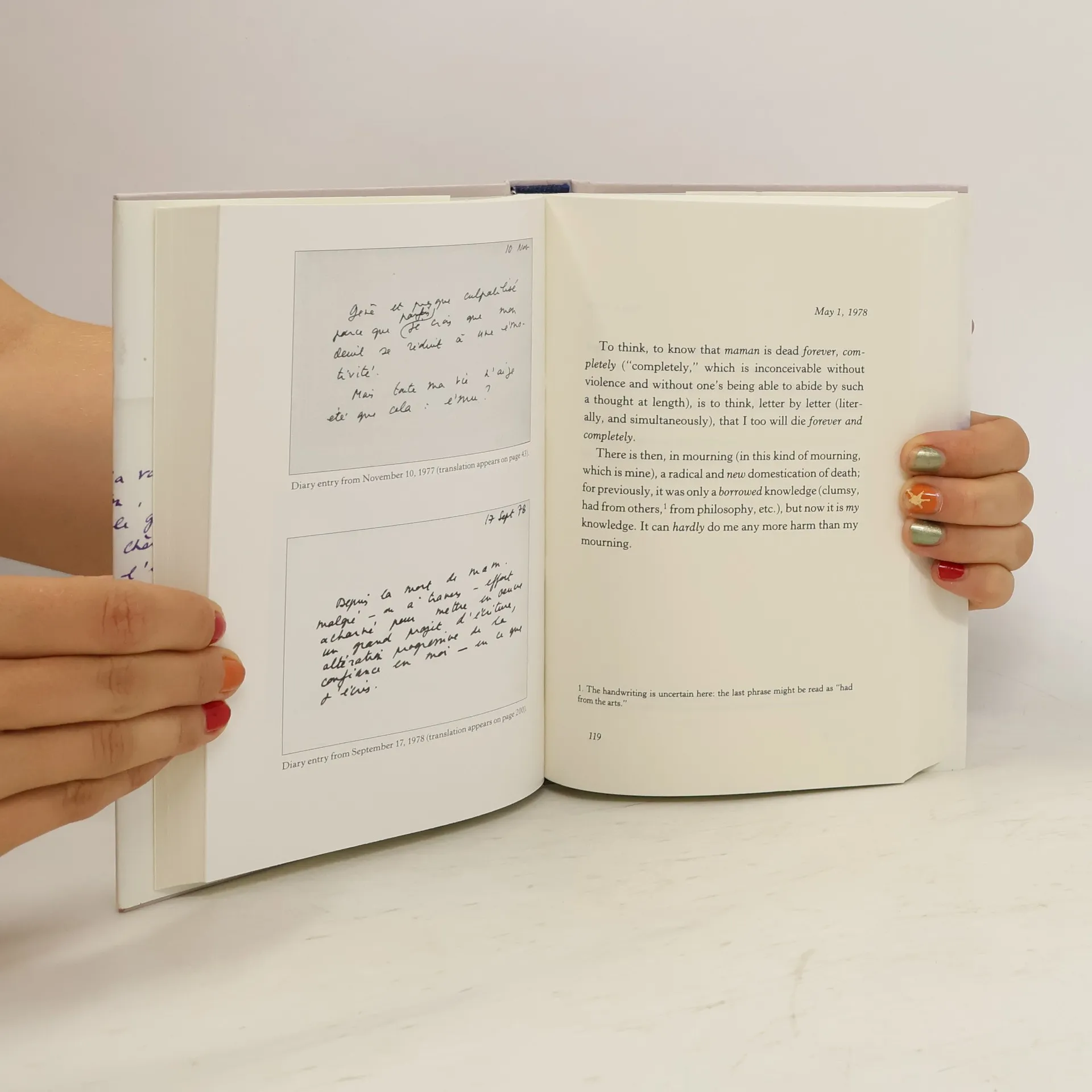
A major discovery: The lost diary of a great mind—and an intimate, deeply moving study of grief The day after his mother's death in October 1977, the influential philosopher Roland Barthes began a diary of mourning. Taking notes on index cards as was his habit, he reflected on a new solitude, on the ebb and flow of sadness, and on modern society's dismissal of grief. These 330 cards, published here for the first time, prove a skeleton key to the themes he tackled throughout his work. Behind the unflagging mind, "the most consistently intelligent, important, and useful literary critic to have emerged anywhere" (Susan Sontag), lay a deeply sensitive man who cherished his mother with a devotion unknown even to his closest friends.



Book purchase
Mourning Diary, Roland Barthes
- Language

- Released
- 2010
- Binding
- (Hardcover)
Payment methods
We’re missing your review here.
- Title
- Mourning Diary
- Language
- English
- Authors
- Roland Barthes
- Publisher
- Hill and Wang
- Released
- 2010
- Format
- Hardcover
- Pages
- 272
- ISBN10
- 080906233X
- ISBN13
- 9780809062331
- Series
- Tags
- Philosophical Topics, France, Death
- First published
- 2009
- Original title
- Journal de deuil
- Rating
- 4.15 out of 5
- Description
- A major discovery: The lost diary of a great mind—and an intimate, deeply moving study of grief The day after his mother's death in October 1977, the influential philosopher Roland Barthes began a diary of mourning. Taking notes on index cards as was his habit, he reflected on a new solitude, on the ebb and flow of sadness, and on modern society's dismissal of grief. These 330 cards, published here for the first time, prove a skeleton key to the themes he tackled throughout his work. Behind the unflagging mind, "the most consistently intelligent, important, and useful literary critic to have emerged anywhere" (Susan Sontag), lay a deeply sensitive man who cherished his mother with a devotion unknown even to his closest friends.